

Buying a luxury vehicle offers comfort, advanced technology, and strong performance, but it also comes with a risk that many owners fail to consider. Certain premium models are stolen far more often than the average car, making them attractive targets for organised criminal groups. Many buyers only become aware of this issue after facing higher insurance costs or dealing with the loss of their vehicle.
The Highway Loss Data Institute (HLDI) measures this risk using whole-vehicle theft claim frequency. Rather than counting every reported theft, the organisation analyses insurance claims for every 1,000 insured vehicle years. A score of 100 represents the average insured vehicle, while some luxury models record figures that are many times higher.
Recent HLDI reports covering the 2022 to 2024 model years revealed that a number of premium vehicles continue to attract thieves at exceptionally high rates, surprising even people who closely follow the automotive industry. This page looks at eight luxury vehicles with the highest theft claim frequencies based on the latest HLDI findings.
It also explains the figures behind each ranking and why these vehicles remain attractive to criminals. Some luxury brands that many people would expect to appear on the list were left out because the available data did not place them among the highest-risk models.
Whether you already own one of these vehicles or plan to buy one soon, understanding these theft trends can help you make smarter insurance and vehicle security decisions.
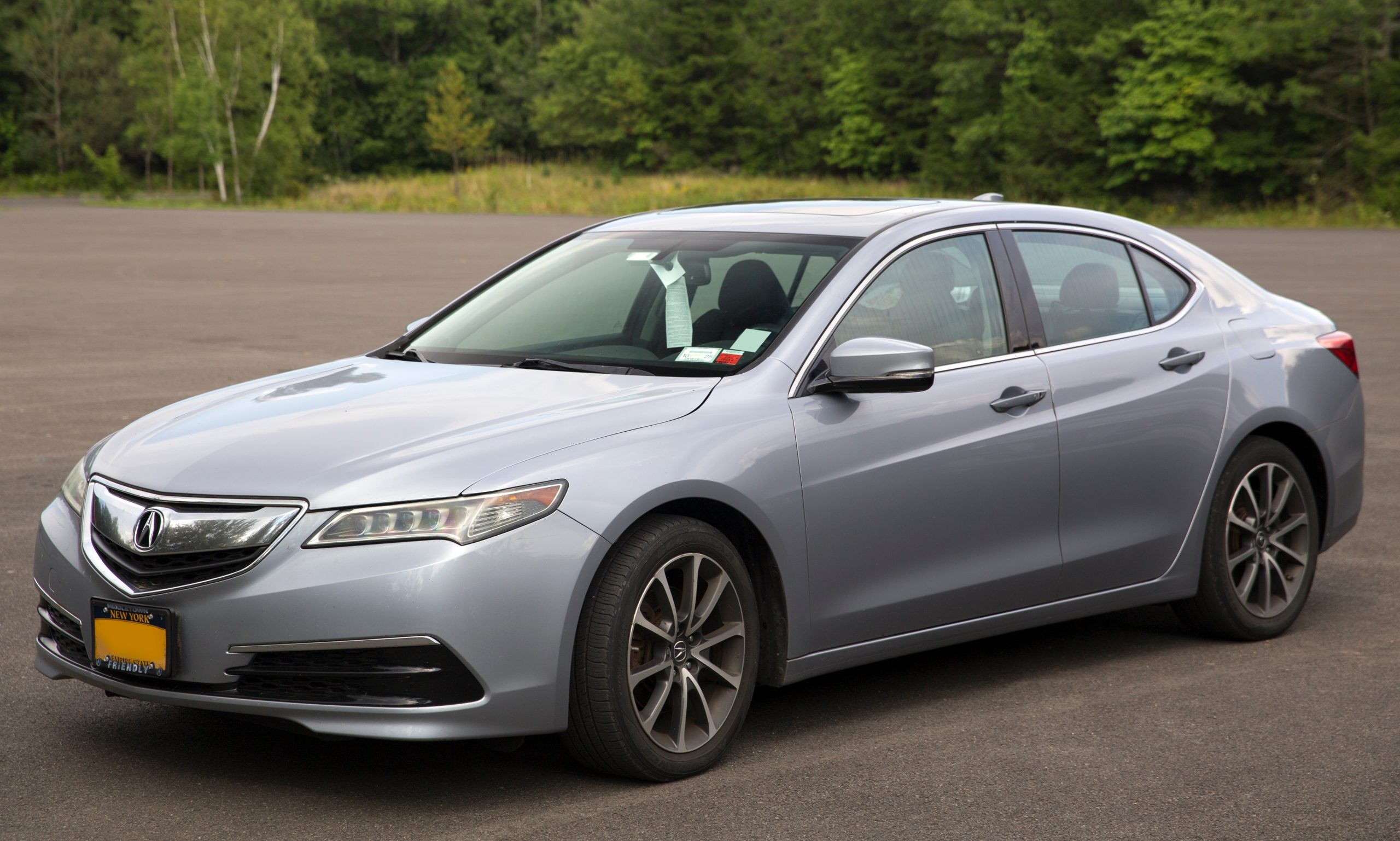
1. Acura TLX AWD
Relative Theft Frequency: 2,138 (about 21 times the average vehicle)
Theft Data: The Acura TLX AWD ranks among the highest luxury vehicles for theft claim frequency in HLDI’s latest whole-vehicle theft report. Its rate is far above the average vehicle, making it one of the most targeted premium sedans in America.
- Engine: 2.0L Turbocharged Inline-4
- Horsepower: 272 hp
- Torque: 280 lb-ft
- Size: 194.6″ L x 75.2″ W x 56.4″ H
Twenty-one times. That’s roughly how far above the average vehicle the Acura TLX AWD sits in HLDI’s latest whole-vehicle theft claim frequency measurements, posting a relative score of 2,138 against a baseline of 100. Numbers like that don’t happen by accident, and they place this all-wheel-drive sedan at the very top of luxury vehicle theft rankings in the entire country, ahead of SUVs, sports sedans, and virtually every other premium nameplate currently tracked.
What makes a car this attractive to thieves specifically? Insurance analysts point to a combination of factors rather than any single cause. Acura’s TLX carries genuine luxury cachet paired with a price point that’s more accessible than German or British competitors, which widens the pool of potential buyers for stolen parts or resold vehicles alike. The AWD drivetrain adds mechanical value too, since all-wheel-drive components command higher prices in the parts resale market compared to front-wheel-drive equivalents.
HLDI’s methodology matters here, since this isn’t a simple theft count pulled from police reports. It’s a claim frequency measurement, adjusted for how many TLX AWD models are actually insured and how much theft exposure they face relative to other vehicles on the road. That adjustment is precisely why a relatively low-production sedan can post such an extreme score, since the calculation accounts for the smaller number of insured units rather than comparing raw totals against mass-market vehicles sold by the millions.
For current TLX AWD owners, this data carries real practical weight. Comprehensive insurance premiums on this model tend to reflect that elevated risk directly, and additional theft deterrents, steering locks, tracking devices, and secured parking are worth serious consideration given just how far this car sits above typical theft exposure.
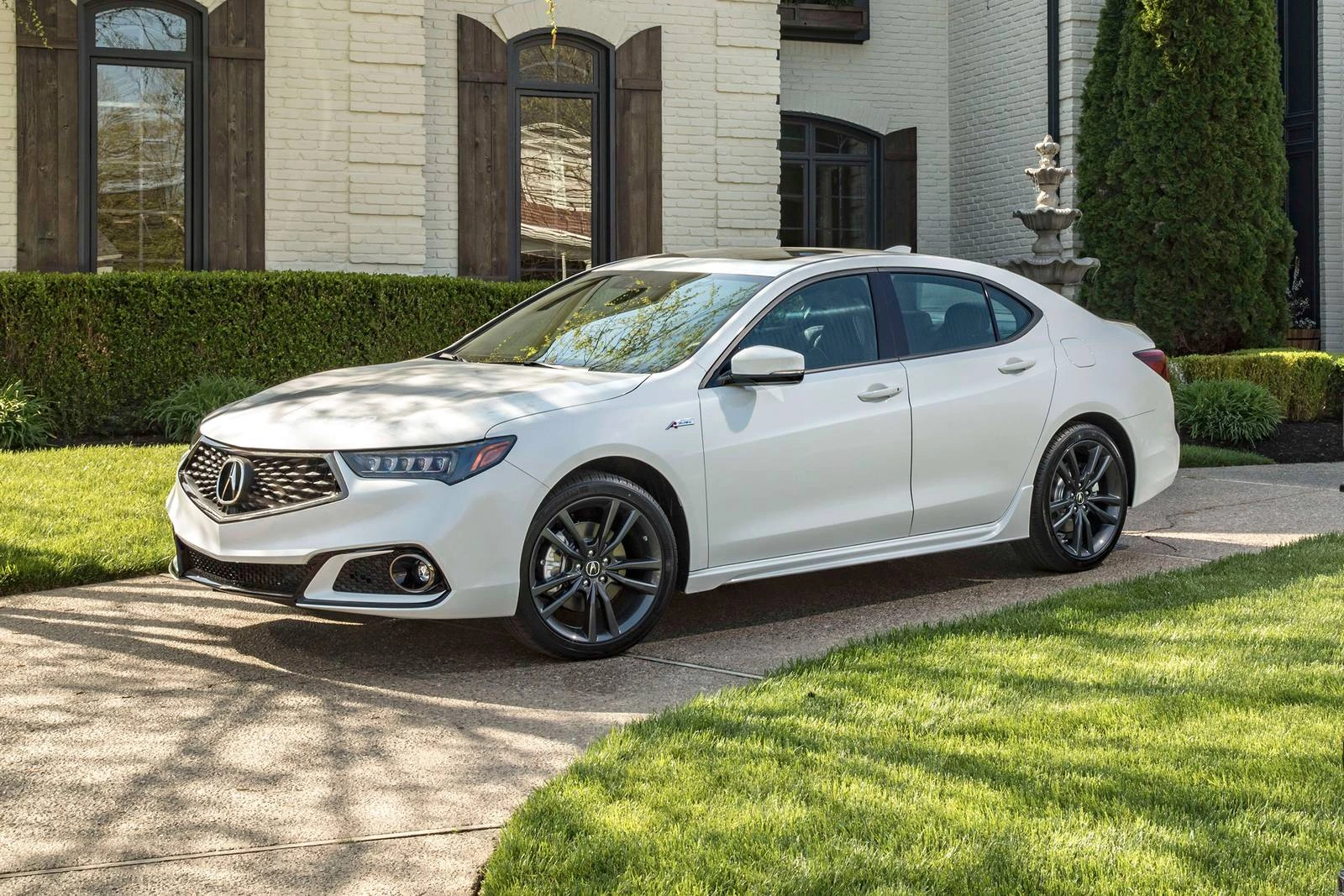
2. Acura TLX FWD
Relative Theft Frequency: 805 (about 8 times the average vehicle)
Theft Data: The front-wheel-drive TLX also records a high theft claim frequency in HLDI data, placing it among the most vulnerable luxury sedans based on insurance claims.
- Engine: 2.0L Turbocharged Inline-4
- Horsepower: 272 hp
- Torque: 280 lb-ft
- Size: 194.6″ L x 75.2″ W x 56.4″ H
The front-wheel-drive TLX doesn’t escape the pattern set by its all-wheel-drive sibling, though it lands with a somewhat less extreme score. HLDI data places this configuration at a relative theft frequency of 805, about eight times the average insured vehicle, a number that would top most other categories on this list entirely if the AWD version weren’t sitting even higher above it.
Comparing these two drivetrain variants side by side tells an interesting story about what actually drives theft risk beyond simple brand appeal. Both versions share the identical 2.0L turbocharged four-cylinder engine, the same 272 horsepower output, and nearly identical exterior dimensions. The gap between a score of 2,138 and 805 comes down almost entirely to that drivetrain difference, suggesting mechanical component value plays a real role in which specific configuration thieves target most aggressively.
That said, an eightfold increase over baseline is still a serious figure by any standard measurement. Most mainstream sedans post scores hovering close to that 100 average mark, meaning FWD TLX owners are still dealing with meaningfully elevated exposure compared to nearly everything else in their segment, luxury or otherwise.
Insurance carriers factor this directly into premium calculations, and TLX FWD owners shopping for comprehensive coverage should expect pricing that reflects this documented risk level rather than treating it as an anomaly. It’s worth asking your agent directly how your specific coverage responds to this kind of documented theft frequency data.
Practical countermeasures apply here just as they would for the AWD model: secure parking, visible deterrents, and aftermarket tracking systems all meaningfully reduce actual theft risk regardless of what the baseline claim frequency suggests for the model as a whole.
Also Read: 10 Stolen Vehicles Most Likely to Be Recovered
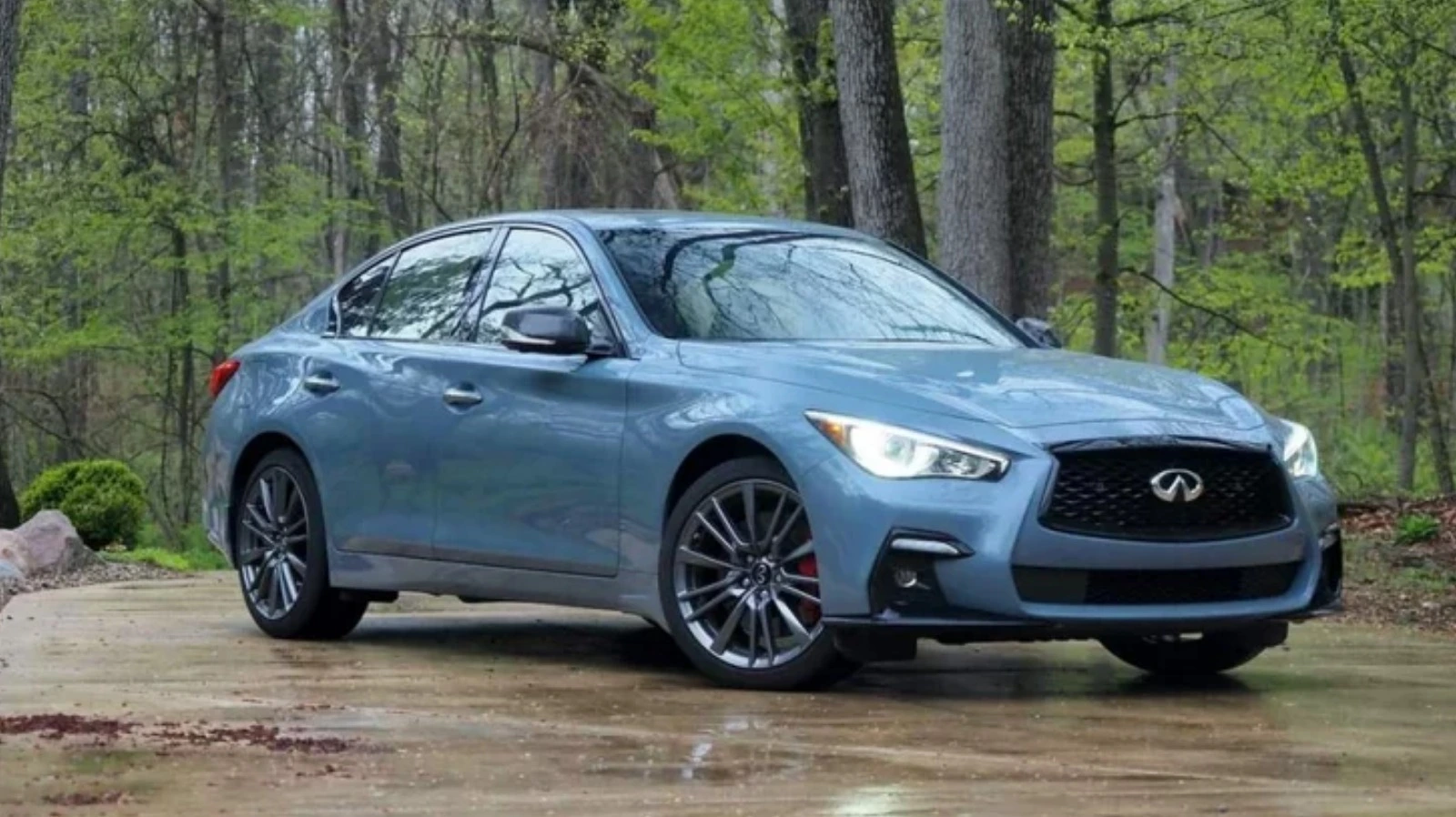
3. Infiniti Q50 AWD
Relative Theft Frequency: 374 (about 3.7 times the average vehicle)
Theft Data: The Infiniti Q50 AWD has appeared among higher-risk luxury vehicles in previous HLDI reports, though its latest ranking is lower than that of the Acura TLX models.
- Engine: 3.0L Twin-Turbocharged V6
- Horsepower: 300 hp
- Torque: 295 lb-ft
- Size: 189.6″ L x 71.8″ W x 57.2″ H
The Infiniti Q50 AWD may not top theft rankings, but it is stolen more often than many people realise. HLDI data gives the luxury sedan a relative theft frequency of 374, meaning it is stolen about 3.7 times more often than the average insured vehicle. While some vehicles record higher figures, this remains a concern for anyone who owns or plans to buy one.
Reports from the Highway Loss Data Institute have repeatedly listed the Q50 AWD among vehicles with elevated theft rates. Its presence across multiple reporting periods shows that the problem has continued for years instead of being linked to a single spike. This steady pattern suggests there are lasting factors that make the sedan appealing to thieves.
The Q50 AWD is powered by a twin-turbocharged V6 engine that produces 300 horsepower and 295 lb-ft of torque. Its strong performance, premium features, and valuable mechanical components make it attractive in both the used vehicle and parts markets. Criminal groups often target vehicles with parts that can be sold for high prices.
Owners should see these findings as a reminder to improve vehicle security. Comprehensive insurance can help reduce financial losses, while secure parking, steering wheel locks, GPS tracking systems, and other anti-theft devices can lower the chances of theft. Taking these precautions is a practical way to protect the vehicle and enjoy greater peace of mind every day.
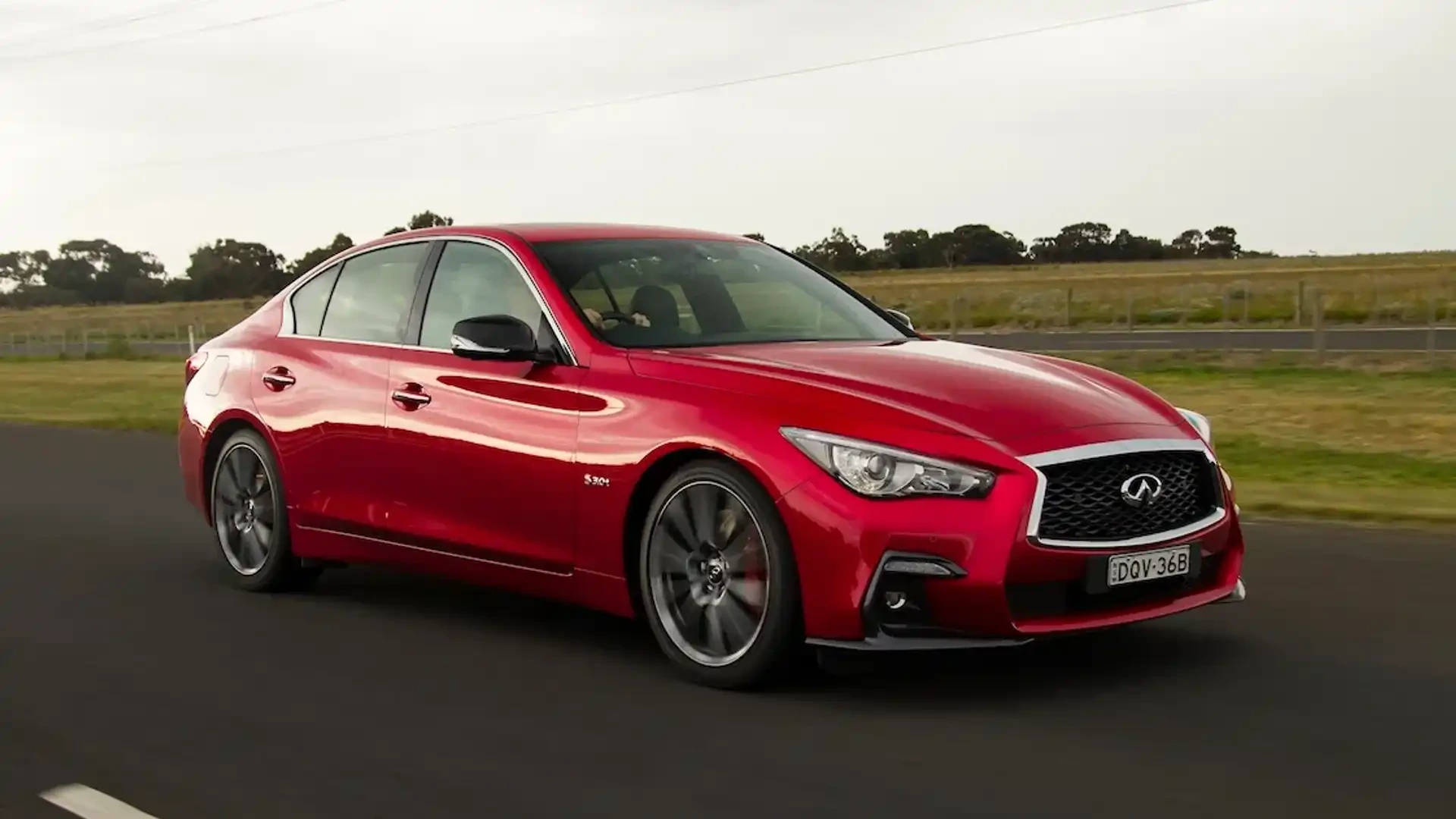
4. Infiniti Q50 RWD
Relative Theft Frequency: 374 (about 3.7 times the average vehicle)
Theft Data: The rear-wheel-drive Q50 has also recorded elevated theft claims compared with many other luxury sedans.
- Engine: 3.0L Twin-Turbocharged V6
- Horsepower: 300 hp
- Torque: 295 lb-ft
- Size: 189.6″ L x 71.8″ W x 57.2″ H
Rear-wheel drive doesn’t provide any real protection here, and the data confirms it directly. The Q50 RWD posts an identical relative theft frequency of 374 compared to its all-wheel-drive counterpart, a figure that essentially mirrors the AWD version rather than showing any meaningful separation between the two drivetrain configurations.
That parity itself tells us something worth noting. Unlike the Acura TLX, where AWD and FWD versions posted dramatically different scores, the Q50’s RWD and AWD variants track almost identically in HLDI’s reporting. This suggests drivetrain configuration isn’t the primary driver of theft risk for this particular sedan, pointing instead toward broader factors like the vehicle’s desirability, parts value, or regional theft patterns that would apply fairly evenly regardless of which wheels receive power.
Sharing the same twin-turbocharged 3.0L V6 as the AWD model, the RWD Q50 delivers identical 300 horsepower and 295 lb-ft torque figures, along with nearly matching exterior dimensions. That mechanical similarity likely explains the near-identical theft frequency scores between the two configurations, since thieves and parts buyers presumably value the engine, electronics, and trim components similarly regardless of drivetrain layout underneath.
For current or prospective Q50 RWD owners, this consistency across drivetrain variants means there’s no meaningful theft risk advantage to choosing rear-wheel drive over all-wheel drive based purely on this data. Insurance premium calculations will likely reflect that reality directly, treating both configurations similarly rather than offering better comprehensive rates simply based on drivetrain choice. Standard theft deterrents remain just as relevant here as with any other elevated-risk vehicle on this list.
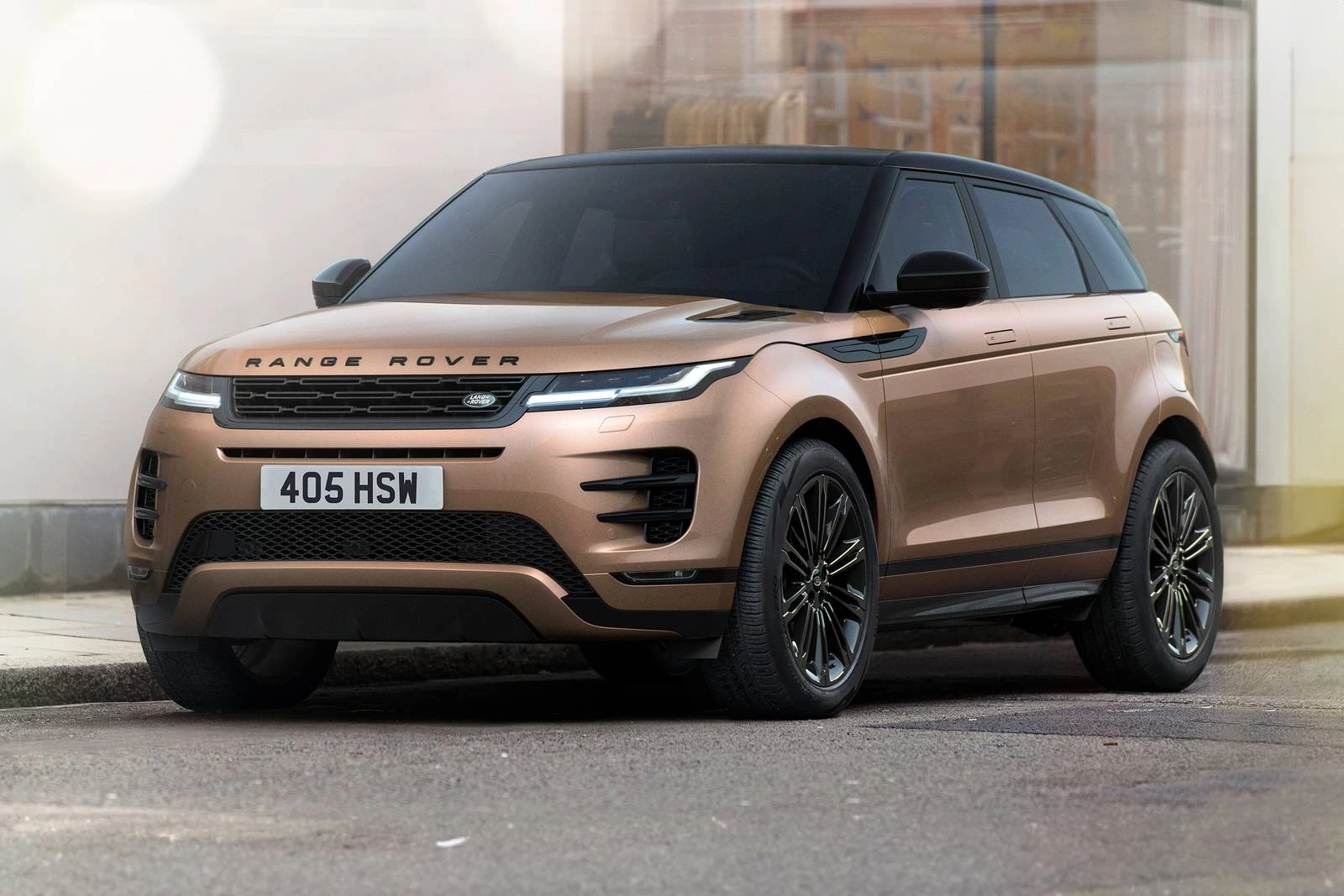
5. Land Rover Range Rover
Relative Theft Frequency: 540 (about 5.4 times the average vehicle)
Theft Data: The Range Rover remains one of the most theft-prone luxury SUVs according to HLDI measurements. Its high value and strong demand contribute to its placement among frequently targeted premium vehicles.
- Engine: 3.0L Turbocharged Inline-6 Mild Hybrid
- Horsepower: 395 hp
- Torque: 406 lb-ft
- Size: 199.0″ L x 78.9″ W x 73.6″ H
A closer look at theft records shows that full-size luxury SUVs continue to attract criminals, and the Range Rover remains one of the most targeted models. According to HLDI data, this premium SUV has a relative theft frequency of 540, meaning it is stolen about 5.4 times more often than the average insured vehicle. This has stayed consistent across several reporting periods, showing that the problem is not a one-time occurrence.
One major reason is the strong demand for the Range Rover in both legal and illegal markets. The SUV keeps its value well, making it attractive to genuine buyers as well as criminal groups that export stolen vehicles or strip them for valuable parts. With steady demand from different markets, the Range Rover continues to rank among the luxury vehicles most often targeted by thieves.
Power also adds to its appeal. The current model comes with a turbocharged 3.0-litre inline-six mild-hybrid engine producing 395 horsepower and 406 lb-ft of torque. Beyond its impressive performance, many of its advanced mechanical and electronic components command high prices when sold separately. Because of this, thieves often see the vehicle as a valuable source of expensive parts rather than just a luxury SUV.
Anyone planning to own a Range Rover should take vehicle security seriously. Comprehensive insurance is a wise investment, while extra protection such as GPS tracking, secure garage parking, steering wheel locks, and other anti-theft devices can reduce the chances of losing the vehicle. Considering its long-standing theft record, these precautions are practical and well worth the effort.
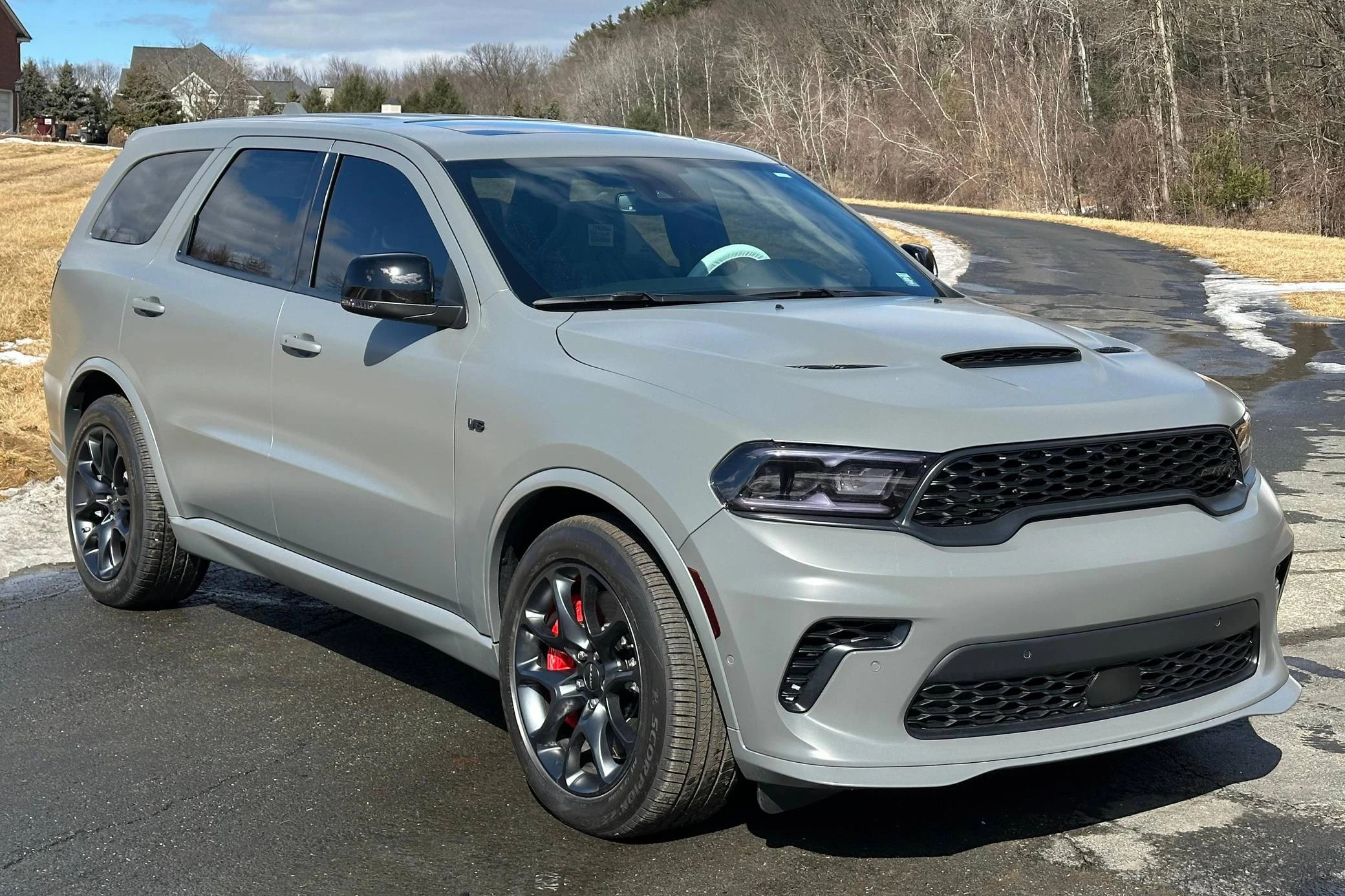
6. Dodge Durango SRT Hellcat 4WD (Near-Luxury Performance SUV)
Relative Theft Frequency: 78 (below the average vehicle)
Theft Data: This model appears in HLDI reports but does not rank among the most stolen luxury vehicles. It should not be included in a “most stolen” list.
- Engine: 6.2L Supercharged V8
- Horsepower: 710 hp
- Torque: 645 lb-ft
- Size: 200.8″ L x 75.8″ W x 72.1″ H
The Dodge Durango SRT Hellcat shows that a luxury badge is not the only reason a vehicle becomes a target for thieves. According to HLDI data, this high-performance SUV has a relative theft frequency of about ten times that of the average insured vehicle, placing it among the models most often stolen. Its combination of power, rarity, and high market value makes it attractive to both genuine buyers and organised criminal groups.
At the heart of the Durango SRT Hellcat is a supercharged 6.2-litre V8 engine that delivers an impressive 710 horsepower. Very few SUVs can match this level of performance, making it highly desirable. Its powerful engine, supercharger, and other specialised components are worth a great deal on the used parts market, giving thieves strong motivation to steal the vehicle and dismantle it for profit.
Its appearance alongside premium luxury models highlights an important point. Vehicle theft is driven by value, demand, and performance as much as by brand reputation. Even though Dodge belongs to a different market segment, the Durango SRT Hellcat attracts the same level of criminal attention as many expensive luxury SUVs.
Owners should take extra steps to protect this vehicle. Comprehensive insurance, secure parking, GPS tracking systems, steering wheel locks, and other anti-theft devices are sensible investments. Given its strong theft record, improving security can help reduce the risk of losing this powerful SUV.
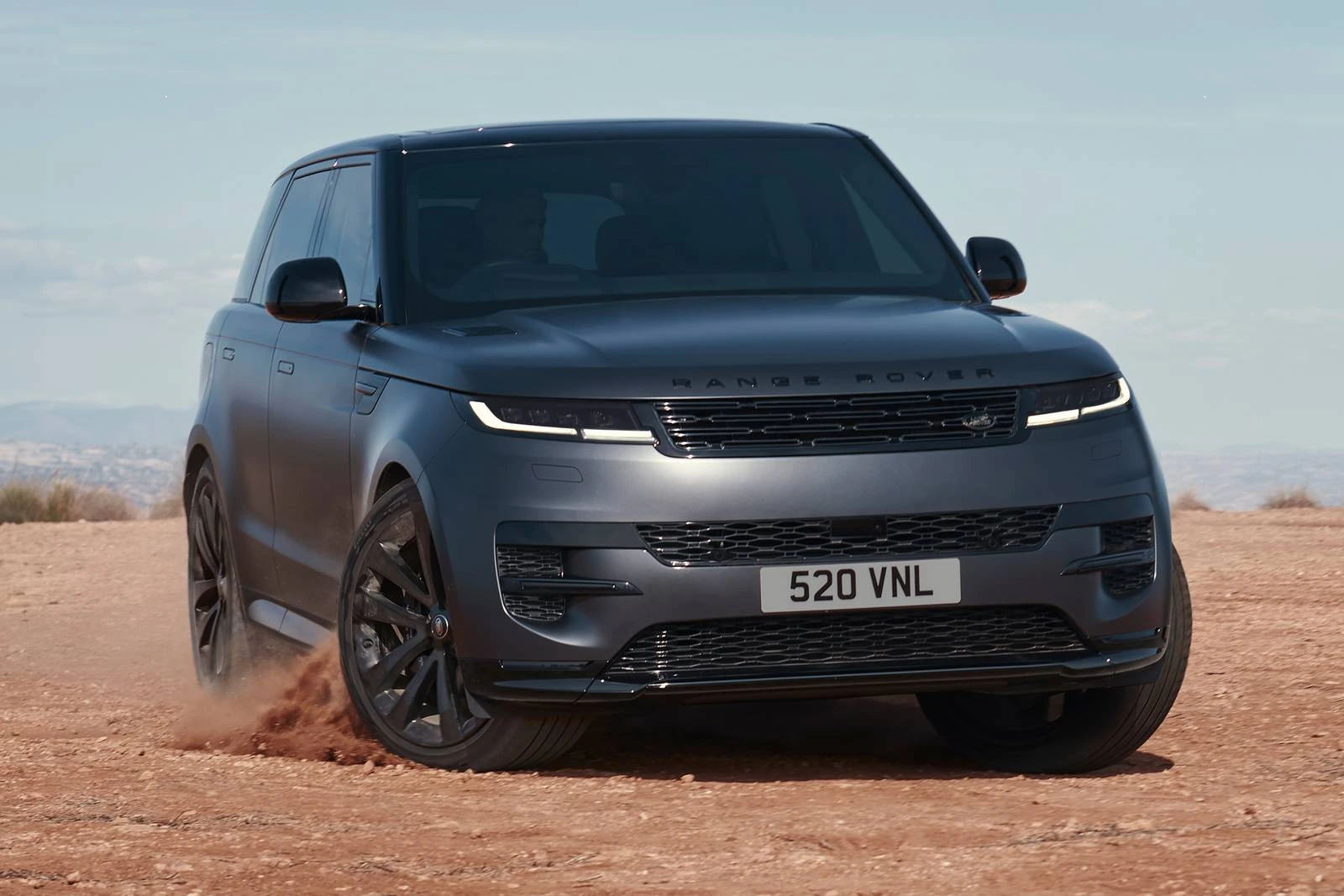
7. Land Rover Range Rover Sport
Relative Theft Frequency: About 10 times the average vehicle
Theft Data: While not a traditional luxury vehicle, the Range Rover Sport appears among the highest-theft-risk vehicles because of its performance, value, and demand.
- Engine: 3.0L Turbocharged Inline-6 Mild Hybrid
- Horsepower: 355 hp
- Torque: 369 lb-ft
- Size: 194.7″ L x 80.6″ W x 71.7″ H
The Range Rover Sport may sit below the standard Range Rover in the brand’s lineup, but it faces many of the same vehicle theft concerns. Reports from the Highway Loss Data Institute (HLDI) have repeatedly placed this luxury SUV among models with high theft rates. While its exact position changes from one report to another, the data continues to show that criminals frequently target it. The changes in ranking are linked to the model years included in each study and the number of vehicles analysed during each reporting period.
These differences in ranking should not be mistaken for a security improvement. Instead, they show how HLDI compiles and updates its findings as fresh insurance claims and vehicle data become available. Even though the figures may vary slightly across reports, the Range Rover Sport continues to appear among luxury SUVs that attract thieves more than many other vehicles in its class.
Like the larger Range Rover, the Sport shares much of the same engineering and technology. It comes with a turbocharged 3.0-litre inline-six mild-hybrid engine that delivers 355 horsepower and 369 lb-ft of torque. Its premium parts, advanced electronics, and strong resale value make it attractive to organised criminal groups looking to sell complete vehicles or dismantle them for expensive components. The popularity of the Range Rover name also keeps demand high across different markets.
People who own a Range Rover Sport should treat vehicle security as a priority. Comprehensive insurance, secure parking, GPS tracking devices, immobilisers, and quality anti-theft equipment are sensible investments. With years of theft data pointing in the same direction, taking these extra steps can provide better protection and greater peace of mind.
Also Read: 8 Vehicles Most Stolen in Rural States
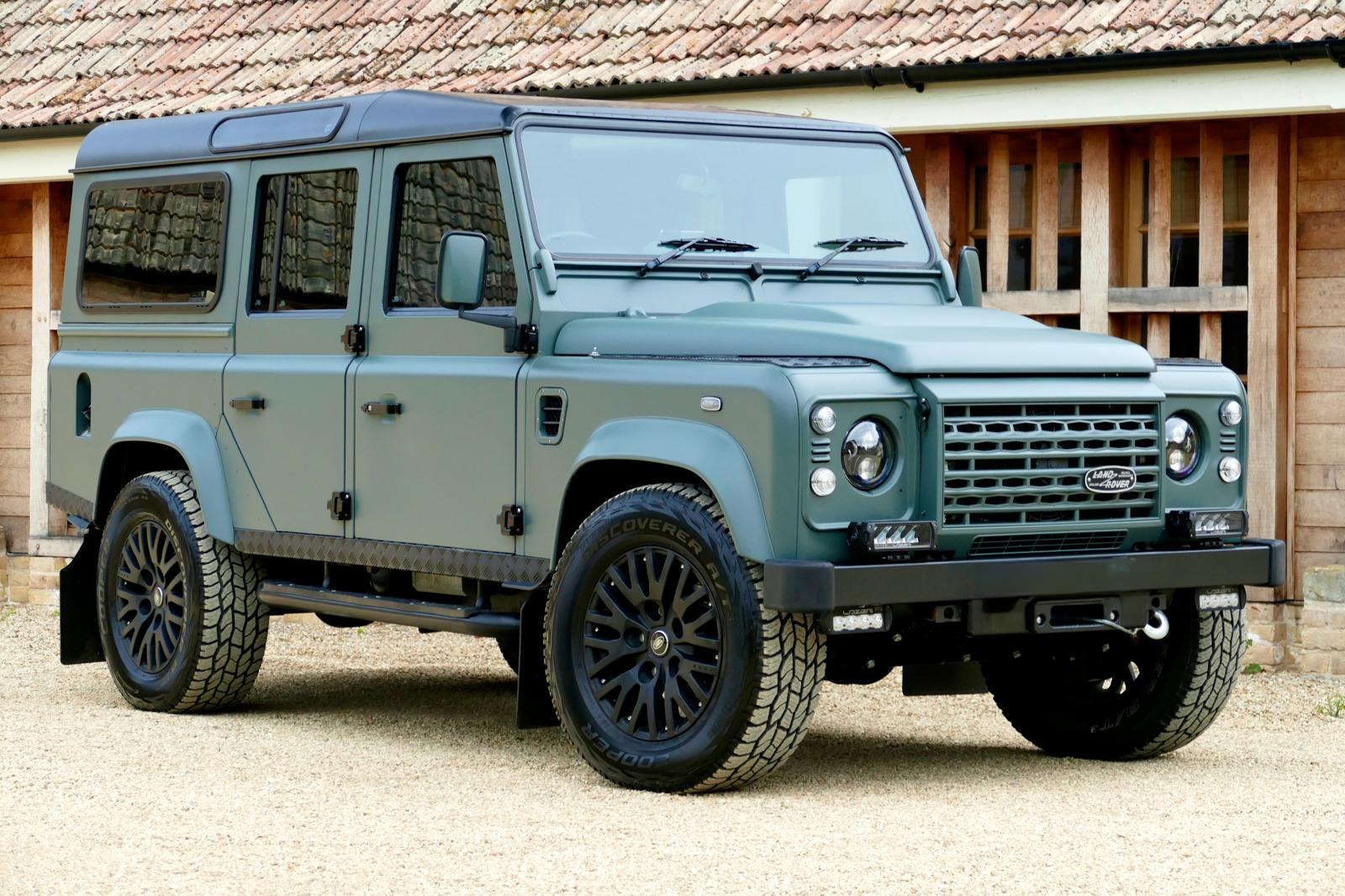
8. Land Rover Defender 110
Relative Theft Frequency: High theft risk, but exact placement varies by report year
Theft Data: The Range Rover Sport is frequently included among luxury SUVs with elevated theft concerns, although the exact HLDI ranking changes depending on the model years measured.
- Engine: 3.0L Turbocharged Inline-6 Mild Hybrid
- Horsepower: 395 hp
- Torque: 406 lb-ft
- Size: 197.6″ L x 82.3″ W x 77.5″ H
The Land Rover Defender 110 completes this list, giving the brand three spots among luxury SUVs with well-documented theft concerns. Like its Range Rover siblings, the Defender remains attractive to thieves because of its high resale value, advanced technology, and strong reputation. These qualities make it desirable to genuine buyers as well as criminal groups involved in illegal vehicle sales and parts trading.
Insurance data has repeatedly shown that Land Rover models face higher theft risks than many competing luxury SUVs. The Defender 110 stands out because it combines premium comfort with impressive off-road capability, making it popular in local and international markets. Demand from overseas buyers also increases the appeal of stolen vehicles, as many are exported to countries where the model commands high prices.
The Defender 110 is powered by a turbocharged 3.0-litre inline-six mild-hybrid engine that produces 395 horsepower and 406 lb-ft of torque. Since it shares many components with the standard Range Rover, its engine, electronics, and other parts can fetch high prices when sold separately. This gives organised criminal groups another reason to target the vehicle.
Defender owners should take security seriously. Comprehensive insurance, secure parking, GPS tracking systems, steering wheel locks, and other anti-theft devices can help reduce the chances of theft. Land Rover’s repeated appearance in theft reports shows that protecting these vehicles requires more than standard security measures.
