

Ford trucks have earned a strong reputation worldwide for durability, performance, and innovation, and this reputation is largely driven by continuous engineering improvements introduced by Ford Motor Company.
While most drivers are familiar with obvious features like towing capacity, engine power, and rugged build quality, there is a deeper layer of technology and convenience features that many owners never fully explore.
These hidden or lesser-known features are designed to improve safety, enhance productivity, and make driving easier in both everyday and extreme conditions. They are often integrated into infotainment systems, driver assistance packages, or built-in utility systems that are not immediately noticeable during a basic vehicle walkthrough.
Modern Ford trucks are no longer just mechanical workhorses. They are intelligent machines equipped with advanced software, sensors, and connectivity systems that transform how drivers interact with their vehicles.
Many of these features are hidden within menus of the SYNC system, tucked inside towing packages, or activated through specific combinations of settings. Because of this, a large number of truck owners use only a fraction of their vehicle’s true capability. Understanding these hidden features can significantly enhance productivity, safety, and driving comfort.
Another important aspect is how Ford has designed these features with real-world usage in mind. Whether you are towing a trailer, working at a job site, traveling off-road, or simply commuting, these systems quietly support your driving experience.
Features like trailer assistance, onboard power generation, and terrain management systems are built to reduce driver stress and improve control. However, they are often overlooked because they are not part of the standard driving experience unless the user actively explores them.
In addition, Ford has focused heavily on connectivity and mobile integration. With applications like Ford Pass, drivers can remotely control several aspects of their trucks, including locking, starting, diagnostics, and location tracking.
These tools are especially useful for fleet operators and long-distance drivers, but many casual users are unaware of their full capabilities. The integration of mobile technology into truck systems represents a major shift in how vehicles are used and managed.
This article explores ten hidden features in Ford trucks in detail, breaking down how each one works, why it matters, and how it can be used in real-world situations. Each section reveals practical insights that can help truck owners unlock the full potential of their vehicles and get more value out of their investment.
Also Read: 10 Strongest V8 Engines Ever Put in a Production Car
1. Intelligent Pro Trailer Backup Assist
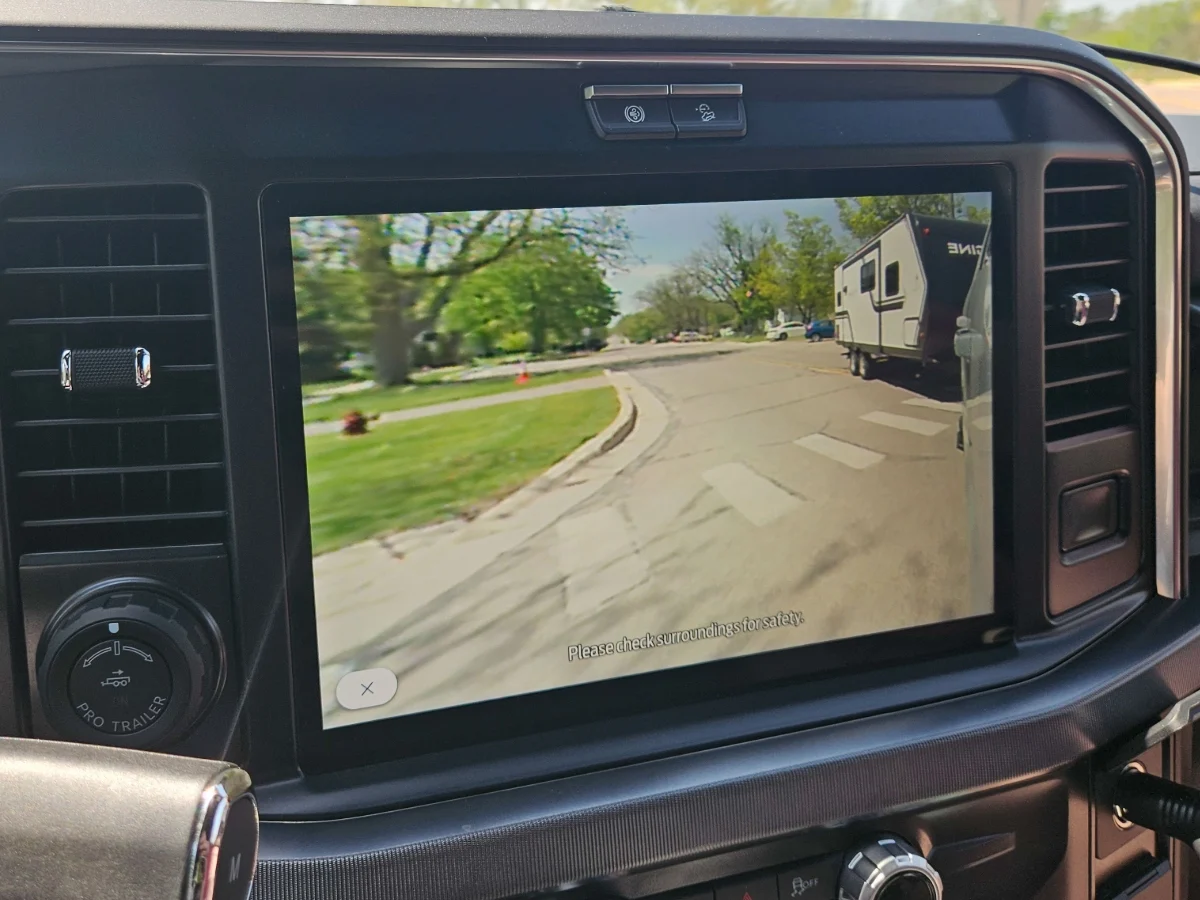
The Intelligent Pro Trailer Backup Assist system in Ford trucks represents one of the most advanced towing innovations developed by Ford Motor Company. It is designed to simplify one of the most difficult driving tasks, which is reversing with a trailer attached.
Traditionally, backing up a trailer requires precise steering coordination, spatial awareness, and a lot of practice. Many drivers struggle with trailer jackknifing or misalignment, especially in tight spaces such as driveways, campsites, and construction zones. This system reduces those challenges by allowing the driver to control trailer direction using a simple knob while the truck manages steering automatically.
The technology behind this system relies on a combination of sensors, rear cameras, and intelligent software algorithms. Once a trailer is connected and calibrated, the system maps its dimensions and movement behavior.
This allows the truck to interpret how the trailer responds to steering input. Instead of manually turning the steering wheel in reverse, the driver rotates a dedicated control knob in the direction they want the trailer to go. The system then automatically adjusts steering angles to achieve the desired trajectory. This creates a smoother and more predictable reversing experience.
One of the most valuable hidden aspects of this system is its ability to store multiple trailer profiles. Drivers who frequently tow different types of trailers, such as boats, utility trailers, or caravans, can save configurations for each one.
This eliminates the need to recalibrate the system every time a trailer is attached. For commercial users or outdoor enthusiasts, this feature significantly reduces setup time and improves operational efficiency.
Another important benefit is safety enhancement. The system continuously monitors trailer angle, vehicle speed, and surrounding obstacles. If it detects an unsafe condition, it can assist in correcting the movement or alert the driver.
This reduces the likelihood of collisions, property damage, or trailer detachment issues. It also makes towing more accessible for less experienced drivers who may otherwise avoid reversing with trailers altogether.
Finally, this feature improves driver confidence and reduces fatigue during long towing tasks. Instead of constantly worrying about steering precision, drivers can focus on speed control and surroundings.
This results in a more relaxed driving experience, especially in high-stress environments like narrow job sites or crowded parking areas. Over time, it transforms towing from a stressful task into a manageable and controlled operation.

2. FordPass Remote Vehicle Control
The FordPass system is a connected vehicle platform developed by Ford Motor Company that enables remote interaction between the driver and their vehicle through a smartphone application.
While many users are aware of basic functions like remote locking and unlocking, the system offers a much broader range of capabilities that are often underutilized. It effectively turns the truck into a digitally connected device that can be monitored and controlled from virtually anywhere.
One of the most useful hidden features is remote engine start with scheduling options. Drivers can set specific times for their truck to start automatically, ensuring that the cabin reaches a comfortable temperature before they enter.
This is especially valuable in regions with extreme weather conditions, where interior temperatures can become too hot or too cold. The system also allows climate presets, which means users can define preferred heating or cooling levels in advance.
Another powerful feature is real-time vehicle health monitoring. FordPass continuously collects diagnostic data from the truck and sends alerts to the user’s smartphone. These alerts can include tire pressure warnings, oil life status, battery condition, and maintenance reminders.
Instead of waiting for dashboard indicators, drivers receive early notifications that help prevent mechanical issues before they become serious. This predictive maintenance approach improves vehicle longevity and reduces repair costs over time.
The system also provides advanced security functions that are not always fully explored by users. If unauthorized movement is detected, such as towing or forced entry attempts, the system can send instant alerts. In some configurations, it can also track the vehicle’s location in real time.
This makes it highly valuable for theft prevention and recovery scenarios, especially for owners who park in public or unsecured areas frequently.
In addition, FordPass supports fleet-level management for businesses. Companies that operate multiple Ford trucks can monitor fuel usage, driver behavior, and route efficiency from a centralized dashboard. This transforms the system into a logistics optimization tool rather than just a consumer convenience feature. It helps reduce operational costs and improve fleet productivity.
3. Built-In Onboard Scales
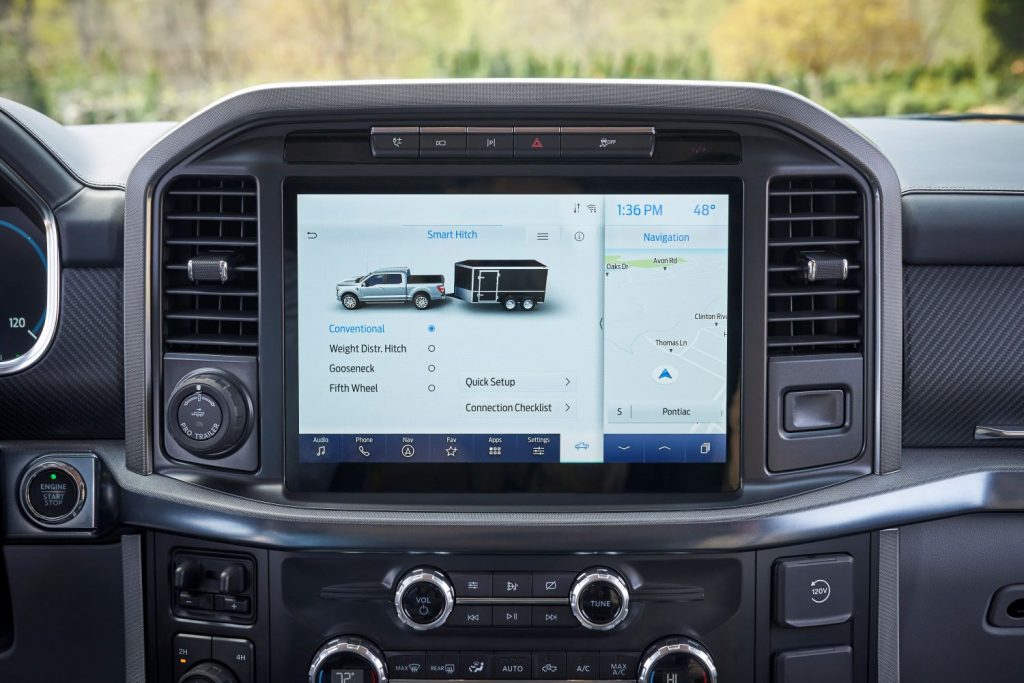
The built-in onboard scales system in Ford trucks is an intelligent load measurement feature designed to help drivers manage payload weight efficiently. It uses advanced suspension sensors to estimate the weight of cargo placed in the truck bed.
This is particularly useful for preventing overloading, which can negatively impact vehicle performance, safety, and long-term mechanical health. Overloading can also lead to regulatory issues in commercial applications.
As cargo is added, the system continuously updates weight readings and displays them on the truck’s infotainment screen or dashboard interface. This real-time feedback allows drivers to see exactly how much capacity remains before reaching the maximum payload limit. It eliminates guesswork and reduces the risk of accidental overload situations.
For individuals who frequently transport tools, building materials, or recreational equipment, this feature provides essential operational clarity.
A lesser-known advantage of this system is its contribution to fuel efficiency optimization. By understanding the exact weight of the load, drivers can better predict fuel consumption and adjust travel plans accordingly. Heavier loads naturally require more energy, and having precise data allows for smarter route and speed decisions. This is particularly beneficial for long-distance travel or commercial logistics operations where fuel costs are a significant concern.
Another important function is improving towing stability. When combined with trailer systems, onboard scales help ensure proper hitch weight distribution. Incorrect weight distribution can lead to trailer sway, reduced braking efficiency, and unstable handling at highway speeds. By maintaining optimal balance, the system enhances safety and improves driving confidence during towing.
For professional users, this system also acts as a compliance tool. Many transport regulations impose strict limits on vehicle weight. The onboard scales provide an easy way to ensure legal compliance before starting a journey. This reduces the risk of fines, inspection issues, and vehicle damage caused by excessive load stress.
4. Terrain Management System
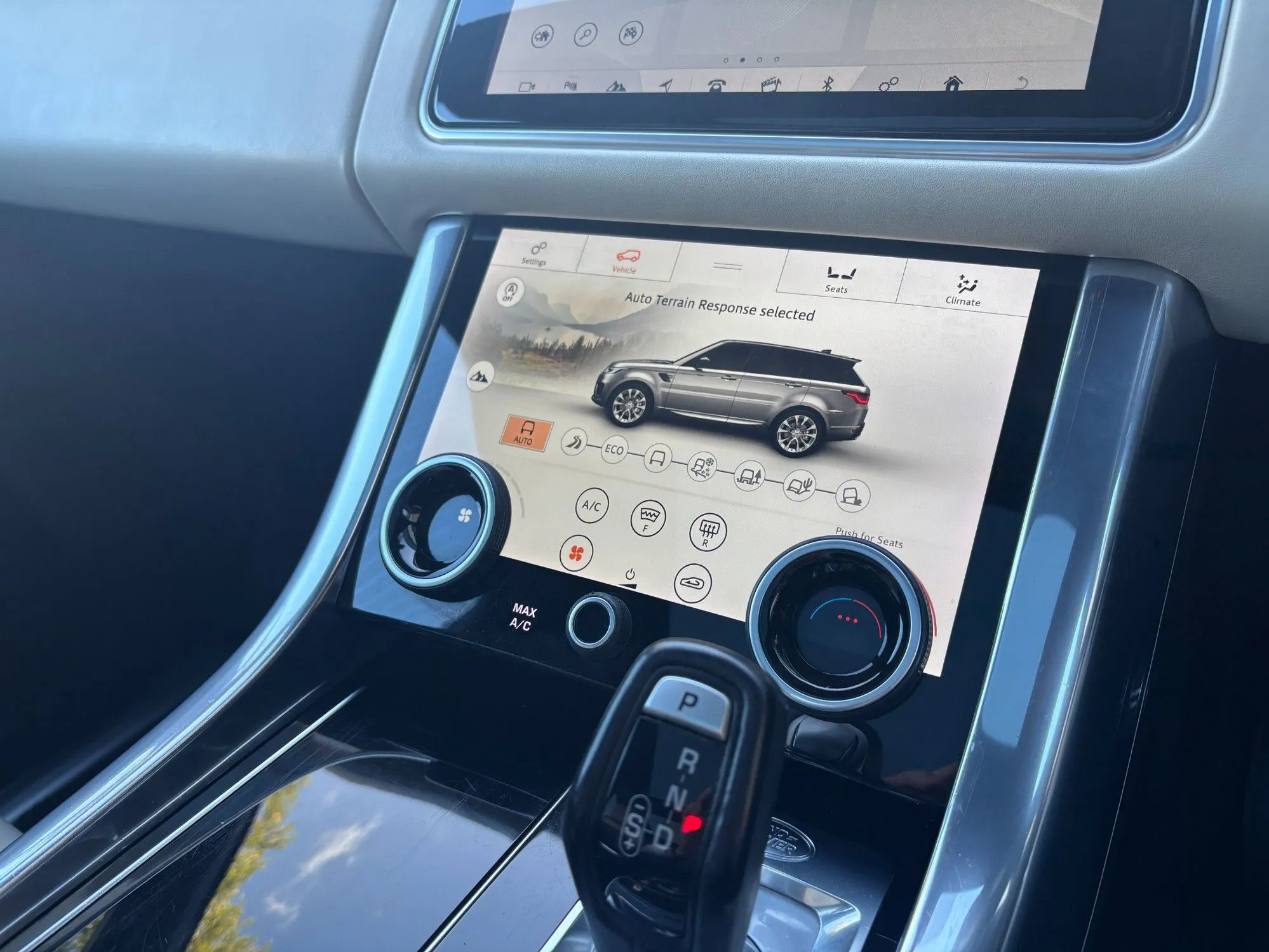
The Terrain Management System developed by Ford Motor Company is an advanced driving mode technology that adapts vehicle behavior based on environmental conditions.
While most drivers are familiar with selectable modes like snow or mud, the deeper functionality of the system is often overlooked. It continuously adjusts engine output, transmission response, traction control, and braking behavior to match the selected terrain.
Each driving mode is engineered for specific conditions. For example, snow mode reduces throttle sensitivity to prevent wheel spin on slippery surfaces, while sand mode allows more wheel slip to maintain momentum on loose terrain. What many users do not realize is that the system also performs micro adjustments in real time based on sensor feedback. This means it is constantly analyzing wheel traction and making subtle corrections even after a mode is selected.
One major hidden benefit of this system is enhanced off-road accessibility. Drivers who are not experienced in off-road environments can still safely navigate challenging terrain because the system compensates for many manual driving errors. This reduces the learning curve for off-road driving and makes Ford trucks more versatile for a wider range of users.
Another important advantage is vehicle stability management. The system integrates with electronic stability control and anti-slip technologies to maintain balance during sudden changes in terrain. This is especially useful when transitioning between surfaces such as gravel to mud or asphalt to sand. It helps prevent loss of control and improves driving confidence.
The system also contributes to fuel efficiency in certain driving conditions. In highway or eco-oriented modes, it optimizes engine performance and transmission shifting patterns to reduce unnecessary fuel consumption. This ensures that the truck delivers power efficiently without wasting energy during steady speed driving.

5. Pro Power Onboard
Pro Power Onboard is one of the most practical innovations introduced by Ford Motor Company, transforming Ford trucks into mobile electrical power sources. Instead of relying on external generators, the truck itself provides built-in power outlets that can supply electricity directly from the vehicle.
This feature is especially useful in job sites, outdoor environments, and emergency situations where traditional power sources are unavailable.
The system is available in different power output levels depending on the truck model, ranging from light-duty power for small devices to high-output configurations capable of running heavy equipment.
Users can power tools such as drills, saws, compressors, and lighting systems directly from the truck bed outlets. This eliminates the need to transport separate generator equipment, reducing both cost and logistical complexity.
A hidden advantage of this system is its silent operation compared to traditional fuel-powered generators. Since the truck manages power distribution internally, it produces significantly less noise, making it ideal for residential areas or quiet outdoor environments like campsites. This improves usability without disturbing the surroundings.
Another important feature is intelligent energy management. The system monitors battery levels and fuel consumption to ensure that the truck always retains enough power to start and operate safely. It automatically reduces or shuts off non-essential power outputs if energy levels become too low. This protects the vehicle from being drained while still providing useful electricity.
For outdoor enthusiasts and professionals alike, Pro Power Onboard expands the truck’s functionality beyond transportation. It enables fully equipped mobile workstations or camping setups where lighting, cooking appliances, and communication devices can all be powered directly. This makes Ford trucks highly versatile for both work and recreational use.
Also Read: 10 Cars With the Strongest Stock Engines Sold Today
6. Adaptive Cruise Control with Stop and Go
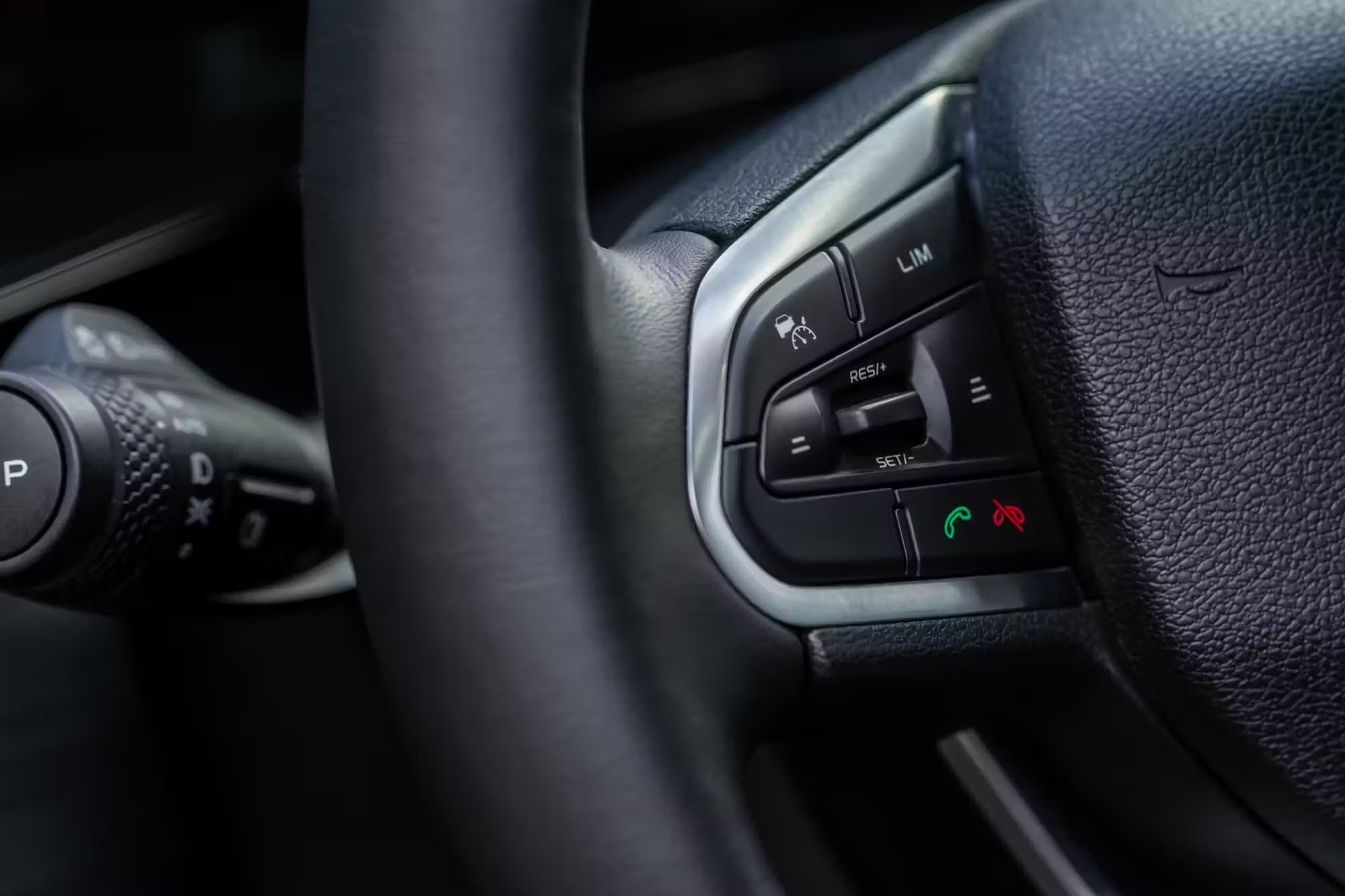
Adaptive Cruise Control with Stop and Go in Ford trucks developed by Ford Motor Company is an advanced driver assistance system designed to reduce the effort required during highway and city driving.
Unlike traditional cruise control, which only maintains a fixed speed, this system actively monitors traffic conditions ahead using radar and camera sensors. It automatically adjusts speed to maintain a safe following distance, making long drives significantly less tiring and more controlled.
One of the most important hidden aspects of this system is its ability to handle complete stop-and-go traffic conditions. In heavy congestion, the truck can slow down to a full stop and then resume movement automatically when traffic starts moving again. This is especially useful in urban driving environments where frequent braking and acceleration are required. It reduces the physical and mental workload on the driver, particularly during long commutes or highway bottlenecks.
Another valuable benefit is smoother driving behavior. The system accelerates and decelerates more gradually than most human drivers, which leads to improved ride comfort for passengers and reduced mechanical stress on the vehicle. Smooth driving patterns also contribute to better fuel efficiency, especially on highways where consistent speed control is important.
The system also integrates with collision mitigation technologies. If the vehicle ahead suddenly slows down, the system reacts faster than human reflexes by applying braking force automatically if necessary. This adds an additional layer of safety, particularly in unpredictable traffic conditions where sudden stops are common.
Finally, Adaptive Cruise Control enhances long-distance driving endurance. Drivers often experience fatigue due to constant speed adjustments and braking. By automating these repetitive actions, the system allows drivers to focus more on steering and road awareness, resulting in safer and more comfortable journeys.
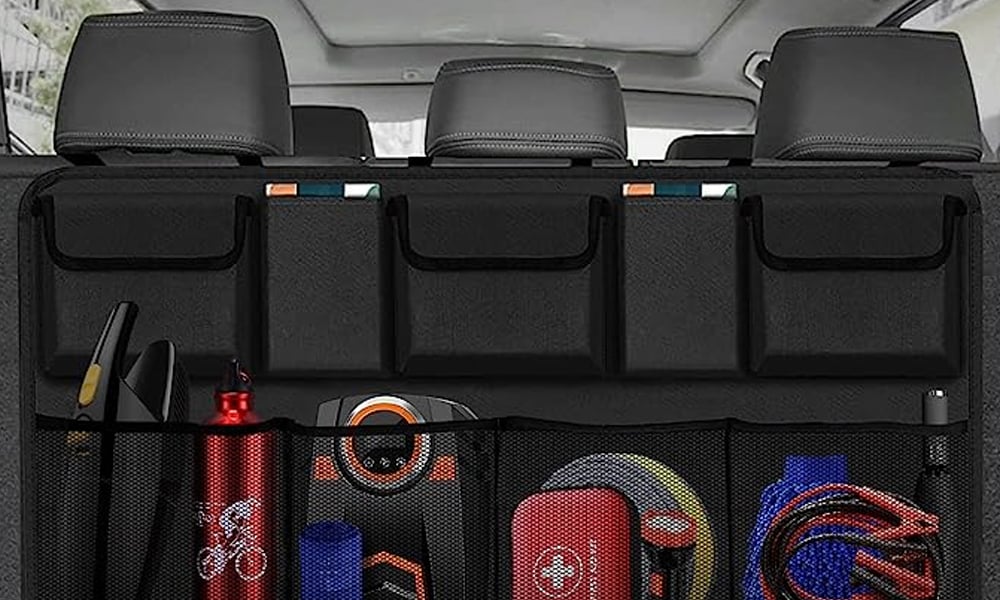
7. Hidden Storage Solutions
Ford trucks engineered by Ford Motor Company include a variety of hidden storage solutions designed to maximize cabin space efficiency without compromising comfort or usability.
While most users notice standard glove compartments or door pockets, the deeper storage design includes under-seat compartments, hidden bins, and modular storage systems that are not immediately obvious during a casual inspection.
One of the most practical hidden storage features is the under-seat storage area found in many truck models. This space is designed to hold tools, emergency kits, and personal belongings securely while keeping the cabin uncluttered. It is especially useful for professionals who carry equipment daily, as it provides quick access without exposing items to theft or damage.
Another lesser-known feature is the integrated center console storage system. Many Ford trucks include deep, multi-layer compartments within the console that allow separation of items such as documents, electronics, and accessories. Some configurations even include lockable sections, adding an extra level of security for valuable belongings.
Rear seat storage solutions are also highly optimized in crew cab models. Certain rear seats can lift to reveal hidden storage compartments underneath. This space is ideal for storing larger items such as power tools, straps, or safety equipment. It helps maintain a clean interior while ensuring essential gear is always available.
Finally, some Ford trucks include configurable storage layouts that can be adjusted based on user needs. These systems allow drivers to modify space distribution depending on whether they are using the truck for work, travel, or recreational purposes. This flexibility enhances practicality and makes Ford trucks highly adaptable.

8. Trailer Theft Alert and Security System
The Trailer Theft Alert and Security System developed by Ford Motor Company is a specialized security feature designed to protect both the truck and attached trailer from unauthorized access or movement. Since trailers often contain valuable cargo or equipment, this system plays an important role in safeguarding assets during transport or storage.
One of the key hidden functions of this system is its ability to detect unexpected trailer disconnection. Sensors located in the hitch and electrical connection points monitor whether the trailer is properly attached. If the system detects sudden detachment or tampering, it immediately sends alerts to the driver through the vehicle interface or connected mobile application.
Another important feature is real-time notification capability. If a trailer is moved without authorization, the system can trigger alerts that notify the owner instantly. This allows for quick response in case of theft attempts, increasing the chances of recovery and preventing loss of valuable cargo.
In more advanced configurations, the system can be integrated with GPS tracking solutions. This enables owners to monitor trailer location in real time, similar to how vehicles are tracked. For businesses managing multiple trailers, this feature is especially valuable for logistics control and asset management.
Finally, the system integrates with the truck’s central alarm system. Any tampering with trailer connections can trigger audible alarms and security notifications. This acts as a strong deterrent against theft and unauthorized interference, particularly in public parking areas or unsecured job sites.
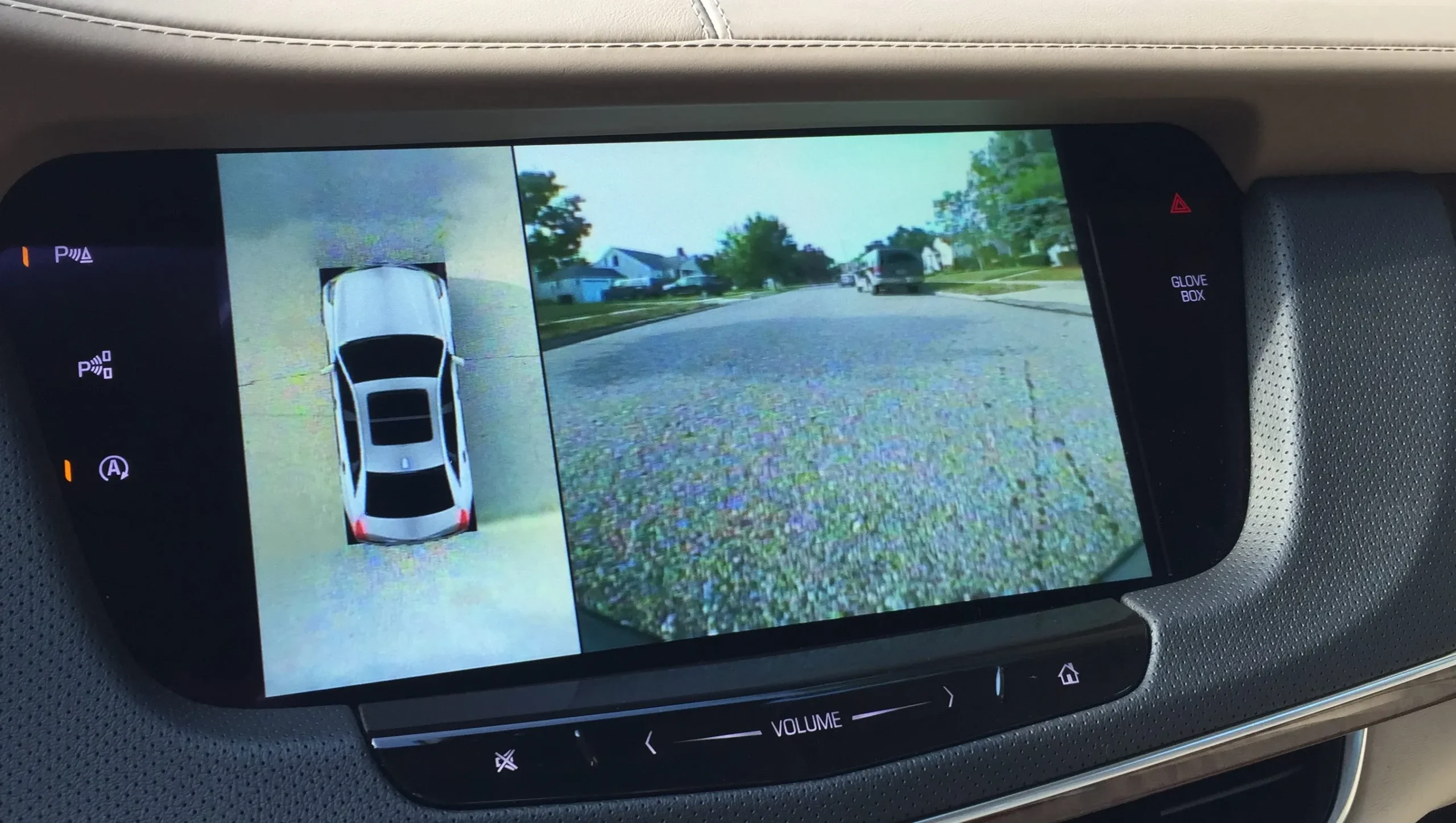
9. Off-Road Camera System
The Off-Road Camera System in Ford trucks, designed by Ford Motor Company, provides enhanced visibility in challenging driving environments. It uses a network of cameras positioned around the vehicle to deliver real-time visual information that helps drivers navigate obstacles, rough terrain, and tight spaces with greater confidence.
One of the most useful hidden capabilities is the front-facing ground view. This camera angle allows drivers to see directly in front of the tires, which is extremely helpful when driving over rocks, deep ruts, or uneven terrain. It helps prevent underbody damage and improves off-road precision.
Another important feature is the multi-angle camera system that provides side and rear views simultaneously. This helps drivers maintain awareness of their surroundings in environments where visibility is limited, such as dense forests, narrow trails, or steep inclines. It significantly reduces the risk of collisions or getting stuck.
The system is also highly beneficial during night driving. By combining camera feed with enhanced display brightness, it improves visibility beyond what headlights alone can provide. This is especially useful in remote areas where lighting conditions are poor and obstacles are harder to detect.
Finally, the camera system integrates with parking and maneuvering assistance features. It helps drivers position the truck accurately in tight spaces, whether during off-road recovery situations or urban parking. This combination of visibility and guidance makes it one of the most practical safety enhancements in modern Ford trucks.
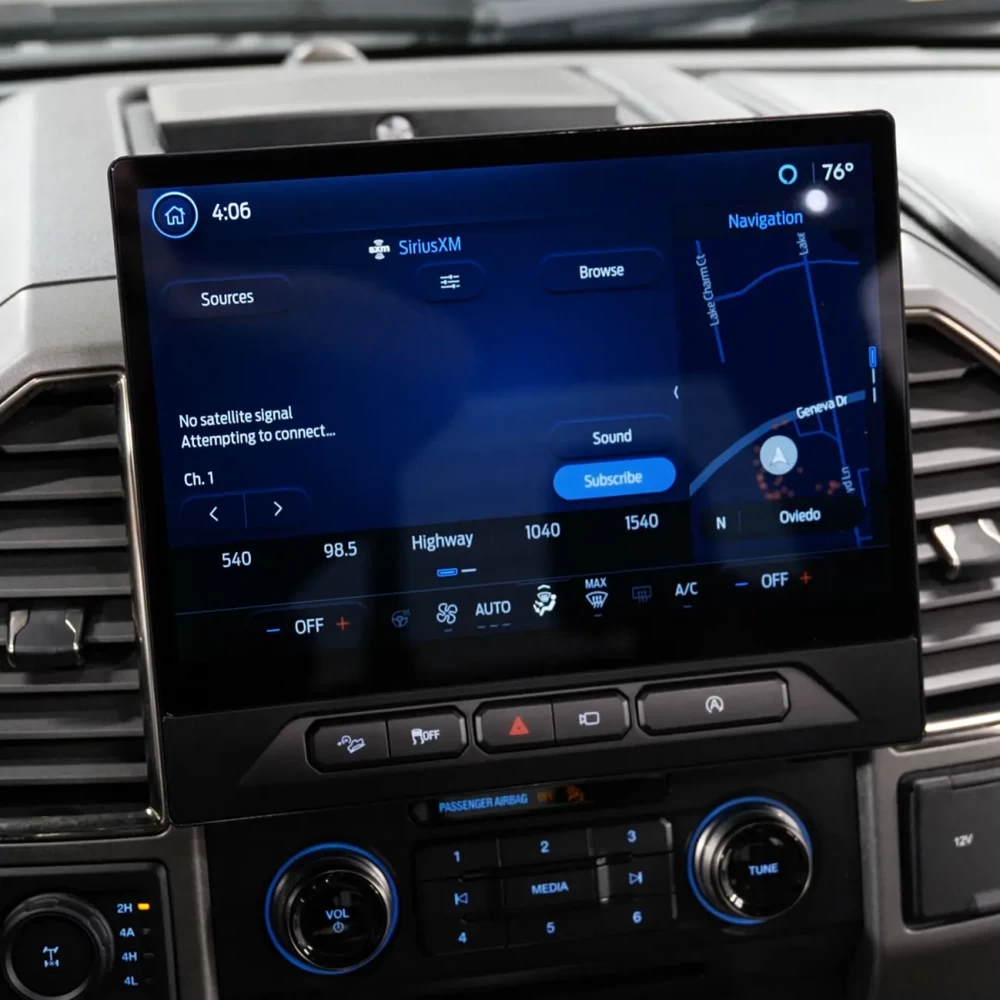
10. SYNC Infotainment Hidden Commands
The SYNC infotainment system developed by Ford Motor Company includes a wide range of hidden voice commands and advanced controls that many drivers never fully explore. While most users interact with basic features such as music playback and navigation, the system is capable of much deeper integration with vehicle functions and connected devices.
One of the lesser-known capabilities is advanced voice command control. Drivers can adjust climate settings, control media playback, and access vehicle information using natural voice instructions. This reduces the need for manual interaction with the touchscreen, improving safety by keeping attention on the road.
Another hidden feature is shortcut customization. Users can program specific functions into quick access commands, allowing them to reach frequently used features instantly. This includes navigation presets, phone contacts, or vehicle settings. It streamlines the driving experience and reduces distractions.
The system also supports deep smartphone integration. Through connected apps, drivers can access messaging, music streaming, and navigation services seamlessly. This creates a unified digital environment where the phone and vehicle operate as one system.
Finally, SYNC includes diagnostic and status reporting commands that allow drivers to check vehicle health information through voice input. This includes fuel levels, tire pressure, and maintenance reminders. These hidden functions improve convenience and ensure drivers stay informed without needing to manually browse menus.
