
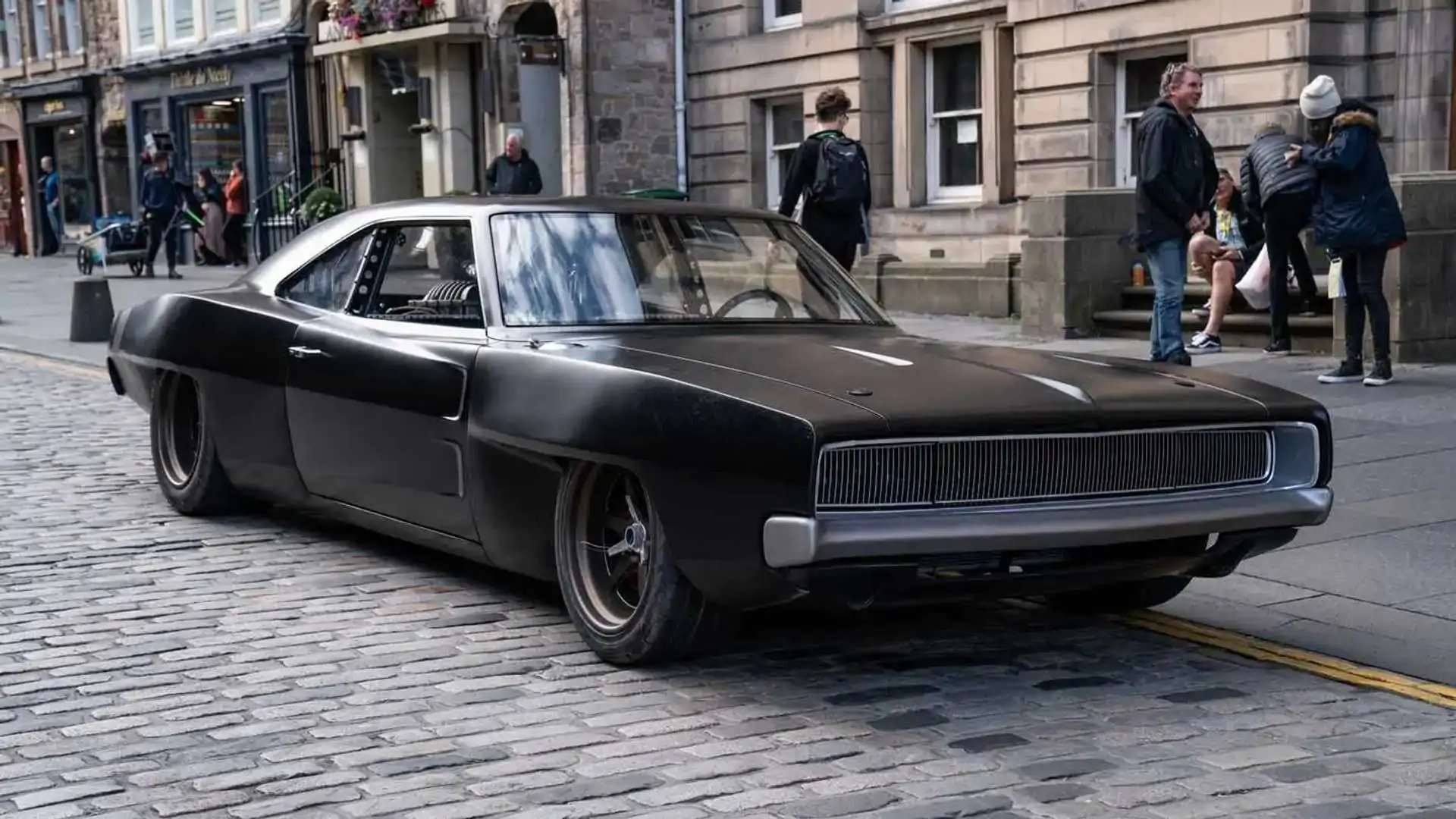
Cinema has a way of turning machines into icons. A car that might seem ordinary on a dealership lot can become something unforgettable once it rolls across a movie screen. Yet behind many of the most famous vehicles in film history lies a lesser-known detail: several of them were not the original, factory-built machines audiences assume they were.
Instead, they were carefully constructed replicas, built to survive stunts, protect rare originals, or meet the demanding needs of filming schedules. These replicas often carried the same visual identity as their originals, down to paint codes, interior stitching, and period-correct trim.
In some cases, they were so well built that even dedicated car enthusiasts struggled to tell them apart from genuine examples. Their purpose went beyond appearance. They had to endure repeated takes, harsh stunt work, and sometimes intentional destruction, all while maintaining camera-ready perfection.
This collection focuses on nine movie cars that were replicas yet still earned legendary status. Each entry carries its own production history, auction value discussions, and connection to cinematic moments that audiences still reference today. From European grand tourers to American muscle icons and futuristic machines, these vehicles show how filmmaking and automotive craftsmanship intersect in practical ways.
What follows is a closer look at the machines that carried stories, built illusions, and became stars without always being originals.
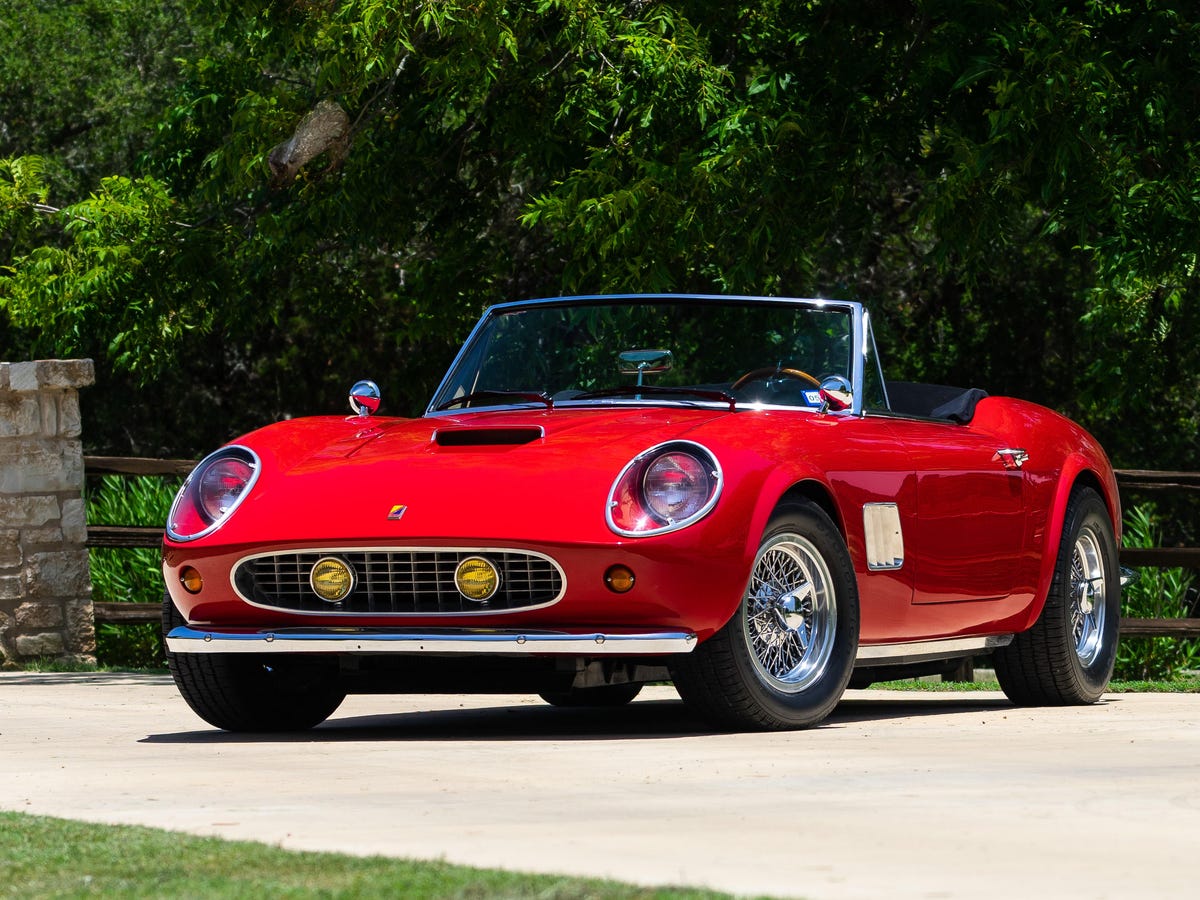
1. 1961 Ferrari 250 GT California Spyder (Ferris Bueller’s Day Off)
Few movie cars carry the same level of admiration as the 1961 Ferrari 250 GT California Spyder featured in Ferris Bueller’s Day Off. The film, released in 1986, used the car as a symbol of teenage rebellion, luxury aspiration, and carefree living. However, the Ferrari seen on screen was never a genuine California Spyder.
Only a handful of originals exist in the world, each worth millions and far too rare to risk during production. As a result, filmmakers relied on carefully constructed replicas to carry the role. Multiple replica units were built for filming. Each served a different purpose depending on the scene requirements.
Some handled static shots in garage environments, while others were used for driving sequences and exterior photography. A few even existed purely as shell models for close-up camera work. This approach allowed production crews to maintain continuity without risking damage to a collector-grade vehicle.
The most famous sequence involving the Ferrari replica was the valet parking scene. Its appearance in that moment shaped much of the film’s cultural identity. The car’s red paint, open-top design, and classic proportions made it instantly recognizable, even though it was not an authentic Ferrari.
After filming concluded, one of the surviving replicas entered private ownership. Years later, it was sold at auction, achieving a price reported around the mid-300,000-dollar range. That value reflected its association with the film rather than any rare mechanical pedigree. Collectors viewed it as a piece of Hollywood history rather than a traditional classic car investment.
Production decisions around the replicas proved practical. The film required repeated takes involving driving, parking mishaps, and physical handling that would have endangered an original Ferrari. Using replicas preserved authenticity while allowing flexibility during filming schedules.
The emotional weight of the car in the film also contributed to its legacy. Viewers connected the Ferrari with freedom and youthful escape, even though most never realized the version on screen was not a genuine 250 GT California Spyder. That detail adds another layer to its story, showing how perception in cinema often outweighs mechanical reality.
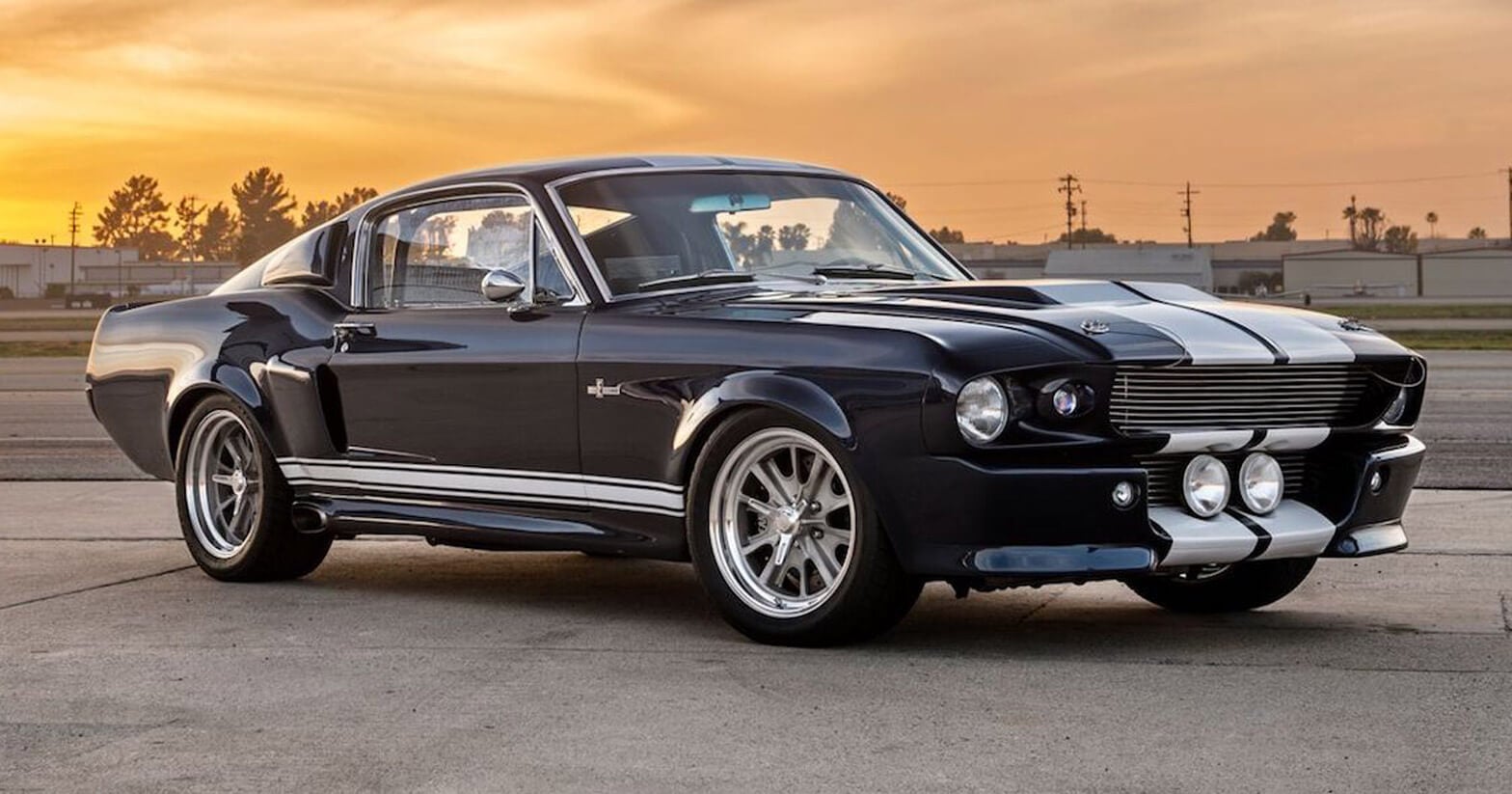
2. 1967 Shelby Mustang GT500 “Eleanor” (Gone in 60 Seconds)
A gray metallic fastback with black racing stripes became one of the most recognized movie cars of the early 2000s. The 1967 Shelby Mustang GT500, known as “Eleanor” from Gone in 60 Seconds, was presented as a rare, high-performance machine with aggressive styling and cinematic presence. Yet every version used during filming was a replica built specifically for production.
Several Eleanor replicas were constructed by custom shops commissioned by the studio. Each car was designed to handle different filming duties. Some were built for high-speed driving sequences, while others were reinforced for stunt work involving jumps and controlled impacts. A few were static shells used for interior shots and close framing.
The design itself combined elements of the Shelby Mustang aesthetic with additional styling cues created for the film. These included modified body kits, custom lighting elements, and signature paintwork that gave the car its distinct identity. The result was a vehicle that looked like a factory special edition but existed only for cinematic purposes.
After the film’s release in 2000, the Eleanor replicas gained strong demand in collector circles. Licensed continuation builds and replicas began appearing in auctions and private sales. Some examples sold for prices exceeding 200,000 dollars, depending on build authenticity and licensing status.
Production relied heavily on these replicas because the filming process placed extreme pressure on each unit. Stunt driving sequences required repeated runs, sometimes resulting in structural damage. Using multiple cars ensured continuity while preventing total loss of any single vehicle.
Legal attention also followed the Eleanor design in later years, as rights holders sought control over replica production. This added another layer to its market value, as officially licensed builds became more desirable than unofficial recreations.
Eleanor’s identity rests heavily on its screen presence. Even though no original 1967 Shelby GT500 was used in filming, the replicas carried enough detail and performance capability to convince audiences otherwise. Its legacy continues through licensed builds that keep the design alive long after filming ended.
Also Read: 9 Cars That Outlast Their Movie Fame Becoming Icons
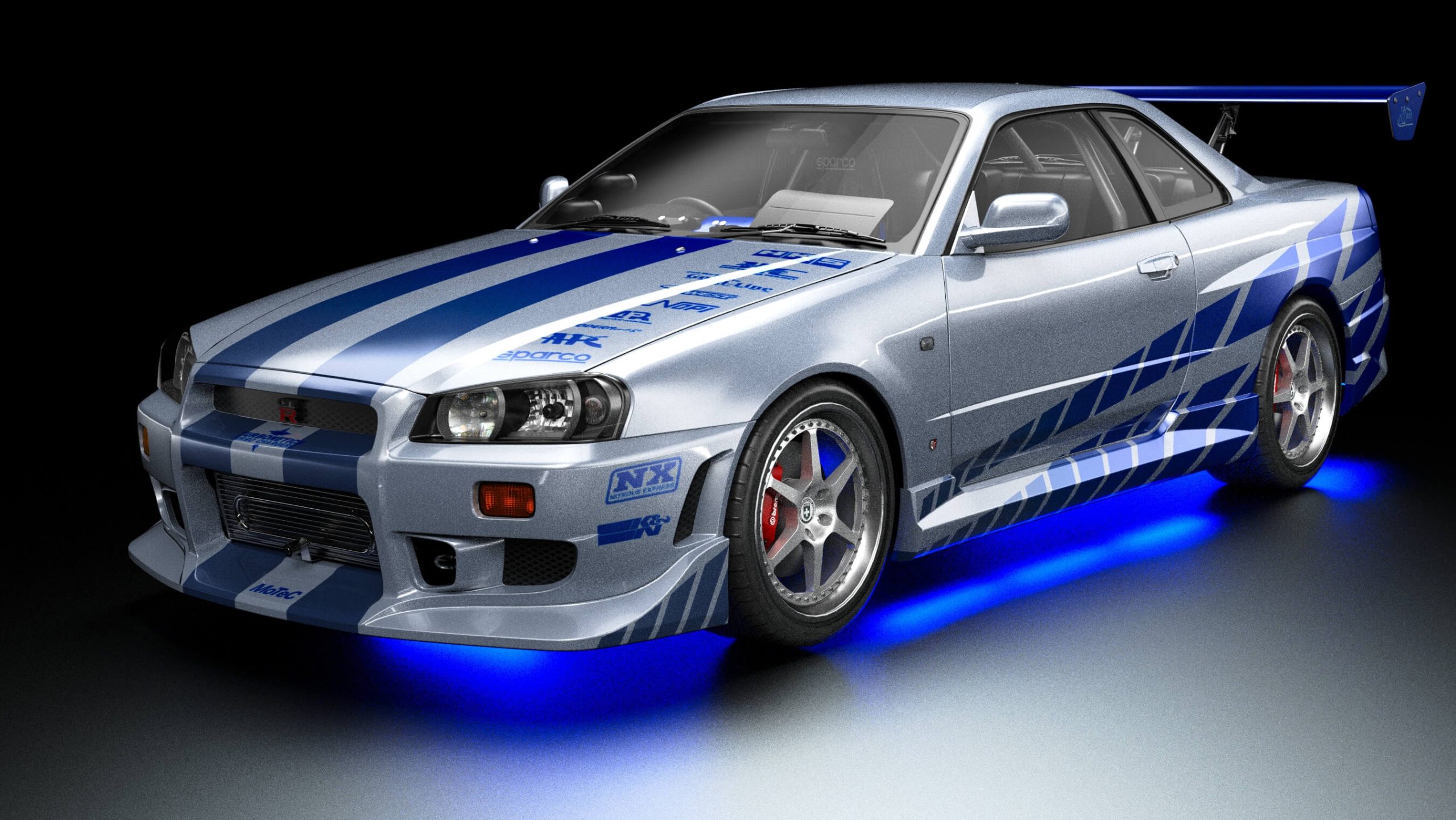
3. 1999 Nissan Skyline GT-R R34 (2 Fast 2 Furious)
Street racing culture found a global symbol in the 1999 Nissan Skyline GT-R R34 featured in 2 Fast 2 Furious. Released in 2003, the film introduced international audiences to Japanese performance engineering. However, the Skylines used during production were not all authentic GT-R models. Several were replicas or modified base variants built to resemble the R34 GT-R for filming requirements.
Production imported a limited number of genuine GT-R units, but stunt demands required additional vehicles. Replica builds filled that gap. These cars were visually matched to the real GT-R using body kits, badges, and interior modifications. Some were rear-wheel drive conversions to simplify stunt driving.
Multiple versions served different roles on set. High-speed scenes used reinforced replicas capable of handling extended filming sessions. Interior shots relied on stationary builds designed for camera rig integration. Damage-prone sequences often use lower-value donor cars modified to resemble the GT-R externally.
After the film gained popularity, demand for Skyline replicas increased dramatically in international markets where the GT-R was not originally sold. This led to a rise in import conversions and aftermarket builds inspired by the movie versions.
Auction results for replica Skylines vary widely. Fully documented builds associated with production companies or licensed conversions have sold for six-figure sums, while standard replicas trade at lower values depending on mechanical specification and authenticity of parts used.
The visual impact of the car in the film helped raise its reputation. Even without full mechanical authenticity, the replicas delivered the same screen presence as the genuine GT-R units. The combination of aggressive styling, turbocharged sound effects, and urban racing scenes reinforced its popularity.
Today, the 2 Fast 2 Furious Skylines remain a reference point for replica culture in automotive cinema, showing how production needs can shape perception of performance vehicles.
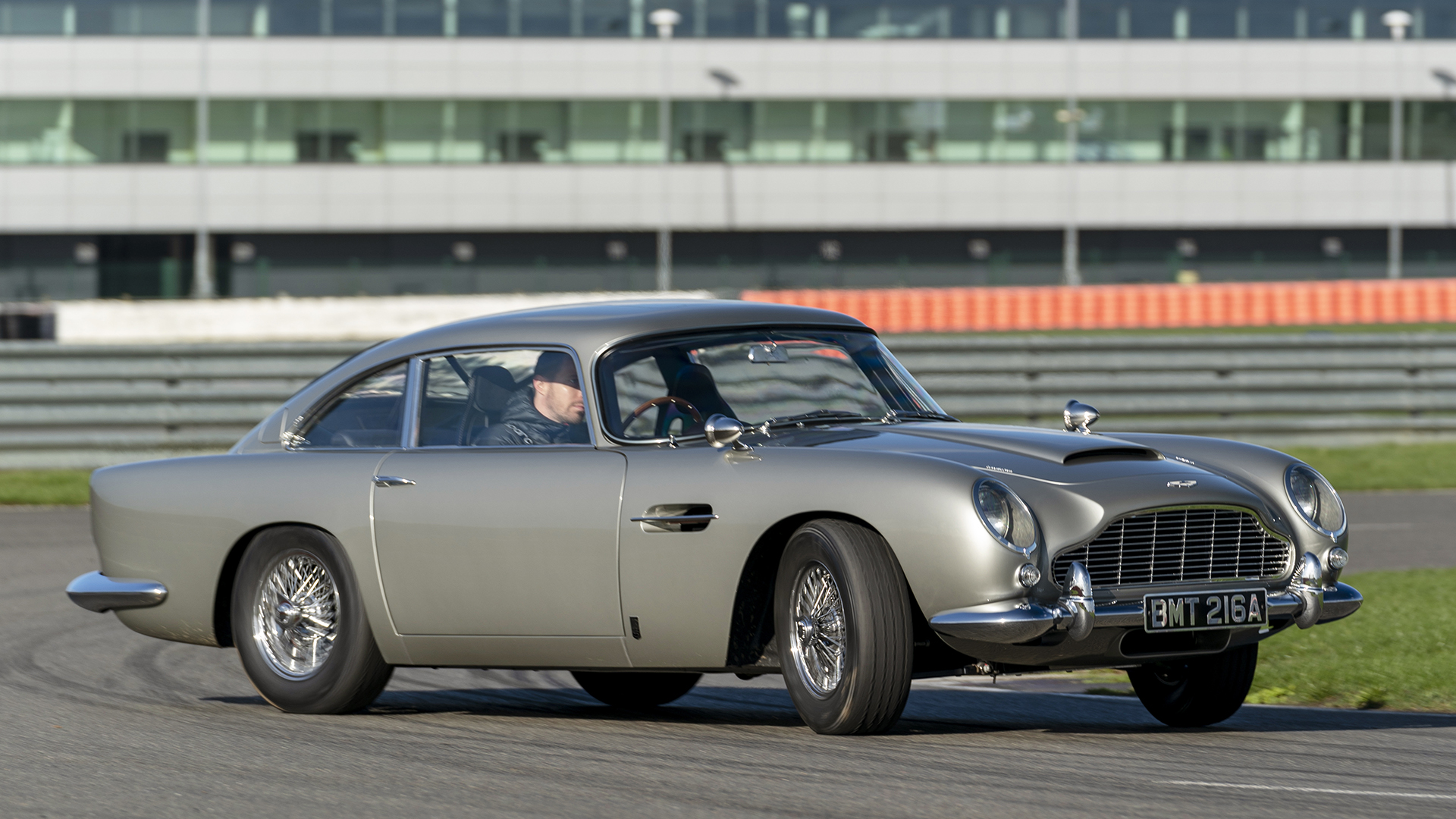
4. 1963 Aston Martin DB5 (No Time to Die)
A return to the cinema in No Time to Die placed the 1963 Aston Martin DB5 back under global attention in 2021. The model already carried a long association with espionage films, yet production teams chose a mixed fleet approach that included replicas and continuation builds alongside original units.
This decision protected historically valuable DB5 cars while still allowing demanding action sequences to proceed without restrictions. Replica construction for this project relied on factory blueprints and detailed scanning of surviving examples.
Builders produced multiple DB5 units, each assigned a defined filming role. Some cars served as hero vehicles used in close camera work where surface accuracy mattered most. Others were reinforced internally for stunt driving, high-impact scenes, and repeated filming takes that placed heavy stress on mechanical components.
Visual accuracy remained a priority throughout production. Silver exterior paint, classic grille proportions, and period-correct interior layouts were recreated with careful attention. Even gadget-style elements inside the cabin were reproduced to maintain continuity with earlier portrayals of the vehicle in franchise history.
The replicas needed to look identical on screen, even under modern high-definition filming conditions. Action sequences required repeated execution of driving stunts, controlled collisions, and explosive effects. Using replicas reduced the risk to the original DB5 units that are now regarded as rare collector vehicles.
Some scenes involved partial destruction, which made sacrificial builds necessary for production planning. This approach allowed filmmakers to maintain visual realism without exposing historical cars to irreversible damage. Post-production handling of these vehicles varied. Certain DB5 replicas were placed into studio storage for future reference or promotional use.
Others were selected for public exhibition tours, where controlled display conditions preserved their condition while allowing audience interaction. Continuation builds also entered private collections, where values often reached multi-million-dollar ranges depending on specification accuracy and documentation linking them to screen use.
The presence of replicas did not reduce the DB5’s cinematic identity. Instead, it expanded its screen lifespan, allowing modern storytelling to feature the same design language introduced decades earlier. Each replica acted as a functional extension of a legacy design, ensuring continuity between classic and contemporary film interpretations.
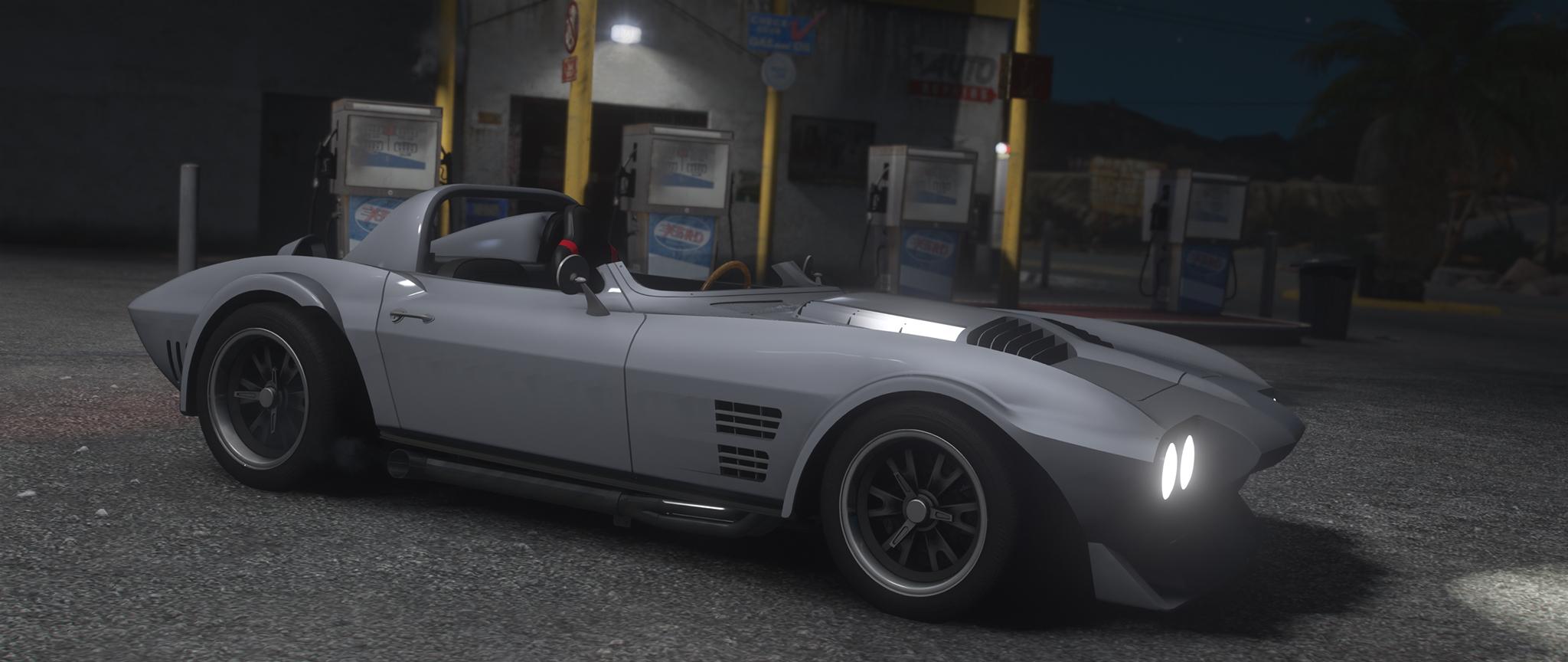
5. 1962 Chevrolet Corvette Grand Sport (Fast Five)
American racing heritage received a cinematic reinterpretation through the 1962 Chevrolet Corvette Grand Sport featured in Fast Five, released in 2011. The original Grand Sport program produced only a limited number of factory-built racing units, making genuine examples too rare and valuable for high-risk filming. Replica construction, therefore, became the practical solution for production requirements.
Specialized automotive builders created multiple Grand Sport replicas for use on set. These builds replicated lightweight fiberglass bodywork, racing proportions, and period-correct styling cues. Underneath the exterior, modern chassis systems were installed to handle the demands of stunt driving, including reinforced suspension components and updated braking systems designed for repeated high-speed filming.
Each replica served a defined role during production. Certain units were dedicated to high-speed chase sequences filmed on controlled road environments, while others were configured for stationary interior shots or controlled camera rigs. This division of roles ensured continuity while preventing excessive wear on any single vehicle.
Filming conditions placed heavy mechanical demands on these replicas. Urban chase scenes, rapid directional changes, and repeated takes required durable construction. Some vehicles sustained visible damage during production, which was expected as part of the action choreography. Replacement units were rotated in to maintain continuity across scenes.
After filming concluded, select Corvette Grand Sport replicas were released into collector markets. Auction outcomes varied based on build quality, mechanical specification, and documentation confirming screen usage. Certain units reached six-figure sale prices, reflecting strong interest from collectors who value film-linked automotive builds.
The Corvette Grand Sport design carried strong visual weight in the film, reinforcing its identity as a performance-oriented machine tied to racing heritage. Even as replicas, the vehicles maintained period accuracy and screen authenticity, ensuring they aligned with audience expectations shaped by historical motorsport references.
These replica builds demonstrate how film production balances historical representation with practical engineering demands. Each unit preserved visual fidelity while supporting the physical requirements of modern action filmmaking.
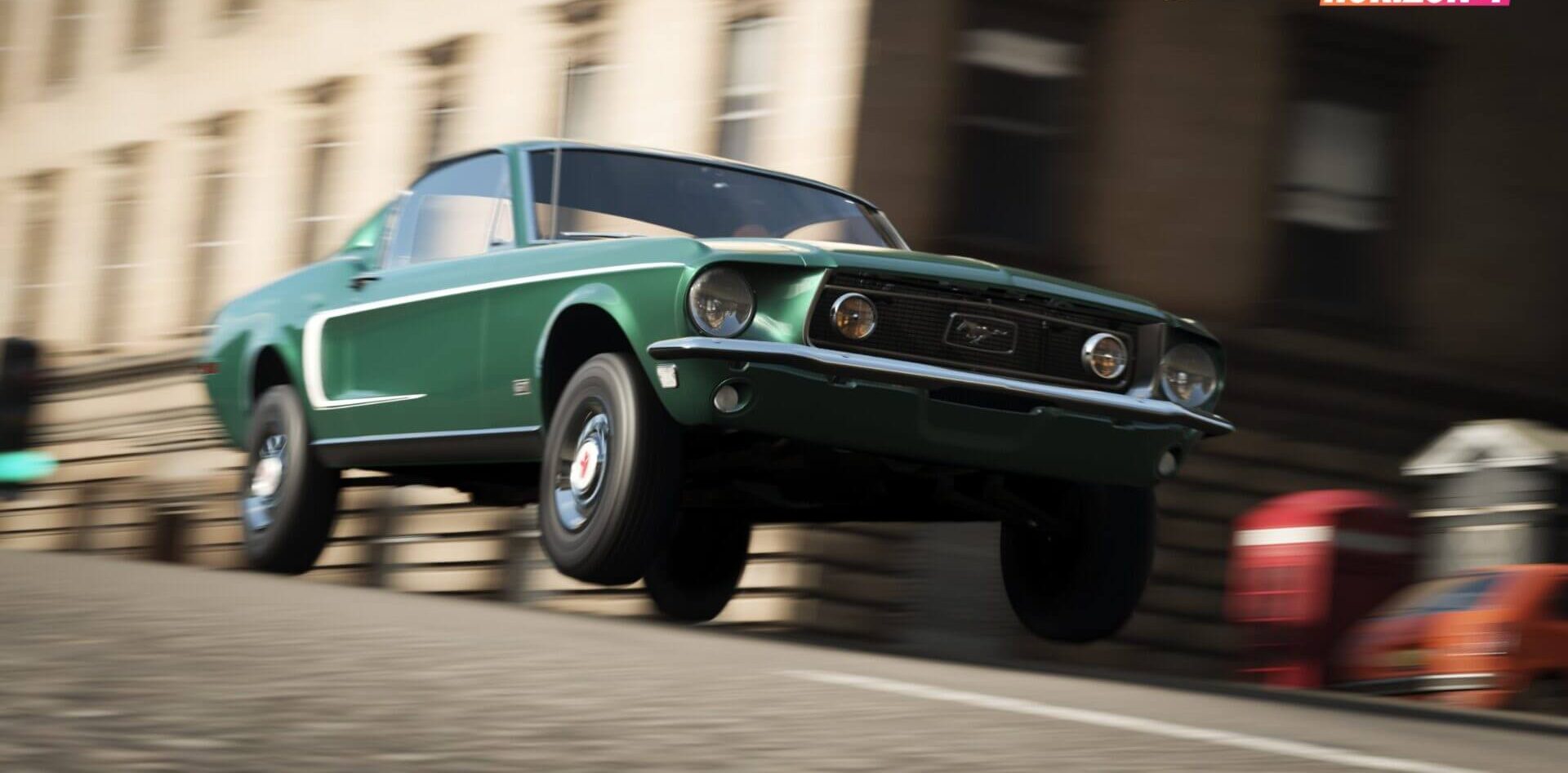
6. 1968 Ford Mustang GT Fastback (Ford v Ferrari)
The race culture of the 1960s set the stage for the 1968 Ford Mustang GT Fastback featured in Ford v Ferrari, released in 2019. The film aimed to recreate endurance racing intensity around the 24 Hours of Le Mans era, a setting that demanded precision in vehicle presentation. Several Mustang GT Fastback units were built as replicas to represent period-correct racing machines used during development testing sequences.
Production could not rely on rare original race-prepared Mustangs for stunt filming, so replica builds became essential. These cars were constructed using donor Mustang shells paired with reinforced chassis systems, upgraded suspension components, and safety cages hidden beneath period styling. Exterior detailing followed 1960s Ford performance aesthetics, ensuring authenticity under camera lighting.
Different replicas served separate roles during filming. Some units were designed strictly for static shots and interior filming, while others handled high-speed sequences on closed circuits. A few were modified extensively to survive repeated endurance-style driving sessions that mirrored the long-distance racing conditions portrayed in the film.
After filming concluded, several of these replica Mustangs entered private ownership through auction channels and studio asset sales. Prices varied widely based on mechanical setup and level of screen use, with some reaching six-figure valuations due to their connection with the production.
The Mustang’s presence in the film reinforced its historical role in American motorsport culture. Even though the screen cars were replicas, attention to period detail ensured they matched the visual expectations of 1960s endurance racing. Tire wear, body roll, and engine sound design all worked together with the physical builds to create realism.
Collectors value these replicas for their connection to cinematic racing history rather than factory originality. Each surviving unit carries traces of production use, making them distinct from standard restoration projects.
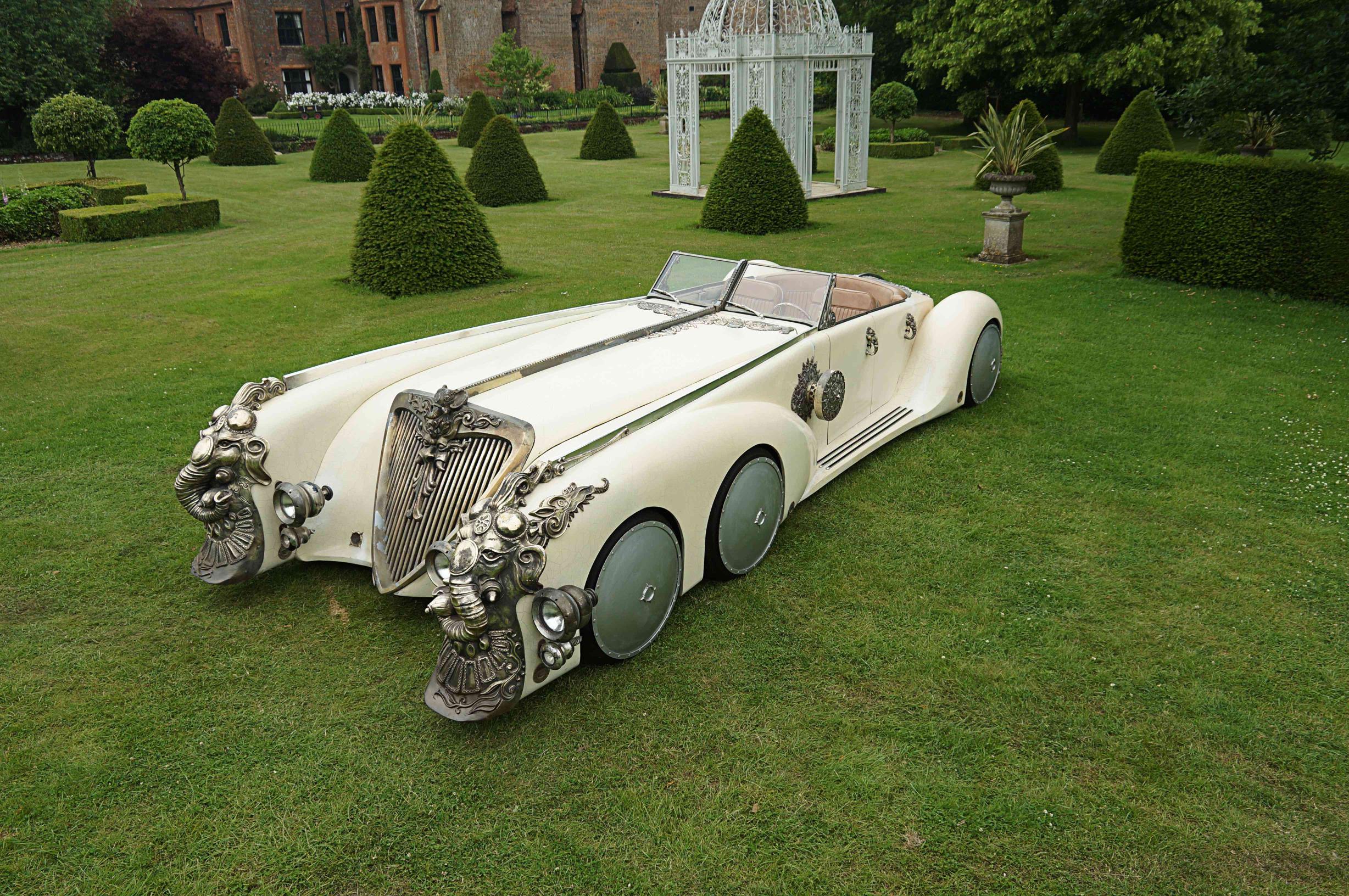
7. 1937 Lincoln Roadster (The League of Extraordinary Gentlemen)
Steampunk-inspired styling shaped the 1937 Lincoln Roadster featured in The League of Extraordinary Gentlemen, released in 2003. Set in a fictionalized Victorian-era universe, the film required vehicles that blended historical design with imaginative modification. The Lincoln Roadster used on screen was a replica constructed specifically for production design requirements.
Multiple replica versions were created to handle different filming needs. One served as the primary hero vehicle for close-up shots, while others were built for stunt work and background sequences. Each unit incorporated exaggerated design elements such as reinforced body panels, custom trim pieces, and period-inspired detailing modified to suit the film’s aesthetic direction.
Original 1930s Lincoln Roadsters were far too rare and valuable for stunt use, making replicas the practical solution. Builders used period-correct frames combined with modern reinforcement structures to ensure stability during filming. The exterior design maintained classic proportions while allowing for modifications required by action sequences.
After production, surviving replica units were retained by studio archives and private collectors connected to the film. Some were displayed during promotional events, while others remained in storage. Auction appearances have been limited, though replica-based film vehicles from similar productions have shown steady collector interest when released.
The Lincoln Roadster’s screen presence relied heavily on visual styling rather than mechanical performance. Its role supported the film’s stylized interpretation of historical fiction, where vehicles acted as extensions of character identity rather than pure transportation tools.
Collectors who seek out these replicas value their production craftsmanship and association with a stylized cinematic universe. Each unit represents a blend of automotive design and set construction rather than a traditional restoration project.
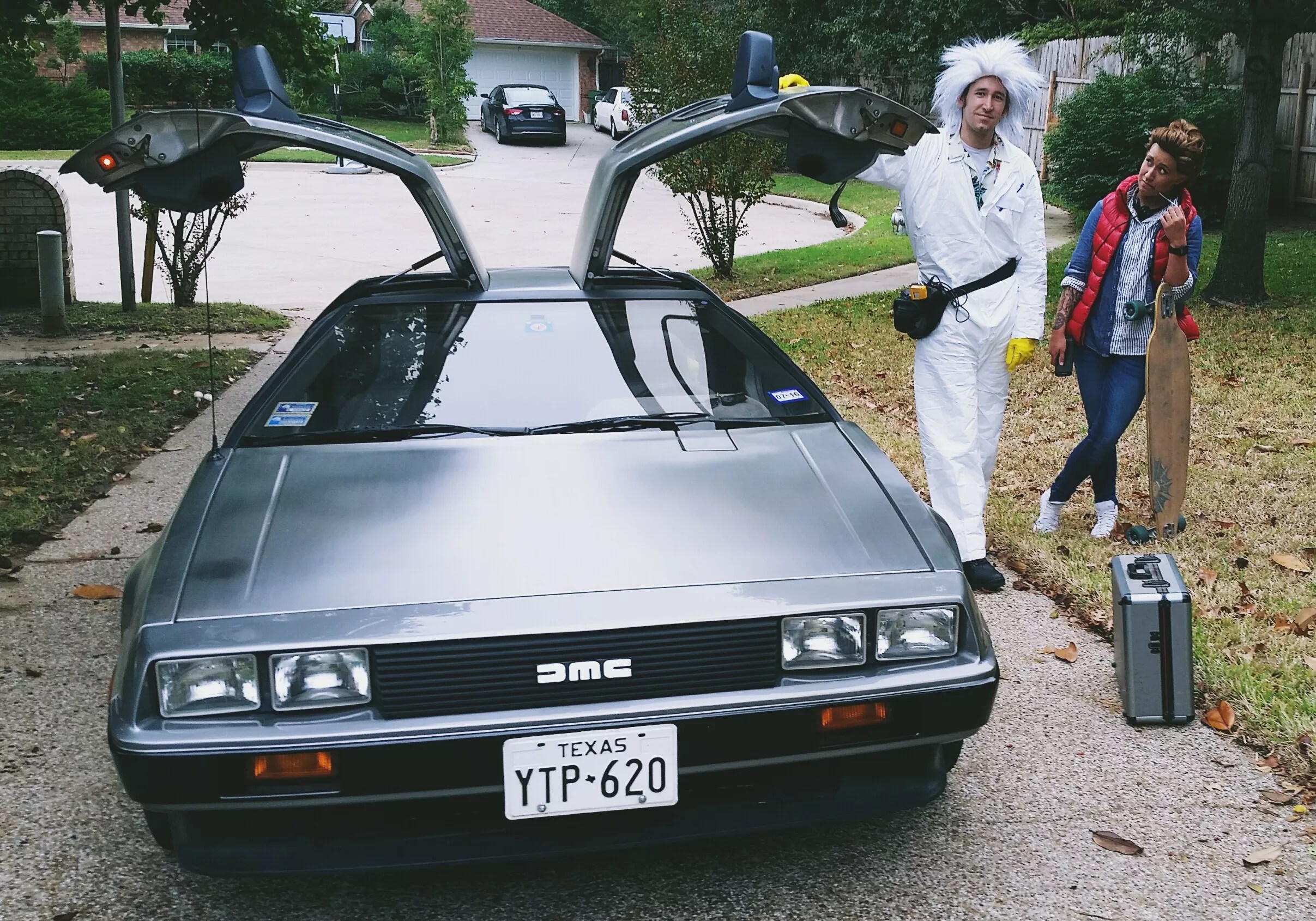
8. 1981 DeLorean DMC-12 (Ready Player One)
Futuristic storytelling received a retro foundation with the 1981 DeLorean DMC-12 featured in Ready Player One, released in 2018. While the DeLorean is widely associated with earlier science fiction cinema, the versions used in this production were rebuilt replicas and modified continuation builds rather than original screen-used time machine units.
Production required multiple DeLorean replicas to support high-intensity virtual racing and chase sequences. Each car was constructed using a combination of original DeLorean chassis components and modern fabrication materials. Exterior panels retained the stainless steel look, while internal systems were adapted for stunt durability.
Some replicas were fully functional driving vehicles, while others existed as lightweight shells for camera rigs and motion-controlled sequences. The design team focused on maintaining the iconic gull-wing silhouette while adapting the car for physically demanding filming environments.
After filming, several replica DeLoreans were retained for studio display and promotional exhibitions. A few entered private collections, with auction values varying depending on build authenticity and screen usage history. Continuation models inspired by the film also appeared in collector markets, further extending demand.
The DeLorean’s screen role in Ready Player One reinforced its long-standing association with futuristic themes. Even though the vehicles used were replicas, visual continuity ensured audiences recognized the car instantly.
Collectors value these builds for their dual connection to multiple cinematic eras, blending legacy design with modern filmmaking adaptation. Each replica represents a continuation of a design that has remained visually consistent across decades of screen appearances.
Also Read: 10 Cars That Became Icons Because of Movies
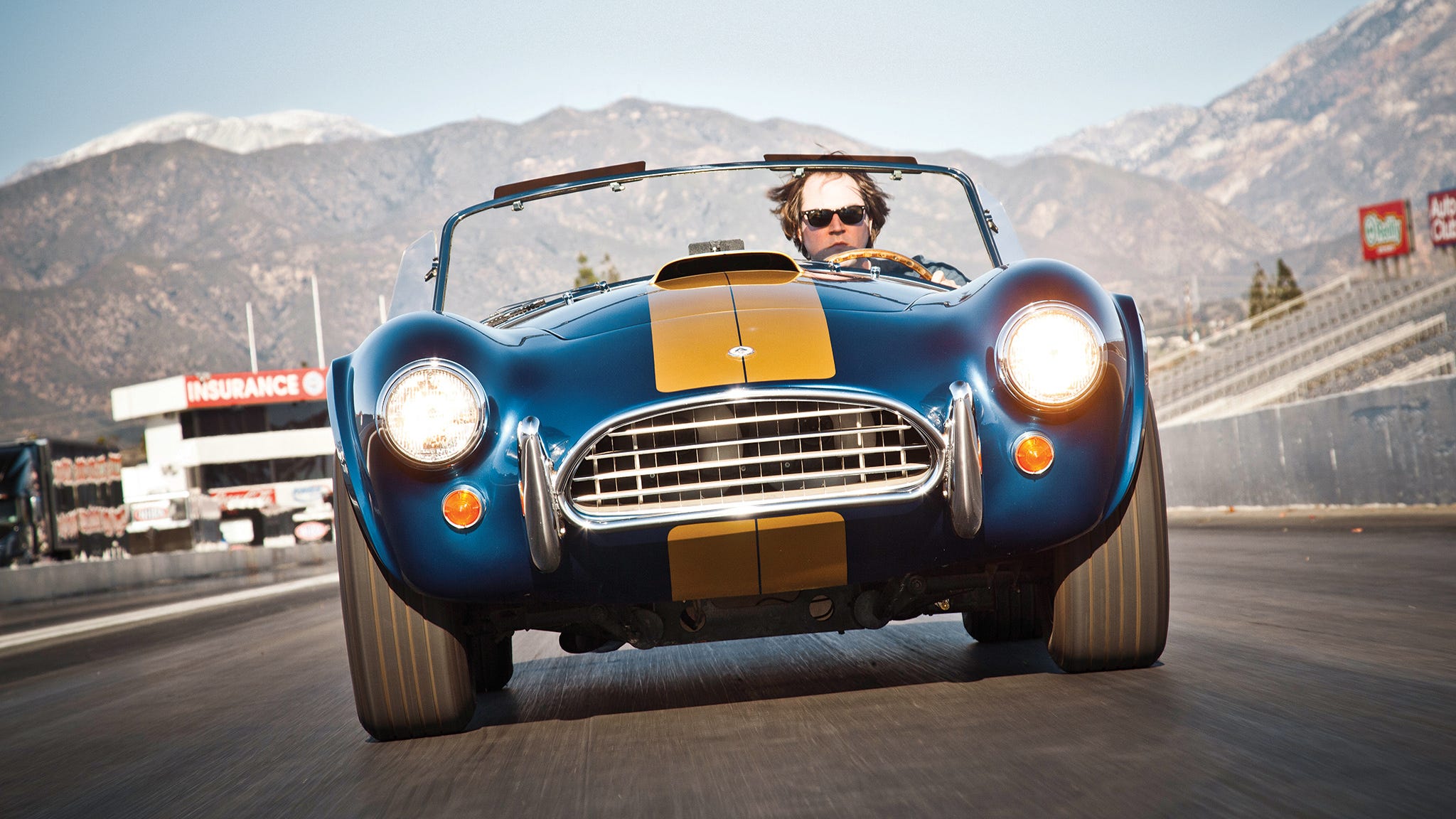
9. 1965 Shelby Cobra (Iron Man)
High-performance engineering defined the 1965 Shelby Cobra featured in Iron Man, released in 2008. The car appears briefly during Tony Stark’s lifestyle sequences, representing wealth, engineering precision, and performance culture. The Cobras used during filming were replica builds rather than original Shelby factory cars.
Production relied on multiple Cobra replicas constructed by specialty automotive builders. These vehicles used fiberglass body shells mounted on modern chassis systems capable of handling filming requirements. Engines varied depending on stunt needs, with some replicas fitted with performance V8 units while others were designed purely for static filming.
Each replica served a specific production function. Certain units handled driving shots on closed roads, while others were used for interior filming or stationary scenes inside luxury garage sets. The flexibility of replica construction allowed production teams to maintain continuity without risking rare vintage originals.
After filming, several Cobra replicas were sold through private channels and auction listings. Prices depended on build quality, mechanical specification, and any documented connection to screen use. Some achieved strong collector interest due to their association with a major blockbuster franchise.
The Shelby Cobra’s appearance in the film reinforced its reputation as a symbol of raw American performance engineering. Even as replicas, the cars delivered visual authenticity that aligned with the character’s personality and technological identity. Collectors continue to view these replicas as functional tribute builds rather than factory originals. Their value rests in craftsmanship, screen association, and the enduring appeal of the Cobra design itself.
Replica vehicles in cinema carry a unique role that sits between engineering and storytelling. While original cars often represent rarity and historical authenticity, replicas serve production realities that demand repetition, durability, and controlled risk. Each vehicle listed across this collection demonstrates how filmmakers rely on carefully constructed stand-ins to maintain visual continuity without compromising valuable originals.
Auction activity around these replicas shows steady interest from collectors who value screen history. Prices vary widely, influenced by documentation, build quality, and association with specific scenes. Some replicas achieve values close to original classics, while others remain accessible entry points into film memorabilia collecting.
Across decades of filmmaking, replica cars have become silent contributors to some of cinema’s most memorable moments. Their craftsmanship allows audiences to experience speed, drama, and style without knowing the engineering effort hidden beneath the camera frame.
