
Reliability remains one of the most important factors for midsize SUV buyers, and for good reason. These vehicles often serve as family transportation, road-trip companions, daily commuters, and cargo haulers all at once.
A dependable midsize SUV can provide years of trouble-free ownership while keeping repair costs low and resale values high. In a segment crowded with strong contenders, manufacturers continuously compete to build vehicles that not only offer comfort and technology but also stand the test of time.
For years, Toyota has dominated discussions about reliability. Models such as the Highlander and 4Runner built reputations for durability that became benchmarks for the entire industry. Yet the 2026 market tells a more interesting story.
Several rivals have narrowed the gap and, in some cases, surpassed Toyota in predicted dependability, owner satisfaction, warranty performance, and long-term quality metrics.
Modern reliability extends beyond simply having a durable engine. Buyers now expect dependable electronics, advanced safety systems, infotainment technology, hybrid components, transmissions, and driver-assistance features.
A vehicle may have a strong powertrain, but recurring software glitches or electrical issues can still affect ownership satisfaction. The best midsize SUVs of 2026 combine mechanical durability with consistently strong performance across all major systems.
Another factor influencing reliability rankings is manufacturing refinement. Automakers have invested heavily in quality control, improved materials, and more rigorous testing procedures.
As a result, some brands that once trailed Toyota have emerged as serious competitors. Companies such as Honda, Hyundai, Kia, Mazda, and Subaru now produce vehicles that regularly earn praise for long-term dependability.
This list highlights eight midsize SUVs that stand out for reliability in 2026. The surprising headline is that the top position does not belong to Toyota.
Instead, another manufacturer has produced a vehicle that has earned exceptional praise for durability, ownership satisfaction, and consistent performance. These SUVs demonstrate that buyers seeking long-term dependability have more choices than ever before.
Also Read: 8 Engines That Cross 250K Miles On Standard Maintenance Alone
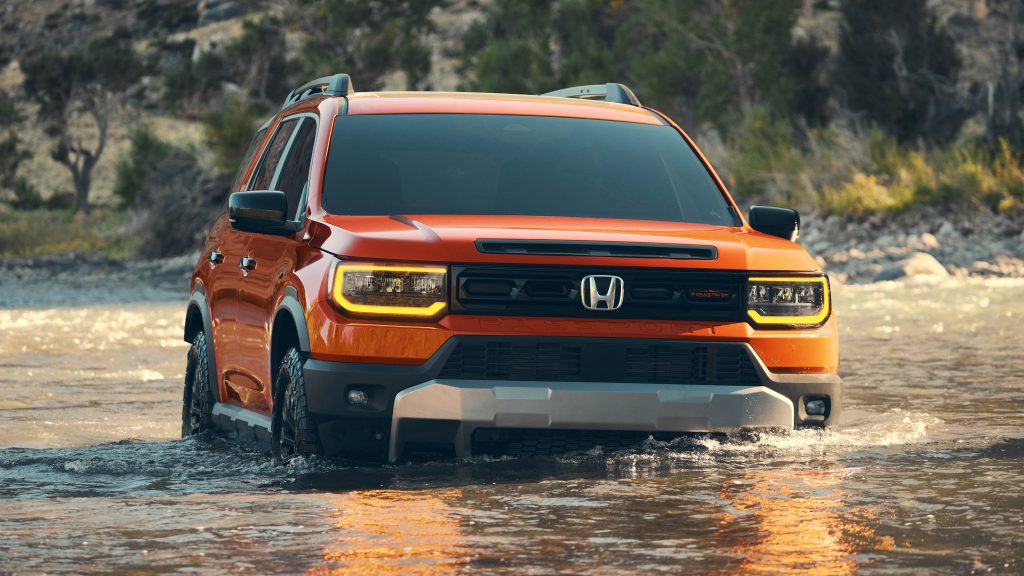
1. Honda Passport
The 2026 Honda Passport claims the top spot because it succeeds through a formula that has become increasingly rare in today’s automotive market: simplicity combined with proven engineering.
Rather than relying on complicated hybrid systems or highly stressed turbocharged powertrains, the Passport continues to emphasize mechanical durability and straightforward design principles.
One of the strongest aspects of the Passport is its naturally aspirated V6 engine. While many competitors have shifted toward smaller turbocharged engines, Honda has remained committed to a powertrain that has already accumulated a strong track record across multiple models.
Owners consistently praise the engine for smooth operation, predictable performance, and the ability to handle high mileage without developing significant problems.
Reliability extends beyond the powertrain. The Passport’s transmission has benefited from years of refinement, helping avoid some of the durability concerns that affected earlier generations of midsize SUVs across the industry.
The combination of a proven engine and mature transmission creates a foundation that inspires confidence among long-term owners.
The Passport also benefits from a relatively conservative approach to technology integration. It offers modern safety systems and connectivity features, but Honda has generally avoided introducing untested hardware or overly complex interfaces. This strategy reduces the likelihood of electronic issues becoming major ownership concerns.
Another reason the Passport performs well in reliability discussions is its manufacturing consistency. Build quality remains strong, with owners frequently reporting solid fit and finish even after years of daily use. Interior materials hold up well, and common wear points such as seats, switches, and controls tend to age gracefully.
The vehicle’s rugged construction contributes to durability under a variety of driving conditions. Whether navigating urban traffic, handling long highway trips, or traveling on rougher surfaces, the Passport has demonstrated an ability to withstand demanding use without excessive maintenance requirements.
Maintenance costs remain relatively reasonable compared with many competitors. Parts availability is strong, service networks are extensive, and routine maintenance procedures are straightforward. These factors help keep ownership expenses predictable over the long term.
The result is a midsize SUV that may not generate the most headlines but consistently earns respect from owners who prioritize dependability. Its blend of proven engineering, practical design, and long-term durability makes it one of the strongest reliability performers in the entire segment for 2026.
Specifications
- Engine: 3.5-liter naturally aspirated V6
- Torque: 262 lb-ft
- Horsepower: 285 hp
- Length/Width: 190.5 in / 78.6 in
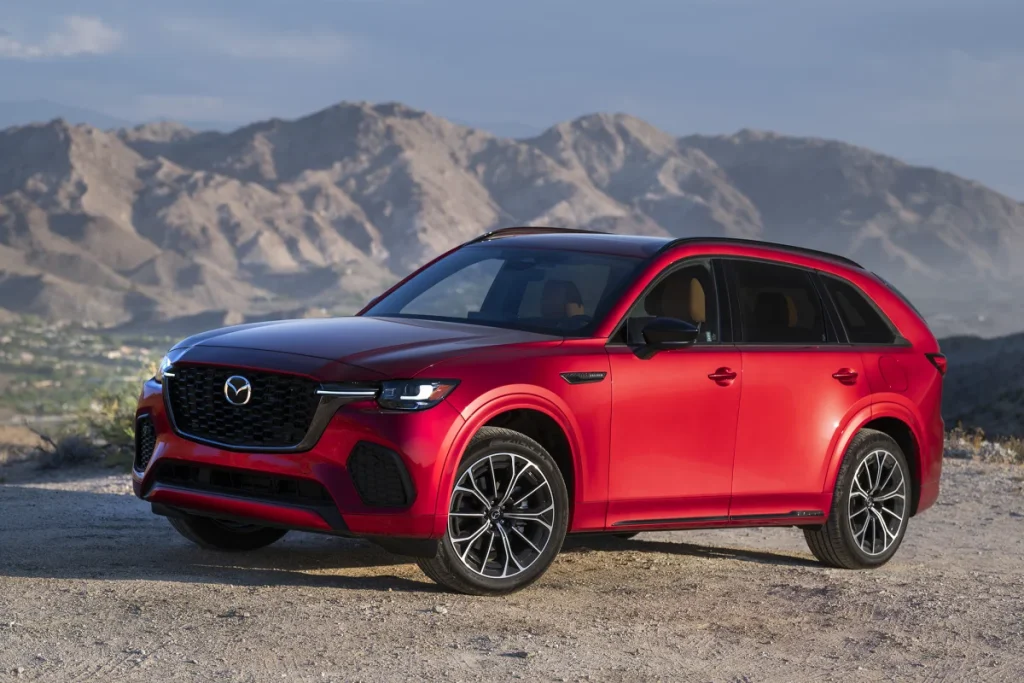
2. Mazda CX-70
Mazda approaches reliability from a different perspective than Honda. Rather than emphasizing simplicity alone, the company focuses heavily on engineering refinement. The CX-70 demonstrates how careful development and attention to detail can produce a vehicle that feels premium while maintaining impressive dependability.
A major strength of the CX-70 lies in its powertrain architecture. Mazda’s turbocharged inline-six engine was developed with durability as a priority, combining strong performance with relatively low mechanical stress during everyday driving.
The engine’s smooth operation reduces wear on supporting components while providing ample power for highway travel and towing duties.
Owners frequently highlight the consistency of Mazda’s build quality. Panel alignment, interior assembly, and material selection all contribute to a sense of precision that rivals many luxury vehicles. This attention to craftsmanship often translates into fewer rattles, squeaks, and cosmetic issues as mileage accumulates.
The CX-70’s interior provides another example of Mazda’s methodical approach. Controls remain intuitive, reducing the complexity that sometimes leads to reliability complaints in heavily digitized vehicles.
Physical buttons continue to perform many key functions, helping improve usability while reducing dependence on touchscreen-only interfaces.
Where the Mazda particularly shines is in long-term ownership satisfaction. Reliability is not merely the absence of breakdowns; it also includes how well a vehicle maintains its quality over time. Many owners report that Mazda vehicles retain their original driving character exceptionally well, even after years of service.
The suspension system deserves recognition as well. It balances comfort and handling without relying on unnecessarily complex hardware. Fewer complicated components can often mean fewer opportunities for expensive repairs later in the ownership cycle.
Safety technology is integrated thoughtfully throughout the vehicle. Rather than overwhelming drivers with intrusive systems, Mazda has focused on making advanced features operate naturally and predictably. This careful calibration contributes to positive owner experiences and reduces frustration associated with technology-related issues.
Another advantage comes from Mazda’s relatively focused product lineup. By concentrating resources on a smaller range of vehicles than some competitors, the company has been able to refine core systems extensively before bringing them to market.
The CX-70 proves that reliability and sophistication are not mutually exclusive. It offers premium-level design, strong performance, and impressive durability in a package that continues to earn praise from both industry observers and long-term owners.
Specifications
- Engine: 3.3-liter turbocharged inline-six
- Torque: 369 lb-ft
- Horsepower: 340 hp
- Length/Width: 201.6 in / 77.6 in
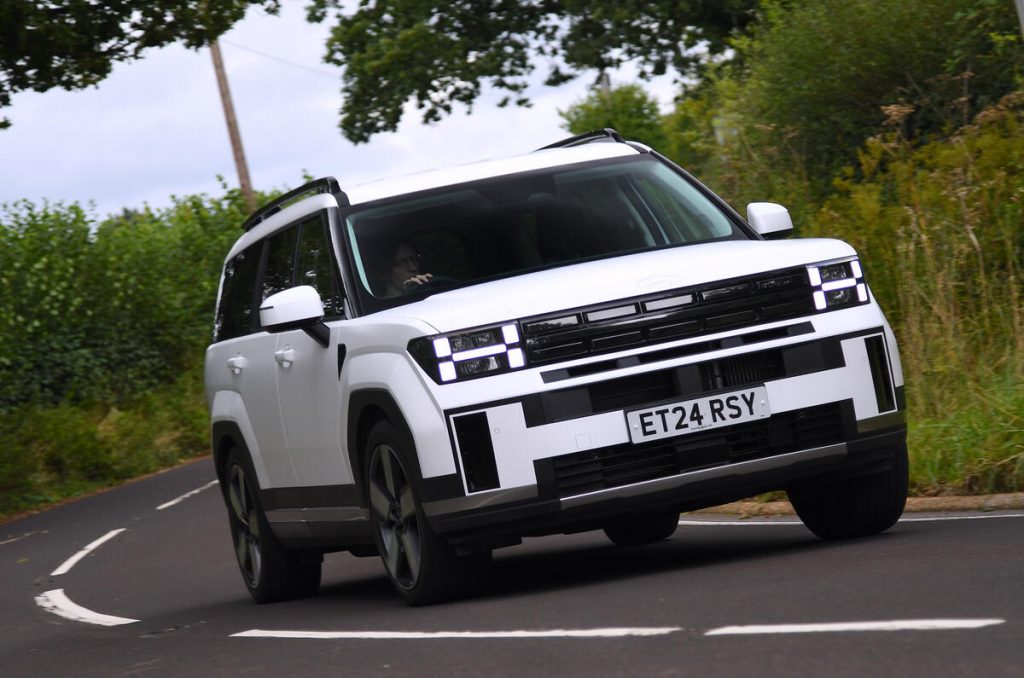
3. Hyundai Santa Fe
A decade ago, few shoppers would have placed Hyundai near the top of a midsize SUV reliability ranking. The brand was still working to reshape its image and convince buyers that it could compete with long-established industry leaders.
Fast forward to 2026, and the Santa Fe stands as one of the clearest examples of how dramatically Hyundai has improved its engineering, quality control, and long-term durability.
The latest Santa Fe takes a bold approach to design, but underneath its distinctive styling lies a vehicle engineered with practicality and dependability in mind. Hyundai has invested heavily in manufacturing processes, supplier quality standards, and extensive durability testing. Those efforts are increasingly reflected in owner reports and dependability studies.
One of Santa Fe’s strongest attributes is its balanced powertrain strategy. Rather than chasing extreme performance figures, Hyundai has focused on delivering engines and transmissions that operate comfortably within their capabilities.
Components subjected to less stress during normal driving often enjoy longer service lives, and the Santa Fe benefits from that philosophy.
Another noteworthy aspect is the vehicle’s interior durability. Family SUVs face unique challenges because they are used for school runs, vacations, commuting, shopping trips, and countless daily errands.
Materials that look attractive in a showroom can quickly show wear if not engineered properly. The Santa Fe’s cabin has earned praise for maintaining its appearance and functionality over the years of ownership.
Technology integration often creates reliability concerns in modern vehicles, yet Hyundai has made significant progress in this area.
The infotainment system is generally intuitive, software updates are managed effectively, and electronic features have demonstrated improved consistency compared with earlier generations. This matters because reliability today includes digital systems just as much as mechanical components.
The Santa Fe also performs well when it comes to ownership costs. Scheduled maintenance remains relatively affordable, and Hyundai’s extensive dealer network helps keep service accessible. Warranty coverage further strengthens buyer confidence by protecting during the early years of ownership.
Long-distance comfort contributes indirectly to owner satisfaction as well. A vehicle that remains quiet, smooth, and comfortable over time tends to generate fewer complaints, even when minor issues arise. Hyundai has focused heavily on refinement, resulting in an SUV that feels mature and well-developed.
What makes the Santa Fe particularly impressive is the consistency of its improvement. Rather than achieving reliability through a single breakthrough, Hyundai has enhanced nearly every aspect of the ownership experience.
The result is a midsize SUV that competes confidently with established segment leaders and has earned its place among the most dependable choices of 2026.
Specifications
- Engine: 2.5-liter turbocharged inline-four
- Torque: 311 lb-ft
- Horsepower: 277 hp
- Length/Width: 190.2 in / 74.8 in
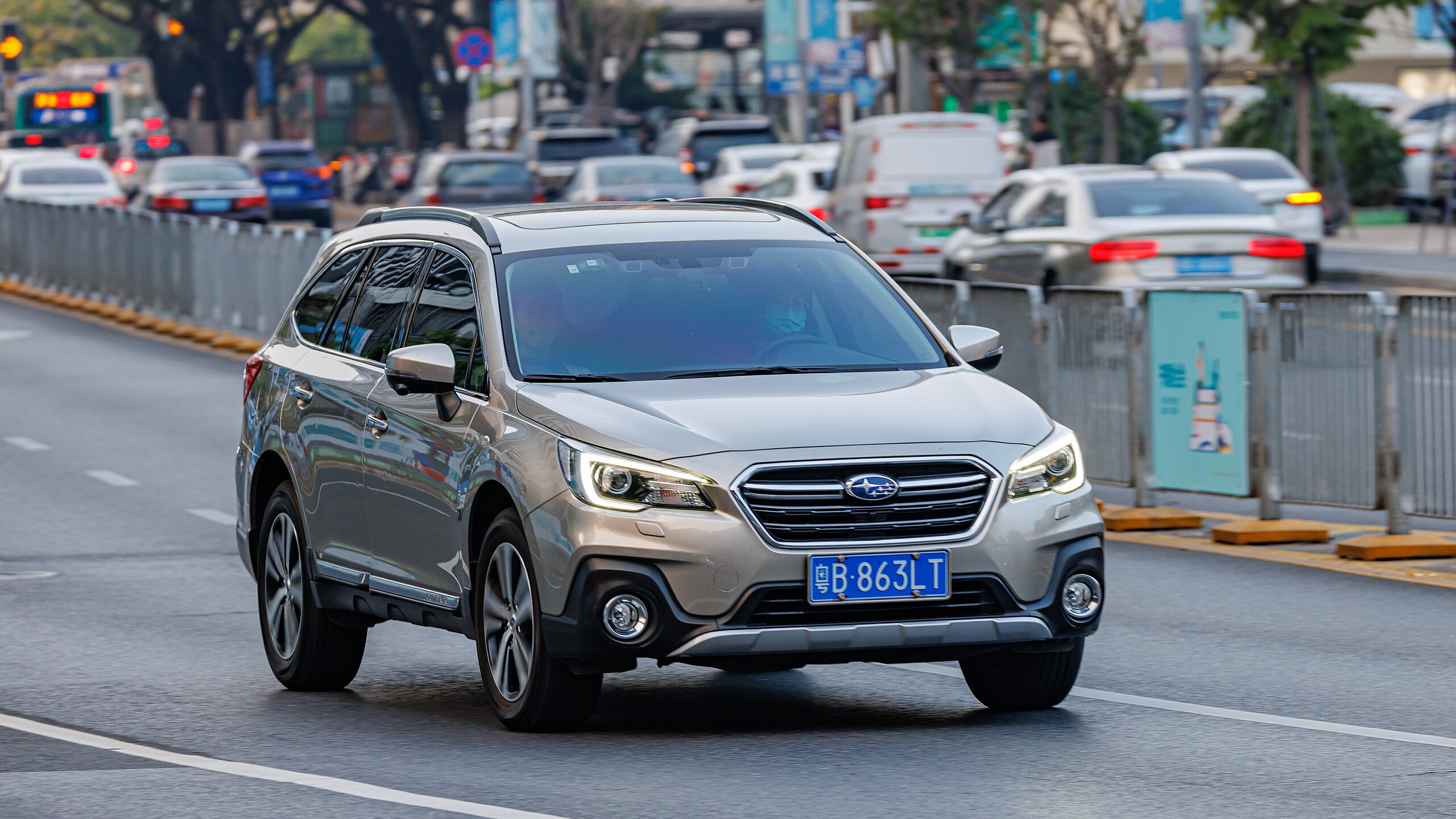
4. Subaru Outback
The Subaru Outback occupies a unique position in the automotive market. Some view it as a wagon; others see it as an SUV, but regardless of classification, it continues to attract buyers who prioritize durability, practicality, and all-weather capability. Its reputation has been built over decades of dependable service, and the 2026 model continues that tradition.
One reason the Outback performs so well in reliability discussions is its commitment to proven technology.
Subaru rarely rushes major changes into production. Instead, the company tends to refine existing systems over multiple generations, allowing engineers to identify and address potential weaknesses before introducing significant updates.
The standard all-wheel-drive system illustrates this philosophy perfectly. Unlike many competitors that use part-time systems primarily designed for occasional traction assistance, Subaru’s setup has been refined through years of real-world use. The result is a system known for durability as well as capability.
Another factor contributing to the Outback’s dependability is its predictable ownership experience. Drivers frequently report that maintenance schedules are straightforward, service requirements are easy to anticipate, and major mechanical surprises are relatively uncommon. Consistency like this plays a significant role in long-term reliability perceptions.
The Outback’s interior follows a practical approach rather than a flashy one. Materials are selected to withstand daily use, controls are designed for simplicity, and cabin layouts emphasize functionality. This reduces the likelihood of unnecessary complexity becoming a source of frustration later in the vehicle’s life.
Subaru has also worked extensively to improve quality in areas where earlier models faced criticism. Manufacturing precision, noise insulation, and electronic reliability have all benefited from ongoing refinement. The improvements may not always generate headlines, but they contribute significantly to owner satisfaction.
A major advantage for many buyers is the vehicle’s versatility. Harsh winters, gravel roads, long-distance travel, and urban commuting all place different demands on a vehicle. The Outback handles these varied conditions effectively without requiring specialized maintenance or expensive modifications.
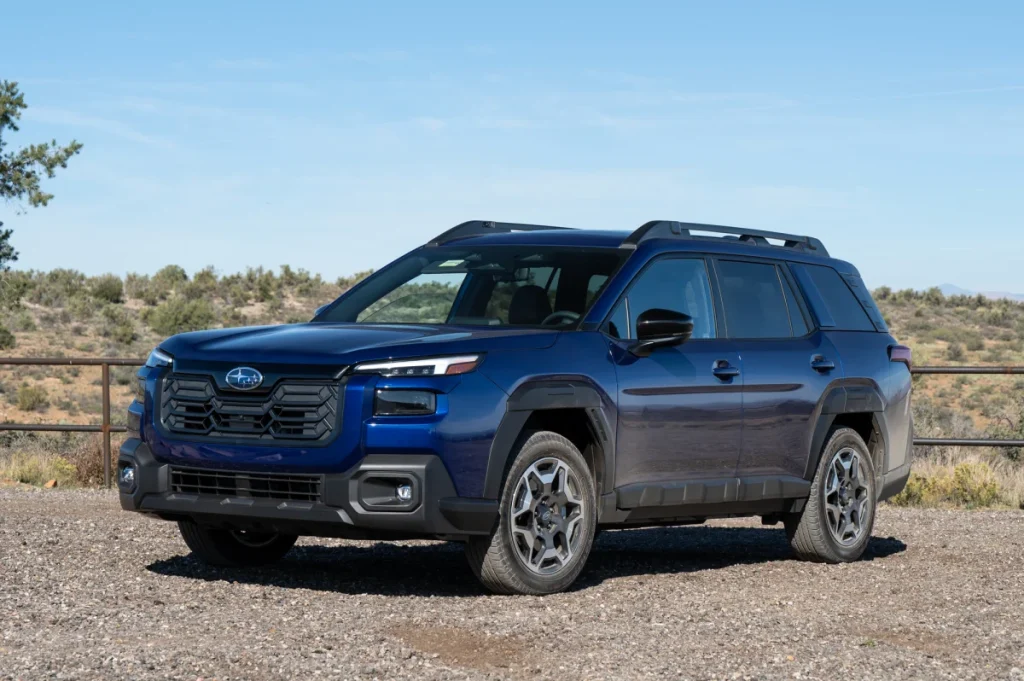
Resale value offers another clue to its reliability. Vehicles that consistently hold value tend to earn trust from consumers, and the Outback has historically performed well in this regard. Buyers recognize its reputation for durability and are often willing to pay a premium for used examples.
The Outback may not be the most luxurious or powerful vehicle in the segment, but reliability has never depended solely on those factors. Its strength lies in delivering dependable performance year after year, making it one of the safest choices for drivers seeking long-term ownership satisfaction.
Specifications
- Engine: 2.5-liter naturally aspirated flat-four
- Torque: 178 lb-ft
- Horsepower: 182 hp
- Length/Width: 191.9 in / 74.6 in
5. Kia Telluride
The Kia Telluride has spent several years earning praise for its combination of value, comfort, practicality, and quality. While its stylish design and spacious interior often receive the most attention, the vehicle’s reliability record has become one of its strongest selling points.
In a segment where buyers frequently keep their vehicles for many years, that reputation carries significant weight.
What makes the Telluride particularly impressive is the way it balances complexity and durability. Modern midsize SUVs are expected to provide advanced safety features, sophisticated infotainment systems, premium materials, and family-friendly versatility.
Every additional feature creates another opportunity for something to go wrong, yet Kia has managed to integrate these technologies while maintaining strong dependability scores.
The naturally aspirated V6 under the hood plays a major role in the Telluride’s success. While many rivals have moved toward smaller turbocharged engines, Kia’s approach emphasizes smooth power delivery and long-term durability.
The engine operates comfortably within its capabilities during daily driving, reducing stress on critical components and contributing to a reputation for consistent performance.
Inside the cabin, the Telluride demonstrates careful attention to durability. Families often subject midsize SUVs to demanding use. Children, pets, luggage, sports equipment, and long road trips all take a toll on interior materials.
The Telluride’s seats, controls, and trim pieces generally withstand these challenges well, helping the vehicle maintain its quality as mileage accumulates.
Owners frequently highlight the SUV’s quiet and refined driving experience. Reliability is not only about avoiding breakdowns. It also involves maintaining comfort and functionality over time.
A vehicle that develops rattles, squeaks, or electronic annoyances can feel less dependable even if major mechanical systems remain intact. The Telluride performs well in this area.
Maintenance costs are another advantage. Service intervals are straightforward, parts availability is strong, and Kia’s expanding dealership network makes routine maintenance relatively convenient. Combined with comprehensive warranty coverage, these factors contribute to positive ownership experiences.
The Telluride’s safety systems deserve mention as well. Advanced driver-assistance features have become increasingly important, and Kia has demonstrated that these technologies can be implemented effectively without creating widespread reliability concerns.
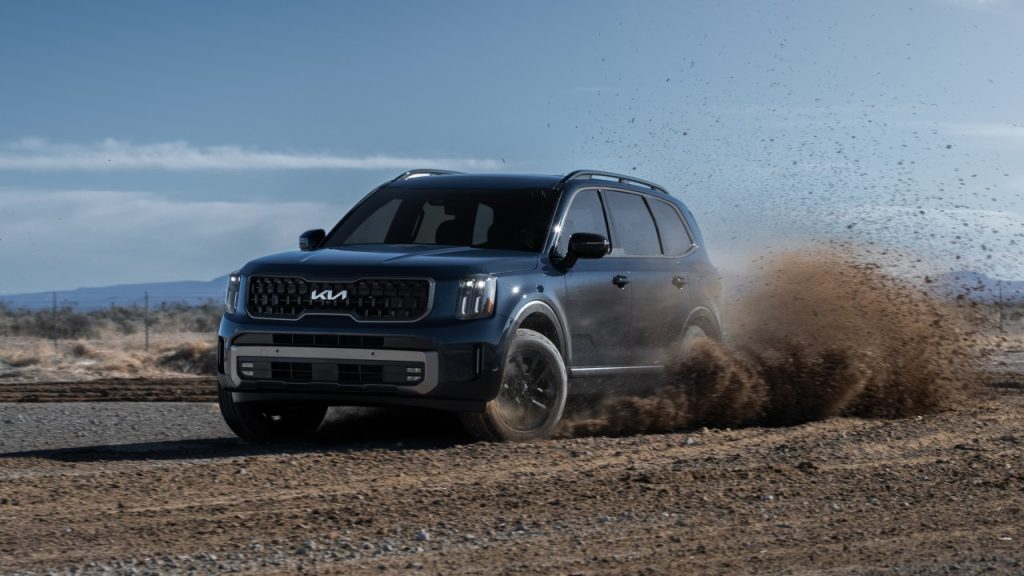
Perhaps the most impressive aspect of the Telluride is how quickly it established credibility in a highly competitive market. It entered the segment facing established rivals from Toyota, Honda, and Subaru, yet it rapidly earned a reputation for quality and dependability.
That achievement reflects years of improvement in engineering, manufacturing, and quality control.
For buyers seeking a dependable midsize SUV that combines modern features with proven durability, the Telluride remains one of the strongest options available in 2026.
Specifications
- Engine: 3.8-liter naturally aspirated V6
- Torque: 262 lb-ft
- Horsepower: 291 hp
- Length/Width: 196.9 in / 78.3 in
6. Toyota Highlander
It may be surprising to find the Toyota Highlander outside the top position in a reliability ranking, but that should not be mistaken for weakness. The Highlander remains one of the most dependable midsize SUVs available.
The difference is that competitors have narrowed the gap and, in some areas, surpassed Toyota’s latest offering. Even so, the Highlander continues to justify its reputation through consistent long-term performance.
Toyota’s approach to reliability has always emphasized caution. The company tends to avoid introducing major mechanical changes until they have been thoroughly tested.
This conservative engineering philosophy has helped create some of the industry’s most durable vehicles, and the Highlander benefits directly from that tradition.
The vehicle’s powertrain is a prime example. Whether equipped with a turbocharged gasoline engine or hybrid system, the Highlander relies on components that have undergone extensive development. Toyota’s emphasis on durability testing helps ensure that these systems perform reliably under a wide range of conditions.
One reason owners remain loyal to the Highlander is predictability. Maintenance schedules are easy to follow, repair frequencies are generally low, and long-term operating costs tend to remain manageable.
Many vehicles perform well during the first few years of ownership, but the Highlander’s reputation has been built over hundreds of thousands of miles accumulated by owners across multiple generations.
Another area where the Highlander excels is manufacturing consistency. Fit and finish standards remain strong, and assembly quality is typically excellent. Doors, switches, controls, and interior components often continue functioning smoothly long after competitors begin showing signs of wear.
The hybrid variant deserves special recognition. Toyota’s hybrid technology has accumulated decades of real-world experience, allowing the company to refine battery management, electric motors, and supporting systems. This maturity gives buyers confidence that the technology will remain dependable for years.
Resale value offers additional evidence of the Highlander’s reliability. Used-car buyers consistently seek out Toyota products because of their reputation for durability. Strong demand helps support resale prices, reducing total ownership costs and reinforcing the vehicle’s appeal.
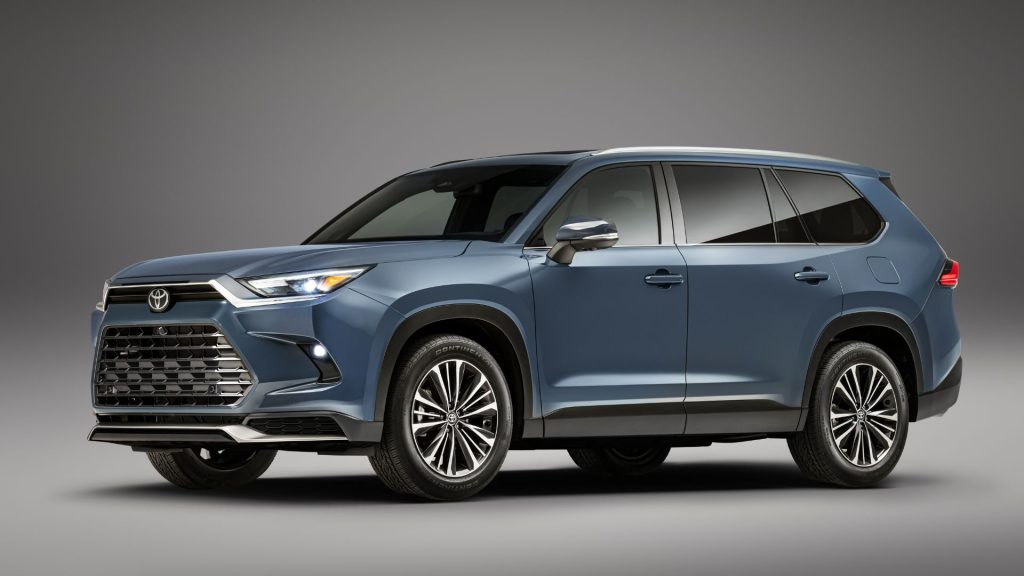
The Highlander’s cabin may not be the most extravagant in the segment, but practicality often contributes to reliability. Straightforward controls, logical layouts, and proven technology reduce complexity and help minimize potential issues over time.
While newer rivals have made impressive strides, the Highlander remains a benchmark for dependable transportation. Its placement outside the top spot reflects the strength of today’s competition rather than any significant decline in Toyota’s engineering standards.
For buyers seeking confidence and durability, it remains one of the most trustworthy choices in the midsize SUV market.
Specifications
- Engine: 2.4-liter turbocharged inline-four
- Torque: 310 lb-ft
- Horsepower: 265 hp
- Length/Width: 194.9 in / 76.0 in
7. Nissan Murano
The Nissan Murano often operates outside the spotlight occupied by some of the segment’s best-selling models, yet that relative lack of attention has not prevented it from developing a reputation for dependable service.
While many midsize SUVs compete through aggressive styling, off-road capability, or advanced technology, the Murano has traditionally focused on comfort, practicality, and everyday usability. Those priorities have helped it remain a reliable choice for buyers seeking long-term ownership satisfaction.
One of Murano’s greatest strengths is its mature development cycle. Nissan has spent years refining the vehicle’s platform, suspension, and supporting systems.
As a result, many of the early-production issues that can affect newly introduced vehicles have already been addressed through continuous improvement. Buyers benefit from a product that feels thoroughly developed rather than experimental.
The powertrain contributes significantly to the Murano’s reliability credentials. Nissan has increasingly emphasized smoother operation, improved efficiency, and reduced mechanical stress.
Components that operate within comfortable performance margins often deliver greater longevity, particularly when subjected to years of commuting, family travel, and daily use.
Another reason the Murano earns praise from owners is its comfortable and durable interior environment. The cabin was designed with long-distance travel in mind, and materials generally hold up well under repeated use.
Seats maintain their support, controls remain intuitive, and interior surfaces resist wear better than many buyers expect.
Technology integration has also improved considerably. Modern SUVs rely heavily on electronic systems, making software stability and hardware reliability increasingly important.
Nissan’s recent efforts to simplify interfaces and improve system responsiveness have helped reduce some of the frustrations that can arise from technology-related issues.
Ride quality remains one of the Murano’s defining characteristics. A vehicle that consistently delivers a smooth, composed driving experience often earns stronger owner satisfaction scores. The suspension absorbs road imperfections effectively, reducing stress on both occupants and certain mechanical components over time.
Service accessibility is another factor that works in the Murano’s favor. Nissan’s broad dealer network provides convenient maintenance options across many regions. Routine maintenance procedures remain relatively straightforward, helping keep ownership costs predictable.
Perhaps the Murano’s most underrated quality is consistency. It may not dominate comparison tests through headline-grabbing features, but it performs its core tasks exceptionally well.
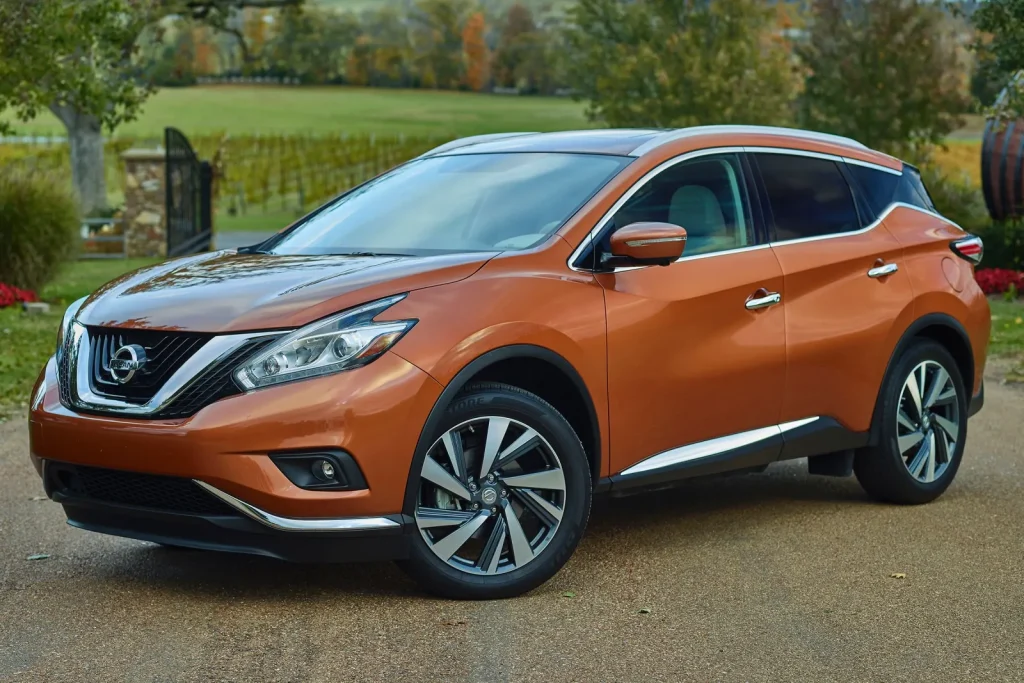
Reliability often comes from avoiding unnecessary complexity while focusing on proven solutions, and the Murano embodies that philosophy.
For buyers who prioritize comfort, dependability, and ease of ownership, the Murano remains a compelling option. Its steady evolution and focus on refinement have allowed it to remain competitive in a segment filled with increasingly sophisticated rivals.
Specifications
- Engine: 2.0-liter VC-Turbo inline-four
- Torque: 260 lb-ft
- Horsepower: 241 hp
- Length/Width: 192.9 in / 78.0 in
8. Chevrolet Traverse
The Chevrolet Traverse concludes this list by demonstrating how far domestic manufacturers have progressed in the reliability conversation. Earlier generations of large family SUVs occasionally struggled to match the long-term dependability associated with Japanese rivals.
The latest Traverse, however, reflects years of engineering refinement, improved manufacturing quality, and a stronger emphasis on ownership satisfaction.
One of the Traverse’s biggest advantages is its ability to combine size with practicality. Families often choose midsize SUVs because they need flexibility, and the Traverse excels in this regard.
Spacious seating, generous cargo capacity, and versatile interior configurations make it capable of handling demanding daily schedules. Reliability becomes especially important in this context because family vehicles are expected to perform consistently under heavy use.
The current generation benefits from a thoroughly modern engineering approach. Chevrolet has focused on strengthening key systems while improving efficiency and refinement.
The turbocharged powertrain delivers strong performance without placing excessive demands on the vehicle’s supporting components, helping create a balanced ownership experience.
Manufacturing quality has improved substantially in recent years. Tighter assembly tolerances, better material selection, and more rigorous quality-control procedures have contributed to stronger dependability ratings. Owners frequently report fewer fit-and-finish issues than they might have expected from earlier generations of the model.
The Traverse also benefits from General Motors’ extensive experience developing family-oriented vehicles. Lessons learned across multiple platforms have helped improve durability in areas such as suspension systems, electrical architecture, and interior components.
These improvements may not always be visible to buyers, but they become evident over the years of ownership.
Technology is another area where Chevrolet has made meaningful progress. Advanced driver-assistance systems, infotainment features, and connectivity tools have become central to the modern SUV experience. The Traverse integrates these systems effectively while maintaining user-friendly operation, reducing the likelihood that complexity will undermine reliability.
Long-distance comfort contributes to the vehicle’s strong reputation among families. A quiet cabin, supportive seating, and composed ride quality help the Traverse remain enjoyable to drive even after accumulating substantial mileage. Vehicles that age gracefully tend to inspire greater owner confidence.
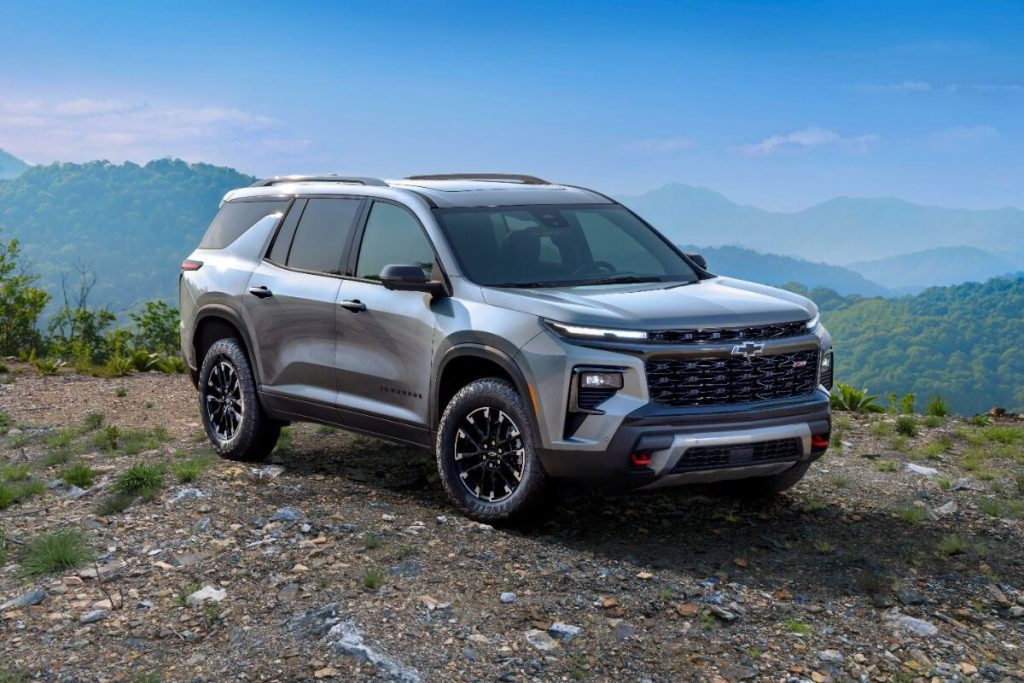
Resale values have also strengthened as perceptions of quality improve. Buyers increasingly recognize the Traverse as a durable and capable family SUV, supporting demand in the used market and reinforcing its reputation for dependability.
The Traverse may not carry the decades-long reliability legacy associated with some competitors, but its recent progress is impossible to ignore. Through careful engineering and steady refinement, Chevrolet has created a midsize SUV that deserves recognition among the most reliable choices of 2026.
Specifications
- Engine: 2.5-liter turbocharged inline-four
- Torque: 326 lb-ft
- Horsepower: 328 hp
- Length/Width: 204.5 in / 79.6 in
