
Buying a used hybrid was once considered a gamble. Early concerns about battery longevity, replacement costs, and long-term reliability caused many shoppers to avoid hybrid vehicles altogether.
Over time, however, real-world ownership data has largely erased those fears. Many hybrid models have proven capable of accumulating hundreds of thousands of miles while delivering fuel savings that significantly outweigh their ownership costs.
For budget-conscious drivers, the used hybrid market has become one of the most attractive segments in the automotive industry.
Depreciation often reduces purchase prices dramatically, allowing buyers to acquire efficient vehicles for a fraction of their original cost. At the same time, fuel prices continue to make efficiency an important consideration, especially for commuters covering substantial annual mileage.
The most successful hybrids achieve more than just impressive fuel economy. They combine reliability, affordable maintenance, durable hybrid components, and strong resale value.
These factors work together to create ownership experiences that frequently cost less than those of comparable gasoline-powered vehicles. In some cases, fuel savings alone can offset a significant portion of annual ownership expenses.
Another reason used hybrids have become appealing is the maturity of the technology. Manufacturers such as Toyota, Honda, Hyundai, and Ford have spent decades refining hybrid systems. Today’s buyers benefit from years of engineering improvements and extensive real-world testing that have revealed which models offer the best long-term value.
The vehicles on this list stand out because they consistently deliver lower operating costs than many traditional alternatives.
Their combination of efficiency and dependability allows owners to spend less on fuel while avoiding the repair expenses often associated with aging vehicles. For drivers seeking maximum value from every dollar spent, these hybrids represent some of the smartest purchases available in the used-car market.
Also Read: 8 Used SUVs That Hold Their Value Best
1. Toyota Prius (Fourth Generation)
The Toyota Prius has built a strong reputation as one of the most efficient and dependable hybrid vehicles available, especially in its fourth-generation used models. Its hybrid system pairs a fuel-efficient gasoline engine with electric assistance, producing consistently strong fuel economy in both city and highway driving. It delivers practical real-world savings, making it especially attractive for daily commuters who want to reduce fuel expenses over time.
Long-term reliability is one of its key strengths. While hybrid battery concerns are commonly raised in the used market, Toyota’s system has proven highly durable in practice. Many Prius models have exceeded 200,000 miles while still operating reliably, helping owners avoid major repair expenses that could otherwise reduce total savings.
Maintenance costs are generally modest. Regenerative braking reduces wear on brake components, helping extend service life and lower routine expenses. In addition, Toyota’s widespread service network makes parts and maintenance widely accessible, keeping ownership straightforward and affordable.
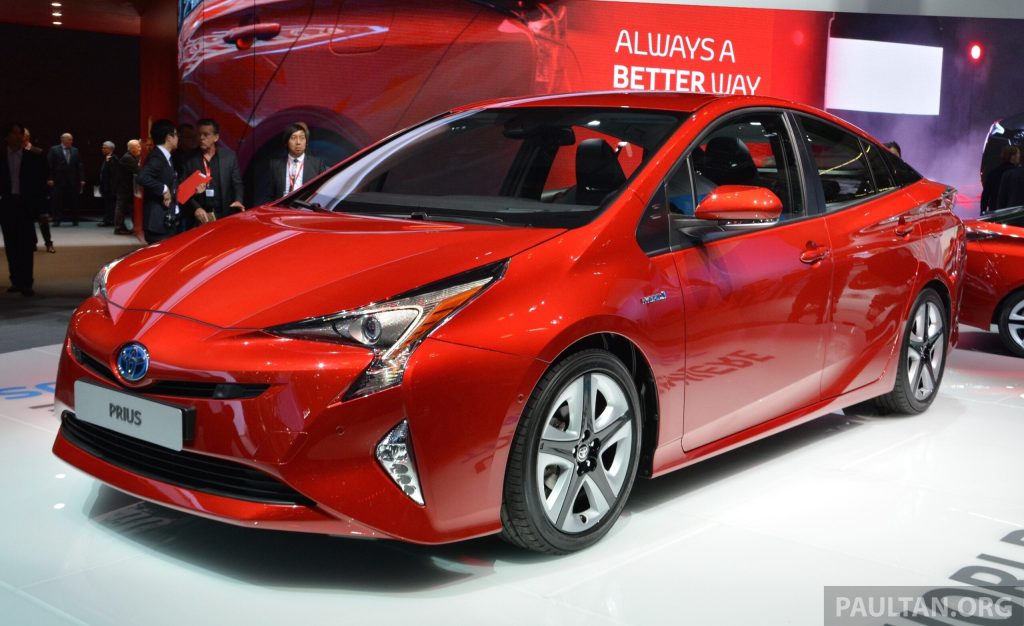
The Prius also benefits from strong resale value. Demand remains steady because buyers consistently seek out economical and dependable transportation, which helps slow depreciation compared to many other vehicles.
The focus is on practicality rather than luxury. The hatchback layout provides useful cargo space for groceries, commuting needs, and longer trips, adding to its everyday versatility.
With estimated annual ownership costs between $4,200 and $4,800, including fuel, insurance, maintenance, and depreciation, the Prius remains one of the most cost-effective vehicles for long-term ownership.
Specifications
- Engine: 1.8-liter Hybrid Inline-4
- Torque: 105 lb-ft
- Horsepower: 121 hp
- Length/Width: 178.7 in / 69.3 in
2. Toyota Camry Hybrid
Some hybrids prioritize efficiency above everything else, but the Toyota Camry Hybrid achieves something more difficult. It delivers exceptional fuel economy while maintaining the comfort, refinement, and space expected from a midsize sedan. This balance has helped it become one of the most financially rewarding used hybrid purchases available.
Drivers moving from traditional family sedans often appreciate how little adjustment is required. The Camry Hybrid feels familiar from the moment it is driven, yet its operating costs are noticeably lower. Fuel consumption drops significantly compared with many conventional midsize vehicles, creating savings that accumulate steadily throughout ownership.
One reason the Camry Hybrid performs so well financially is its reputation for dependability. Toyota’s hybrid technology has been refined across multiple generations, resulting in systems that have proven capable of handling substantial mileage with relatively few issues.
Long-term reliability helps reduce repair-related expenses, one of the largest variables in vehicle ownership.
The cabin environment contributes to its value proposition. Comfortable seating, generous rear-seat space, and a smooth ride make it an appealing option for commuters and families alike. A vehicle that remains comfortable over long distances often encourages owners to keep it longer, further improving ownership economics.
Insurance rates are frequently reasonable compared with similarly sized vehicles offering equivalent performance. Combined with lower fuel costs, this creates a noticeable reduction in yearly transportation expenses.
Resale value remains another important advantage. Used-car buyers consistently seek Camry Hybrids because of their reputation for longevity. Strong demand helps minimize depreciation losses, an area where many vehicles struggle.
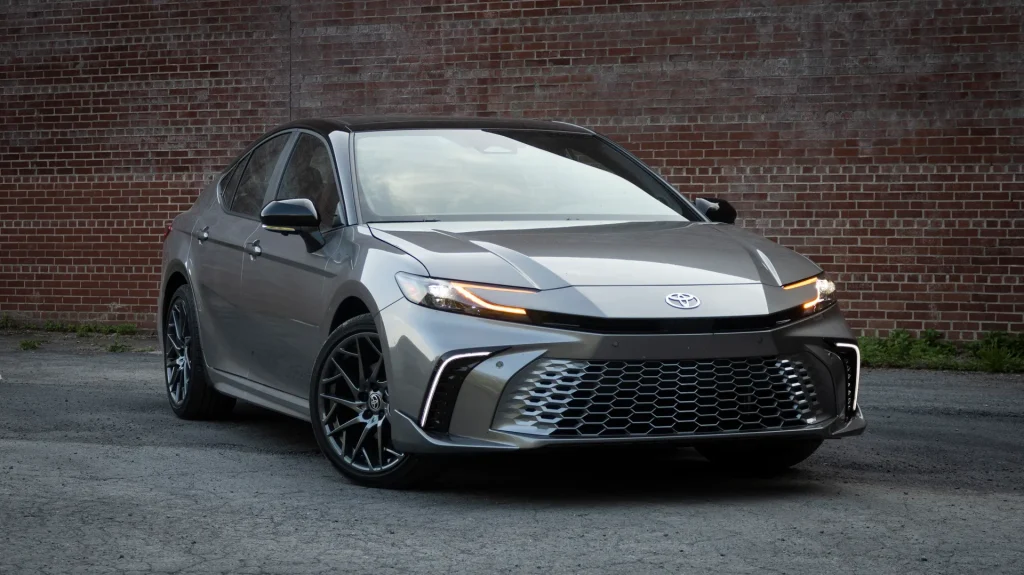
Maintenance requirements are typically predictable and manageable. Routine servicing is straightforward, and the hybrid system has demonstrated remarkable durability in real-world use.
Estimated Annual Ownership Cost: Approximately $4,500 to $5,200 per year, including fuel, maintenance, insurance, and depreciation.
The Camry Hybrid succeeds because it combines the savings of a hybrid with the comfort and practicality of a traditional family sedan, making it one of the most sensible used-car purchases available.
Specifications
- Engine: 2.5-liter Hybrid Inline-4
- Torque: 163 lb-ft
- Horsepower: 208 hp
- Length/Width: 192.1 in / 72.4 in
3. Honda Accord Hybrid
The Honda Accord Hybrid stands out in the used hybrid segment by combining strong fuel efficiency with comfort and refinement often found in more premium sedans. It attracts drivers who want meaningful fuel savings while still enjoying a smooth and comfortable driving experience.
Its hybrid system is seamlessly integrated into everyday driving, operating quietly and naturally. Transitions between electric and gasoline power are subtle, creating a calm and composed feel that works well in both city traffic and highway cruising. The vehicle behaves like a well-balanced midsize sedan that simply uses less fuel rather than feeling overly focused on efficiency.
Comfort is one of its key strengths. The cabin is spacious, seating is supportive, and highway stability is strong, making it well suited for long-distance commuters. These qualities also encourage longer ownership, helping reduce the long-term impact of depreciation and replacement costs.
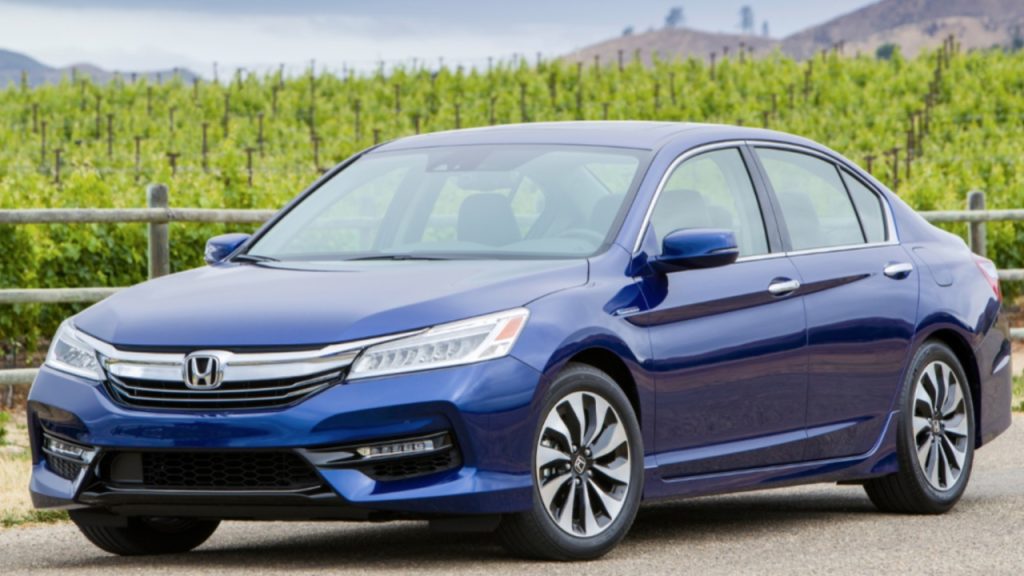
Reliability further strengthens its appeal. Honda’s hybrid components have shown solid durability in real-world use, and maintenance remains straightforward due to wide parts availability and a strong service network.
Fuel savings are noticeable for drivers moving from conventional sedans, often reducing monthly fuel expenses significantly. Over time, these savings accumulate into substantial value.
Strong used market demand helps preserve resale value, making the Accord Hybrid a well-rounded choice for efficiency and long-term ownership.
Specifications
- Engine: 2.0-liter Hybrid Inline-4
- Torque: 232 lb-ft
- Horsepower: 212 hp
- Length/Width: 195.7 in / 73.3 in
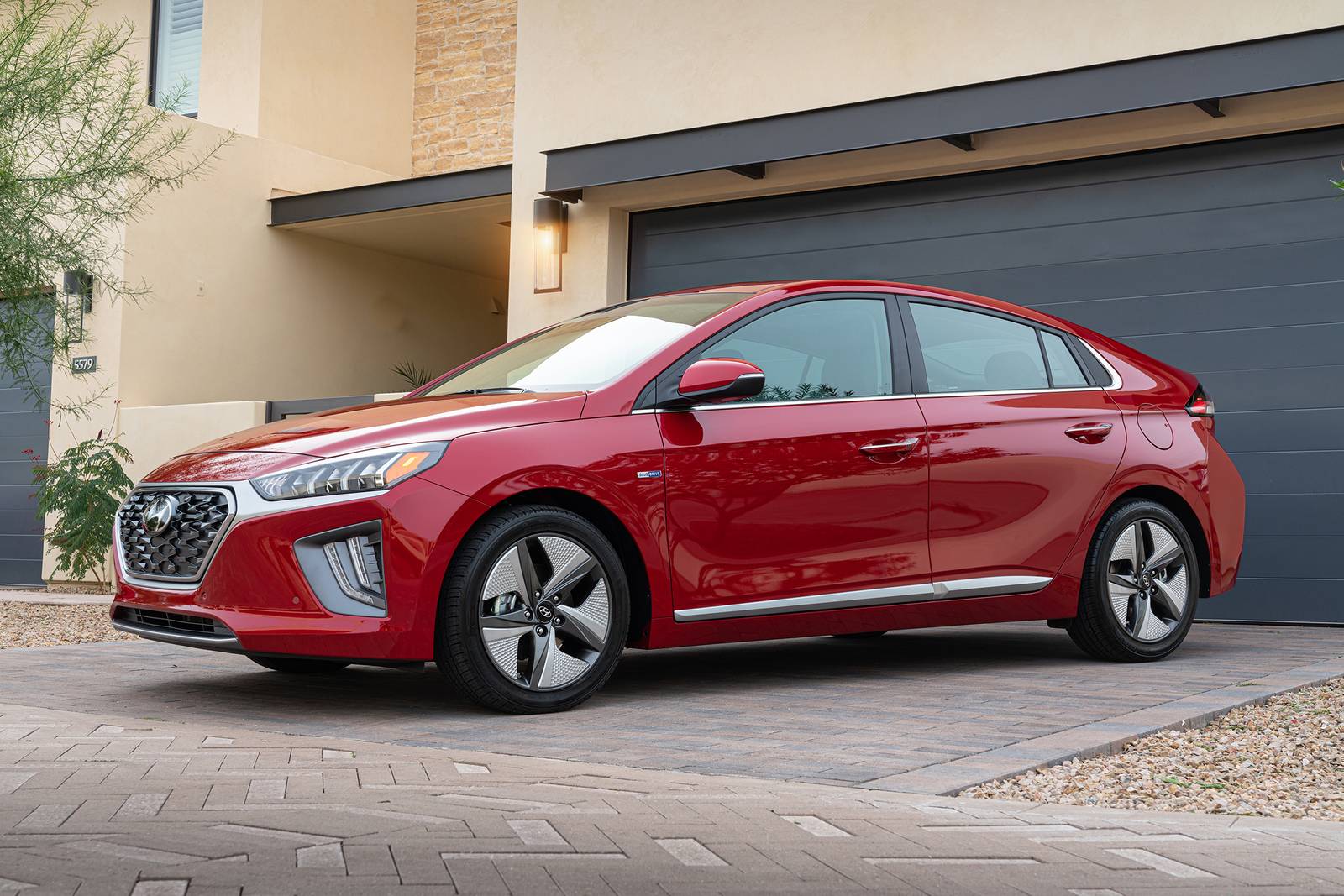
4. Hyundai Ioniq Hybrid
Among used hybrid options, a particular model distinguishes itself by being designed entirely with efficiency as the main priority rather than being adapted from a conventional platform. Because it was purpose-built, every aspect of its engineering contributes to reducing fuel use.
Its aerodynamic shape minimizes drag, its lightweight structure improves efficiency, and its hybrid system is tuned for optimal energy management. Together, these elements deliver outstanding fuel economy in real-world driving. For drivers who accumulate high annual mileage, this translates into meaningful savings over time, especially when compared with less efficiency-focused vehicles.
Despite its strong focus on efficiency, it still delivers a comfortable and practical driving experience. The interior is simple and functional, with intuitive controls and good outward visibility, making it easy to drive in city traffic as well as on long highway trips. It avoids feeling overly stripped down, instead prioritizing usability and ease of ownership.
A key advantage lies in its affordability in the used market. Because it depreciates more quickly than some Japanese rivals, buyers can secure a lower purchase price, improving long-term cost efficiency. This makes it an appealing option for budget-conscious drivers focused on sustained value.
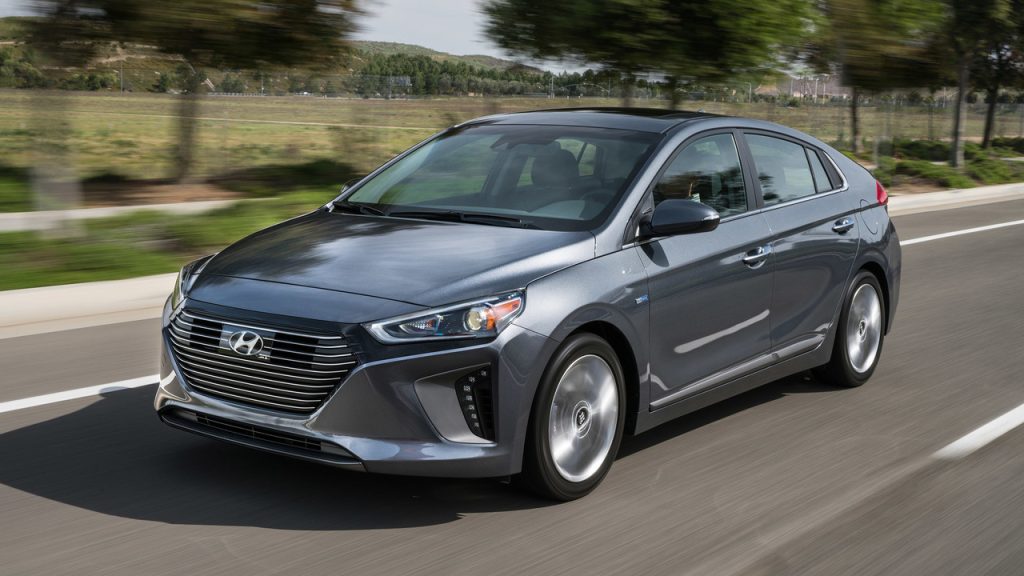
The hybrid system has built a strong reputation for reliability, backed by consistent real-world performance and generally manageable maintenance costs. When paired with competitive insurance rates, total ownership expenses tend to stay relatively low.
Practicality is another strength, with a hatchback layout that offers flexible cargo space suitable for daily errands and travel needs. Estimated annual ownership costs typically range between $4,000 and $4,700, making it one of the most cost-effective hybrid choices available.
Specifications
- Engine: 1.6-liter Hybrid Inline-4
- Torque: 195 lb-ft
- Horsepower: 139 hp
- Length/Width: 176.0 in / 71.7 in
5. Toyota Avalon Hybrid
The Toyota Avalon Hybrid occupies a unique position in the used-car market because it delivers near-luxury comfort while maintaining ownership costs that often resemble those of much smaller vehicles.
When new, the Avalon sat near the top of Toyota’s sedan lineup, offering generous passenger space, premium materials, and a relaxed driving character. Years later, depreciation has made it far more accessible, creating an opportunity for used-car buyers seeking maximum value.
Large sedans are frequently associated with higher operating expenses, but the Avalon Hybrid breaks that assumption. Its hybrid powertrain allows the car to achieve fuel economy figures that would have seemed impossible for a full-size sedan only a generation ago.
Drivers who spend significant time on the road often discover that fuel expenses remain surprisingly modest despite the vehicle’s size.
The ownership experience begins with comfort. Front and rear passengers enjoy abundant legroom, supportive seats, and a ride quality designed to isolate occupants from rough pavement.
Long highway trips are where the Avalon Hybrid truly shines. Rather than feeling like an economy-focused transportation appliance, it behaves more like a premium touring sedan while still delivering meaningful fuel savings.
Another factor contributing to its low ownership costs is Toyota’s proven hybrid technology. By the time the Avalon Hybrid entered production, Toyota had already accumulated years of experience refining its hybrid systems.
That engineering maturity has translated into strong reliability records and a reputation for durability. Many examples continue to provide dependable service even after accumulating substantial mileage.
Maintenance expenses remain manageable thanks to widespread parts availability and Toyota’s extensive service network. Independent repair facilities are familiar with the platform, helping owners avoid the specialized repair costs sometimes associated with less common vehicles.
Depreciation also works in the buyer’s favor. Full-size sedans generally lose value faster than compact vehicles during their early years, creating attractive opportunities in the used market. Buyers can often acquire a well-equipped Avalon Hybrid for significantly less than its original sticker price while retaining many years of useful service.
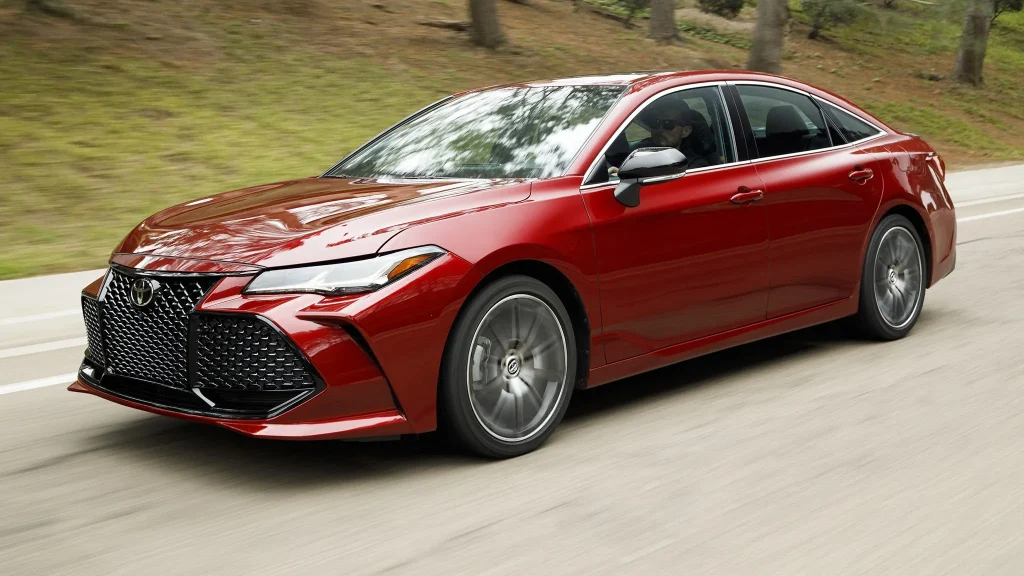
The cabin deserves special mention because it separates the Avalon from many competitors. Soft-touch materials, excellent sound insulation, and thoughtful design details create an environment that feels more expensive than the vehicle’s current market value would suggest.
Insurance costs are generally reasonable considering the vehicle’s size and equipment level. Combined with strong fuel economy and predictable maintenance requirements, this helps keep annual expenses surprisingly low.
Estimated Annual Ownership Cost: Approximately $4,700 to $5,500 per year, including fuel, maintenance, insurance, and depreciation.
The Avalon Hybrid demonstrates that buyers do not need to sacrifice comfort in pursuit of efficiency. It delivers the refinement of a large sedan while maintaining operating costs that remain remarkably competitive.
Specifications
- Engine: 2.5-liter Hybrid Inline-4
- Torque: 163 lb-ft
- Horsepower: 215 hp
- Length/Width: 195.9 in / 72.8 in
6. Ford Fusion Hybrid
The Ford Fusion Hybrid often flies under the radar when discussions turn to used hybrid bargains, yet it has quietly established itself as one of the most financially sensible electrified sedans available.
Combining attractive styling, comfortable road manners, and proven hybrid technology, it offers a compelling ownership experience at a price that frequently undercuts many competitors.
One reason the Fusion Hybrid performs so well in value calculations is depreciation. While Toyota and Honda hybrids often command premium prices in the used market, the Ford tends to be available for noticeably less money.
This lower purchase cost immediately improves the ownership equation, giving buyers access to hybrid efficiency without paying a substantial premium.
The vehicle’s hybrid system has proven more durable than many shoppers initially expect. Ford invested heavily in hybrid development, and the Fusion benefited from years of engineering refinement. Numerous owners have reported high-mileage examples continuing to operate reliably, helping reinforce the model’s reputation for dependability.
Fuel savings remain a major attraction. The Fusion Hybrid delivers excellent economy in urban driving, where regenerative braking and electric assistance can have the greatest impact. Drivers who regularly face stop-and-go traffic often see significant reductions in fuel spending compared with conventional midsize sedans.
The Fusion adopts a more balanced approach than hybrids that focus primarily on efficiency. Rather than feeling compromised, it offers a comfortable and well-rounded driving experience. Ride quality remains smooth across different road conditions, and cabin noise is well controlled even at higher highway speeds. This level of refinement gives the car a more mature and composed character, often boosting owner satisfaction and encouraging longer periods of ownership.
Another financial advantage comes from maintenance accessibility. Parts availability remains strong, and service technicians are generally familiar with the model. Routine maintenance requirements are straightforward, helping owners avoid excessive repair bills.
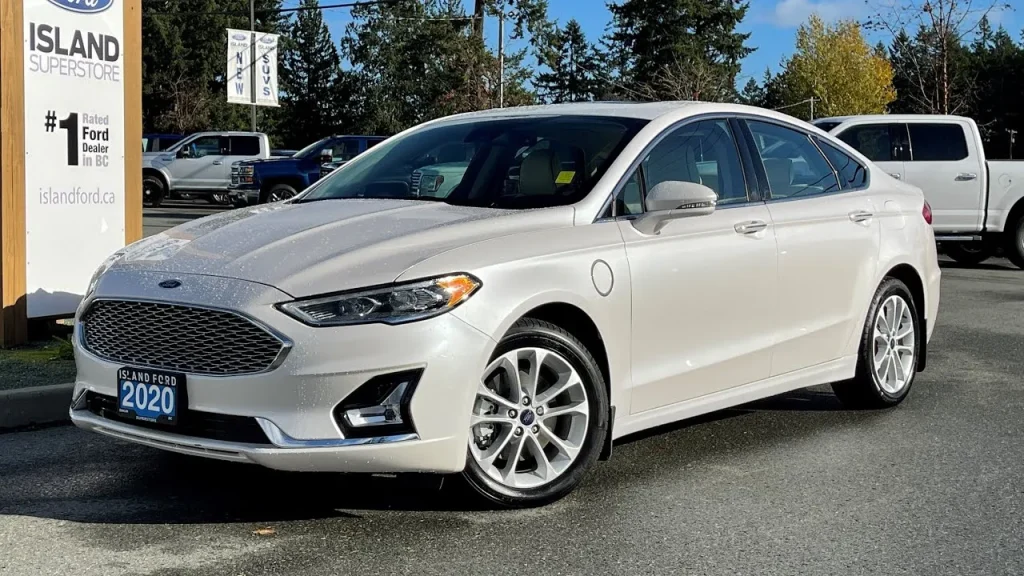
The Fusion’s styling has also aged gracefully. Even years after production ended, the design still looks modern enough to compete visually with newer vehicles. That appeal helps support resale values and contributes to the vehicle’s continued popularity among used-car shoppers.
Interior space further strengthens the Fusion Hybrid’s case. Comfortable seating and a practical cabin layout make it well suited to commuting, family transportation, and longer trips. The ability to handle multiple roles effectively increases the value owners receive from their investment.
Insurance costs often remain competitive as well, adding another layer of affordability to the ownership experience.
Estimated Annual Ownership Cost: Approximately $4,300 to $5,100 per year, including fuel, maintenance, insurance, and depreciation.
The Fusion Hybrid succeeds because it combines strong efficiency, respectable reliability, attractive pricing, and everyday practicality. For buyers seeking maximum value in the used hybrid market, it remains one of the most overlooked opportunities available.
Specifications
- Engine: 2.0-liter Hybrid Inline-4
- Torque: 129 lb-ft
- Horsepower: 188 hp
- Length/Width: 191.8 in / 72.9 in
7. Kia Niro Hybrid
Some vehicles become popular because of eye-catching styling or impressive performance figures. The Kia Niro Hybrid earned its reputation through practicality and efficiency.
While it lacks the dramatic image associated with many modern crossovers, it has quietly become one of the smartest used hybrid purchases for drivers focused on reducing transportation expenses without sacrificing everyday usability.
The Niro arrived at a time when consumers increasingly wanted crossover-like versatility but were growing concerned about fuel costs.
Kia responded by creating a vehicle that delivered the upgraded seating position and cargo flexibility buyers desired while maintaining fuel economy numbers that rivaled many compact hybrid sedans. That combination immediately gave the Niro a unique advantage in the market.
A major contributor to its low ownership costs is the vehicle’s efficient hybrid system. The powertrain operates smoothly in daily driving, helping owners minimize fuel consumption whether navigating city traffic or covering long highway distances. For commuters, rideshare drivers, and families with high annual mileage, those fuel savings can quickly add up.
The Niro’s practicality extends beyond efficiency. Its hatchback-style cargo area provides considerably more versatility than many traditional sedans. Grocery runs, weekend travel, and everyday errands are handled with ease, allowing owners to enjoy the benefits of a crossover without paying the fuel penalty often associated with larger utility vehicles.
Reliability has become another strong point. Kia’s significant quality improvements over the past decade are evident in the Niro. Real-world ownership experiences have generally been positive, and the hybrid components have demonstrated impressive durability. Lower repair frequency naturally contributes to a more affordable ownership experience.
Depreciation works in favor of used buyers as well. Because the Niro does not command the same used-market premiums as certain Toyota hybrids, shoppers can often find well-maintained examples at attractive prices. The lower acquisition cost significantly improves the vehicle’s long-term value proposition.
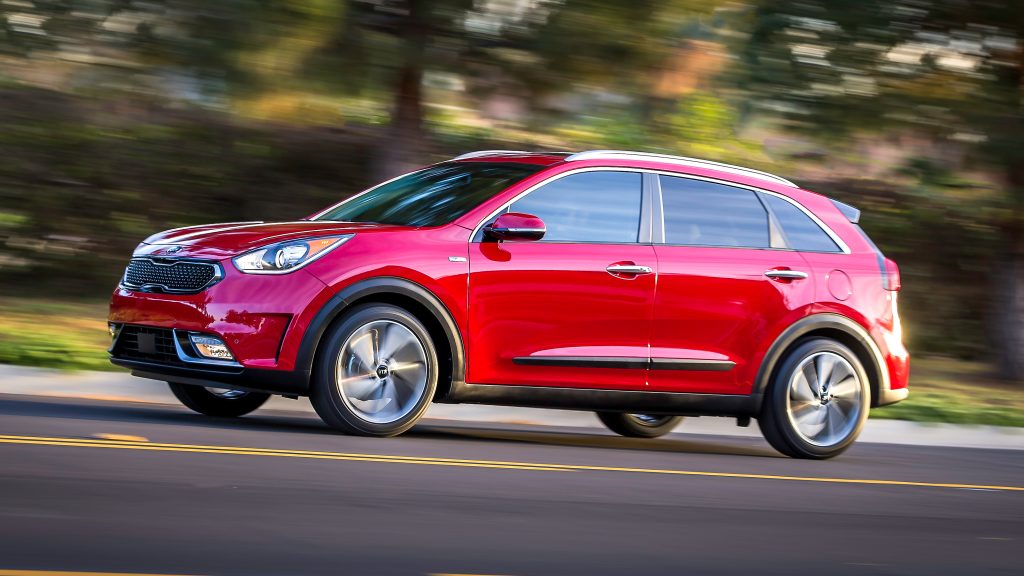
The Niro delivers a straightforward and functional environment. Controls are easy to use, visibility is excellent, and passenger accommodations are generous for a vehicle of its size. These qualities make it a comfortable companion for daily transportation duties.
Maintenance expenses remain manageable thanks to widespread parts availability and growing familiarity among repair facilities. Combined with competitive insurance rates, these factors help keep yearly costs under control.
Estimated Annual Ownership Cost: Approximately $4,100 to $4,900 per year, including fuel, maintenance, insurance, and depreciation.
The Niro Hybrid succeeds because it blends crossover practicality, hybrid efficiency, and attractive used-market pricing into a package that consistently delivers more value than many buyers expect.
Specifications
- Engine: 1.6-liter Hybrid Inline-4
- Torque: 195 lb-ft
- Horsepower: 139 hp
- Length/Width: 171.5 in / 71.1 in
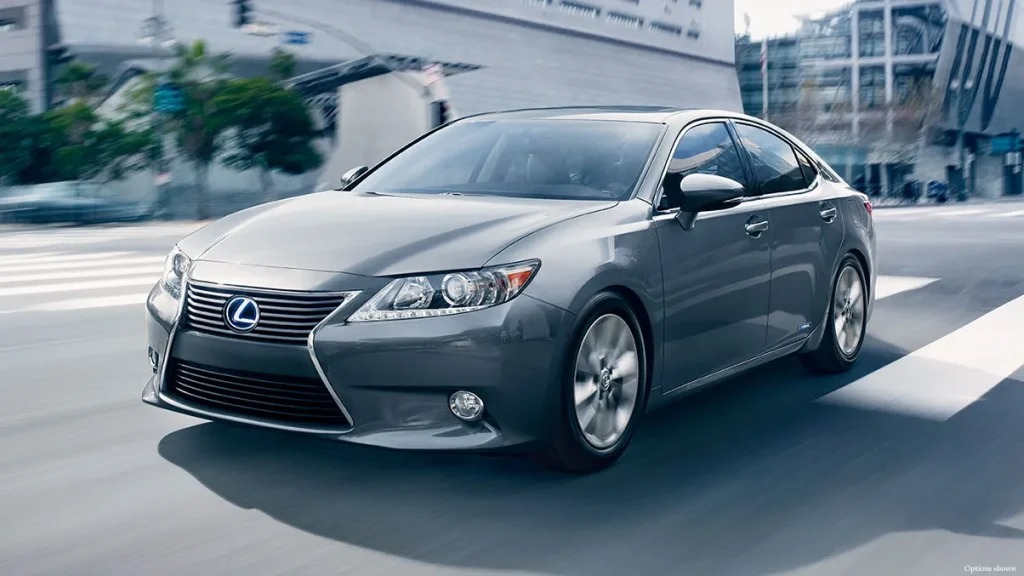
8. Lexus ES 300h
Luxury vehicles rarely appear on lists focused on affordability, yet the Lexus ES 300h represents an important exception.
While many premium sedans become financial liabilities as they age, the ES 300h combines luxury-car comfort with Toyota-derived hybrid technology, creating one of the most compelling long-term ownership stories in the used-car market.
The first thing owners notice is the vehicle’s refinement. The cabin is exceptionally quiet, road imperfections are absorbed with ease, and the full driving experience prioritizes comfort. Long-distance travel becomes remarkably effortless, making the ES 300h particularly appealing for commuters and frequent highway drivers.
Fuel economy plays a central role in its value proposition. Traditional luxury sedans often rely on larger engines that consume significant amounts of fuel.
The Lexus takes a different approach, using a highly efficient hybrid system to deliver impressive economy without sacrificing smoothness. Owners benefit from luxury-level comfort while spending far less at the fuel pump than they would with many competitors.
Reliability is arguably the vehicle’s greatest strength. Because the ES 300h shares much of its engineering with Toyota’s proven hybrid systems, it benefits from decades of development and real-world validation. This foundation has helped establish one of the strongest dependability records in the luxury segment.
The used market creates another advantage. Luxury vehicles often experience substantial depreciation during their early years.
As a result, second-hand buyers can purchase an ES 300h for a fraction of its original price while still enjoying premium materials, advanced features, and exceptional comfort. This depreciation curve effectively allows buyers to access luxury transportation at a much lower cost.
Maintenance requirements are generally less intimidating than those associated with many European luxury sedans. Parts availability remains strong, service procedures are familiar to many technicians, and major reliability concerns are relatively uncommon. These characteristics help keep long-term ownership costs manageable.
Resale values remain healthier than many luxury competitors because buyers recognize Lexus’s reputation for dependability. Strong demand helps preserve value and reduce depreciation losses over time.
Insurance expenses are often reasonable compared with other premium vehicles, further improving affordability.
Estimated Annual Ownership Cost: Approximately $4,800 to $5,700 per year, including fuel, maintenance, insurance, and depreciation.
The ES 300h proves that luxury and financial responsibility can coexist. It offers premium comfort, excellent efficiency, and outstanding reliability in a package that often saves owners far more money than traditional luxury sedans.
Specifications
- Engine: 2.5-liter Hybrid Inline-4
- Torque: 163 lb-ft
- Horsepower: 215 hp
- Length/Width: 195.9 in / 73.4 in
Also Read: 8 Cars With Always-On GPS You Can’t Disable
