Choosing the right vehicle is one of the most important decisions for any Uber driver, as it directly impacts earnings, passenger satisfaction, and long-term operating costs. A good rideshare car must strike the perfect balance between fuel efficiency, comfort, reliability, and affordability. With rising fuel prices and increasing competition in the rideshare industry, drivers are now prioritizing vehicles that deliver lower running costs while still offering a smooth and comfortable experience for passengers.
From hybrid sedans that maximize mileage to spacious SUVs that unlock premium ride categories like UberXL, today’s market offers a wide range of strong contenders. Many of these vehicles also come with advanced safety systems, modern infotainment features, and impressive warranty coverage, making them practical long-term investments. This guide explores ten of the best cars for Uber drivers, each selected for its ability to enhance profitability, reduce stress, and improve every ride experience.
1. Toyota Camry
By shifting exclusively to a hybrid powertrain for its ninth generation, the Toyota Camry has become an industry bellwether and earned prestigious accolades like CarBuzz’s Car of the Year. This bold transition secures its position as a top-tier choice for both everyday consumers and rideshare drivers. For Uber and Lyft operators specifically, the vehicle’s premium appeal helps secure high passenger ratings and unlocks access to lucrative premium tiers like Uber Comfort.
Drivers prefer the Camry for its exceptional fuel efficiency, delivering up to 53 mpg city, which substantially reduces daily overhead costs. Additionally, its legendary reliability ensures minimal downtime in repair shops, while a spacious cabin with generous rear legroom provides a quiet, comfortable experience for passengers.
The Camry features a 2.5-liter four-cylinder engine paired with electric motors. The front-wheel-drive setup produces 225 horsepower, while the all-wheel-drive variant adds a third rear-axle motor to push output to 232 horsepower. It delivers a responsive around-town drive, accelerating from 0 to 60 mph in a competitive 6.8 to 7.0 seconds.
The modern, well-equipped cabin features dual-zone climate control and a trunk spacious enough for seven carry-on suitcases, alongside standard wireless Apple CarPlay and Android Auto that pair seamlessly with an available 12.3-inch, intuitive infotainment display. Safety is paramount across all models, supported by Toyota’s standard suite of driver-assistance features, including automated emergency braking, lane-keeping assist, and adaptive cruise control. To cap it all off, ownership is heavily protected by two years of complimentary scheduled maintenance alongside a robust ten-year or 150,000-mile hybrid component warranty.
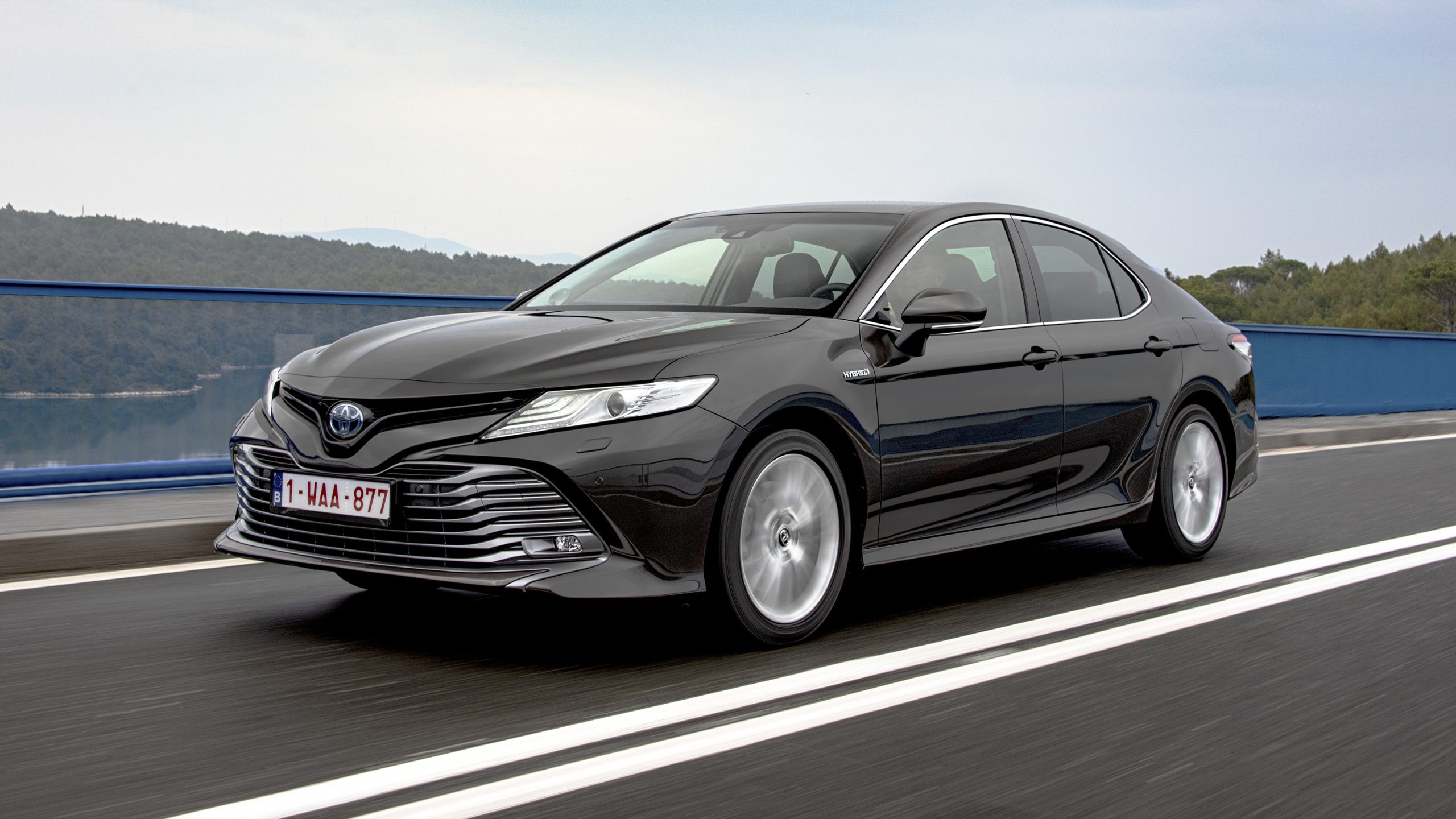
- Engine: 2.5L 4-cylinder hybrid (gas/electric)
- Horsepower: 225 hp (FWD) / 232 hp (AWD)
- Torque: 163 lb-ft (221 Nm)
- Length: 193.5 in (4,915 mm)
- Width: 72.4 in (1,840 mm)
2. Honda CR-V Hybrid
The Honda CR-V Hybrid is a top-tier choice for families and rideshare drivers alike. Starting at $34,650, this two-row crossover balances impressive efficiency with a spacious, passenger-focused design. While competitors like the Toyota RAV4 Hybrid offer lower prices and more power, the CR-V excels in interior comfort, advanced safety, and cargo capacity.
Equipped with a 2.0-liter four-cylinder engine paired with two electric motors, the hybrid powertrain produces 204 horsepower. It delivers a smooth, quiet ride, achieving up to 43 mpg city and 36 mpg highway for front-wheel-drive models. All-wheel drive is available, including on the new dirt-capable TrailSport model. Performance is reliable, with a 0–60 mph time of 7.1 seconds for the Sport Touring variant, alongside a 1,000-pound towing capacity.
Honda provides a robust ownership and feature package, starting with a three-year limited and a five-year powertrain warranty. It gains a distinct edge over several key rivals by including one year or 12,000 miles of complimentary scheduled maintenance. On the road, the driving experience is anchored by the standard Honda Sensing suite, which ensures safety through lane-keeping assist, automated emergency braking, and blind-spot monitoring. This focus on security is matched inside the cabin, where passengers stay connected via an available 10.2-inch digital gauge display and a standard 9.0-inch touchscreen complete with wireless Apple CarPlay and Android Auto.
Built around a foundation of robust technology and safety, the CR-V Hybrid’s cabin features a standard 9.0-inch touchscreen with wireless Apple CarPlay and Android Auto, along with an available 10.2-inch digital gauge display. Driver confidence is further strengthened by the standard Honda Sensing suite, a comprehensive safety package that includes automated emergency braking, lane-keeping assist, and blind-spot monitoring.
This focus on driver support extends right into the ownership benefits, where Honda edges out several rivals by including one year or 12,000 miles of complimentary scheduled maintenance alongside its standard three-year limited and five-year powertrain warranties.
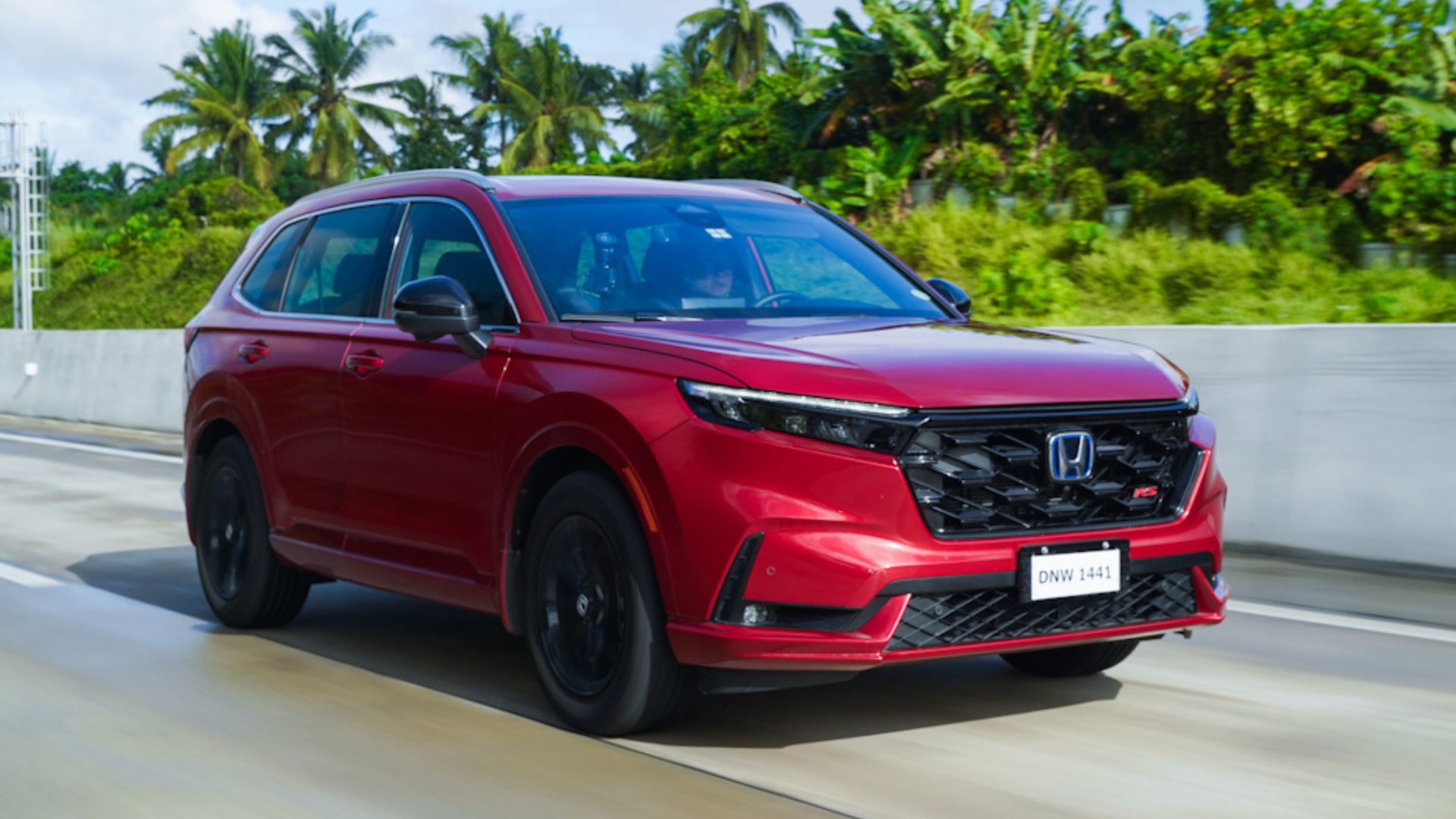
- Engine: 2.0L Atkinson-cycle inline-4 hybrid with two-motor system
- Horsepower: 204 hp (combined system output)
- Torque: 247 lb-ft (335 Nm)
- Length: 184.8 in (4,694 mm)
- Width: 73.5 in (1,866 mm)
3. Toyota Sienna
Drivers looking to maximize their rideshare earnings will find a powerful asset in the Toyota Sienna, a minivan that perfectly balances utility with exceptional operating efficiency. By offering a spacious three-row configuration that comfortably seats seven to eight passengers, the Sienna seamlessly unlocks access to higher-paying service tiers like UberXL and Uber Comfort. It even offers an available all-wheel-drive system to enhance bad-weather traction and boost driver confidence, all while protecting the vehicle’s core financial benefits.
At the heart of the Sienna’s appeal is its standard 2.5-liter four-cylinder hybrid powertrain. Delivering 245 horsepower, it achieves an impressive EPA-estimated 36 mpg city/highway. Combined with a large 18-gallon fuel tank, the front-wheel-drive variant offers a massive 648 miles of driving range, drastically cutting fuel costs in stop-and-go city traffic. While the engine can sound strained under heavy acceleration and the brakes feel slightly mushy, power delivery remains smooth and dependable.
The 2025 refresh introduces notable technology and convenience updates to the cabin. Most trims now feature a larger 12.3-inch infotainment touchscreen running Toyota’s latest software, along with standard USB-C charging ports and a dual-microphone system for improved call clarity. Higher trims enhance the passenger experience with premium materials, a wireless charging pad, and even a built-in vacuum and refrigerator.
Safety remains a paramount strength for the family hauler. The Sienna maintains top-tier accolades, including a five-star NHTSA rating, and introduces an advanced radar-based Rear Seat Reminder capable of sending automated text alerts. Ranging from just under $41,000 to around $58,000, the Sienna offers superior long-term value compared to bulkier, less efficient three-row SUVs.
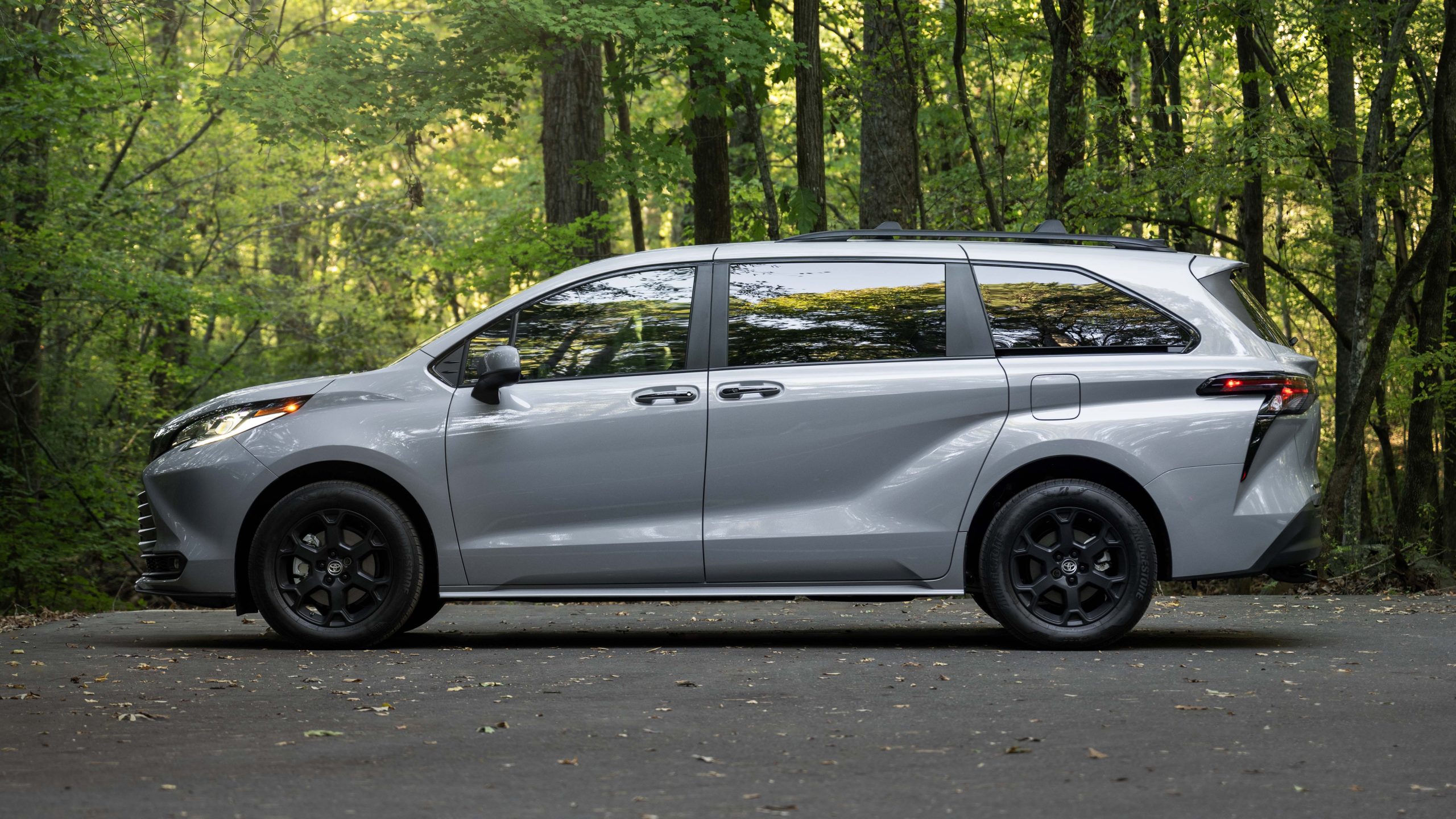
- Engine: 2.5L Dynamic Force 4-cylinder hybrid (gas/electric)
- Horsepower: 245 hp (combined system output)
- Torque: 176 lb-ft (239 Nm) gas engine + 199 lb-ft (270 Nm) electric motor
- Length: 203.7 in (5,174 mm)
- Width: 78.5 in (1,994 mm)
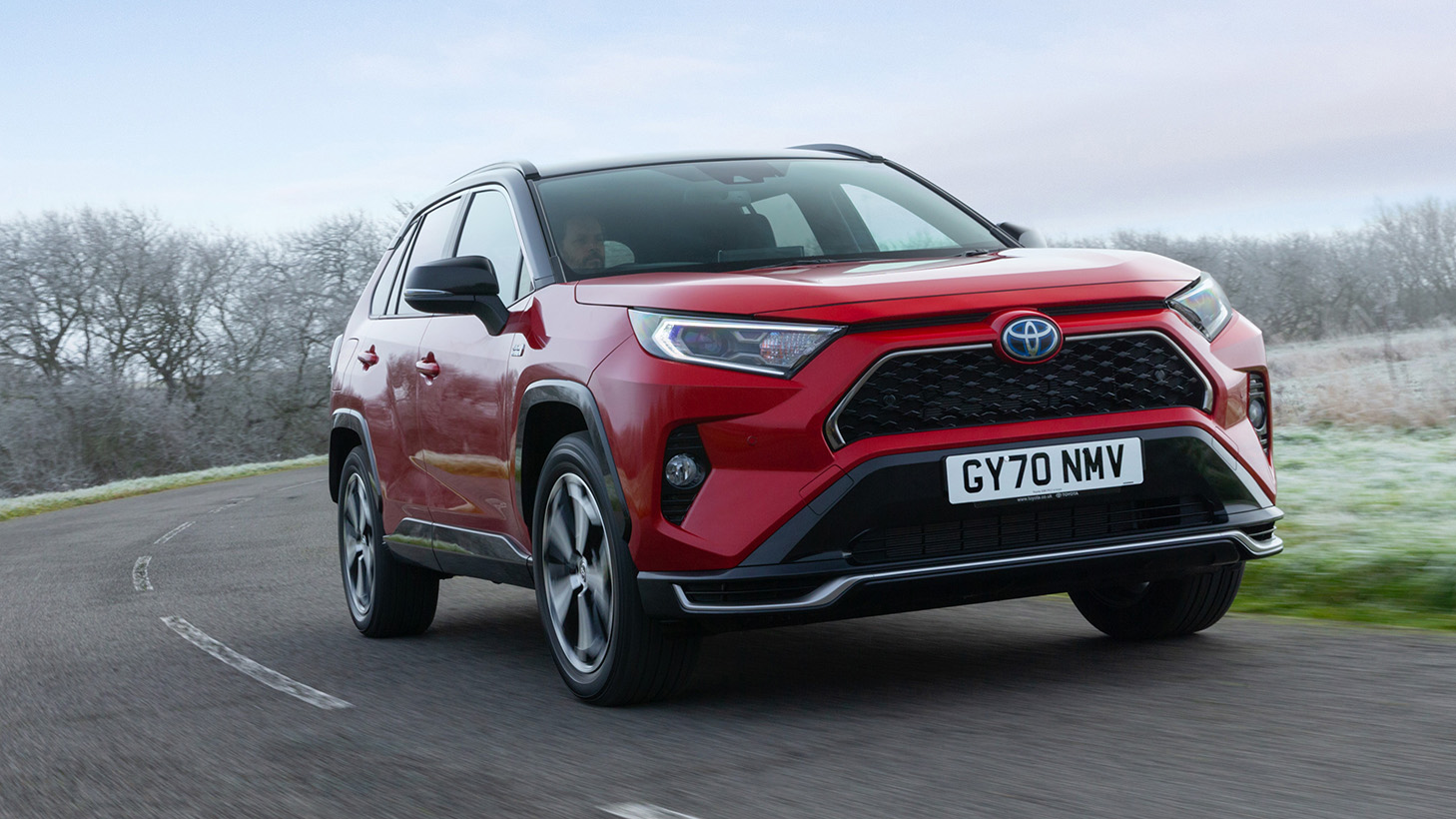
4. Toyota RAV4 Plug-In Hybrid
Faced with volatile fuel prices, the Toyota RAV4 Plug-In Hybrid emerges as a premier vehicle choice, particularly for rideshare drivers demanding maximum efficiency without public charging downtime.
Ditching the old “Prime” moniker, the latest generation doubles down on performance and flexibility. It seamlessly blends pure electric city commuting with a dependable gasoline engine, effectively eliminating range anxiety while comfortably meeting strict regional eco-friendly ride-hailing standards.
The upgraded powertrain delivers an impressive 324 horsepower and an extended electric-only range of up to 52 miles on a full charge. Featuring three electric motors alongside a 2.5-liter engine, it offers swift, quiet acceleration that is notably quicker and less buzzy than the standard hybrid. Select trims also benefit from rare PHEV DC fast-charging capability, which can juice the battery from 10% to 80% in approximately 35 minutes.
Toyota has expanded the lineup with distinct variations to broaden its market appeal. The GR Sport performance model features a wider stance, stiffer suspension, and sharper steering for an athletic drive, while the rugged Woodland trim offers all-terrain tires and a roof rack. The remaining SE and XSE trims beautifully balance sportiness with everyday practicality, though all models share a highly functional, intuitive touchscreen infotainment system.
While interior cabin materials lean toward hard plastics, the spacious layout easily accommodates passenger luggage. This premium space allows drivers to qualify for higher-tier services like Uber Comfort to earn better rates and tips. Though pricing is expected to stretch into the high-$40,000 to $50,000 range, the vehicle’s legendary reliability and ultra-low fuel costs make it a highly competitive, worthwhile investment.
- Engine: 2.5L inline-4 plug-in hybrid with front and rear electric motors
- Horsepower: 324 hp (combined system output)
- Torque: 172 lb-ft (233 Nm) gas engine + 201 lb-ft (272 Nm) front motor + 91 lb-ft (123 Nm) rear motor
- Length: 181.0 in (4,601 mm)
- Width: 73.0 in (1,854 mm)
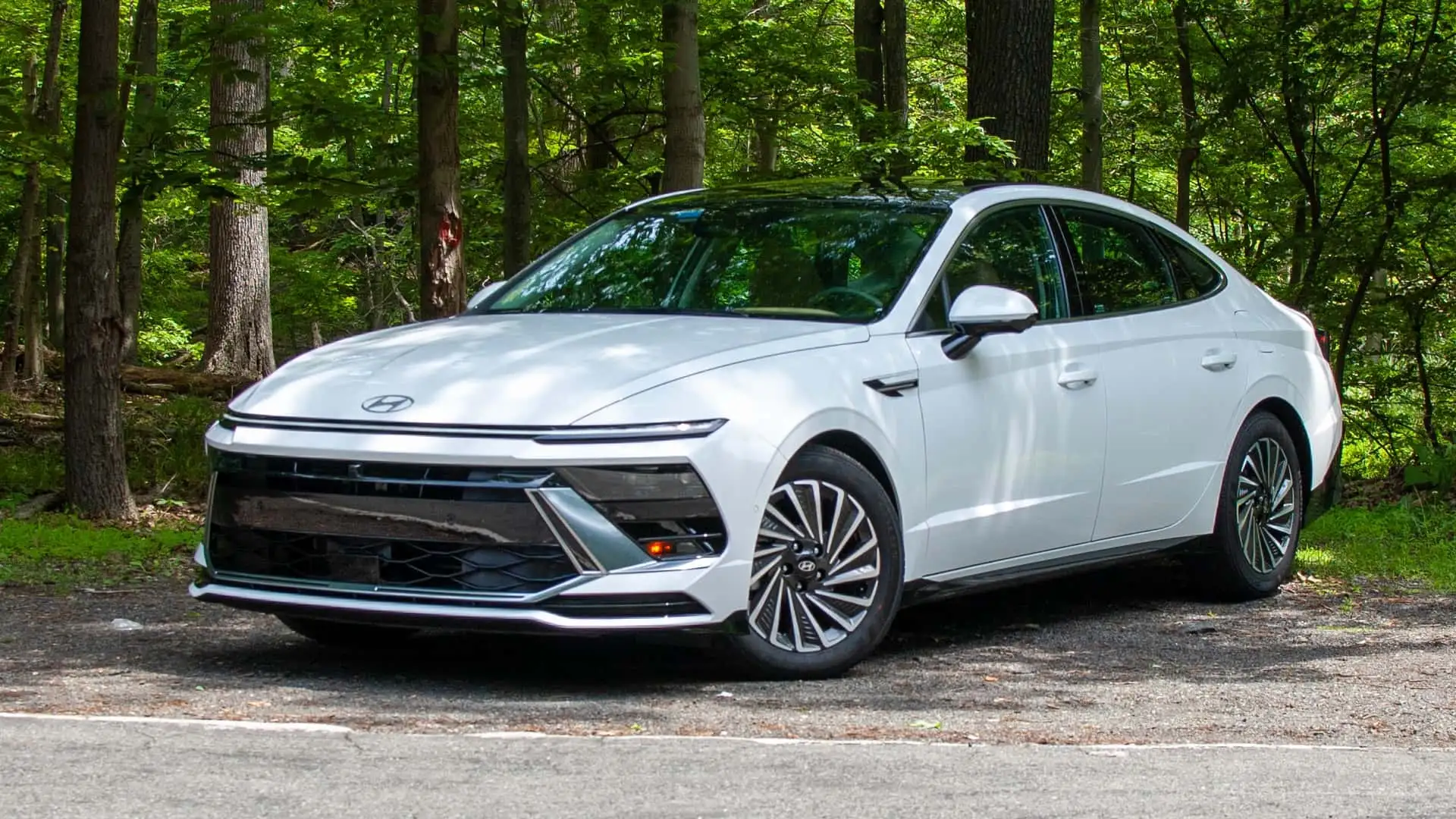
5. Hyundai Sonata
Prioritizing premium passenger comfort over sporty performance, the 2025 Hyundai Sonata Hybrid presents a quiet, plush cabin and a modern exterior look following a major styling and technological refresh. The midsize sedan stands out as a highly competent alternative to traditional segment leaders, despite a 192-horsepower powertrain that delivers a somewhat sluggish 8.6-second acceleration time from zero to 60 mph. What it lacks in raw speed, however, it successfully counters with precise steering, an array of sophisticated driver assistance features, and an exceptionally smooth ride.
Efficiency and long-term value remain core strengths for this model. The SEL Hybrid trim starts at $31,000 and achieves an impressive EPA rating of 44 mpg in the city and 51 mpg on the highway. This incredible fuel economy allows drivers to significantly cut fuel consumption costs. The vehicle is backed by Hyundai’s industry-leading warranty protection, which includes a ten-year or 100,000-mile powertrain warranty alongside low projected five-year ownership costs.
Drivers and passengers alike will enjoy a premium cabin experience inside the tech-forward Sonata Hybrid, which features standard equipment such as multiple USB-C ports, wireless Apple CarPlay, and Android Auto across all versions. While lower trims come with a 4.2-inch instrument display, the top-tier Limited model enhances the upscale feel with dual 12.3-inch screens for both the digital cluster and infotainment system. This sophisticated interior layout is completed by the advanced Digital Key 2 Touch system, allowing drivers to manage vehicle access directly through their smartphones.
The Hyundai Sonata Hybrid carries strong safety credentials, including a Top Safety Pick designation from the IIHS and a five-star rating from the NHTSA. It provides confidence for families and rideshare drivers through standard features such as adaptive cruise control, lane keep assist, and automatic emergency braking.
This strong emphasis on safety works well with its practical everyday usability, highlighted by 16.0 cubic feet of trunk space and spacious front-row legroom that enhances comfort during longer drives.
- Engine: 2.0L inline-4 hybrid with 39-kW permanent-magnet electric motor
- Horsepower: 192 hp (combined system output)
- Torque: 139 lb-ft (188 Nm) gas engine + 151 lb-ft (205 Nm) electric motor
- Length: 193.3 in (4,910 mm)
- Width: 73.2 in (1,859 mm)
Also read: 5 Cars Whose Interiors Age Well vs 5 That Wear Out Fast
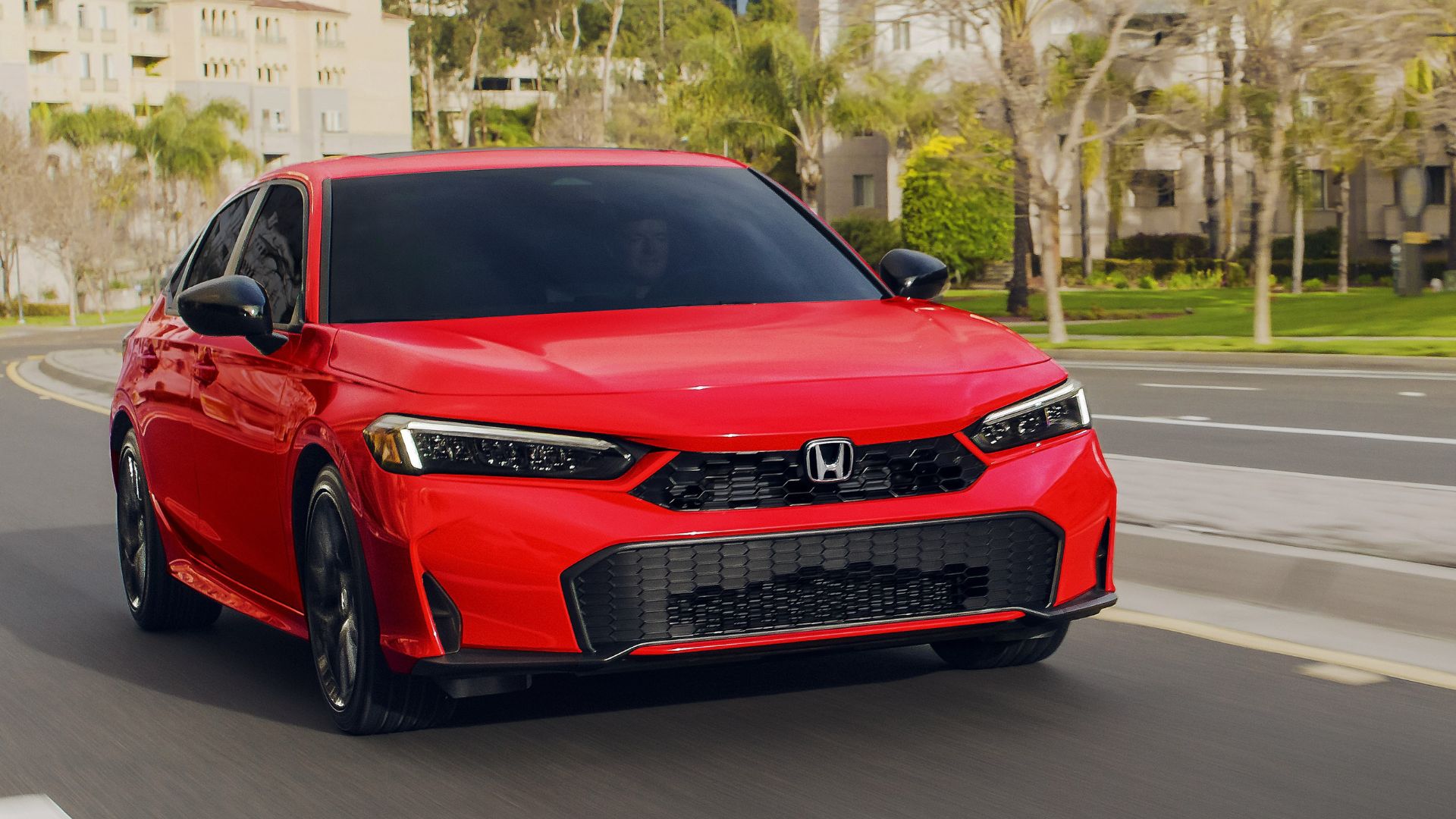
6. Honda Civic Hybrid
Honda has reimagined the Civic Hybrid for 2025, making it a core part of the lineup rather than a specialized alternative. Buyers can choose between a sedan priced from $28,750 or a hatchback starting at $29,950, with both models serving as replacements for the turbocharged engines previously reserved for upper trims.
The move brings the hybrid powertrain together with features that were once associated with more expensive variants, including heated seats and a sunroof. With its blend of efficiency, reliability, and everyday comfort, the Civic Hybrid stands out as an appealing choice for drivers looking to maximize value over years of commuting and daily use.
Fuel efficiency remains a major hallmark of this refreshed model, which boasts an impressive EPA estimate of up to 50 mpg in the city. The vehicle’s 2.0L 4-cylinder hybrid system recaptures energy during braking and can shut off the engine entirely during low-speed coasting, yielding massive savings in stop-and-go traffic. While subfreezing temperatures can drop real-world averages to around 43 mpg, testing under milder conditions revealed staggering efficiency, even reaching over 80 mpg during slow, cautious suburban driving.
Honda has transformed the Civic Hybrid into more than just a fuel-saving commuter. The 2025 model delivers a lively character thanks to a powertrain that produces 200 horsepower and 232 lb-ft of torque, surpassing the Civic Si in torque output. Strong low-end response helps the car feel quick off the line, while its balanced chassis and controlled suspension make it enjoyable to drive on curving roads. Despite its sporty nature, the hybrid remains refined and efficient, though occupants may notice increased tire and road noise at higher highway speeds.
Rather than relying on oversized displays and complex controls, Honda focuses on a clean, user-friendly interior with quality materials, traditional climate-control knobs, and straightforward ergonomics. Practicality is another strength, particularly in hatchback models, which provide 25 cubic feet of cargo capacity, an amount that rivals many subcompact SUVs.
Rear-seat passengers also benefit from generous space, giving the vehicle a clear advantage over competitors such as the Toyota Prius. While the low seating position and absence of a height-adjustable front passenger seat may not suit every driver, the design achieves a balance of comfort, versatility, and driving enjoyment that few compact economy cars can match.
- Engine: 2.0L Atkinson-cycle inline-4 hybrid with dual electric motors (1.1-kWh lithium-ion battery)
- Horsepower: 200 hp (combined system output)
- Torque: 232 lb-ft (314 Nm)
- Length: 184.8 in (4,694 mm)
- Width: 70.9 in (1,800 mm)
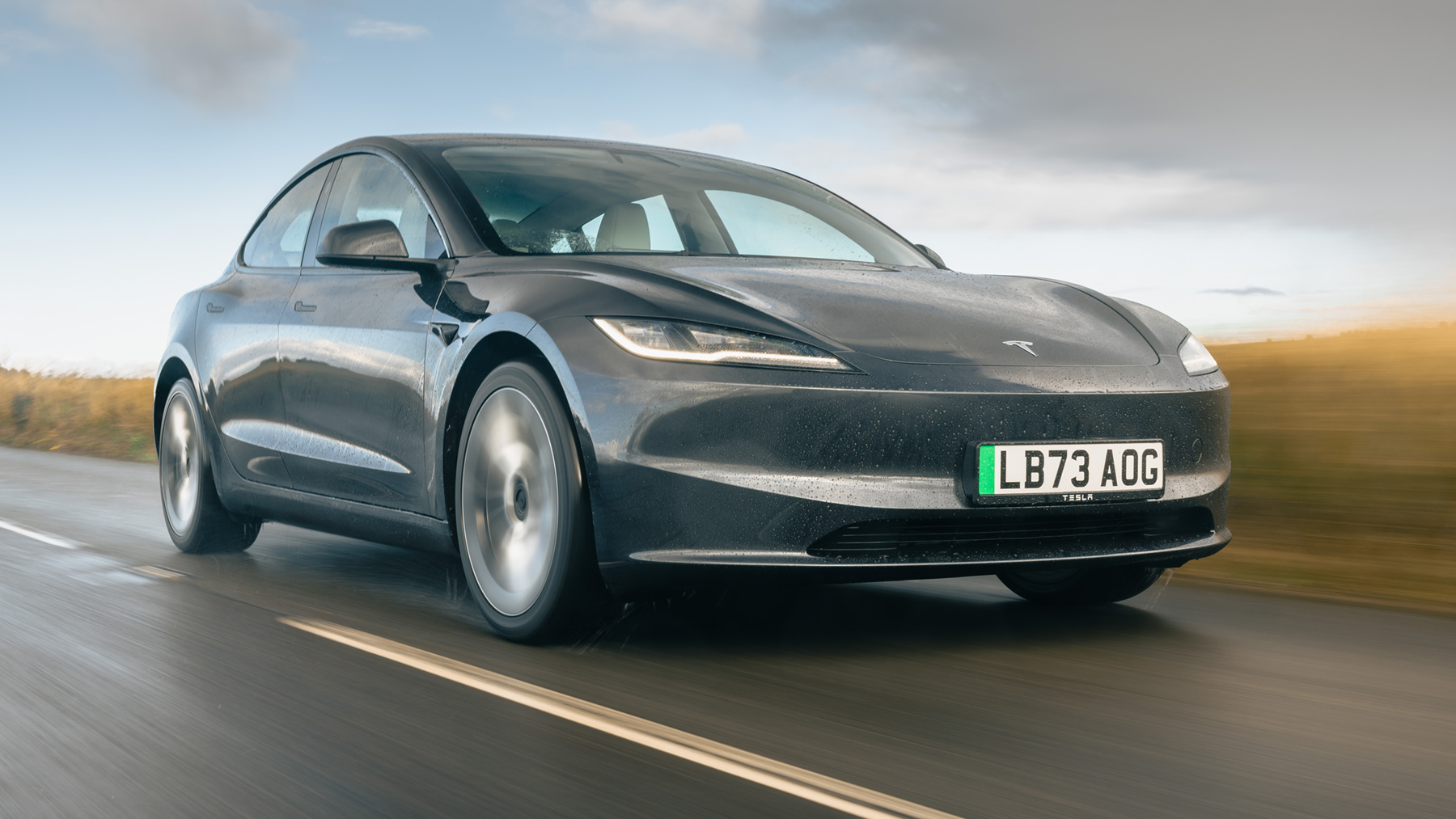
7. Tesla Model 3
The facelifted Tesla Model 3 remains a top contender in the EV market, blending industry-leading technology with exceptional value. Starting at $42,490 for the Base RWD (363 miles of claimed range) and $47,490 for the Long Range AWD, its appeal is further enhanced by available incentives of up to $7,500.
The Model 3 offers rapid, near-silent acceleration across single- and dual-motor powertrains. The top-tier Performance variant reaches 0–60 mph in a blistering 2.8 seconds, undercutting pricier rivals. Thanks to a floor-mounted battery pack, the car boasts a low center of gravity, delivering crisp, stable handling alongside a quiet, refined cabin.
With EPA efficiency ratings between 113 and 138 MPGe, the Model 3 is highly economical. Real-world highway testing yielded 128 MPGe for the RWD Long Range. This efficiency, combined with up to 80% lower maintenance costs due to fewer moving parts and regenerative braking, makes it an ideal choice for rideshare drivers. Operating the Model 3 unlocks premium tiers like Uber Comfort Electric, while the smooth ride and panoramic glass roof boost passenger satisfaction and tips.
The minimalist cabin features a 15.4-inch central touchscreen and an 8.0-inch rear display. While it lacks Apple CarPlay and Android Auto, it compensates with built-in streaming, arcade games, and Tesla’s advanced Autopilot driver-assist system. Cargo space is practical, accommodating up to 15 carry-on suitcases with the rear seats folded. Tesla provides robust peace of mind with a 4-year/50,000-mile limited warranty and an 8-year powertrain warranty.
- Engine: Single rear electric motor (RWD) / Dual-motor all-wheel drive (Long Range & Performance)
- Horsepower: ~271 hp (RWD) / ~394 hp (Long Range AWD) / ~510–513 hp (Performance)
- Torque: 266 lb-ft (RWD) / 377 lb-ft (Long Range AWD) / ~487 lb-ft (Performance)
- Length: 185.8 in (4,720 mm)
- Width: 72.8 in (1,849 mm)
8. Toyota Corolla Cross Hybrid
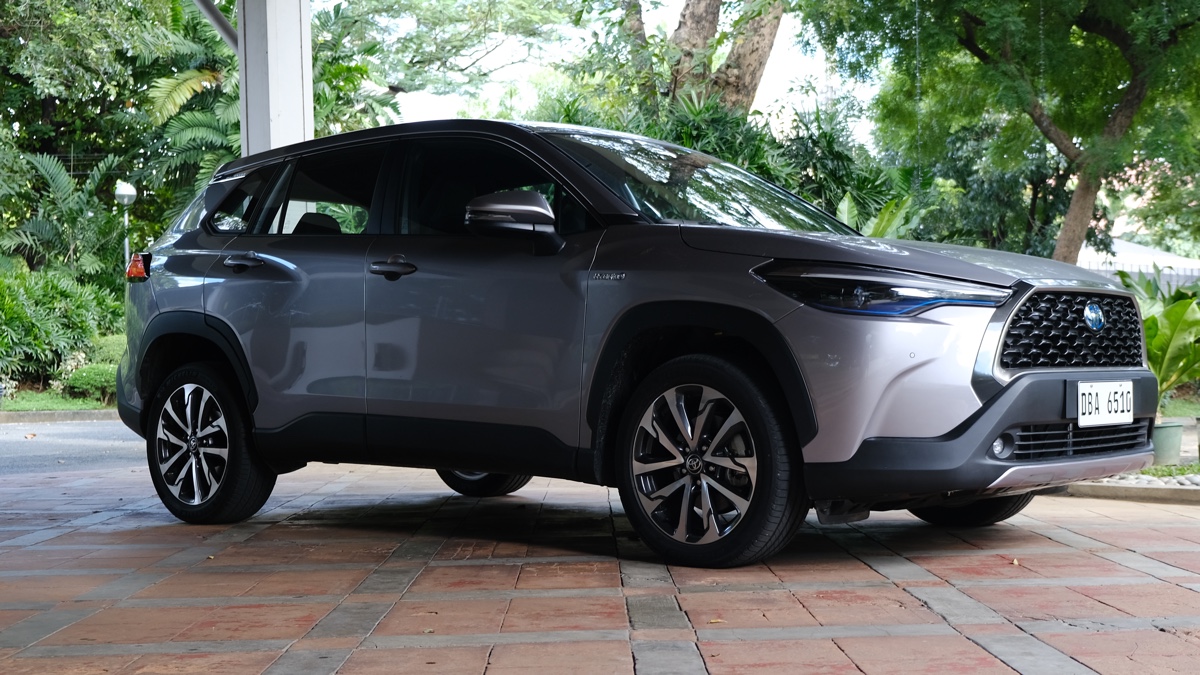
The Toyota Corolla Cross Hybrid stands out as an exceptional choice for Uber drivers, seamlessly blending SUV practicality with unbeatable economic efficiency. Priced at an affordable base MSRP of $28,395, this vehicle delivers a significant upgrade over the standard Corolla sedan, making it highly attractive for the competitive ridesharing market.
Equipped with a 2.0-liter four-cylinder engine and three electric motors, the hybrid powertrain generates a combined 196 horsepower and features standard all-wheel drive. It is notably faster than its non-hybrid counterpart, accelerating from 0 to 60 mph in a respectable 7.3 seconds, providing a more capable and responsive driving experience.
The vehicle’s standout feature is its stellar fuel economy. With an EPA rating of 45 mpg city and 42 mpg combined, its regenerative braking system heavily assists in stop-and-go city traffic. This drastically minimizes daily fuel costs and reduces wear on the brake pads, keeping drivers on the road longer and increasing profit margins.
Passengers enjoy a smooth, jerk-free ride courtesy of the Continuously Variable Transmission. The cabin provides ample legroom and a commanding seating position. Furthermore, it offers a generous 22 cubic feet of cargo space behind the second row, which is capable of holding seven carry-on suitcases. This expands to accommodate 19 suitcases with the rear seats folded, making airport runs effortless.
Standard Toyota Safety Sense features, such as adaptive cruise control and automated emergency braking, reduce driver fatigue. Toyota provides peace of mind with a 10-year or 150,000-mile hybrid component warranty alongside two years of complimentary scheduled maintenance.
- Engine: 2.0L Atkinson-cycle inline-4 hybrid (DOHC 16-valve, port + direct injection)
- Horsepower: 196 hp (combined system output)
- Torque: 152 lb-ft (206 Nm)
- Length: 176.1–176.8 in (4,473–4,489 mm)
- Width: 71.9 in (1,826 mm)
9. Kia K4
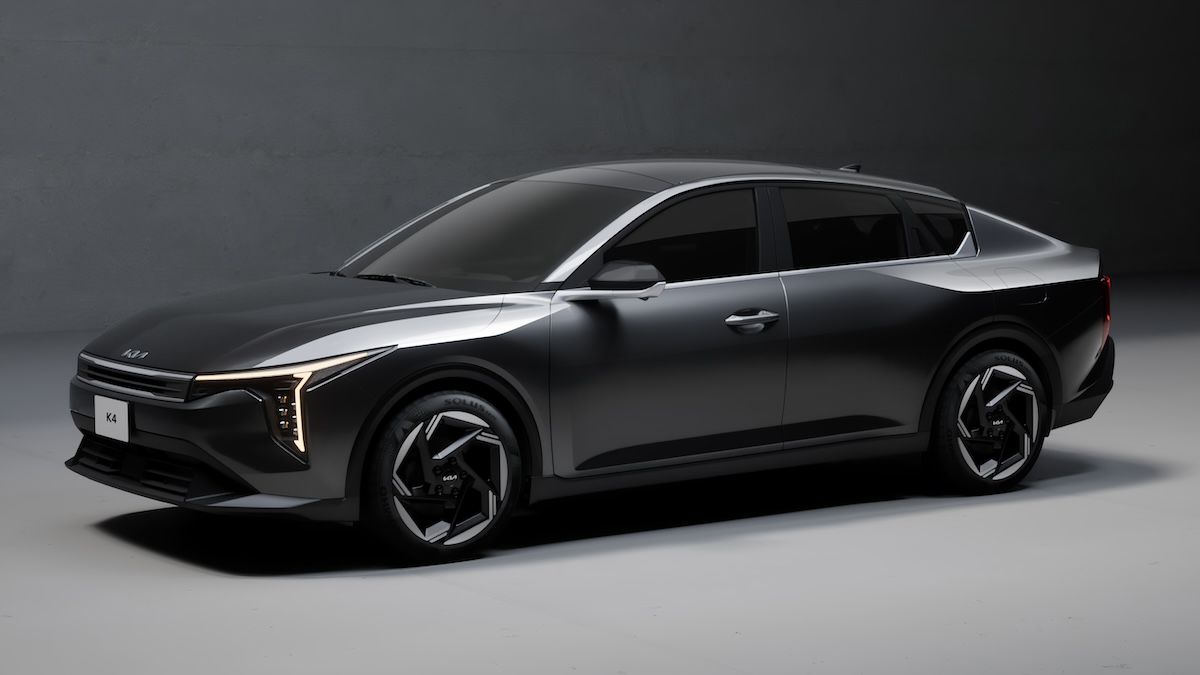
The all-new Kia K4 replaces the Forte, introducing exceptional style, efficiency, and modern technology into the economy sedan segment. Starting at an affordable base MSRP of $21,990, the K4 has quickly become a highly favored choice for daily commuters and rideshare drivers aiming to maximize their earnings while maintaining low operating costs.
Performance centers around a standard 147-hp 2.0-liter four-cylinder engine paired with a smooth continuously variable automatic transmission (CVT). While testing revealed the base acceleration to be somewhat sluggish, it delivers impressive fuel efficiency with EPA ratings of 30 mpg city, 40 mpg highway, and 34 mpg combined. For drivers seeking more excitement, an upgraded 190-hp turbocharged 1.6-liter engine is available on the GT-Line Turbo trim, which achieved up to 38 mpg during highway testing.
Beyond economy, the K4 excels in passenger comfort and practicality. It boasts class-leading rear legroom, deep storage options, rear air vents, and fast-charging USB-C ports. The modern, linear dashboard features a standard 12.3-inch touchscreen alongside refreshing physical buttons, utilizing standard wireless Apple CarPlay and Android Auto. For cargo, the sedan trunk holds up to seven carry-on suitcases, while the upcoming hatchback variant offers up to 59 cubic feet of space with the rear seats folded.
Safety remains a top priority, supported by an IIHS Top Safety Pick+ and a 5-star NHTSA rating. Standard driver-assist features include automated emergency braking and lane-keeping assist. Owners gain unmatched peace of mind from Kia’s industry-leading 10-year/100,000-mile powertrain warranty, protecting their vehicle against major mechanical expenses for years to come.
- Engine: 2.0L inline-4 (naturally aspirated) / 1.6L turbocharged inline-4
- Horsepower: 147 hp (2.0L) / 190 hp (1.6T)
- Torque: 132 lb-ft (179 Nm) / 195 lb-ft (264 Nm)
- Length: 185.4 in (4,709 mm)
- Width: 72.8 in (1,850 mm)
10. Lexus ES Hybrid
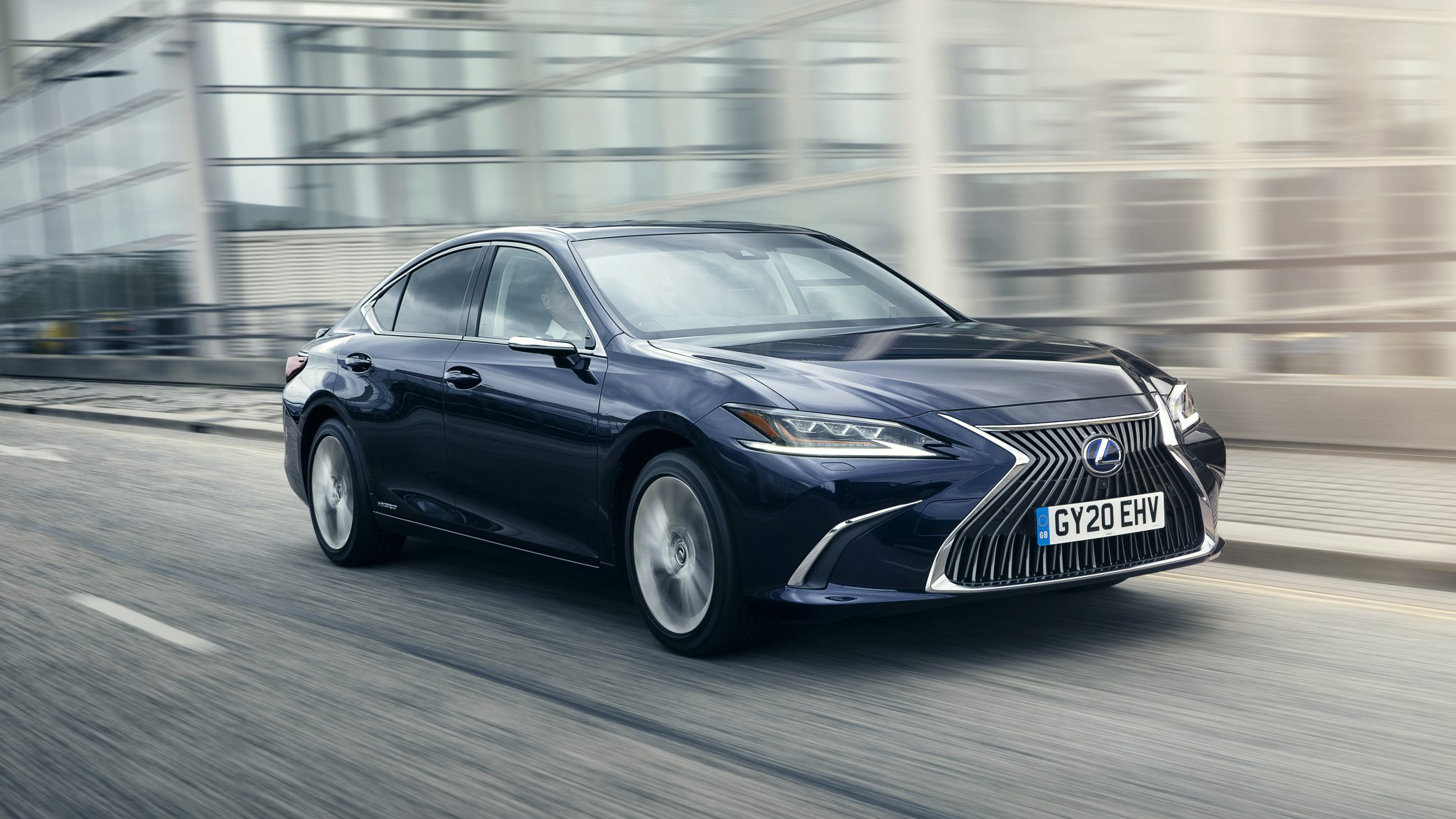
Starting at a base MSRP of $43,440, the Lexus ES Hybrid represents a highly profitable investment for rideshare drivers. By qualifying for premium tiers like Uber Premier and Uber Comfort, this luxury sedan allows drivers to attract top-tier riders and command significantly higher fares, easily offsetting its premium price tag over time.
To maximize your profitability during long shifts, the vehicle leverages Toyota’s bulletproof hybrid technology to deliver exceptional fuel economy. The front-wheel-drive version achieves an impressive 46 mpg combined, while the newly introduced all-wheel-drive configuration, which pairs a 186-hp engine with a 54-hp rear electric motor, drops only slightly to a stellar 44 mpg.
Beyond efficiency, the redesigned exterior features a longer, wider fastback silhouette that translates directly into a spacious, whisper-quiet cabin. Rear passengers can stretch out with generous legroom, dedicated climate vents, and dual USB-C ports, while the driver commands the road via a massive 14-inch customizable touchscreen designed for ultimate user-friendly navigation.
On the road, a stiffer structural platform and an advanced multilink rear suspension prioritize a soft, isolated ride that effortlessly glides over city streets. Combined with standard Lexus Safety System+ 4.0 features like adaptive cruise control and seamless, confident braking, this sedan ensures a stress-free experience, proving that the ES Hybrid builds on its traditional strengths to remain the quintessential luxury commuter.
- Engine: 2.5L Atkinson-cycle inline-4 hybrid with high-output electric motor (eAxle system)
- Horsepower: 244 hp (combined system output)
- Torque: 175 lb-ft (237 Nm)
- Length: 202.4 in (5,141 mm)
- Width: 75.6 in (1,920 mm)
Selecting the right Uber vehicle is about more than just purchase price because long-term profitability depends on fuel efficiency, maintenance costs, comfort, and reliability. The cars featured in this list demonstrate how modern hybrids, efficient sedans, and practical SUVs can help drivers maximize earnings while keeping passengers satisfied. Many of these models also qualify for higher Uber service tiers, which can significantly improve income potential through better fares and increased tips.
Fuel-saving hybrids such as the Toyota Camry and Honda Civic Hybrid sit at one end of the spectrum, while premium choices like the Lexus ES Hybrid and Tesla Model 3 represent the higher end of comfort and technology. Each option delivers a different mix of affordability, refinement, and passenger experience, allowing drivers to match a vehicle to their specific needs and budget.
Despite their differences, these models are unified by solid engineering, dependable performance, and design choices that support high-mileage daily operation. For Uber drivers, the right selection can mean fewer repair interruptions, reduced fuel spending, and more efficient time on the road.
A well-chosen vehicle also plays a direct role in earning potential, turning everyday driving into a stable source of income. In rideshare work, the car is not just a means of transport but a practical asset that supports long-term financial consistency and operational efficiency.
Also read: 10 Cars That Outsold Every Sales Forecast In Their First Year