
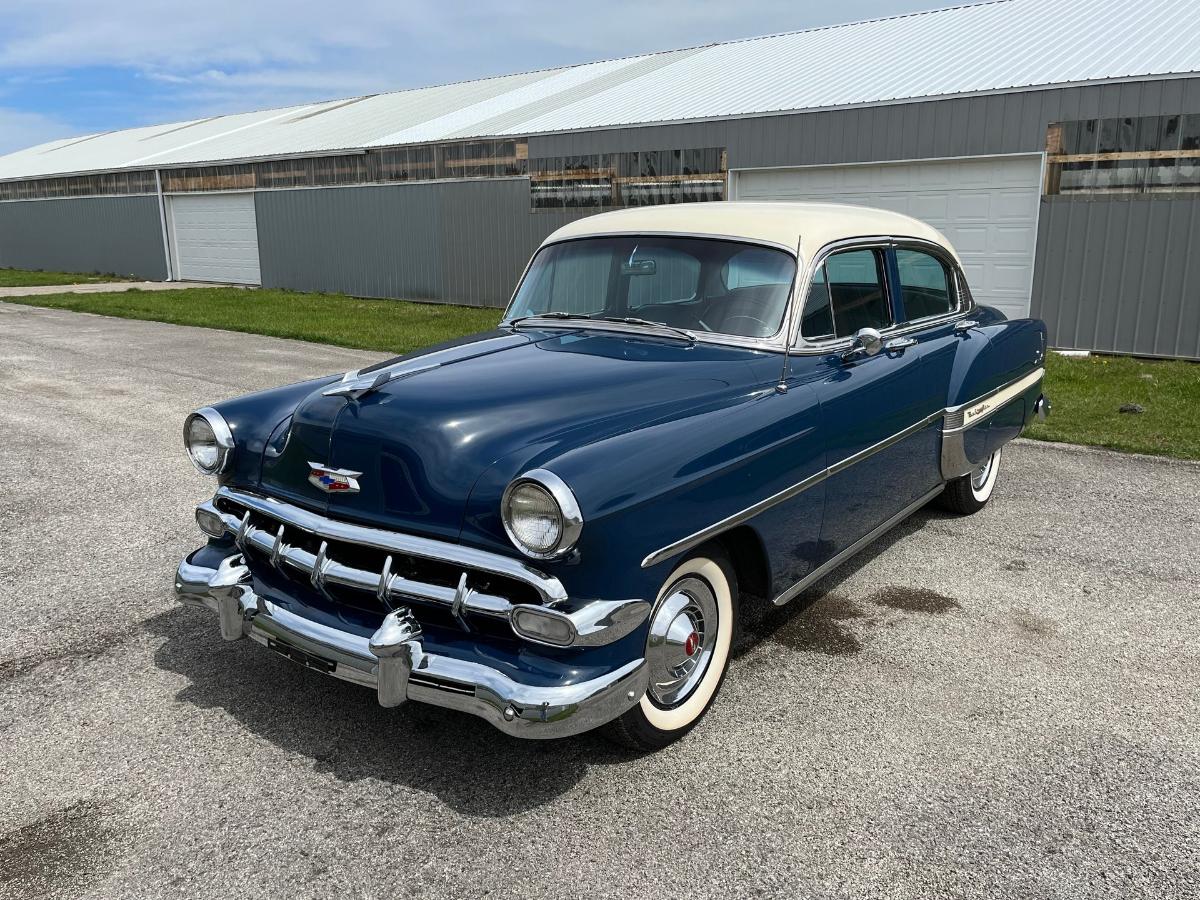
The automobile is far more than a machine. It is a mirror of its time, reflecting the economy, the culture, the fears, and the ambitions of every generation that produced it.
From the chrome-drenched dreamboats of the postwar American boom to the silent electric sedans redefining mobility today, the cars people choose to drive say as much about society as any book or film ever could.
Each decade brings its own pressures and possibilities. War, oil crises, environmental regulation, suburban sprawl, technological breakthroughs, and shifting family structures have all left visible marks on the vehicles rolling off assembly lines.
The 1950s wanted style and optimism. The 1970s needed survival and fuel efficiency. The 2020s demand clean energy and digital intelligence. Cars answered every call.
This article traces the most popular and iconic car of each decade from the 1950s through the 2020s. “Popular” here means more than a single year’s sales trophy.
These are the vehicles that dominated registration rolls, appeared in family albums, sparked cultural movements, and changed how the automotive industry operated. Some were symbols of freedom.
Others were statements of rebellion or practicality. A few changed the world entirely. Together, they form an extraordinary seven-decade story of human ingenuity on four wheels.
1. 1950s, Chevrolet Bel Air (1955–1957)
If one image defines the American 1950s, it is the Chevrolet Bel Air. No other vehicle so perfectly captured the spirit of postwar prosperity, suburban optimism, and the boundless confidence that defined an era of growth and progress.
The United States emerged from World War II as the world’s dominant economic power. Families were moving to the suburbs. Incomes were rising.
The automobile became the central symbol of freedom, status, and modern life. Chevrolet’s Bel Air, especially the iconic Tri-Five models of 1955, 1956, and 1957, arrived at precisely the right moment to satisfy that hunger.
The design was breathtaking for its time. Pronounced tailfins swept upward from the rear, inspired by the jet aircraft and space-age aesthetics that Americans were obsessed with. Chrome was applied everywhere on the grille, the bumpers, the side trim, and the door handles.
Two-tone paint combinations, often in turquoise and white or red and cream, gave the car a glamorous, almost theatrical presence. When it appeared on the street, people stopped and stared.
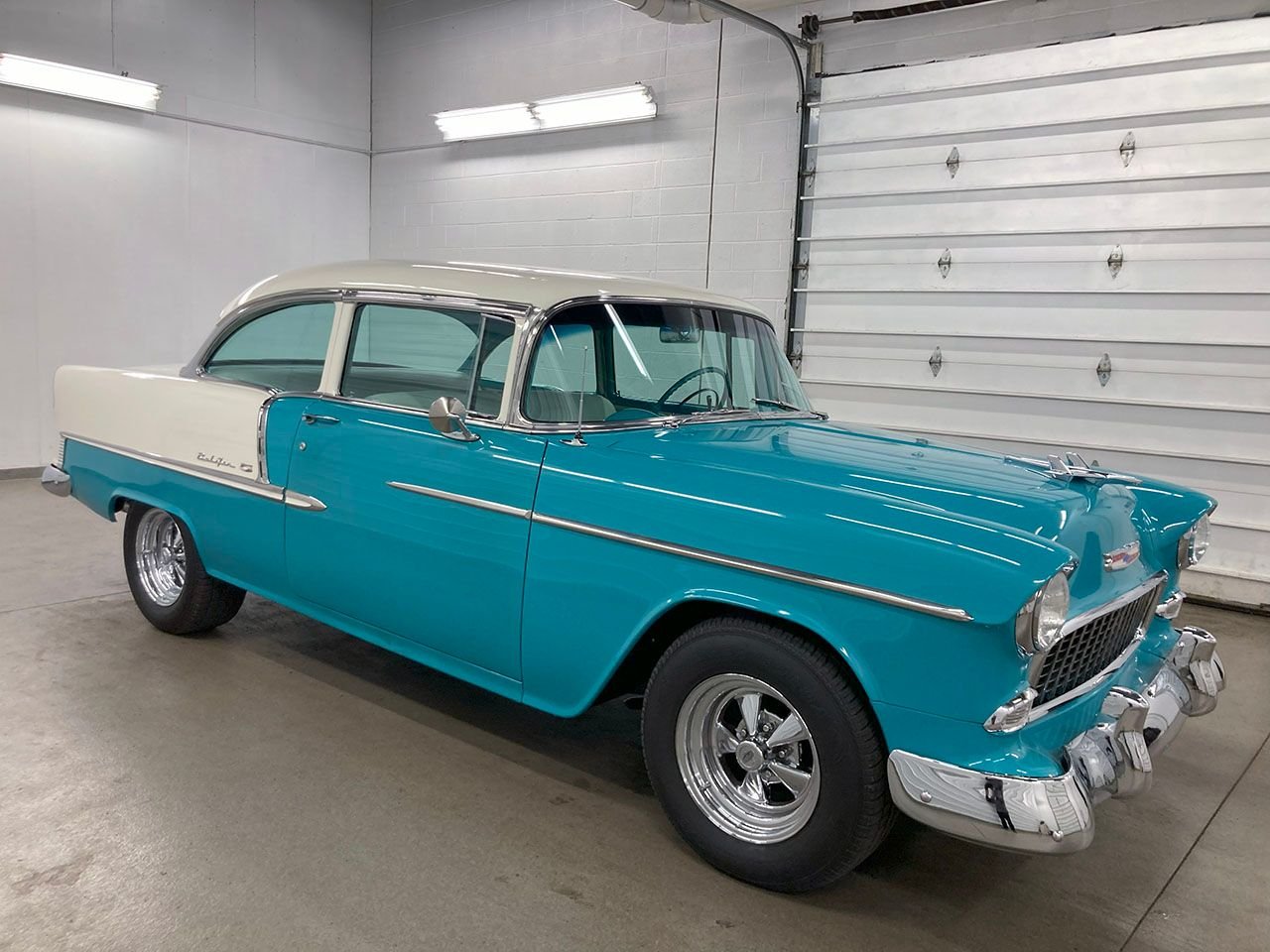
Motor Trend named the Bel Air its Car of the Year in 1955. The praise was genuine and well-earned. The 1955 model introduced Chevrolet’s revolutionary small-block V8 engine, which transformed what a family car could do.
It was fast, smooth, and surprisingly affordable. Buyers could choose from multiple engine and body configurations, making the Bel Air accessible to a wide range of buyers.
The 1957 model became the most celebrated of all. Designer Chuck Jordan gave it taller tailfins, chrome headlight surrounds, and jet-cone bumperettes that looked like they belonged on a fighter aircraft.
The dashboard was wide and instrument-filled, giving the driver a sense of command. Interiors offered color-matched upholstery, chrome accents, and optional power windows and seats that felt luxurious at the price.
Production numbers reflected the public’s enthusiasm. Chevrolet built more than 702,000 Bel Airs in 1957 alone. The model appeared in films, advertisements, and magazine covers. It became shorthand for American confidence and stylish living.
Decades later, restored and modified Bel Airs remain the most coveted stars of classic car shows worldwide. The Bel Air was not merely the best-selling car of the 1950s. It was the decade itself, compressed into steel, chrome, and a V8 growl.
Specifications:
- Engine: 283 cu in (4.6L) V8 “Turbo-Fire” (top option)
- Horsepower: 185–283 hp, depending on configuration
- Length: 200 inches (5,080 mm)
- Width: 73.9 inches (1,877 mm)
2. 1960s, Ford Mustang (1964–1966)
Few automotive introductions have created the kind of cultural impact that followed the arrival of the Ford Mustang. First revealed to the public at the New York World’s Fair on April 17, 1964, it did more than achieve strong sales. It established an entirely new vehicle category and reshaped the way performance cars were designed, marketed, and priced.
The 1960s were a decade of youth, rebellion, and reinvention. The baby boomer generation was coming of age, and they wanted something different from the large, family-focused cars their parents drove.
Ford’s designers and executives recognized this shift. The Mustang was built for young buyers who craved sporty looks and driving excitement without the high price of a European sports car or a traditional American muscle car.
The formula was immediately successful beyond anyone’s expectations. Ford sold 121,538 Mustangs in its debut half-year alone. By the end of 1965, the number had jumped to over 559,000 units. The car had spawned an entirely new market segment — the “pony car” — that Chevrolet, Dodge, and Pontiac would scramble to chase with their own competitors.
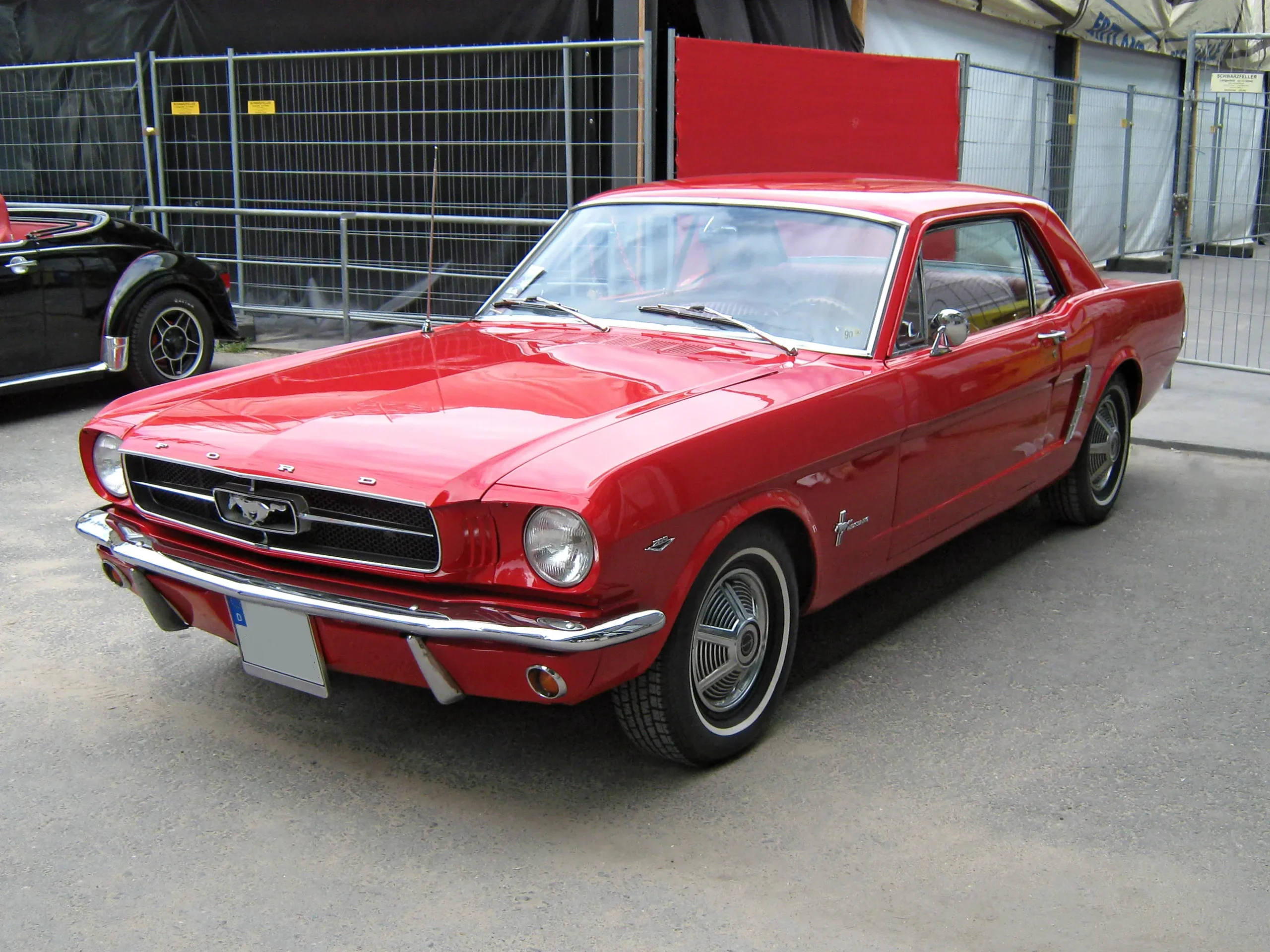
The Mustang’s genius was its variety. A buyer could order a practical inline-six for everyday commuting or a thundering V8 for weekend drag racing.
Dozens of options allowed buyers to personalize their car extensively, creating a powerful emotional bond between owner and vehicle. The long hood, short rear deck styling was both elegant and aggressive, a design language that has influenced the Mustang through every subsequent generation.
Culturally, the Mustang was everywhere. It appeared in films, television commercials, and road tests. Steve McQueen’s cinematic chase through San Francisco in a 1968 Fastback is arguably the most famous car scene in movie history. The Mustang became a symbol of individualism, speed, and the American belief that freedom and fun could be found behind the wheel.
The Shelby GT versions added racing credibility and performance that could genuinely challenge European rivals. Carroll Shelby’s modifications transformed the Mustang into a serious sports car.
The GT500, introduced in 1967, produced 355 horsepower from a massive V8 and became one of the most celebrated American performance cars ever built.
Specifications:
- Engine: 289 cu in (4.7L) V8
- Horsepower: 225 hp
- Length: 181.6 inches (4,613 mm)
- Width: 68.2 inches (1,732 mm)
3. 1970s, Toyota Corolla (E20, 1970–1974)
The 1970s were defined by economic turbulence, an energy crisis, and a fundamental rethinking of what people needed from a car. The oil embargo of 1973 sent fuel prices skyrocketing and exposed the vulnerability of America’s love affair with large, thirsty automobiles. Into this crisis stepped the Toyota Corolla, small, efficient, reliable, and affordable, and motoring changed forever.
The Corolla had actually been introduced in Japan in 1966, but it was the E20 second generation of the early 1970s that cemented its global dominance.
While American manufacturers struggled to adapt their oversized vehicles to new emissions regulations and fuel economy demands, Toyota had already built exactly the kind of car the crisis demanded. The Corolla became the second-best-selling car by 1970 and never looked back.
The appeal was simple and profound. The Corolla started reliably, consumed modest amounts of fuel, required minimal maintenance, and lasted for extraordinary mileages with basic care.
In an era when reliability from American cars was far from guaranteed, the Corolla’s reputation for dependability felt almost miraculous to first-time buyers. Word spread quickly. Dealerships could not keep inventory in stock.
The engineering was honest and straightforward. Toyota engineers prioritized durability over excitement. The suspension was tuned for comfort rather than sportiness.
The interiors were functional and clean, if not exciting. None of this mattered to buyers who simply needed a car that would get them to work and back without drama or expensive repair bills.
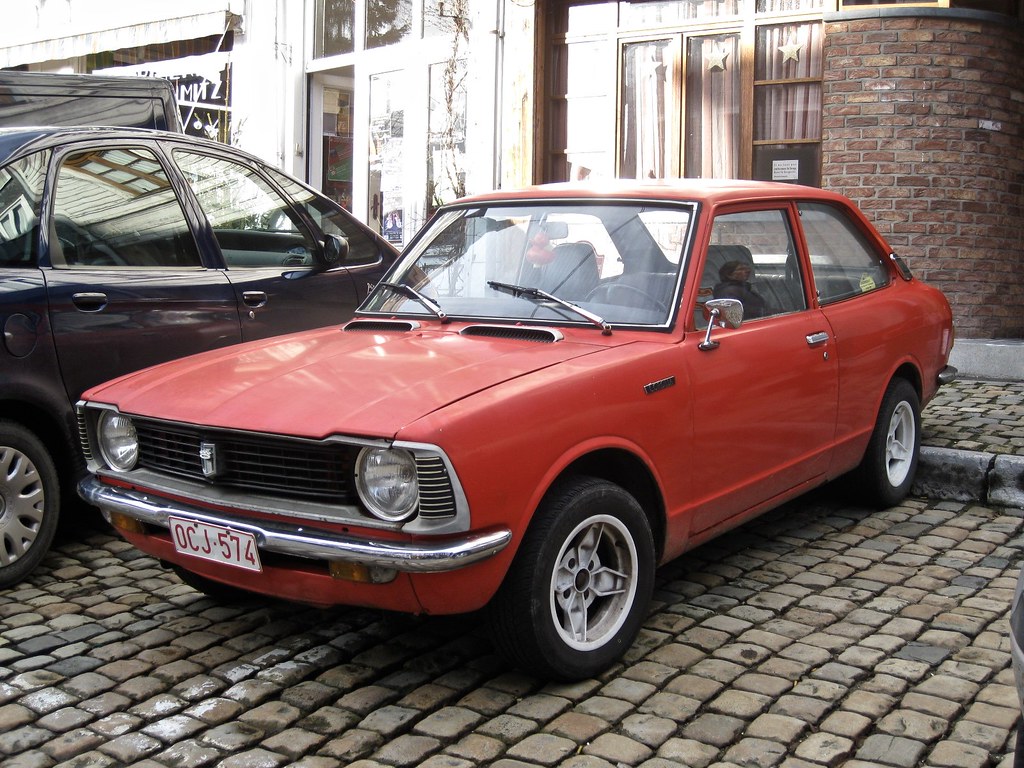
By the mid-1970s, the Corolla lineup had grown to include several body styles such as sedan, coupe, wagon, and liftback, offering buyers more choice while maintaining a consistent core formula. It went on to outsell all other vehicles in numerous global markets throughout that decade.
The message it sent to the American automotive establishment was unmistakable: small, reliable, and efficient was not a compromise. It was a revolution.
The 1970s Corolla laid the foundation for Toyota’s eventual global dominance. It proved that Japanese engineering philosophy, with obsessive quality control, conservative design, and engineering for longevity, could capture the world’s largest car markets. The Corolla remains the best-selling car model in history, with well over 50 million units sold.
Specifications:
- Engine: 1.2L 3K inline-4 or 1.6L 2T inline-4
- Horsepower: 65–102 hp, depending on engine and market
- Length: 155.3 inches (3,945 mm)
- Width: 59.3 inches (1,506 mm)
4. 1980s, Honda Accord
The 1980s were a decade of aspiration. Economies recovered from the stagflation of the 1970s, professional careers expanded, and the middle class in America and Europe grew rapidly.
Demand for comfort, refinement, and quality grew as drivers began expecting more than just reliability and efficiency. The Honda Accord met these expectations and rose to become the best-selling car of the decade in the United States, surpassing both domestic manufacturers and competing Japanese brands at the top of the market.
Honda launched the second-generation Accord in September 1981 in Japan, the U.S., and Europe simultaneously. It was a bold, globally focused product.
Crucially, Honda had just opened its manufacturing facility in Marysville, Ohio, making the Accord the first Japanese-branded car assembled on American soil. This was a landmark moment in automotive history and a savvy move that helped Honda go through the growing trade tensions.
The 1982 Accord was a revelation in its class. The fit and finish inside the cabin was noticeably superior to most American competitors. Panels lined up precisely.
Switches and buttons felt solid and well-made. The seats were comfortable for long journeys. Features that were optional on many American cars, like an optional Electro Gyrolocator in-car navigation system, appeared as innovations on the Accord, demonstrating Honda’s forward-thinking approach.
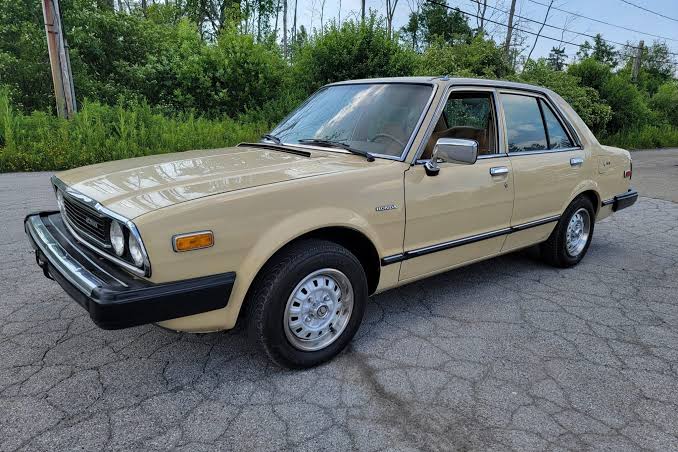
The engine was not powerful by any definition, producing around 75 to 96 horsepower depending on specification. But it was smooth, responsive, and returned excellent fuel economy, still a priority in the shadow of the 1970s oil crisis. The Accord also handled with more precision and driver engagement than typical family sedans. It felt like a driver’s car without sacrificing practicality.
As the decade progressed, Honda continued improving the Accord with each generation. The 1986 third-generation model grew larger, more powerful, and more sophisticated.
By the late 1980s, V6 options arrived along with increasingly luxurious interior appointments. The Accord attracted professional buyers who previously would only have considered European or American luxury brands.
The Accord’s success was a decisive cultural signal. Japanese manufacturers were no longer simply offering budget transportation. They were redefining what quality, value, and engineering excellence looked like at every price point.
Specifications:
- Engine: 1.8L inline-4 SOHC
- Horsepower: 75–96 hp, depending on trim
- Length: Approximately 162 inches (4,115 mm)
- Width: Approximately 63 inches (1,600 mm)
Also Read: Toyota Tacoma And Tundra Top The Retained-Value List Again In 2026
5. 1990s, Toyota Camry
The 1990s were the decade when the midsize sedan became America’s defining car. Families settled into comfortable suburban routines, and they needed practical, dependable, spacious transportation.
The Toyota Camry answered that call with such authority that it eventually overtook the Ford Taurus and Honda Accord to become the best-selling car in America, a position it would hold with remarkable consistency.
The real turning point came with the 1992 XV10 generation Camry. Toyota engineers made a deliberate decision to position the car as a true midsize vehicle, wider and more spacious than any previous Camry.
The design was rounded and aerodynamic, often described as having a “soap bar” silhouette. It was not exciting to look at, but it was highly effective, quieter, more fuel-efficient, and with interior space that rivaled some luxury cars.
What truly set the 1990s Camry apart was the attention to detail. Triple-sealed doors significantly reduced road noise, creating a hushed cabin environment that felt premium.
Extensive acoustic dampening made long motorway journeys noticeably less fatiguing. Interior materials were carefully selected for quality and durability. Buyers who stepped inside a Camry and then compared it to a similar American sedan often could not believe the difference in perceived quality.
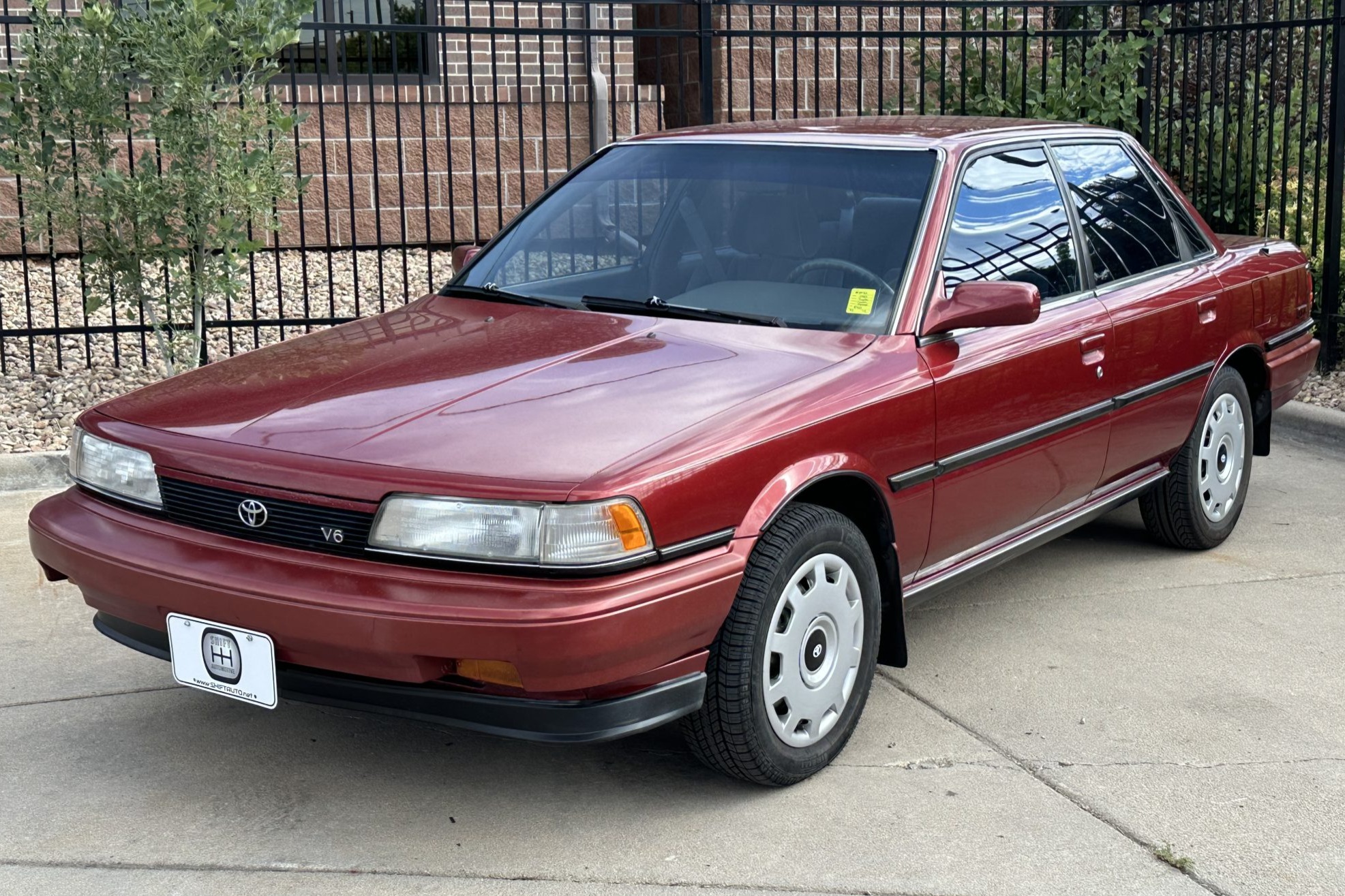
The engine lineup grew more powerful and refined as the decade progressed. A 2.2-litre four-cylinder engine produced solid performance for everyday driving. An optional 3.0-litre V6 delivering around 188 to 194 horsepower gave the Camry genuine performance credentials without sacrificing the smooth, effortless character buyers expected.
The V6 was praised universally for its linear power delivery and exceptional smoothness. The Camry’s reliability reputation was legendary. Consumer surveys consistently ranked it among the most dependable cars in its class.
Owners reported minimal repair bills over hundreds of thousands of miles. This reputation became self-reinforcing, as satisfied owners recommended the Camry to friends and family, creating a word-of-mouth marketing machine that no advertising campaign could replicate.
By the late 1990s, the Camry was not simply a car. It was a statement of sensible, responsible, quality-conscious consumerism that resonated deeply with American family buyers.
Specifications:
- Engine: 2.2L 5S-FE inline-4 or 3.0L 1MZ-FE V6
- Horsepower: 125 hp (4-cyl) or 188 hp (V6)
- Length: 185.8 inches (4,720 mm)
- Width: 69.7 inches (1,770 mm)
6. 2000s, Ford F-150
By the 2000s, the pickup truck had completed one of the most remarkable transformations in automotive history. What had been a working-class utility vehicle became America’s most aspirational personal transportation choice.
The Ford F-150 led this transformation with absolute authority. It was the best-selling vehicle in America for nearly 20 consecutive years by the time the decade opened, and it only grew more dominant throughout it.
The F-150 of the 2000s was no longer just a tool. It was a lifestyle statement. Ford offered the truck in an extraordinary range of configurations, regular cab, extended cab, SuperCrew with four full-size doors, and multiple trim levels that ranged from basic work specifications to Lariat and King Ranch editions with leather seating, wood-grain interior trim, and every conceivable luxury feature.
A truck that could haul a boat on Saturday could host clients in leather-seated comfort on Monday. Engine options in the early 2000s included a 4.2-litre V6, a 4.6-litre V8 producing 220 horsepower, and a 5.4-litre Triton V8 producing 260 horsepower.
Towing capacities exceeded 10,000 pounds in properly equipped configurations. Four-wheel drive systems became increasingly sophisticated, with electronic locking differentials and terrain management systems that made the F-150 capable on genuinely difficult terrain.
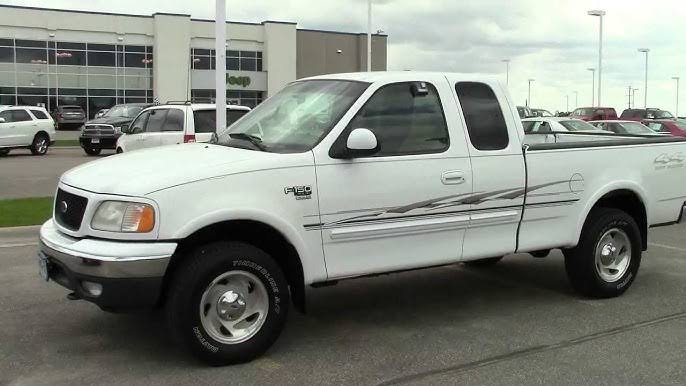
The decade also saw Ford push the F-150 into premium performance territory. The SVT Lightning editions, with supercharged V8 engines producing over 380 horsepower, turned the full-size truck into a genuine drag-strip competitor.
Special edition collaborations like the Harley-Davidson F-150 brought customized aesthetics and celebrity appeal to the lineup. These models sold out immediately and attracted buyers who would never have considered a pickup truck in previous decades.
American culture was changing in ways that benefited the F-150 enormously. Suburban families were expanding. Road trips were popular. Outdoor recreation, camping, boating, and off-roading grew as leisure pursuits. The F-150 was uniquely positioned to support all of these activities while also providing comfortable daily transportation.
The 2004 redesign introduced cleaner, more modern exterior styling that made the F-150 look as current as any passenger car. The cabin received significant upgrades in noise insulation, seat quality, and technology. The F-150 proved that America’s best-selling vehicle was not resting on its reputation.
Specifications:
- Engine: 5.4L Triton V8
- Horsepower: 260 hp @ 4,500 rpm
- Length: Approximately 225 inches (5,715 mm) SuperCrew
- Width: 79 inches (2,007 mm)
- Weight: Approximately 4,600 lbs (2,087 kg)
7. 2010s, Toyota Corolla (11th Generation, E170)
The 2010s saw the Toyota Corolla continue its remarkable multi-decade run of global dominance. With the 11th-generation E170 model launched in 2013, the Corolla not only maintained its position as the world’s best-selling car, but it also refined the formula that had made it great for over four decades while adding the modern technology and improved driving dynamics that a new generation of buyers demanded.
2013 was very different from the 1970s Corolla’s heyday. Smartphone integration, advanced safety systems, fuel efficiency regulations, and buyer expectations for interior quality had all escalated dramatically.
The E170 Corolla addressed each of these demands with impressive competence. The wheelbase grew by four inches compared to its predecessor, liberating substantially more rear legroom, a critical point for family buyers who had complained about the previous generation’s cramped rear seats.
The 1.8-litre four-cylinder engine was refined and updated, producing 132 horsepower with improved fuel economy. Handling was noticeably sharper than previous generations, with a sportier suspension tune that gave the car more driver engagement without sacrificing the smooth, quiet ride quality that Corolla buyers expected. Road and wind noise were dramatically reduced through improved sealing and acoustic materials throughout the cabin.
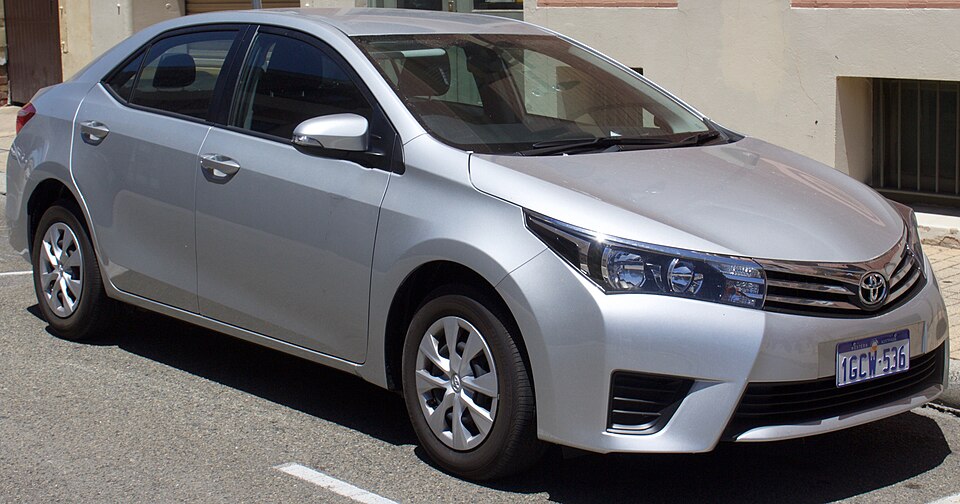
Safety technology expanded significantly in this generation. Forward collision warning, lane departure alert, and automatic emergency braking systems became available technologies that were previously found only in premium European sedans. Toyota’s Safety Sense package democratized active safety in a way that had global implications for road safety standards.
Globally, the Corolla sold in extraordinary numbers throughout the decade. It remained the top-selling car in numerous markets across Asia, Latin America, Africa, and the Middle East, while holding strong positions in North America and Australia. The car’s global production network, spanning assembly plants on virtually every continent, made it uniquely resilient to regional market disruptions.
The 2010s Corolla continued a legacy that no other car in history has matched. More than 50 million Corollas had been produced across all generations by the time the decade ended, a production record unlikely to be broken.
Specifications:
- Engine: 1.8L 2ZR-FE inline-4
- Horsepower: 132 hp @ 6,000 rpm
- Length: 182.7 inches (4,640 mm)
- Width: 69.9 inches (1,775 mm)
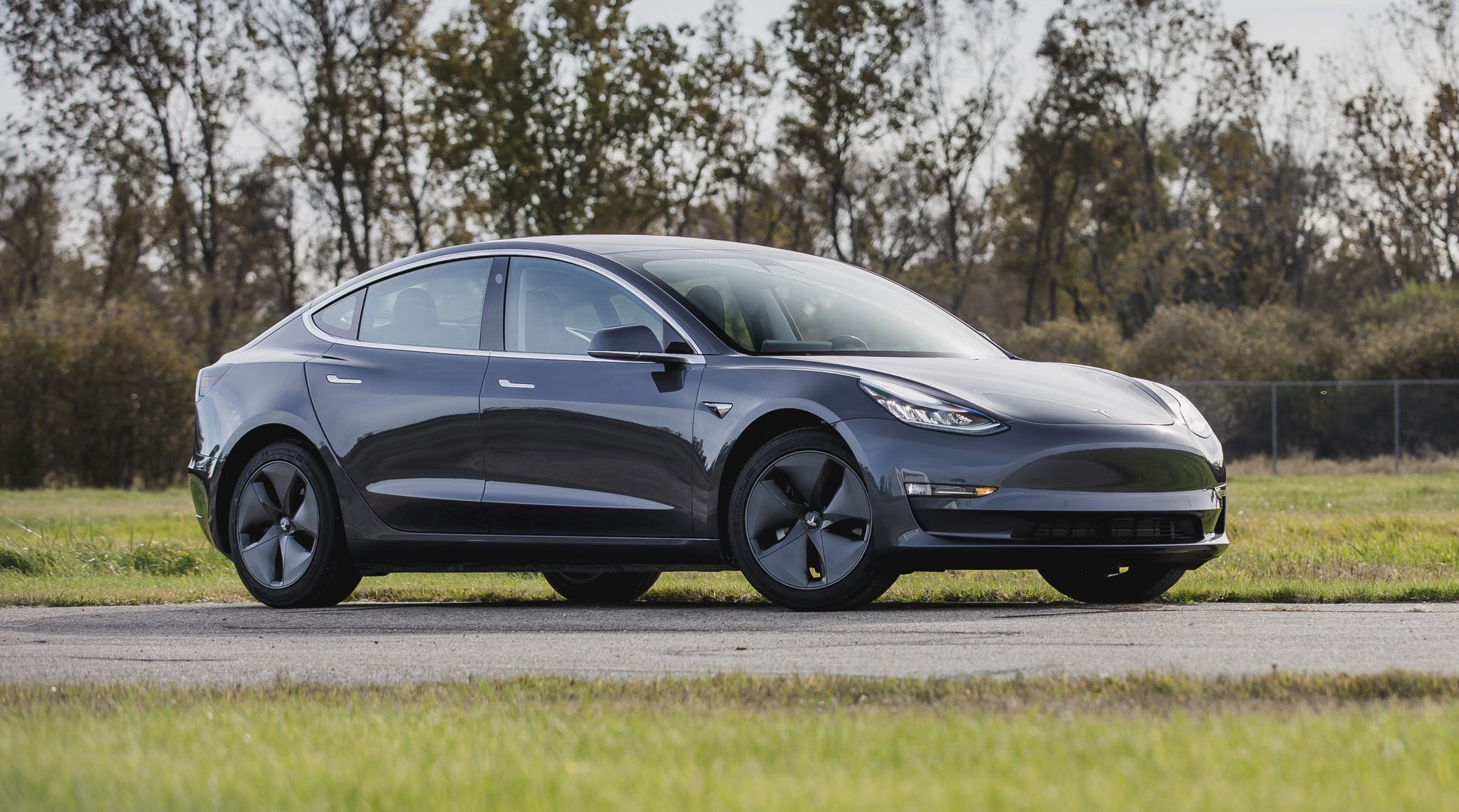
8. 2020s, Tesla Model 3
No car better represents the spirit of the 2020s than the Tesla Model 3. When it arrived in volume in the late 2010s and became a worldwide phenomenon in the early 2020s, it did not simply introduce a new powertrain option.
It reshaped expectations of what a car could be, turning it into a software-driven, internet-connected machine capable of continuous improvement. In doing so, it disrupted long-standing assumptions that had defined the automotive industry for more than a century.
The Model 3 became the world’s best-selling electric vehicle and, in many markets, the best-selling passenger car. It outsold traditional fuel-powered competitors on monthly charts in countries including Norway, Germany, the Netherlands, and Australia. In 2021, it was the world’s best-selling battery electric vehicle for the third consecutive year, a dominance without precedent in the EV era.
The driving experience was startling to those encountering it for the first time. Instant torque delivery from the electric motor produced acceleration that embarrassed cars costing three times the price.
The Long Range AWD version reached 60 miles per hour from a standstill in under 4.5 seconds. The Performance version, with dual motors producing 450 horsepower, achieved the sprint in just 3.2 seconds. Yet the Model 3 remained fundamentally a practical four-door family sedan with room for five adults and a respectable cargo capacity.
Inside, Tesla made a radical design choice that divided opinion but proved commercially effective. Nearly every control function was consolidated into a single large 15-inch touchscreen at the center of the dashboard.
Physical buttons were eliminated almost entirely. The interior was minimalist to the point of austerity, dominated by open space, quality materials, and the commanding presence of the central screen.
Over-the-air software updates meant the car’s capabilities, features, and even performance could be improved remotely after purchase, a completely novel concept in the industry.
The Model 3’s Autopilot driver assistance system, offering adaptive cruise control and lane-keeping assistance as standard, with Full Self-Driving capability as an option, pushed the conversation about autonomous vehicles from science fiction to consumer reality. Millions of buyers were experiencing semi-autonomous highway driving for the first time.
Charging infrastructure, led by Tesla’s proprietary Supercharger network, began to address the range anxiety that had previously limited EV adoption.
The Model 3’s Long Range version offered around 350 miles of range on a single charge. Rapid charging capability could replenish a significant range in under 30 minutes at Supercharger stations located across major travel routes worldwide.
The Model 3’s success forced every major automotive manufacturer to accelerate electric vehicle development. Volkswagen, General Motors, Ford, Hyundai, and Toyota all fast-tracked EV programs in direct response to Tesla’s market impact. The 2020s became the decade when internal combustion engines began their long, inevitable decline, and the Tesla Model 3 fired the starting gun.
Specifications:
- Motor: Dual electric motors (front and rear)
- Horsepower: 346 hp (Long Range) / 450 hp (Performance)
- Length: 184.8 inches (4,694 mm)
- Width: 72.8 inches (1,849 mm)
- Weight: Approximately 4,250 lbs (1,928 kg)
Also Read: 10 Heaviest Motorcycles Ever Made
