
Nitrogen-filled tires have become a popular topic in the automotive world, especially among car owners looking for better fuel efficiency, improved safety, and longer tire life.
You may have seen nitrogen inflators at fuel stations, tire shops, or service centers, often marketed as a premium alternative to regular compressed air. This naturally raises a common question: do nitrogen-filled tires actually make a difference, or is it just another automotive trend that sounds better than it performs in real life?
To understand this properly, it is important to first know what is inside a normal car tire. Regular air is not just oxygen; it is actually made up of roughly seventy-eight percent nitrogen, twenty-one percent oxygen, and a small amount of other gases and moisture.
When people talk about nitrogen-filled tires, they are referring to tires that are filled with a higher concentration of nitrogen, usually around ninety-five to ninety-nine percent, with most of the oxygen and moisture removed during the filling process. The idea behind this is that nitrogen behaves more consistently under changing temperatures and pressure conditions compared to regular air.
Supporters of nitrogen-filled tires claim several advantages, such as slower pressure loss, more stable tire pressure, better fuel economy, and reduced tire wear. These benefits sound appealing, especially for people who drive long distances or own high-performance vehicles.
On the other hand, many automotive experts argue that the real-world difference between nitrogen and regular air is minimal for everyday driving conditions. Since air already contains a large percentage of nitrogen, the improvement may not always be significant enough for most drivers to notice.
This article takes a deep look at nitrogen-filled tires, how they work, their actual benefits, limitations, and whether they are worth your money. We will break down the science in simple terms, compare nitrogen with regular air, and help you decide whether switching to nitrogen-filled tires is a smart choice or simply an unnecessary expense.
By the end, you will have a clear understanding of whether nitrogen-filled tires actually make a difference in real driving conditions or if proper tire maintenance matters more than what you fill inside them.
Also Read: Ford Issues ‘Do Not Drive’ Recall On 4,653 Maverick And Bronco Sport Models
What Are Nitrogen-Filled Tires?
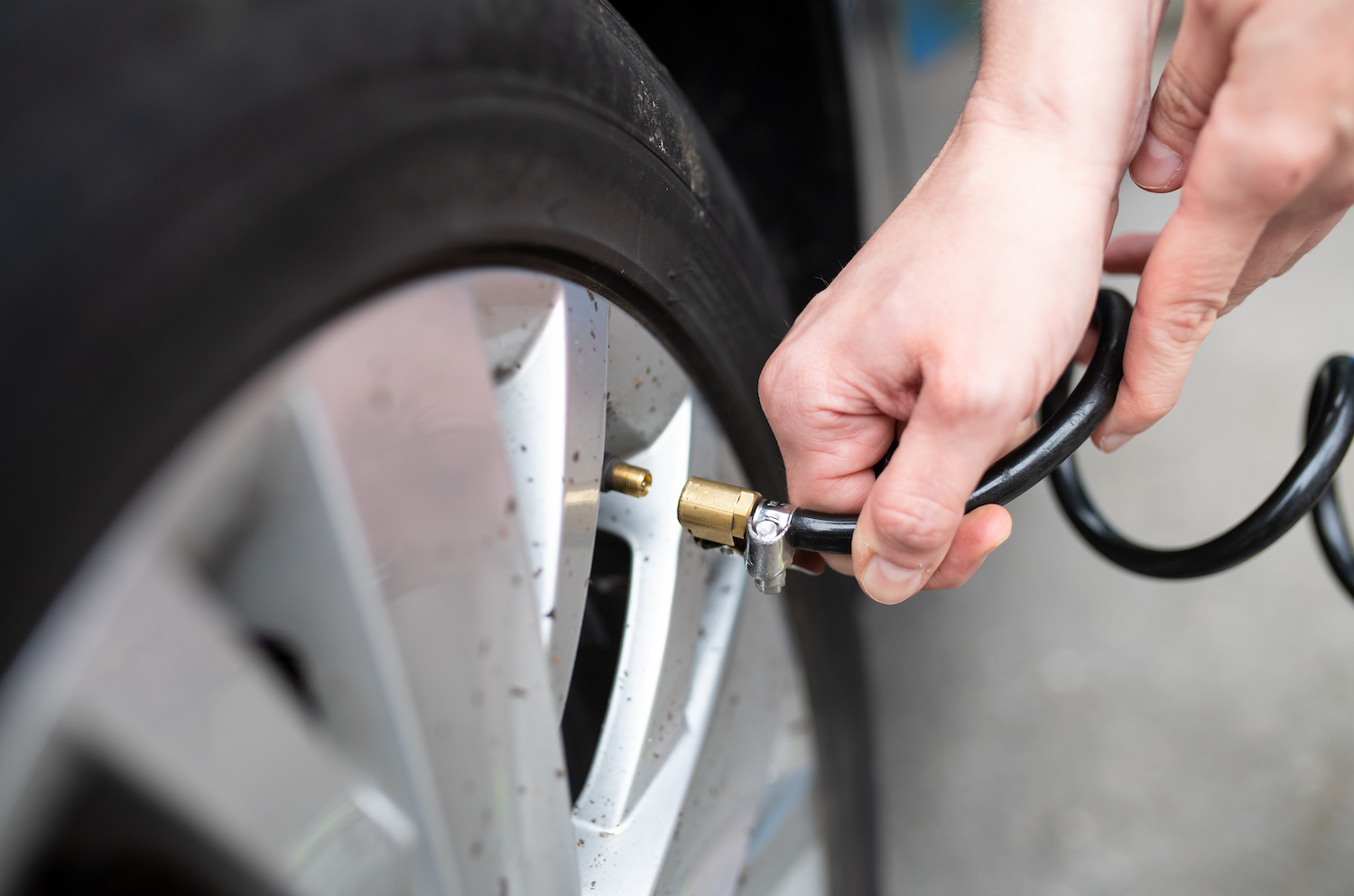
Nitrogen-filled tires are automotive tires that are inflated with nitrogen gas instead of regular compressed air. The nitrogen used is typically purified to remove most of the oxygen and moisture content, resulting in a gas mixture that is usually around ninety-five to ninety-nine percent nitrogen.
This process is commonly offered at specialized tire shops, premium service centers, and sometimes at fuel stations that advertise nitrogen inflation services.
The concept behind nitrogen-filled tires is not new. It has been used in aviation, motorsports, and heavy industrial applications for many years. In those environments, maintaining stable tire pressure is critical because even small variations can affect performance and safety.
Aircraft tires, for example, experience extreme temperature changes during takeoff and landing, making nitrogen a preferred choice due to its more stable expansion characteristics compared to moisture-containing air.
In everyday passenger vehicles, however, the situation is quite different. Most drivers operate under normal temperature ranges and do not push their tires to extreme performance limits.
Even so, nitrogen-filled tires are marketed as a way to reduce pressure fluctuations caused by heat buildup during driving. Since nitrogen molecules are slightly larger and less reactive than oxygen, they are believed to escape through tire rubber more slowly, resulting in better long-term pressure retention.
Another important aspect of nitrogen-filled tires is moisture reduction. Compressed air can contain water vapor, especially if it is not properly filtered. This moisture can potentially affect pressure stability as temperatures change.
Nitrogen inflation systems aim to remove this moisture, creating a drier internal tire environment. This is one reason why nitrogen is considered more stable in theory, even though modern tire systems are already designed to handle normal air conditions effectively.
In practice, switching to nitrogen-filled tires requires a proper initial fill and occasional top-ups with nitrogen to maintain purity levels. If regular air is added later, the nitrogen concentration decreases, reducing any potential benefits. This is why consistent maintenance is often emphasized when using nitrogen inflation systems.
Despite these factors, most passenger vehicles can still perform efficiently with regular air, which makes the real value of nitrogen-filled tires a subject of ongoing debate.
How Nitrogen in Tires Works?
Nitrogen-filled tires work on a simple principle: replacing oxygen-rich compressed air with a more stable and inert gas. Nitrogen is a non-reactive gas, meaning it does not easily interact with other materials inside the tire.
This stability is one of the main reasons it is used in specialized applications where consistent pressure is important over time and under varying temperature conditions.
When a tire is filled with nitrogen, the oxygen and moisture content are significantly reduced. Oxygen molecules are slightly smaller and more reactive compared to nitrogen, which means they can permeate through the rubber of the tire at a slightly faster rate.
Over time, this can lead to gradual pressure loss. By reducing oxygen content, nitrogen-filled tires aim to slow down this natural leakage process, helping maintain more stable pressure levels.
Temperature changes also play a role in how tire gases behave. As a tire heats up during driving, the gas inside expands, increasing pressure. When the tire cools down, the pressure drops again.
Nitrogen is often claimed to expand more consistently because it contains less moisture. Water vapor in compressed air can change phase more dramatically with temperature shifts, which can contribute to slightly more variation in pressure readings.
Another factor is oxidation. Oxygen inside a tire can contribute to the slow oxidation of the inner liner and wheel components over long periods. While modern tires are designed to resist this effect, nitrogen reduces the presence of oxygen, theoretically slowing down this process even further. This is more relevant in long-term storage or high-performance environments than in daily driving.
In real-world conditions, however, the differences are often subtle. Modern tires are built with advanced rubber compounds that already minimize air leakage and handle temperature changes effectively.
This means that while nitrogen-filled tires do operate on sound scientific principles, the practical improvements for most drivers may not be dramatic unless they are operating in demanding conditions such as racing, long haul transport, or aviation-related environments.
Benefits of Nitrogen-Filled Tires
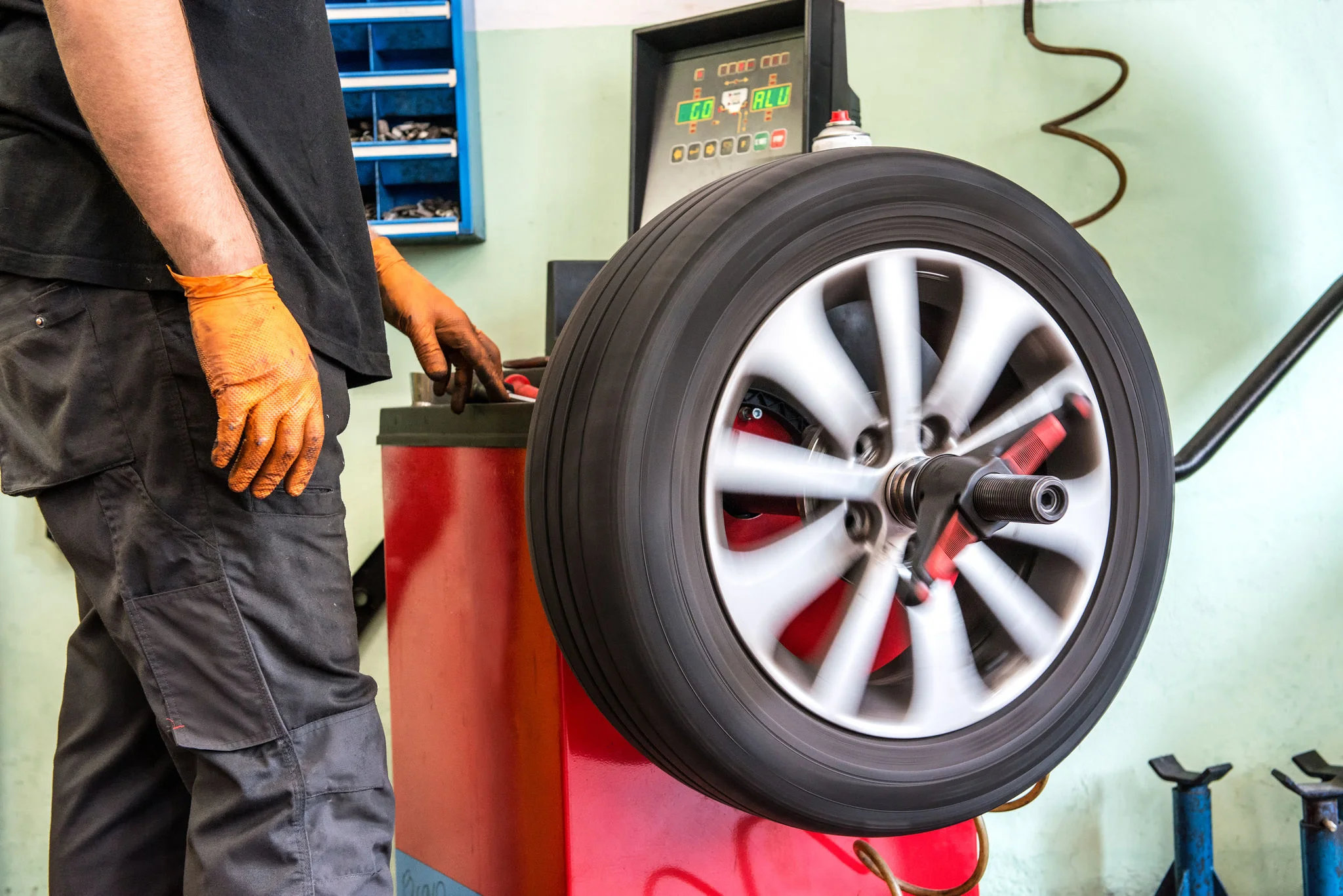
One of the most commonly cited benefits of nitrogen-filled tires is improved pressure retention. Since nitrogen molecules are less likely to permeate through rubber compared to oxygen, tires filled with nitrogen may lose pressure more slowly over time. This can reduce the frequency of tire pressure checks and help maintain more consistent inflation levels between service intervals.
Another benefit often associated with nitrogen-filled tires is more stable pressure across temperature changes. Because nitrogen contains less moisture, it is less affected by humidity-related expansion and contraction. This can lead to slightly more predictable pressure behavior during long drives or in regions where temperatures fluctuate significantly throughout the day.
Fuel efficiency is another area where nitrogen-filled tires are frequently promoted. Proper tire pressure plays a major role in rolling resistance, which directly affects fuel consumption. While nitrogen itself does not improve fuel efficiency, the idea is that better pressure retention helps keep tires at optimal inflation for longer periods, indirectly supporting more efficient driving conditions.
Tire longevity is also mentioned as a potential advantage. Underinflated tires tend to wear unevenly and more quickly, especially on the edges. If nitrogen helps maintain more consistent pressure over time, it can contribute to more even tread wear. However, this benefit is closely tied to regular maintenance habits such as checking tire pressure and rotating tires on schedule.
Lastly, nitrogen-filled tires are often marketed as reducing wheel corrosion. Since nitrogen systems remove most moisture from the tire, there is less water vapor inside the wheel assembly.
This can theoretically reduce the risk of internal corrosion over long periods. While this is more relevant for heavy-duty or long-term use cases, it is still listed as a benefit in many consumer discussions about nitrogen-filled tires.
Also Read: 6 Best and Worst Years of the Ford F-150
Drawbacks and Limitations
Despite the marketing advantages, nitrogen-filled tires also come with several limitations that are important to understand. One of the biggest drawbacks is accessibility. Nitrogen inflation is not as widely available as regular air, which is free at most fuel stations and service centers. This can make it inconvenient to maintain nitrogen purity, especially when traveling long distances.
Another limitation is cost. Many service providers charge a fee for initial nitrogen filling and subsequent top-ups. Since regular air already contains a high percentage of nitrogen, paying extra for near-pure nitrogen does not always provide proportional benefits for everyday drivers. This cost-to-benefit ratio is often questioned by automotive experts.
Mixing nitrogen with regular air is another issue. If you refill a nitrogen-filled tire with normal air, the purity level decreases, which reduces the theoretical advantages. Over time, many nitrogen-filled tires end up containing a mixed gas composition, which means the benefits become even less noticeable unless consistent nitrogen maintenance is followed.
The real-world performance difference is also a major limitation. For typical city driving or highway use, modern tires are already engineered to maintain pressure effectively. This means that most drivers may not notice any significant difference between nitrogen and regular air in terms of ride quality, fuel economy, or tire wear under normal conditions.
Finally, the benefits of nitrogen-filled tires are often overstated in marketing. While the science behind nitrogen is valid, the actual improvements in passenger vehicles are usually modest.
For many drivers, regular tire maintenance such as checking pressure monthly, ensuring proper alignment, and rotating tires provides far greater benefits than switching to nitrogen-filled tires alone.

Nitrogen vs Regular Air
When comparing nitrogen-filled tires and regular air, it is important to understand what each actually contains. Regular air is made up of approximately seventy-eight percent nitrogen, twenty-one percent oxygen, and a small percentage of other gases, including water vapor.
This means that even standard air already contains a majority of nitrogen, which is why the difference is not as dramatic as it may initially seem.
Nitrogen-filled tires typically contain around ninety-five to ninety-nine percent nitrogen. The main difference is the reduced presence of oxygen and moisture. This reduction is what leads to slightly slower pressure loss and more stable internal conditions. However, since regular air already has a high nitrogen content, the performance gap is relatively small in everyday driving scenarios.
In terms of pressure stability, nitrogen has a slight advantage due to its lower permeability and reduced moisture content. However, modern tires are designed to minimize air leakage regardless of the gas used. This means that both nitrogen and air can perform adequately if tire pressure is regularly monitored and maintained.
Cost and convenience are areas where regular air travel clearly wins. It is widely available, free in most places, and does not require specialized equipment or maintenance practices. Nitrogen, on the other hand, requires dedicated filling systems and sometimes ongoing service fees, which can make it less practical for everyday drivers.
The choice between nitrogen and regular air often comes down to convenience versus marginal performance improvements. For most passenger vehicles, regular air combined with proper tire maintenance is more than sufficient, while nitrogen may offer slight advantages in specific high-performance or specialized use cases.
Should You Switch to Nitrogen-Filled Tires?
Deciding whether to switch to nitrogen-filled tires depends largely on your driving habits, expectations, and budget. If you are a regular city driver using a standard passenger vehicle, the practical benefits you will experience are likely to be minimal. In such cases, regular air with consistent tire pressure checks is usually the most efficient and cost-effective option.
However, if you drive long distances frequently, operate a high performance vehicle, or manage a fleet where small efficiency improvements matter at scale, nitrogen-filled tires may offer some advantages. These benefits include slightly better pressure stability and reduced maintenance frequency, which can be useful in specific scenarios.
It is also important to consider the maintenance discipline required with nitrogen-filled tires. To preserve their benefits, you must ensure that refills are also done with nitrogen. If this is not maintained, the advantages diminish over time, making the system less effective.
From a practical standpoint, tire maintenance habits often matter more than the type of gas used. Checking tire pressure regularly, maintaining proper inflation levels, and ensuring correct wheel alignment will have a far greater impact on safety, fuel efficiency, and tire life than switching to nitrogen alone.
Nitrogen-filled tires are not harmful, but they are not a game-changing upgrade for most drivers either. They offer small, situational benefits that may be useful in specific cases, but for the average car owner, regular air remains a perfectly reliable and cost-effective choice.