
The moment a new vehicle leaves the dealership, its value starts dropping, and that drop is often sharper than most buyers expect. Many new cars lose between 15% and 25% within the first twelve months, and by year five, half of the original price is commonly gone.
For a $45,000 purchase, that drop can translate into more than $20,000 in value loss, a cost that does not show up as a bill but still affects ownership in a real way. Some models behave differently and refuse to follow that usual pattern. A small group of cars, trucks, and SUVs manages to hold a much larger share of their original value even after several years.
Strong engineering reputations play a role, since buyers are willing to pay more for proven reliability. Limited production also helps in certain cases, since fewer available units keep demand pressure high. Other models maintain strong pricing because they serve very specific lifestyles that few competitors match, which keeps steady interest in both new and used markets.
Smart buying decisions often come down to understanding how resale value works before making a purchase. Choosing a model with strong value retention can reduce long-term ownership costs because the trade-in or resale price stays higher than average. That difference becomes especially important when upgrading or selling a vehicle after several years of use.
Financial stability during ownership also improves when depreciation is less severe. Vehicles that hold value better tend to remain more consistent in price even when market conditions change, which can help owners avoid steep losses when it is time to sell or trade.
The following list highlights eight vehicles known for strong resale performance today, along with the reasons they continue to outperform typical depreciation patterns.
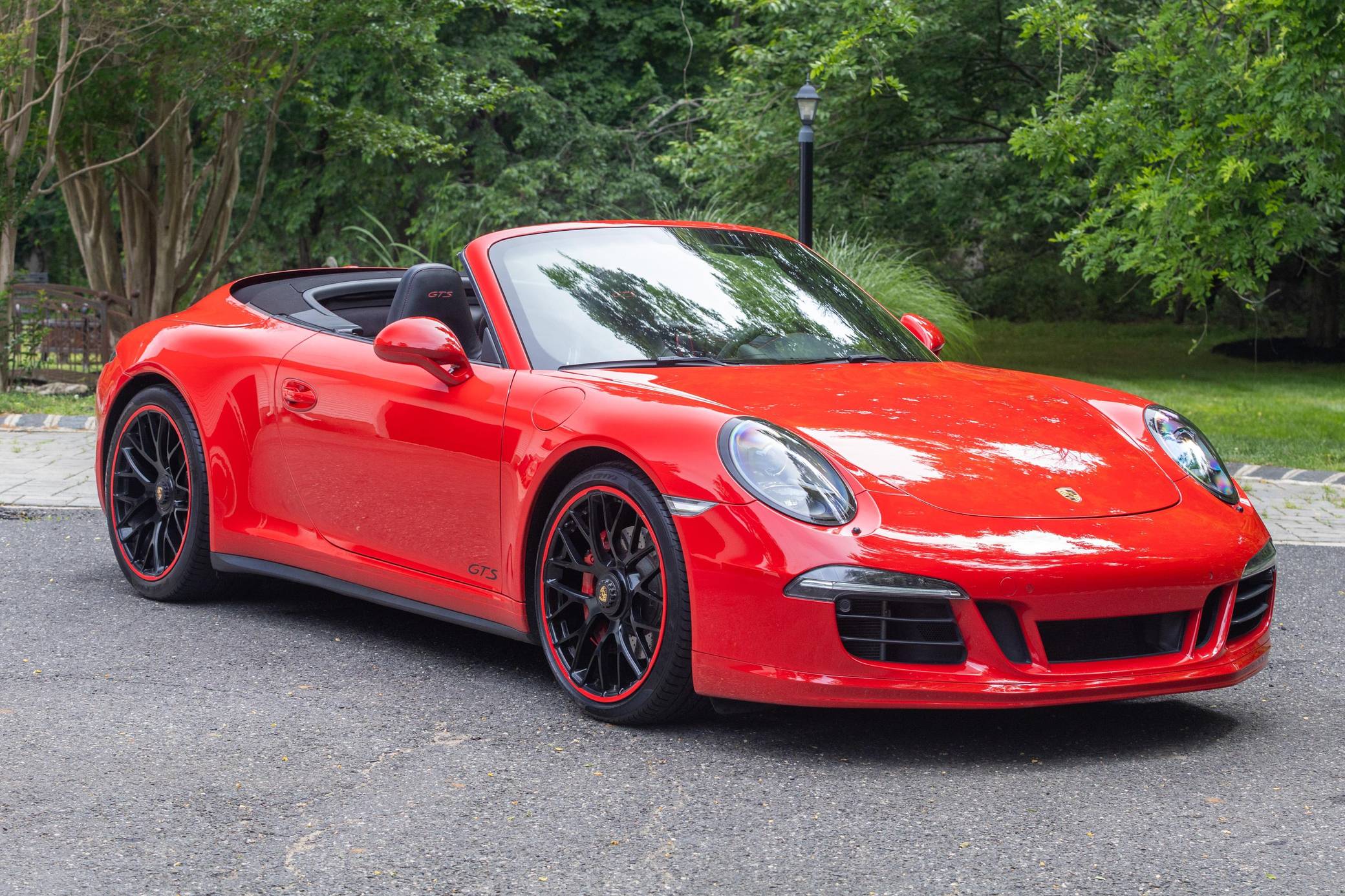
1. Porsche 911
Estimated 5-Year Value Retained: ~92%
- Engine: 3.0L twin-turbo flat-six (Newer models feature a 3.6L hybrid flat-six)
- Horsepower: 379 hp to 650 hp, depending on trim
- Torque: 331 lb-ft to 590 lb-ft, depending on trim
- Size: 178.8 to 179.3 in Long x 72.9 in Wide
Car enthusiasts and financial analysts alike have long assumed that performance cars lose value quickly. High insurance costs, costly upkeep, and constant demand for the newest model usually push older sports cars down in price at a fast pace. That pattern applies to most performance vehicles, but the Porsche 911 stands apart from that expectation in a way few cars ever have.
Price stability for the 911 reaches an extraordinary level, with a five-year retention rate of about 92%. That means a 2024 Porsche 911 Carrera S priced near $135,000 can still command close to $124,200 five years later. Results like that are rare in any consumer product category and reflect a long-standing pattern of strong resale performance across multiple generations of the model.
Limited production plays a major role in this behavior. Porsche carefully controls how many 911 units enter the market each year, keeping supply lower than demand among enthusiasts. When interested buyers outnumber available cars, sellers gain leverage, and used pricing stays firm. A shopper searching for a 2021 Porsche 911 GT3 or a 2022 Targa 4S Heritage Design Edition quickly finds that choices are scarce, which pushes asking prices higher.
Special versions of the 911 often go even further. Limited-run and high-performance trims sometimes sell above their original sticker price, especially examples like the GT3 RS or Speedster. That premium demand creates a strong pricing floor that supports even standard versions of the 911 across the used market.
Mechanical reputation also reinforces value retention. A 2020 Porsche 911 Carrera 4S with moderate mileage is widely viewed as dependable, thanks to decades of refinement of Porsche’s flat-six engine layout. Buyers tend to trust its long-term durability, which reduces hesitation and helps maintain strong resale pricing.
Brand perception adds another layer of strength. The Porsche 911 is widely seen as a benchmark in performance engineering, and that reputation holds steady regardless of age. Even older models carry a strong appeal simply because of the name they wear, helping keep resale values among the highest in the sports car segment.
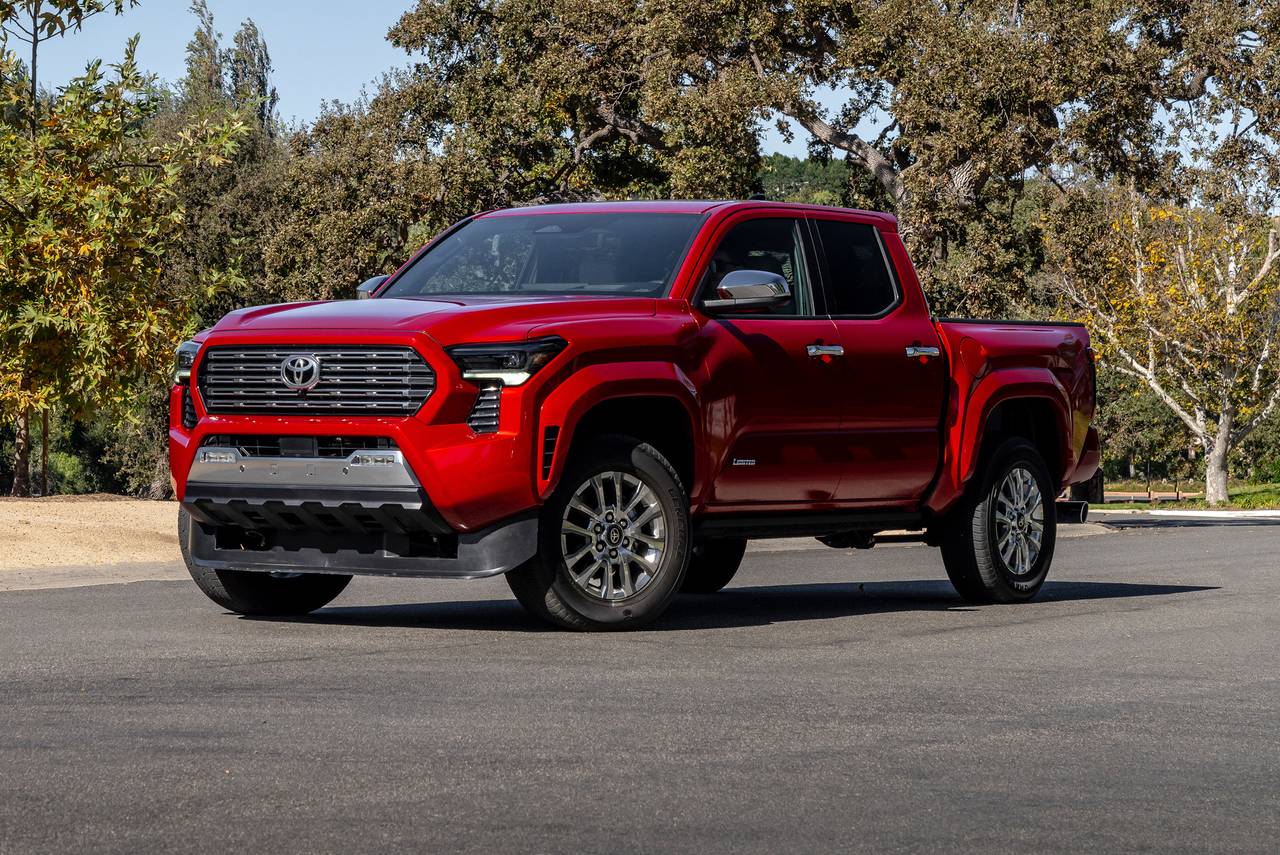
2. Toyota Tacoma
Estimated 5-Year Value Retained: ~80%
- Engine: 2.4L turbo 4-cylinder (hybrid available)
- Horsepower: 228 hp to 326 hp (hybrid)
- Torque: 243 lb-ft to 465 lb-ft (hybrid)
- Size: 213 to 226 in Long x 76.9 in Wide
Used car professionals, fleet operators, and dealers often point to one midsize pickup that consistently resists heavy depreciation: the Toyota Tacoma. Its reputation for holding value has become so consistent that it regularly leads retention rankings across different market conditions.
With an 80% five-year retention rate, a 2024 Tacoma TRD Pro priced near $53,000 today can reasonably resell for about $42,400 after five years, which is unusually strong performance for a daily-use truck. Long-term dependability sits at the center of Tacoma’s strong resale performance. Toyota designed this truck with durability in mind rather than prioritizing the newest technology trends.
Many owners report reaching 200,000 miles and even 300,000 miles without major drivetrain issues. That track record changes how buyers view high-mileage examples, since wear and mileage do not reduce value as sharply as they do with most other vehicles.
Trail capability also plays a major role in sustained demand. Versions such as the 2024 Tacoma TRD Off-Road and Trail Edition include factory equipment like locking differentials, crawl control, and underbody protection. Buyers wanting off-road readiness without aftermarket modifications often target these trims directly, which concentrates demand and supports stronger resale pricing for well-equipped models.
Limited availability during periods of high demand has also influenced pricing behavior. When supply chain disruptions hit in 2021 and 2022, used Tacomas sometimes sold for more than their original sticker prices. Even though conditions have stabilized since then, that period highlighted how strong demand can become when inventory tightens, and that demand strength still supports pricing today compared to rivals like the Ford Ranger and Chevrolet Colorado.
Strong loyalty within Tacoma ownership groups adds another layer of demand stability. Enthusiast communities, off-road groups, and long-term owners often share buying and selling information, creating a steady pipeline of informed buyers willing to pay market value.
That ongoing demand cycle helps keep resale values firm and makes the Tacoma one of the most dependable financial choices in the midsize truck segment.
Also Read: 5 Vehicles That Retain Book Value vs 5 That Fall Below It Instantly
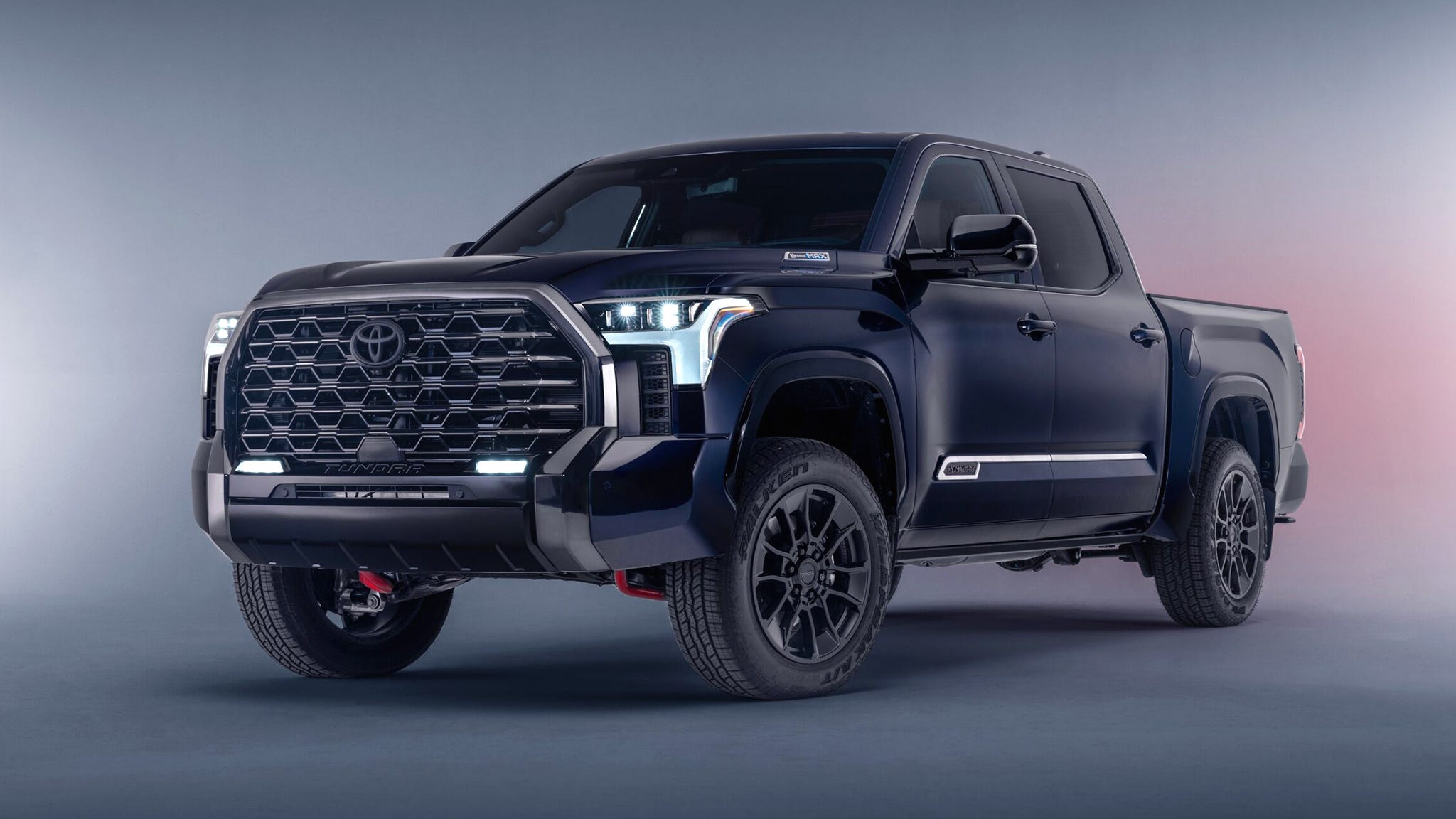
3. Toyota Tundra
Estimated 5-Year Value Retained: ~78%
- Engine: 3.4L twin-turbo V6 (hybrid available)
- Horsepower: 348 hp to 437 hp
- Torque: 405 lb-ft to 583 lb-ft
- Size: 233.6 to 252.5 in Long x 80.2 in Wide
Heavy-duty pickup buyers face a crowded field where Ford, Ram, and Chevrolet dominate attention with long-established nameplates and wide trim offerings. Within that competitive space, the Toyota Tundra stands apart by leaning heavily on long-term durability rather than chasing sheer sales volume, and that positioning supports a 78% five-year retention rate that sits well above the segment average.
Buyer behavior in the used truck segment shows a clear pattern when dependability matters more than features. A shopper comparing a 2022 Toyota Tundra Platinum CrewMax with a similarly equipped Ram 1500 Laramie is often thinking about real work demands rather than comfort upgrades.
For many owners, downtime from mechanical issues can directly affect income, so a truck with Toyota’s reputation for durability becomes the safer financial choice, which keeps resale demand strong. Capability plays a direct role in supporting pricing strength for the Tundra.
The 2023 Toyota Tundra Capstone, equipped with the twin-turbo V6 hybrid setup, produces 437 horsepower and 583 lb-ft of torque while offering towing capacity up to 12,000 pounds. Buyers needing this level of performance while also valuing long-term dependability often find limited alternatives, which strengthens demand and reduces price flexibility in the used market.
Production volume also influences resale strength. Compared to high-output models like the Ford F-150 and Ram 1500, fewer Tundras reach the used market each year. That reduced supply means buyers face fewer options when searching for well-kept examples, which supports firmer pricing and limits downward pressure from sellers.
Fuel efficiency gains from the latest hybrid system add another layer of appeal. Newer Tundra models, including the i-FORCE MAX hybrid, deliver better mileage than older V8 versions while still offering full-size capability. This balance of strength, efficiency, and reliability keeps interest steady across changing fuel price conditions, helping maintain strong long-term resale performance.
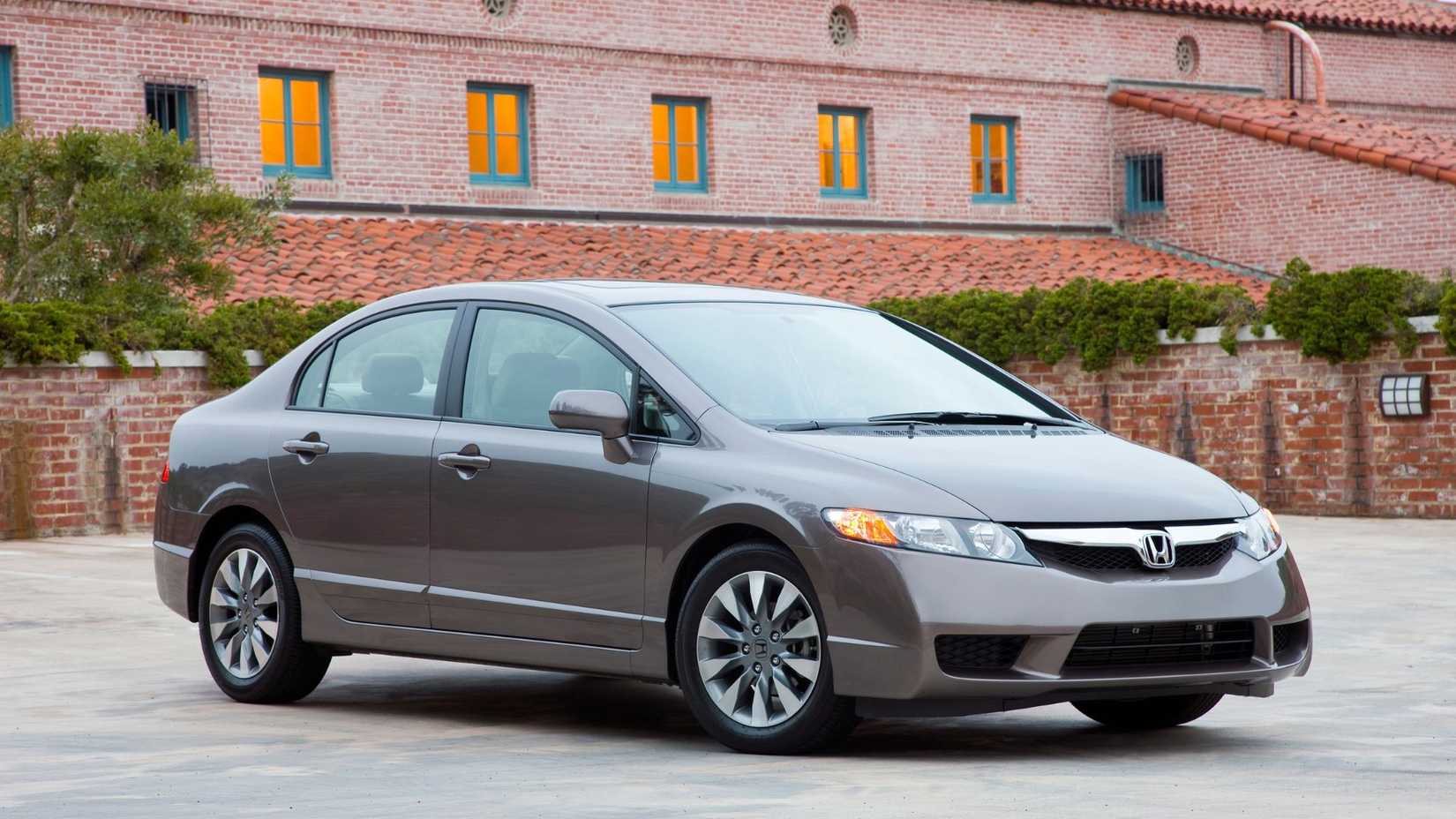
4. Honda Civic
Estimated 5-Year Value Retained: ~77%
- Engine: 2.0L 4-cylinder or 2.0L Hybrid 4-cylinder (The 1.5L turbo was replaced by the hybrid)
- Horsepower: 150 hp to 200 hp (Up to 315 hp for the high-performance Type R)
- Torque: 133 lb-ft to 232 lb-ft (hybrid system total)
- Size: 184.0 to 184.8 in Long x 70.9 in Wide
Few compact cars manage to hold their value the way the Honda Civic does. With a 77% retention rate after five years, it performs far better than most vehicles in its class. Compact cars usually lose value faster because buyers have so many options, yet the Civic continues to stand out thanks to steady demand that does not fade easily.
Changing financial conditions play a major role in keeping interest high. When budgets tighten, many buyers move away from larger or more expensive vehicles and look for something more affordable to own. The Civic fits that need perfectly, offering a reasonable purchase price, strong fuel efficiency, and low maintenance costs.
A 2024 Civic Sport, delivering up to 32 mpg in the city and 42 mpg on the highway, appeals to buyers focused on saving money without giving up reliability. Another major factor is Honda’s long-standing reputation for dependability.
Civic models are known for lasting well beyond 100,000 miles with routine care. Someone considering a used 2021 Civic EX Hatchback with moderate mileage is likely to see it as a safe and dependable choice rather than a risk, which helps justify higher resale prices.
Ownership costs also remain manageable across the board. Insurance rates are generally affordable, fuel expenses stay low, and maintenance is widely accessible at reasonable prices. Buyers who look beyond the purchase price often find the Civic offers strong long-term value.
The wide range of trims, from basic models to sportier versions, keeps the Civic appealing to many types of drivers. This broad interest helps maintain steady demand and supports its strong resale performance.
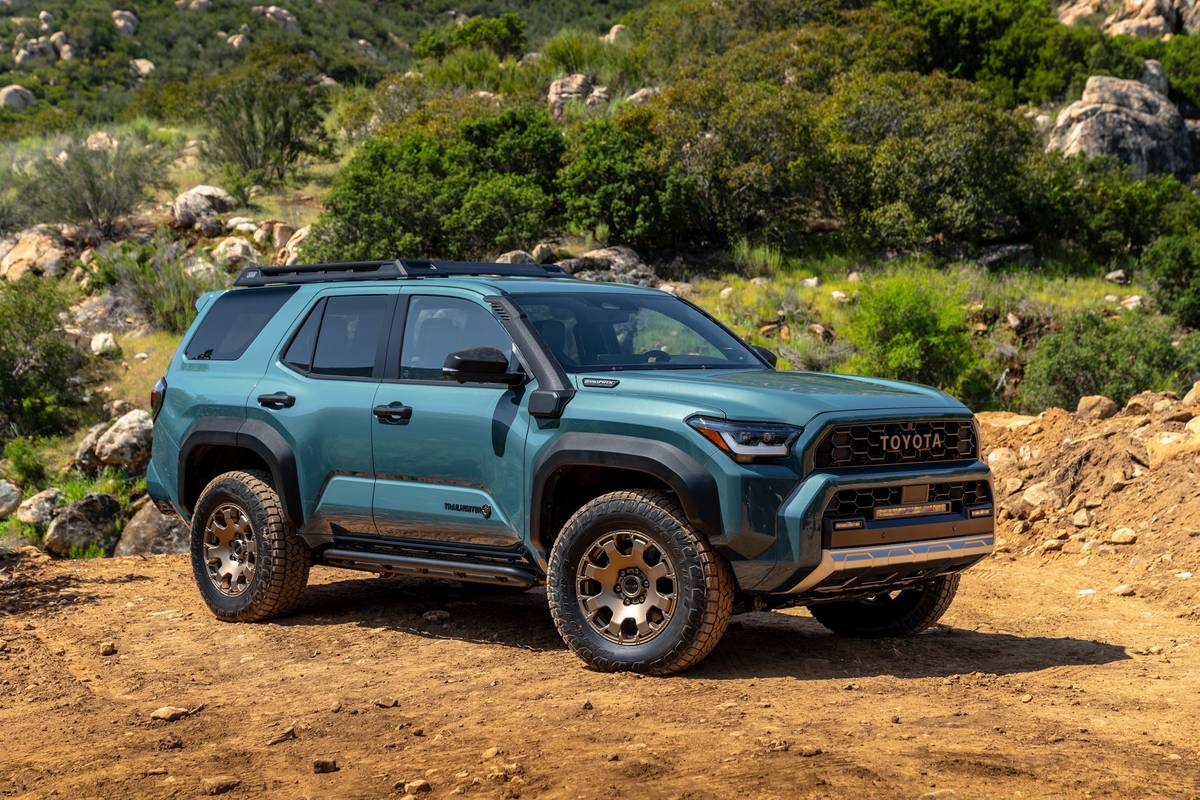
5. Toyota 4Runner
Estimated 5-Year Value Retained: ~74%
- Engine: 2.4L turbo 4-cylinder (The old 4.0L V6 was replaced with a modern powertrain)
- Horsepower: 278 hp to 326 hp, depending on trim
- Torque: 317 lb-ft to 465 lb-ft depending on trim
- Size: 195.1 in Long x 77.9 in Wide
A closer look at the used SUV market reveals how differently the Toyota 4Runner holds its value compared to most rivals. Many midsize SUVs follow a predictable pattern, losing a large portion of their value within five years. The 4Runner stands apart with a 74% retention rate, a figure that reflects strong demand from buyers who prefer durability and simplicity over modern complications.
Much of this appeal comes from its body-on-frame construction. While many SUVs have moved to unibody designs for smoother driving and better fuel efficiency, the 4Runner continues to use a truck-based platform. For off-road drivers, this design offers durability and strength that inspires confidence during demanding use.
Pricing in the used market shows just how strong that demand is. A 2021 4Runner TRD Pro with moderate mileage often sells for far more than expected for a vehicle of its age. Buyers interested in this model understand that alternatives with similar capability and reliability are limited, which keeps resale prices steady.
Mileage also affects the 4Runner differently. Higher mileage examples remain appealing because of Toyota’s long-standing reputation for reliability. The 4.0-liter V6 engine has proven itself over many years, giving buyers confidence even at higher odometer readings.
Another factor supporting value is the strong aftermarket community. Owners frequently upgrade suspension, lighting, and protection components, and these modifications can raise resale appeal. Even stock models benefit from this culture, as demand remains steady. This combination helps the 4Runner remain one of the strongest performers in its class for long-term value.
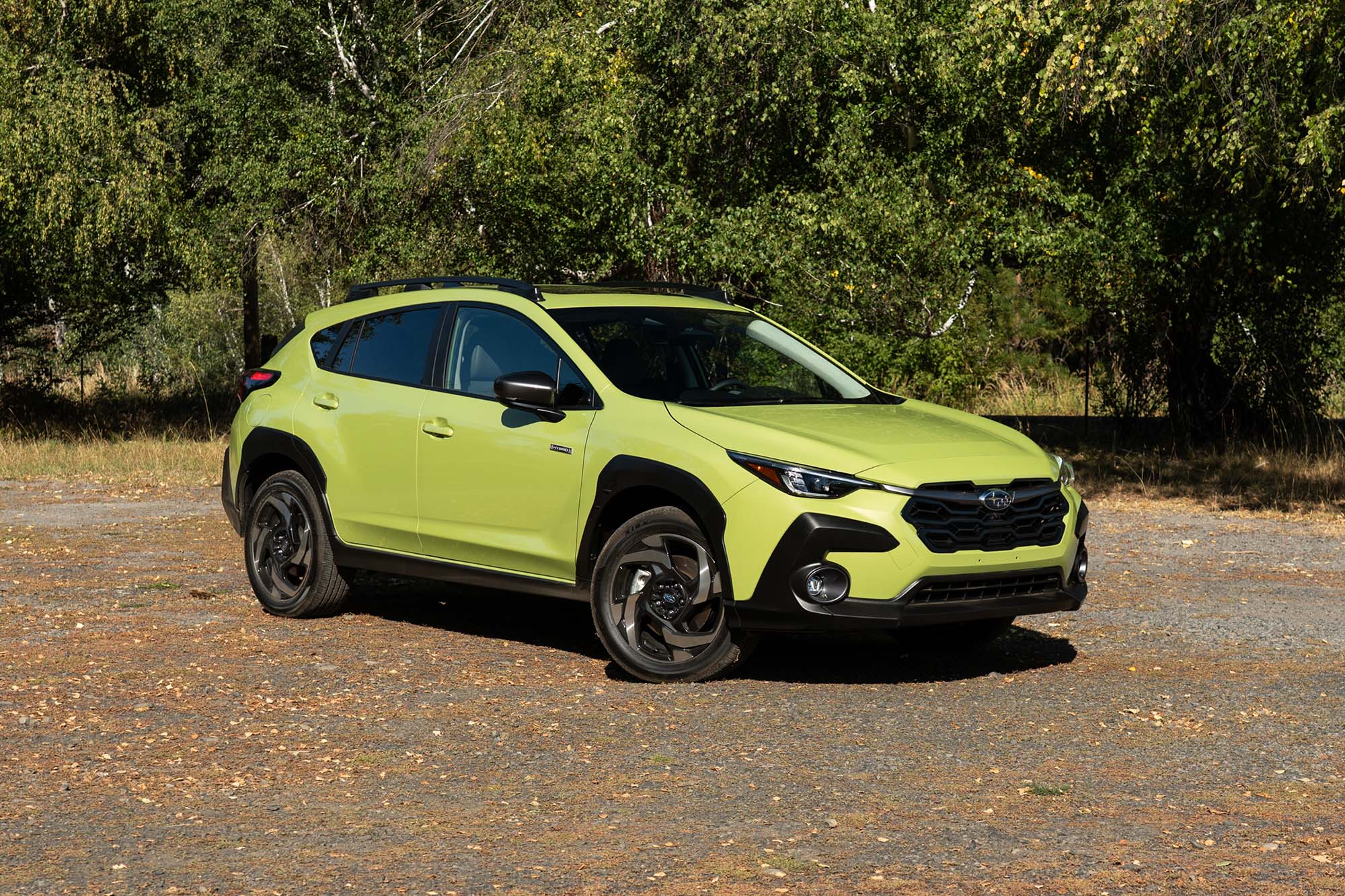
6. Subaru Crosstrek
Estimated 5-Year Value Retained: ~71%
- Engine: 2.0L or 2.5L flat 4-cylinder
- Horsepower: 152 hp to 182 hp
- Torque: 145 lb-ft to 178 lb-ft
- Size: 176.4 in Long x 71.7 in Wide
Few vehicle categories are as crowded as compact crossovers, with nearly every automaker offering multiple options. Standing out in such a packed field is not easy, yet the Subaru Crosstrek manages to hold about 71% of its value after five years. That level of retention comes from offering features that strongly appeal to a dedicated group of buyers.
One of the biggest reasons behind its popularity is standard all-wheel drive. While many rivals like the Toyota Corolla Cross and Honda HR-V offer it as an extra-cost option, every Crosstrek includes Subaru’s Symmetrical All-Wheel Drive system at no added charge. For drivers in colder regions or areas with rough weather, this is a major selling point rather than just a bonus feature.
Regional demand also plays a big role in keeping resale values high. States such as Colorado, Vermont, and Washington have a strong preference for vehicles with all-wheel drive. In these places, a used Crosstrek attracts steady interest from buyers who want capability at a reasonable price, helping maintain firm pricing.
Fuel economy adds another layer of appeal. A Crosstrek equipped with its 2.0-liter engine delivers up to 28 mpg in the city and 34 mpg on the highway. That efficiency helps owners save money at the pump, which matters even more when fuel prices rise.
Loyal Subaru customers also contribute to consistent demand. Many buyers return to the brand when it is time for a replacement, creating a steady stream of interested shoppers. This loyalty helps the Crosstrek hold its value better than many competitors in the same class.
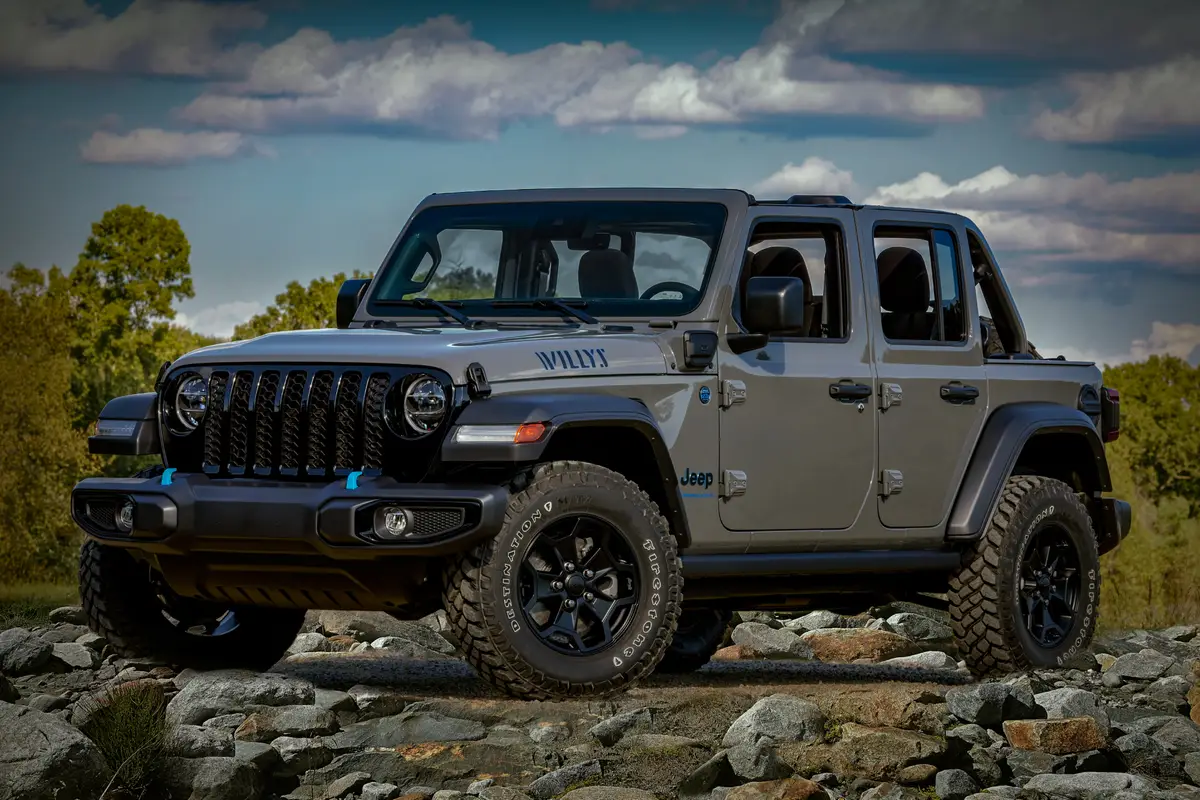
7. Jeep Wrangler
Estimated 5-Year Value Retained: ~68%
- Engine: 2.0L turbo 4-cylinder or 3.6L V6 (Plug-in Hybrid 4xe and a 6.4L V8 are also available)
- Horsepower: 270 hp to 285 hp (Up to 470 hp for the V8 model)
- Torque: 260 lb-ft (V6) to 295 lb-ft (Turbo 4) (Up to 470 lb-ft for the V8)
- Size: 166.8 to 188.4 in Long x 73.8 in Wide
Few vehicles show the link between lifestyle appeal and resale value as clearly as the Jeep Wrangler. With a 68% value retention after five years, it maintains pricing strength in a way that seems to ignore standard expectations. By typical standards, it should lose value faster.
Daily comfort is not its strongest point, fuel economy lags behind many rivals, and highway driving brings more wind noise than most SUVs. The ride can also feel stiff and unsettled on smooth roads. Even with those drawbacks, demand stays strong because buyers who want a Wrangler rarely consider anything else.
The appeal comes from a design and purpose that stand apart from other vehicles. Jeep built the Wrangler around an open-air, adventure-focused experience that no competitor fully matches. Someone searching for a used 2022 Wrangler Rubicon 392 is usually looking at other Wranglers first.
Models like the Ford Bronco or Toyota 4Runner may come up during research, but they do not offer the same removable doors, detachable roof, fold-down windshield, and instantly recognizable styling. That combination gives Jeep full control over a very specific type of driving experience.
Another factor behind its strong resale value is the massive aftermarket support. Few vehicles have as many dedicated parts available. Owners can modify nearly every part of the vehicle, and that culture keeps interest high. A well-equipped Wrangler with upgraded suspension, wheels, or lighting can sometimes sell for more than a stock version because buyers know parts and support are easy to find.
Loyalty within the Wrangler community also plays a major role. Many owners stay within the brand when upgrading, selling their older model to another buyer who already understands its appeal. This steady cycle helps keep resale prices strong and less affected by broader market conditions.
Also Read: 5 Vehicles That Retain Over 70% of Their Value and 5 That Don’t
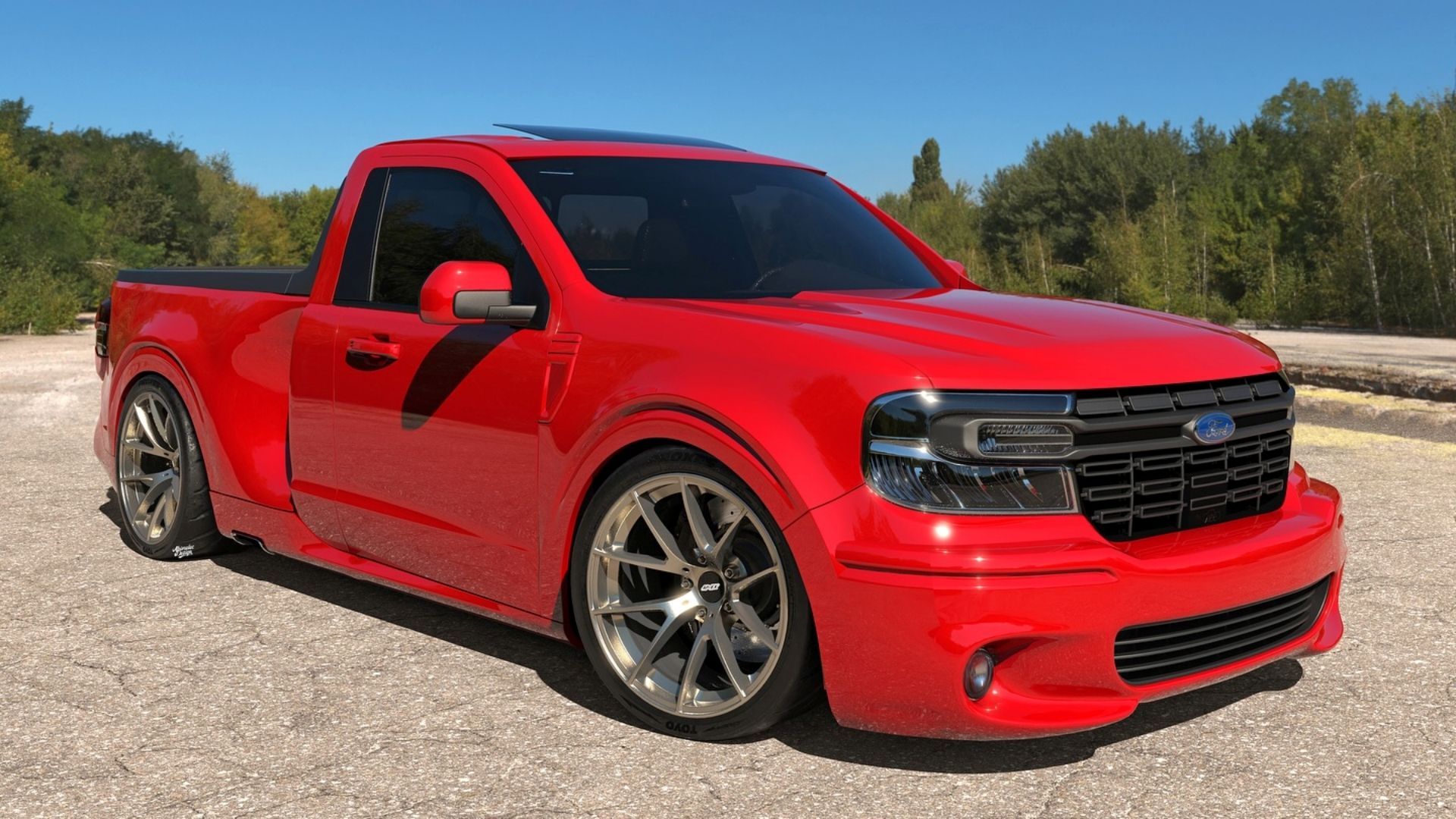
8. Ford Maverick
Estimated 5-Year Value Retained: ~68%
- Engine: 2.5L hybrid 4-cylinder or 2.0L turbo 4-cylinder
- Horsepower: 191 hp (hybrid) to 238 hp (turbo)
- Torque: 155 lb-ft (hybrid) to 277 lb-ft (turbo)
- Size: 199.7 in Long x 72.6 in Wide
Few launches in recent years have stirred the pickup segment the way the 2022 Ford Maverick XL did. With a starting price below $22,000, it arrived as the most affordable new truck offered by an American brand. That low entry cost, paired with a standard hybrid system, sets it apart instantly.
Demand surged so quickly that supply couldn’t keep up. Order slots filled almost immediately, buyers faced long wait times, and some used units sold above their original sticker price. This early rush created a pattern that still supports strong resale performance.
Rather than relying on image or heritage, the Maverick earns its value through pure usefulness. It matches the Jeep Wrangler’s 68% five-year retention rate, yet the reasons differ entirely. The Maverick focuses on everyday practicality, offering a four-door layout, a functional truck bed, and a hybrid setup delivering around 42 mpg in city driving. That mix of efficiency and utility remains rare among trucks in the U.S. market.
Finding a used Maverick Hybrid XLT or Lariat can be challenging. Many owners hold onto their trucks, partly out of satisfaction and partly because replacing it with something similar at the same price is difficult. Limited availability keeps resale prices steady, even in a segment where depreciation usually hits harder.
What keeps demand steady is how well the Maverick fits daily life. It comfortably carries passengers, handles moderate hauling, fits into regular parking spaces, and keeps fuel costs low. Buyers looking for a single vehicle that covers multiple needs often land on this truck without feeling like they gave something up.
A 68% retention rate shows that strong resale value doesn’t require luxury branding or a long legacy. Delivering real-world usefulness and affordability can achieve the same result, and the Maverick continues to prove that point.
