For years, full-size pickups dominated the truck market by offering impressive towing capacity, spacious cabins, and powerful engines. Models such as the Ford F-150, Chevrolet Silverado 1500, and Ram 1500 became household names because they could handle everything from construction-site duties to family road trips.
Yet as these trucks grew larger, heavier, and more expensive, a growing number of buyers began looking for alternatives.
That shift created an opportunity for midsize pickups. Modern midsize trucks are no longer the basic workhorses they once were.
Today’s models offer sophisticated suspension systems, advanced safety technology, comfortable interiors, strong towing capability, and genuine off-road performance. In many situations, they deliver nearly everything an average owner needs while being easier to maneuver, park, and live with daily.
Manufacturers have responded by investing heavily in the segment. Some brands focus on rugged adventure credentials, while others emphasize value, fuel efficiency, or innovative technology. The result is a diverse market where midsize trucks are steadily winning customers who might have previously purchased a full-size pickup.
What makes these vehicles particularly interesting is their ability to carve out space alongside larger rivals rather than simply competing on price. They attract buyers seeking versatility without the size penalty that comes with modern half-ton trucks.
The eight models featured here demonstrate how midsize pickups continue expanding their influence and proving that bigger is not always better when it comes to truck ownership.
Also Read: 8 Electric Models Automakers Pulled or Delayed Since Late 2023
1. Toyota Tacoma
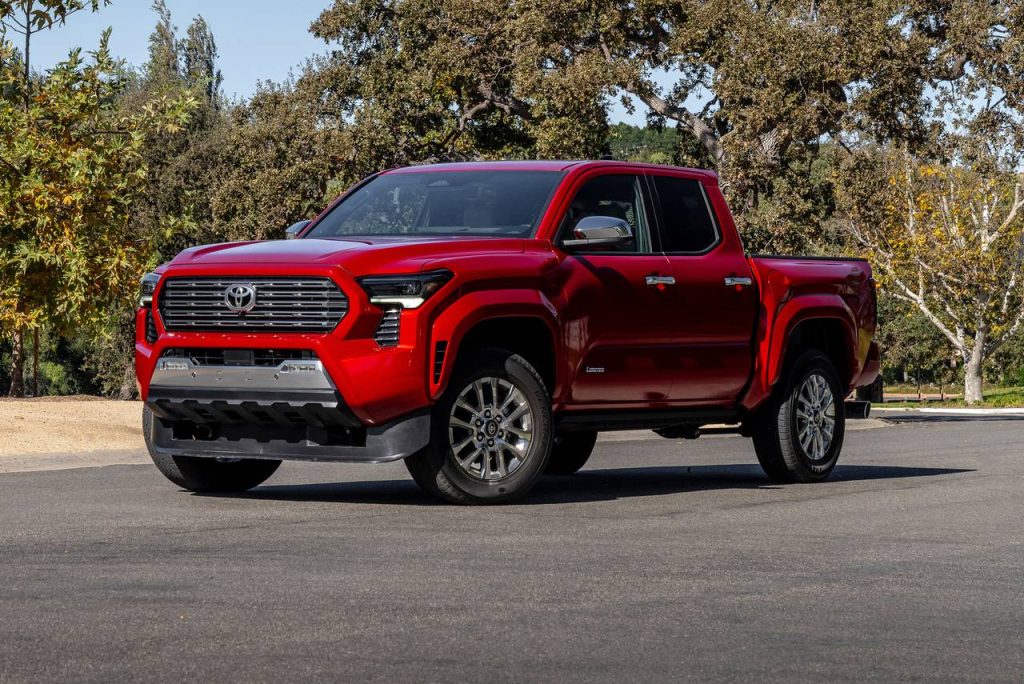
The Toyota Tacoma occupies a unique position in the midsize truck market because it has spent decades building a reputation that extends far beyond specifications and sales numbers.
Many owners purchase a Tacoma not because it is the biggest truck available but because they believe it will deliver years of dependable service in a wide variety of conditions.
Its success against full-size competitors comes from versatility. The truck is compact enough to navigate crowded urban environments yet capable enough to handle demanding recreational activities. Campers, overlanders, contractors, and outdoor enthusiasts all gravitate toward the Tacoma for different reasons.
Recent generations have significantly improved refinement levels. Earlier Tacomas were often criticized for interior comfort and driving dynamics, but newer versions provide a far more modern experience.
Improved seating, enhanced technology, and more sophisticated suspension tuning help the truck appeal to buyers who use it as daily transportation rather than solely as a work vehicle.
Off-road capability remains one of its strongest selling points. Specialized trims such as the TRD Off-Road and TRD Pro deliver terrain-conquering ability that rivals or exceeds many larger trucks. The Tacoma’s relatively compact dimensions become an advantage on narrow trails where full-size pickups can feel cumbersome.
Another factor contributing to its popularity is resale value. Few trucks maintain value as effectively, making ownership costs surprisingly competitive over the long term.
Rather than attempting to outmuscle full-size rivals in every category, the Tacoma succeeds by offering a balanced combination of durability, practicality, and adventure-ready capability. That formula has allowed it to remain one of the segment’s most influential models despite increasingly intense competition.
Specifications
- Engine: 2.4L Turbocharged Inline-4
- Torque: 317 lb-ft
- Horsepower: 278 hp
- Length/Width: 213.0 in / 77.9 in
2. Chevrolet Colorado
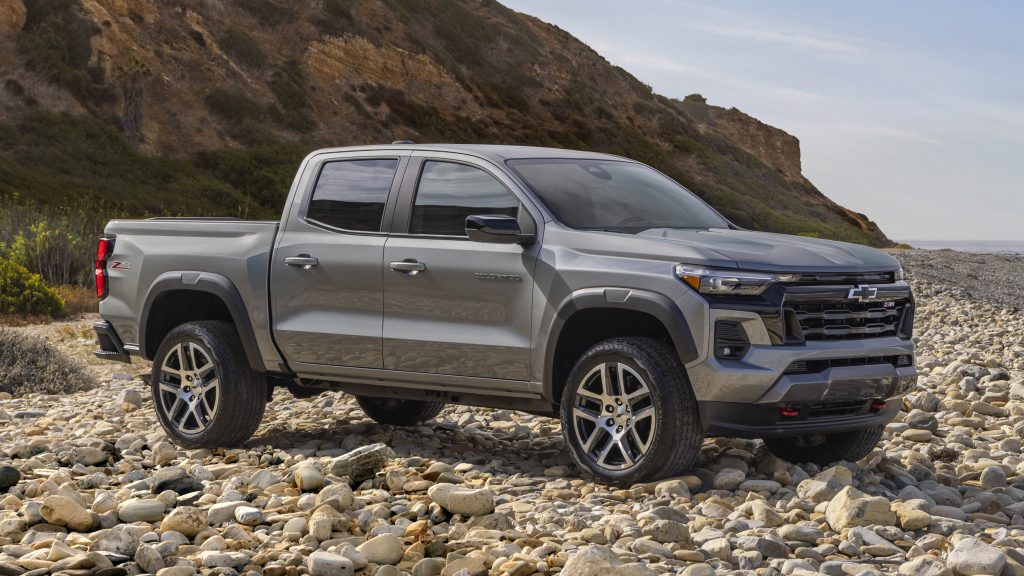
The Chevrolet Colorado demonstrates how dramatically the midsize truck segment has evolved. Earlier generations often played a supporting role to full-size pickups, but the latest Colorado was engineered to stand on its own merits.
Chevrolet positioned the truck as a capable all-around performer rather than a smaller alternative to the Silverado.
One of Colorado’s greatest strengths is the breadth of its lineup. Buyers can choose configurations suited to commuting, towing, recreation, or serious off-road use. This flexibility allows the truck to appeal to a wider audience than many competitors.
Performance plays a major role in its success. The turbocharged engine provides strong torque output, giving the Colorado impressive towing and hauling capabilities for its size. Many owners discover that it can handle the majority of truck-related tasks without requiring the additional bulk of a full-size model.
Chevrolet also focused heavily on technology. Modern infotainment systems, driver-assistance features, and connectivity options help the truck feel contemporary and competitive. The cabin experience differs substantially from older midsize pickups that often prioritized utility over comfort.
Colorado’s off-road credentials further strengthen its position. Variants such as the ZR2 have earned praise for suspension design, trail performance, and rugged engineering. These models attract enthusiasts who might otherwise consider much larger trucks for recreational use.
Perhaps most importantly, Colorado demonstrates that capability does not always require maximum size. It delivers meaningful towing power, practical cargo capacity, and strong everyday usability while remaining easier to maneuver than many half-ton pickups.
That balance has helped Colorado carve out a distinct identity, proving that midsize trucks can compete with full-size rivals by offering efficiency and versatility instead of simply pursuing larger dimensions.
Specifications
- Engine: 2.7L Turbocharged Inline-4
- Torque: 430 lb-ft
- Horsepower: 310 hp
- Length/Width: 213.2 in / 74.9 in
3. Ford Ranger
The Ford Ranger returned to the North American market carrying a considerable burden of expectation. Buyers remembered the original Ranger as a compact, dependable truck that served countless roles, from personal transportation to job-site work.
The modern version faced a different challenge: proving it could compete in a midsize segment that had become far more sophisticated than it was during the Ranger’s earlier years.
Ford approached the task by focusing on capability rather than nostalgia. The current Ranger delivers towing numbers that would have seemed remarkable for a midsize truck not long ago.
This capability allows owners to tow boats, campers, and utility trailers without immediately stepping up to an F-150. For many households, that makes the Ranger a more practical and economical choice.
Another advantage comes from its driving experience. The truck feels smaller and easier to maneuver than a full-size pickup while still offering a commanding view of the road. Drivers who frequently navigate urban environments often appreciate that balance.
The Ranger’s growing popularity has also been fueled by its off-road variants. Models equipped for trail use showcase advanced suspension tuning, terrain-management systems, and durability enhancements designed for demanding conditions. These features help attract adventure-focused buyers who want capability without excessive size.
Ford has also improved interior quality, making the truck more appealing as a daily driver. Modern infotainment technology, digital displays, and driver-assistance systems bring it closer to larger and more expensive trucks.
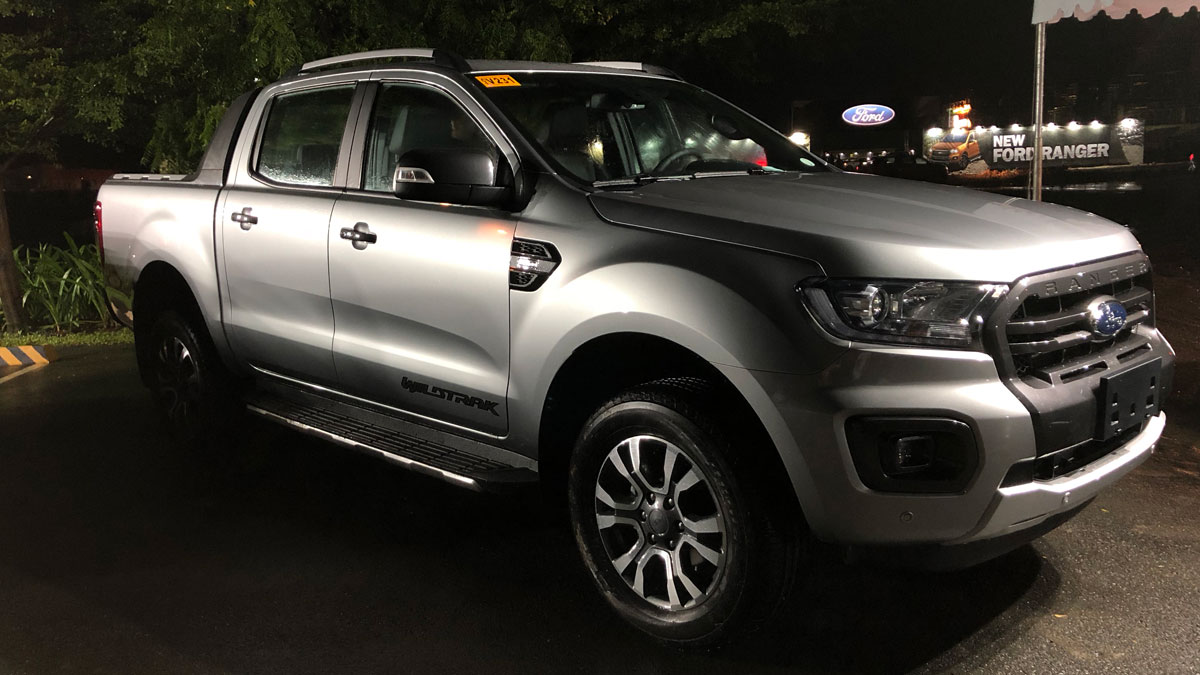
What makes the Ranger especially effective is its ability to occupy the middle ground. It delivers meaningful truck capability while avoiding some of the parking, fuel-consumption, and maneuverability challenges associated with larger pickups.
In doing so, it has successfully established itself as a strong alternative to full-size models rather than simply a scaled-down version of one.
Specifications
- Engine: 2.3L Turbocharged EcoBoost Inline-4
- Torque: 310 lb-ft
- Horsepower: 270 hp
- Length/Width: 210.6 in / 75.5 in
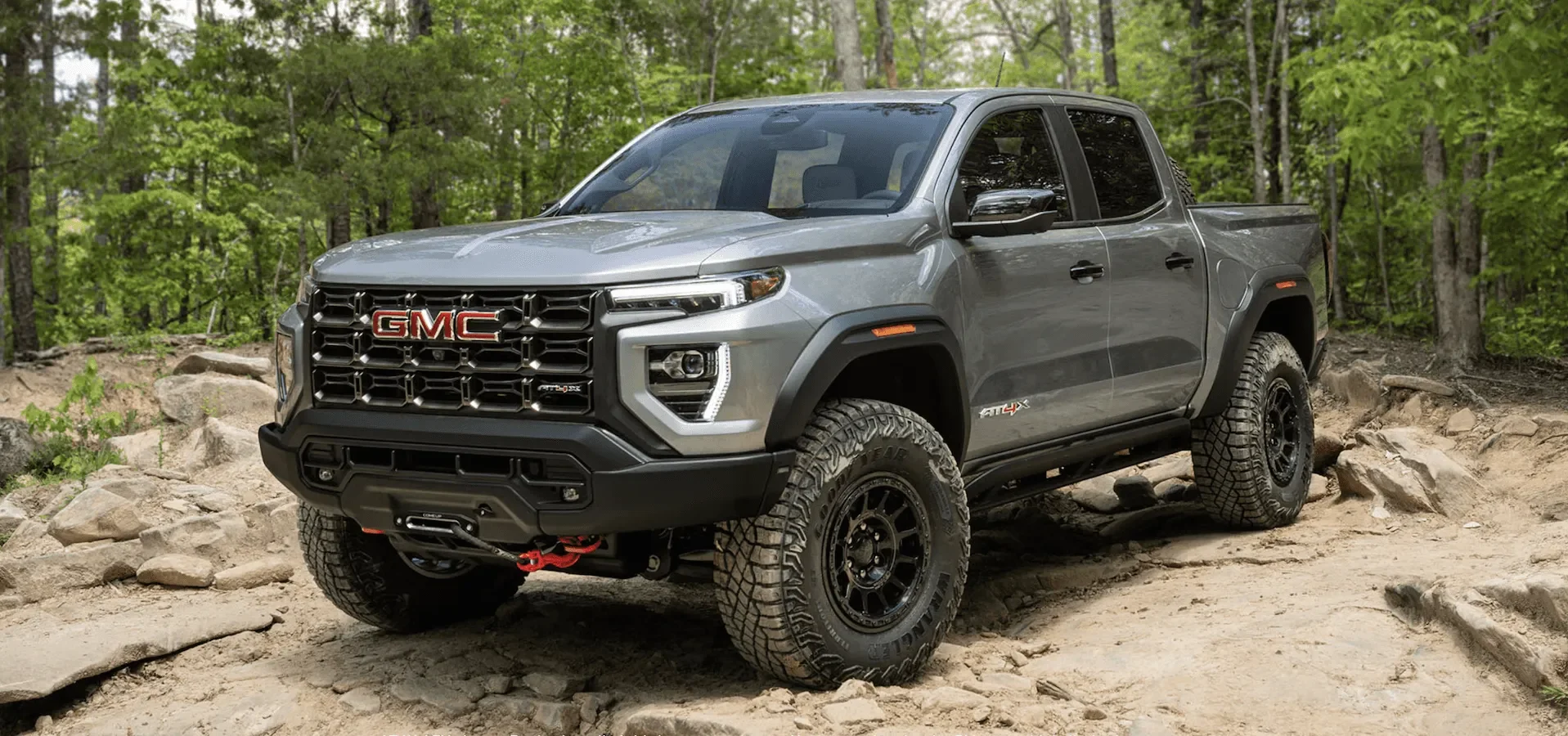
4. GMC Canyon
The GMC Canyon takes a slightly different approach to competing with full-size trucks. Instead of focusing exclusively on ruggedness or value, GMC positions the Canyon as a premium midsize pickup capable of delivering refinement alongside capability.
That strategy has allowed it to attract buyers who want truck utility without sacrificing comfort and technology.
One of the Canyon’s strongest qualities is its upscale presentation. Interior materials, design details, and available features often feel closer to larger premium pickups than traditional midsize trucks. This gives the Canyon a distinct identity within a highly competitive market.
Capability remains central to the package. The truck offers substantial towing capacity, strong torque output, and impressive cargo-hauling abilities. For many owners, these figures are more than sufficient for recreational and professional needs. The Canyon proves that practical performance does not always require the footprint of a full-size pickup.
The truck’s appeal extends beyond paved roads. Off-road-focused versions introduce specialized suspension components, increased ground clearance, and enhanced traction systems. These upgrades transform the Canyon into a capable trail machine while preserving everyday usability.
GMC has also invested heavily in technology integration. Large digital displays, advanced safety systems, and modern connectivity features help distinguish the Canyon from older generations of midsize trucks. Drivers transitioning from crossovers or SUVs often find the learning curve surprisingly small.
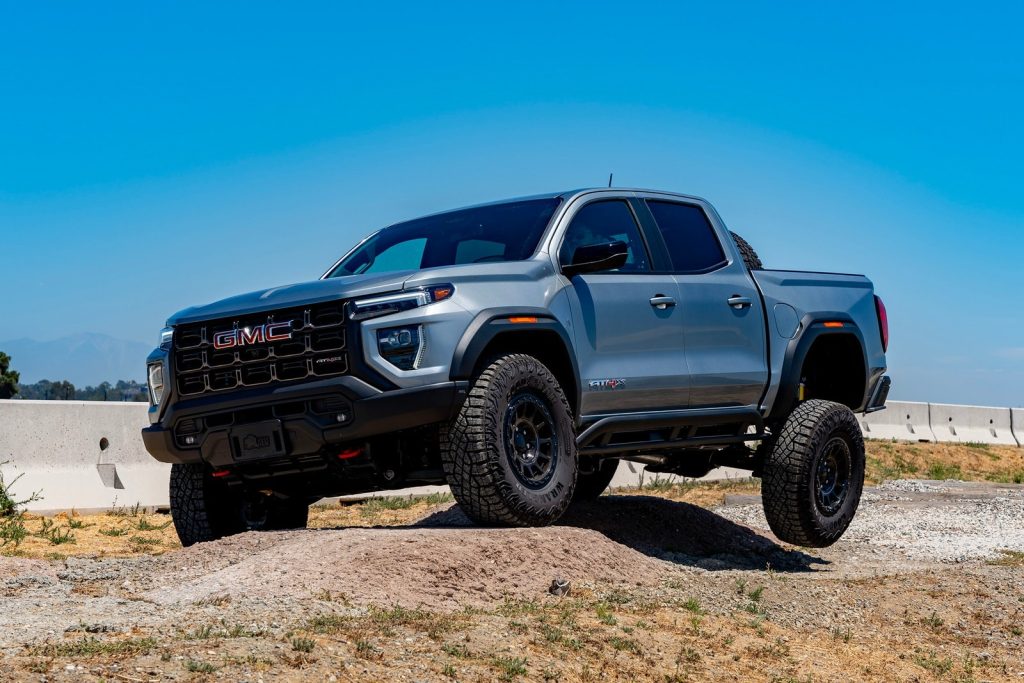
Rather than competing directly with the largest pickups in size, the Canyon competes on efficiency of design. It delivers a substantial portion of the capability buyers expect from a truck while remaining easier to handle in daily life.
That combination has helped it establish a loyal customer base and maintain relevance against larger, more powerful rivals.
Specifications
- Engine: 2.7L Turbocharged Inline-4
- Torque: 430 lb-ft
- Horsepower: 310 hp
- Length/Width: 213.2 in / 74.8 in
5. Nissan Frontier
The Nissan Frontier spent years occupying a unique position in the truck market. For a long time, it relied on an aging platform while competitors introduced new technology and fresh designs. Surprisingly, that simplicity helped cultivate a loyal following.
When Nissan finally introduced a thoroughly modern Frontier, it retained the truck’s rugged character while adding the features buyers expected in a contemporary vehicle.
Instead of chasing headline-grabbing towing figures or luxury-oriented features, the Frontier focuses on straightforward capability.
Many buyers appreciate this approach because it feels authentic. The truck performs traditional pickup duties without unnecessary complexity, making it attractive to customers who prioritize utility above all else.
One of the Frontier’s greatest strengths is its naturally aspirated V6 engine. At a time when many competitors rely heavily on turbocharging, Nissan’s powertrain delivers smooth performance and predictable power delivery. This characteristic appeals to owners who plan to keep their trucks for many years and value mechanical simplicity.
The Frontier also benefits from manageable dimensions. In crowded parking lots, residential neighborhoods, and urban job sites, its size can be a major advantage compared with full-size pickups. Drivers who rarely need maximum towing capacity often discover that the Frontier provides all the capability they realistically use.
Recent updates have improved the truck’s interior environment as well. Enhanced technology, upgraded materials, and modern safety features help it compete with newer rivals while preserving its work-oriented personality.
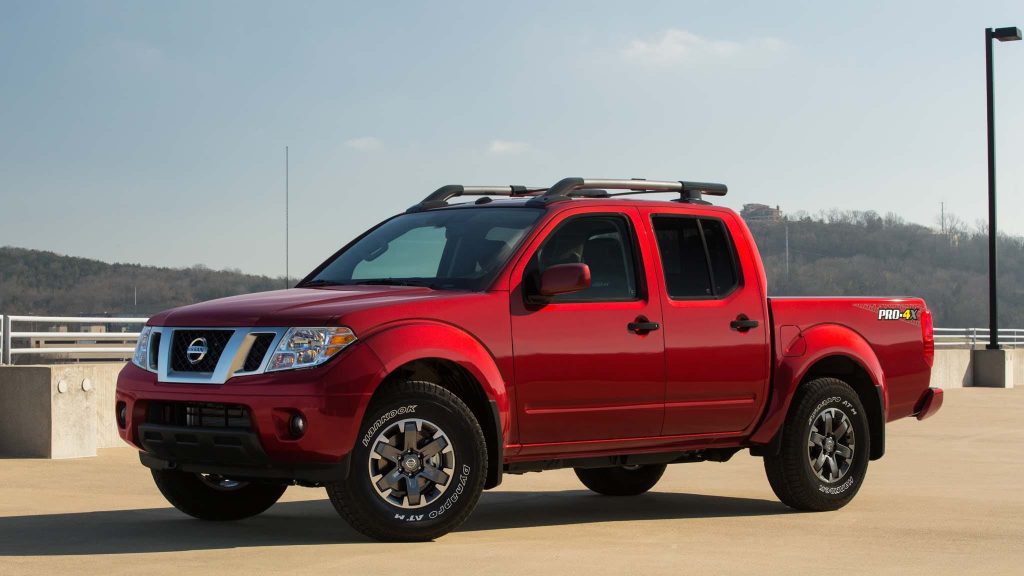
The Frontier succeeds because it does not try to imitate larger trucks. Instead, it offers a distinct ownership experience built around practicality, durability, and everyday usability. That formula continues to attract buyers who want a genuine pickup without the size, complexity, or expense associated with a half-ton truck.
Specifications
- Engine: 3.8L V6
- Torque: 281 lb-ft
- Horsepower: 310 hp
- Length/Width: 210.2 in / 73.0 in
6. Jeep Gladiator
The Jeep Gladiator entered the midsize truck segment with a completely different mission than most competitors. While other trucks focused primarily on towing, hauling, or fuel efficiency, the Gladiator emphasized adventure.
It borrowed heavily from the Wrangler’s off-road heritage and transformed that formula into a pickup capable of reaching destinations many full-size trucks would struggle to access.
Its removable doors and roof immediately separate it from virtually every rival. Buyers seeking open-air driving experiences have few alternatives, giving the Gladiator a unique place within the market. Yet its appeal extends beyond novelty.
The truck offers genuine utility through its cargo bed while retaining the trail capability that has defined Jeep products for decades.
Off-road performance is where the Gladiator truly distinguishes itself. Specialized variants equipped with locking differentials, aggressive tires, upgraded suspension systems, and increased ground clearance can tackle terrain that challenges much larger trucks.
The vehicle’s dimensions become an asset on narrow trails where full-size pickups often feel oversized.
Daily usability has improved considerably as well. Modern infotainment systems, available safety technologies, and more refined interiors have broadened the truck’s appeal beyond hardcore enthusiasts. Many owners use the Gladiator as both a commuter vehicle and a weekend adventure machine.
Its towing capacity may not match that of some larger pickups, but it remains more than adequate for many recreational activities. Campers, small boats, and utility trailers fall comfortably within its capabilities.
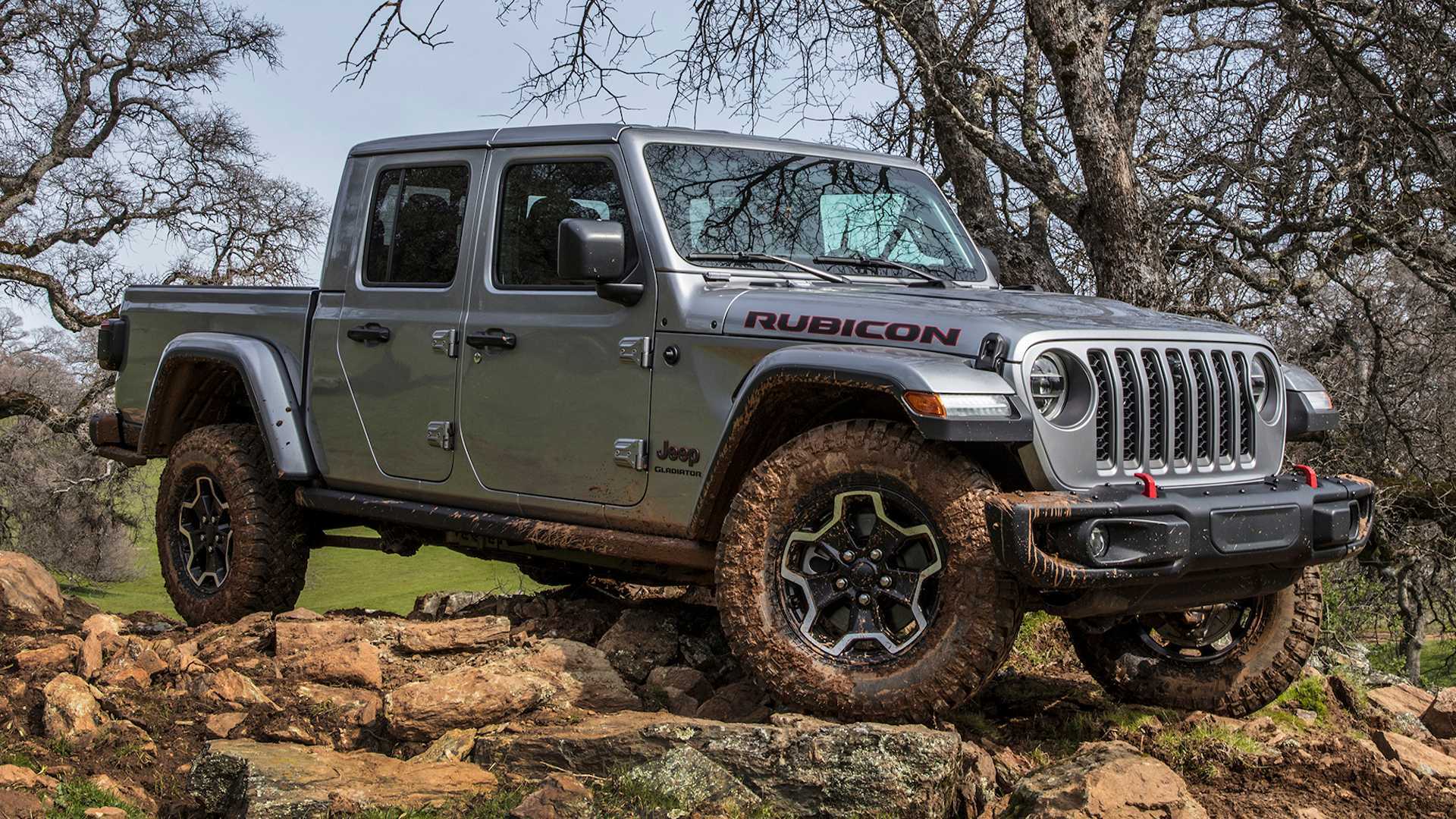
The Gladiator’s success demonstrates that carving out market space does not always require matching full-size trucks pound for pound. By offering an experience unavailable elsewhere, Jeep has created a truck that attracts buyers seeking versatility, freedom, and exceptional off-road capability.
Specifications
- Engine: 3.6L V6
- Torque: 260 lb-ft
- Horsepower: 285 hp
- Length/Width: 218.0 in / 73.8 in
7. Honda Ridgeline
The Honda Ridgeline has always followed its own path. While most midsize trucks emphasize traditional body-on-frame construction, heavy-duty suspension components, and rugged styling, the Ridgeline approaches the segment from a different perspective.
Honda designed it for buyers who need pickup utility but spend most of their time on pavement rather than remote trails or construction sites.
That philosophy has helped the Ridgeline carve out a surprisingly durable niche against both midsize and full-size competitors. Instead of competing directly on maximum towing figures or extreme off-road capability, it focuses on comfort, practicality, and innovative design solutions.
The truck’s unibody construction contributes significantly to its appeal. Ride quality is noticeably smoother than many traditional pickups, making long-distance travel less tiring. Drivers transitioning from SUVs often find the Ridgeline easier to adapt to than more conventional trucks.
Practicality extends beyond the driving experience. The truck bed includes one of the segment’s most creative features: an in-bed trunk that provides secure storage space beneath the cargo floor. Combined with a dual-action tailgate, the design demonstrates Honda’s focus on usability rather than simply increasing dimensions.
Interior comfort further strengthens its position. Spacious seating, intuitive controls, and a quiet cabin make the Ridgeline feel more refined than many buyers expect from a pickup. These characteristics attract customers who want a truck for occasional hauling while maintaining everyday comfort.
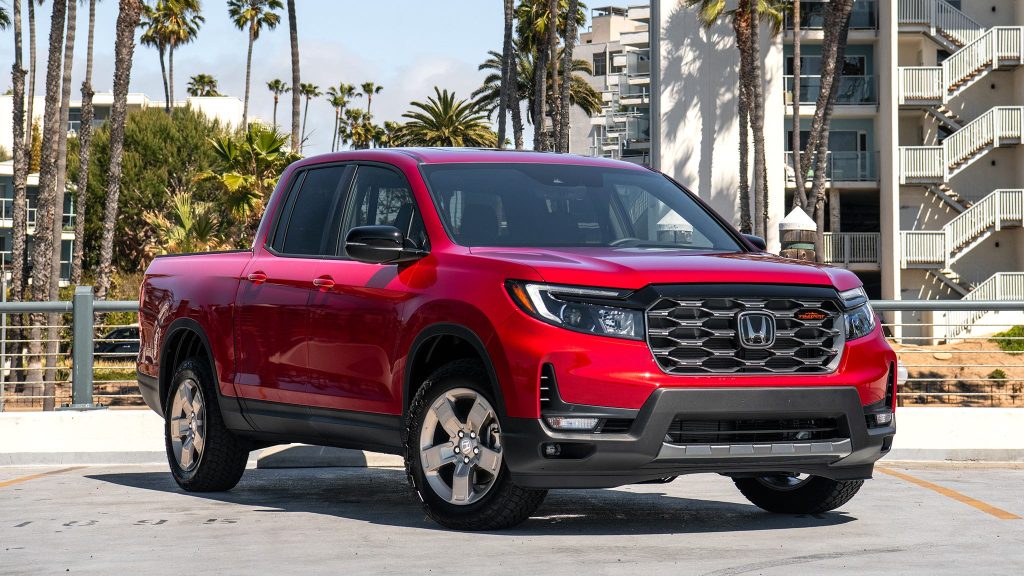
Although it may not satisfy buyers seeking maximum off-road performance, the Ridgeline proves there is more than one way to succeed in the truck market.
By emphasizing convenience, comfort, and intelligent engineering, it has built a loyal customer base and established itself as a credible alternative to larger, more traditional pickups.
Specifications
- Engine: 3.5L V6
- Torque: 262 lb-ft
- Horsepower: 280 hp
- Length/Width: 210.2 in / 78.6 in
8. Chevrolet Colorado ZR2 Bison
Some midsize trucks attempt to match full-size pickups in terms of capability. The Chevrolet Colorado ZR2 Bison takes a different route by targeting specialized buyers who prioritize extreme off-road performance above nearly everything else.
Developed with substantial input from off-road experts, the Bison transforms the already capable Colorado ZR2 into a machine designed for challenging terrain.
What immediately distinguishes the truck is its factory-installed off-road equipment. Heavy-duty skid plates, reinforced protection components, advanced suspension hardware, and specialized tires create a package ready for demanding environments straight from the showroom.
Many full-size trucks require extensive aftermarket modifications to achieve similar levels of trail preparedness.
Its size becomes a strategic advantage once pavement ends. Narrow forest roads, rocky trails, and technical terrain often favor a midsize truck over a larger pickup. The bison’s dimensions allow it to maneuver through obstacles that can become frustrating for full-size vehicles.
Yet the truck is not solely about off-road capability. Chevrolet ensured that it remained practical enough for daily use. Modern technology, comfortable seating, and a well-designed cabin make it suitable for commuting and long-distance travel. Owners can drive it to work during the week and tackle remote backcountry routes on the weekend.
The Bison’s success illustrates how specialization can help a midsize truck stand out. Rather than trying to compete directly with larger trucks on towing numbers or interior volume, it focuses on delivering exceptional capability in environments where size can become a disadvantage.
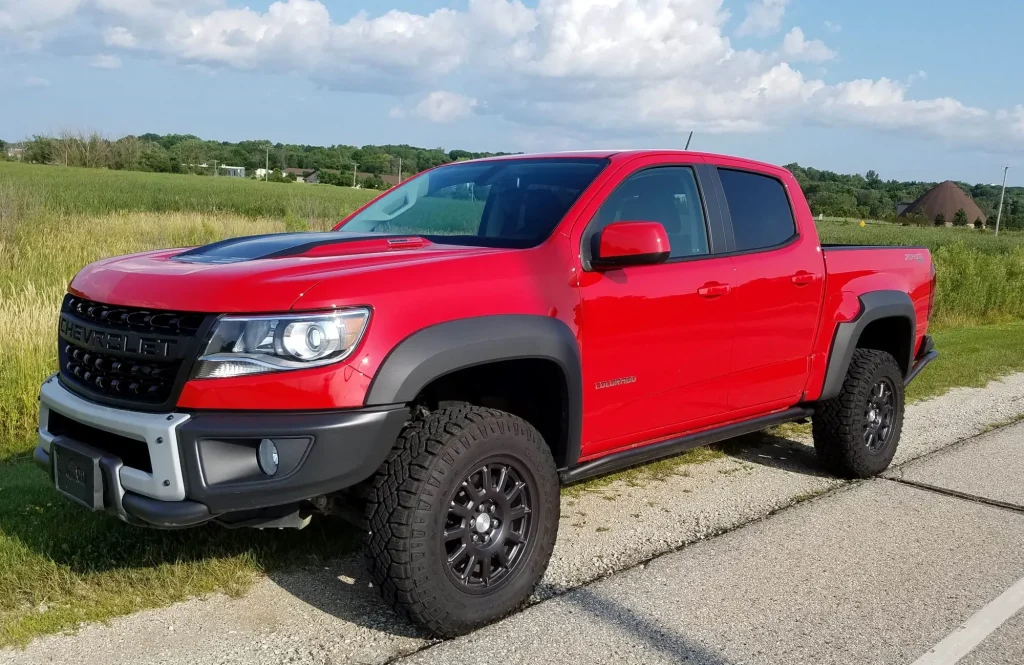
That approach has earned the Colorado ZR2 Bison a dedicated following among enthusiasts who value adventure, durability, and factory-engineered off-road performance.
Specifications
- Engine: 2.7L Turbocharged Inline-4
- Torque: 430 lb-ft
- Horsepower: 310 hp
- Length/Width: 212.7 in / 81.8 in
Also Read: Air-Bag Sensor Recalls That Hit 8 New Car Models In 2026