
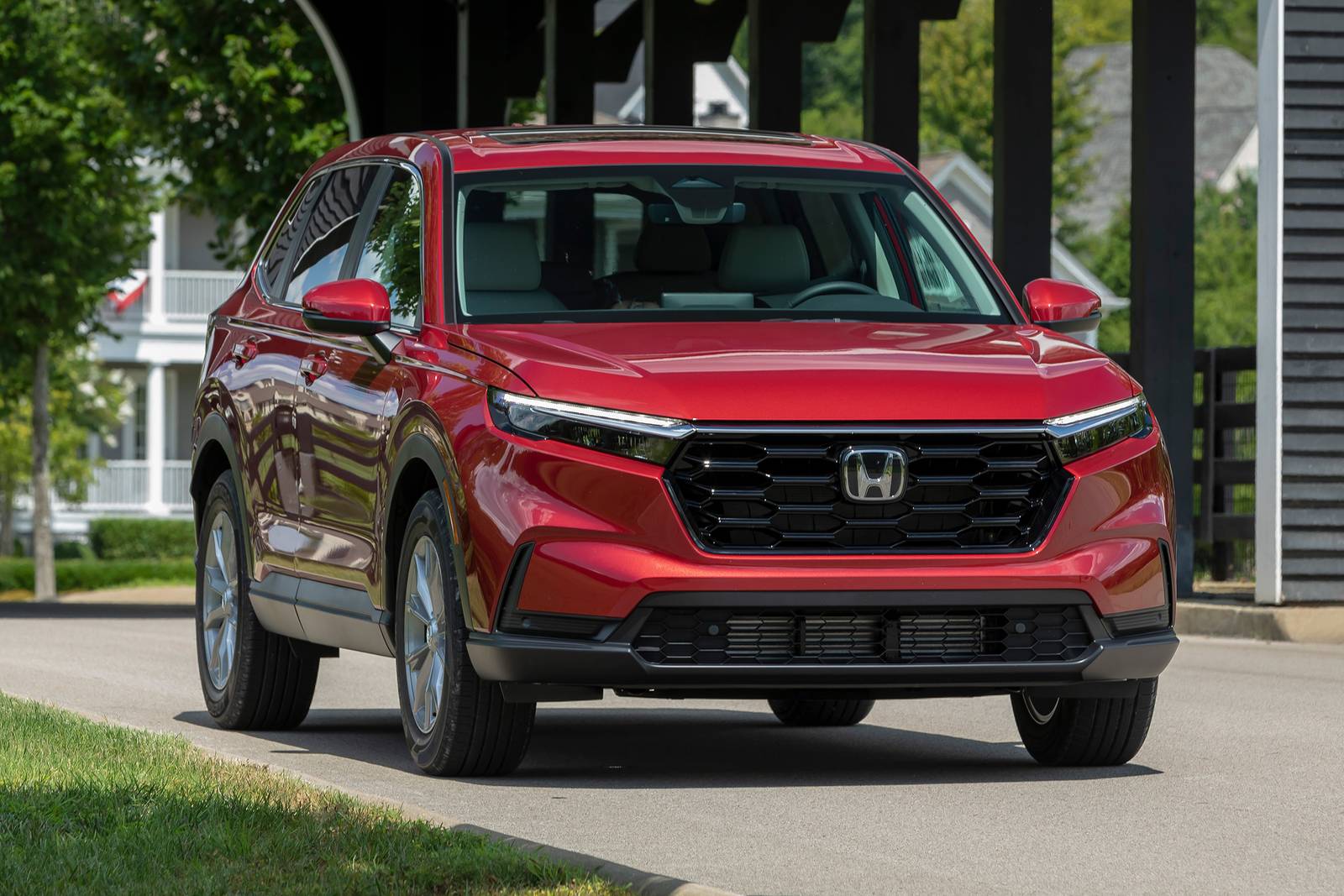
Modern vehicles offer more technology than ever, but a long feature list does not always make a car easier to use. For many senior drivers, the ideal infotainment system handles everyday tasks clearly and quickly.
Changing the radio station, adjusting the cabin temperature, answering a phone call, viewing a map, or checking the backup camera should not require searching through several touchscreen menus. A vehicle that keeps important controls visible and easy to reach can make every trip more comfortable and less distracting.
The best systems for older drivers usually combine a readable display with traditional buttons, knobs, and steering-wheel controls. Physical volume knobs are especially useful because they allow a driver to make quick adjustments without looking away from traffic.
Separate climate-control buttons are also helpful, since heating and air-conditioning settings are used frequently. Clear menu labels, large icons, quick screen responses, and simple voice-command functions can reduce the learning curve for drivers who do not want to spend time studying a manual.
This list focuses on cars and SUVs that offer uncomplicated infotainment layouts, useful physical controls, and familiar cabin designs.
These vehicles are not stripped of modern convenience. Instead, they provide technology in a more practical form, helping senior drivers stay connected while keeping the driving experience calm, clear, and easy to manage.
Also Read: 10 Luxury Sedans Ranked by Number of Luxury Features
1. Toyota Camry
The Toyota Camry is a strong choice for senior drivers who prefer technology that feels familiar rather than intimidating. Its dashboard is arranged in a clean, conventional manner, with the central display positioned high enough for glances.
Toyota avoids placing every important function inside the touchscreen, which makes the Camry less frustrating than many newer sedans that rely heavily on screen-based controls.
A physical volume knob is one of the Camry’s most useful features. Rather than tapping a small on-screen symbol several times, the driver can turn a clearly marked knob while keeping attention on the road.
Radio controls, phone functions, and audio adjustments are also supported through steering-wheel buttons. This means a driver can change stations, answer calls, or adjust sound settings without reaching across the dashboard.
The climate controls are another advantage. Temperature and fan settings are handled through clearly labeled controls below the screen, so there is no need to enter a separate digital menu simply to make the cabin warmer or cooler.
For drivers who wear glasses or find small touchscreen text difficult to read, this separation can make daily use much easier.
Toyota’s multimedia interface also supports smartphone connection features, allowing drivers to use familiar phone-based navigation and music apps.
The backup camera display is large and easy to understand, while the screen layout keeps key information from feeling crowded. The Camry is especially suitable for drivers who want a modern car without a dashboard that feels like a tablet computer.
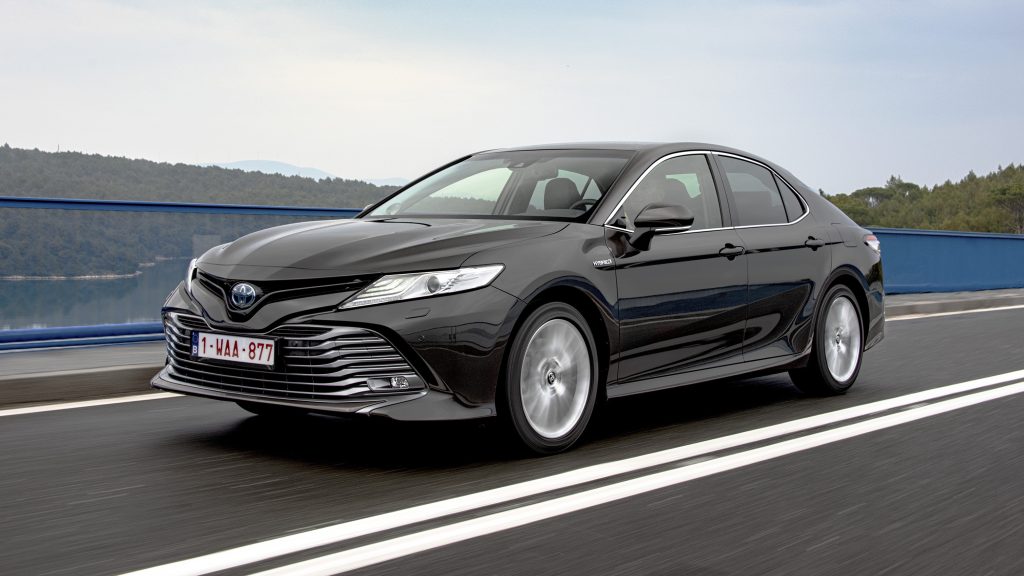
Its hybrid powertrain adds another layer of convenience because it delivers strong fuel economy without requiring plug-in charging. The Camry’s simple controls, quiet driving character, and easy-to-read infotainment arrangement make it a sensible sedan for seniors who value comfort and straightforward operation.
- Engine: 2.5-liter four-cylinder hybrid engine
- Torque: 163 lb-ft
- Horsepower: 225 hp in front-wheel-drive models
- Length/Width: 193.5 inches / 72.4 inches
2. Subaru Forester
A senior driver entering the Subaru Forester will immediately notice that its cabin favors practical controls over a complicated digital-first layout. The Forester uses a tall seating position, large windows, and a dashboard design that makes important functions easy to locate.
That same practical approach carries into the infotainment system, making this SUV a good fit for drivers who do not want to depend on touchscreen menus for every small adjustment.
The central touchscreen is placed within easy view, but Subaru keeps physical controls nearby for the functions people use most often. Volume and tuning knobs remain available, giving drivers a direct way to control audio settings.
This is particularly helpful during a drive when changing a radio station or lowering the volume should take one quick movement instead of several taps on a screen.
Below the display, the Forester provides separate climate-control knobs and buttons. The arrangement is easy to understand because the temperature, fan speed, and airflow settings are clearly marked.
A driver does not need to remember a sequence of touchscreen commands to operate the heating or air conditioning. That can be valuable during cold mornings, rainy days, or long summer drives when cabin comfort needs to be adjusted quickly.
The Forester also has steering-wheel buttons for audio, phone calls, and driver-information functions. Its voice-command capability can help with selected tasks, but drivers are not forced to use voice controls if they prefer traditional buttons.
Smartphone integration is available for those who want navigation through a familiar app, while the backup camera gives a useful view when parking.
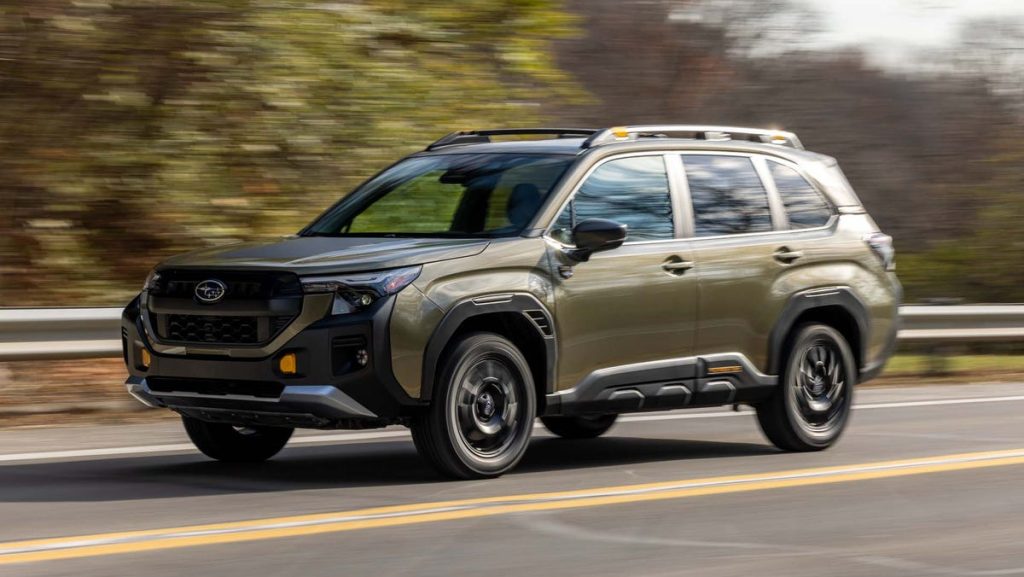
Unlike some compact SUVs that place many settings in layered digital menus, the Forester keeps the driving environment approachable. Its upright cabin, simple controls, and readable display create a relaxed experience.
For senior drivers who want an SUV with easy visibility and infotainment that does not demand constant attention, the Forester remains one of the more user-friendly choices.
- Engine: 2.5-liter horizontally opposed four-cylinder engine
- Torque: 178 lb-ft
- Horsepower: 180 hp
- Length/Width: 183.3 inches / 72.0 inches
3. Honda CR-V
The Honda CR-V suits senior drivers who want an infotainment system that does not feel crowded or difficult to learn. Its dashboard has a clean horizontal layout, and the central display is positioned where it can be checked with a brief glance.
Honda combines a modern touchscreen with familiar controls, giving drivers more than one way to manage common functions.
One of the most helpful details is the physical volume knob. This simple feature can be more useful than it sounds because it allows the driver to lower the music or adjust the radio volume immediately.
The CR-V also includes steering-wheel controls for audio, calls, and driver information. These buttons are clearly arranged, reducing the need to reach toward the center of the dashboard while driving.
The climate-control system is separate from the infotainment screen. Temperature, fan speed, and airflow settings are handled through physical knobs and buttons located below the display.
That arrangement is practical for a driver who wants to warm the cabin or switch on the defroster without searching through digital menus. Large labels and a straightforward layout help make the controls easier to understand at first use.
Honda’s system supports smartphone connectivity, which can be useful for drivers who already know how to use navigation on their phone. The backup camera view is clear, and the screen is not overloaded with unnecessary graphics.
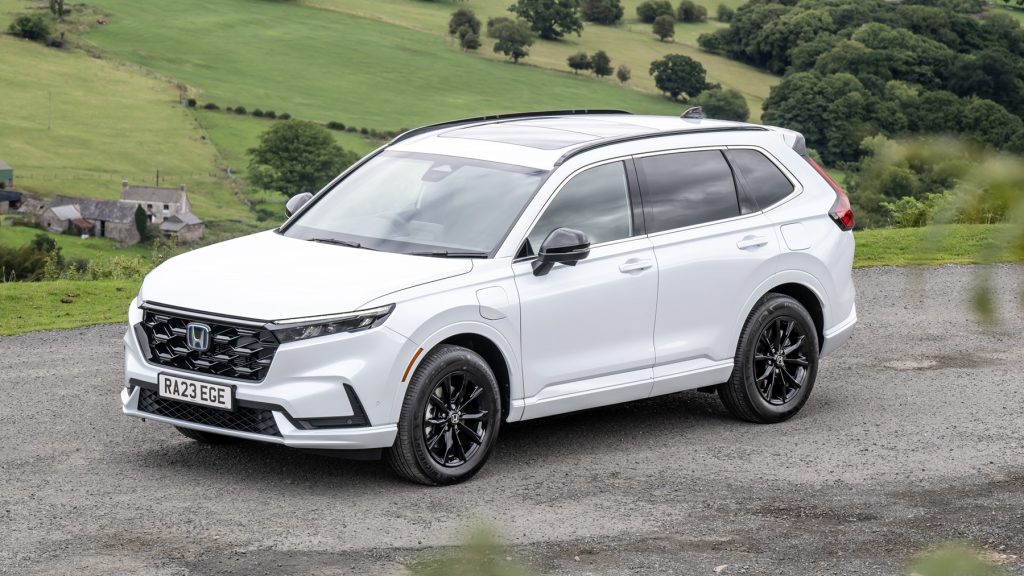
The CR-V also provides a comfortable seating position and wide door openings, which can make entering and exiting easier for older owners. Its cabin technology feels modern while still keeping routine tasks simple.
- Engine: 1.5-liter turbocharged four-cylinder engine
- Torque: 179 lb-ft
- Horsepower: 190 hp
- Length/Width: 184.8 inches / 73.5 inches
4. Kia Soul
The Kia Soul takes a different approach from a traditional SUV, but its tall shape and uncomplicated cabin can be especially appealing for senior drivers.
The infotainment screen is mounted high on the dashboard, making it easier to see without lowering the eyes too far from the road. Its square, upright design also gives the interior an open feeling, which helps the controls appear less crowded.
Kia keeps several important functions outside the touchscreen. A volume knob and tuning knob sit beside the display, allowing drivers to make quick radio adjustments with a familiar motion.
This can be far easier than relying on small-screen icons, especially when driving on rough roads or wearing gloves during colder weather. The steering wheel also includes buttons for phone calls, audio settings, and selected information functions.
The climate-control panel is placed directly below the infotainment display. Its buttons and dials are clearly separated from the screen, so the driver does not have to switch between multiple menus just to change cabin temperature. The controls are easy to identify, and their placement makes them reachable without stretching forward.
Another advantage is the Soul’s simple smartphone integration. Drivers can connect a compatible phone for maps, music, and hands-free calls, but the vehicle does not force them to use complicated connected services.
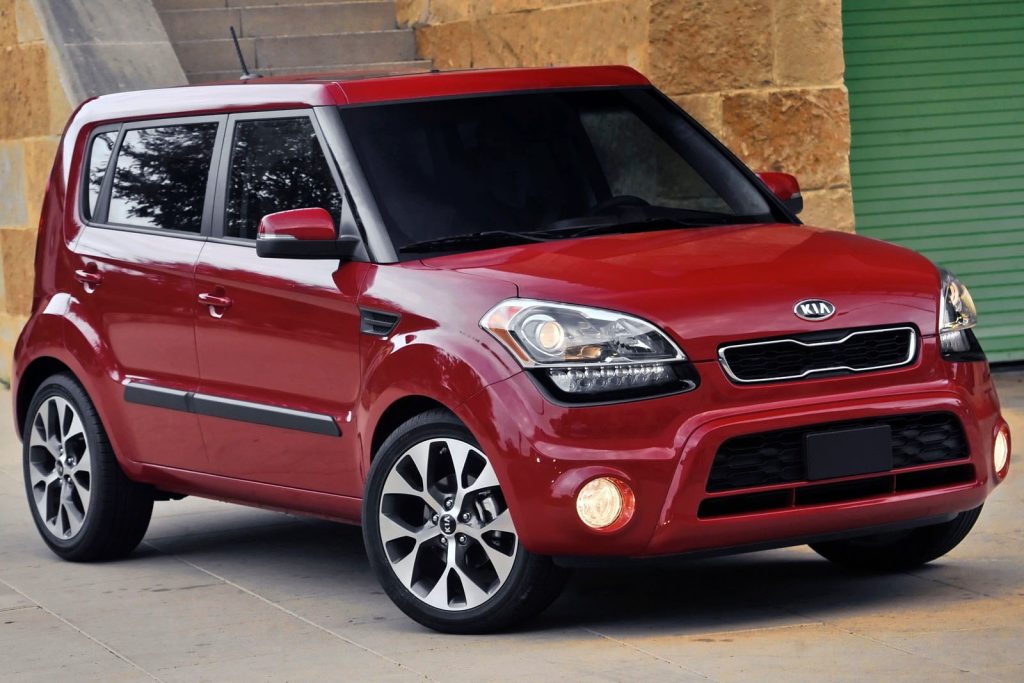
The backup camera display helps with parking, while the compact exterior size can make the Soul less stressful to maneuver in tight shopping-center spaces. For seniors who prefer a small vehicle with a high seating position and easy dashboard controls, the Kia Soul offers a refreshingly direct setup.
- Engine: 2.0-liter four-cylinder engine
- Torque: 132 lb-ft
- Horsepower: 147 hp
- Length/Width: 165.2 inches / 70.9 inches
5. Hyundai Tucson
The Hyundai Tucson offers a useful balance between modern features and a dashboard that remains easy to understand. Its infotainment screen is large enough for maps and camera views to be seen clearly, yet the cabin does not feel overloaded with tiny icons or complicated information.
Senior drivers who prefer a calm, organized interior may appreciate the Tucson’s wide dashboard layout and clearly separated control areas.
Rather than making the screen the only point of interaction, Hyundai provides steering-wheel controls that handle commonly used functions such as audio volume, phone calls, and menu selection.
These controls allow the driver to keep both hands closer to the wheel during a trip. The screen also supports smartphone connectivity, which is helpful for drivers who already use familiar navigation apps on their phones.
Tucson’s climate-control panel is placed below the central display and uses large, clearly marked touch-sensitive controls. While some drivers may prefer traditional knobs, the controls are arranged in a simple horizontal row and are easier to understand than a climate system hidden within several screen menus.
The cabin also uses a clean design with fewer unnecessary buttons, making it easier to remember where each function is located.
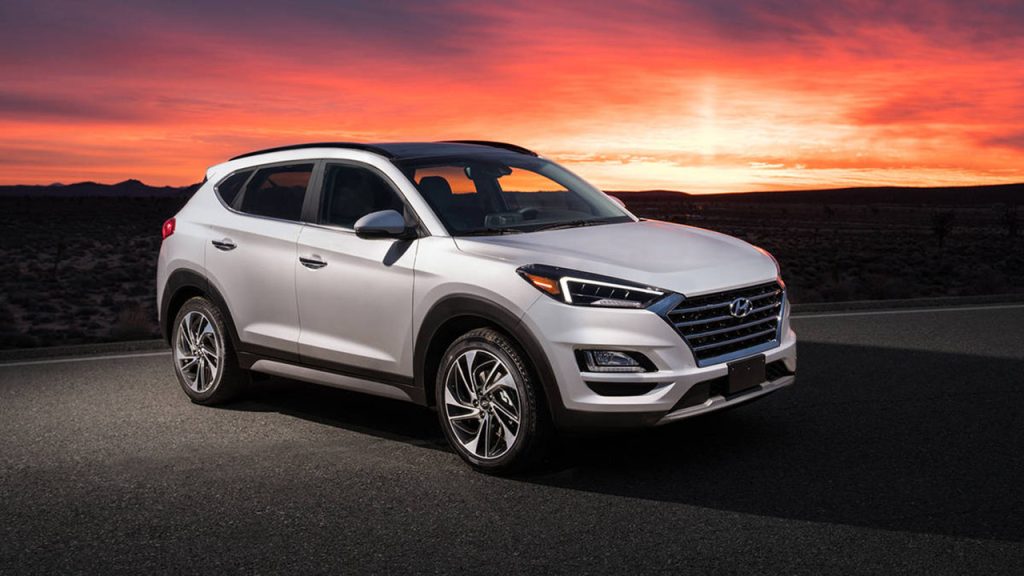
Parking can be less stressful because the rearview camera image is displayed prominently on the screen. The Tucson’s seating position provides a good forward view, and its wide-opening doors can make getting in and out more convenient.
It is a practical option for drivers who want current technology but do not want a cabin filled with confusing layers of settings.
- Engine: 2.5-liter four-cylinder engine
- Torque: 178 lb-ft
- Horsepower: 187 hp
- Length/Width: 182.7 inches / 73.4 inches
6. Nissan Rogue
The Nissan Rogue is designed around the kind of controls that can be learned quickly. Instead of presenting the driver with a busy dashboard, it uses a central screen surrounded by familiar buttons and a physical volume knob.
This arrangement is valuable for senior drivers because the most frequent adjustments can be made through touch and feel rather than by studying the display.
Its infotainment system is straightforward when handling daily needs. The home screen uses recognizable icons for audio, phone connection, navigation, and settings.
A driver can connect a smartphone for maps or music, but the Rogue’s own menus remain understandable even for someone who prefers not to use many connected features. The screen is positioned high on the dashboard, helping the driver check directions or the camera view with a short glance.
Nissan also places climate controls in their own area below the display. Temperature adjustments, fan speed, and defrost settings do not require opening a touchscreen page. This is especially convenient when the weather changes suddenly, and the driver needs to clear the windshield or cool the cabin without distraction.
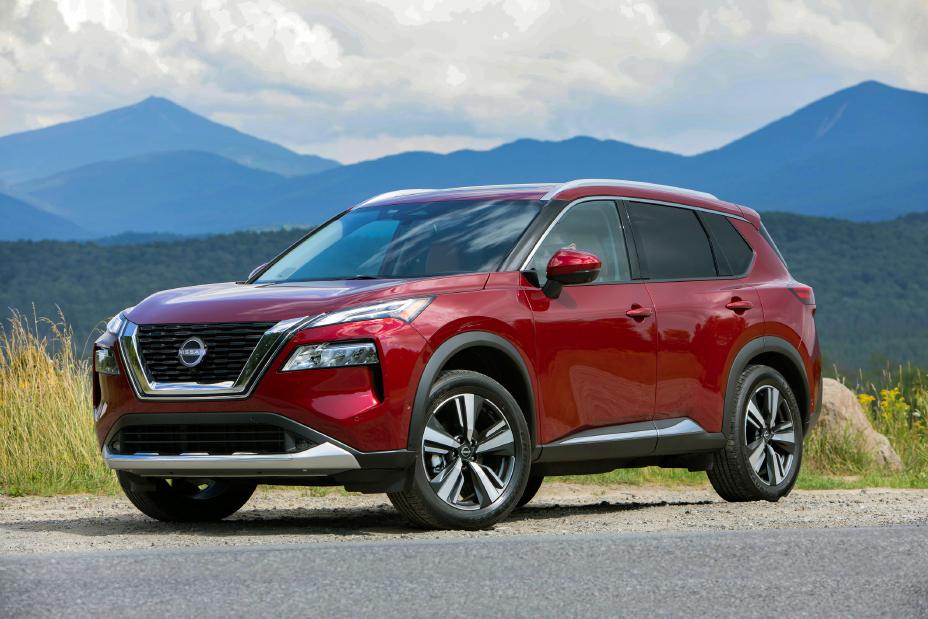
The Rogue uses well-marked steering-wheel buttons for calls, volume, cruise-control functions, and driver information. Its backup camera is easy to use, and higher trims can add parking assistance features for extra confidence.
The SUV’s upright seating position and accessible controls give it a reassuring feel. For seniors who want a compact SUV that keeps infotainment tasks simple and visible, the Nissan Rogue is a comfortable and sensible choice.
- Engine: 1.5-liter turbocharged three-cylinder engine
- Torque: 225 lb-ft
- Horsepower: 201 hp
- Length/Width: 183.0 inches / 72.4 inches
7. Toyota RAV4
The Toyota RAV4 is well-suited to senior drivers who want a familiar SUV layout without an overly complicated digital system. Its infotainment display is designed to present important information in a clear format, while the dashboard keeps frequently used controls within easy reach.
The screen can handle navigation, phone calls, music, and camera functions, but the cabin still gives drivers physical controls for several daily tasks.
A volume knob is placed beside the display, allowing quick sound adjustments without needing to search for an icon.
The steering wheel also includes buttons for audio, phone calls, voice commands, and driver-information settings. These controls can be useful for a driver who wants to make a simple adjustment while keeping attention focused ahead.
Toyota separates the climate-control system from the touchscreen. The temperature, fan speed, and windshield defrost settings are controlled through dedicated buttons and dials below the display.
This layout is especially practical because drivers can change cabin comfort settings without interrupting the map or radio screen. The labels are easy to identify, and the controls have a traditional feel that many long-time drivers prefer.
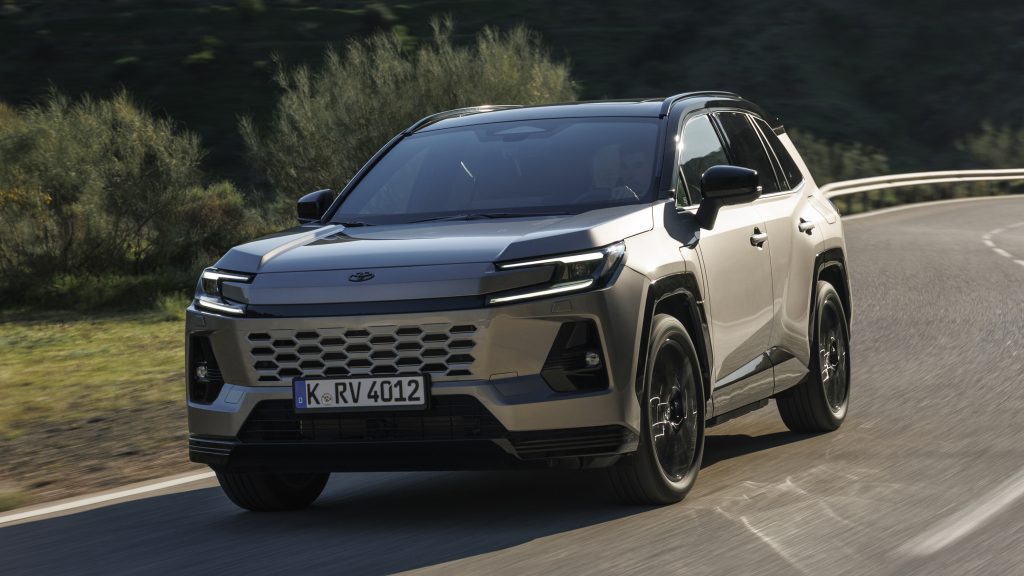
Smartphone integration is available for people who use phone-based maps, but the RAV4 does not require drivers to rely on those features. Its rearview camera provides a useful image when reversing into a driveway or parking space.
The SUV also has an upright seating position and a practical cabin design that makes controls easier to see. For seniors who want modern convenience without a difficult learning curve, the RAV4 remains a dependable option.
- Engine: 2.5-liter four-cylinder hybrid engine
- Torque: 163 lb-ft
- Horsepower: 226 hp in front-wheel-drive models
- Length/Width: 181.1 inches / 73.0 inches
8. Mazda CX-5
The Mazda CX-5 offers a more traditional way of operating infotainment than many compact SUVs. Instead of requiring the driver to touch the screen constantly, Mazda uses a rotary controller on the center console.
This large dial can be turned and pressed to move through menus, which may feel easier for senior drivers who prefer a physical control that can be used without reaching toward the dashboard.
The controller is placed close to the gear selector, allowing the driver to rest an arm comfortably while changing audio settings or moving through menu options.
Nearby buttons provide direct access to commonly used functions, including home, navigation, audio, and favorites. This arrangement can reduce distraction because the driver does not have to stretch forward and tap several small touchscreen icons.
Mazda also includes a physical volume knob near the controller. The knob is easy to reach and gives drivers a simple way to adjust sound levels. Steering-wheel controls add another convenient option for answering calls, changing music, or using voice commands.
The display is positioned high on the dashboard, which helps keep map directions and camera views closer to the driver’s natural line of sight.
The CX-5 uses separate physical controls for cabin temperature, fan speed, and seat heating functions. These controls are clearly marked and do not require the driver to enter an infotainment menu.
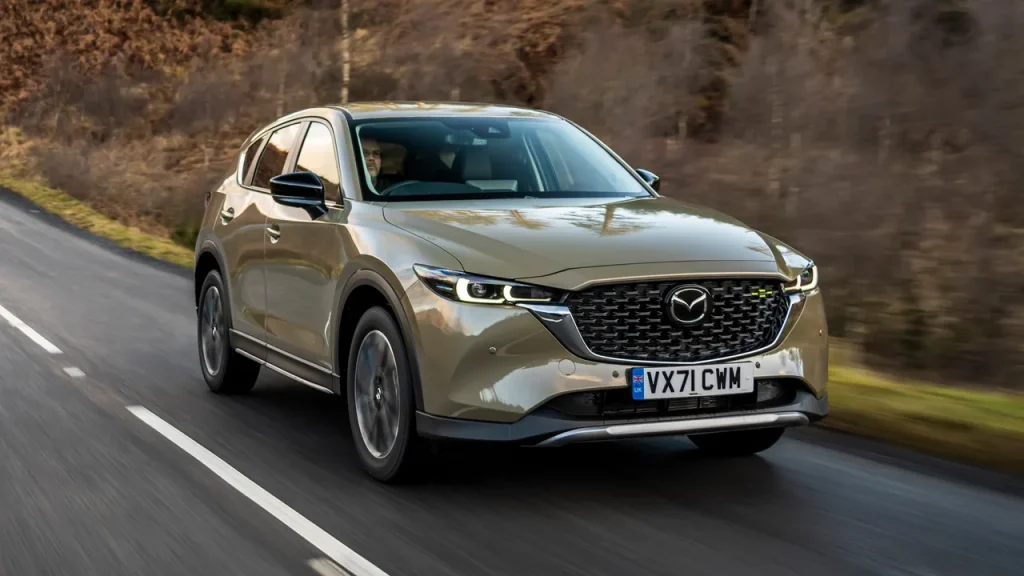
Its upscale cabin design may look refined, but the control layout remains approachable. Senior drivers who dislike large touchscreen-heavy dashboards may appreciate the CX-5 because it keeps many routine tasks connected to real buttons, knobs, and a simple central dial.
- Engine: 2.5-liter four-cylinder engine
- Torque: 186 lb-ft
- Horsepower: 187 hp
- Length/Width: 184.6 inches / 73.2 inches
9. Buick Encore GX
The Buick Encore GX gives senior drivers a compact SUV with a dashboard that feels orderly rather than overly technical. Its infotainment screen is mounted in the center of the dash at a comfortable height, allowing the driver to see audio information, phone calls, navigation prompts, and the backup camera without looking too far downward.
The screen is easy to reach, but Buick also retains useful physical controls that reduce dependence on touch inputs.
A large volume knob is positioned beside the display, and nearby buttons provide quick access to basic audio functions. This is helpful for drivers who prefer direct controls instead of scrolling through menus.
The steering wheel adds another layer of convenience with buttons for volume, calls, voice commands, and driver-information settings. These controls are arranged in a way that makes routine tasks easier to manage during a drive.
The climate-control system is kept separate from the infotainment display. Temperature settings, fan speed, airflow direction, and windshield defrost functions are handled through clearly marked buttons and knobs below the screen.
A driver can make a quick adjustment without losing the navigation screen or opening a settings page. This simple separation is one of the Encore GX’s strongest practical features.
Smartphone connectivity is available for drivers who want to use familiar map or music apps, while the standard system remains uncomplicated for those who prefer radio and hands-free calling.
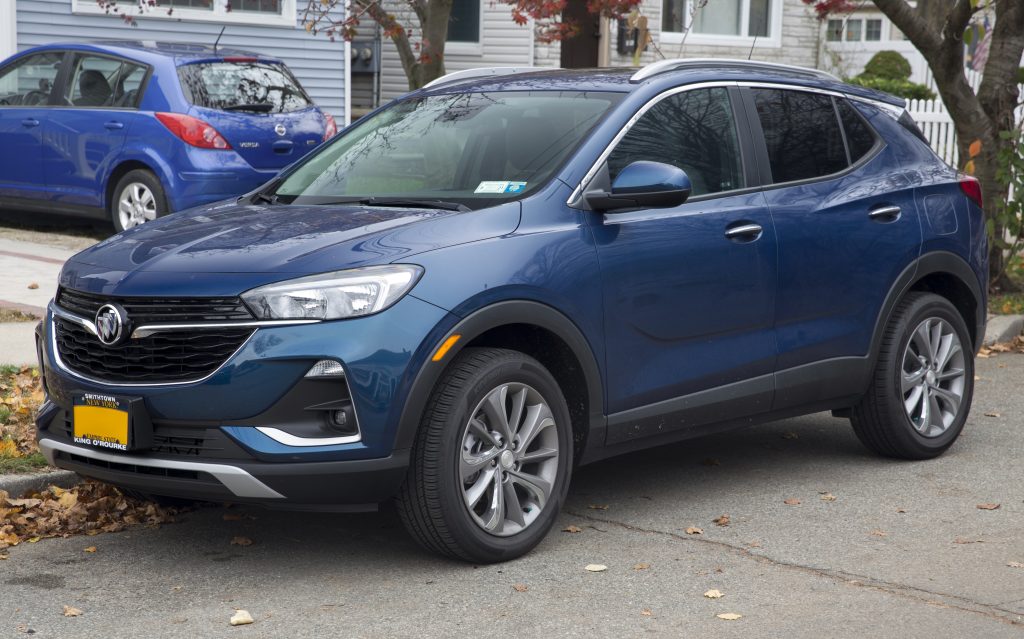
The rearview camera image is clear, which can help when backing into a garage or parking near a curb. With its manageable size, upgraded seating position, and straightforward dashboard layout, the Encore GX can be an appealing choice for seniors who want an easy-to-use small SUV.
- Engine: 1.3-liter turbocharged three-cylinder engine
- Torque: 162 lb-ft
- Horsepower: 155 hp
- Length/Width: 171.2 inches / 71.4 inches
10. Honda Accord
The Honda Accord provides a sedan experience that keeps important technology easy to understand. Its central infotainment display is wide, clear, and placed high on the dashboard, making it easier for a driver to glance at directions, audio information, or the rearview camera.
Although the Accord includes modern connectivity features, its cabin does not force the driver to learn a complicated digital control system for simple daily functions.
The layout is particularly useful because Honda retains a physical volume knob. Adjusting the radio or lowering the music during a phone call can be done quickly with one hand. Steering-wheel controls also make common tasks more convenient.
A driver can answer a call, change audio tracks, adjust volume, or use voice commands without reaching toward the center screen.
Below the display, the Accord uses dedicated climate controls that are separate from the infotainment interface. The driver can change temperature settings, adjust the fan, or activate the defroster without leaving the current screen.
This familiar arrangement can be easier for senior drivers who prefer controls that are visible at a glance and do not require remembering several digital steps.
The infotainment system supports smartphone integration for drivers who want access to phone-based navigation and music. At the same time, the system is simple enough for someone who only wants radio, Bluetooth calling, and a backup camera.
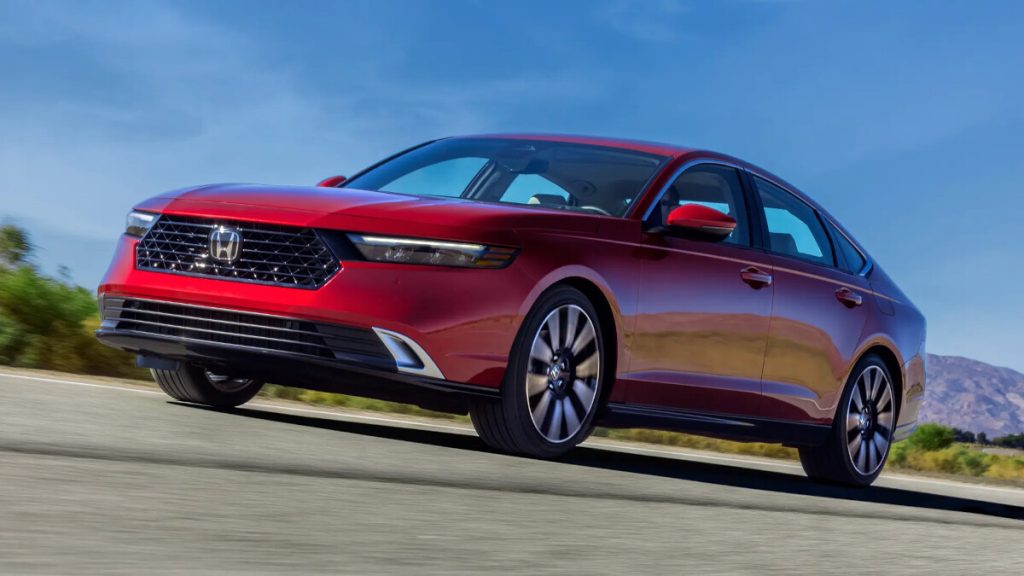
The Accord’s quiet cabin can also make spoken directions and phone conversations easier to hear. Its comfortable seats, wide doors, and practical dashboard design add to its appeal. For seniors who prefer a midsize sedan with easy controls and a calm driving environment, the Honda Accord remains a very strong option.
- Engine: 1.5-liter turbocharged four-cylinder engine
- Torque: 192 lb-ft
- Horsepower: 192 hp
- Length/Width: 195.7 inches / 73.3 inches
Also Read: 10 SUVs Ranked by Number of Luxury Features
