
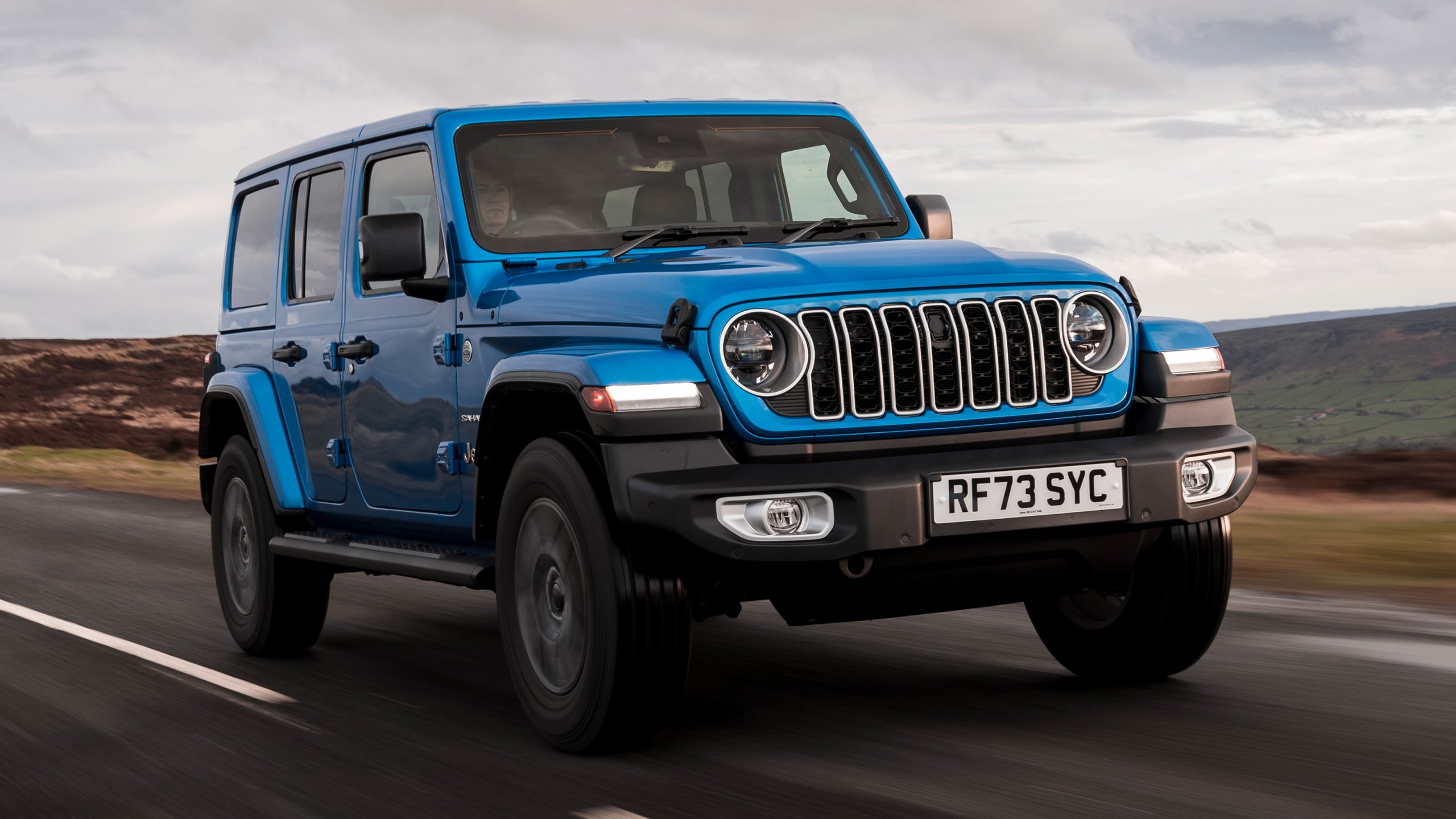
The Jeep Wrangler is one of the few vehicles that have managed to remain true to their roots while continuously adapting to changing times. Few nameplates have developed such a devoted following, and even fewer have maintained a recognizable identity across decades of production.
From rugged trail machines designed for hardcore off-road enthusiasts to modern versions packed with advanced technology and comfort features, every Wrangler generation has contributed something unique to the vehicle’s legacy.
Ranking Wrangler generations is not always straightforward because different buyers value different qualities. Some enthusiasts prioritize mechanical simplicity and durability. Others appreciate modern safety systems, improved ride quality, and greater daily usability.
Certain versions became icons because of their historical significance, while others pushed the boundaries of what a Wrangler could be through innovative engineering and powerful new drivetrains.
Throughout its history, the Wrangler has remained committed to features that define the Jeep experience. Removable doors, open-air driving, solid axles, and exceptional off-road capability have survived generation after generation.
At the same time, Jeep has gradually refined the formula, making the vehicle more comfortable, more versatile, and more appealing to a wider audience.
This ranking considers capability, reliability, innovation, influence, enthusiast appeal, and long-term significance. Every Wrangler on this list deserves recognition for helping shape the vehicle’s reputation, but some stand out more than others.
From the pioneering YJ to the V8-powered Rubicon 392, these are the Jeep Wrangler generations and major variants ranked from lowest to highest.
Also Read: 10 Most Reliable Trucks Of The Last Decade – RANKED
8. Jeep Wrangler YJ (1987-1995)
When the Wrangler YJ debuted for the 1987 model year, it faced the difficult task of replacing the beloved CJ series. Jeep needed to modernize its off-road icon without alienating loyal enthusiasts who valued its rugged character. The result was a vehicle that successfully carried the Jeep spirit forward, though not without controversy.
The YJ’s most recognizable feature was its rectangular headlights. This styling decision immediately divided Jeep fans because round headlights had become a defining characteristic of previous models. Even today, the YJ remains the only Wrangler generation to feature square lights, making it instantly recognizable.
Beyond the styling debate, the YJ delivered meaningful improvements. Jeep widened the leaf springs and revised suspension tuning to provide a smoother ride than the CJ. Handling became more predictable on paved roads, helping broaden the vehicle’s appeal beyond dedicated off-road enthusiasts.
Durability remained one of its strongest attributes. The available 4.0-liter inline-six engine developed a reputation for reliability and longevity. Many examples remain on the road decades after production ended, a testament to the vehicle’s robust mechanical design.
However, the YJ ranks last because later Wranglers dramatically improved comfort, articulation, safety, and everyday usability. Its leaf-spring suspension limited off-road flexibility compared with coil-spring successors, while the cabin remained basic even by late-1980s standards.
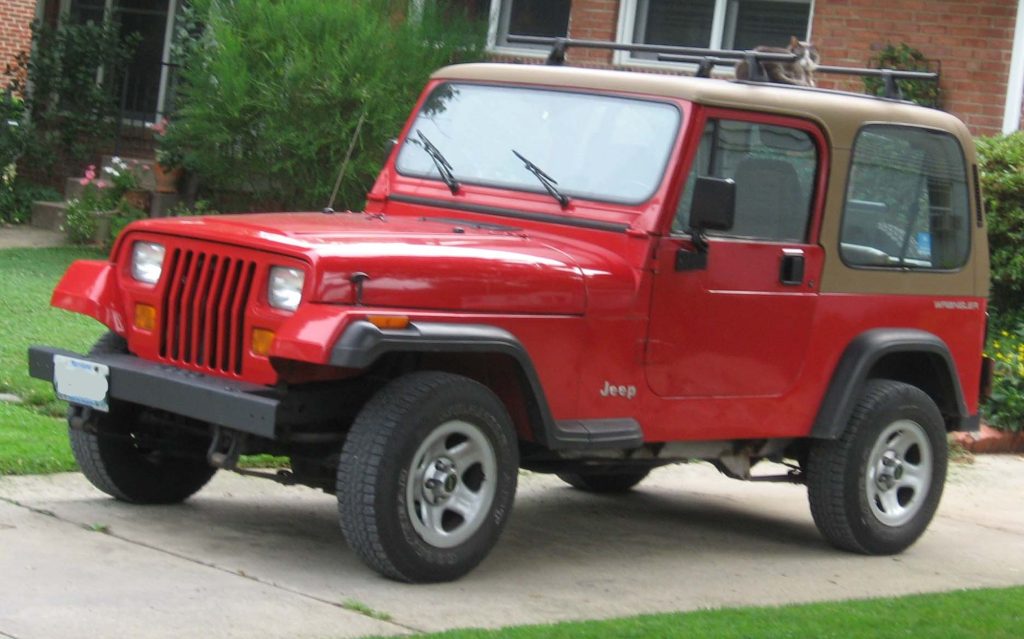
Despite finishing at the bottom of this ranking, the YJ deserves respect for establishing the Wrangler identity and laying the foundation for future generations. Without its success, the Wrangler story might have taken a very different path.
Specifications
- Engine: 4.0L Inline-6
- Torque: 220 lb-ft
- Horsepower: 180 hp
- Length/Width: 151.9 in / 66.0 in
7. Jeep Wrangler JK (2007-2018)
The arrival of the JK marked one of the most significant turning points in Wrangler history. Jeep understood that the vehicle needed to evolve if it was going to remain competitive in an SUV market that increasingly prioritized comfort and convenience. The JK delivered that evolution while preserving the Wrangler’s rugged personality.
Visually, the JK looked familiar, but nearly every major component had been updated. The body grew larger, the interior space increased, and safety equipment improved substantially. Drivers immediately noticed better highway stability and more refined road manners compared with earlier Wranglers.
Not everything was perfect. Early models powered by the 3.8-liter V6 received criticism for underwhelming performance and fuel economy. Enthusiasts often preferred later examples equipped with the stronger 3.6-liter Pentastar engine, which significantly improved acceleration and full drivability.
Off-road capability remained a major strength. Solid axles, removable doors, and removable roof panels ensured that the JK still felt like a true Wrangler. The aftermarket industry embraced the platform, creating countless customization opportunities that ranged from mild upgrades to extreme trail builds.
The reason the JK ranks seventh rather than higher is that it represented a transitional step rather than the finished product. It introduced many of the ideas that would later be perfected in the JL generation. While highly successful and influential, it lacked the refinement, technology integration, and powertrain variety available in newer Wranglers.
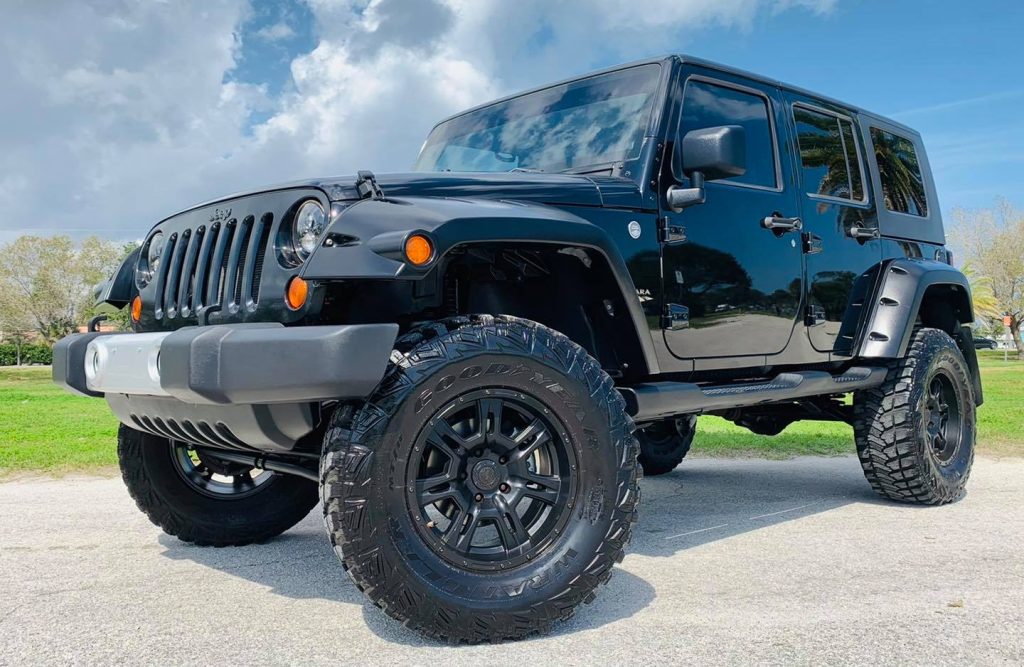
Even so, the JK played a vital role in expanding the Wrangler’s audience and helping transform it from a niche off-road vehicle into a mainstream SUV icon.
Specifications
- Engine: 3.6L Pentastar V6
- Torque: 260 lb-ft
- Horsepower: 285 hp
- Length/Width: 164.3 in / 73.7 in
6. Jeep Wrangler TJ Unlimited LJ (2004-2006)
The TJ Unlimited, commonly known by enthusiasts as the LJ, enjoyed a remarkably short production run, yet it managed to establish a reputation that far exceeded its limited time on the market.
Built between 2004 and 2006, the LJ took the already respected TJ platform and enhanced it with a longer wheelbase, creating a Wrangler that many off-road enthusiasts still consider one of the finest ever produced.
Unlike a typical special edition that focuses on appearance upgrades, the LJ delivered meaningful functional improvements. The wheelbase stretched by roughly ten inches compared with the standard TJ, providing noticeably greater stability both on and off the pavement.
Drivers appreciated the more planted feel during highway travel, while trail enthusiasts benefited from improved climbing characteristics on steep obstacles.
Cargo capacity represented another major advantage. Traditional Wranglers often required owners to compromise when carrying camping equipment, recovery gear, or luggage. The LJ offered substantially more storage space without sacrificing the compact dimensions that made Wranglers attractive in the first place.
Power came from the highly respected 4.0-liter inline-six engine. Known for durability and low-end torque, the engine complemented the LJ’s adventurous personality perfectly. Combined with the TJ’s coil-spring suspension, it created a package that balanced comfort, reliability, and capability.
Part of the LJ’s appeal today comes from its rarity. Production numbers were relatively low, making clean examples increasingly desirable among collectors and enthusiasts. Values have remained surprisingly strong because demand continues to exceed supply.
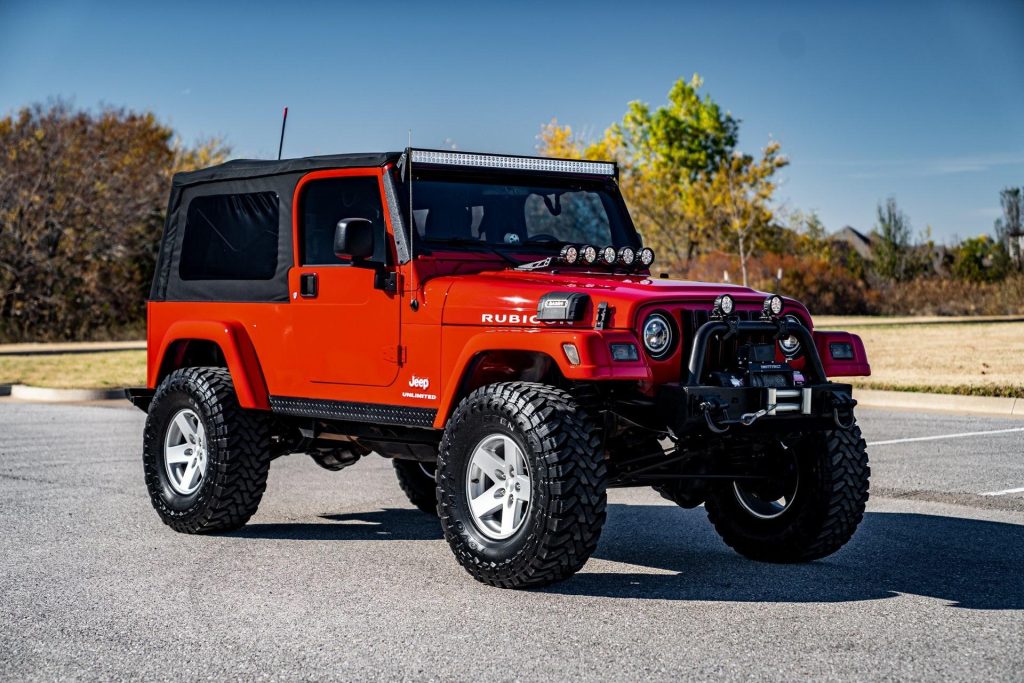
The LJ ranks ahead of the JK and YJ because it improved the TJ formula in meaningful ways. Its only limitation was availability. Had Jeep produced it for a longer period, it might have become one of the most influential Wranglers ever built.
Specifications
- Engine: 4.0L Inline-6
- Torque: 235 lb-ft
- Horsepower: 190 hp
- Length/Width: 167.0 in / 66.7 in
5. Jeep Wrangler TJ (1997-2006)
The TJ arrived at a time when Jeep needed to prove that modernization could coexist with tradition. Rather than completely reinventing the Wrangler, engineers focused on improving the vehicle’s weaknesses while preserving the characteristics enthusiasts loved. The result became one of the most respected generations in Wrangler history.
At first glance, the TJ looked like a return to Jeep’s roots. Round headlights replaced the controversial square units found on the YJ, immediately winning favor with traditionalists. Yet the most important changes were hidden beneath the bodywork.
The introduction of coil-spring suspension transformed the Wrangler’s behavior. Ride quality improved dramatically compared with the leaf-spring setup used by the YJ.
On rough trails, suspension articulation increased significantly, helping the vehicle maintain traction in challenging terrain. This single engineering change upgraded both comfort and capability.
The 4.0-liter inline-six engine further strengthened the TJ’s reputation. It delivered dependable performance, strong low-end torque, and impressive longevity. Owners routinely accumulated hundreds of thousands of miles with proper maintenance, helping establish the TJ as one of the most reliable Wranglers ever produced.
Jeep also introduced the Rubicon during this generation, a move that permanently changed the off-road vehicle market. Factory-installed locking differentials, heavy-duty axles, and enhanced trail equipment demonstrated that buyers wanted serious capability directly from the manufacturer.
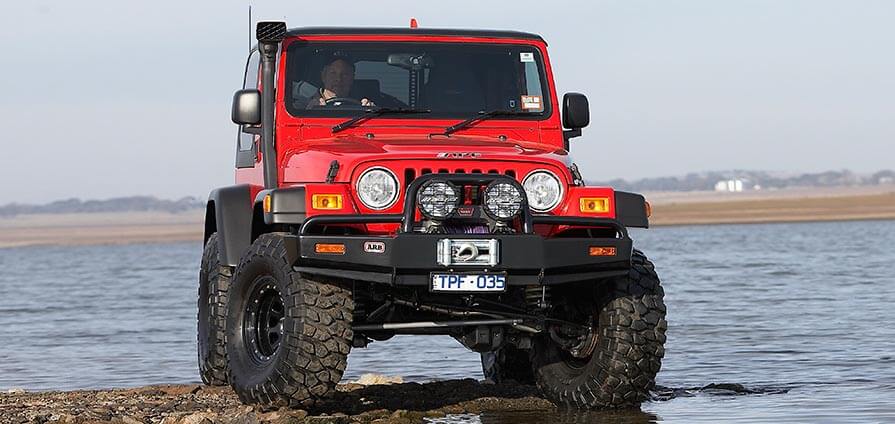
The TJ ranks highly because it struck an exceptional balance between simplicity and refinement. It retained the classic Jeep character while delivering meaningful improvements that enhanced daily driving and off-road performance alike. For many enthusiasts, the TJ remains the benchmark against which other Wranglers are measured.
Specifications
- Engine: 4.0L Inline-6
- Torque: 235 lb-ft
- Horsepower: 190 hp
- Length/Width: 151.8 in / 66.7 in
4. Jeep Wrangler JK Unlimited (2007-2018)
Few vehicles have altered the trajectory of an entire model line as dramatically as the JK Unlimited. When Jeep introduced a four-door Wrangler, many enthusiasts questioned whether the concept made sense.
The Wrangler had always been associated with compact dimensions and a somewhat specialized mission. Adding extra doors and significantly more interior space seemed risky. History proved Jeep’s decision was brilliant.
The JK Unlimited immediately broadened the Wrangler’s appeal. Families who previously could not justify owning a two-door off-roader suddenly had a practical alternative. Rear-seat passengers gained meaningful legroom, cargo capacity increased substantially, and daily usability improved without sacrificing the vehicle’s adventurous personality.
Its influence extended far beyond sales figures. The success of the JK Unlimited transformed the Wrangler from a niche enthusiast vehicle into one of Jeep’s most important products. It attracted buyers who might never have considered a Wrangler before, helping expand the brand’s customer base around the world.
Off-road capability remained intact despite the larger dimensions. The longer wheelbase actually improved stability in many situations, and aftermarket support became enormous. Lift kits, bumpers, suspension systems, wheels, tires, and countless accessories allowed owners to tailor the vehicle to almost any purpose.
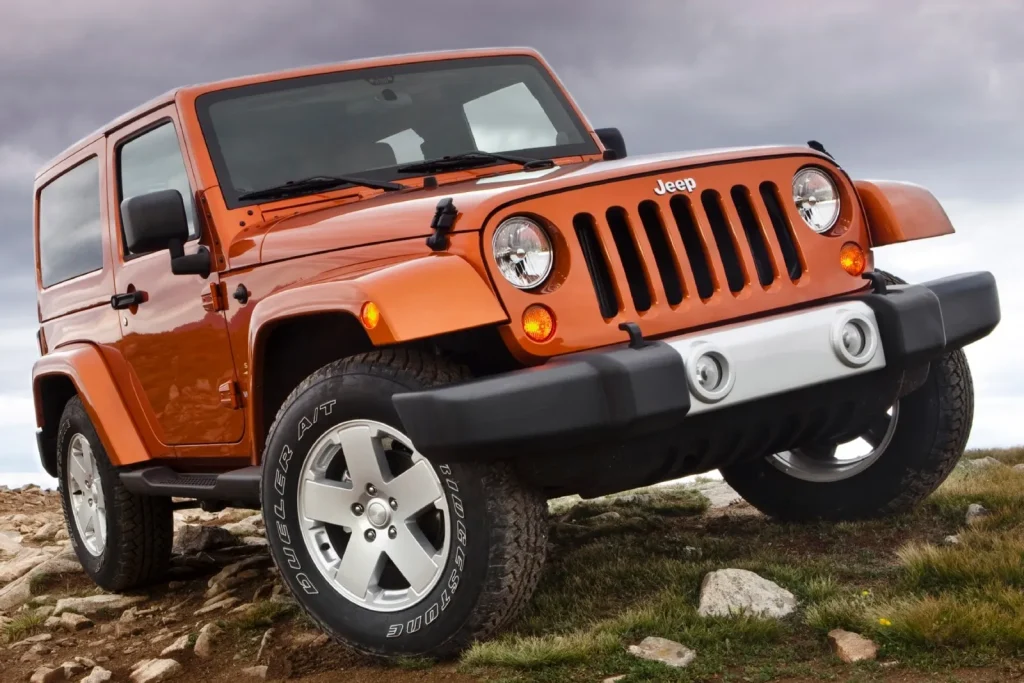
The JK Unlimited also benefited from later improvements, particularly after the arrival of the 3.6-liter Pentastar V6. This engine provided noticeably better performance and drivability than earlier powertrains, helping make the vehicle more enjoyable on both highways and trails.
The reason the JK Unlimited ranks this high is simple. It fundamentally changed what a Wrangler could be. By combining authentic Jeep capability with family-friendly practicality, it created a formula that continues influencing the Wrangler lineup today and remains one of the most significant developments in the model’s history.
Specifications
- Engine: 3.6L Pentastar V6
- Torque: 260 lb-ft
- Horsepower: 285 hp
- Length/Width: 184.9 in / 73.7 in
3. Jeep Wrangler 4xe (2021-Present)
When Jeep announced a plug-in hybrid Wrangler, many enthusiasts were skeptical. The Wrangler’s identity had always been tied to rugged mechanical simplicity and gasoline-powered adventure. Yet the 4xe quickly demonstrated that electrification could enhance capability rather than diminish it.
Unlike traditional hybrid systems designed primarily for fuel savings, the 4xe introduced characteristics that actually benefited off-road performance.
The combination of a turbocharged engine and electric motors produced instant torque delivery, allowing the vehicle to respond with impressive precision during low-speed trail driving. Obstacles that required careful throttle modulation became easier to navigate thanks to the electric assistance.
One of the most surprising aspects of the 4xe is how seamlessly it blends two different personalities. In urban environments, owners can complete short trips using electric power alone. On remote trails, the vehicle still delivers the capability expected from a Wrangler. This versatility gives the 4xe an advantage few competitors can match.
The powertrain also transformed performance. With 375 horsepower and a massive 470 lb-ft of torque, the 4xe became one of the quickest Wranglers ever offered. Acceleration feels strong and immediate, making the vehicle noticeably more responsive than many previous models.
Another reason for its high ranking is its importance to Jeep’s future. The 4xe proved that alternative powertrains could coexist with traditional off-road values.
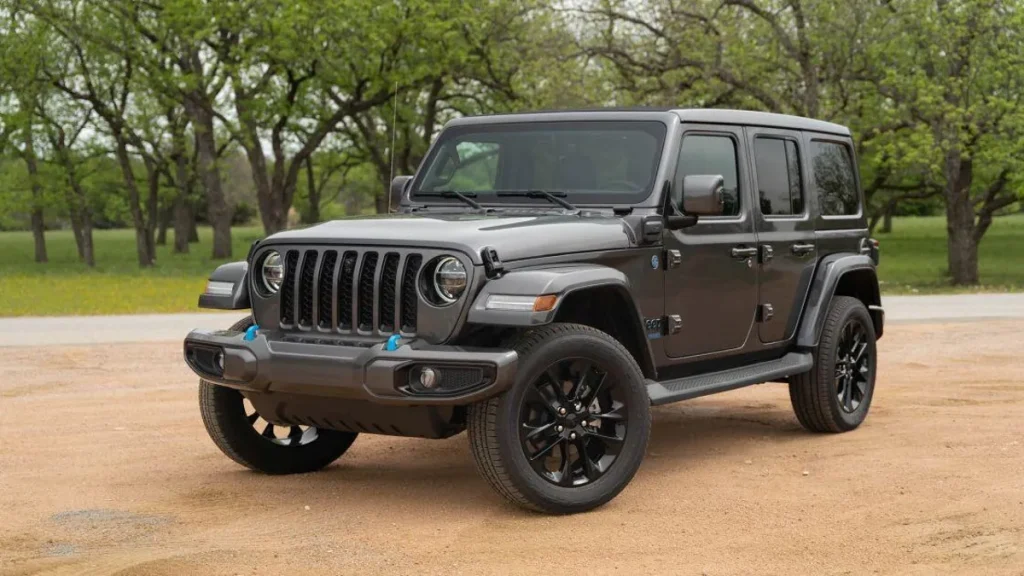
It opened the door for future innovation while preserving the features enthusiasts care about most, including removable doors, removable roof panels, and serious trail capability.
The 4xe earns the third position because it successfully redefined expectations. Rather than simply adapting to changing industry trends, it showed that modern technology could actually improve the Wrangler experience in meaningful and unexpected ways.
Specifications
- Engine: 2.0L Turbocharged Inline-4 Plug-in Hybrid
- Torque: 470 lb-ft
- Horsepower: 375 hp
- Length/Width: 188.4 in / 73.9 in
2. Jeep Wrangler JL (2018-Present)
Creating a successor to the highly successful JK was never going to be easy. Jeep needed to modernize the Wrangler without losing the traits that made it famous.
The company faced intense pressure from both longtime enthusiasts and new buyers who expected greater comfort, improved technology, and better efficiency. The JL emerged as a remarkable achievement because it satisfied both groups.
Although the vehicle retained its familiar silhouette, extensive engineering work transformed nearly every aspect of the driving experience. Weight reduction measures improved efficiency, stronger materials increased structural rigidity, and aerodynamic refinements reduced wind noise.
The result was a Wrangler that felt noticeably more refined during everyday driving while remaining exceptionally capable off-road.
The JL also introduced a broader range of powertrain choices than any previous Wrangler generation. Buyers could select from traditional V6 engines, turbocharged four-cylinders, diesel options, hybrid technology, and eventually the V8-powered Rubicon 392. This flexibility allowed owners to choose a configuration that matched their individual priorities.
Inside the cabin, the improvements were equally significant. Higher-quality materials, modern infotainment systems, larger touchscreens, and enhanced safety technologies helped bring the Wrangler firmly into the modern era. Long highway journeys became more comfortable, and daily commuting required fewer compromises than ever before.
What truly upgrades the JL is its ability to preserve authenticity. Removable doors, removable roof panels, solid axles, and genuine trail capability remained central to the vehicle’s identity. Jeep resisted the temptation to soften the Wrangler’s character in pursuit of mainstream acceptance.
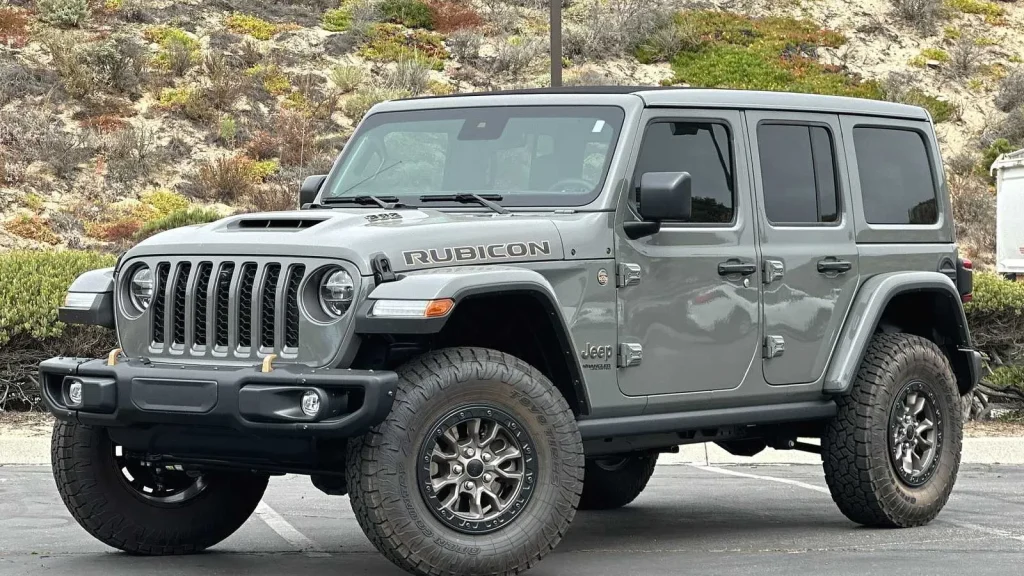
The JL ranks second because it perfected many aspects of the Wrangler formula. It represents the most balanced and versatile generation ever produced, delivering impressive capability while offering levels of comfort and technology that earlier Wranglers could not match.
Specifications
- Engine: 3.6L Pentastar V6
- Torque: 260 lb-ft
- Horsepower: 285 hp
- Length/Width: 188.4 in / 73.9 in
1. Jeep Wrangler Rubicon 392 (2021-Present)
The top position belongs to a Wrangler that many enthusiasts once believed would never exist. For years, Jeep owners dreamed about a factory-built V8 Wrangler capable of combining serious off-road performance with muscle-car levels of power. The Rubicon 392 finally turned that dream into reality.
At the heart of the vehicle sits a naturally aspirated 6.4-liter HEMI V8 producing 470 horsepower and 470 lb-ft of torque.
Those numbers transformed the Wrangler’s personality. Acceleration became genuinely thrilling, allowing the Rubicon 392 to reach speeds that previous generations could only imagine. Yet raw performance is only part of the story.
What makes the Rubicon 392 special is that Jeep refused to sacrifice capability in pursuit of speed. Heavy-duty axles, locking differentials, off-road suspension tuning, skid plates, and advanced four-wheel-drive hardware ensure that the vehicle remains a true Wrangler. It can tackle demanding trails while delivering performance levels rarely seen in the segment.
Driving a Rubicon 392 feels dramatically different from any previous Wrangler. The deep V8 soundtrack, immediate throttle response, and effortless power create an experience that is both exciting and memorable. It appeals not only to off-road enthusiasts but also to drivers who appreciate high-performance vehicles.
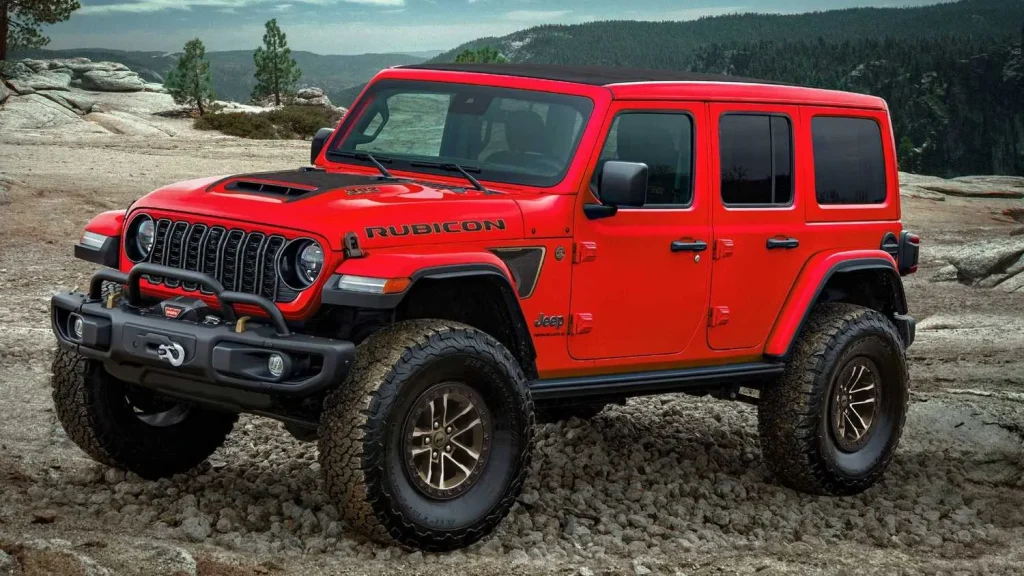
The model’s significance extends beyond specifications. It demonstrated Jeep’s willingness to embrace enthusiast demands and create a halo vehicle that celebrated everything people love about the Wrangler. Rather than chasing efficiency or practicality, the Rubicon 392 was designed to maximize enjoyment.
For its combination of power, capability, exclusivity, and sheer excitement, the Rubicon 392 earns the number-one spot. It stands as the most extreme and unforgettable factory-produced Wrangler ever.
Specifications
- Engine: 6.4L HEMI V8
- Torque: 470 lb-ft
- Horsepower: 470 hp
- Length/Width: 188.5 in / 73.9 in
