
Insurance is another expense that Civic buyers need to consider when planning their ownership budget. Edmunds estimates that the LX trim will cost about $3,438 in insurance premiums across five years. The first year is around $641, while the cost rises gradually to about $736 by the fifth year due to normal rate increases, vehicle age, and differences in location.
CarBuzz also shared ValuePenguin estimates showing that full coverage for an average Civic driver may cost about $250 monthly, which equals roughly $3,000 yearly. This amount is slightly higher than Edmunds’ figures but remains within a similar range because insurance prices depend on coverage options, driving records, and state regulations.
The Civic also records slightly lower insurance costs than Honda’s average vehicle, helping owners save a small amount. Choosing a different Civic model can affect insurance expenses as well. Edmunds reports that the hatchback Sport trim costs about $4,177 in insurance over five years, compared with $3,438 for the sedan LX. The difference comes from factors such as body style, repair costs, and theft risk.
Although the Civic is not among the most stolen vehicles compared with some other brands, it still appears in theft reports. This may affect insurance prices in certain areas. Comparing quotes from different insurers before buying is the best way to get an accurate estimate.
What Actually Makes Up the Total Cost
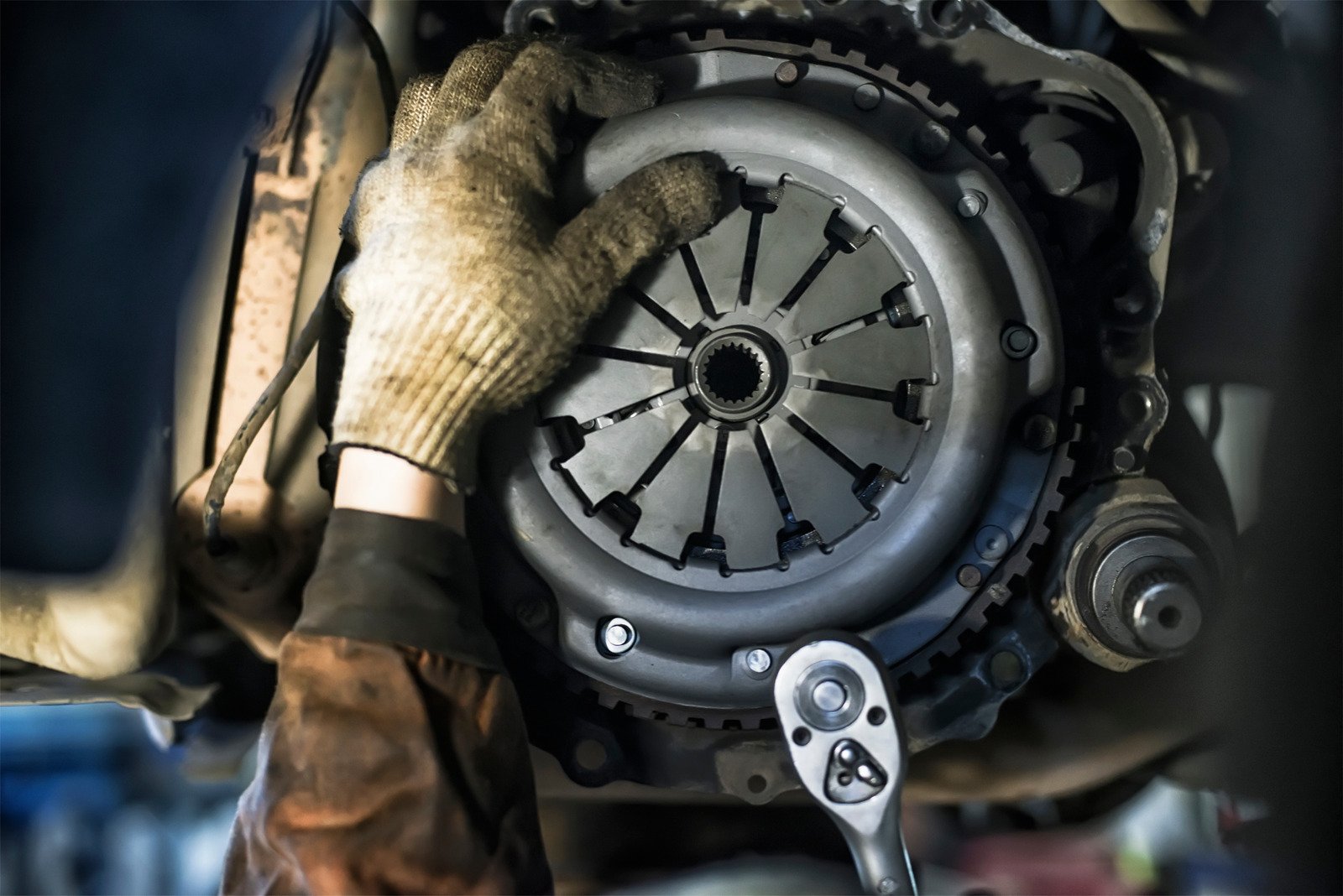
A clutch replacement isn’t one part; it’s an assembly of several components working together, and understanding that assembly explains why the bill adds up the way it does. The core clutch kit includes the clutch disc, pressure plate, and release bearing, typically packaged together to ensure everything fits and functions correctly once installed. Lemonade estimates this kit alone runs $300 to $600 for quality aftermarket parts, or $500 to $800 if you go with original equipment manufacturer components straight from the automaker.
Smaller parts add up too, even if none of them look expensive individually. The pilot bearing, a small component supporting the transmission input shaft, costs just $10 to $30 on its own, but it still requires labor time to install correctly. Flywheel work is where costs can jump unexpectedly. If the flywheel just needs resurfacing, that’s a modest $50 to $150 addition. But a warped or damaged flywheel requiring full replacement pushes that number to $200 to $500.
Labor is genuinely the heavyweight in this equation, and it’s not close. Because the transmission has to be fully removed to access the clutch system, this job typically takes four to eight hours at most repair shops. At $100 to $150 per hour, that’s $400 to $1,200 in labor costs alone, sometimes accounting for half or more of your entire bill, according to ConsumerAffairs’ breakdown.
Then there’s the extra work smart mechanics recommend tackling while everything is already disassembled. Transmission fluid replacement adds $50 to $100. A leaking rear main seal, if caught during the process, adds another $100 to $300. None of these are mandatory, but skipping them now often means paying for a second teardown later.
Why Your Vehicle Type Changes Everything
Clutch replacement costs can vary greatly depending on the type of vehicle involved. ConsumerAffairs explains that smaller cars usually come with the lowest repair bills, with economy and compact models generally costing between $600 and $1,000. Midsize sedans and family vehicles often fall within a similar range of about $600 to $1,200 because their clutch systems are easier to repair and replacement parts are widely available.
Larger vehicles such as SUVs and pickup trucks usually require more money for clutch replacement, with prices ranging from about $700 to $1,500. Models with four-wheel drive or all-wheel drive systems can cost even more because their drivetrains require extra work during repairs. The additional labour involved in removing and reinstalling these parts often increases the final bill.
European luxury cars are usually more expensive to maintain, with clutch replacement costs often reaching between $1,000 and $3,000. Exotic cars and high-performance models can exceed that amount because they use specialised parts and require technicians with specific training. Since fewer mechanics are experienced with these vehicles, labour charges are often higher.
Lemonade also highlights the difference between regular cars and performance-focused models. A Honda Civic or Toyota Corolla is generally cheaper to repair than vehicles like a Subaru WRX or Ford F-150. High-performance cars and heavy-duty trucks require stronger components, specialised parts, and more time during servicing, which raises the total repair cost.
Also Read: 10 Vehicles With Dual Clutch Gearboxes That Are Expensive to Service After 80000 Miles
Transmission Type Matters More Than You’d Think
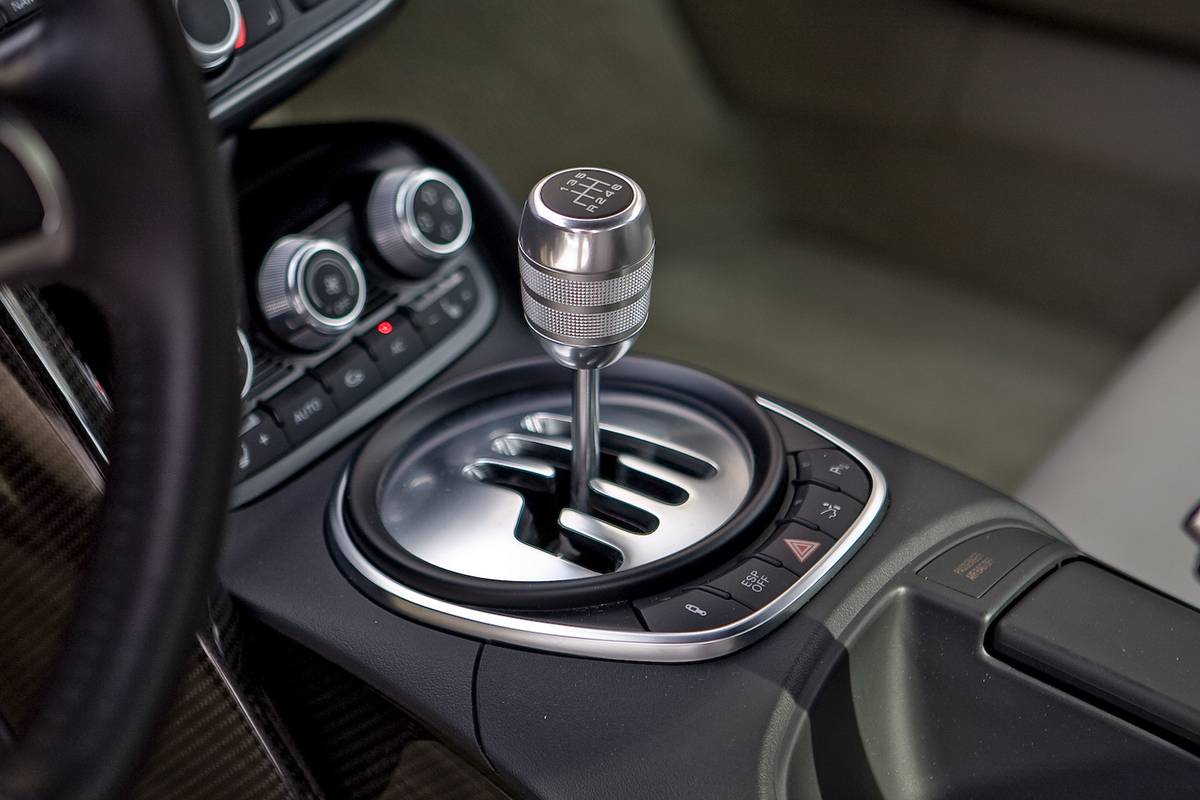
Many drivers assume all manual transmissions use the same clutch system, but that is not always the case. The type of clutch fitted to a vehicle can make a major difference in repair expenses. ConsumerAffairs identifies three main clutch categories, and each one comes with different replacement costs depending on its design and the work required.
A traditional manual clutch remains the most common option and is usually the simplest to repair. Replacement costs generally range from $500 to $2,500, depending on the vehicle model, parts price, and labour charges. Since mechanics have worked on this type of system for many years, finding someone with the right skills is usually easier and less expensive.
Dual-clutch transmissions are much more expensive because they use two separate clutch units inside one transmission system. This design improves performance and gear changes but requires more advanced repairs. Replacing this type of clutch can cost between $1,500 and $8,000, which is far higher than many vehicle owners expect.
Automated manual systems fall between the two options. These clutches usually cost around $1,200 to $5,000 to replace. They use many parts found in traditional manual systems but add electronic and hydraulic components that control gear changes automatically. These extra parts increase both repair time and labour charges.
The good news is that some clutch-related repairs may be included under factory or extended warranties. Since many warranty plans cover transmission components, vehicle owners should confirm their coverage before paying the full repair bill themselves. Checking warranty details early can help reduce unexpected expenses when clutch problems occur.
Also Read: 5 Manual Transmission Cars That Are Easy to Learn on vs 5 With Finicky Clutches
DIY Repair: Real Savings or False Economy
The math on doing this yourself looks tempting at first glance. Since labor accounts for half or more of a typical clutch replacement bill, ConsumerAffairs notes that skilled DIYers can potentially save $500 to $1,500 by handling the job themselves rather than paying a shop. That’s not a small number, and for anyone reasonably comfortable with mechanical work, it’s worth taking seriously.
But the specialty tools required add up fast, and they’re not items most home garages already have sitting around. A transmission jack alone runs $100 to $300, plus another $30 to $80 for the adapter that safely secures the assembly during removal. Add a torque wrench for proper flywheel tightening, an engine support bar for front-wheel-drive vehicles, pry bars, breaker bars, and various socket extensions, and your tool investment alone can eat into a meaningful chunk of those projected savings before you’ve even started the actual repair.
Lemonade’s assessment lines up closely here, describing clutch replacement as genuinely difficult without proper tools and adequate workspace. You’ll need space roughly twice the size of your vehicle to maneuver safely, ideally away from public streets and traffic. Beyond space and tools, this job typically demands four to eight hours of focused mechanical work, and a botched installation carries real consequences: safety risks from improper transmission seating, drivetrain damage to components like the flywheel or input shaft, and hydraulic fluid leaks if cylinders get shifted or damaged during the process.
For most drivers without prior transmission experience, the realistic savings shrink considerably once tools, time, and the risk of costly mistakes enter the equation. If you’ve done this kind of work before, DIY remains genuinely viable. If this is your first attempt, getting a few shop quotes first is the safer starting point before committing to a weekend under the car.
