A comfortable driver’s seat can make a major difference on long commutes, road trips, and daily errands, especially for people who deal with back stiffness or discomfort. The right seat does more than feel soft.
It should support the lower back, keep the hips in a natural position, reduce pressure on the thighs, and allow the driver to adjust the cushion, backrest, steering wheel, and lumbar area to suit their body shape.
Premium vehicles often lead in this area because they offer features such as multi-way power adjustment, adjustable lumbar support, extending thigh cushions, ventilation, heating, massage functions, and active bolsters. Yet comfort is not limited to luxury sedans.
Some SUVs and mainstream vehicles also provide excellent seating designs that make long hours behind the wheel less tiring.
This list focuses on cars known for supportive front seats and a wide range of adjustments. Seat comfort is personal, so no vehicle can guarantee relief for every kind of back problem. Buyers should always sit in the vehicle for an extended test drive and adjust the seat carefully before making a decision.
Still, these ten vehicles stand out because they combine premium materials, thoughtful ergonomics, and features designed to make driving feel more relaxed.
Also Read: 10 Affordable EVs Targeting Under $30,000 by 2027
1. Mercedes-Benz E-Class
The Mercedes-Benz E-Class has long been one of the strongest choices for drivers who want a refined ride without giving up seat support. Its front seats are shaped to hold the body in a relaxed position during long journeys, rather than simply feeling soft for a short test drive.
The driving position is easy to tailor, with power adjustment for the cushion, backrest, seat height, and steering wheel. This allows drivers to set the seat low enough for good leg support while keeping the backrest upright enough to avoid slouching.
The most desirable feature for people with sore backs is the available multi-configuration seat package. It adds more detailed adjustment options, including lumbar support that can be changed to suit the curve of the lower spine.
Heating, ventilation, and massage functions are also available, helping reduce stiffness during long highway drives. The massage setting is not a medical treatment, but it can make extended time behind the wheel feel less tiring.
Ride quality plays an important role, too. A well-designed seat cannot fully compensate for a harsh suspension, and the E-Class is known for isolating occupants from rough road surfaces. Its cabin is quiet, its steering wheel adjusts through a wide range, and the pedals are positioned naturally for relaxed driving.
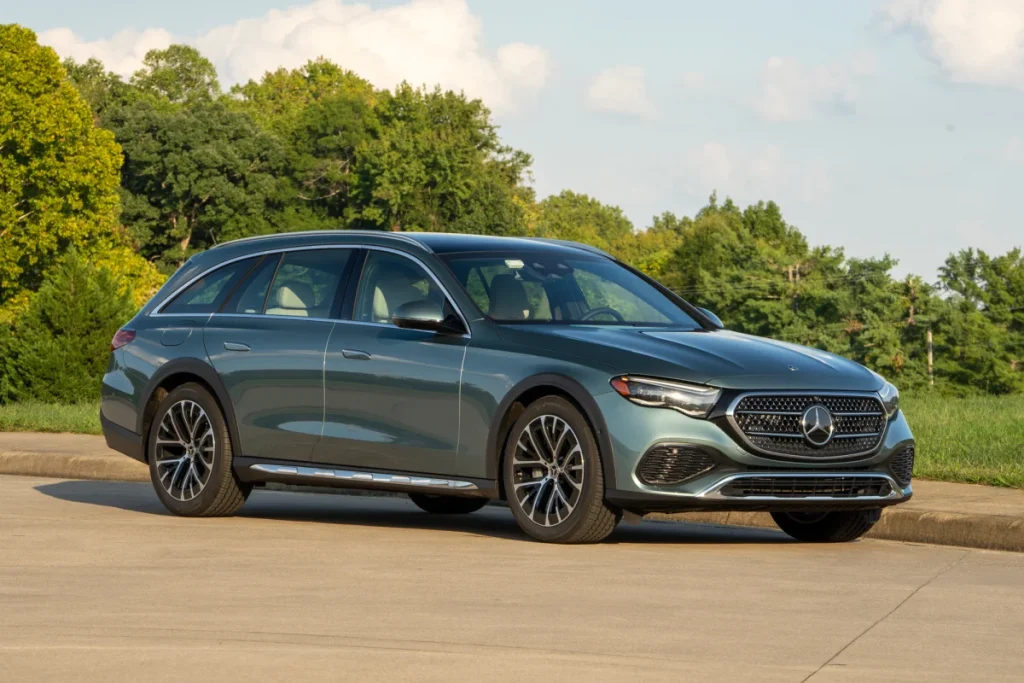
Buyers should look for an E-Class equipped with the Multicontour Seating package rather than choosing only by trim level. It is the added adjustability that makes the biggest difference for drivers who need more personalized support.
- Engine: 2.0-liter turbocharged four-cylinder with mild-hybrid assistance
- Torque: 295 lb-ft
- Horsepower: 255 hp
- Length/Width: 194.9 inches / 73.7 inches
2. Volvo XC90
Volvo has built much of its reputation around thoughtful ergonomics, and the XC90 shows why its seats are frequently praised by long-distance drivers.
Rather than using heavily padded cushions that can feel comfortable at first but tiring later, Volvo designs its front seats to provide firm, evenly distributed support. The goal is to keep the driver’s posture stable, especially through the lower back and upper thighs.
The XC90 is also a useful choice for people who find climbing down into a low sedan uncomfortable. Its SUV seating height allows drivers to slide into the cabin more naturally, which can be helpful for anyone dealing with stiffness when getting in or out.
Once seated, the wide range of power adjustments makes it easier to set the cushion height, recline angle, and lumbar position correctly.
Available front-seat heating, ventilation, and massage functions add another layer of comfort. The massage feature can be particularly welcome on longer trips, while the ventilated seats reduce discomfort during hot weather.
Volvo’s clean dashboard design also helps reduce strain because major controls are arranged simply, and the steering wheel can be adjusted to avoid forcing the driver to reach forward.
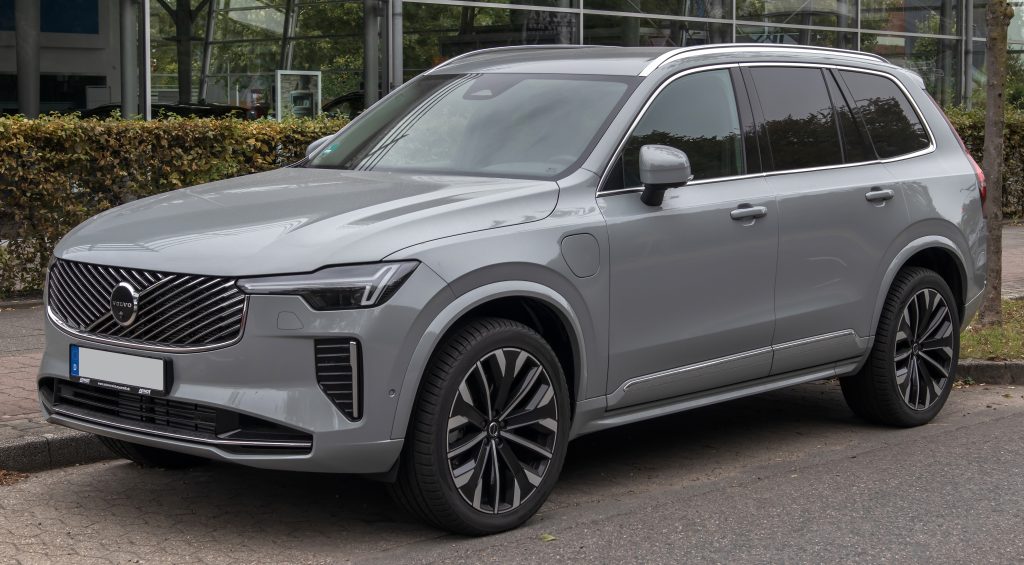
The XC90 is not a replacement for medical care, and buyers with chronic pain should test the seat carefully before purchase.
Still, it stands out because its comfort is based on support and posture rather than luxury features alone. For a family SUV, it combines a relaxed driving position with a cabin that feels calm and spacious.
- Engine: 2.0-liter turbocharged four-cylinder with mild-hybrid assistance
- Torque: 310 lb-ft
- Horsepower: 295 hp
- Length/Width: 195.0 inches / 79.1 inches
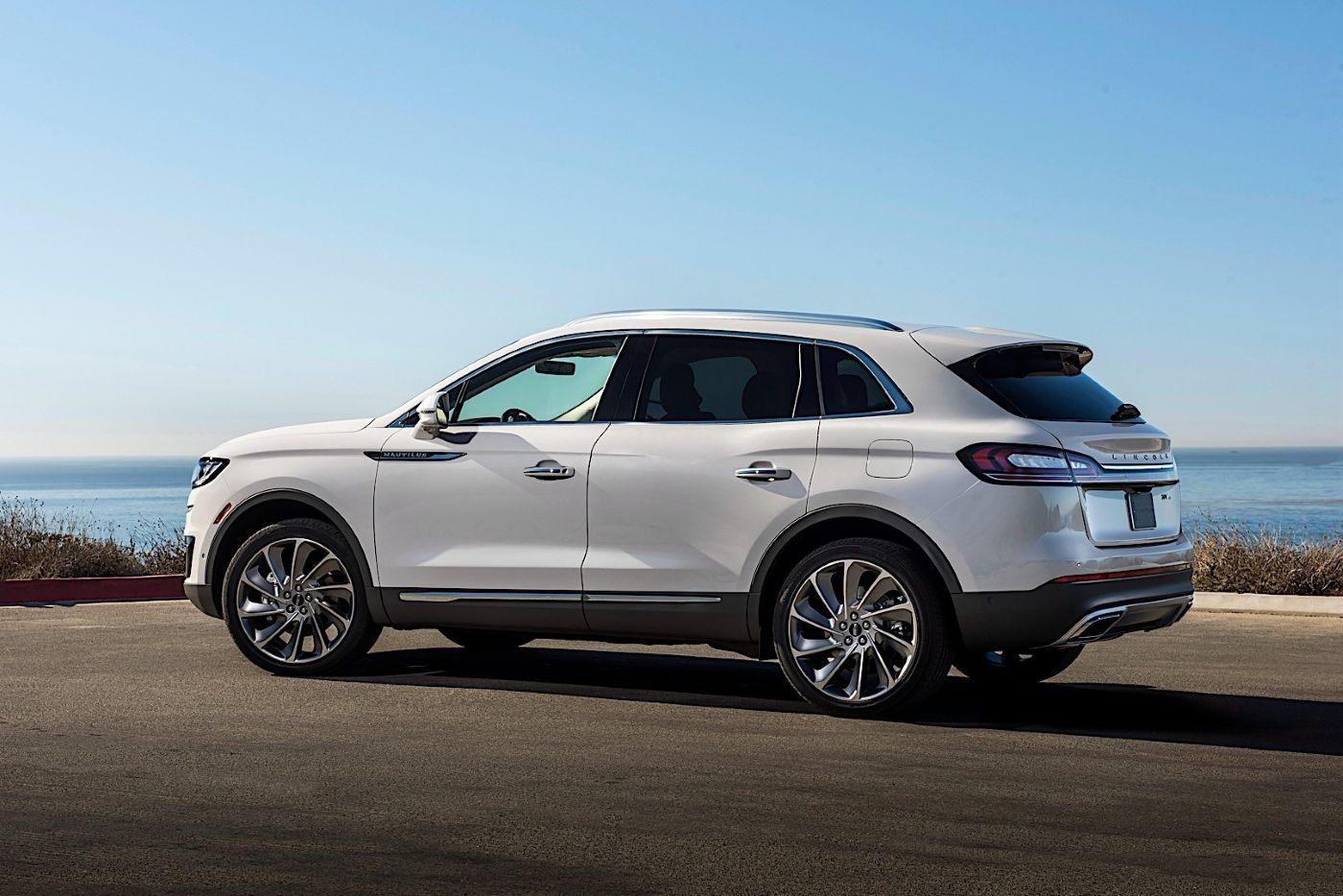
3. Lincoln Nautilus
The Lincoln Nautilus approaches seat comfort with a softer, more relaxed philosophy than many European luxury SUVs. Rather than placing the driver in a heavily bolstered sport seat, it uses broad cushions and a calm driving environment intended for long-distance comfort. That can suit drivers who find firm, aggressively shaped seats tiring after an hour or two.
Available perfect-position front seats are a Nautilus feature worth seeking out. They provide extensive power adjustment, including settings that help drivers fine-tune the seat cushion, backrest, thigh support, and lumbar area.
Heating, ventilation, and massage functions are also available, allowing the seat to be adjusted for different weather conditions and longer journeys. The ability to change the cushion angle is particularly useful because it can reduce pressure behind the knees while supporting the upper legs.
Its upgraded SUV seating position is another advantage. The driver does not have to drop down into a low cabin or climb high into a truck-like vehicle. Entry and exit are relatively natural, which may be helpful for people who feel stiff after sitting for long periods. The wide door opening also makes getting settled easier.
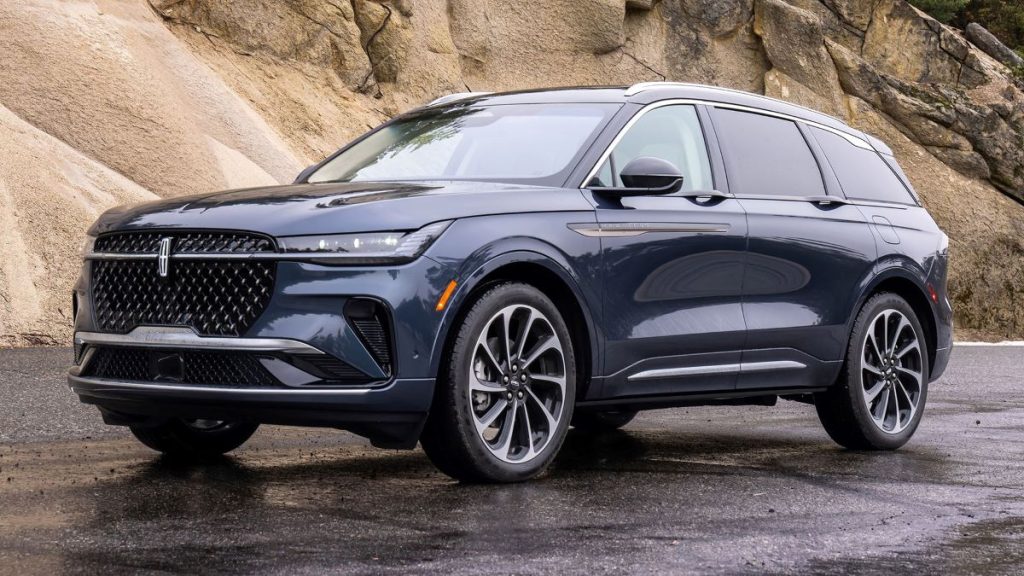
Lincoln pairs those seats with a quiet cabin and a ride designed to filter out rough pavement. That matters because repeated impacts through the seat can make a supportive chair feel less comfortable.
The Nautilus is best suited to buyers who want a premium crossover with a lounge-like front-seat experience rather than a firm, sporty driving position.
- Engine: 2.0-liter turbocharged four-cylinder
- Torque: 280 lb-ft
- Horsepower: 250 hp
- Length/Width: 193.2 inches / 79.6 inches
4. BMW 7 Series
The BMW 7 Series is built for buyers who expect long-distance comfort without sacrificing a precise driving position. Its front seats are highly adjustable, allowing the driver to set cushion height, backrest angle, lumbar support, shoulder support, and thigh extension with far more precision than in a typical sedan.
This matters because drivers with different body shapes often need different support points, especially around the lower back and upper legs.
BMW’s optional Executive Lounge and multifunction seat packages add heating, ventilation, and massage functions. The massage feature is useful for comfort during long journeys, while the ventilated seats can reduce heat buildup that makes prolonged sitting unpleasant.
The seat design is supportive without being excessively firm, and the wide adjustment range makes it easier to avoid the common problem of sitting too far back from the steering wheel.
The 7 Series also uses a long wheelbase, a quiet cabin, and advanced suspension technology to reduce the amount of road vibration reaching occupants.
That refined ride works with the seats rather than against them. A seat may have excellent lumbar adjustment, but it cannot fully compensate for constant harsh impacts from poor road surfaces.
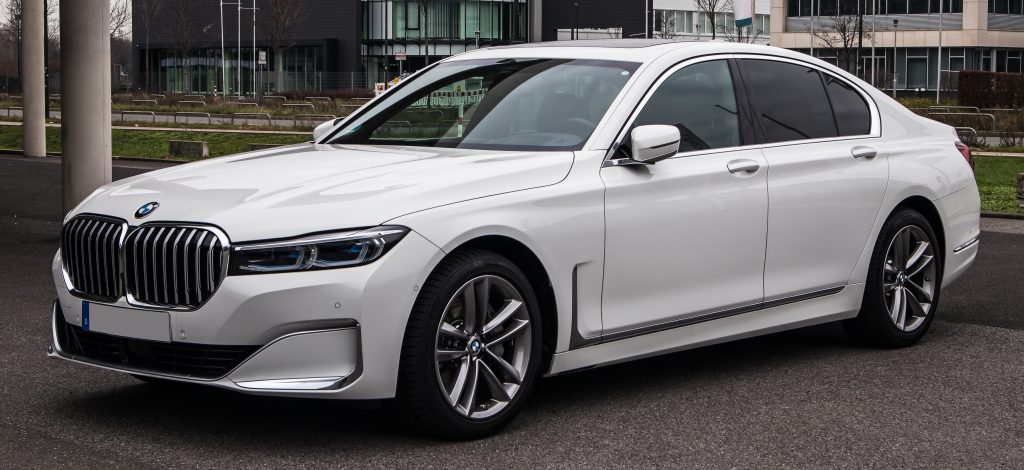
For drivers who spend many hours on highways or frequently carry passengers, the 7 Series offers one of the most customizable seating environments in the luxury sedan class. It is expensive, but it provides a level of adjustment and isolation that few mainstream cars can match.
- Engine: 3.0-liter turbocharged inline-six with mild-hybrid assistance
- Torque: 398 lb-ft
- Horsepower: 375 hp
- Length/Width: 212.2 inches / 76.8 inches
5. Genesis G90
The Genesis G90 is aimed at buyers who want a calm, spacious cabin with seating designed to make long journeys feel less demanding. Its front seats are broad, deeply adjustable, and shaped for relaxed support rather than a tightly bolstered performance-car feel.
That makes the G90 a strong option for drivers who prefer a more natural seating position with room to move their shoulders, hips, and legs.
The available Ergo Motion driver’s seat is the feature that gives the G90 a particular advantage. It uses air cells within the cushion and backrest to make small adjustments during a drive, helping reduce the feeling of sitting in exactly one position for too long.
The seat also offers heating, ventilation, and massage functions, while the extensive power controls allow the driver to tailor lumbar support, cushion angle, and backrest position.
Genesis pairs those seats with a very quiet cabin and a suspension system that is designed to soften the effect of uneven pavement. This matters for anyone sensitive to jolts from rough roads.
The G90 does not rely only on thick padding. Its comfort comes from the combination of supportive seating, low cabin noise, and a relaxed ride that reduces fatigue over distance.
The front seating area is also generously proportioned. A driver who feels restricted in a narrow sport sedan may find the G90 easier to settle into, especially during long highway trips. Its steering wheel adjusts through a broad range, helping drivers position themselves close enough to the pedals and wheel without leaning forward.
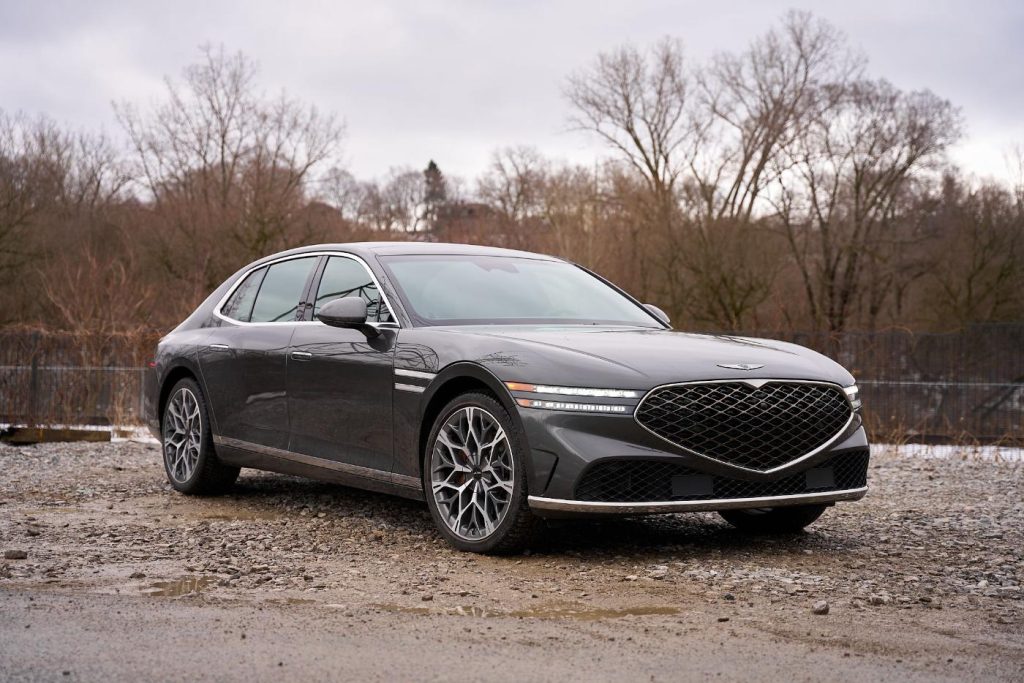
The G90 is expensive, but it offers a first-class seating environment that places comfort at the center of the driving experience.
- Engine: 3.5-liter twin-turbocharged V6 with 48-volt electric supercharger
- Torque: 405 lb-ft
- Horsepower: 409 hp
- Length/Width: 207.7 inches / 76.0 inches
6. Cadillac CT5
The Cadillac CT5 takes a more driver-focused approach to seat comfort. Its front seats are not as soft or lounge-like as those in a large flagship sedan, but they provide the kind of firm support that can help prevent the body from shifting during a long drive.
For many drivers, a seat that holds the hips and lower back in a stable position can feel more comfortable than one that is heavily cushioned but lacks structure.
The Premium Luxury trim is a sensible choice for buyers who prioritize a refined daily-driving experience. It offers power-adjustable front seats, lumbar support, and available heating and ventilation.
The steering wheel and seat can be adjusted to create a lower, more car-like driving position, which may appeal to people who do not enjoy the upright posture of an SUV.
Those who want additional support can consider the CT5-V, although its sport seats are firmer and may not suit every driver. The regular CT5 is usually the better match for someone seeking comfort rather than aggressive cornering support.
Its seat cushion provides useful thigh support, while the backrest shape helps keep the driver from slumping during extended highway driving.
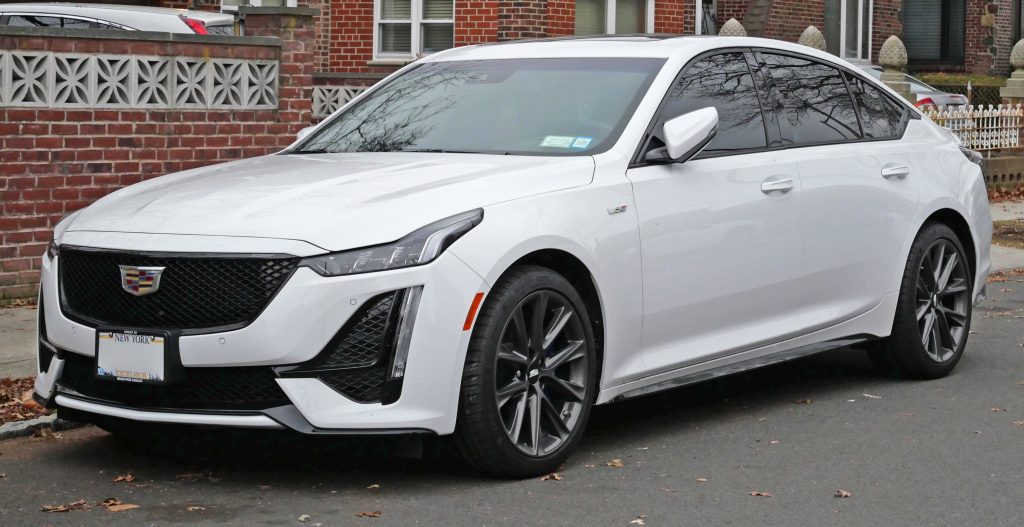
Cadillac also gives the CT5 a composed ride, especially when fitted with smaller wheel options. Large wheels can make rough roads more noticeable, so buyers concerned about back comfort should test the vehicle on imperfect pavement before choosing a wheel and tire package.
The CT5 works well for drivers who want supportive seating in a traditional luxury sedan without moving to a larger, more expensive flagship model.
- Engine: 2.0-liter turbocharged four-cylinder
- Torque: 258 lb-ft
- Horsepower: 237 hp
- Length/Width: 193.8 inches / 74.1 inches
7. Lexus LS
The Lexus LS is built around quietness, smoothness, and reduced driver fatigue. Its front seats are designed to feel welcoming from the moment a driver gets in, but the real benefit appears after several hours on the road.
The cushions provide a broad base for the hips and thighs, while the backrest supports the body without feeling overly rigid. That balance can be useful for drivers who find hard sport seats uncomfortable but still need enough structure to maintain a stable posture.
Higher trims offer 28-way power-adjustable front seats, allowing the driver to alter the cushion length, lumbar support, side bolsters, shoulder area, and recline position.
This level of adjustment is valuable because back comfort often depends on small changes rather than one major setting. A driver may need more support near the base of the spine, a flatter cushion angle, or extra thigh extension to avoid pressure during long highway trips.
Heating, ventilation, and massage functions are also available. The massage system is intended to improve comfort during extended travel, while ventilation can prevent the seat from becoming warm and uncomfortable in hot weather.
Lexus also uses a carefully insulated cabin and a suspension setup that aims to keep road impacts from reaching the driver too sharply.
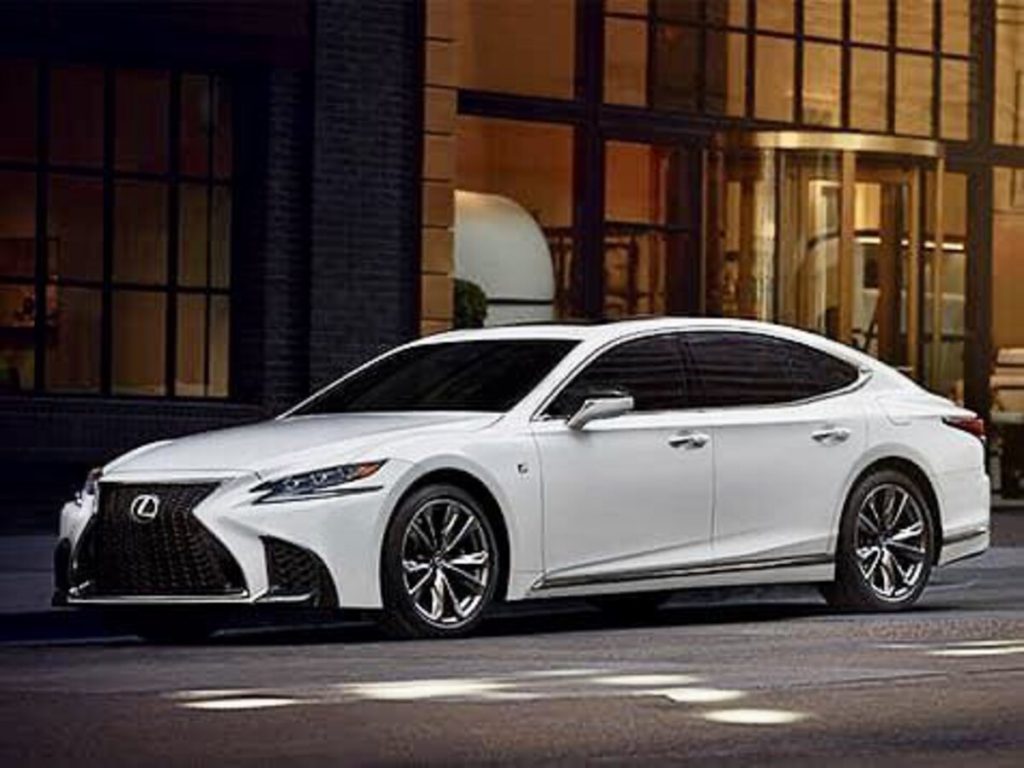
The LS is not the sportiest luxury sedan, and that is part of its appeal. It is designed for people who want to arrive feeling less tired rather than chase aggressive cornering. For drivers with sore backs, the combination of a smooth ride, quiet cabin, and highly adjustable seating can make a meaningful difference on long journeys.
- Engine: 3.5-liter twin-turbocharged V6
- Torque: 406 lb-ft
- Horsepower: 416 hp
- Length/Width: 206.1 inches / 74.8 inches
8. Audi A8
Audi’s A8 is a luxury sedan that places a strong emphasis on seating precision. Its front seats are shaped with a supportive, structured feel, and the available comfort-seat package adds a wider range of power adjustment than the standard setup.
Rather than relying on a soft, sofa-like cushion, the A8 gives the driver the ability to carefully set lumbar support, cushion extension, backrest angle, and side support.
That detailed adjustment is useful for people who need to avoid sitting in one fixed position. A properly adjusted seat can keep the hips level, support the natural curve of the lower spine, and reduce the tendency to lean toward the steering wheel.
Audi’s driving position also helps because the steering wheel and pedals are placed in a way that allows the driver to sit close enough without bending the knees too sharply.
Available heating, ventilation, and massage functions add comfort during long drives. The massage setting is especially useful for highway trips, where the body can become stiff after remaining in the same position for extended periods.
The A8 also has a quiet cabin and an adaptive air suspension that softens rough pavement, helping reduce the repeated vibrations that can make long drives uncomfortable.
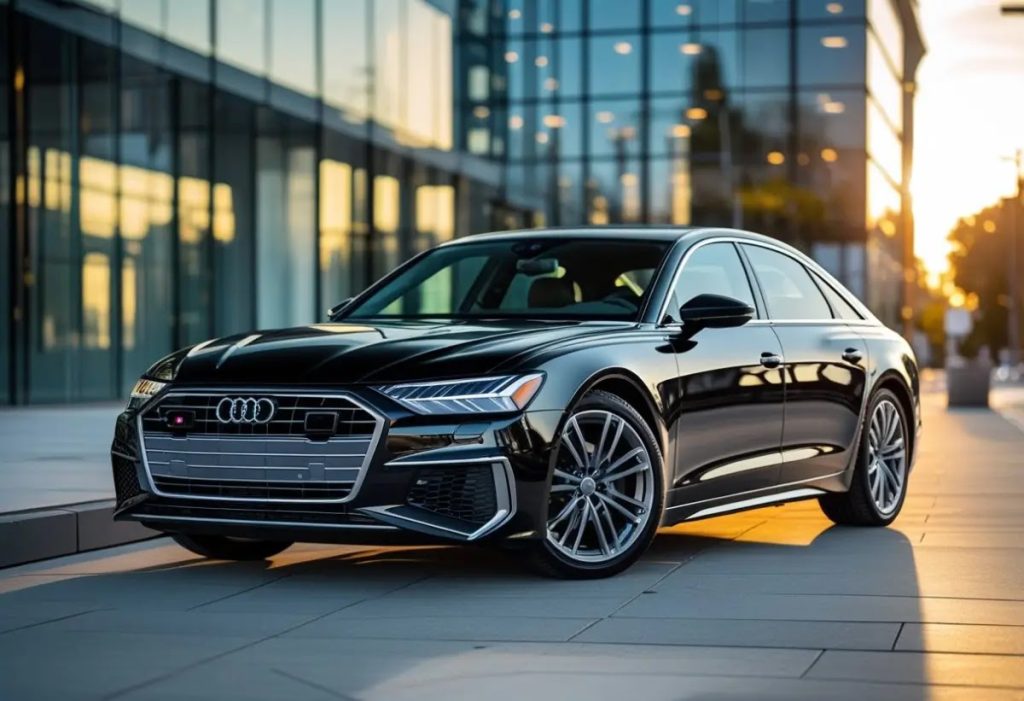
The A8 is a good match for buyers who want a more controlled, tailored seating experience. Its seats feel firmer than those in some American luxury sedans, but that firmer structure may suit drivers who need stronger lower-back support.
It is important to test the available seat packages, as the exact adjustment range can vary by trim and options.
- Engine: 3.0-liter turbocharged V6 with mild-hybrid assistance
- Torque: 369 lb-ft
- Horsepower: 335 hp
- Length/Width: 208.7 inches / 76.6 inches
9. Volvo S90
The Volvo S90 is a strong choice for drivers who prefer a seat that supports the body with a firmer, more ergonomic design. Volvo has spent decades developing seats that focus on posture rather than simply using thick cushioning.
The result is a front seat that feels supportive across the lower back, shoulders, and thighs, helping the driver remain in a more natural position during extended journeys.
Its long seat cushion is one of the S90’s most useful features. Drivers with longer legs often struggle in sedans with short cushions because their thighs are left unsupported, which can create pressure around the hips and lower back.
The S90’s adjustable front seats help reduce that problem, while power lumbar support allows the driver to tailor the seat to the curve of the spine.
The S90 also has a relatively upright seating position for a luxury sedan. It does not force the driver into a low, reclined posture, and that can make a difference for people who feel uncomfortable climbing down into sportier cars. The wide door opening and easy-to-reach controls add to the sense of convenience.
Heating, ventilation, and massage functions are available depending on trim and package selection. More importantly, the S90 is tuned for calm highway travel. Its quiet cabin and composed suspension reduce the constant noise and vibration that can make a long drive feel tiring.
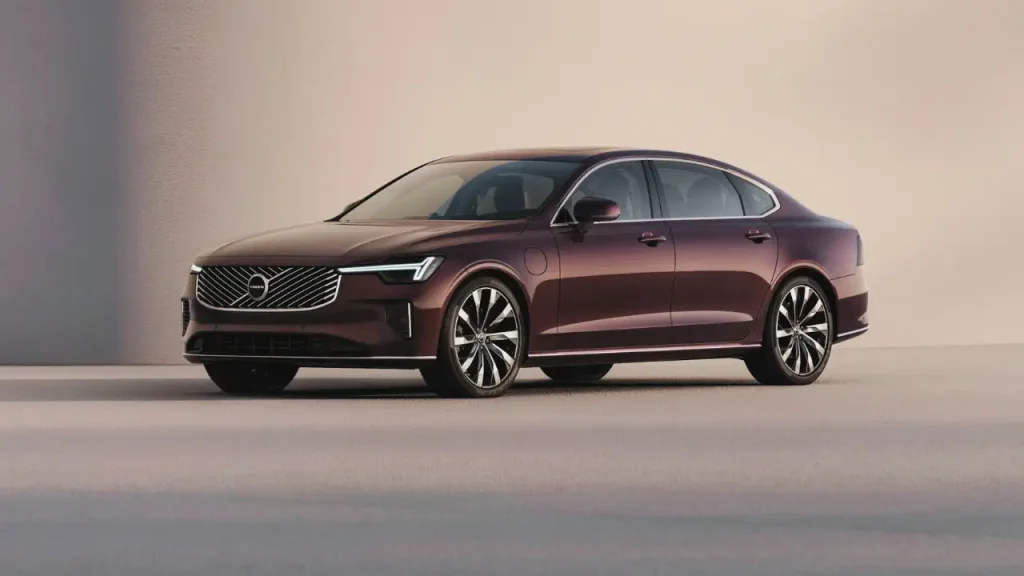
This Volvo is not aimed at drivers seeking a heavily bolstered performance seat. It is better suited to people who want a supportive chair with a clean, simple design and enough adjustment to make daily driving feel more relaxed.
- Engine: 2.0-liter turbocharged four-cylinder with mild-hybrid assistance
- Torque: 310 lb-ft
- Horsepower: 295 hp
- Length/Width: 200.4 inches / 74.9 inches
10. Range Rover
The Range Rover offers one of the most comfortable seating environments in the luxury SUV market because it combines broad, supportive seats with a high driving position and exceptional ride quality.
For drivers with sore backs, getting into the vehicle can be easier than entering a low sedan. The cabin floor is positioned at a height that allows many occupants to slide into the seat rather than bend deeply downward.
It’s available with 24-way power-adjustable front seats that provide extensive control over lumbar support, cushion angle, seat height, recline, and upper-back positioning. The seats can also include heating, ventilation, massage functions, and winged headrests.
These features allow the driver to make small changes during a journey instead of remaining in one fixed position for hours.
The Range Rover’s suspension plays an equally important role. Its air suspension is designed to absorb rough pavement, potholes, and highway imperfections before they reach the cabin. That isolation can be valuable for drivers who find repeated bumps uncomfortable.
The tall windshield, wide seating area, and relaxed steering position also help create a less cramped driving environment.
Unlike many luxury SUVs, the Range Rover does not force a sporty seating posture. It is designed more like a premium long-distance vehicle, with soft materials, generous shoulder room, and a cabin that remains quiet at highway speeds.
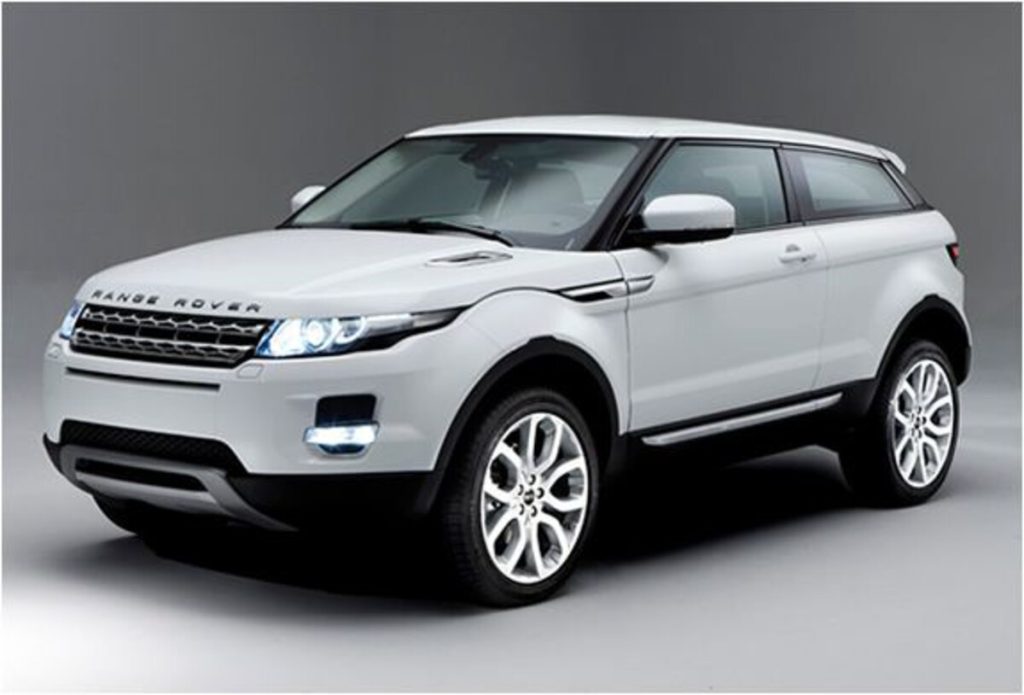
Buyers should still test the seats carefully because the vehicle is large and its driving position may not suit everyone.
For drivers who want premium comfort, easy entry, and a seat designed for long hours behind the wheel, the Range Rover remains one of the strongest choices available.
- Engine: 3.0-liter turbocharged inline-six with mild-hybrid assistance
- Torque: 406 lb-ft
- Horsepower: 395 hp
- Length/Width: 198.9 inches / 80.6 inches
Also Read: 10 Cars Worth More Used Today Than Their Original MSRP