
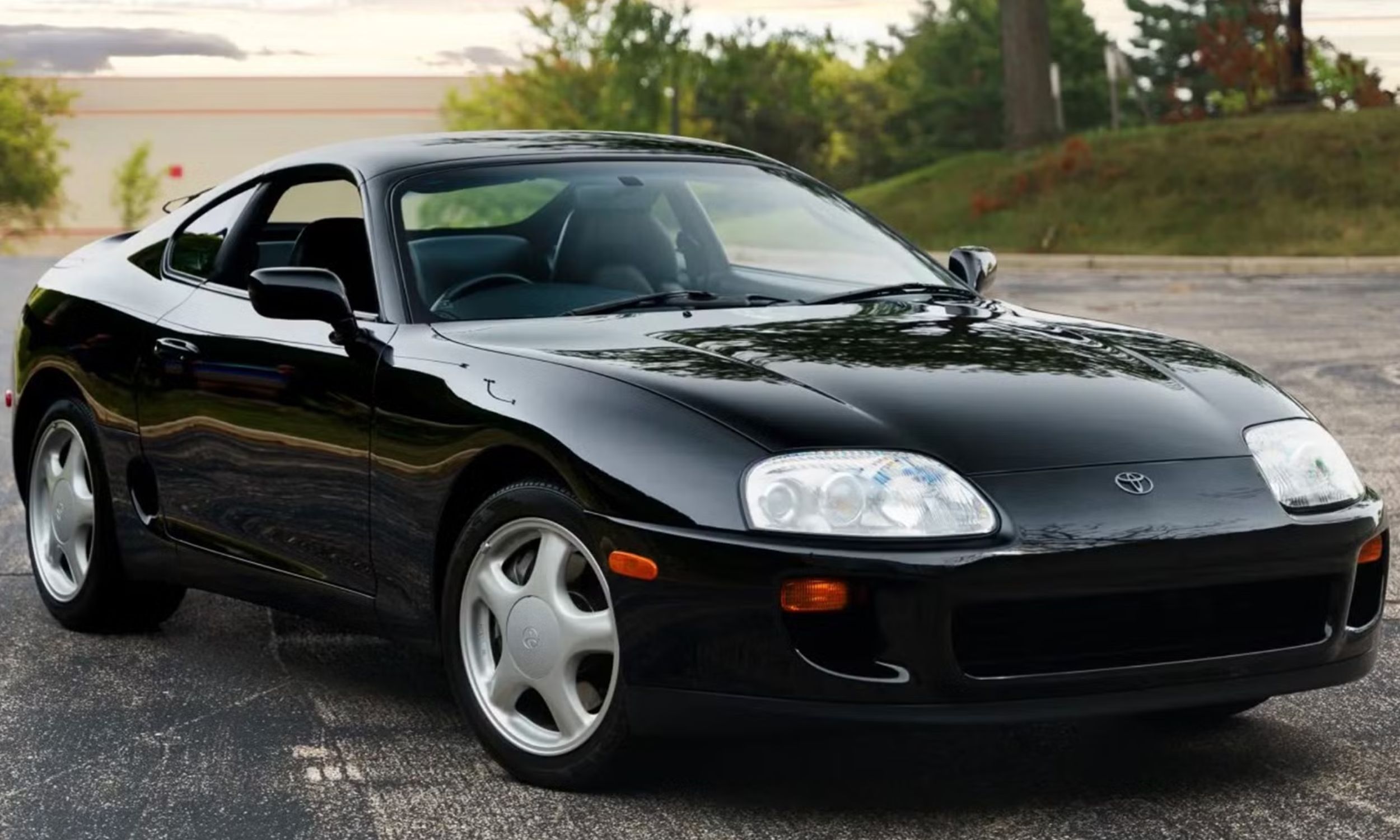
Step into any garage where a serious car enthusiast spends their weekends, and you will eventually hear the same names spoken with genuine reverence. Supra. Skyline. RX-7. These are not just model names. They are entire chapters of automotive history, born during a period when Japanese engineers seemed determined to prove they could outsmart, out-engineer, and outperform anything coming out of Germany or Detroit.
What made this era so special was not just raw horsepower. It was the sheer creativity packed under every hood. Japanese automakers built sequential twin-turbo systems years before anyone else figured out how to make them work smoothly. They crammed supercomputer-designed aerodynamics into affordable sports cars. They engineered engines so overbuilt that tuners decades later still marvel at how much abuse the factory internals can handle.
This was 1990s and early 2000s Japan at its most ambitious, a period when strict domestic regulations forced engineers to get clever rather than simply add displacement. The result is a list of legendary turbocharged machines that still define performance car culture today.
Here are ten turbocharged Japanese cars that shaped an entire generation of automotive enthusiasm, each one with its own unforgettable story.
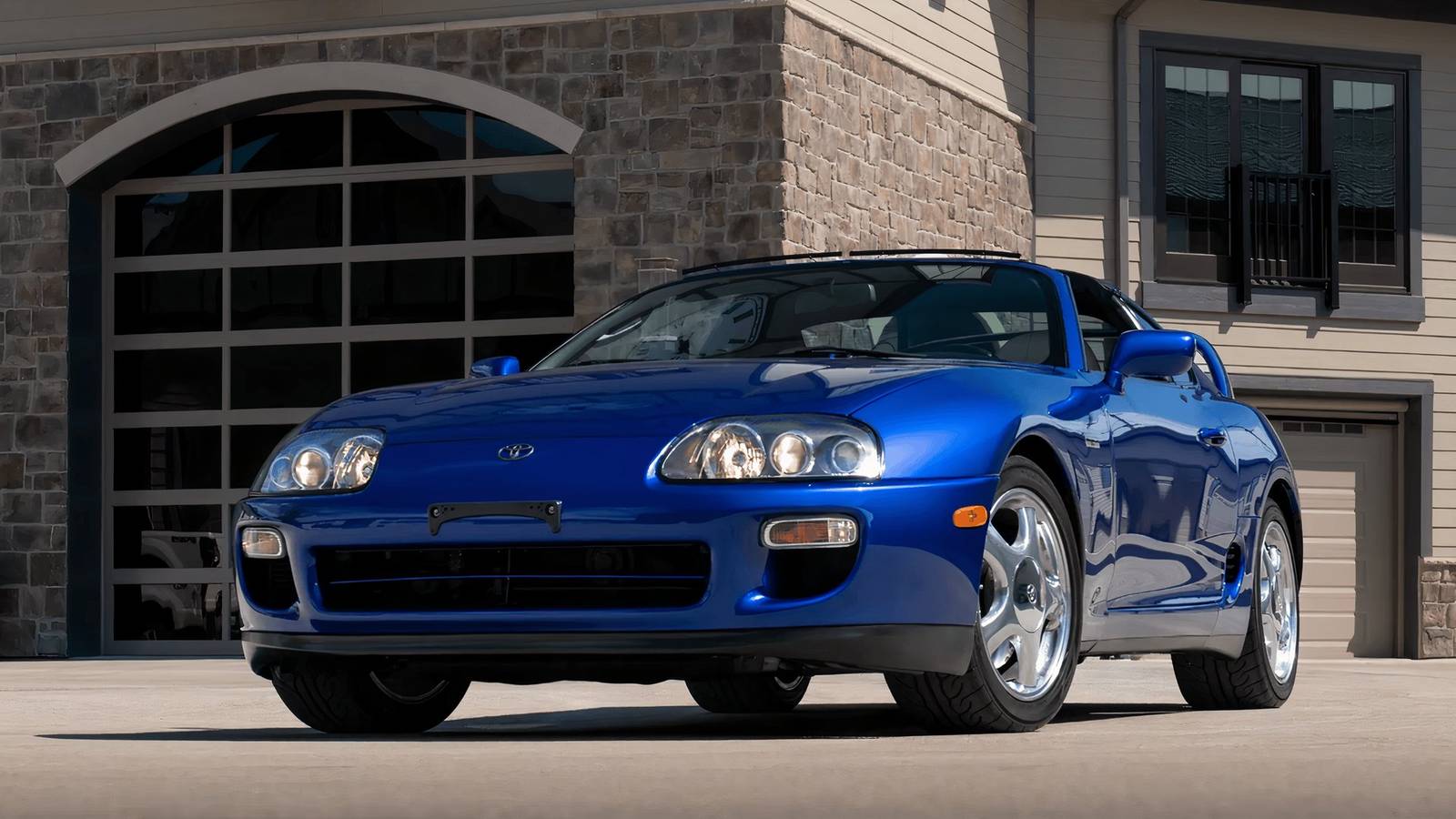
1. Toyota Supra Turbo (MK4 / A80)
- Engine: 3.0L Twin-Turbocharged Inline-6 (2JZ-GTE)
- Horsepower: 320 hp
- Torque: 315 lb-ft
- Size: 177.7 in. Long x 71.3 in. Wide
Few performance cars have built a reputation as strong as the fourth-generation Toyota Supra. Its popularity reached far beyond car circles, thanks to appearances in movies and video games that introduced it to a wide audience. Even people with little mechanical knowledge recognize the Supra name, which says a lot about how deeply it impacted car culture.
Real substance sits behind that fame, and it starts with the 2JZ-GTE engine. Toyota designed it with a cast-iron block, a choice more common in heavy-duty applications than in a sports coupe. That decision created an engine that could handle far more stress than expected, giving it a level of durability that quickly gained attention among tuners.
What truly set this engine apart was its ability to handle large power increases without internal upgrades. Many turbo engines reach a breaking point when boost pressure rises, but the 2JZ proved far more resilient. Owners regularly pushed output well beyond factory levels with upgraded turbos and fuel systems while keeping the original internal components intact.
This level of strength led to a huge aftermarket scene built around the Supra. Performance parts companies developed countless upgrades to support higher power goals, and the demand never faded. Even today, Supras from the 1990s continue to deliver impressive results on drag strips, proving how well this engine was engineered from the start.
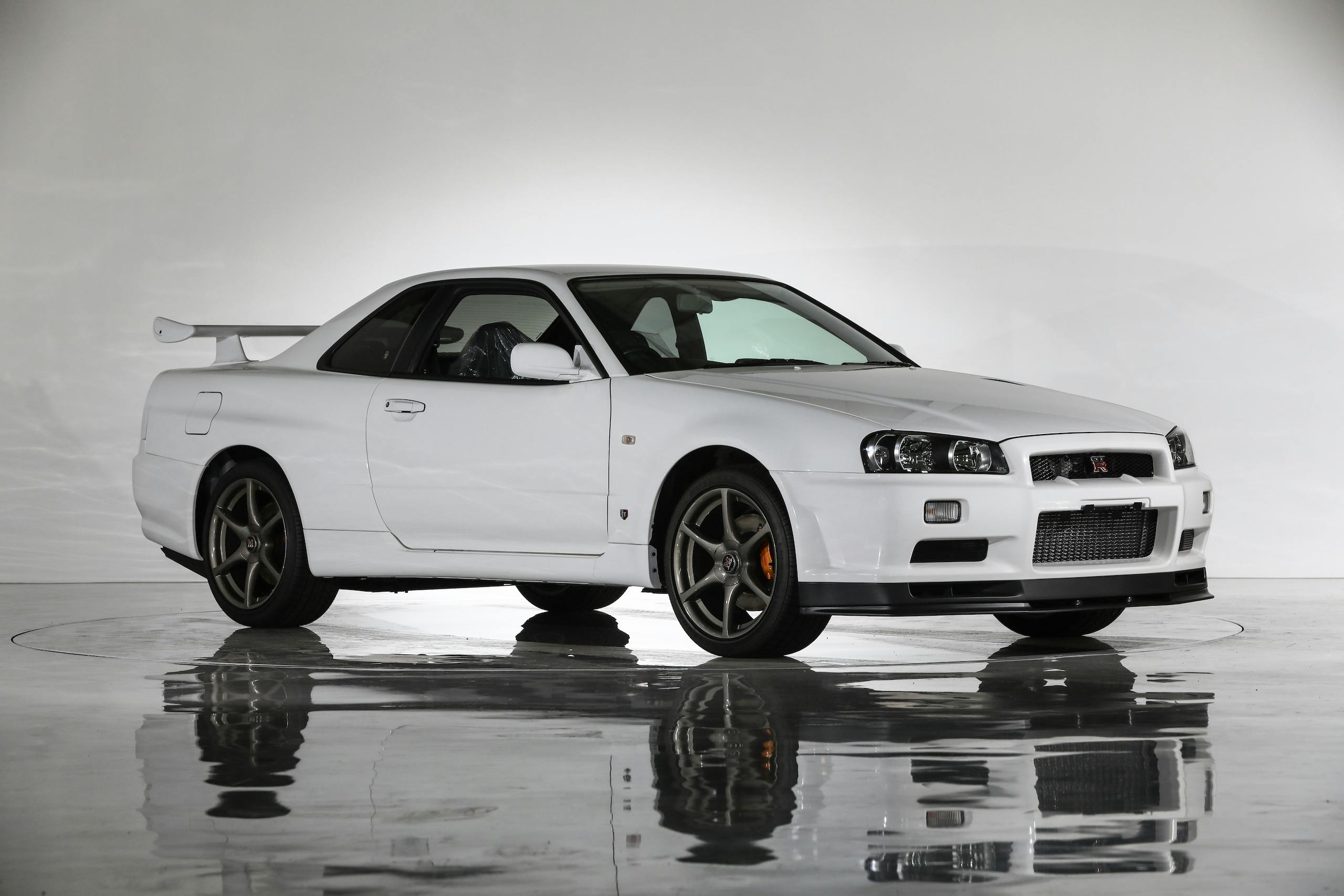
2. Nissan Skyline GT-R (R34)
- Engine: 2.6L Twin-Turbocharged Inline-6 (RB26DETT)
- Horsepower: 276 hp (advertised)
- Torque: 289 lb-ft
- Size: 181.1 in. Long x 70.3 in. Wide
Nicknamed “Godzilla,” the Nissan Skyline GT-R R34 earned its reputation through a mix of performance and advanced technology. It stood as more than just a fast car, showing how electronics could enhance driving capability in ways many competitors had not yet attempted.
Official power figures told only part of the story. Due to a voluntary agreement among Japanese automakers, output was listed at 276 horsepower. In reality, the RB26DETT engine produced closer to 320 horsepower, giving the car more performance than its specs suggested. This quiet understatement became part of its appeal among enthusiasts.
Another defining feature was its advanced all-wheel-drive system. Known as ATTESA E-TS, it continuously monitored driving conditions and adjusted power distribution between the front and rear wheels. This allowed the car to maintain strong traction during acceleration and cornering, offering a level of control that felt ahead of its time.
Performance on both road and track helped cement the R34’s reputation. It became a favorite in racing and gained even more attention through video games, where many players experienced it before ever seeing one in person. That combination of real-world success and digital exposure helped turn the R34 into a lasting icon.
Also Read: 5 Japanese Cars That Outlast American Ones and 5 Exceptions
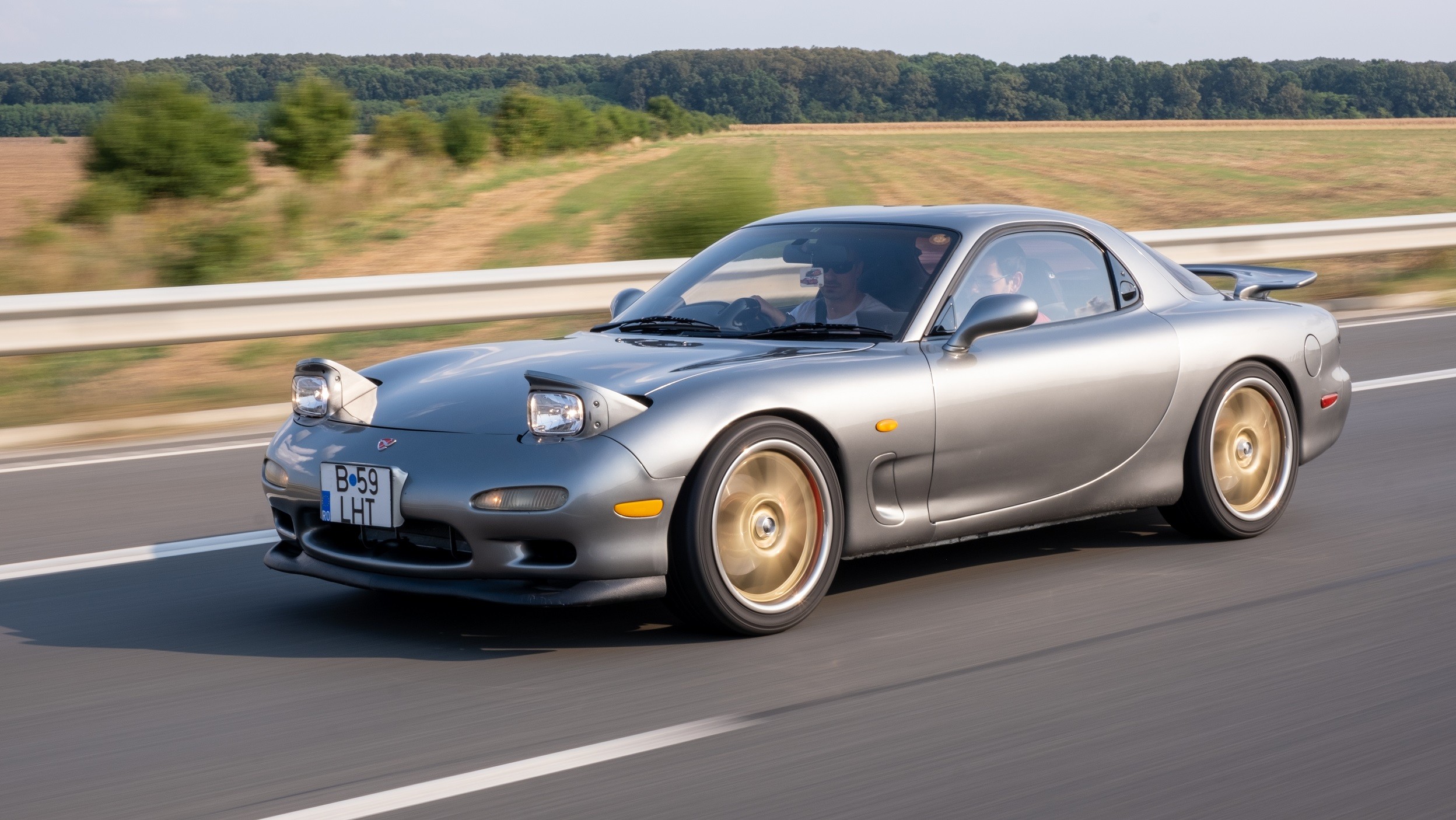
3. Mazda RX-7 Turbo (FD3S)
- Engine: 1.3L Twin-Turbocharged Sequential Dual-Rotor (13B-REW)
- Horsepower: 255 hp to 276 hp
- Torque: 217 lb-ft
- Size: 168.5 in. Long x 68.9 in. Wide
Mazda took a very different path with the RX-7, choosing a rotary engine instead of the traditional piston layout used by most performance cars. This unique design allowed for a much smaller and lighter engine, which helped improve balance and weight distribution. As a result, the car delivered a driving experience that felt sharp, responsive, and unlike anything else on the road at the time.
Attention to weight played a major role in shaping the FD RX-7’s character. Engineers worked carefully to remove unnecessary mass wherever possible, creating a lightweight sports car that responded quickly to driver input. That focus translated directly into precise handling and excellent cornering ability, making the car feel connected and engaging in a way that still earns respect years later.
Another standout feature was its advanced twin-turbocharging system. Instead of using a single turbo, Mazda introduced a sequential setup that used two turbochargers working at different stages. The smaller turbo activated at lower engine speeds to provide quick throttle response, while the larger turbo engaged at higher RPM to deliver stronger power as the engine climbed through its range.
This design solved a common problem found in many turbocharged cars from that era. Drivers often had to deal with noticeable lag before power arrived, especially with larger turbochargers. In the RX-7, acceleration felt smooth and continuous, with power building steadily rather than arriving in sudden bursts.
That seamless delivery made the car easier to control and more enjoyable to drive, especially on winding roads. Combined with its lightweight construction and balanced chassis, the RX-7 delivered a refined yet thrilling experience that stood apart from its rivals and continues to be admired today.
4. Mitsubishi Lancer Evolution VIII
- Engine: 2.0L Turbocharged 4-Cylinder (4G63T)
- Horsepower: 271 hp to 280 hp
- Torque: 273 lb-ft
- Size: 176.8 in. Long x 69.7 in. Wide
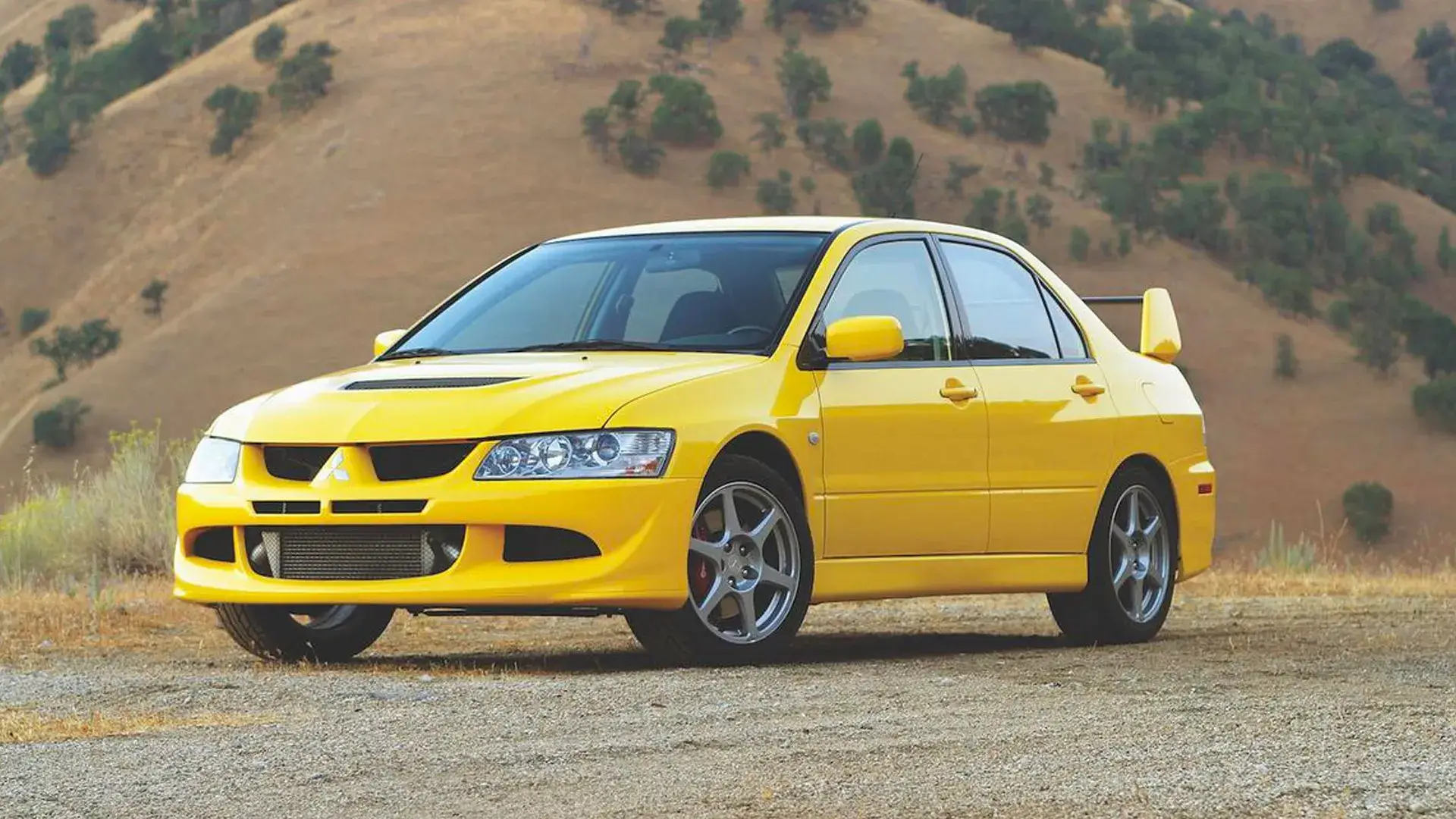
Rally racing has always demanded a particular kind of vehicle, one capable of surviving brutal roads while still delivering genuine speed and precise handling across constantly changing surfaces. The Mitsubishi Lancer Evolution VIII brought that exact rally-bred philosophy directly to American driveways for the very first time, and the impact on enthusiast culture was immediate and lasting.
The Evo VIII was the first model officially imported to North America, cementing the legendary rally-car-for-the-street rivalry with Subaru. That rivalry deserves real context, because it shaped an entire generation of performance car marketing and enthusiast loyalty.
Mitsubishi and Subaru had been engaged in genuine on-track combat through the World Rally Championship for years, and American enthusiasts had spent that same period reading magazine coverage of cars they had no legal way to actually purchase. When Mitsubishi finally brought the Evo to American shores officially, it instantly created a passionate, sometimes fierce loyalty divide between Evo and STI camps that persists among enthusiasts even today.
Engineering underneath that aggressive sedan bodywork reflected a genuine motorsport pedigree rather than marketing exaggeration. Its 4G63 engine paired with active center differentials allowed this aggressive sedan to out-handle premium supercars on tight, twisting roads.
Active center differentials represented genuinely sophisticated technology for a mainstream production sedan, constantly adjusting torque distribution between the front and rear axles based on real-time driving conditions, road surface grip, and driver input, essentially translating lessons learned directly from rally stage competition into a vehicle ordinary buyers could purchase from a dealership and drive home that same afternoon.
5. Subaru Impreza WRX STI (GD “Blobeye/Hawkeye”)
- Engine: 2.5L Turbocharged Flat-4 Boxer (EJ257)
- Horsepower: 300 hp
- Torque: 300 lb-ft
- Size: 173.8 in. Long x 68.5 in. Wide
Close your eyes and imagine the distinctive, uneven rumble of a turbocharged boxer engine idling at a stoplight, and there is a very good chance the image that comes to mind involves a Subaru Impreza WRX STI from this particular generation. Few cars in automotive history have built such a strong, instantly recognizable sonic identity, and that distinctive sound became inseparable from an entire era of performance car enthusiasm.
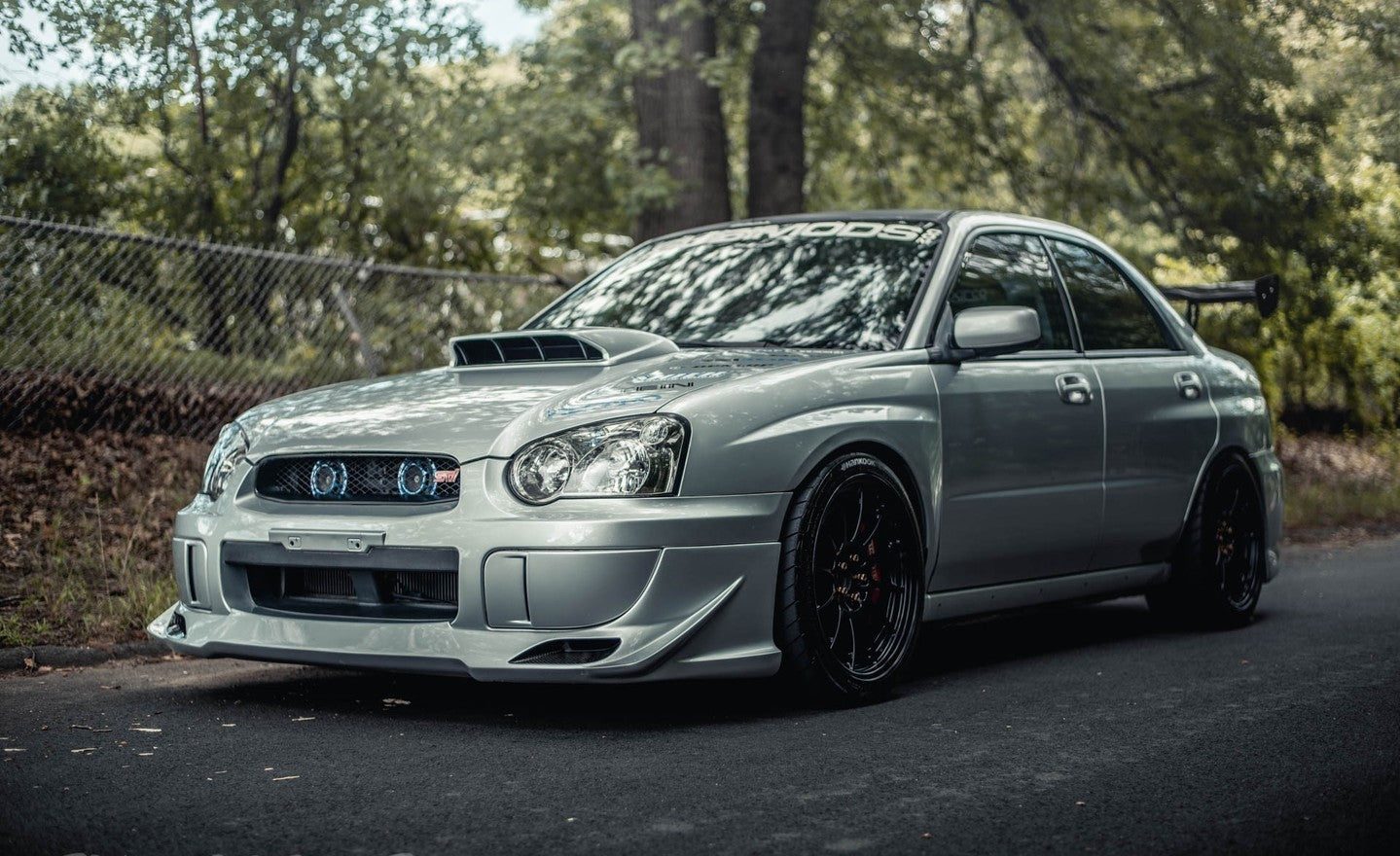
Visual identity mattered just as much as sound for this generation of STI, creating a car that announced its intentions before the engine ever started. With its signature oversized rear wing, functional hood scoop, and gold wheels, the STI defined the World Rally Championship boom.
That oversized rear wing in particular became something of a cultural symbol throughout the 2000s, instantly recognizable even to people with no particular automotive knowledge, appearing constantly in films, video games, and street racing culture as visual shorthand for serious performance intent.
What made that boxer engine configuration genuinely unique among turbocharged engines from this era comes down to fundamental engine architecture. Unlike the inline-four and inline-six engines found in most competing performance cars, Subaru’s horizontally-opposed boxer design positions cylinders flat and facing each other rather than standing upright in a traditional row.
The turbocharged boxer engine produced a distinct, rumbling exhaust note that became synonymous with 2000s performance car culture. That unusual cylinder arrangement creates uneven exhaust pulse timing compared to conventional engine layouts, producing the unmistakable, slightly uneven rumble that Subaru enthusiasts immediately recognize from blocks away.
6. Nissan 300ZX Twin Turbo (Z32)
- Engine: 3.0L Twin-Turbocharged V6 (VG30DETT)
- Horsepower: 300 hp
- Torque: 283 lb-ft
- Size: 169.5 in. (2-seater) to 178.0 in. (4-seater) Long x 70.9 in. Wide
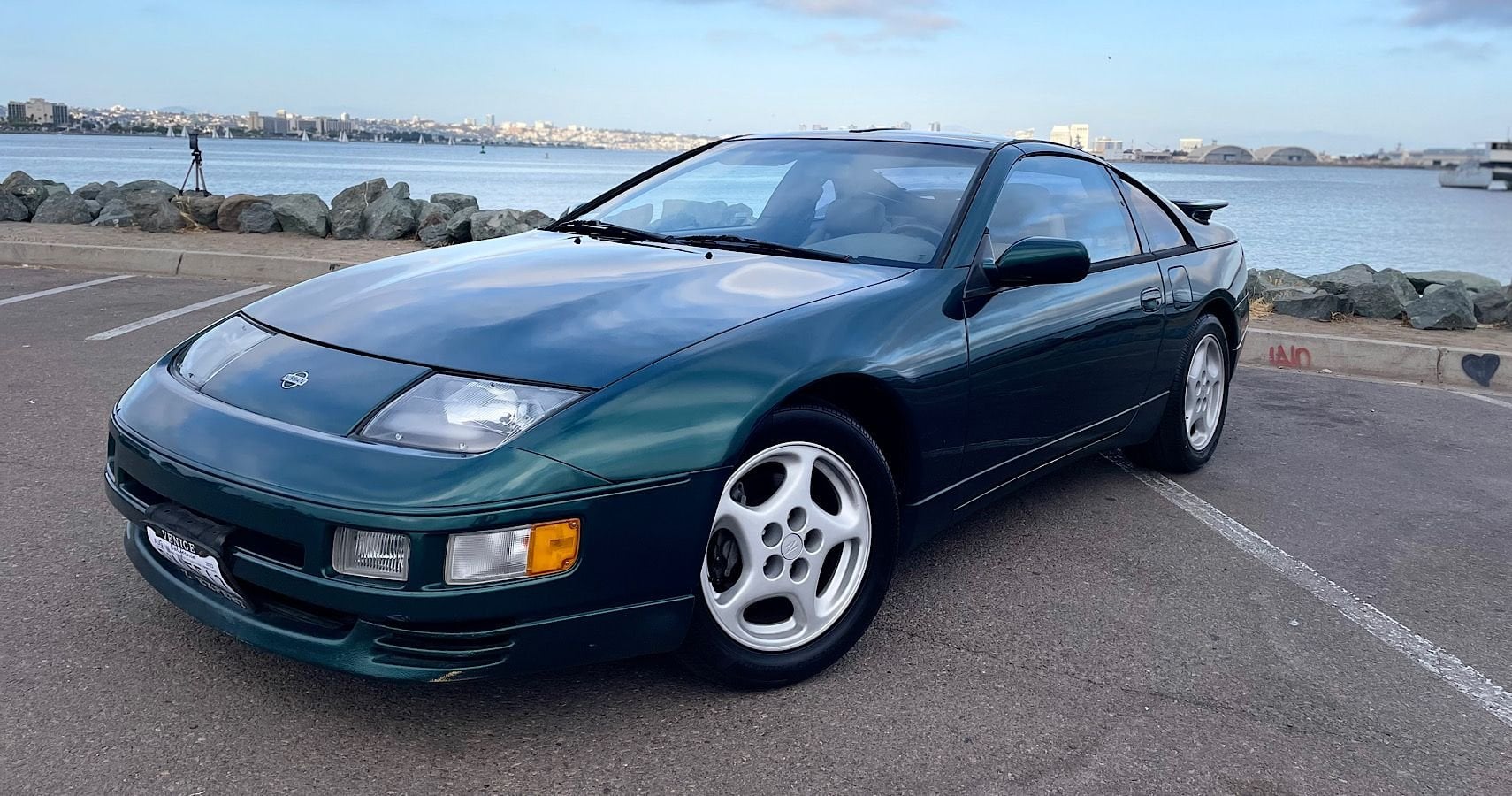
Long before digital design tools became common across the auto industry, Nissan pushed boundaries with the Z32-generation 300ZX. This model was among the early production cars shaped using supercomputer-assisted design, allowing engineers to refine aerodynamics and proportions with impressive precision. The result was a sleek, low-slung body that still looks fresh today, proving how forward-thinking that approach truly was.
Under the hood sits a 3.0-liter twin-turbocharged V6 engine known as the VG30DETT. Producing around 300 horsepower, it delivered smooth, confident acceleration suited for both spirited driving and highway cruising. Power delivery felt refined rather than aggressive, aligning perfectly with the car’s grand touring personality. It was built to cover long distances comfortably without sacrificing performance when needed.
Technology played a central role in shaping the driving experience. Nissan equipped the 300ZX with its Super HICAS four-wheel steering system, a feature that set it apart from many competitors of its time. At higher speeds, the rear wheels adjusted slightly in coordination with the front, improving stability during lane changes and fast cornering. Drivers often described the sensation as controlled and reassuring, especially on open roads.
Comfort and capability came together in a way that appealed to drivers seeking both performance and usability. The cabin offered a driver-focused layout with supportive seating, while the chassis delivered a composed ride that handled daily driving just as well as weekend runs. This balance helped define the Z32 as more than just a sports car. It became a refined grand tourer that blended innovation, power, and comfort into one well-rounded package.
7. Toyota MR2 Turbo (SW20)
- Engine: 2.0L Turbocharged 4-Cylinder (3S-GTE)
- Horsepower: 200 hp to 242 hp
- Torque: 200 lb-ft
- Size: 164.2 in. Long x 66.9 in. Wide
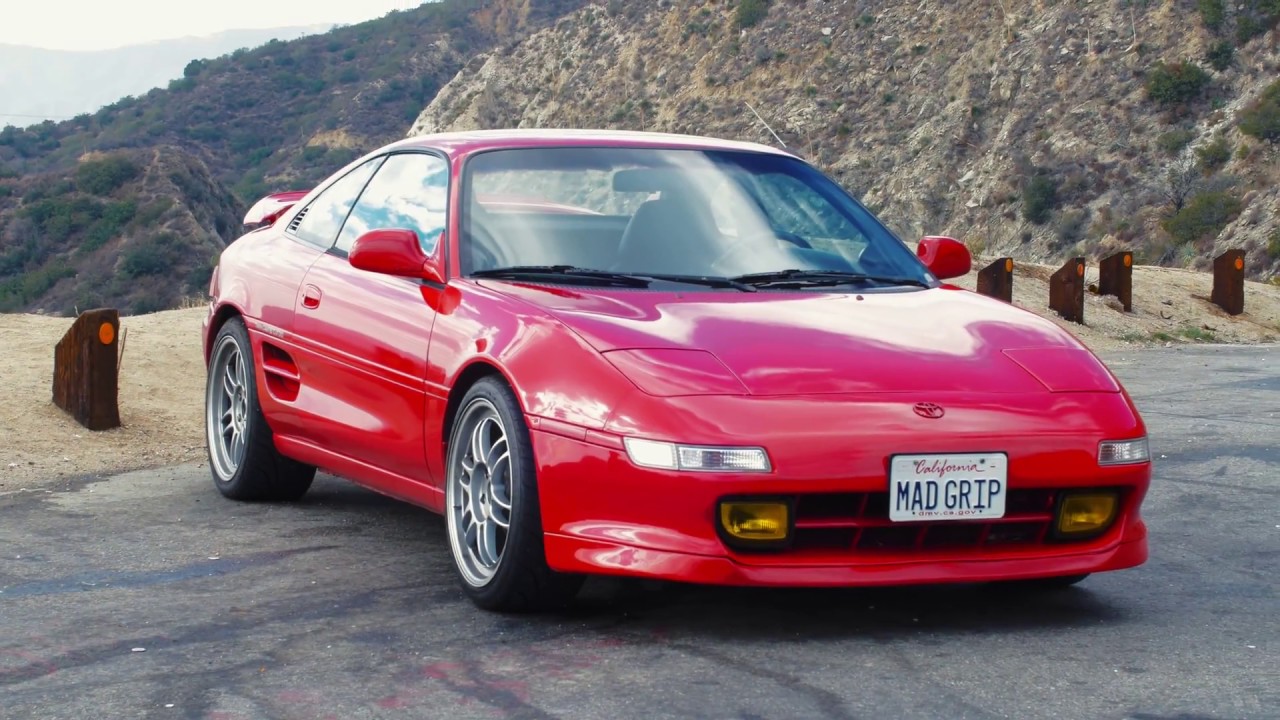
Affordable performance rarely included exotic engineering, yet the second-generation MR2 Turbo broke that pattern in a big way. Toyota placed the engine behind the driver, creating a mid-engine layout usually reserved for far more expensive sports cars. That decision alone gave the MR2 a unique identity among compact performance vehicles of its time.
Power came from a 2.0-liter turbocharged four-cylinder engine, delivering between 200 and 242 horsepower depending on the market. While those numbers may seem modest compared to larger performance cars, the lightweight design and balanced layout made the MR2 feel far more energetic on the road. Acceleration felt lively, and the car responded quickly to driver input, creating an engaging experience behind the wheel.
Positioning the engine near the center of the car transformed how it handled corners. Weight distribution stayed more evenly balanced, allowing for sharper turn-in and improved stability during aggressive driving. This setup gave drivers a level of precision that front-engine layouts often struggled to match. It required skill to master, but once understood, it rewarded drivers with exceptional control.
Another standout aspect was the sensory connection between driver and machine. With the turbocharged engine sitting just behind the cabin, drivers could hear and feel the mechanical action more directly. The sound of the turbo building boost and the responsiveness of the throttle created a driving experience that felt immersive and engaging.
By combining an uncommon layout with accessible pricing, the MR2 Turbo delivered something rare. It offered a taste of exotic performance without the financial barrier, making it a memorable and influential sports car that still holds a strong following today.
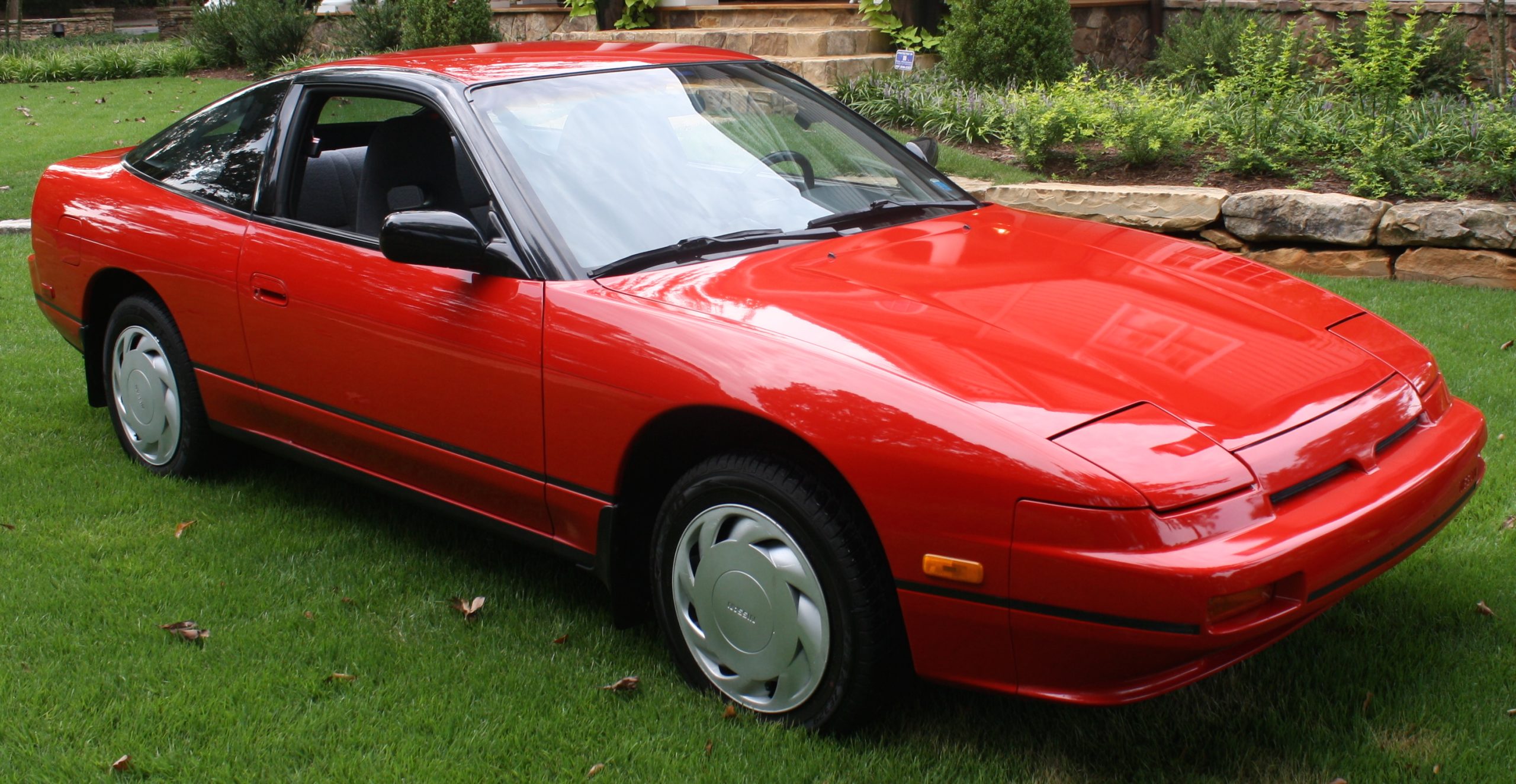
8. Nissan Silvia / 240SX (S15)
- Engine: 2.0L Turbocharged 4-Cylinder (SR20DET)
- Horsepower: 247 hp
- Torque: 203 lb-ft
- Size: 174.8 in. Long x 66.7 in. Wide
Few cars have shaped modern drifting culture quite like the Nissan Silvia S15, a platform that arrived at just the right time and delivered exactly what drivers needed. As drifting began gaining global attention, this particular model quickly became a favorite, earning a reputation as one of the most capable factory-built chassis for controlled sideways driving.
At the heart of its appeal sits the SR20DET engine, a turbocharged four-cylinder known for its responsiveness and tuning potential. Lightweight by design, it allowed the car to maintain excellent balance while still delivering strong performance. Enthusiasts appreciated how easily the engine responded to upgrades, whether through simple boost adjustments or more extensive modifications. That flexibility made it a common choice not only within the Silvia itself but also for engine swaps into other rear-wheel-drive platforms.
Equally important was the car’s chassis setup. Built with a near-perfect weight distribution and rear-wheel-drive layout, it offered the kind of predictable handling that drifting relies on. Drivers could initiate and control slides with confidence, thanks to the way the suspension and steering communicated feedback through every corner. This level of control made it easier to link turns smoothly, a critical skill in competitive drifting.
As the sport expanded beyond Japan and gained recognition worldwide, the S15 became a reference point for what a proper drift car should feel like. Many professional drivers built their careers around this platform, refining their skills in machines that delivered both consistency and performance. Even years after production ended, the S15 continues to hold a strong presence in the drifting scene, valued for its balance, adaptability, and lasting influence on the sport.
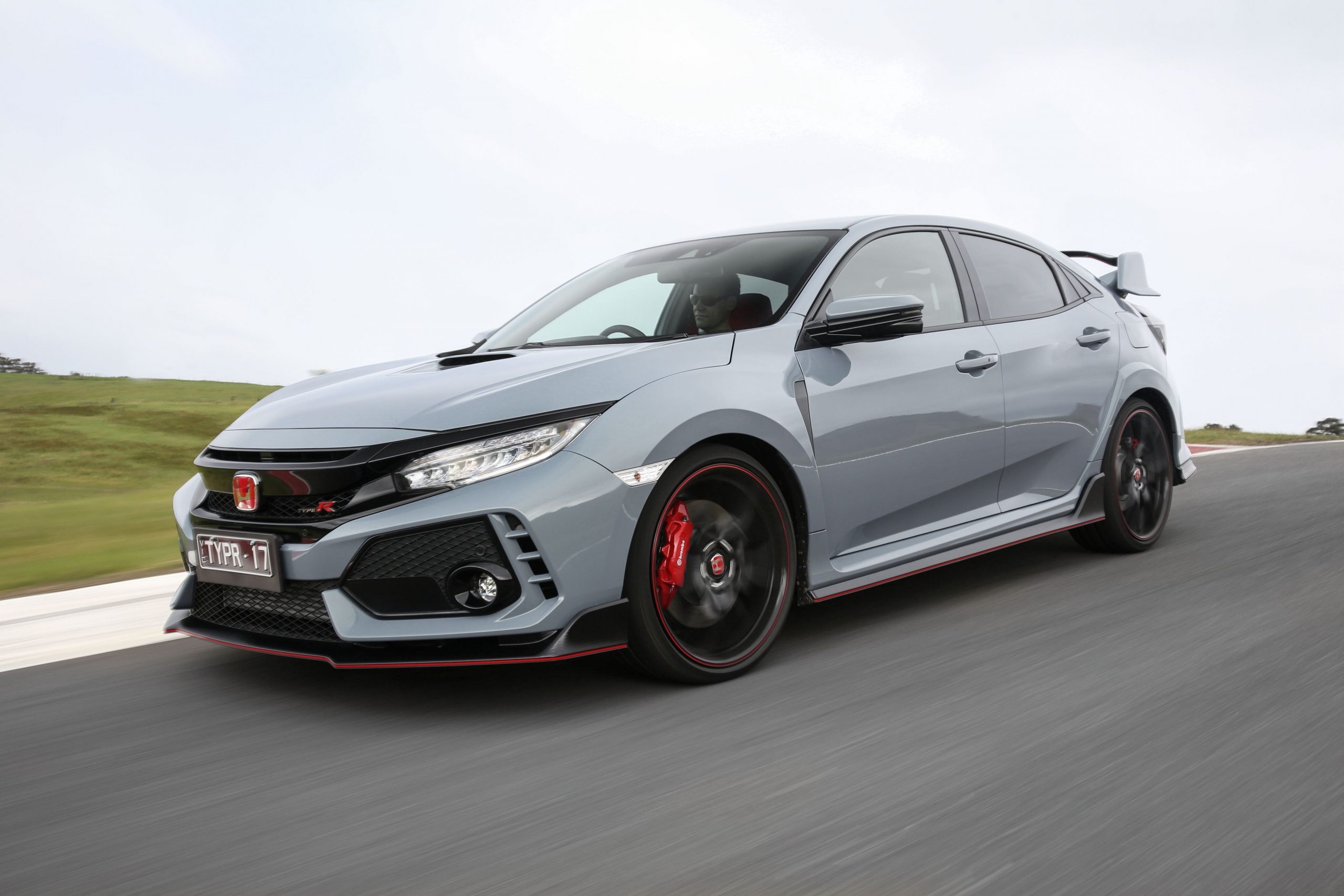
9. Honda Civic Type R (FK8)
- Engine: 2.0L Turbocharged 4-Cylinder (K20C1)
- Horsepower: 306 hp
- Torque: 295 lb-ft
- Size: 179.4 in. Long x 73.9 in. Wide
Honda built its performance identity around high-revving, naturally aspirated VTEC engines for many years, so the introduction of a turbocharged Civic Type R marked a major change in direction. For a long time, the brand focused on extracting power through engine speed and precision engineering rather than forced induction. That approach helped define Honda’s reputation among enthusiasts who appreciated responsive, lightweight engines that delivered power in a smooth, predictable way.
Switching to turbocharging represented more than just a technical update. It reflected a change in how Honda approached modern performance demands. By adding a turbocharger to the FK8 Civic Type R, the company embraced a new strategy that delivered stronger mid-range power and improved real-world acceleration. This move also aligned with the growing demand for performance cars that could balance speed with everyday usability.
The results spoke clearly once the car reached the track. The FK8 Civic Type R set a front-wheel-drive lap record at the Nürburgring, one of the most challenging and respected circuits in the automotive world. Achievements at this track carry real credibility because it tests every aspect of a vehicle’s performance, including handling, braking, and stability under pressure.
That record proved Honda had not lost its engineering edge. Instead, it showed the company could adapt its philosophy while maintaining the precision and attention to detail it was known for. The turbocharged setup delivered strong performance without sacrificing control, helping the car remain composed even at high speeds.
By blending its traditional strengths with modern turbo technology, Honda helped define a new generation of high-performance hatchbacks. The Civic Type R became a clear example of how a brand can advance while still staying true to its core identity.
Also Read: 8 Reasons Why 90s Japanese Cars Are the New Muscle Cars
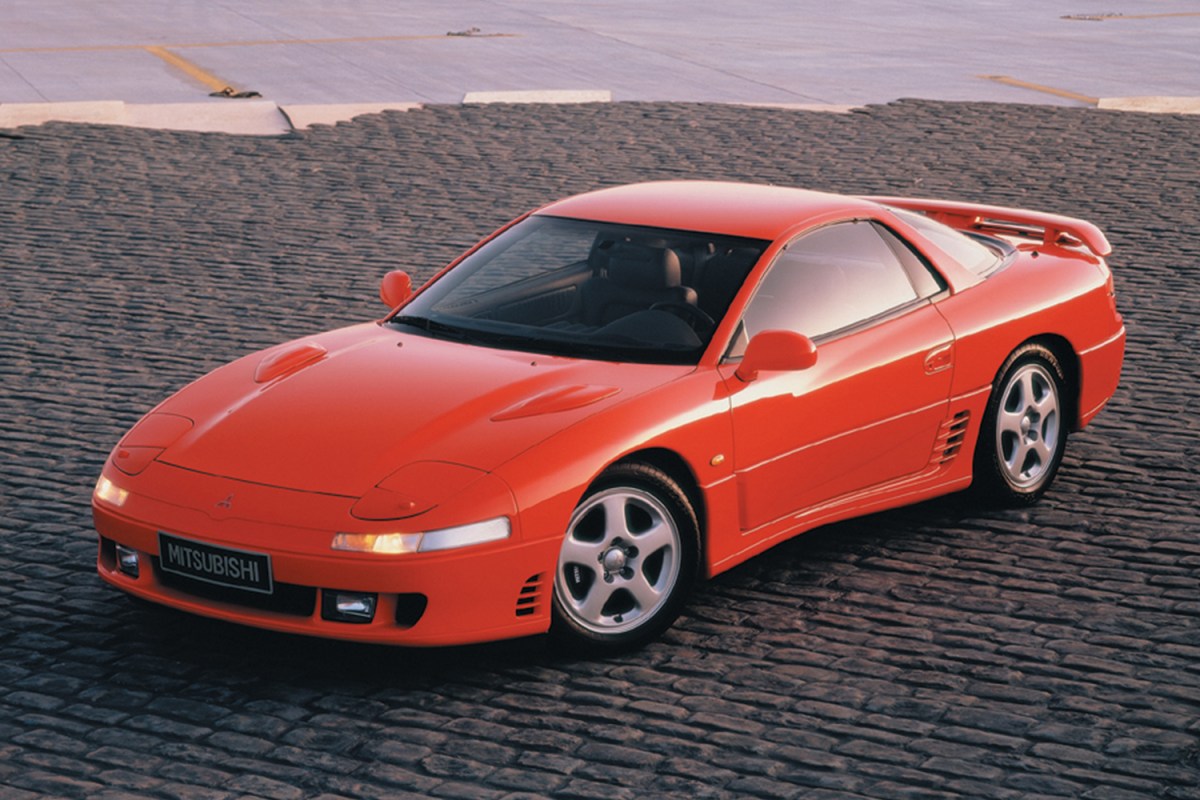
10. Mitsubishi 3000GT VR-4
- Engine: 3.0L Twin-Turbocharged V6 (6G72)
- Horsepower: 300 hp to 320 hp
- Torque: 307 lb-ft to 315 lb-ft
- Size: 180.0 in. Long x 72.4 in. Wide
Packed with advanced features for its time, the Mitsubishi 3000GT VR-4 stands as a bold example of how far performance engineering was pushed in the early 1990s. Rather than focusing on just one standout feature, Mitsubishi combined multiple cutting-edge systems into a single car, creating a machine that felt ahead of its era in both design and capability.
Under the surface, this car brought together an impressive mix of hardware. It featured twin turbochargers paired with a full-time all-wheel-drive system, delivering strong traction and confident acceleration in various driving conditions. Adding to that, Mitsubishi included four-wheel steering, which improved stability during high-speed driving while also helping with maneuverability in tighter situations. These features alone would have made it a standout, yet the company went even further.
One of the more interesting additions was the electronically controlled exhaust system. Drivers could switch between a quieter setting for daily use and a more aggressive tone when they wanted a sportier feel. This level of control gave the car a dual personality, making it suitable for both relaxed driving and more spirited moments behind the wheel.
Aerodynamics also played a major role in its design. The VR-4 came equipped with active aerodynamic elements, including front and rear spoilers that adjusted automatically based on speed. These components were not just for appearance, as they actively improved stability and airflow when the car was pushed harder.
All of these elements came together to create a vehicle that reflected a period when manufacturers were willing to experiment and push boundaries. The 3000GT VR-4 was not just about speed. It represented a complete package of innovation, blending performance, technology, and creativity into one ambitious design that still earns respect today.
