
Most drivers would never imagine that a Porsche and a Mercedes-Benz could be built inside the same factory. It may sound surprising, yet it happens in several production plants around the world.
Rival brands that compete for buyers often rely on the same assembly lines, experienced technicians, and advanced manufacturing equipment to produce their vehicles. For many manufacturers, this approach helps lower production costs while maintaining the quality customers expect.
These partnerships have existed for many years and play an important part in modern vehicle manufacturing. Some factories produce luxury SUVs alongside affordable family cars, while others assemble sports cars from completely different manufacturers under one roof. There are even facilities that once built vehicles for companies that have since closed their doors, adding another chapter to their long production history.
Many buyers never realise this when purchasing a new car because each brand still follows its own design standards, engineering requirements, and quality inspections. Even though the vehicles share the same production facility, each one leaves the factory meeting the expectations of its manufacturer.
This page takes a closer look at ten remarkable factories across the globe where competing brands come together under one roof. Their stories reveal how cooperation behind the scenes has become an important part of the automotive industry, proving that successful manufacturing often depends on teamwork rather than competition alone.
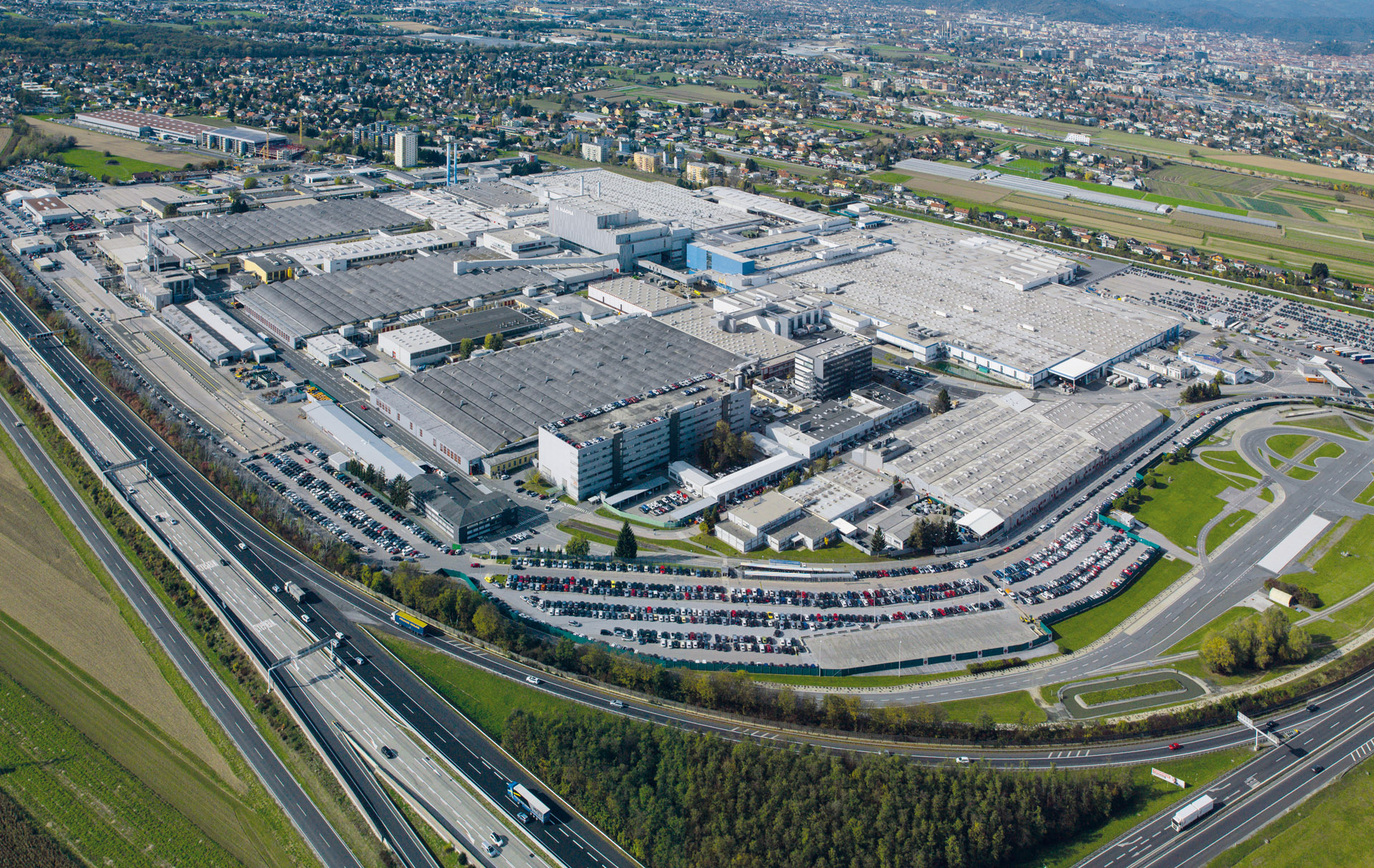
1. Magna Steyr Plant (Graz, Austria)
Hidden near the city of Graz in Austria, the Magna Steyr factory has earned a reputation unlike almost any other vehicle assembly plant. Although the company does not sell cars under its own name, it has produced models for several respected manufacturers, including brands that compete directly with one another. Its ability to meet different production standards has made it a trusted manufacturing partner across the automotive industry.
Among the factory’s best-known products is the Mercedes-Benz G-Class. Built with a rugged design inspired by military vehicles, the G550 version uses a 4.0-litre twin-turbo V8 producing 416 horsepower. Power is delivered through a nine-speed automatic transmission and a full-time Four Wheel Drive system. Despite its premium price, this luxury SUV is assembled by Magna Steyr rather than inside a Mercedes-Benz-owned factory.
The same production facility has also manufactured the BMW Z4, a stylish two-seat roadster offered with either a turbocharged four-cylinder engine or a 3.0-litre turbocharged inline six producing about 382 horsepower in the M40i version. During selected production years, certain BMW 5 Series models were also built there.
Toyota also relies on the plant for the GR Supra, developed together with BMW and sharing many mechanical parts, including the available turbocharged inline-six engine. Jaguar has equally trusted the factory with the production of the E-Pace compact SUV and, during earlier years, the fully electric I-Pace.
What truly makes this Austrian facility stand out is the confidence placed in it by different manufacturers. Skilled assembly teams build vehicles carrying completely different badges while meeting each company’s demanding quality standards. That level of trust has helped Magna Steyr remain one of the automotive industry’s most respected contract manufacturers for decades.
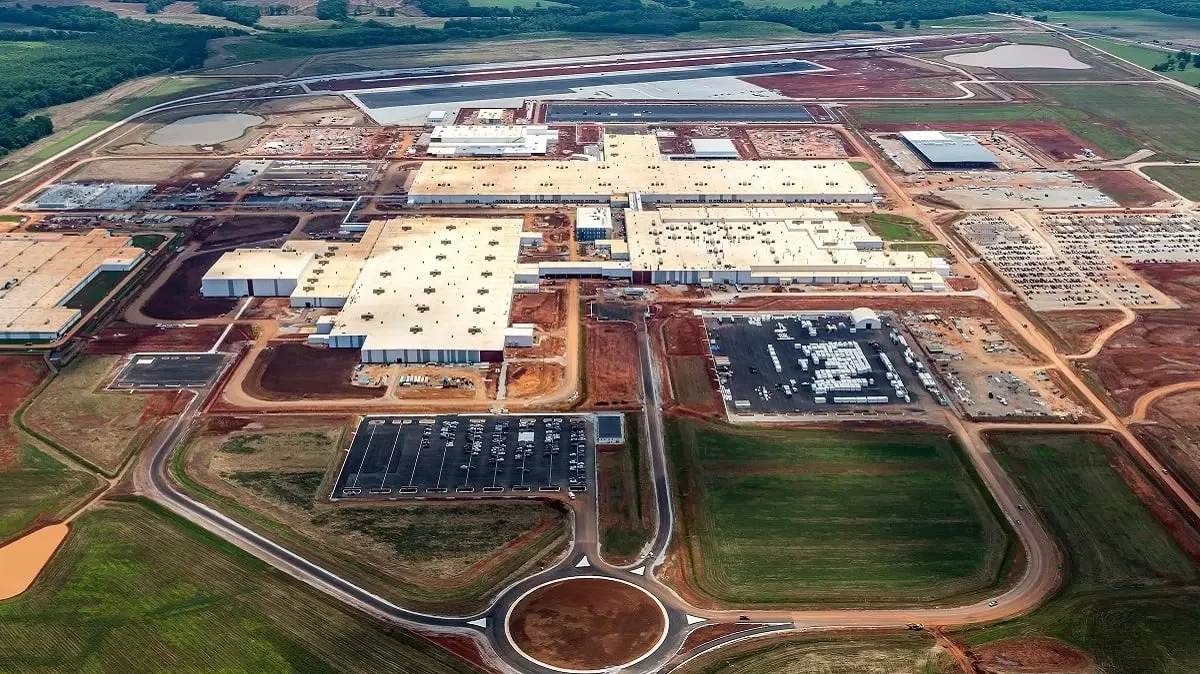
2. Toyota Motor Manufacturing Alabama (Huntsville, Alabama, USA)
Engines rarely get the spotlight that finished cars do, but this Huntsville facility deserves attention for a different reason. Rather than assembling complete vehicles, this plant specializes in producing engines and components that end up under the hoods of cars sold thousands of miles away.
Toyota engines built here have powered everything from midsize sedans to full-size trucks, depending on the specific engine family in production at any given time. The plant has handled four-cylinder and V6 configurations, supplying powertrains that eventually get paired with transmissions and chassis at separate assembly plants across North America.
Lexus, Toyota’s luxury division, also relies on engines produced at this same facility. Since Lexus vehicles share substantial engineering with their Toyota counterparts, it makes sense that the same engine lines feeding Toyota’s lineup would also feed Lexus models, just with different tuning, additional sound insulation, and different badges by the time they reach a dealership lot.
This kind of shared engine production rarely gets discussed the way finished-vehicle assembly does, yet it represents one of the most practical examples of brand-sharing in the entire industry. Two separate brands, one aimed at value-conscious buyers and the other at luxury shoppers, both depend on components built under one roof in Alabama.
The efficiency here comes down to simple math. Building engines at scale for multiple brands within the same corporate family reduces costs, standardizes quality control, and allows Toyota’s global operations to stay flexible depending on where demand happens to be strongest in any given quarter. It’s not glamorous work, and it doesn’t get its own commercial during football broadcasts, but it keeps millions of vehicles moving every single year.
Also Read: Top 8 Diesel Powerplants That Run Efficiently on Modern Ultra Low Sulfur Fuel
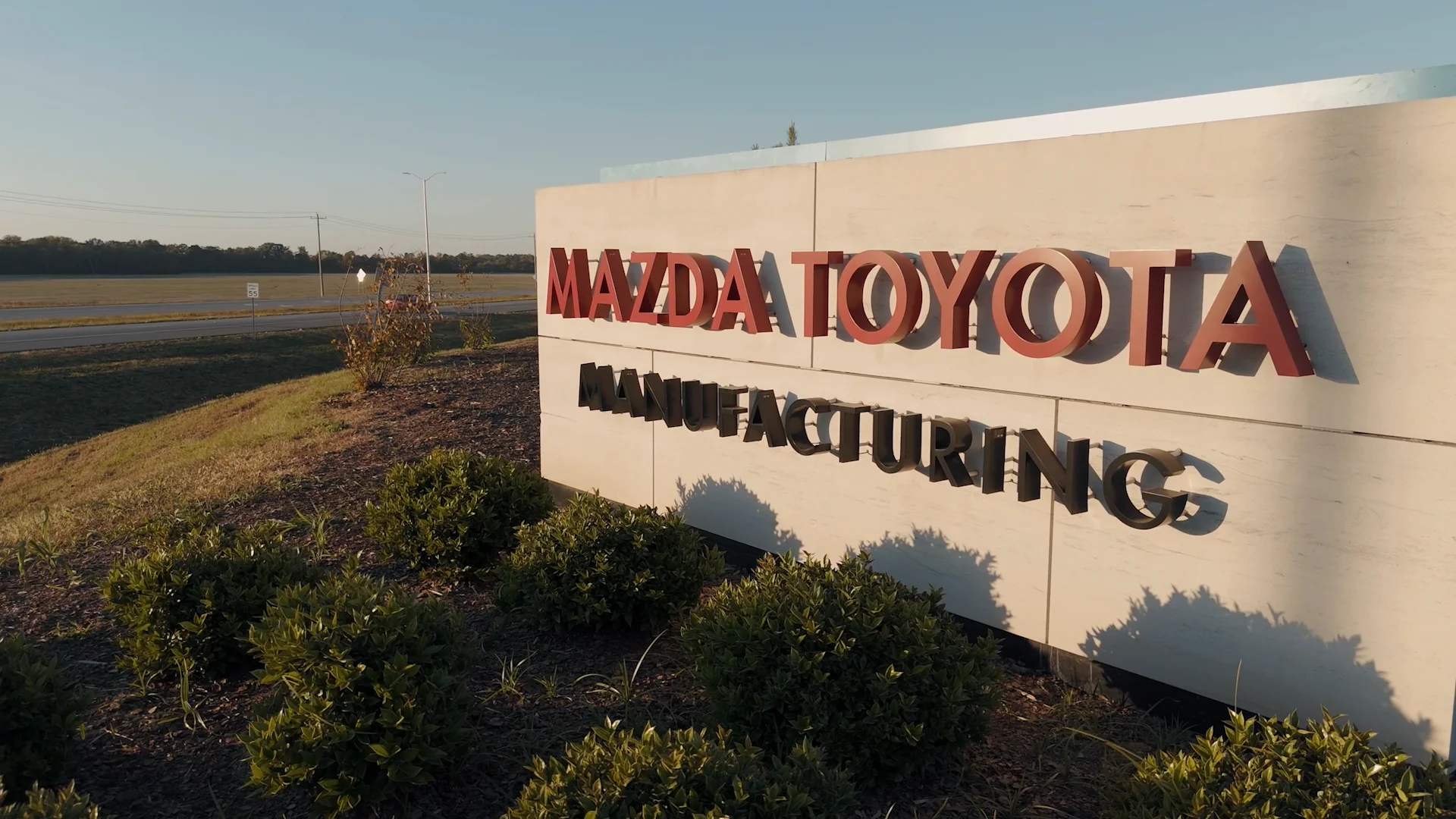
3. Mazda Toyota Manufacturing Plant (Huntsville, Alabama, USA)
Right alongside that engine facility sits an entirely different kind of operation, one built specifically as a joint venture between two brands that spent decades as competitors before deciding to become neighbors instead.
This plant exists because Toyota and Mazda recognized an opportunity to share tooling, labor, and factory space rather than each building separate facilities for similar vehicle segments. The result is a factory that builds two crossovers with completely different personalities, despite rolling off adjacent lines.
The Toyota Corolla Cross is a compact crossover built around practicality, offering a 2.0-liter four-cylinder engine producing 169 horsepower paired with a continuously variable transmission in most trims. It’s aimed squarely at buyers who want Toyota’s reputation for reliability in a slightly taller, more versatile body style than the standard Corolla sedan.
Just a short distance away, the Mazda CX-50 takes a noticeably different approach despite sharing a home address. Built with a more upscale interior and available with a turbocharged 2.5-liter engine producing up to 256 horsepower in its Turbo trim, the CX-50 targets buyers who want something closer to a premium driving feel without stepping fully into luxury pricing.
What’s fascinating is how differently these two vehicles are marketed despite their shared birthplace. Toyota leans on decades of trust and low cost of ownership. Mazda leans on design and driving engagement. Yet both companies decided that sharing a factory made more financial sense than each building separate plants for vehicles that, on paper, compete somewhat directly with each other.
This kind of partnership reflects a broader trend across the industry, where even brands with different identities find common ground when the spreadsheet math points toward shared infrastructure instead of duplicated investment.
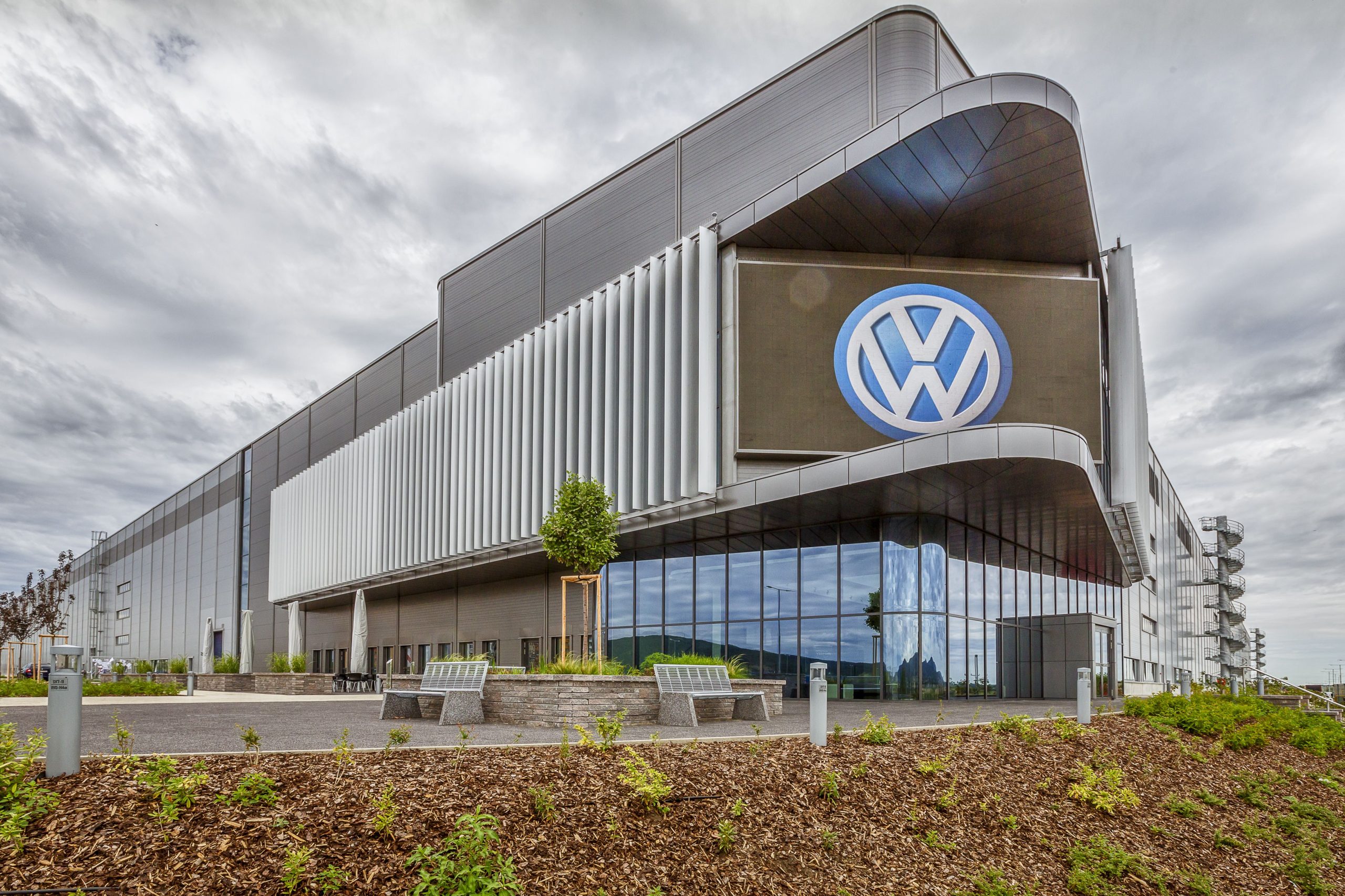
4. Volkswagen Bratislava Plant (Bratislava, Slovakia)
A single manufacturing plant in Slovakia has achieved something very few automotive factories can match. Located in the country’s capital, the facility produces vehicles for five luxury and performance brands, even though each one targets a different type of buyer. This arrangement highlights the factory’s ability to meet demanding quality standards across multiple manufacturers while building vehicles with very different personalities.
The Volkswagen Touareg stands as the most affordable model produced there. It comes with a 3.0-litre turbocharged V6 engine delivering about 335 horsepower, standard All Wheel Drive, and a refined interior that gives buyers a premium driving experience without stepping into the luxury segment.
Sharing much of the same platform is the Audi Q7, which adds Audi’s styling, extra technology, and the option of a third row for larger families. The Audi Q8 is also assembled at the plant, using similar mechanical components while adopting a sleeker SUV design that places more emphasis on style than cargo capacity.
Porsche also depends on this facility to build the Cayenne. Although it shares its basic structure with the Volkswagen and Audi models, Porsche gives it sharper handling, sportier looks, and stronger engine choices, ranging from a turbocharged V6 to powerful twin-turbo V8 versions.
Sitting at the top of the lineup is the Lamborghini Urus. Its 4.0-litre twin-turbo V8 produces 657 horsepower, allowing this high-performance SUV to sprint from zero to 60 miles per hour in less than three and a half seconds. Remarkably, such an exotic vehicle is assembled in the same factory as practical family SUVs, proving the plant’s outstanding manufacturing capability and attention to detail every day.
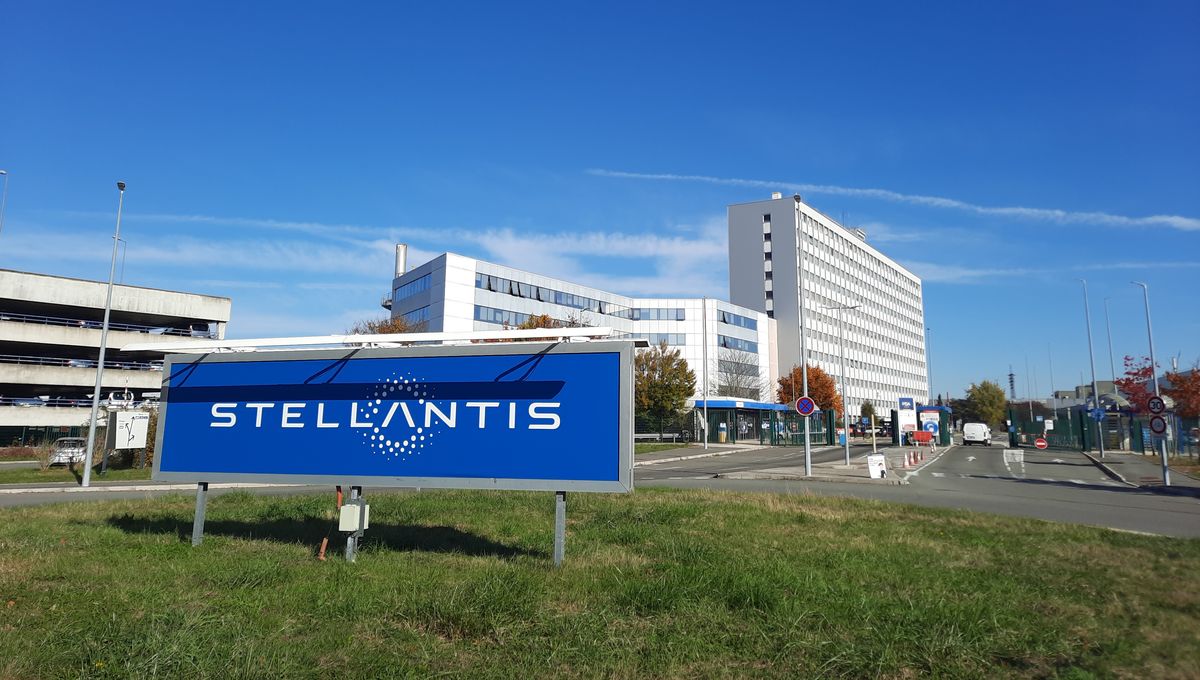
5. Stellantis Sochaux Plant (Sochaux, France)
France’s automotive history runs deep in Sochaux, where this plant has served as a production hub for more than a century. Today it represents how corporate mergers reshape manufacturing, with two brands under the Stellantis umbrella sharing floor space that once belonged to a single independent company.
Peugeot’s presence here centers heavily around the 3008, a compact crossover offering buyers a choice between efficient turbocharged gasoline engines and plug-in hybrid powertrains, the latter combining a gasoline engine with electric motors for combined output figures exceeding 300 horsepower in top configurations.
The Peugeot 5008 extends that same formula into a larger body style, adding a third row of seating while retaining similar engine choices, aimed at families who want Peugeot’s design sensibility without stepping into a traditional minivan.
Opel, meanwhile, builds the Grandland at this same location, a vehicle that shares substantial engineering with the Peugeot models built alongside it, thanks to Stellantis’ strategy of consolidating platforms across brands that once operated as separate competitors before merging under one corporate structure.
This kind of arrangement didn’t happen by accident. When Peugeot’s parent company merged with the group that owned Opel, factories that once built exclusively for one brand suddenly found themselves retooled to handle multiple brands simultaneously, cutting costs while maintaining separate showroom identities for each nameplate.
Workers on this floor might assemble a Peugeot-badged crossover in the morning and switch to Opel-badged components by afternoon, depending on production schedules and regional demand. It’s a level of flexibility that would have seemed unthinkable to the plant’s original owners decades ago, back when brand rivalry meant something closer to genuine corporate hostility rather than shared spreadsheets and shared supply chains.
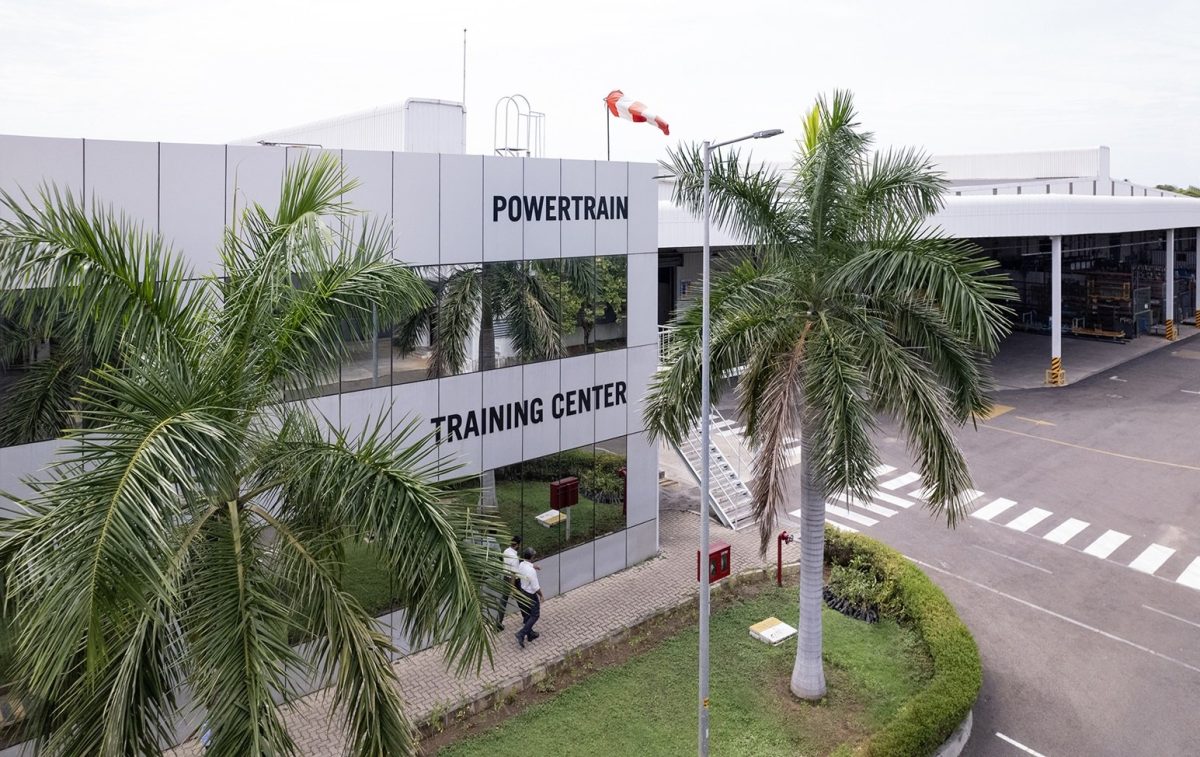
6. Renault-Nissan-Mitsubishi Alliance Plant (Chennai, India)
India’s automotive market operates by different rules than many Western countries, prioritizing affordability and fuel efficiency above almost everything else. This Chennai facility reflects that reality perfectly, building compact vehicles for two allied brands that share far more beneath the surface than their separate dealership networks might suggest.
The Renault Kiger stands out as a subcompact crossover built specifically with budget-conscious buyers in mind, typically offered with a naturally aspirated or turbocharged three-cylinder engine, prioritizing fuel economy and low ownership costs over outright performance figures.
The Renault Triber takes a slightly different approach, offering a compact seven-seat layout in a body style barely larger than a typical hatchback, a clever packaging solution aimed at large families who need extra seating without the higher price tag of a traditional SUV.
Nissan’s contribution to this shared facility comes through the Magnite, a subcompact SUV that shares its underlying platform with the Renault Kiger despite wearing different sheet metal and a completely different interior design, again reflecting the alliance’s strategy of splitting engineering costs across brands rather than duplicating development work.
Earlier production runs at this same facility also included the Nissan Micra, a compact hatchback that served international markets for years before eventually being phased out as the alliance shifted its regional priorities toward crossovers and SUVs, which had become the dominant body style demanded by buyers across most of the developing world.
This kind of shared platform strategy allows both brands to compete in a market where profit margins run thin, since spreading development costs across two brand identities makes each vehicle more financially viable than if either company had attempted to develop and build these models entirely alone.
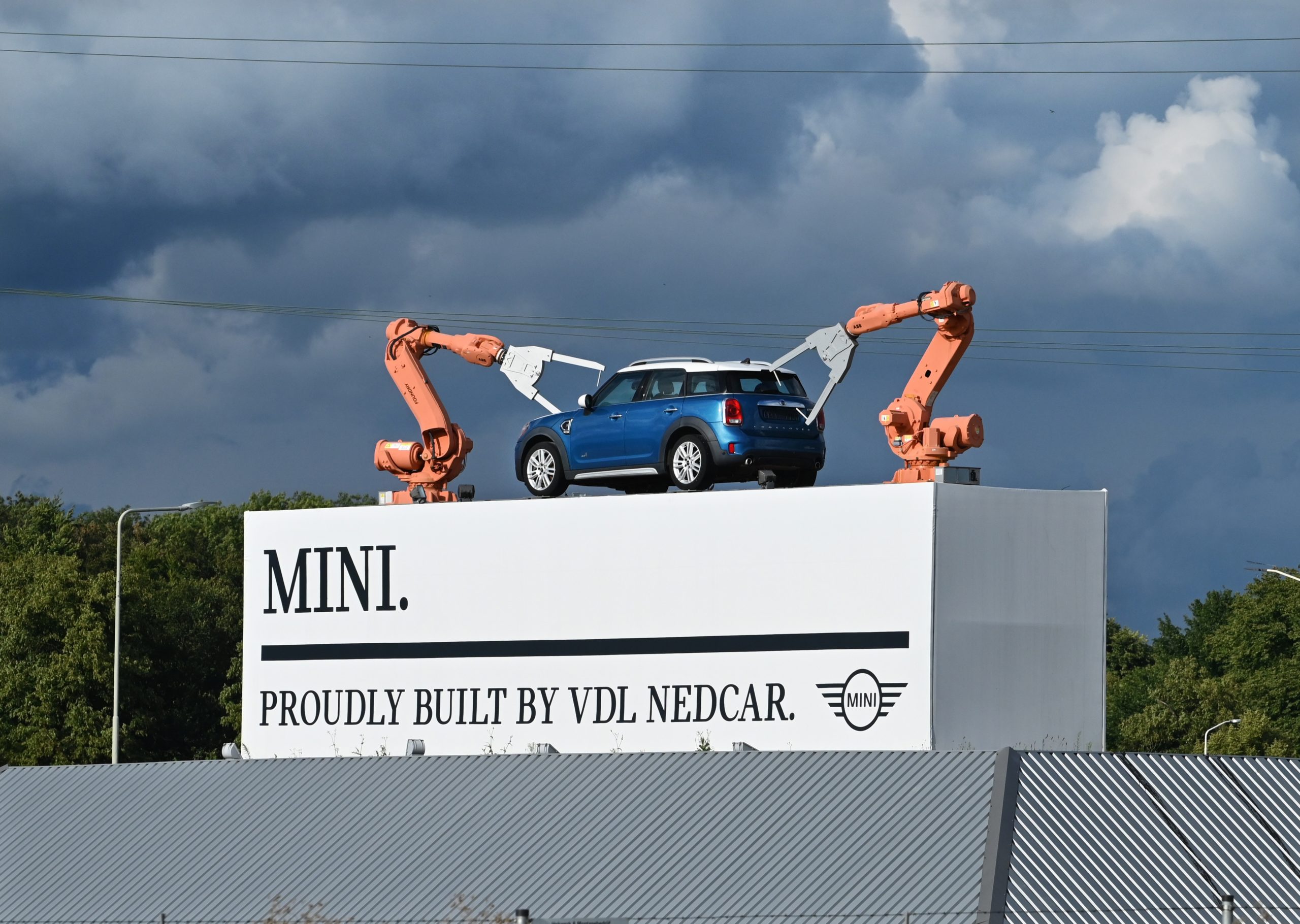
7. Nedcar Plant (Born, Netherlands)
Sitting quietly in the Dutch countryside, this facility has spent decades building vehicles for brands that, on paper, seem to have almost nothing in common with each other beyond needing somewhere reliable to manufacture their cars.
MINI represents the plant’s current primary focus, with the MINI Countryman built here as the brand’s largest and most practical offering, typically powered by turbocharged three- or four-cylinder engines depending on trim level, alongside available all-wheel drive for buyers wanting more capability than a standard front-wheel-drive hatchback provides.
The MINI Convertible also calls this facility home, offering buyers the brand’s playful styling in a drop-top format, powered by similar turbocharged engine options while trading some structural rigidity and cargo space for open-air driving that few other vehicles in this segment can match.
Before MINI’s current arrangement, this same plant built BMW vehicles during earlier production cycles, a partnership that made sense given BMW’s ownership of the MINI brand itself, allowing shared engineering resources and manufacturing knowledge to flow between what might otherwise seem like separate corporate operations.
Perhaps most surprising is the plant’s earlier history of building the Mitsubishi Colt, a compact hatchback from a previous generation that had no corporate connection to BMW or MINI whatsoever, illustrating just how flexible contract manufacturing facilities can be when it comes to switching between entirely unrelated brands based on whichever contracts happen to be active at a given time.
This kind of adaptability represents exactly why contract plants like this one continue to matter in a global industry where demand changes constantly, forcing brands to seek out manufacturing partners who can retool quickly rather than committing to permanent, brand-exclusive facilities that might sit half-empty during slower sales periods.
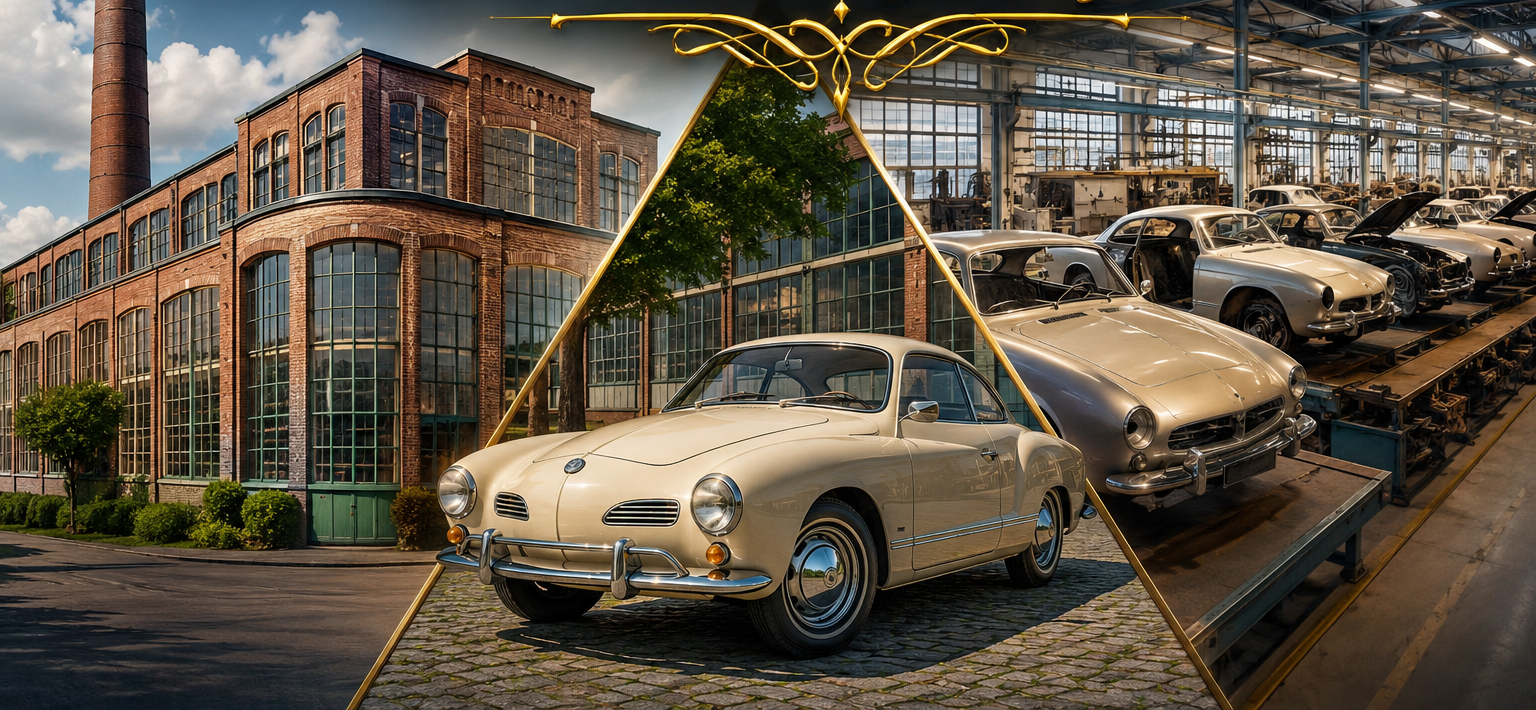
8. Karmann Factory (Osnabrück, Germany)
For many years, one German factory built an impressive reputation by producing vehicles for several respected manufacturers. Although the plant never sold cars under its own badge, its experienced workforce earned the confidence of different companies, assembling everything from convertible roof systems to carefully crafted body panels with consistent attention to quality.
One of the brands linked to the facility was Volkswagen. The company used the plant to produce the Golf Cabriolet, giving buyers an affordable convertible based on the popular Golf hatchback. It combined the enjoyment of open-top driving with the everyday comfort and practicality that made the standard Golf a favourite among many motorists.
Porsche also depended heavily on the factory during important production years. Both the Boxster and Cayman were assembled there, sharing the same mid-engine platform and much of their engineering. These sports cars became well known for their balanced handling, responsive performance, and flat-six engines, which produced a distinctive sound appreciated by many driving enthusiasts. Their success further strengthened the factory’s reputation for precision manufacturing.
Earlier in its history, the plant also produced the Mercedes-Benz CLK Coupe before newer replacements arrived in the company’s lineup. This partnership showed that even established luxury manufacturers were willing to trust experienced outside specialists with vehicle production instead of keeping every stage within their own factories.
Audi also worked with the facility on selected vehicle programmes, adding another respected German name to its long production record. Production at the factory eventually came to an end after ownership changes and manufacturing plans moved elsewhere. Even though the facility no longer operates, its contribution remains easy to appreciate.
Many respected sports cars, luxury coupes, and convertibles began their journey inside those assembly halls, proving that a factory does not need its own badge to earn lasting respect within the automotive industry through years of dedicated craftsmanship and trusted manufacturing.
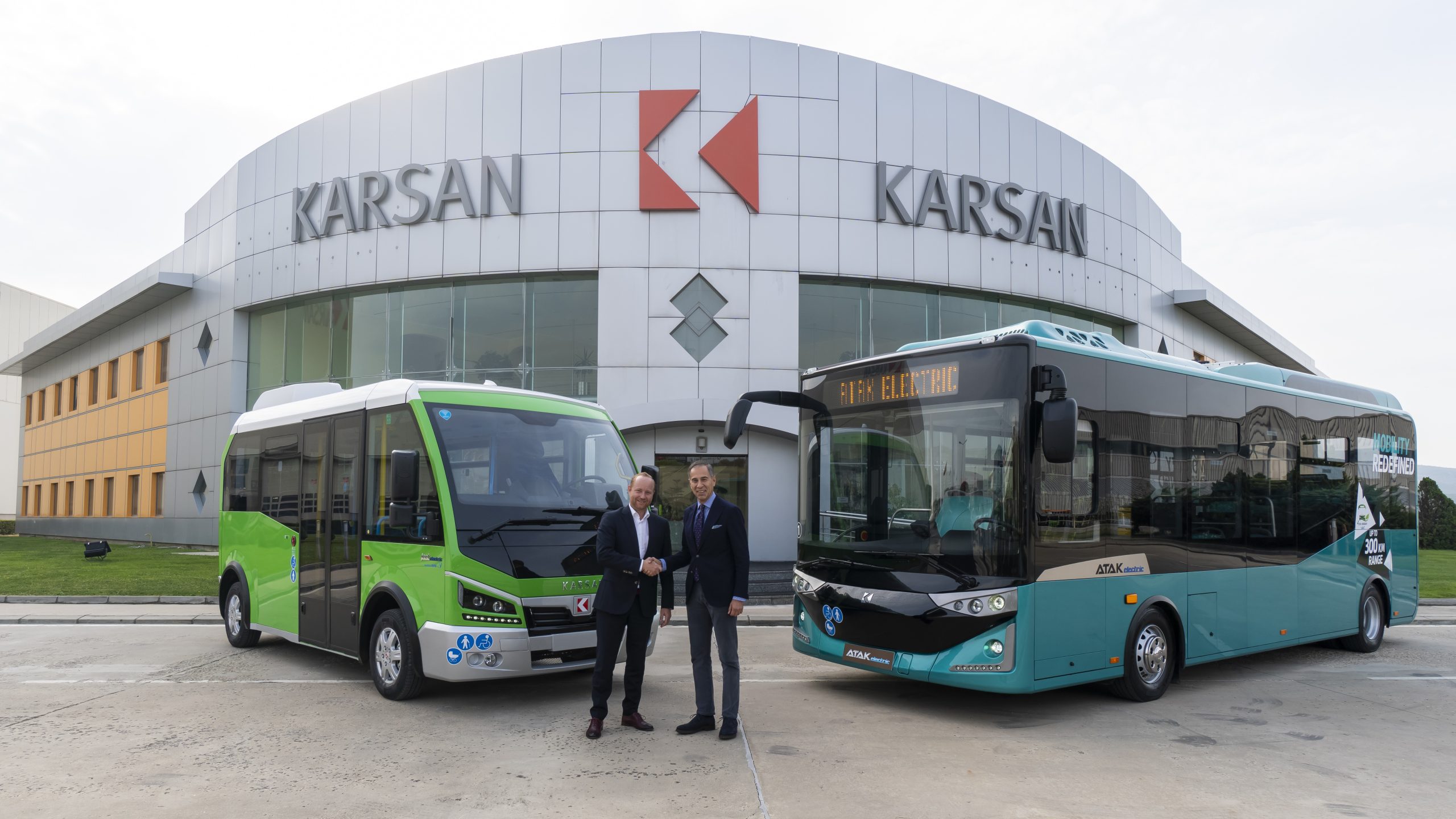
9. Karsan Factory (Bursa, Turkey)
Commercial vehicles rarely get the attention that passenger cars receive, yet this Turkish facility has quietly built practical, work-focused vehicles for multiple brands that serve small businesses and delivery fleets across several regions. Peugeot’s Partner van represents one of the facility’s steady production runs, a compact commercial vehicle designed around cargo capacity and fuel efficiency rather than passenger comfort, typically offered with turbocharged diesel engines suited to the demands of daily delivery work.
Citroën’s Berlingo shares extensive engineering with the Partner, built on the same platform despite wearing different badges and slightly different styling cues, reflecting the close corporate relationship between these two French brands that has existed for decades under various ownership structures.
Opel contributes the Combo to this same lineup, another close mechanical relative of the Partner and Berlingo, again demonstrating how commercial vehicle platforms get shared far more aggressively across brands than passenger cars typically do, since fleet buyers care less about badge prestige and more about reliability and total cost of ownership.
Hyundai’s commercial vehicle production at this facility extends the plant’s reach beyond the French-aligned brands, showing that contract manufacturing arrangements in the commercial vehicle space often cross entirely separate corporate structures without much friction, since the underlying business goals of durability and affordability tend to align regardless of which logo ends up on the grille.
This kind of shared commercial vehicle production rarely makes headlines, but it represents a massive portion of the automotive manufacturing world, one built around practical business needs rather than brand loyalty or performance bragging rights that dominate discussions of passenger cars and sports models.
Also Read: Top 5 Diesel Powerplants That Are Surprisingly Quiet and Smooth
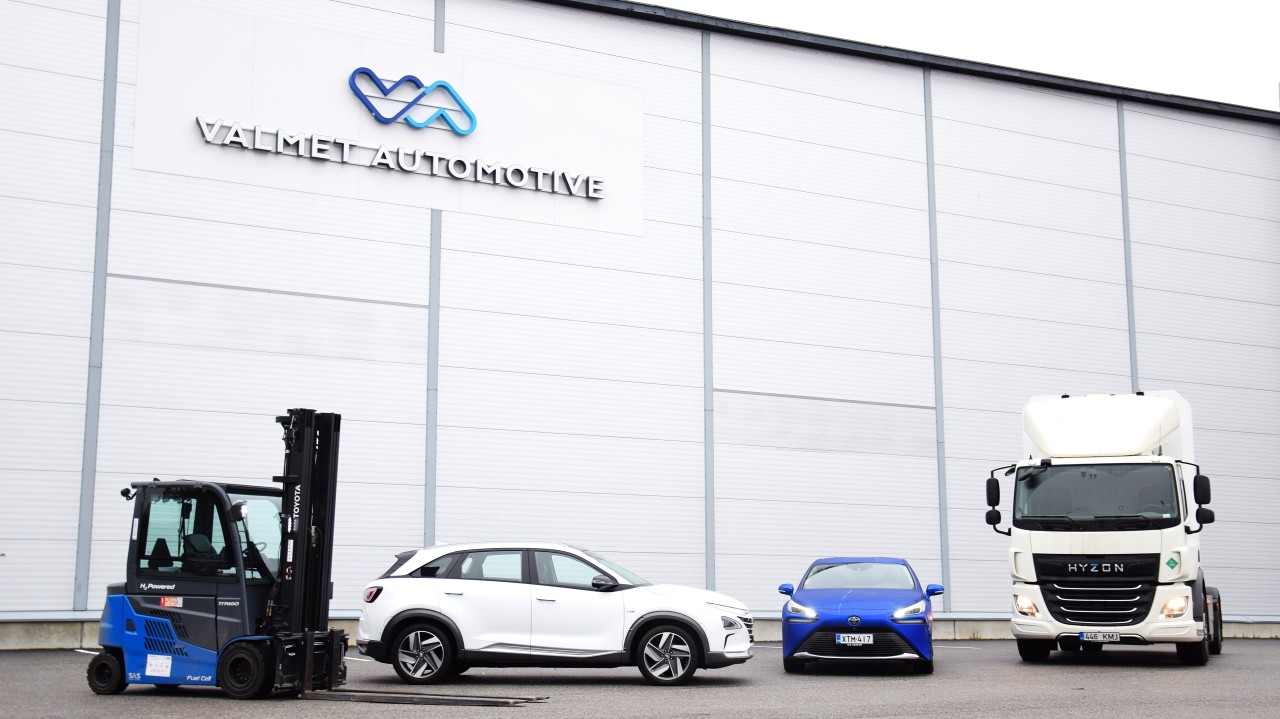
10. Valmet Automotive Plant (Uusikaupunki, Finland)
Many people would never expect Finland to play such an important part in vehicle production, yet one factory in the country has assembled cars for several respected luxury and performance brands. It has also produced vehicles for manufacturers that have disappeared from the automotive market, giving the facility a unique place in car manufacturing history.
Among the biggest names using this plant is Mercedes-Benz. The company has trusted the factory with building the A-Class, its compact luxury hatchback, as well as the GLC, a compact luxury SUV that continues to attract buyers across many countries. Depending on the market, these models are available with turbocharged four-cylinder engines, while selected versions also feature plug-in hybrid technology.
Porsche has also partnered with the same factory during certain production years. Both the Boxster and Cayman rolled off the assembly line there, even though Porsche serves a very different group of buyers from Mercedes-Benz. This arrangement shows that contract manufacturing allows different brands to share production facilities while maintaining their individual identities and quality standards.
The factory’s history also includes Saab, the Swedish carmaker that closed its doors years ago. Vehicles carrying the Saab badge were once assembled at this location, adding another chapter to its long record. Since only a limited number of Saab models remain on public roads today, that connection has become an interesting part of the plant’s story.
Another company linked to this Finnish facility is Fisker. The original Fisker Karma, an early plug-in hybrid luxury sedan, was produced there before the company experienced financial difficulties and stopped operations. Today, this factory stands as one of the few places where the Karma was built in large numbers.
Its production record reflects decades of experience, serving respected manufacturers across different vehicle segments with consistent quality and craftsmanship.
