
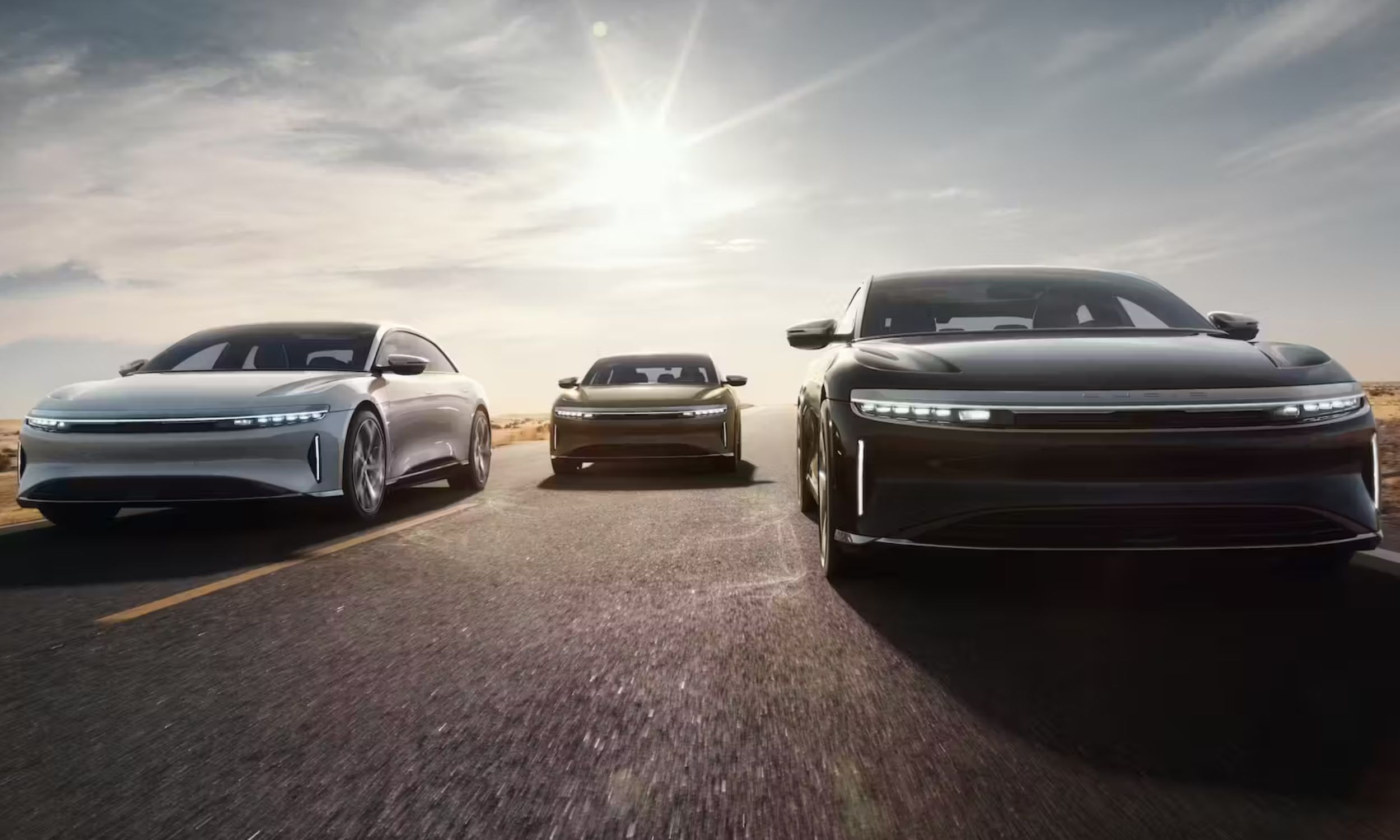
Highway driving often reduces the driving range of electric vehicles, yet a handful of models continue to surprise by traveling farther than their official EPA estimates. Real-world interstate testing has shown that these EVs can exceed their published ratings, proving that efficient engineering can make a bigger difference than simply installing a larger battery pack.
Drivers looking for dependable long-distance performance often find these vehicles outperform expectations on extended highway trips. The ability to achieve better highway range comes from a combination of advanced technologies working together. Highly efficient electric motors reduce wasted energy while maintaining smooth performance at cruising speeds.
Aerodynamic body designs help air flow around the vehicle with less resistance, allowing the powertrain to consume less electricity as speed increases. Advanced battery thermal management systems keep battery temperatures within an ideal operating range, helping preserve efficiency during long drives.
Intelligent energy management software also plays an important role by constantly adjusting power delivery based on driving conditions. Regenerative braking systems recover small amounts of energy whenever slowing down, adding extra efficiency during everyday travel.
Independent evaluations conducted by organizations such as Consumer Reports and InsideEVs have repeatedly confirmed that certain electric vehicles can surpass their EPA range estimates during steady highway driving. These results show that careful engineering, efficient powertrains, and smart software can produce excellent real-world range without relying solely on larger battery capacity.
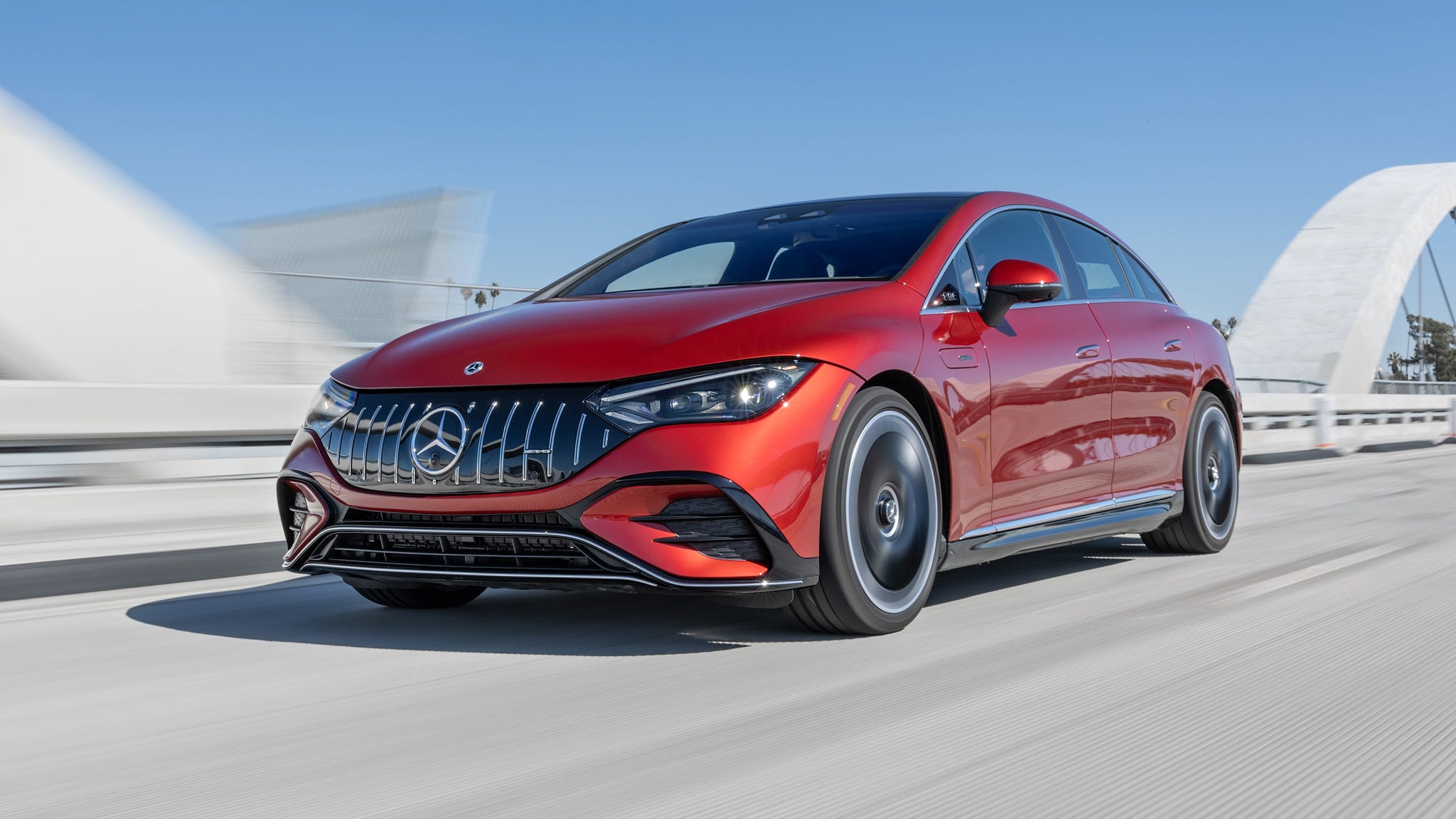
1. Mercedes-Benz EQE 350 Sedan
The Highway Bonus: +67 Miles Over EPA
- Engine: Single Electric Motor RWD
- Horsepower: 288 hp
- Torque: 417 lb-ft
- Size: 196.9 in Long x 77.2 in Wide
The Mercedes-Benz EQE 350 Sedan is one of the clearest examples of how thoughtful engineering can outperform official range estimates. While its EPA rating lists a driving range of 265 miles, real-world highway testing has recorded distances exceeding 330 miles under steady interstate conditions. That impressive result makes it one of the strongest highway performers in today’s EV market.
A large part of its success comes from its aerodynamic shape. Mercedes designed the EQE with smooth body lines, a rounded front end, and carefully sculpted surfaces that allow air to flow around the vehicle with minimal resistance. At highway speeds, reducing drag becomes just as important as battery size, and the EQE excels in this area.
Mercedes also uses conservative battery management software that protects long-term battery health while still allowing drivers to access more usable range than the official EPA numbers might suggest. The vehicle’s advanced cooling system keeps battery temperatures within their ideal operating window, helping maintain efficiency even during extended highway travel.
The driving experience also contributes to its excellent range. Smooth power delivery, efficient regenerative braking, and intelligent energy management work together without requiring any special effort from the driver. Instead of aggressively chasing maximum EPA figures during laboratory testing, Mercedes focused on producing consistent real-world performance. Buyers looking for an electric luxury sedan capable of handling long interstate trips without frequent charging stops will find the EQE 350 among the most efficient choices currently available.
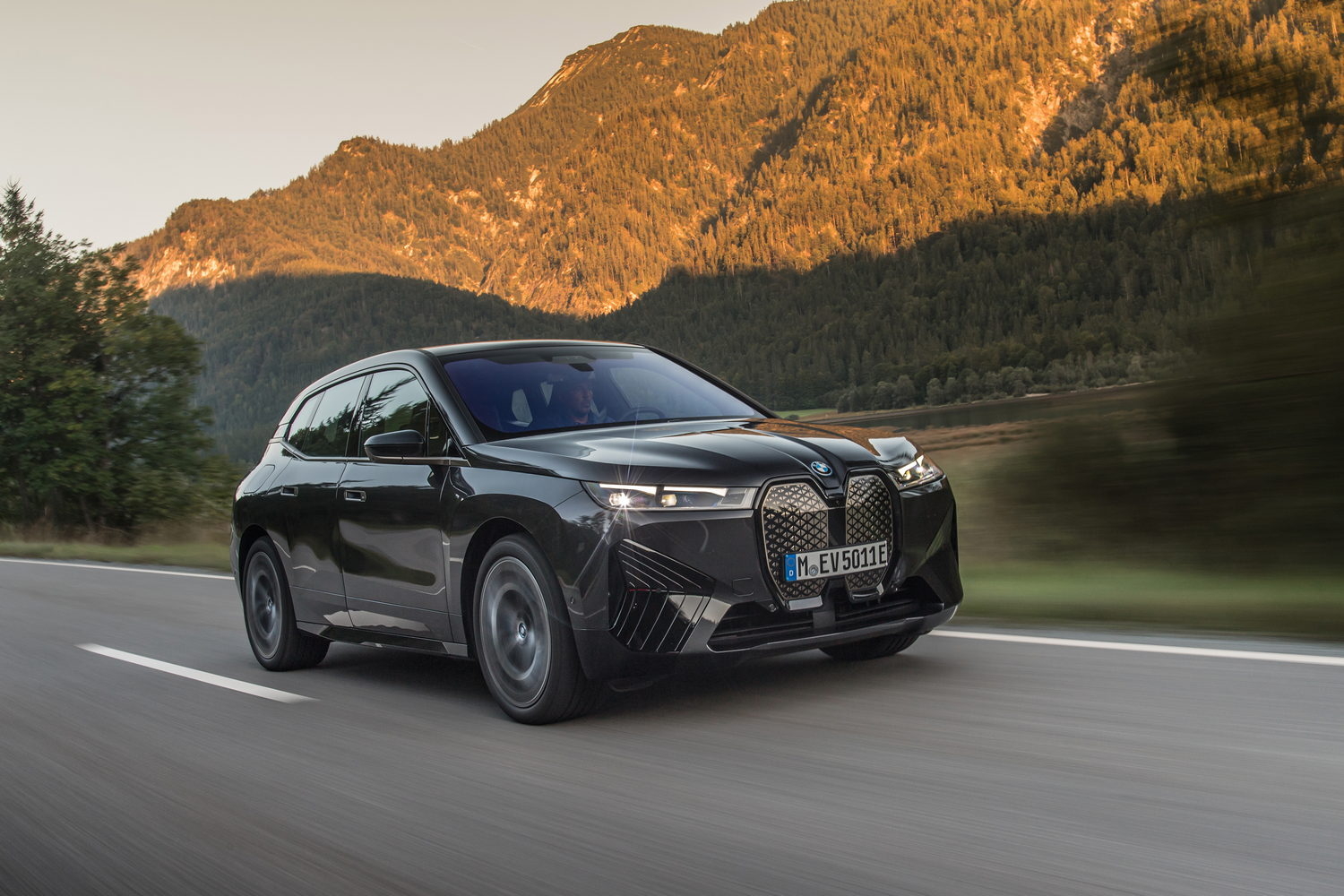
2. BMW iX xDrive50
The Highway Bonus: +46 to +61 Miles Over EPA
- Engine: Dual Electric Motors AWD
- Horsepower: 516 hp
- Torque: 564 lb-ft
- Size: 195.0 in Long x 77.4 in Wide
Looking at the BMW iX xDrive50 for the first time, most people would not expect it to be one of the most efficient electric SUVs on the highway. Its upright SUV shape and large front grille suggest that it would create more air resistance than lower, sleeker electric vehicles. Road tests have proven otherwise. Independent highway evaluations have repeatedly shown the iX traveling close to 370 miles on a full charge, allowing it to outperform its official EPA range estimate by a healthy margin.
Much of that impressive highway range comes from the engineering hidden beneath the exterior. BMW developed highly efficient electric motors that convert more battery power into forward motion while reducing wasted energy. Intelligent software constantly monitors driving conditions and adjusts power delivery in real time, allowing the SUV to maintain excellent efficiency during long highway trips without sacrificing smooth performance.
Battery management also plays a major role in the iX’s real-world driving range. An advanced thermal control system keeps battery temperatures within an ideal operating range during extended drives, helping preserve both efficiency and consistent performance. The regenerative braking system blends naturally with everyday driving, recovering energy during deceleration whenever traffic conditions make it possible and sending that power back to the battery.
Long-distance comfort is another strength of the iX xDrive50. The spacious cabin provides plenty of room for passengers, while supportive seats and excellent sound insulation help reduce driver fatigue during hours on the road. Advanced driver assistance features add extra confidence on highway journeys.
Instead of relying solely on a larger battery pack, BMW focused on improving efficiency through smart engineering, creating a luxury electric SUV that delivers strong performance, excellent driving range, and outstanding comfort for extended travel.
Also Read: 10 EVs Ranked By Frunk Space
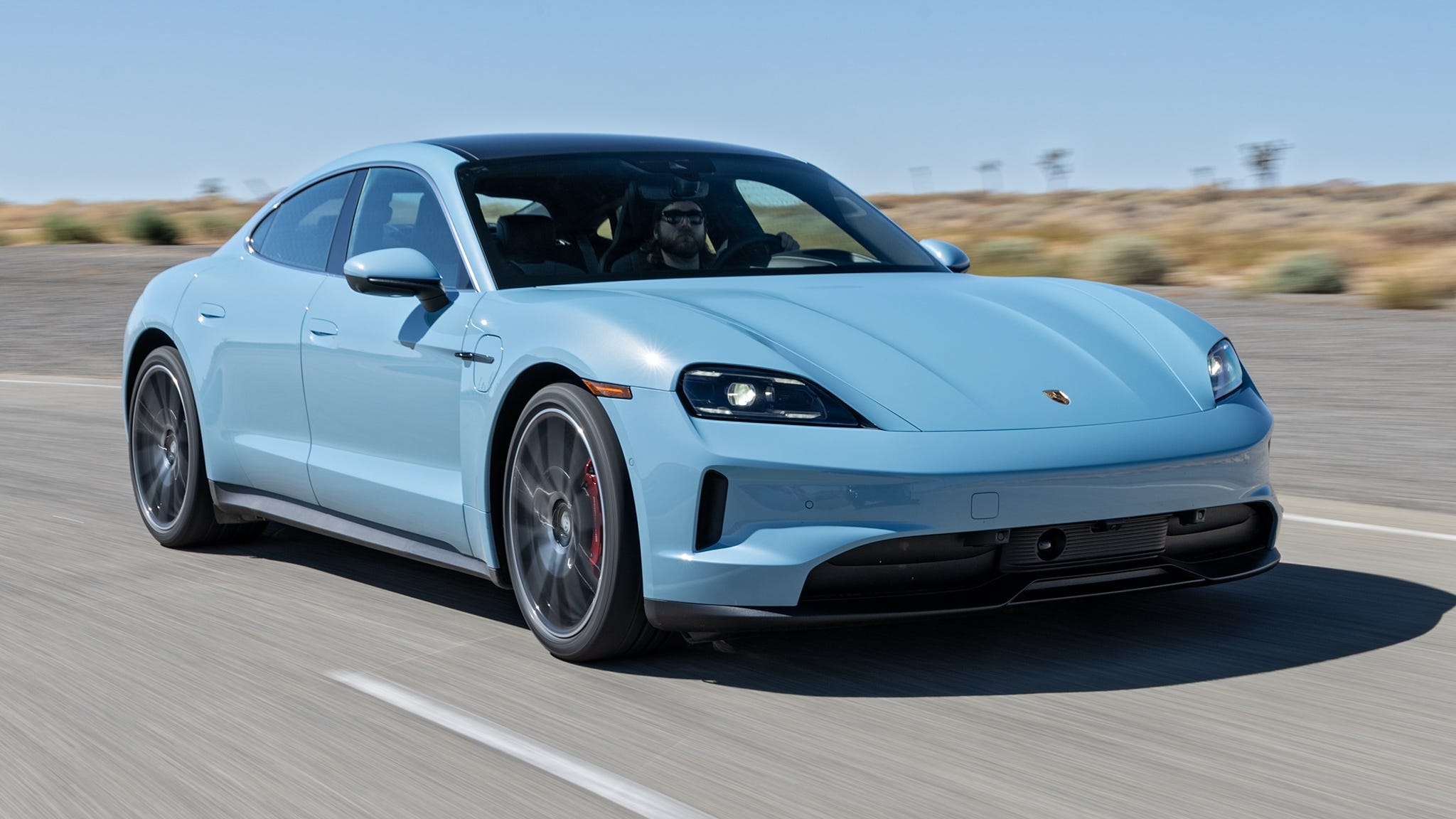
3. Porsche Taycan (4S / Turbo)
The Highway Bonus: +50 to +75 Miles Over EPA
- Engine: Dual Electric Motors AWD
- Horsepower: 429 hp to 536 hp (depending on overboost)
- Torque: 479 lb-ft to 523 lb-ft
- Size: 195.4 in Long x 77.4 in Wide
High performance and strong highway efficiency rarely go hand in hand, yet the Porsche Taycan manages to deliver both. While its official EPA driving range may seem lower than many competing electric vehicles, independent highway tests have repeatedly shown that the Taycan travels farther than its published estimate during steady interstate driving. That real-world performance has earned it a strong reputation among drivers who value both speed and long-distance capability.
One of the Taycan’s most distinctive engineering features is its two-speed transmission mounted on the rear axle. Unlike most electric vehicles that rely on a single-speed gearbox, Porsche designed the system with two gears serving different purposes. First gear delivers quick launches and strong acceleration from a standstill, while second gear takes over at higher speeds to improve efficiency during highway travel.
This transmission allows the electric motors to operate within a more efficient speed range instead of spinning at extremely high revolutions for extended periods. By reducing motor strain during highway cruising, the Taycan uses battery power more efficiently and stretches each kilowatt-hour farther. That smart design helps explain why the car often exceeds expectations during real-world range testing.
Porsche also paid close attention to every part of the vehicle that affects efficiency. An advanced battery cooling system keeps temperatures under control during demanding drives, while intelligent software carefully manages power delivery based on driving conditions.
Aerodynamic refinements also help reduce air resistance at higher speeds, allowing the car to travel farther without wasting energy. Drivers looking for an electric luxury sedan that combines thrilling acceleration with dependable highway range will find that the Taycan delivers an excellent balance of performance, comfort, and efficiency.
4. BMW i4 eDrive40
The Highway Bonus: +51 Miles Over EPA
- Engine: Single Electric Motor RWD
- Horsepower: 335 hp
- Torque: 317 lb-ft
- Size: 188.3 in Long x 72.9 in Wide
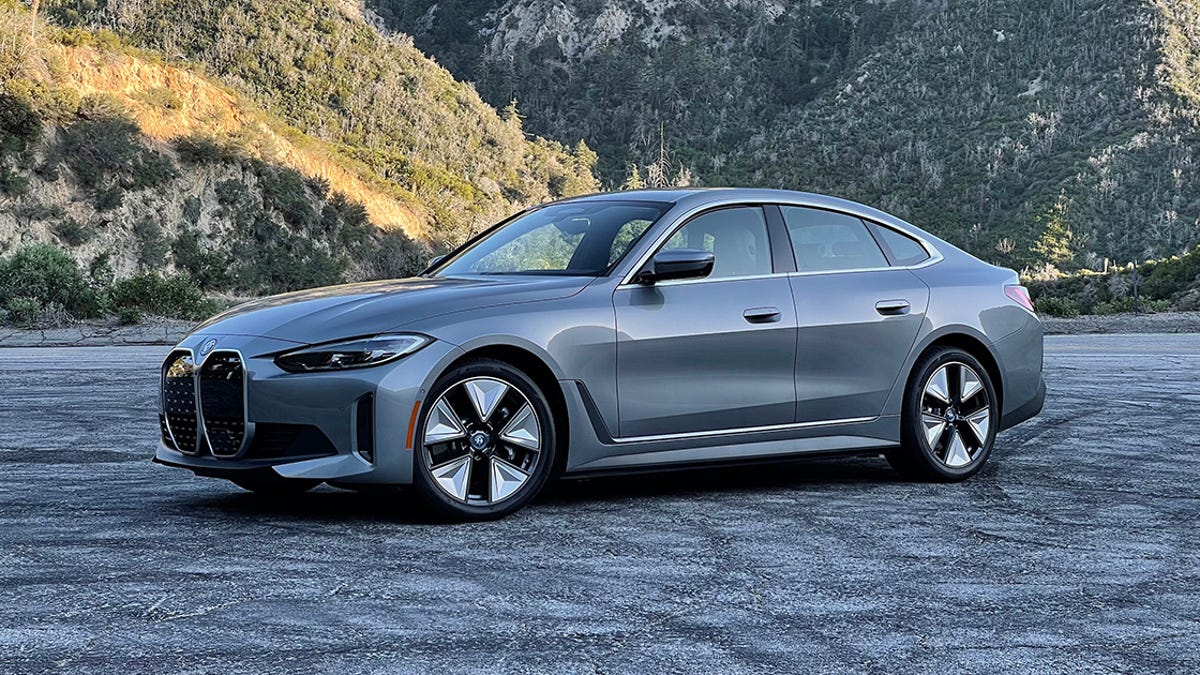
BMW designed the i4 eDrive40 to combine the familiar feel of a premium sport sedan with the efficiency of a modern electric vehicle. Although its EPA estimate lists 282 miles of range, real-world highway testing frequently records more than 330 miles, placing it among the strongest performers in its class.
Its impressive efficiency begins with BMW’s fifth-generation electric drive technology. The motor is engineered to reduce internal friction and convert electrical energy into forward motion with minimal waste. That allows the i4 to consume less energy during long highway trips than many competing electric sedans.
Aerodynamics also contributes to its success. A low roofline, carefully sculpted body panels, and smooth underbody help reduce drag while maintaining the sporty appearance expected from a BMW. These design choices allow the vehicle to glide through the air with less resistance during interstate driving.
The i4 also delivers a refined driving experience. Quiet operation, balanced handling, and comfortable seating make long trips enjoyable while intelligent battery management quietly works in the background to maximize range. Drivers looking for a luxury electric sedan that consistently exceeds expectations during highway travel will find the i4 eDrive40 to be one of the strongest options available.
5. Mercedes-Benz EQS 580 4Matic
The Highway Bonus: +40 Miles Over EPA
- Engine: Dual Electric Motors AWD
- Horsepower: 516 hp
- Torque: 631 lb-ft
- Size: 207.3 in Long x 75.8 in Wide
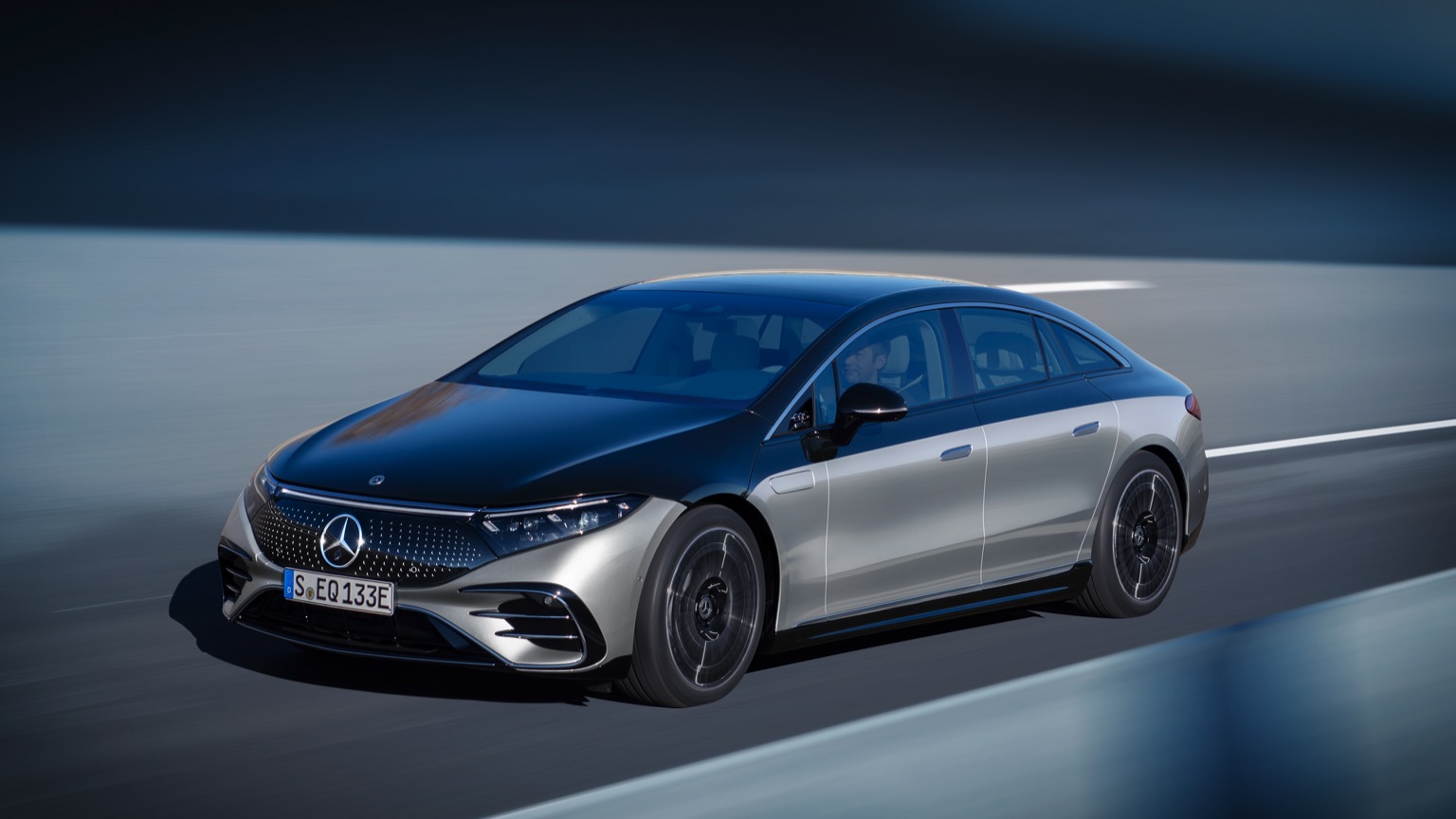
A luxury electric sedan is expected to deliver comfort, performance, and excellent driving range, and the Mercedes-Benz EQS 580 4Matic checks all three boxes. Built as the brand’s flagship EV, it performs especially well on long highway drives. Independent road tests have repeatedly shown the sedan covering more than 380 miles on a full charge, allowing it to exceed its official EPA range estimate under steady interstate conditions.
One of the biggest reasons for this strong performance is its highly aerodynamic shape. Mercedes designed the EQS with one of the lowest drag coefficients ever achieved by a production passenger vehicle. The smooth body lines, rounded front end, and carefully sculpted exterior allow air to flow around the car with minimal resistance.
As a result, the electric motors use less energy to maintain highway speeds, helping stretch every charge farther. Efficiency also comes from the vehicle’s advanced engineering beneath the body. Mercedes paired the streamlined exterior with a sophisticated battery management system and an efficient dual-motor powertrain.
The software constantly tracks battery temperature and energy consumption, making adjustments that keep the system operating at its best during extended trips. Power is distributed intelligently, allowing the sedan to balance performance with energy conservation.
Comfort remains one of the EQS 580 4Matic’s strongest qualities. The spacious interior is filled with premium materials, advanced technology, and an intuitive infotainment system designed for everyday convenience. Excellent sound insulation creates a quiet cabin that reduces fatigue during long drives.
6. BMW i5 eDrive40
The Highway Bonus: +45 Miles Over EPA
- Engine: Single Electric Motor RWD
- Horsepower: 335 hp
- Torque: 295 lb-ft
- Size: 199.2 in Long x 74.8 in Wide
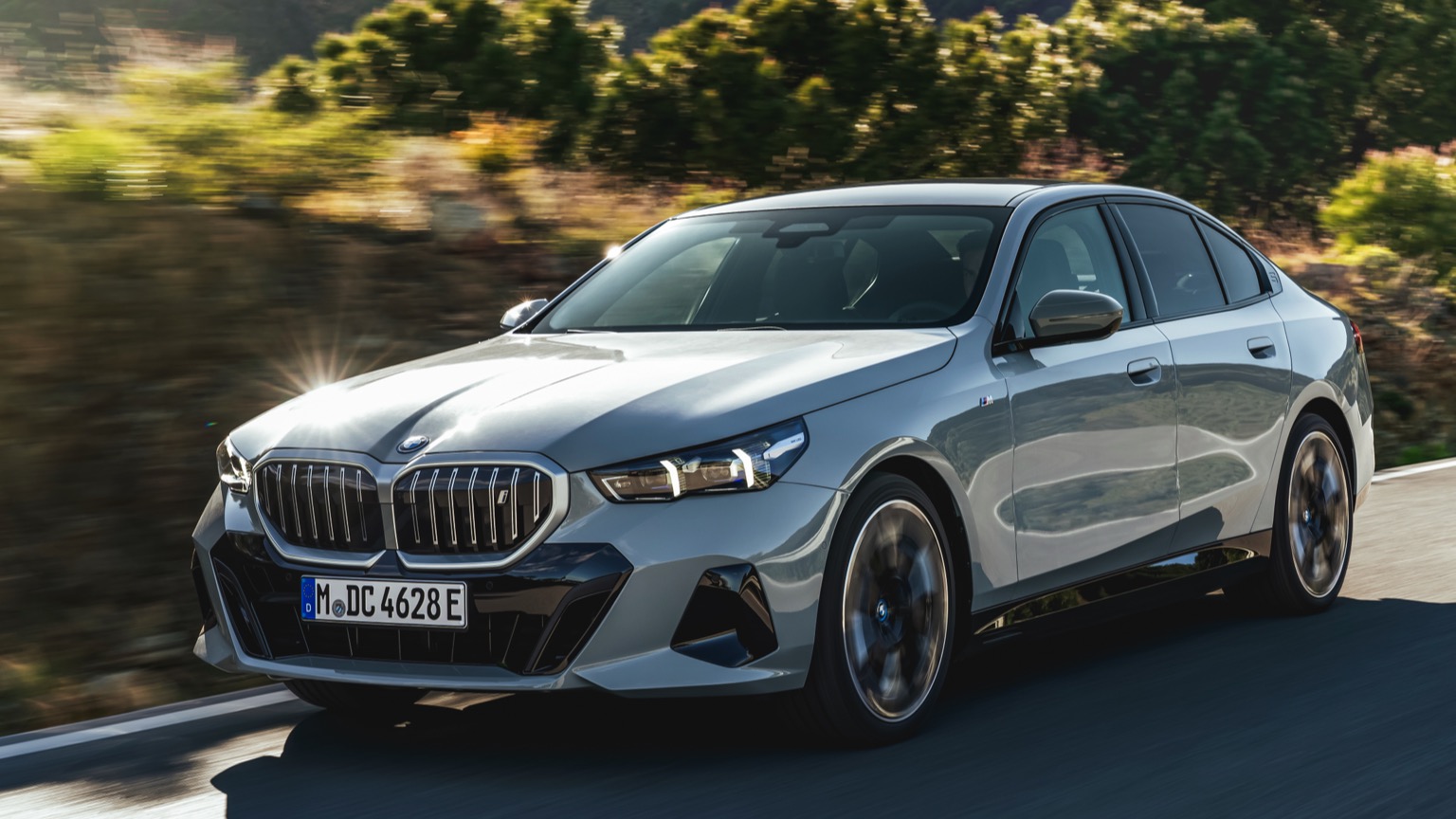
The BMW i5 eDrive40 proves that impressive highway range is not always about carrying the biggest battery. Instead, BMW focused on refining nearly every part of the vehicle to reduce energy consumption during long-distance driving. Independent highway tests have repeatedly shown the i5 traveling well beyond its EPA estimate, making it one of the strongest performers among premium electric sedans.
A large reason for its success is the same fifth-generation electric drive technology found in several of BMW’s latest EVs. The motor was engineered to reduce internal energy losses while delivering smooth, consistent power. At highway speeds, where many electric vehicles begin using energy at a faster rate, the i5 remains remarkably efficient by carefully managing power output and minimizing unnecessary electrical waste.
Aerodynamics also play a major role. The sedan’s sleek body, carefully shaped front fascia, flush door handles, and smooth underbody help reduce wind resistance during interstate driving. Every design element works together to help the vehicle move through the air with less effort, allowing the battery to deliver more usable miles before charging becomes necessary.
BMW also equipped the i5 with an advanced battery cooling and thermal management system that keeps the battery operating within its ideal temperature range. Stable battery temperatures improve efficiency while helping maintain consistent performance throughout extended highway travel. Intelligent software constantly monitors driving conditions and adjusts energy delivery in real time without requiring driver input.
The cabin reflects BMW’s traditional focus on comfort and technology. High-quality materials, supportive seats, and a quiet interior make long trips relaxing, while advanced driver assistance systems reduce fatigue during hours behind the wheel. Instead of simply relying on a larger battery pack, BMW engineered the i5 to maximize every available kilowatt-hour, allowing many drivers to comfortably exceed the vehicle’s official EPA range estimate during real-world highway travel.
7. Chevrolet Silverado EV (RST / 3WT)
The Highway Bonus: +22 Miles Over EPA
- Engine: Dual Electric Motors AWD
- Horsepower: 510 hp to 754 hp
- Torque: 615 lb-ft to 785 lb-ft
- Size: 233.1 in Long x 83.8 in Wide
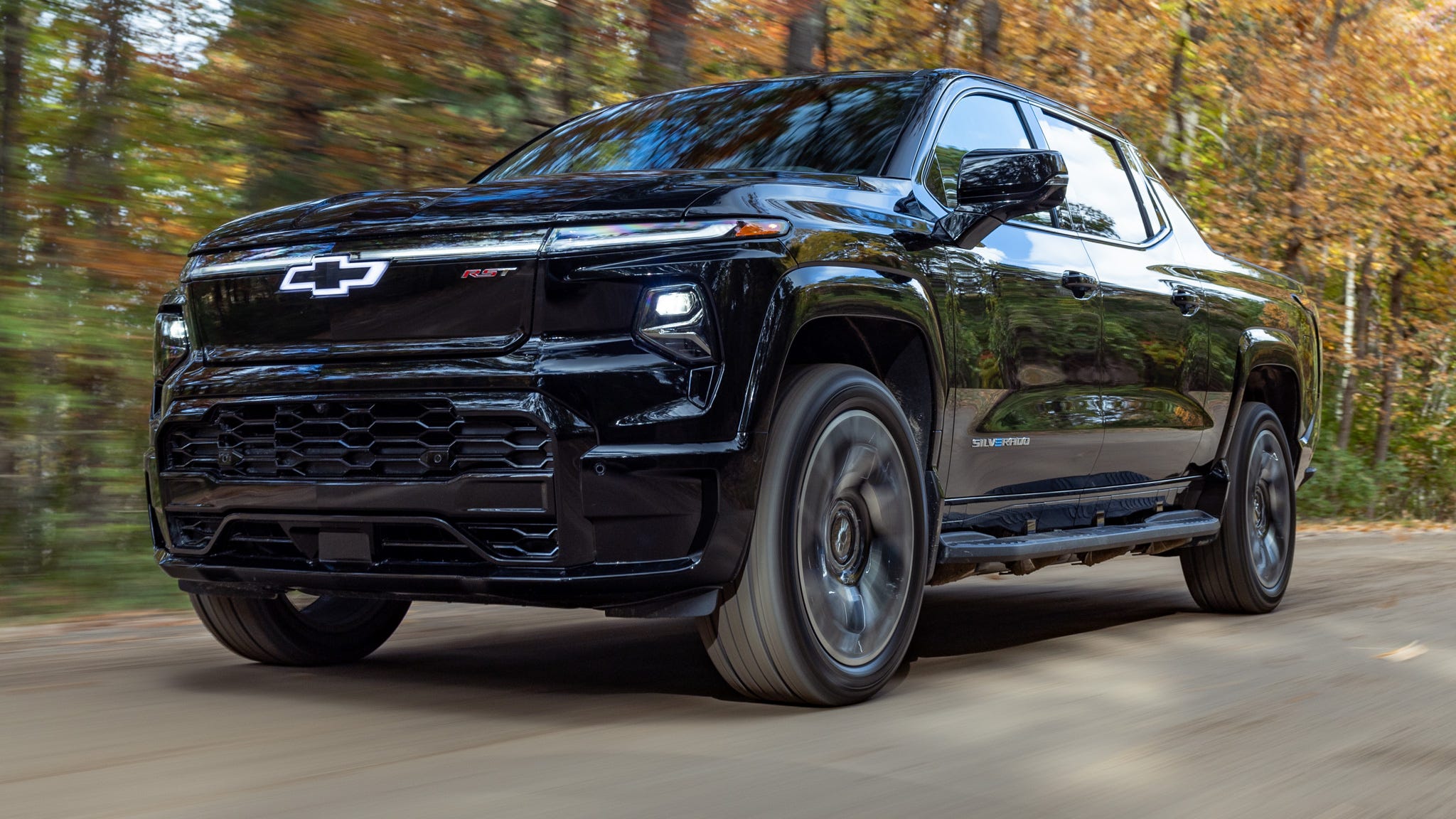
Full-size pickup trucks rarely earn praise for exceptional highway efficiency, which makes the Chevrolet Silverado EV one of the biggest surprises in today’s electric vehicle market. Despite its enormous dimensions and impressive towing capability, independent highway testing has shown the Silverado EV traveling farther than its already generous EPA estimate under steady interstate conditions.
One reason is its enormous battery pack. Chevrolet equipped the Silverado EV with one of the largest batteries available in any production electric vehicle, providing an enormous energy reserve for long-distance driving. While the truck naturally consumes more electricity than smaller sedans, the massive battery allows it to continue traveling long after many competing EVs require charging.
General Motors also devoted considerable attention to improving aerodynamic efficiency. Although the Silverado EV remains a large pickup, its body features smoother surfaces, carefully shaped front-end styling, and an enclosed grille that reduces airflow disruption. These improvements help lower drag while maintaining the truck’s bold appearance.
The Ultium battery platform also contributes to its impressive range. Sophisticated battery management software carefully controls energy delivery, while advanced cooling systems keep battery temperatures stable throughout long highway drives. Together, these technologies help preserve efficiency even when traveling at sustained interstate speeds.
Drivers also benefit from a quiet cabin, modern technology, and strong acceleration provided by the dual-motor powertrain. Depending on the trim level, output reaches as high as 754 horsepower, giving the Silverado EV remarkable performance for a vehicle of its size. Its ability to exceed EPA range estimates demonstrates that thoughtful engineering can overcome many of the efficiency challenges traditionally associated with full-size pickup trucks.
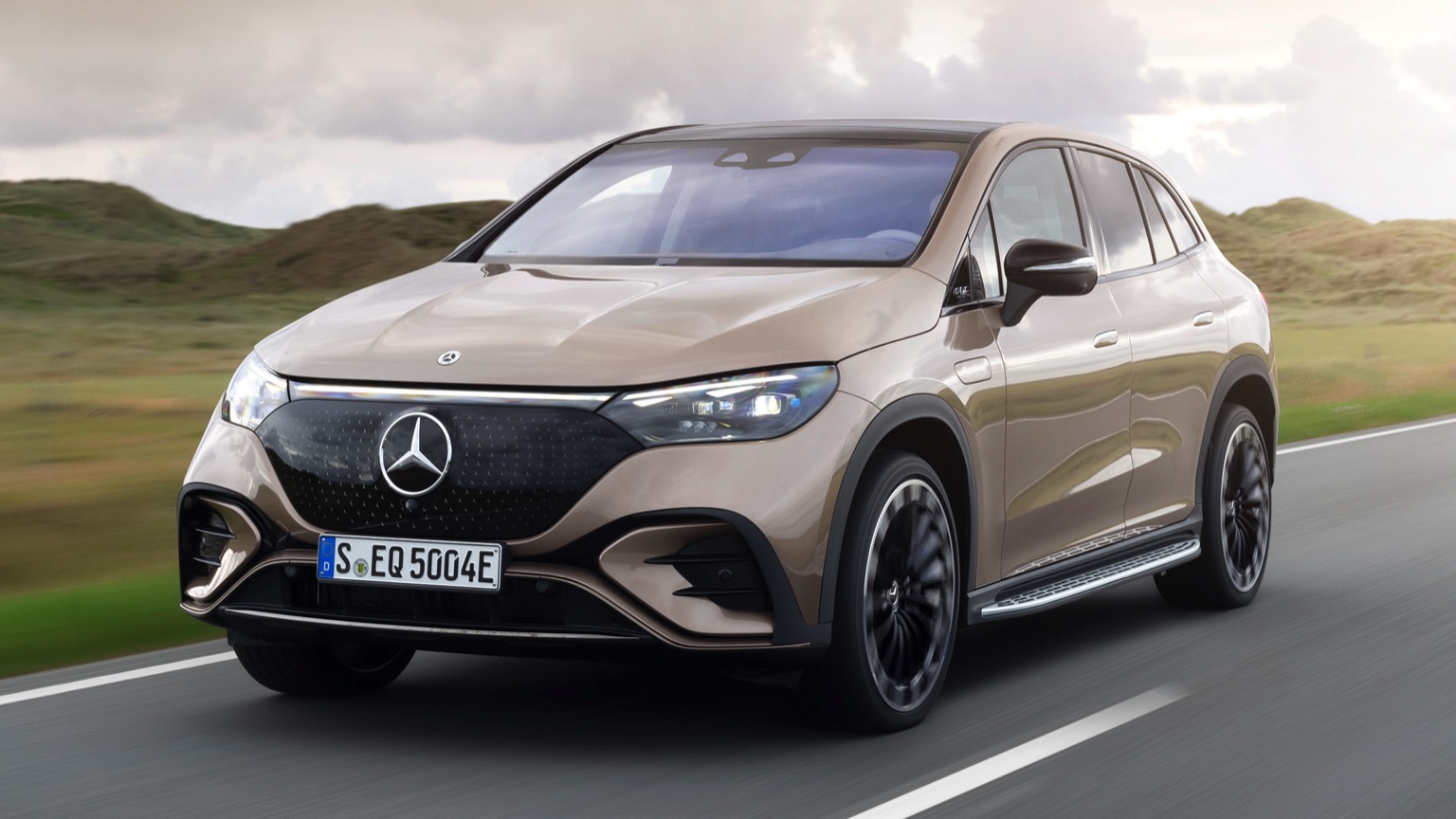
8. Mercedes-Benz EQE SUV 350
The Highway Bonus: +31 Miles Over EPA
- Engine: Single Motor FWD (or Dual Motor AWD)
- Horsepower: 288 hp
- Torque: 417 lb-ft to 564 lb-ft
- Size: 191.5 in Long x 76.4 in Wide
Turning an efficient sedan into an SUV often comes with a drop in driving range because of the added weight and taller body. Mercedes-Benz managed to avoid much of that penalty with the EQE SUV 350. Independent highway testing has shown this luxury electric SUV consistently traveling farther than its EPA estimate, making it one of the strongest highway performers in its class.
Much of its success comes from the engineering shared with the EQE Sedan. Mercedes gave the SUV a smooth exterior with rounded edges, carefully sculpted body panels, and a streamlined front fascia that helps reduce aerodynamic drag. Although it sits higher than the sedan, it still moves through the air with impressive efficiency, allowing the battery to deliver more usable miles during long highway drives.
Energy management is another strength. The EQE SUV constantly monitors battery temperature, motor output, and driving conditions through advanced software that automatically adjusts power delivery for maximum efficiency. Its heat pump system also helps reduce the amount of electricity used to heat or cool the cabin, leaving more battery capacity available for driving.
Inside, the EQE SUV provides a quiet and comfortable environment filled with premium materials and advanced technology. Supportive seating, excellent ride quality, and sophisticated driver assistance systems make long-distance travel relaxing. Buyers who need the practicality of an SUV without giving up excellent highway range will find the EQE SUV 350 delivers a combination of comfort, efficiency, and real-world driving distance that often exceeds expectations.
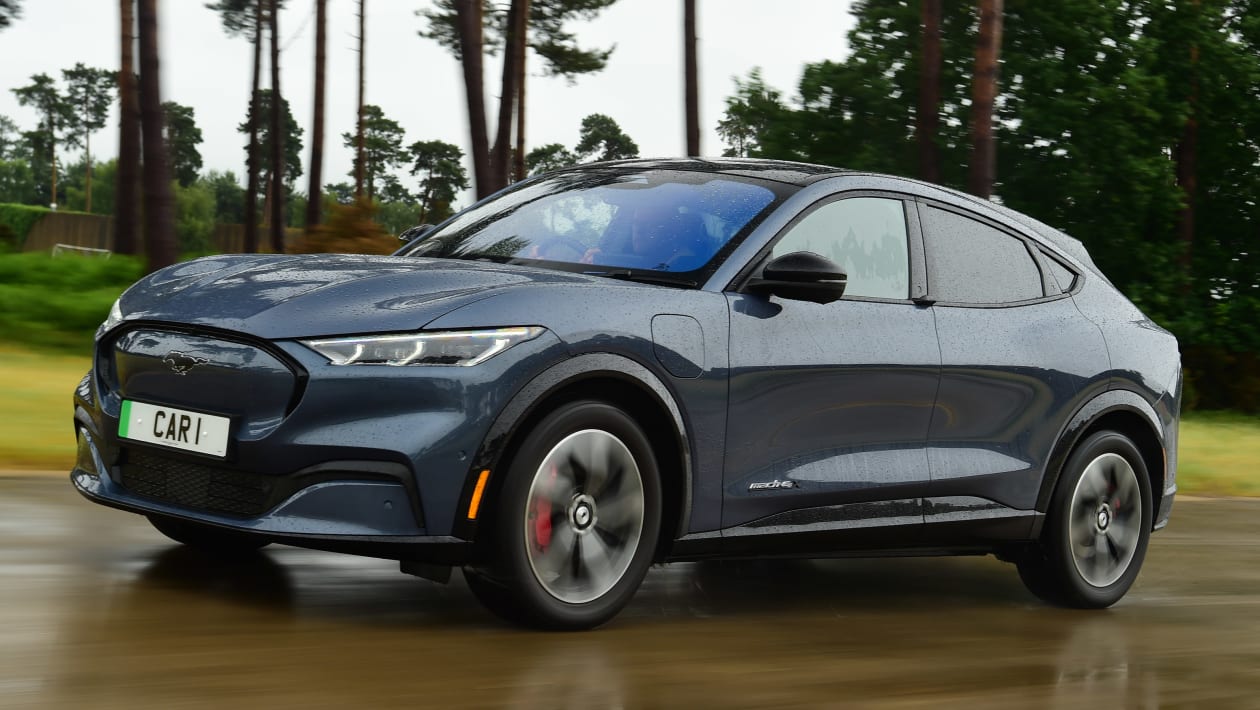
9. Ford Mustang Mach-E Premium AWD Extended Range
The Highway Bonus: +29 Miles Over EPA
- Engine: Dual Electric Motors AWD
- Horsepower: 346 hp
- Torque: 428 lb-ft
- Size: 185.6 in Long x 74.1 in Wide
The Ford Mustang Mach-E shows that an electric vehicle can deliver excellent highway range without giving up strong performance. Although its EPA range estimate is already respectable, independent highway testing found that the Premium AWD Extended Range version traveled even farther than its official rating during steady interstate driving. That impressive result places it among the select group of electric crossovers that regularly exceed expectations in real driving conditions.
A large part of that efficiency comes from the Mach-E’s streamlined design. Unlike the larger F-150 Lightning, the crossover sits lower to the ground and features a body shaped to move through the air with less resistance. Its sloping roof, smooth front fascia, and carefully engineered underbody all work together to reduce aerodynamic drag. As highway speeds increase, the vehicle needs less energy to maintain its pace, allowing the dual electric motors to operate more efficiently.
Ford also developed advanced battery management software that helps maximize both performance and driving range. The system continuously monitors battery temperature and carefully adjusts power delivery to keep the battery operating efficiently during extended trips. Regenerative braking also contributes by recovering small amounts of energy whenever slowing down, adding a little extra range during everyday driving.
Also Read: 7 EVs That Lost the Most Value in 2025
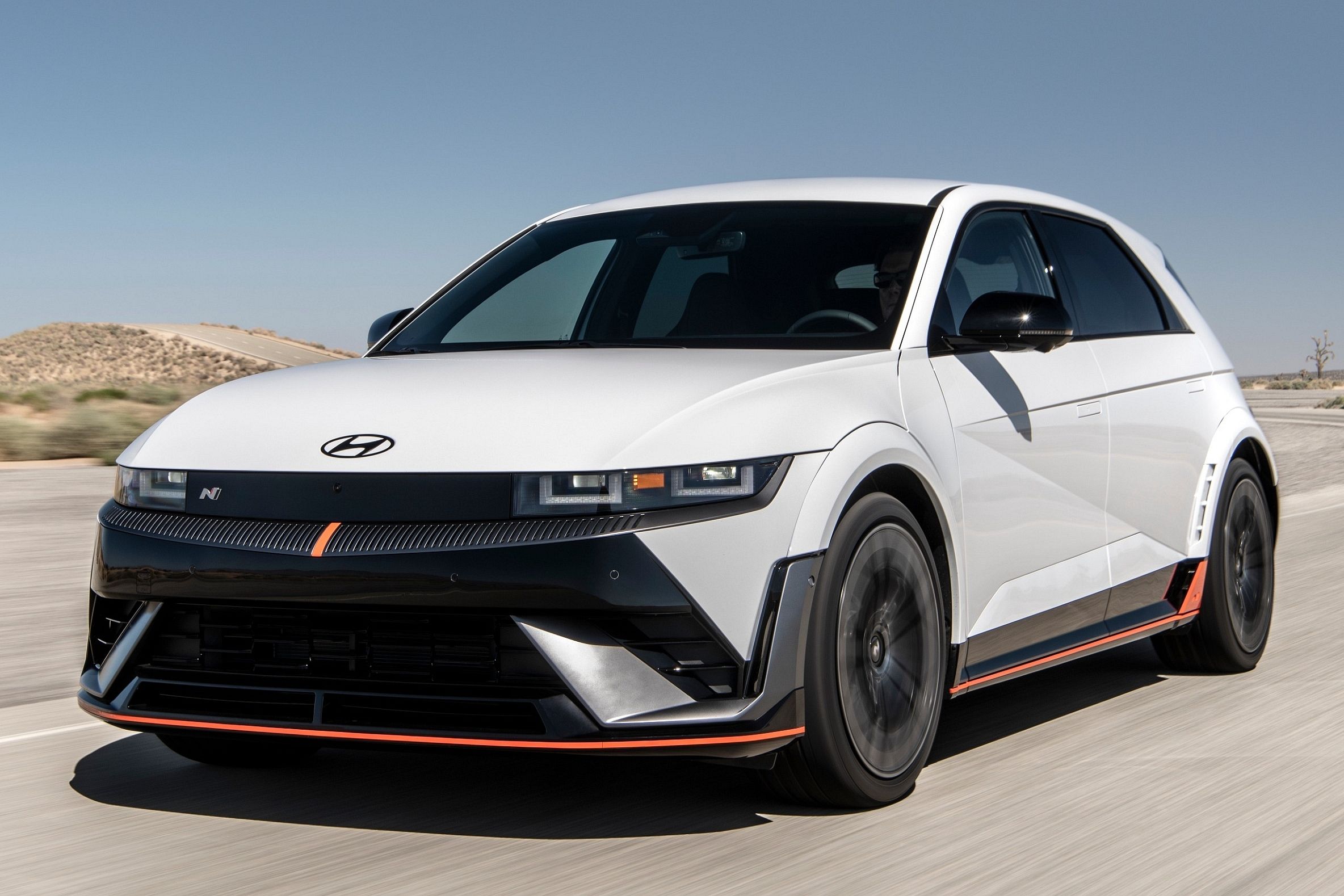
10. Hyundai Ioniq 5 N
The Highway Bonus: +15 Miles Over EPA
- Engine: High-Output Dual Electric Motors AWD
- Horsepower: 601 hp (641 hp via N Grin Boost)
- Torque: 545 lb-ft to 568 lb-ft
- Size: 185.6 in Long x 76.4 in Wide
Performance-focused electric vehicles usually sacrifice efficiency in favor of speed, but the Hyundai Ioniq 5 N manages to balance both surprisingly well. Despite producing more than 600 horsepower and offering track-ready performance, this high-output electric crossover has exceeded its official EPA highway range during independent testing when driven under normal cruising conditions.
Hyundai developed advanced software that allows the Ioniq 5 N to adapt its behavior based on how it is being driven. During spirited driving, the motors deliver explosive acceleration and quick throttle response. Switch to Eco mode during highway travel, and the software optimizes power delivery, reduces unnecessary energy use, and allows the battery to stretch much farther than many drivers expect.
Its 800-volt electrical architecture also contributes to its impressive performance and efficiency. The advanced system minimizes electrical losses while supporting fast charging and consistent power delivery. Combined with effective battery cooling, the Ioniq 5 N maintains stable performance throughout extended highway trips without placing unnecessary strain on the battery.
Although wider tires and aggressive styling normally reduce efficiency, Hyundai carefully balanced those performance upgrades with intelligent energy management and refined aerodynamics. The result is an electric performance vehicle that can deliver thrilling acceleration when requested while remaining impressively efficient during everyday highway driving.
Buyers looking for an EV that blends sports car excitement with surprisingly strong real-world range will find the Ioniq 5 N among the most well-rounded choices currently available.
