Finding a parking space in a busy city is often difficult enough, but squeezing into it can be even more frustrating if your car has a wide turning circle.
Whether driving through narrow streets, crowded parking garages, or tight residential neighborhoods, a vehicle with a small turning radius makes everyday driving significantly easier.
It reduces the need for multipoint turns, simplifies parallel parking, and allows drivers to maneuver confidently in places where larger vehicles may struggle. While horsepower and cargo space usually receive the most attention, turning radius is one of the most underrated specifications for urban driving.
A small turning circle results from careful engineering rather than compact size alone. Steering geometry, wheelbase length, suspension design, and front wheel steering angle all contribute to how tightly a vehicle can turn.
Some surprisingly large vehicles perform exceptionally well because engineers optimized their steering systems, while certain smaller cars require more space than expected due to packaging limitations.
Modern technologies such as rear-wheel steering can improve maneuverability even further, although many conventional vehicles still achieve impressive results without complex hardware.
For city dwellers, ridesharing drivers, delivery workers, and anyone who regularly navigates congested streets, choosing a car with excellent maneuverability can make daily driving far less stressful.
The following eight vehicles stand out for their remarkably tight turning circles, allowing them to negotiate confined spaces with ease while maintaining the practicality and comfort expected from modern passenger cars.
Also Read: 10 Non-Mazda Cars That Use A Mazda Engine
1. MINI Cooper Hardtop
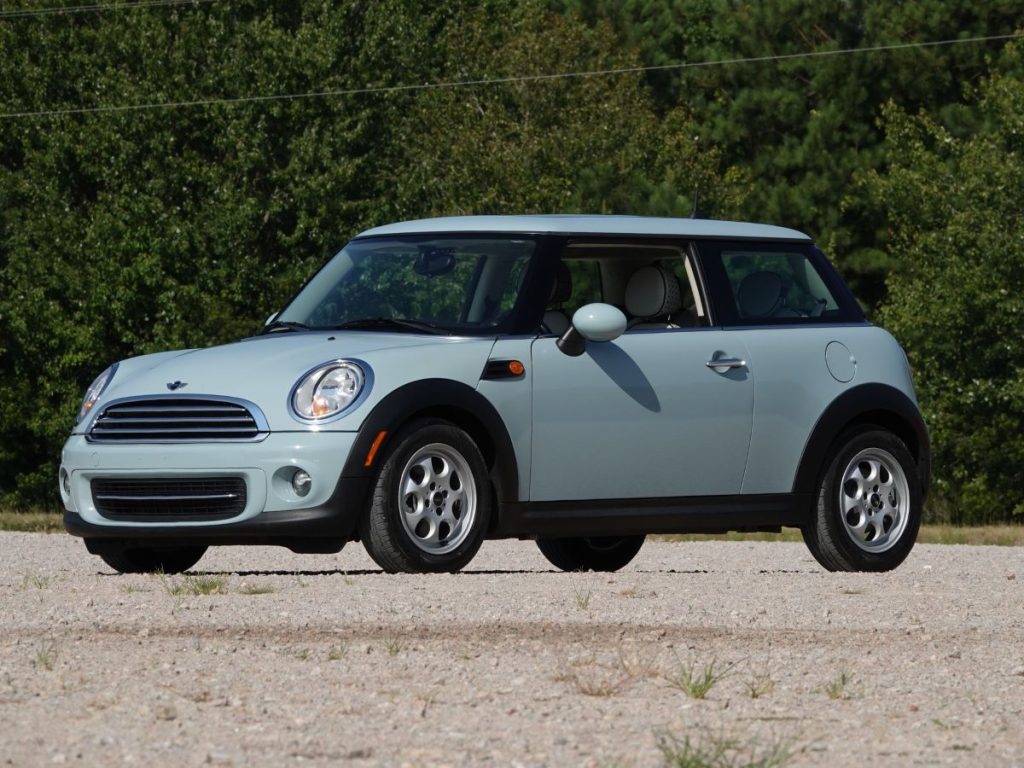
The MINI Cooper has built its reputation around agile handling and exceptional maneuverability, making it one of the easiest cars to drive through crowded city streets.
Although its compact dimensions immediately suggest excellent urban practicality, the steering system deserves equal credit for the car’s outstanding turning radius.
With a turning circle measuring approximately 35.1 feet, the MINI can navigate narrow streets, parking structures, and tight intersections with remarkable ease, reducing the need for repeated steering corrections or multipoint turns.
Its short wheelbase plays a major role in this capability. Engineers designed the MINI to maximize steering angle while maintaining predictable handling at higher speeds.
The result is a car that feels equally comfortable weaving through city traffic or slipping into parking spaces that would challenge many larger hatchbacks. Drivers often notice the difference during parallel parking, where fewer steering inputs are required to position the vehicle accurately.
Beyond maneuverability, the MINI delivers an entertaining driving experience. Quick steering response, a well-balanced chassis, and responsive suspension create a lively personality rarely found in other small cars.
Despite its compact footprint, clever interior packaging provides comfortable seating for front occupants and practical cargo space for everyday errands.
Owners living in dense urban environments frequently cite the turning radius as one of the vehicle’s greatest strengths. Instead of planning complicated parking maneuvers, drivers can confidently navigate spaces that might otherwise be avoided.
Combined with premium styling and enjoyable handling, the MINI Cooper demonstrates that outstanding maneuverability can significantly improve the daily driving experience without sacrificing comfort or character.
Specifications
- Engine: 2.0-liter turbocharged inline 4
- Torque: 221 lb ft
- Horsepower: 201 hp
- Length/Width: 152.8 in / 68.0 in
2. Honda Fit
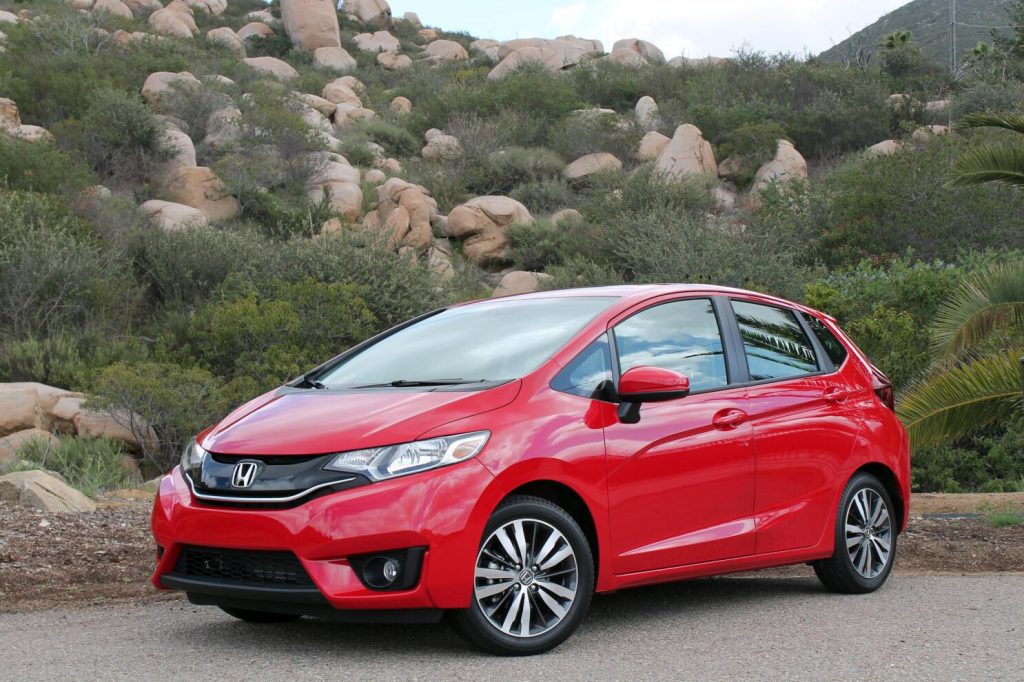
Practicality often defines the Honda Fit, but one of its greatest hidden strengths is exceptional maneuverability. Despite offering one of the roomiest cabins in the subcompact segment, the Fit maintains a remarkably tight turning circle of approximately 34.5 feet.
This combination allows drivers to enjoy generous passenger and cargo space without sacrificing the agility required for busy city driving.
Honda achieved this balance through intelligent packaging and efficient steering geometry. The compact wheelbase and carefully engineered front suspension allow the wheels to turn sharply while maintaining stability.
Whether entering narrow parking garages, making U-turns on residential streets, or maneuvering through congested downtown traffic, the Fit consistently feels smaller than its interior dimensions suggest.
The vehicle’s famous Magic Seat system further enhances its practicality by allowing multiple cargo configurations rarely found in cars of similar size.
Owners can transport bicycles, furniture, plants, or bulky shopping purchases while still benefiting from a vehicle that slips effortlessly into compact parking spaces. This versatility has made the Fit especially popular among students, commuters, and urban families.
Another advantage of the Fit’s maneuverability is reduced driver fatigue. Parking requires fewer adjustments, tight corners become easier to negotiate, and daily commuting feels less stressful in crowded environments.
Rather than relying on expensive electronic steering systems, Honda achieved these benefits through thoughtful mechanical engineering. The result is a compact hatchback that combines outstanding interior flexibility with one of the smallest turning circles available in its class.
Specifications
- Engine: 1.5 liter naturally aspirated inline 4
- Torque: 114 lb ft
- Horsepower: 128 hp
- Length/Width: 161.4 in / 67.0 in
3. Smart Fortwo
If maneuverability alone determined the ideal city car, the Smart Fortwo would rank near the very top. Designed specifically for dense urban environments, this tiny two-seater was engineered with one mission: making city driving as effortless as possible.
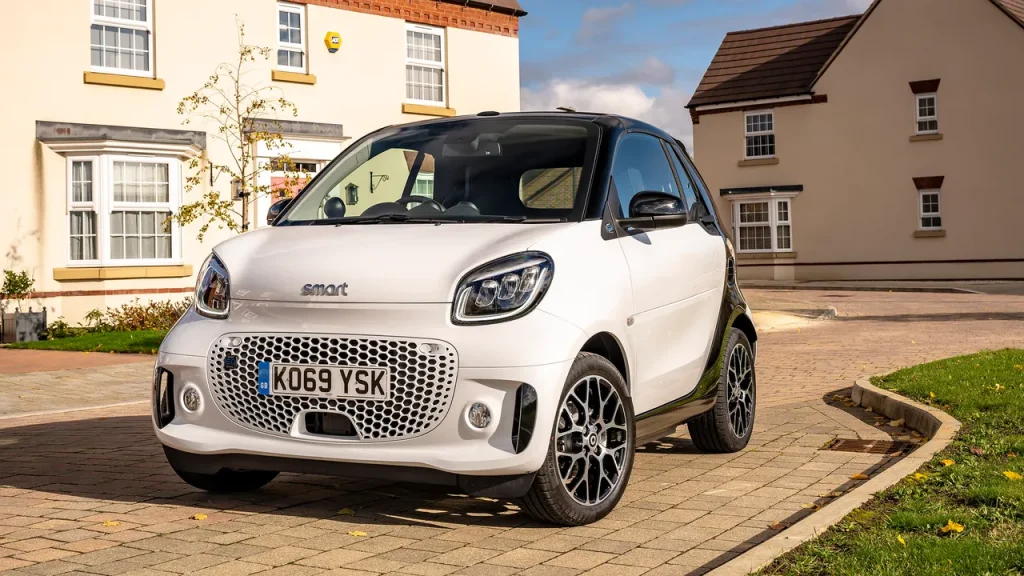
Its exceptionally short wheelbase and compact dimensions allow it to achieve a turning circle of approximately 22.8 feet, one of the smallest of any production passenger car. In many situations, the Fortwo can complete U-turns where larger vehicles require multiple reversing maneuvers.
The vehicle’s compact footprint transforms everyday parking into a far less stressful task. Spaces that seem unusable for conventional sedans or hatchbacks often accommodate the Fortwo comfortably. In some cities, owners can even park perpendicular to the curb where regulations permit, maximizing the advantages of the car’s minimal length.
Moving through narrow alleys, crowded shopping districts, and congested parking garages also becomes significantly easier because the driver has far greater flexibility when changing direction.
Despite its tiny exterior, Smart engineered the Fortwo with a reinforced safety cell and surprisingly good visibility. The upright seating position provides an excellent view of surrounding traffic, while the responsive steering makes low-speed maneuvering feel almost effortless.
Although cargo capacity and passenger space naturally remain limited due to the vehicle’s size, the design succeeds remarkably well in fulfilling its intended urban role.
Drivers who spend nearly all of their time in cities often appreciate how dramatically the Fortwo simplifies daily transportation.
Instead of worrying about turning in space or oversized parking spots, owners can concentrate on traffic while enjoying one of the most maneuverable production cars ever built. Few vehicles demonstrate the importance of turning radius as clearly as the Smart Fortwo.
Specifications
- Engine: 0.9 liter turbocharged inline 3
- Torque: 100 lb ft
- Horsepower: 89 hp
- Length/Width: 106.1 in / 65.5 in
4. Toyota Yaris
The Toyota Yaris proves that practical transportation does not have to sacrifice maneuverability. Developed with urban commuting in mind, the Yaris combines dependable engineering with a compact turning circle of approximately 32.2 feet, allowing drivers to negotiate busy streets and crowded parking areas with confidence.
Its modest dimensions certainly contribute, but Toyota’s steering calibration and suspension design also play an important role in making the car feel exceptionally agile at low speeds.
One noticeable advantage appears during everyday errands. Whether entering a narrow parking garage, reversing into a tight parking space, or making quick U-turns on residential streets, the Yaris responds predictably without requiring repeated steering corrections.
Drivers transitioning from larger sedans often notice how much easier parking becomes after only a few days behind the wheel.
The Yaris also balances maneuverability with comfort. The suspension absorbs uneven pavement effectively, visibility remains excellent thanks to generous glass areas, and light steering effort reduces fatigue during stop-and-go traffic.
These qualities have helped make the model popular among commuters, students, and first-time buyers seeking an affordable, city-focused vehicle.
Another reason the Yaris performs well in confined spaces is its efficient packaging. Although compact outside, it provides comfortable seating for passengers while maintaining useful cargo capacity for groceries and everyday necessities.
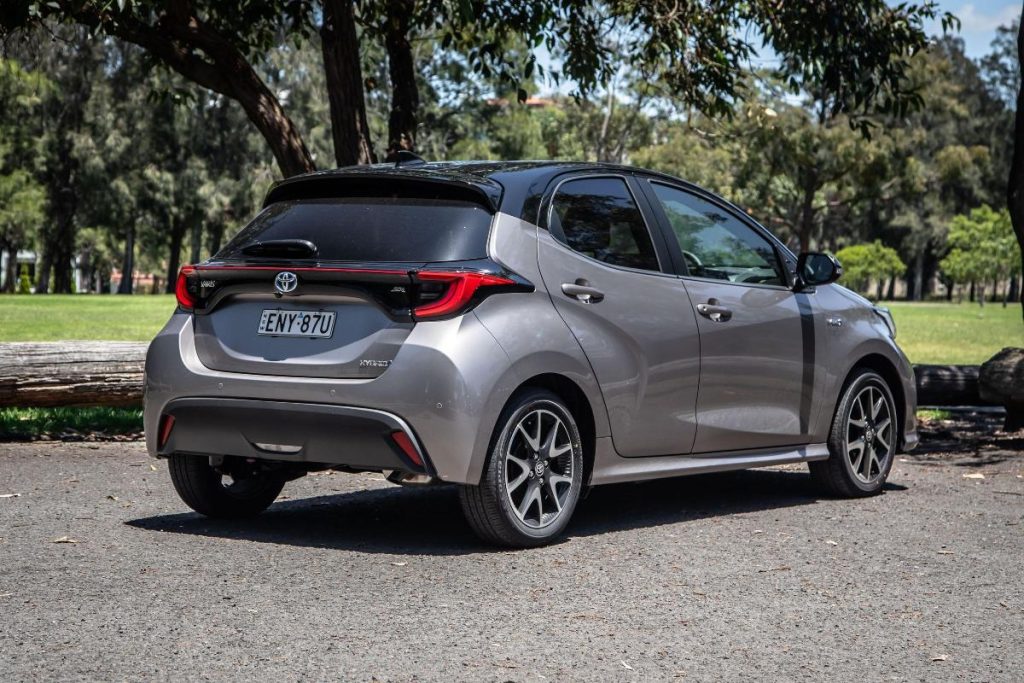
Toyota succeeded in creating a vehicle that remains practical without becoming cumbersome in crowded environments. For drivers who regularly face tight parking conditions, the Yaris demonstrates that thoughtful engineering can make daily city driving noticeably simpler and more enjoyable.
Specifications
- Engine: 1.5 liter naturally aspirated inline 4
- Torque: 103 lb ft
- Horsepower: 106 hp
- Length/Width: 161.6 in / 66.7 in
5. Kia Soul
The Kia Soul may not appear as compact as many city hatchbacks because of its tall, boxy profile, yet it delivers impressive maneuverability that surprises many first-time drivers. With a turning circle of approximately 34.8 feet, the Soul handles tight urban environments far better than its upright design suggests.
Kia achieved this by carefully balancing wheelbase length, steering geometry, and suspension tuning, allowing the crossover to remain easy to position even in congested areas.
One of the Soul’s biggest strengths is visibility. Large windows, a relatively upright windshield, and a commanding seating position help drivers judge distances more easily when parking or driving through narrow streets.
Drivers can quickly identify curbs, nearby vehicles, and pedestrians without relying entirely on parking cameras or sensors. Combined with its responsive steering, this visibility contributes significantly to the vehicle’s user-friendly nature.
Unlike many compact crossovers that sacrifice practicality for style, the Soul provides generous interior space thanks to its square roofline. Passengers enjoy ample headroom, while the cargo area comfortably accommodates shopping bags, luggage, or sports equipment.
These characteristics allow owners to enjoy SUV-like practicality without dealing with the wider turning circles often associated with larger utility vehicles.
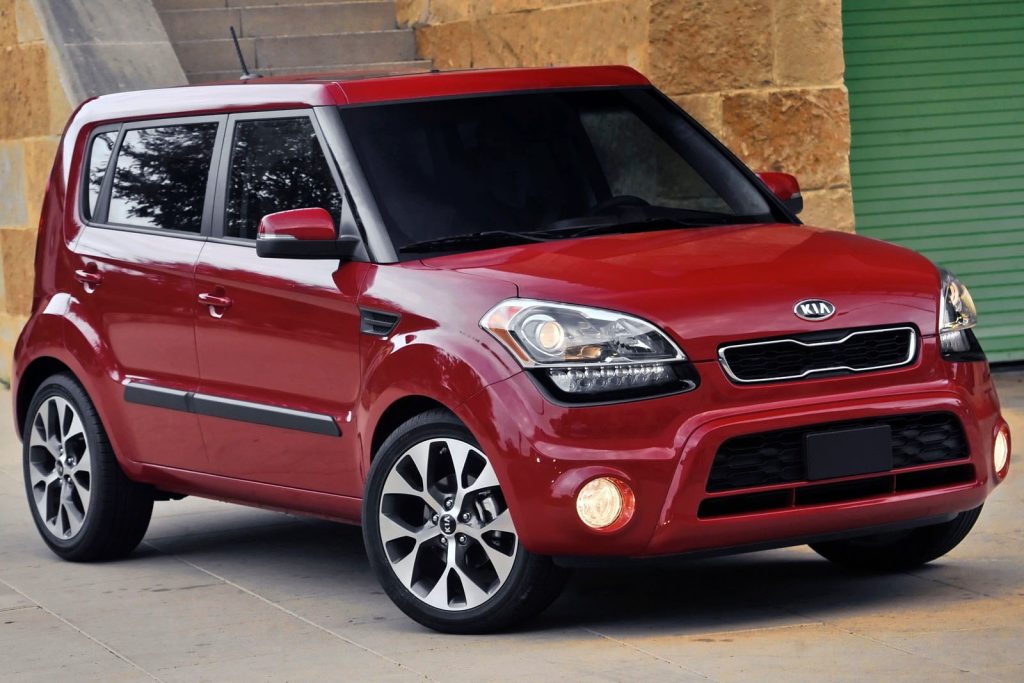
Daily commuting highlights the advantages of the Soul’s compact maneuverability. Parking garages, apartment complexes, and busy shopping centers become easier to navigate because fewer steering corrections are required.
The vehicle strikes an appealing balance between spaciousness and agility, making it an excellent option for drivers who want practical transportation without giving up the convenience of a tight turning radius in crowded cities.
Specifications
- Engine: 2.0-liter naturally aspirated inline 4
- Torque: 132 lb ft
- Horsepower: 147 hp
- Length/Width: 165.2 in / 70.9 in
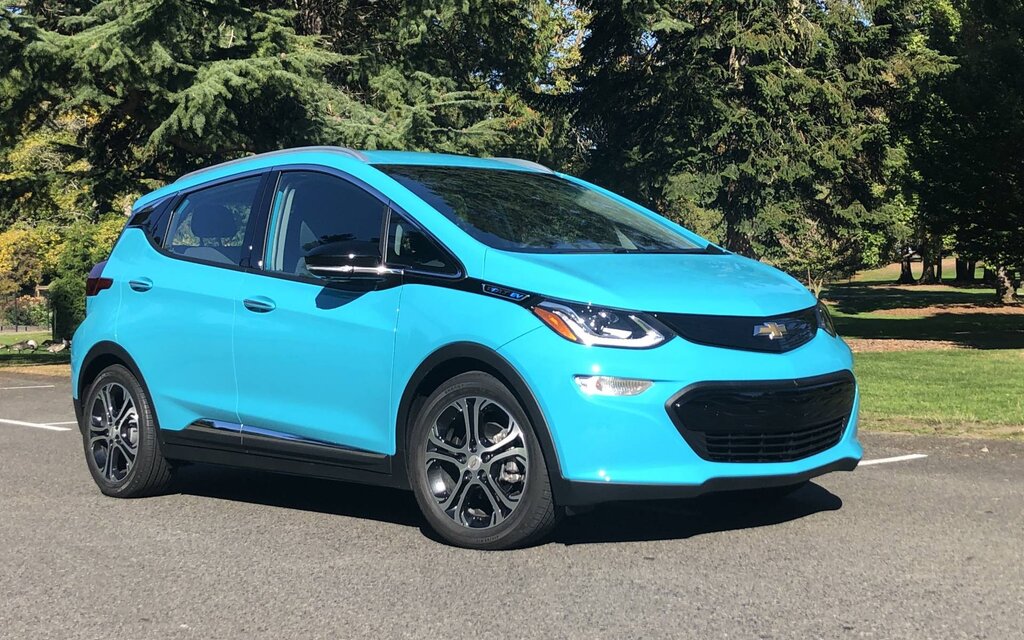
6. Chevrolet Bolt EV
Electric vehicles often receive attention for their instant torque and quiet operation, but the Chevrolet Bolt EV deserves equal recognition for its maneuverability.
Thanks to its compact dimensions and intelligently packaged electric platform, the Bolt achieves a turning circle of approximately 34.8 feet, making it exceptionally well suited to city driving.
The absence of a bulky internal combustion engine also allows engineers greater flexibility when designing steering components and front suspension geometry.
Urban commuters benefit from this design every day. Whether making sharp turns through narrow streets or squeezing into compact parking spaces, the Bolt responds with precision and minimal effort.
The light steering calibration further reduces driver fatigue during frequent stop-and-go traffic, while the upgraded seating position provides excellent visibility in busy environments.
Another advantage comes from the vehicle’s flat floor and efficient interior packaging. Although compact on the outside, the cabin offers surprising passenger space and useful cargo capacity.
Owners can comfortably transport groceries, luggage, or work equipment while still enjoying a vehicle that feels remarkably agile in confined areas.
The Bolt’s electric powertrain complements its maneuverability perfectly. Instant torque provides smooth acceleration when merging into traffic, while regenerative braking allows more controlled low-speed driving in urban conditions.
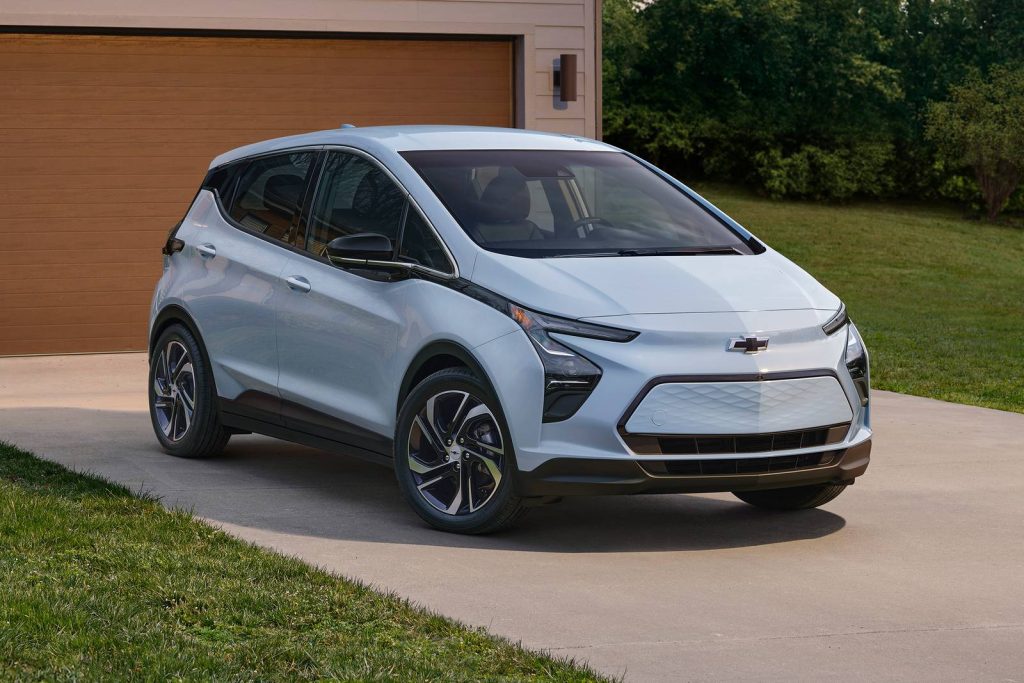
Rather than focusing solely on electric efficiency, Chevrolet created a vehicle that excels in the practical challenges faced by city drivers.
Its combination of compact size, responsive steering, and efficient packaging makes the Bolt EV one of the easiest modern electric cars to maneuver through crowded streets and tight parking facilities.
Specifications
- Engine: Single permanent magnet electric motor
- Torque: 266 lb ft
- Horsepower: 200 hp
- Length/Width: 163.2 in / 69.5 in
7. Nissan Versa
Affordability is often the first quality associated with the Nissan Versa, yet its maneuverability deserves just as much recognition. Designed with everyday commuting in mind, the Versa offers a turning circle of approximately 34.8 feet, allowing it to navigate crowded city streets and compact parking areas with impressive ease.
For drivers who regularly deal with apartment parking lots, downtown garages, or narrow residential roads, this characteristic can be just as valuable as fuel economy.
The steering has been tuned to prioritize low-speed precision, making the vehicle feel light and predictable when changing direction. U-turns require less space than many compact sedans, while parallel parking becomes simpler because the Versa responds quickly to steering inputs.
Its relatively short wheelbase also contributes to the car’s agility, allowing drivers to reposition the vehicle without repeated back-and-forth movements.
Practicality remains one of the Versa’s strongest attributes. Although positioned as an entry-level sedan, it offers comfortable seating, a generously sized trunk, and a cabin layout designed for everyday usability.
Modern driver assistance technologies, including automatic emergency braking and rear cross-traffic alert on many trims, complement the vehicle’s maneuverability by providing additional confidence in busy traffic environments.
Another advantage is visibility. Slim roof pillars and a thoughtfully designed greenhouse help reduce blind spots, making it easier to judge distances when parking close to curbs or neighboring vehicles.
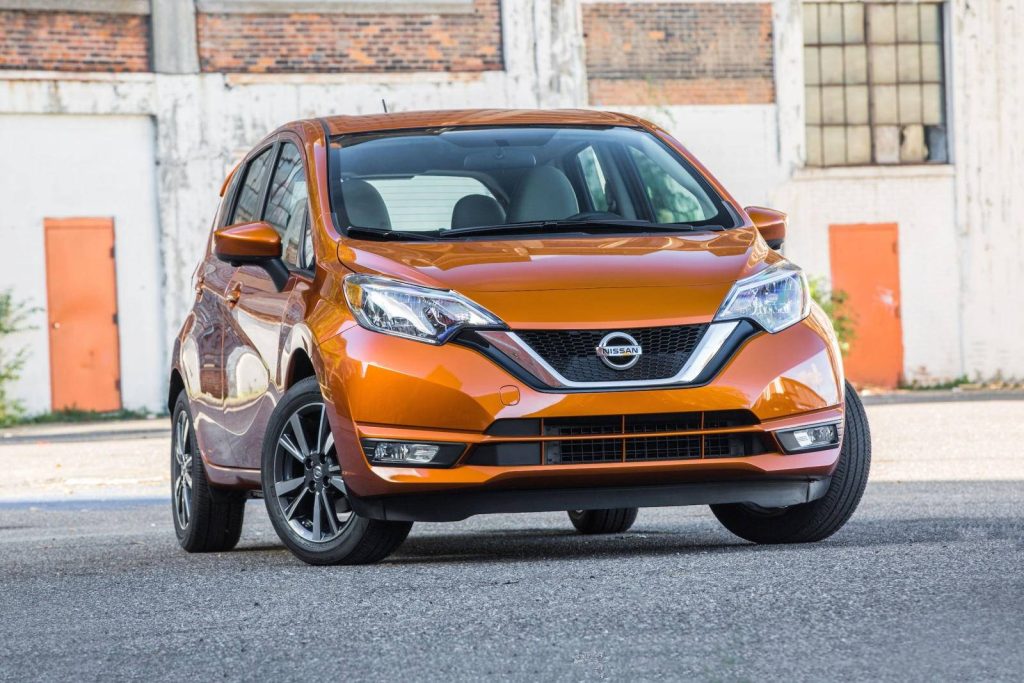
Drivers who spend most of their time in congested cities will appreciate how effortlessly the Versa handles situations that often frustrate owners of larger sedans. Its combination of affordability, efficient packaging, and compact turning radius makes it a practical companion for everyday urban transportation.
Specifications
- Engine: 1.6-liter naturally aspirated inline 4
- Torque: 114 lb ft
- Horsepower: 122 hp
- Length/Width: 177.0 in / 68.5 in
8. Fiat 500
The Fiat 500 concludes this list because it was engineered from the beginning to thrive in crowded European cities where narrow streets and limited parking are part of daily life.
Measuring a turning circle of approximately 30.6 feet, the Fiat 500 changes direction with remarkable ease, allowing drivers to negotiate spaces that would challenge many larger hatchbacks. Its compact footprint and responsive steering make it one of the most maneuverable modern city cars available.
Unlike vehicles that simply rely on small dimensions, the Fiat 500 also benefits from carefully calibrated steering assistance. The available city steering mode further reduces steering effort at lower speeds, making parking and tight cornering almost effortless.
This feature proves especially useful during repeated parking maneuvers in congested urban neighborhoods where constant steering adjustments are unavoidable.
Despite its compact size, the Fiat 500 maintains a distinctive personality through stylish design, cheerful cabin materials, and an upgraded seating position that provides a clear view of surrounding traffic.
Everyday errands become less stressful because drivers can confidently enter narrow streets, reverse into tight parking spaces, and make quick U turns without excessive maneuvering.
The Fiat 500 demonstrates that effective urban transportation is about more than compact dimensions alone. Its steering geometry, short wheelbase, and lightweight construction work together to create exceptional maneuverability while preserving comfort for everyday commuting.
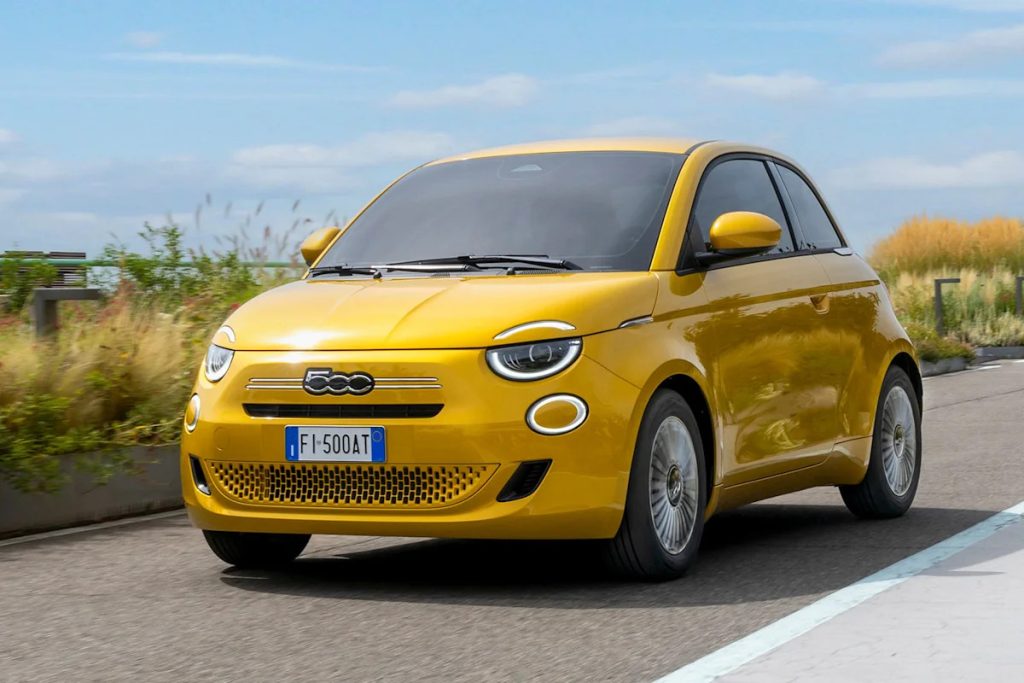
For drivers who spend most of their time in busy city centers, few vehicles make parking and low-speed driving feel as natural as the Fiat 500, earning it a well-deserved place among the cars with the smallest turning radius.
Specifications
- Engine: 1.4-liter naturally aspirated inline 4
- Torque: 98 lb ft
- Horsepower: 135 hp
- Length/Width: 139.6 in / 64.1 in
Also Read: 10 Non-Volvo Cars That Use A Volvo Engine