
Advanced driver assistance technology was once reserved for luxury vehicles and expensive option packages. Features such as automatic emergency braking, lane keeping assistance, adaptive cruise control, and blind spot monitoring often require buyers to move to higher trim levels or purchase costly safety packages.
Over the past several years, however, automakers have recognized that these technologies play an important role in preventing collisions rather than simply making vehicles more convenient.
As a result, many manufacturers now include comprehensive safety suites as standard equipment across their lineups, giving buyers greater protection without increasing the purchase price through optional packages.
This shift has transformed the new car market. Even entry-level models now arrive equipped with sophisticated cameras, radar sensors, and electronic control systems that continuously monitor surrounding traffic.
These technologies can warn drivers of potential hazards, apply the brakes automatically, help maintain lane position, and reduce driver fatigue during long highway trips.
Organizations such as the Insurance Institute for Highway Safety have also encouraged broader adoption by rewarding manufacturers that make effective crash prevention systems standard equipment.
The following eight vehicles stand out because they include an impressive collection of advanced safety technology without requiring buyers to purchase expensive upgrade packages. They demonstrate how features that were once considered premium luxuries have now become standard equipment for everyday drivers.
Also Read: 8 Car Features Automakers Now Lock Behind a Monthly Subscription
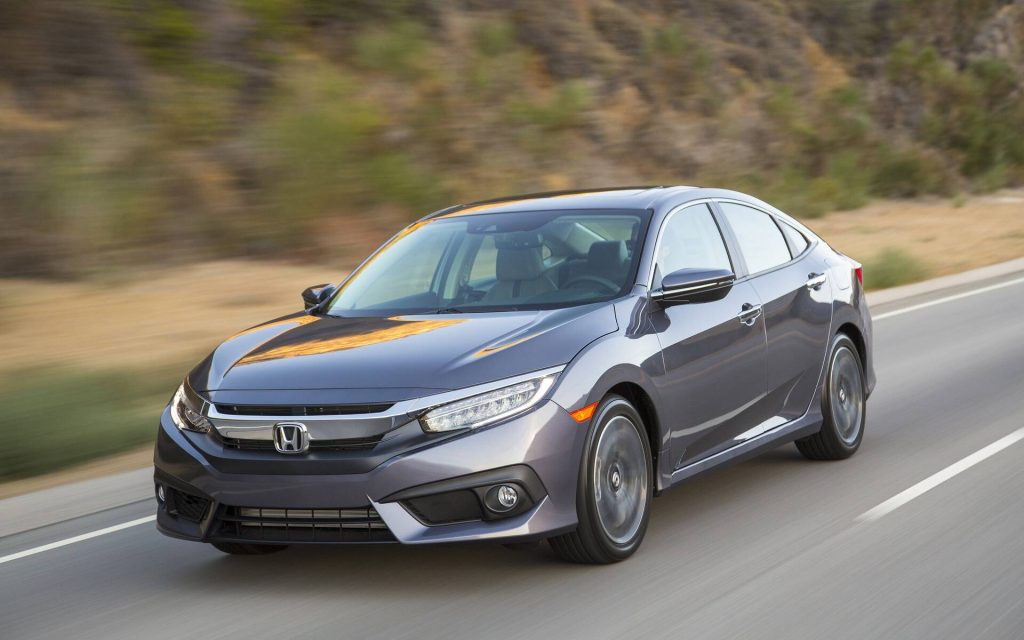
1. Honda Civic
The Honda Civic has long been recognized for balancing efficiency, practicality, and reliability, but one of its greatest strengths today is the amount of advanced safety equipment included as standard across the lineup.
Buyers no longer have to move to expensive trims to receive important driver assistance technologies because every new Civic comes equipped with Honda Sensing. This comprehensive package gives even entry-level models a level of protection that was once limited to premium vehicles.
Honda Sensing combines several technologies designed to reduce accident risk before a collision occurs. The Collision Mitigation Braking System can automatically apply the brakes if it detects an imminent frontal impact, while the Forward Collision Warning alerts the driver to rapidly closing traffic ahead.
Road Departure Mitigation and Lane Keeping Assistance help the vehicle remain centered within clearly marked lanes, reducing the chance of unintended lane departures during long drives.
Adaptive Cruise Control further enhances highway comfort by automatically maintaining a preset distance from vehicles ahead. Instead of continuously adjusting speed in changing traffic, the system smoothly accelerates and slows as conditions require.
Traffic sign recognition also displays important road information within the instrument cluster, helping drivers remain aware of changing speed limits.
The Civic’s safety extends beyond electronic systems. Its Advanced Compatibility Engineering body structure distributes crash energy efficiently during an impact, while multiple airbags and carefully engineered restraint systems help protect occupants in various collision scenarios.
By making Honda Sensing standard throughout the range, Honda has removed the traditional connection between safety and price.
Buyers receive a well-rounded package of crash avoidance technology without paying extra for higher trim levels, making the Civic one of the strongest values for drivers who place safety near the top of their purchasing priorities.
Specifications
- Engine: 2.0-liter Naturally Aspirated Inline-4
- Torque: 133 lb-ft
- Horsepower: 150 hp
- Length/Width: 184.0 inches / 70.9 inches
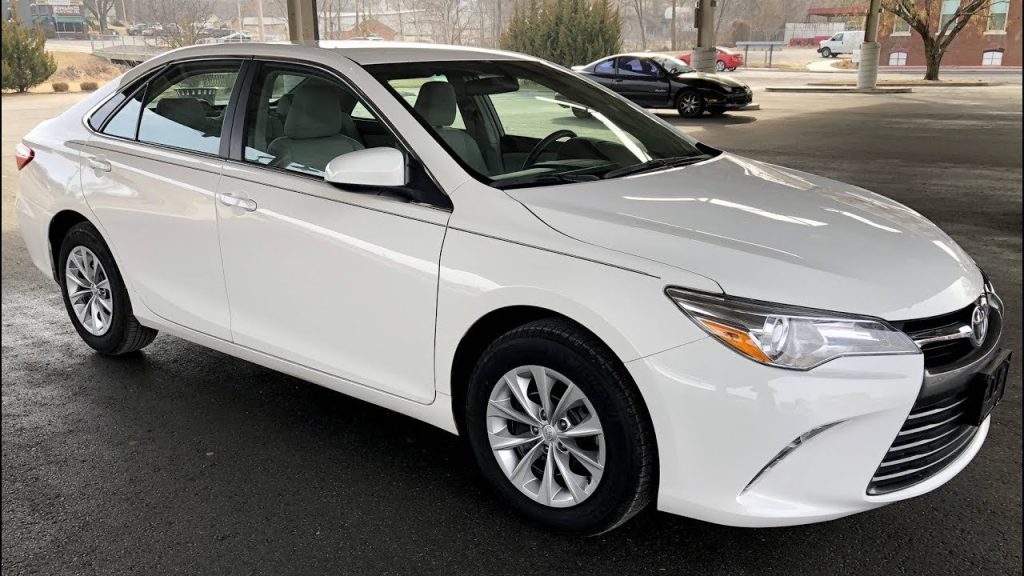
2. Toyota Camry
Safety has become one of the defining characteristics of the Toyota Camry, largely because every model includes Toyota Safety Sense as standard equipment.
Rather than reserving advanced driver assistance systems for premium trims, Toyota equips even the entry-level Camry with an impressive collection of technologies that actively help drivers avoid accidents.
This approach allows buyers to focus on selecting the trim that best suits their comfort preferences without compromising occupant protection.
Toyota Safety Sense integrates multiple systems into one seamless package. The Pre-Collision System with Pedestrian Detection monitors traffic ahead and can automatically apply the brakes if the driver fails to react in time.
Lane Departure Alert provides warnings whenever the vehicle begins drifting from its lane, while Lane Tracing Assist helps maintain a centered position during highway driving when adaptive cruise control is active.
Dynamic Radar Cruise Control reduces driver fatigue by automatically adjusting speed to maintain a safe following distance. The system performs especially well during long-distance travel where traffic speeds frequently change.
Road Sign Assist and Automatic High Beams further improve driver awareness by displaying important road information and adjusting headlight operation to changing traffic conditions.
The Camry’s safety credentials extend to its structural engineering as well. High-strength steel construction, multiple airbags, electronic stability control, and advanced seat belt systems provide excellent occupant protection should a collision occur.
These passive safety systems work together with active technologies to create a comprehensive safety package.
Toyota’s decision to include this technology across every Camry demonstrates how advanced driver assistance has become an essential part of modern vehicle design. Buyers receive meaningful crash prevention features from the moment they leave the dealership without adding costly option packages.
Specifications
- Engine: 2.5-liter Naturally Aspirated Inline-4 Hybrid
- Torque: 163 lb-ft
- Horsepower: 225 hp
- Length/Width: 193.5 inches / 72.4 inches
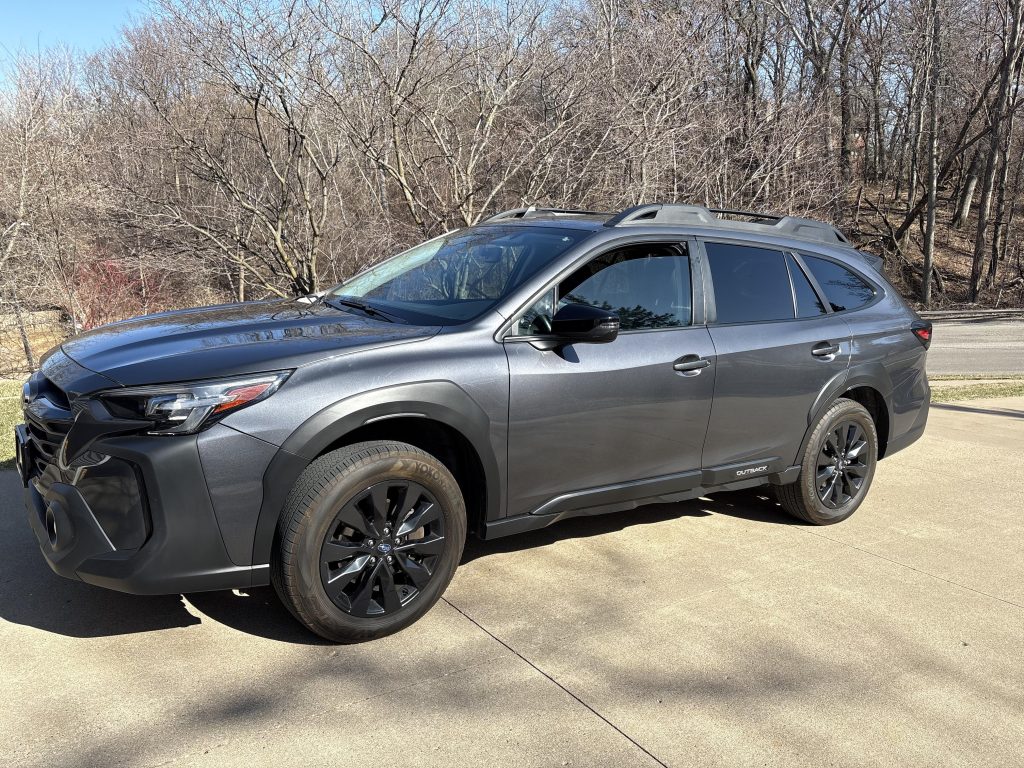
3. Subaru Outback
Subaru has built much of its reputation around safety, and the Outback demonstrates that philosophy better than almost any other model in the company’s lineup.
Buyers do not have to upgrade to expensive trim levels to access advanced driver assistance technology because Subaru equips nearly every Outback with its EyeSight Driver Assist Technology as standard equipment.
This decision gives owners a comprehensive collection of crash prevention systems from the moment they take delivery of the vehicle.
The foundation of EyeSight is a pair of stereo cameras mounted near the windshield. These cameras continuously monitor traffic, lane markings, pedestrians, and cyclists while supplying information to several integrated safety systems.
Pre-collision braking can automatically apply maximum braking if the driver does not react to an imminent collision, helping reduce impact severity or avoid the accident entirely.
Adaptive Cruise Control with Lane Centering provides another significant advantage during highway travel. Rather than simply maintaining speed, the system automatically adjusts following distance and gently helps keep the Outback centered within its lane. This reduces driver workload during extended trips while encouraging smoother vehicle operation.
Additional standard technologies include Lane Departure Warning, Lane Keep Assist, Pre-Collision Throttle Management, and Lead Vehicle Start Alert. Together, these systems constantly monitor the driving environment and provide warnings or corrective actions whenever necessary.
Subaru also combines these active technologies with a reinforced body structure and an extensive airbag system to maximize occupant protection if an accident occurs.
The Outback’s standard Symmetrical All-Wheel Drive also contributes indirectly to safety by providing predictable traction during rain, snow, and slippery road conditions. Improved stability allows the driver to maintain greater control when weather becomes challenging.
By making these advanced safety technologies standard rather than optional, Subaru continues demonstrating that comprehensive occupant protection should be available to every buyer regardless of trim level.
Specifications
- Engine: 2.5-liter Naturally Aspirated Boxer-4
- Torque: 178 lb-ft
- Horsepower: 182 hp
- Length/Width: 191.9 inches / 74.6 inches
4. Hyundai Elantra
Affordability no longer requires sacrificing advanced safety equipment, and the Hyundai Elantra illustrates that point exceptionally well. Even its entry-level models include Hyundai SmartSense, a package of driver assistance technologies that previously appeared only on significantly more expensive vehicles.
This generous standard equipment list has helped position the Elantra among the strongest values in the compact sedan segment.
Forward Collision Avoidance Assist forms the centerpiece of the system. Using cameras and sensors, it monitors the road ahead for vehicles, pedestrians, and cyclists. If the driver does not respond to an approaching hazard, the system can automatically apply the brakes to reduce collision severity or prevent the accident altogether.
Lane Keeping Assist and Lane Following Assist operate together to help maintain proper lane position. While the first system provides steering corrections when the vehicle begins drifting, the second continuously makes small steering inputs to keep the Elantra centered on well-marked roads.
Highway Driving Assist on selected trims builds upon these technologies for even smoother long-distance travel.
Driver Attention Warning monitors steering behavior and vehicle movement to identify signs of fatigue or distraction. When unusual driving patterns are detected, the system recommends taking a break. Rear Occupant Alert provides another thoughtful addition by reminding drivers to check the rear seats before leaving the vehicle.
The Elantra’s safety engineering also includes a rigid passenger compartment, multiple airbags, electronic stability control, and carefully designed crumple zones that absorb collision energy efficiently. Combined with SmartSense, these features create a balanced approach to occupant protection.
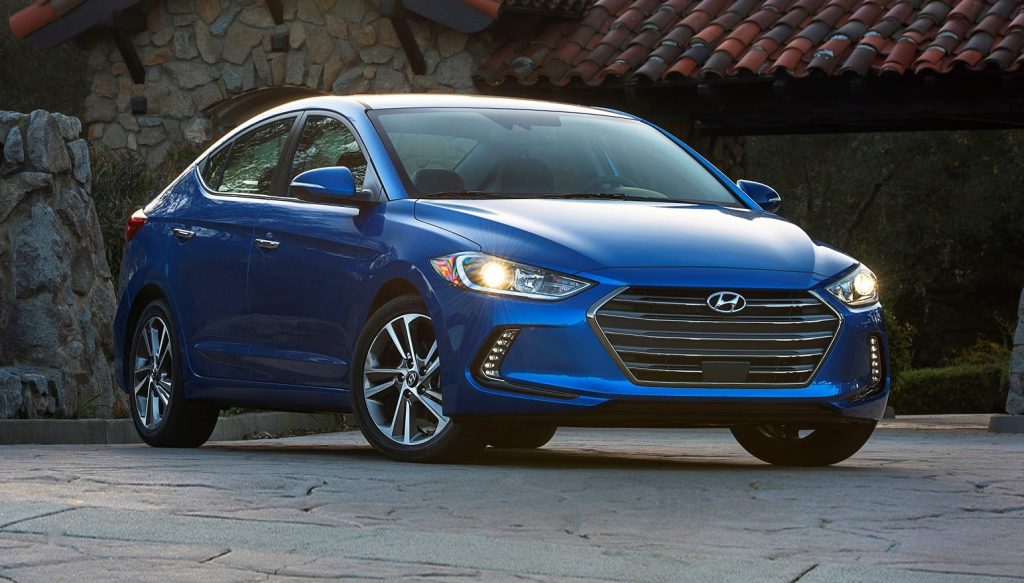
Hyundai’s decision to provide this technology without requiring expensive upgrades reflects the industry’s growing recognition that advanced safety should be available to every customer rather than limited to premium models.
Specifications
- Engine: 2.0-liter Naturally Aspirated Inline-4
- Torque: 132 lb-ft
- Horsepower: 147 hp
- Length/Width: 184.1 inches / 71.9 inches
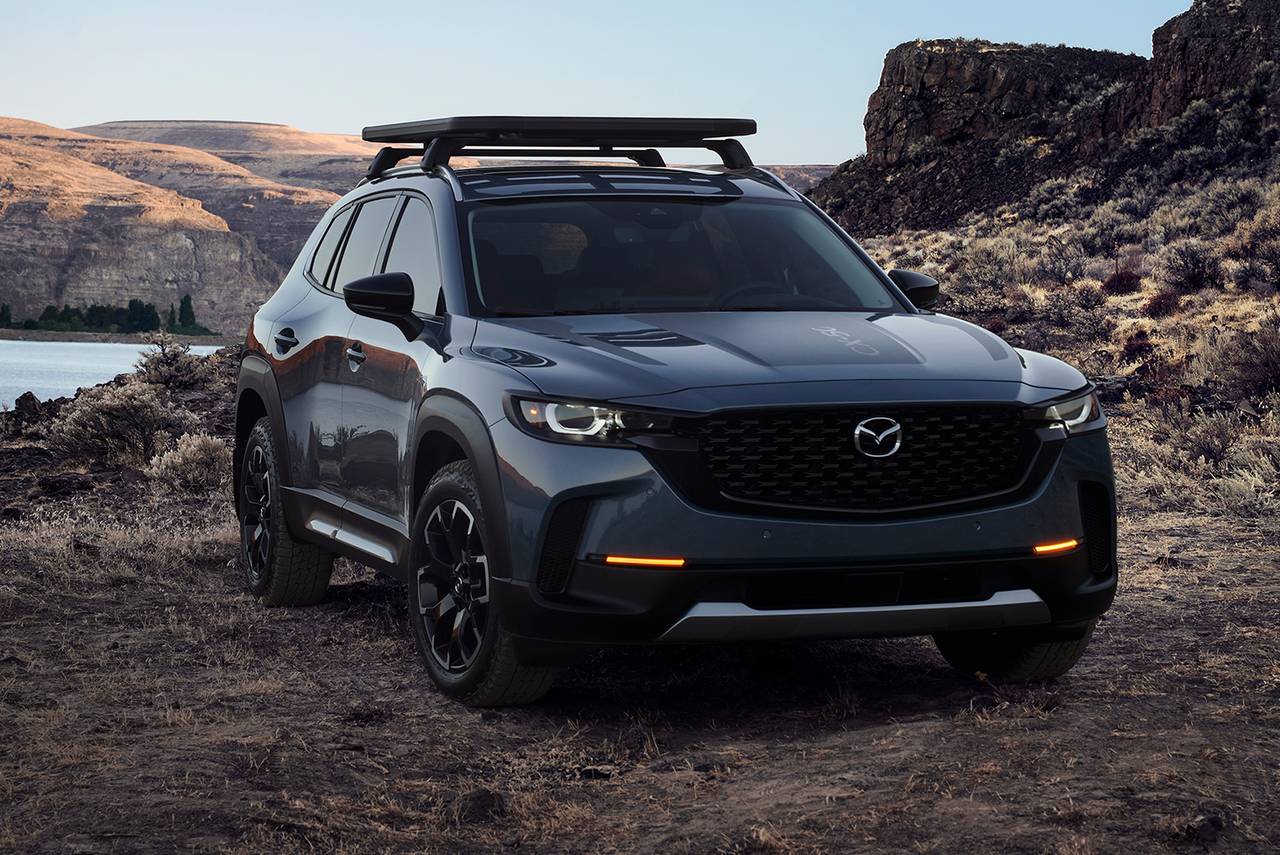
5. Mazda CX-50
Mazda has earned a reputation for building vehicles that are engaging to drive without compromising safety, and the CX-50 reflects that philosophy from its base trim upward. Rather than requiring buyers to purchase premium packages, Mazda includes a generous collection of i-Activsense safety technologies as standard equipment.
This approach ensures that every CX-50 owner benefits from advanced collision prevention systems regardless of which trim level they select.
At the heart of the package is Smart Brake Support. Cameras and radar sensors monitor traffic ahead, identifying vehicles, pedestrians, and, in certain situations, cyclists.
If the driver fails to react to an impending collision, the system can automatically apply the brakes to reduce impact speed or avoid the accident completely. The intervention occurs smoothly but decisively, providing valuable assistance during unexpected situations.
Lane Departure Warning and Lane Keep Assist add another layer of protection during highway travel. When the vehicle begins drifting without a turn signal, the system first alerts the driver before applying gentle steering corrections to guide the SUV back toward the center of the lane.
Radar Cruise Control complements these functions by automatically maintaining a safe following distance from vehicles ahead, making long-distance travel more comfortable.
Mazda also equips the CX-50 with Driver Attention Alert, which monitors driving behavior for signs of fatigue. If unusual steering patterns are detected, the vehicle encourages the driver to take a break before continuing the journey.
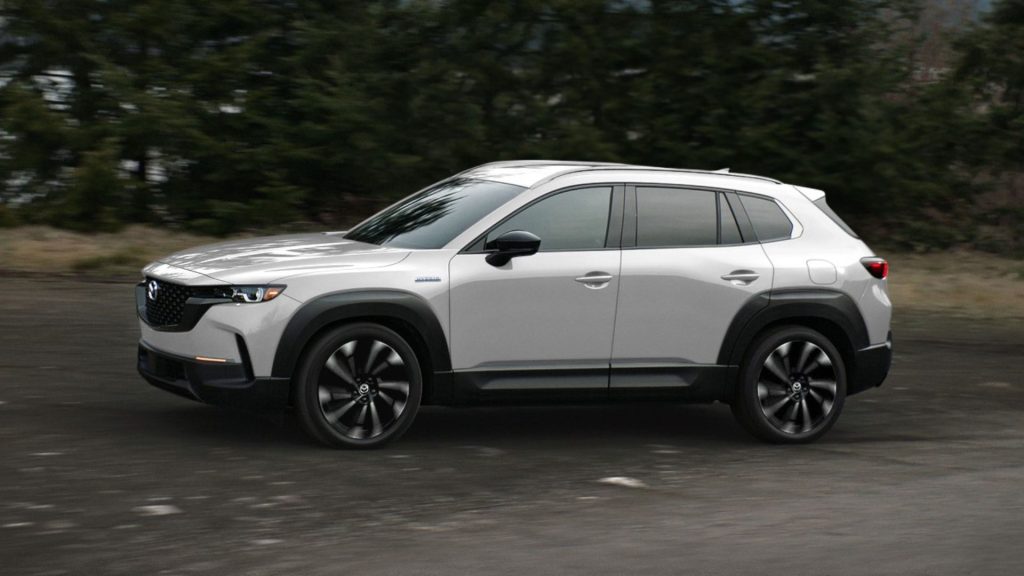
These electronic systems operate alongside a rigid Skyactiv body structure engineered to absorb crash energy while protecting the passenger compartment. Multiple airbags, electronic stability control, and carefully designed restraint systems complete the safety package.
By making i-ActivSense standard across the lineup, Mazda demonstrates that advanced crash prevention technology should be accessible without forcing buyers into higher-priced trims.
Specifications
- Engine: 2.5-liter Naturally Aspirated Inline-4
- Torque: 185 lb-ft
- Horsepower: 187 hp
- Length/Width: 185.8 inches / 75.6 inches
6. Kia Sportage
The Kia Sportage has evolved into one of the most technologically advanced compact SUVs in its class, and one reason for its popularity is the extensive safety equipment included as standard. Kia no longer reserves many of its most valuable driver assistance technologies for premium trims.
Instead, even entry-level Sportage models receive a comprehensive suite of features designed to reduce collision risk and improve driver confidence in everyday situations.
Forward Collision Avoidance Assist continuously scans the road ahead using cameras and radar. The system can recognize vehicles, pedestrians, and cyclists before providing visual and audible warnings. If the driver fails to respond, automatic braking activates to lessen collision severity or prevent an impact entirely when possible.
Lane Keeping Assist and Lane Following Assist work together to maintain stable positioning within clearly marked lanes. These technologies make subtle steering adjustments while also warning the driver if the vehicle begins drifting unintentionally. During extended highway trips, they reduce workload without replacing attentive driving.
Standard high beam assist automatically switches between high and low beams depending on surrounding traffic, improving nighttime visibility without dazzling other drivers. Driver Attention Warning adds another layer of protection by monitoring steering inputs and driving behavior for signs of fatigue, recommending a rest break if necessary.
The Sportage also benefits from a reinforced body structure constructed with extensive high-strength steel. Multiple airbags, electronic stability control, hill start assist, and anti-lock brakes complement the active safety technologies to create a balanced occupant protection system.
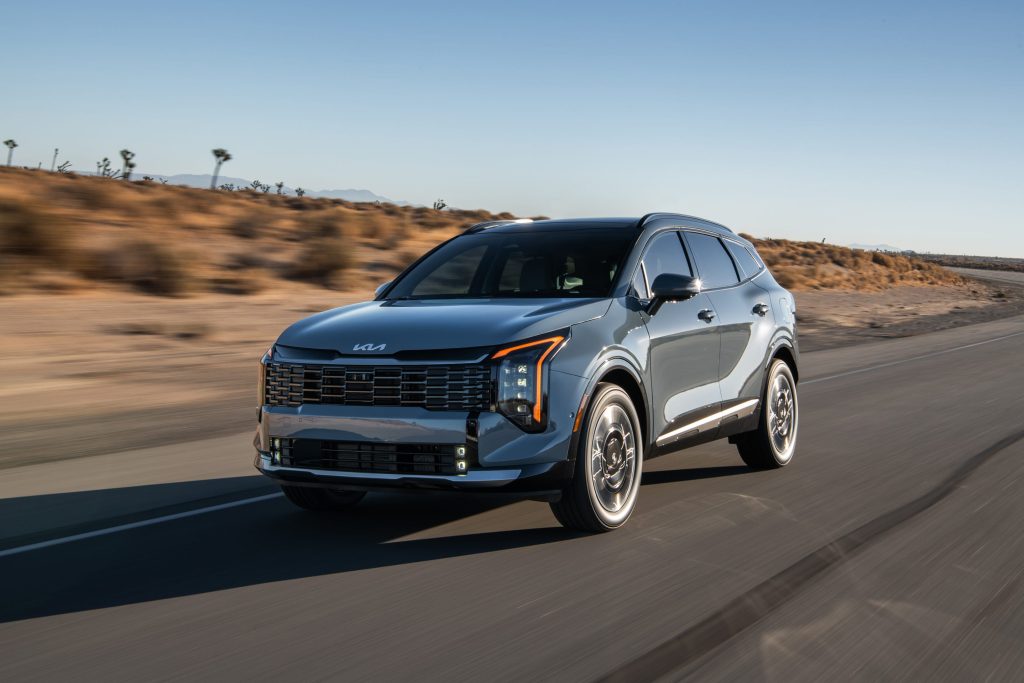
Kia’s strategy of providing these features on every Sportage makes advanced safety available to a broader range of buyers. Instead of paying extra for technologies that help prevent accidents, owners receive them as part of the vehicle’s standard equipment from the very beginning.
Specifications
- Engine: 2.5-liter Naturally Aspirated Inline-4
- Torque: 178 lb-ft
- Horsepower: 187 hp
- Length/Width: 183.5 inches / 73.4 inches
7. Nissan Rogue
Safety technology has become one of the Nissan Rogue’s strongest selling points because the company equips even the entry-level model with an extensive collection of driver assistance features through Nissan Safety Shield 360.
Rather than treating advanced safety as a premium upgrade, Nissan includes these systems as standard equipment, allowing every buyer to benefit from technologies designed to help prevent accidents before they occur.
Automatic Emergency Braking with Pedestrian Detection serves as the foundation of the package. Cameras and radar continuously monitor the road ahead, identifying vehicles and pedestrians while calculating the risk of a collision.
If the driver does not respond in time, the system can automatically apply the brakes to reduce impact speed or avoid the crash altogether.
The Rogue also includes rear automatic braking, a feature that monitors the area behind the vehicle while reversing. If an obstacle is detected, the SUV warns the driver and can apply the brakes if necessary. This technology is particularly valuable in crowded parking lots where visibility may be limited.
Lane departure warning, blind spot warning, rear cross traffic alert, and high beam assist further enhance everyday driving. Together, these systems provide constant awareness of surrounding traffic while reducing the likelihood of common accidents during lane changes, reversing, or nighttime travel.
Beyond electronic assistance, the Rogue features a reinforced safety structure engineered with high-strength steel in key areas to help manage crash energy effectively. Multiple airbags, electronic stability control, traction control, and advanced seat belt systems provide additional occupant protection should a collision occur.
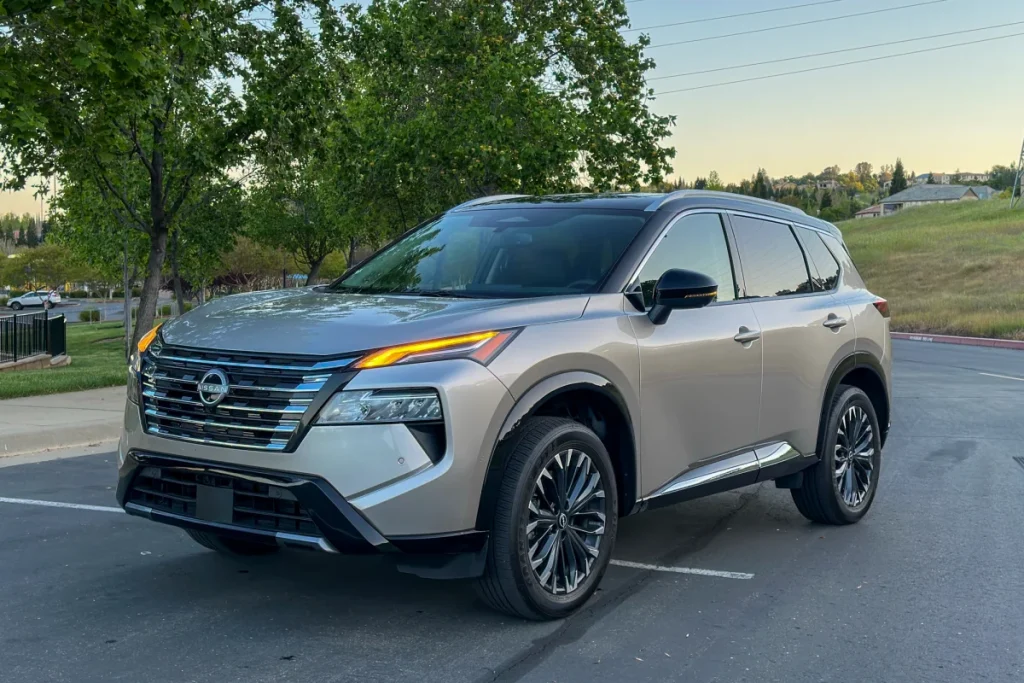
The combination of intelligent crash avoidance systems and carefully engineered structural protection makes the Rogue an appealing choice for families seeking practical transportation with a generous amount of standard safety equipment.
Nissan’s decision to include these technologies without requiring higher trim levels reflects the growing industry commitment to making advanced safety accessible to more drivers.
Specifications
- Engine: 1.5-liter Turbocharged Three-Cylinder
- Torque: 225 lb-ft
- Horsepower: 201 hp
- Length/Width: 183.0 inches / 72.4 inches
8. Volkswagen ID.4
Electric vehicles have become showcases for advanced technology, and the Volkswagen ID. 4 demonstrates that safety is equally important to digital innovation. Every ID.4 comes equipped with IQ. DRIVE as standard, providing a wide range of driver assistance technologies without requiring buyers to purchase optional safety packages.
This commitment ensures that even the most affordable version receives sophisticated systems designed to support drivers in a variety of traffic conditions.
Front Assist with Autonomous Emergency Braking constantly monitors traffic ahead and can intervene if a collision appears likely. The system recognizes vehicles, pedestrians, and cyclists, providing warnings before automatically applying the brakes when necessary.
This proactive approach helps reduce accident severity and, in many situations, can prevent an impact completely.
Lane Assist continuously monitors road markings and provides gentle steering inputs if the vehicle begins drifting from its lane unintentionally. Adaptive Cruise Control works seamlessly alongside the system, automatically maintaining a safe following distance during highway driving while reducing driver fatigue in congested traffic.
Blind Spot Monitor, Rear Traffic Alert, Emergency Assist, and Travel Assist further strengthen the SUV’s safety credentials. Working together, these technologies help drivers maintain awareness of surrounding traffic while providing support during long journeys or unexpected situations.
The ID.4 also benefits from a rigid battery-integrated platform that contributes to excellent structural integrity. Multiple airbags, electronic stability systems, and carefully engineered crumple zones complement the electronic safety features, creating a balanced approach to occupant protection.
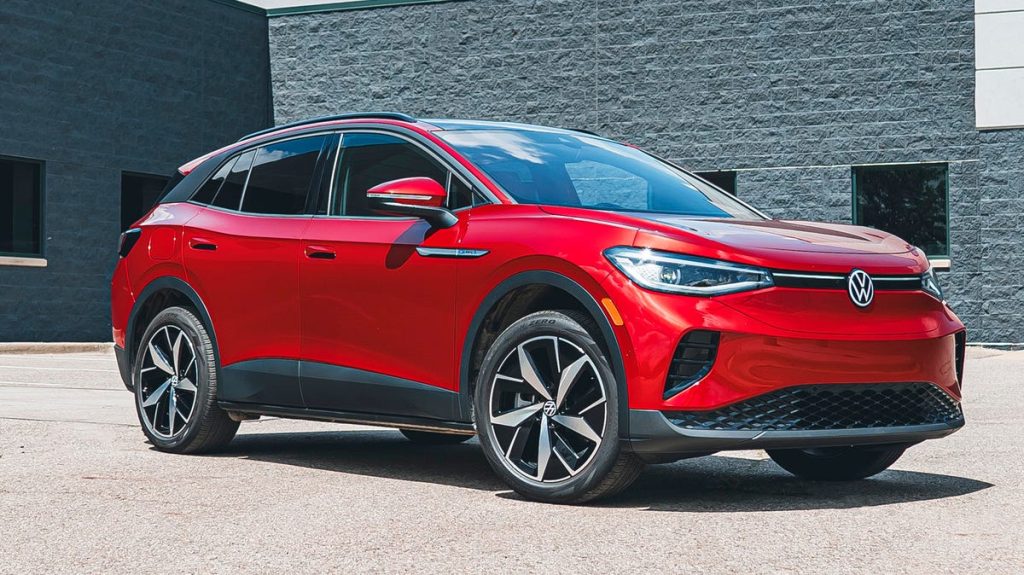
Volkswagen’s decision to include IQ. DRIVE across the lineup highlights how advanced safety technology has become an essential component of modern vehicle design. Buyers receive meaningful crash prevention features as part of the standard package, making the ID. 4 one of the strongest safety values among today’s electric SUVs.
Specifications
- Engine: Single Permanent Magnet Electric Motor
- Torque: 229 lb-ft
- Horsepower: 282 hp
- Length/Width: 180.5 inches / 72.9 inches
Also Read: 8 Cheapest BMW Cars Ever Made & Ranked
