
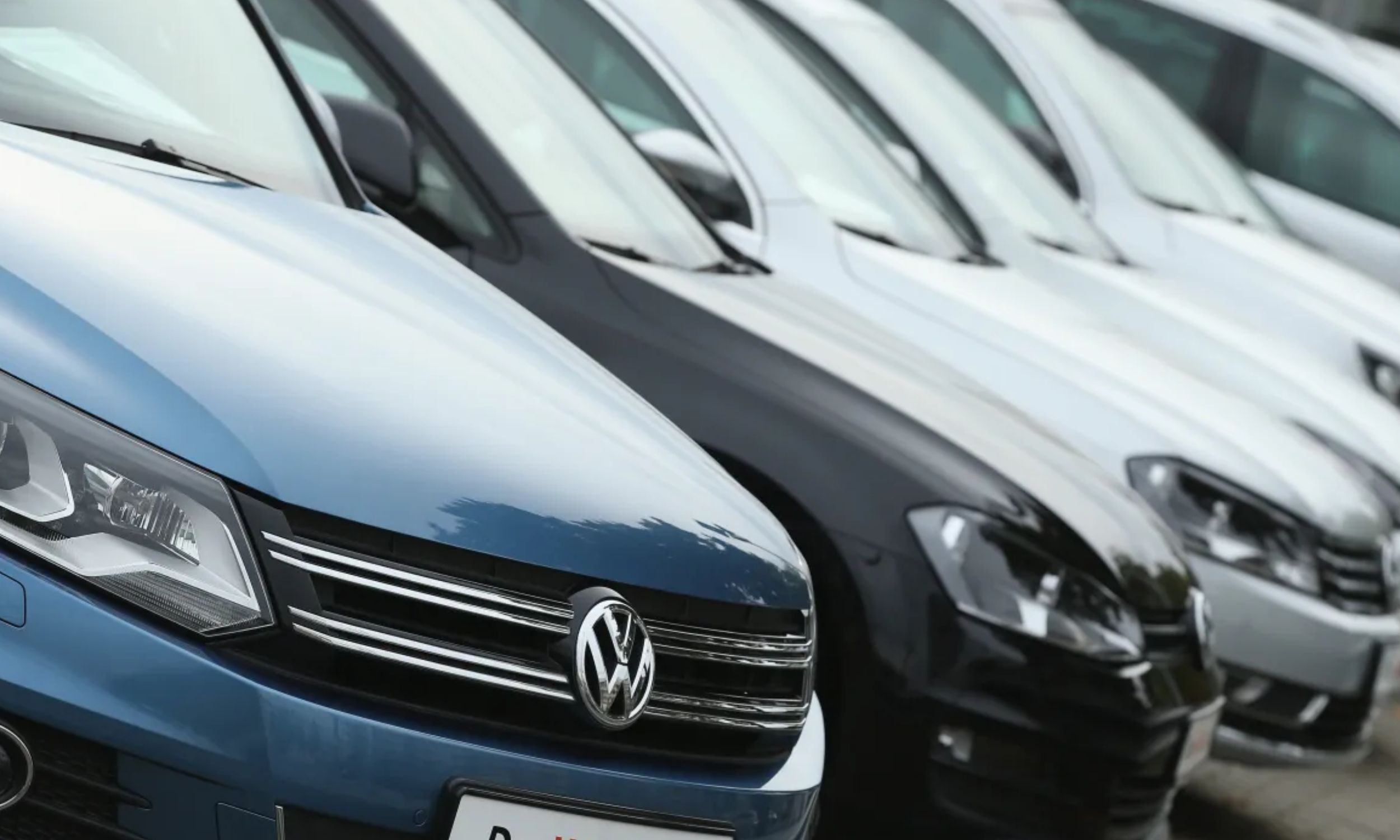
Stepping into most car dealerships, it is easy to notice how new vehicles get the brightest lighting, front-row display spots, and attention-grabbing banners. That polished presentation creates the impression that new cars are the main source of profit, but the financial reality inside the business tells a different story.
Walking past the showroom floor into the used car section reveals where many dealerships now focus their earnings. Vehicles with a few thousand miles already on them often bring stronger profit margins compared to brand-new units. Years ago, this was not the case, since new car sales were the main income source for most dealerships. That structure has changed as buyers have become more informed and more price-conscious.
Checking prices online, comparing dealership offers, and reviewing invoice data have all become common habits for modern buyers. This change has reduced how much dealerships can earn from new car transactions. As a result, profit margins on new vehicles have dropped sharply, with some reports showing losses on each unit sold once incentives and discounts are factored in.
Industry commentary shared through a News 5 Cleveland report highlights that dealers, who once earned a few thousand dollars per new car, may now lose around $1,500 on average for each one sold. That pressure has pushed many dealerships to rely more heavily on used inventory to stay profitable.
Understanding this change gives buyers an advantage when negotiating. Knowing where dealerships actually make money helps shoppers approach pricing with better awareness, which can lead to more informed decisions and better value when purchasing a vehicle.
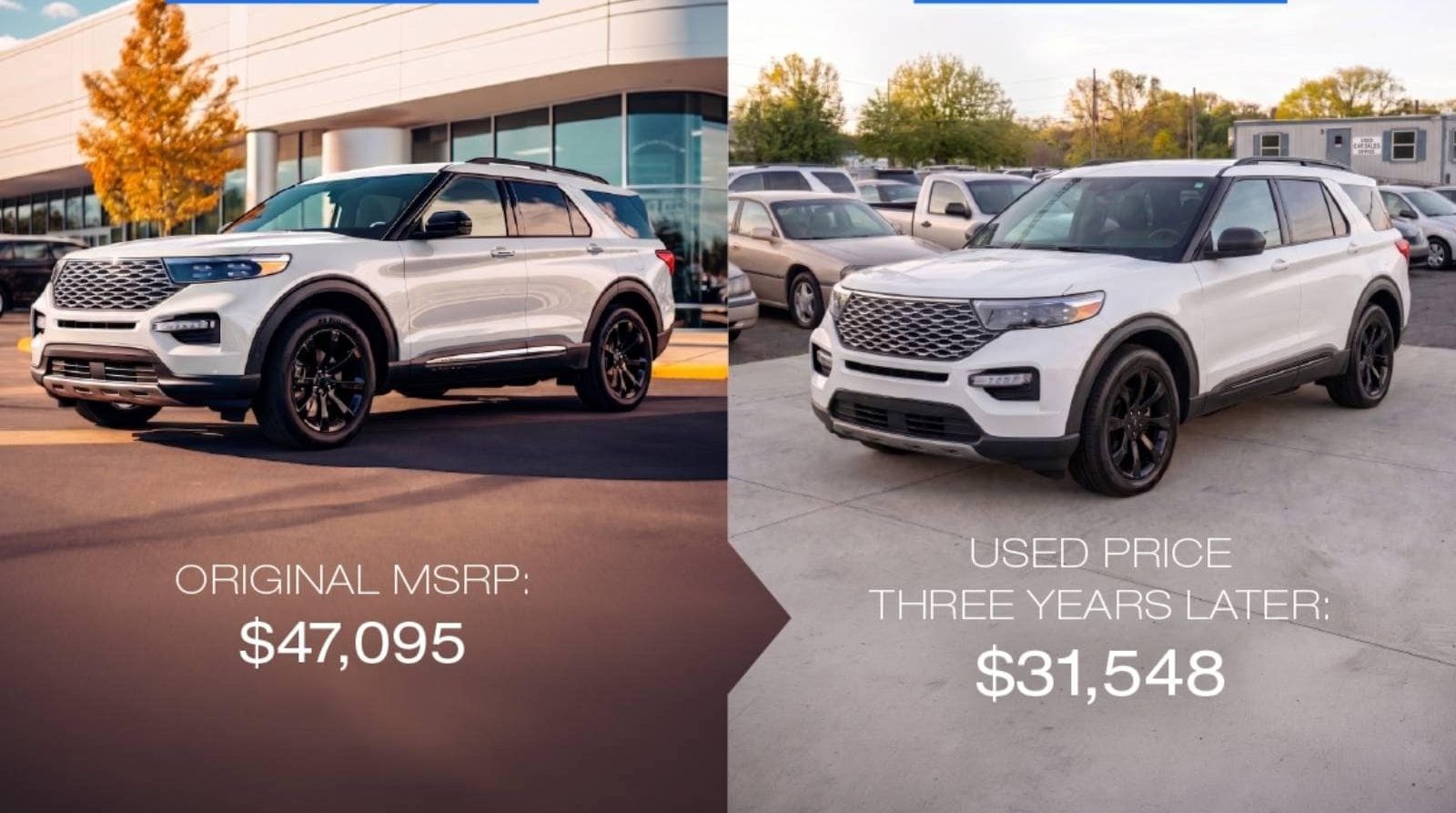
New Car Profit Margins Are Smaller Than Most Buyers Realize
Passing by a shiny new pickup or a fresh luxury crossover at a dealership can easily give the impression that dealers are making huge profits on each sale. Many buyers still assume there is plenty of room for heavy negotiation, but that belief no longer matches how modern dealership pricing works.
Stepping back to earlier years, dealerships used to enjoy wider profit margins on new vehicles. Today, that space has tightened a lot. Most new cars, especially high-volume models, are priced very close to what competing brands and nearby dealerships are offering. Only certain SUVs and luxury units still allow slightly better earnings, while regular models are kept competitive to attract buyers in a crowded market.
Online access has changed everything about how buyers approach car shopping. Information like dealer invoice pricing is now easy to find, and that figure shows what the dealership pays the manufacturer. With this knowledge widely available, buyers walk in already aware of realistic price ranges, which reduces the dealer’s room to adjust pricing freely.
That level of transparency has reduced flexibility in pricing decisions. Once operating costs such as staff salaries, facility upkeep, and floor financing are considered, profit margins shrink further. According to Dr. Elad Granot of Ashland University, dealerships once earned a few thousand dollars per new car, but many now experience losses of around $1,500 per unit.
Despite this, new cars are still sold because manufacturers provide incentives, and dealerships depend on service revenue and brand relationships to stay profitable.
Used Cars Operate on a Completely Different Profit Formula
Used vehicles operate in a pricing system that gives dealerships far more room to earn a profit compared to new cars. Each used car enters the market under different conditions, with no fixed acquisition cost that buyers can easily verify. Unlike new cars, where manufacturer pricing and invoice data are widely available online, used cars do not have a transparent baseline, which allows dealers to adjust pricing based on market perception and vehicle condition.
Variation plays a major role in how used cars are priced. Mileage, service history, physical condition, and regional demand all differ from one unit to another, even when the same model year and trim are involved. A pair of 2021 trucks from the same brand can have very different histories, which makes direct price comparison difficult for buyers. This lack of uniformity gives dealerships more control over how each unit is valued and sold.
Acquisition methods also strengthen dealer margins. Many used cars are obtained through trade-ins or auction purchases, often at prices lower than their final retail listing. Trade-in deals especially tend to favor convenience, where customers accept lower offers to simplify their upgrade process. Those vehicles are then resold at higher retail prices, creating a wide gap between purchase cost and selling price.
This pricing spread is a major reason used cars generate stronger profits than new ones. Industry experts have pointed out that the margin on used vehicles can exceed that of new car sales by a wide margin. As a result, dealerships continue to place a strong focus on sourcing used inventory, since it remains one of their most reliable income channels.
Also Read: 10 Used Cars That Hit 60 MPH Quicker Than a New Corvette

The Finance Office Multiplies Used Car Profits Further
Selling a used car at a higher price than its purchase cost is only one part of how dealerships generate income from a single deal. Buyers who choose to finance through the dealership instead of using external lenders open another strong revenue stream that adds to the dealer’s earnings. After the vehicle price is agreed upon, the finance office steps in with its own set of offers and recommendations.
Stepping into the finance office often introduces customers to extra products such as extended warranties, service plans, and other add-ons. These are presented as helpful protections for the vehicle. At the same time, the financing process itself can create additional profit through interest rate adjustments that many buyers do not easily notice.
Loan arrangements sometimes involve what is known as dealer reserve. In this setup, the dealership secures a loan approval from a lender at one interest rate but presents the customer with a slightly higher rate. The small difference between both rates becomes extra income for the dealership, while the buyer usually remains unaware of the adjustment. When applied across long-term loans, even a small increase can bring steady earnings on top of the vehicle sale margin.
Warranty products also play a strong role in this system. Used car buyers, already aware of possible wear and tear, are often open to added protection. Dealers earn commissions from these warranties, and in some cases, the commission can match or exceed profit made from the vehicle itself.
Additional products like gap coverage, tire protection, paint protection, and credit insurance follow the same pattern, turning small monthly additions into large cumulative income across many transactions.
Why Dealers Are Aggressively Trying to Buy Back Your Car
If you have owned a vehicle for more than a year or two, there is a reasonable chance you have received a letter, an email, or a phone call from a dealership offering to buy your car back. These buyback campaigns feel flattering, and dealers typically frame them around the benefit to you, mentioning lower monthly payments or a newer model waiting for your consideration.
The actual motivation behind these campaigns points directly at the used car profit reality already described. Dealers want our cars back so they can sell them to someone else and keep the profits, because those have nothing to do with the manufacturers.
Unlike new car sales, where the manufacturer sets cost, controls allocation, requires specific facility and training standards, and often dictates marketing approaches, used car inventory belongs entirely to the dealer once acquired. There are no manufacturer-mandated disclosures, no invoice pricing transparency requirements, and no allocation limitations that constrain how many profitable used vehicles a dealer can sell in any given month.
The brands themselves incentivize dealers to sell more cars, but in return for that, they require that dealerships look a certain way, that employees dress a certain way, that marketing is a certain way. And so they really standardize what dealerships look like across the country. Used car operations face none of that manufacturer oversight, giving dealers complete freedom to set pricing, control marketing, and manage inventory without reporting back to any brand.
Buying a vehicle directly from its recent owner at a price well below current retail market value, then selling it to the next buyer at full retail, keeps every dollar of that spread entirely within the dealership rather than sharing margins with a manufacturer’s program structure.
Also Read: 9 Best Used Cars With Least Issues for Pizza and DoorDash Drivers

What This Means for You as a Buyer Right Now
Understanding the financial mechanics behind dealer used-car profitability does not require walking away from used vehicles entirely. Used cars frequently represent genuinely excellent value for buyers willing to do proper research. What it does require is approaching both new and used car transactions with accurate expectations about where the dealer’s real flexibility lies and where it does not.
If you have the budget and you’ve done the homework, stick to your budget. They will come down, and if they don’t, just walk next door. The next dealership will. That advice from Dr. Granot reflects the current new car reality directly, since dealers operating at a loss on new car transactions are under genuine pressure to move inventory and will accept deals that would have seemed impossible a decade ago.
Buyers who walk in with pre-approved financing from their own bank or credit union remove the finance office’s rate markup opportunity entirely, forcing the transaction to stand on vehicle price alone. For used car purchases, tools like Kelley Blue Book and NADA Guides provide reasonable pricing baselines, though they are not to be taken as gospel.
Researching comparable vehicles across multiple platforms before negotiating, obtaining an independent pre-purchase inspection from a trusted mechanic, and reviewing any offered financing rate against your own bank’s current terms all represent practical steps that directly reduce the profit gap dealers typically capture on a used vehicle transaction.
The dealer’s advantage in used car negotiations comes almost entirely from information asymmetry, meaning the more information a buyer brings into the conversation, the smaller that advantage becomes and the closer the final transaction price lands to genuine market value.
