
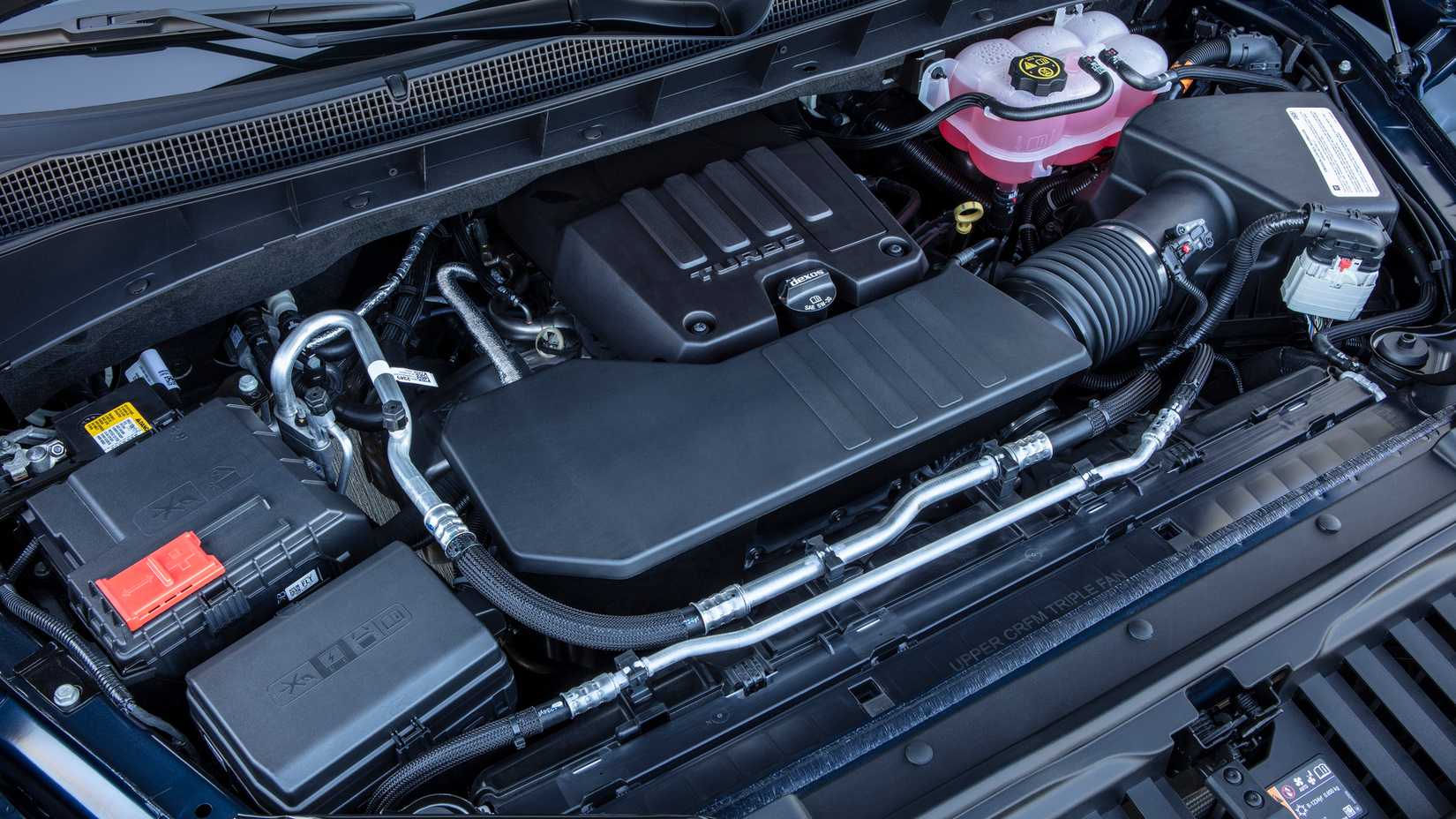
That small four-cylinder engine sitting under the bonnet may look simple, but it often works much harder than the larger naturally aspirated engines many older cars used. Turbochargers are now common across compact cars, SUVs, and family vehicles because manufacturers want better fuel economy while still delivering strong performance from smaller engines.
The result is more power from a smaller engine size, but also more stress on the components involved. One issue many owners do not consider early enough is the repair cost. When a turbocharger develops a fault or completely fails, the repair bill can be unexpectedly high. This often becomes more noticeable after the factory warranty ends, when the owner is fully responsible for the expense. What seemed like an efficient and affordable engine can suddenly become costly to maintain.
Turbochargers operate under high heat and pressure every time the engine is running, which makes them more vulnerable to wear compared to older engine designs. Regular oil quality, driving habits, and maintenance history all play a role in how long they last. Once problems begin, repairs are rarely cheap because the parts and labour involved require specialist work.
This breakdown looks at how much turbo replacement costs in today’s market, the common reasons these parts fail, and which types of vehicles tend to face a higher risk. It also highlights practical ways owners can reduce the chances of early failure. Whether someone already drives a turbocharged vehicle or is planning to buy one, understanding these real-world costs ahead of time can help avoid unexpected financial pressure later on.
The Real Price Tag on a Turbo Swap
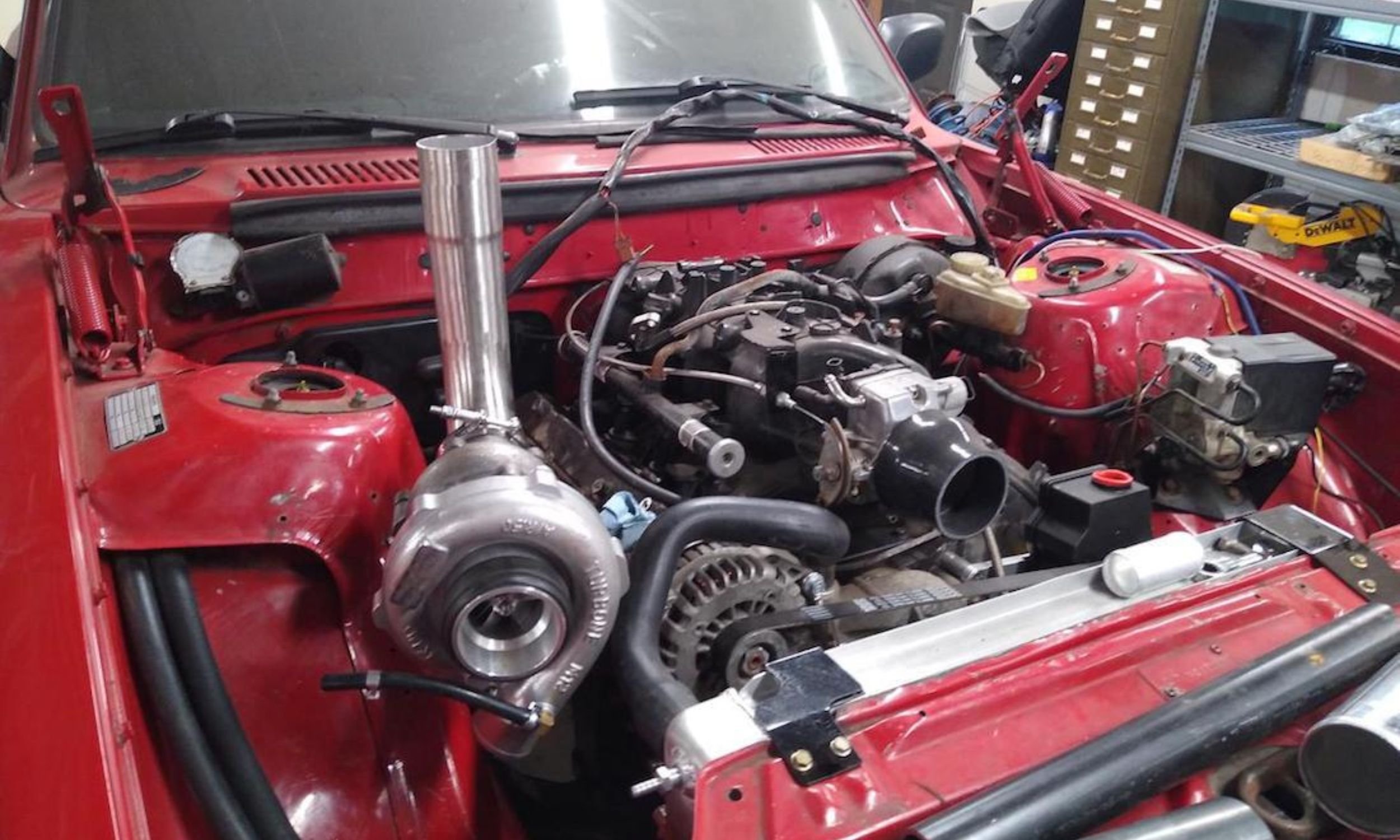
Replacing a turbocharger is one of the more expensive engine repairs many vehicle owners may face. In most cases, the total cost falls between $2,000 and $3,000, although the final amount depends on the type of vehicle and the repair shop handling the work. The turbocharger itself usually accounts for the largest portion of the bill, with replacement parts often costing $1,500 or more.
Labour charges can add another $500 to $1,000, depending on how difficult it is to reach the turbo inside the engine compartment. The repair bill may not stop with the turbocharger alone. If the intercooler pipes or related components are worn or damaged, replacing them can add another $580 to $650.
After fitting a new turbo, many technicians also recommend tuning the engine to ensure the fuel system and airflow work correctly together. That service can cost an extra $200 to $400, increasing the total amount you may need to spend. Repair costs also vary depending on the vehicle.
A small car with a single turbocharger is usually less expensive to fix than a high-performance model fitted with twin turbochargers. In those vehicles, total costs can rise to around $6,000 because there are more parts to replace and the repair takes longer. Luxury brands also tend to have more expensive factory components.
Owners can reduce costs by comparing different replacement options. A genuine factory turbo is usually the most expensive, while aftermarket units are often more affordable. Rebuilt or used turbochargers cost even less but may not last as long. Getting estimates from several reputable repair shops before making a decision is one of the best ways to secure a fair price.
Why These Small Engines Run Hotter and Harder
Turbocharging works by using exhaust gas to spin a turbine, which in turn forces compressed air into the engine for a meaningful boost in power. That process sounds simple enough, but it means the turbo itself operates at extremely high temperatures while spinning at genuinely tremendous speeds, all crammed into a tight engine bay with limited room to dissipate heat efficiently.
Constant heat cycling takes a real toll as time goes on. Bearings and seals inside the turbo gradually degrade under that kind of sustained stress, while oil passages responsible for lubricating those spinning components can become restricted as deposits build up. None of this happens overnight, but it does mean turbos are working under conditions that naturally aspirated engines never had to deal with.
Many of today’s turbocharged four-cylinders also pair with gasoline direct-injection systems, commonly known as GDI, which spray fuel directly into the combustion chamber under considerably higher pressure than older port-injection setups. That added pressure creates extra stress on fuel pumps and injectors, introducing additional failure points that simply didn’t exist in previous engine generations.
Vehicle size adds another layer of strain that’s easy to overlook. A turbocharged four-cylinder engine might be perfectly suited to a lightweight sedan, but automakers increasingly drop these same engines into heavier SUVs and crossovers as standard equipment.
Add passengers, cargo, and stop-and-go traffic into the mix, and that turbo spends far more time working under sustained boost than it would in a smaller, lighter vehicle. This doesn’t guarantee a shorter lifespan, but it does increase the odds of an expensive repair showing up sooner rather than later.
Also Read: 10 Tips for Keeping Your Car Turbocharger Cool and Healthy

Watching for the Warning Signs Early
Catching turbo trouble early can mean the difference between a manageable repair and a genuinely damaged engine. A handful of specific symptoms tend to show up consistently once a turbocharger starts struggling, and knowing them ahead of time gives you a real chance to act before things get worse.
Loss of power ranks among the most common early indicators. Since a turbo’s entire job is boosting your engine’s output, a failing unit often makes your car feel noticeably sluggish or unresponsive compared to how it normally drives, particularly during acceleration when you’d expect that extra push.
Unusual engine noise deserves attention too. A whining sound, especially one that grows louder under acceleration, frequently points toward a turbo that’s beginning to fail internally. This isn’t something to brush off as background noise, since it often signals wear happening right now inside the unit.
Smoke coming from the exhaust is another red flag worth taking seriously. A cracked turbo or failing seals can allow oil to leak into places it shouldn’t, producing blue or gray smoke that typically appears most noticeably during acceleration. Alongside this, you might notice your car burning through oil faster than usual, another sign that oil is escaping somewhere it isn’t supposed to.
A check engine light can also point toward turbo trouble, though plenty of other issues can trigger the same warning, so it’s worth having a proper diagnostic run rather than guessing. Catching any of these symptoms early and addressing them quickly can help you avoid a blown turbo taking your entire engine down with it.
Which Drivers Face the Highest Risk
Not every owner faces equal odds when it comes to turbo trouble, and understanding where you fall on this spectrum helps set realistic expectations for your specific situation. Long-term owners who keep a vehicle well past its original factory warranty naturally face more opportunities for a major failure simply because more time and mileage have passed since the car left the dealership.
Buyers purchasing a used turbocharged vehicle carry their own particular risk. Without knowing exactly how diligent the previous owner was about oil changes, fuel quality, and proper warm-up habits, you’re essentially inheriting an unknown history that could be hiding accumulated wear you won’t discover until something fails.
Daily commuters and high-mileage drivers add another layer of exposure here, too. More time spent in stop-and-go traffic means more heat cycles and more sustained boost, both of which accelerate wear on a turbo over the years. Frequent short trips compound this further, since an engine that never fully warms up tends to build carbon deposits more quickly than one that regularly reaches full operating temperature.
Certain brands and specific models have also developed reputations for higher turbo-related complaint volumes according to independent reliability research, a pattern that shows up consistently across several mainstream manufacturers known for aggressive turbocharging strategies in their smaller engines.
This doesn’t mean every unit from these brands will fail, but the statistical odds do lean less favorably compared to some competitors. If you fall into several of these higher-risk categories at once, budgeting proactively for a potential turbo repair becomes a genuinely smart move rather than an overreaction.
Also Read: 10 Facts About Turbochargers That Every Owner Should Know
Smarter Ways to Handle This Cost
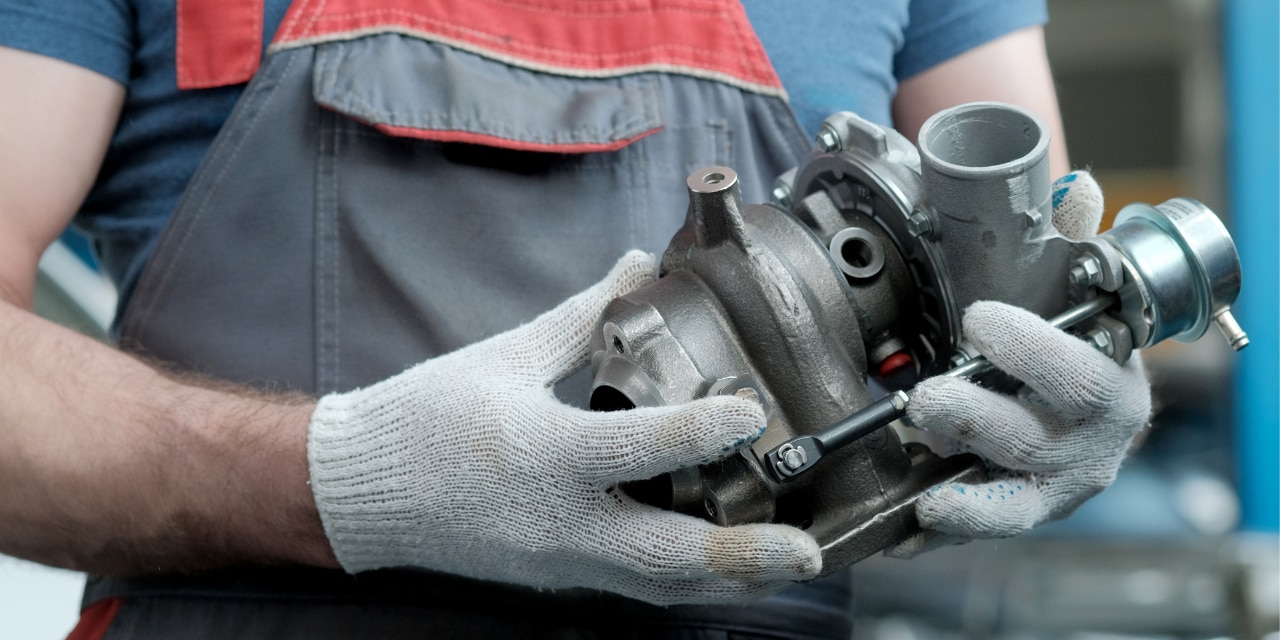
Facing a $2,000 to $3,000 repair bill without warning is enough to derail anyone’s monthly budget, but there are practical ways to soften that blow before it ever happens. Planning ahead turns a potential financial disaster into something far more manageable.
An extended warranty, sometimes called a vehicle service contract, represents one of the more straightforward solutions available. Rather than paying the entire repair cost out of pocket the moment a turbo fails, this type of coverage lets you spread protection across smaller monthly payments instead, locking in that cost well before any mechanical trouble actually appears. Coverage needs to be purchased before problems arise, so timing matters considerably here.
Routine maintenance remains your cheapest and most effective defense regardless of whether you carry extended coverage. Regular oil changes matter more for turbocharged engines than for naturally aspirated ones, since these components run hotter and under greater pressure, making clean, fresh oil essential for protecting internal bearings and seals. Using premium fuel where recommended by your manufacturer also helps reduce the carbon buildup that contributes to long-term engine strain.
Getting multiple repair quotes before committing to any shop can also meaningfully reduce your total cost if a turbo does eventually fail. Prices for identical repairs can vary considerably between shops in the same area, and choosing rebuilt or quality aftermarket parts instead of factory-original components often brings the bill down without sacrificing reliability.
So, what does it actually cost to replace a turbocharger on a modern four-cylinder? Expect somewhere between $2,000 and $3,000 for most mainstream vehicles, with additional costs possible depending on your specific engine, vehicle size, and whether related components need attention alongside the main repair.
