
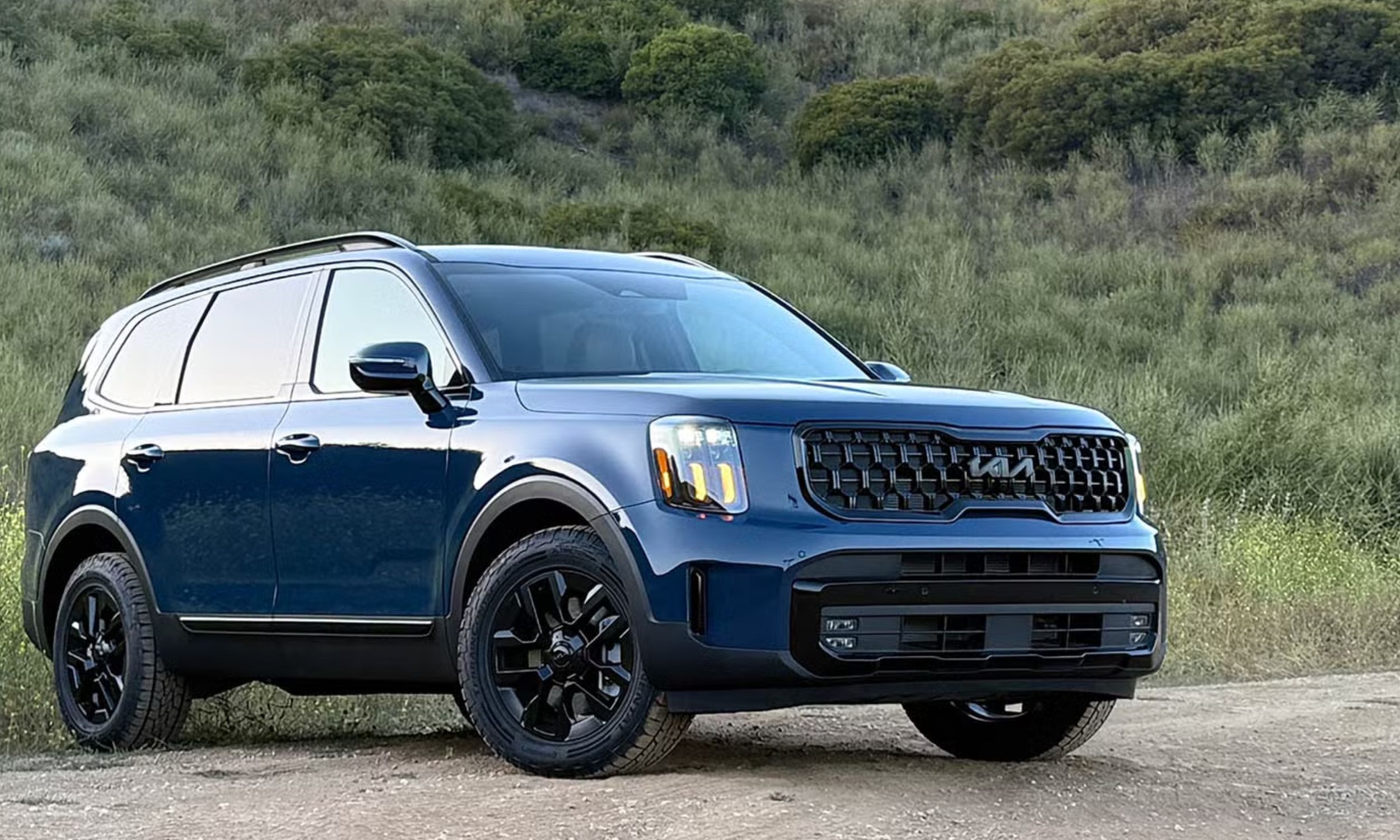
The price shown on a Kia Telluride at the dealership may look reasonable when compared with other three-row SUVs, but that figure does not represent the full cost of ownership. After purchase, expenses such as insurance, fuel, servicing, tyres, and depreciation begin to build up steadily.
These costs are often overlooked by buyers who focus mainly on the monthly loan payment. Data from Kelley Blue Book estimates that owning a 2025 Telluride for five years costs about $52,158 in total. This amount includes around $34,496 in running expenses and $17,662 in value loss as the vehicle ages.
Many buyers do not factor both sides of this calculation into their purchase decision, even though it reflects the real financial commitment. Insurance tends to take a large portion of yearly spending, while fuel and maintenance add regular ongoing costs. Depreciation affects the value most heavily in the early years, especially soon after the vehicle is driven away from the dealership.
Breaking these figures down helps buyers understand where the money goes each year. Instead of focusing only on the sticker price or monthly payment, looking at the full five-year cost gives a clearer picture of ownership. This approach helps set realistic expectations before committing to a three-row SUV like the Telluride.
The Full Five-Year Number
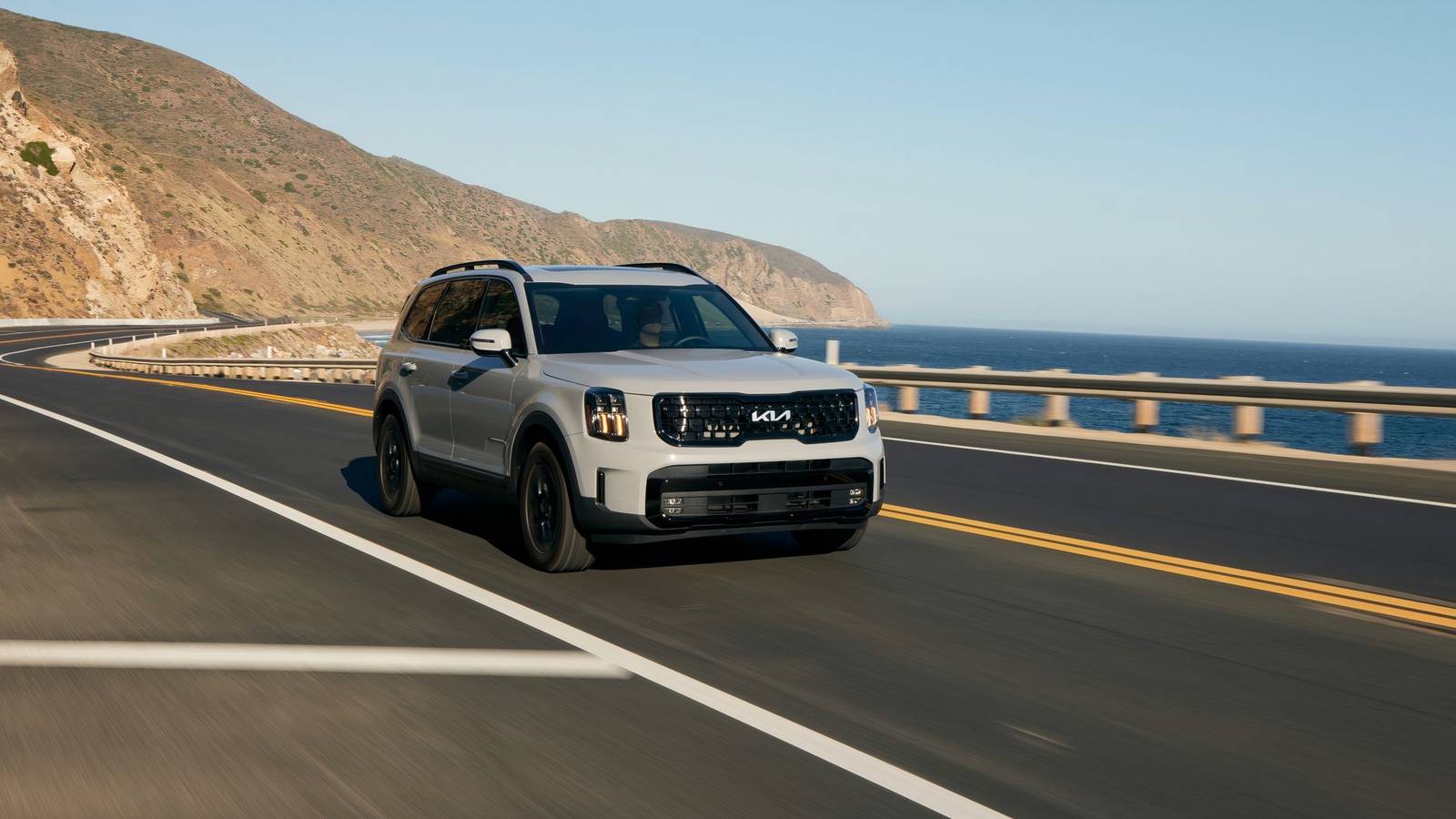
Let’s start with the bottom line, since that’s what most buyers actually want to know before anything else. Kelley Blue Book pegs the five-year cost to own a 2025 Kia Telluride at $52,158, a figure built from two separate categories working together. Out-of-pocket expenses, covering fuel, insurance, financing, maintenance, repairs, and state fees, account for $34,496 of that total. Depreciation, the loss in value your Telluride experiences simply by existing and aging, makes up the remaining $17,662.
Comparing that against the vehicle’s MSRP of $37,805 tells its own story. You’re effectively paying more to operate and maintain the Telluride over five years than you paid to purchase it in the first place. That’s not unusual for this segment, but it’s a number that rarely gets mentioned in dealership conversations focused purely on the monthly payment.
Kelley Blue Book places the Telluride in the top 11 to 25 percent for cost to own among mid-size SUVs and crossovers, meaning it costs less to operate than a considerable portion of its direct competition. That’s a genuinely reassuring data point for anyone cross-shopping this segment, since three-row SUVs in general tend to carry some of the higher ownership costs across the entire market.
Breaking this down year by year reveals an uneven pattern rather than a flat, predictable expense. Year one carries the highest cost at roughly $16,748, driven largely by steep initial depreciation and one-time state fees tied to the purchase itself. Years two and three settle into a more manageable rhythm around $9,362 and $8,269, respectively, before a maintenance-heavy year four pushes costs back up to $10,032.
Year five drops to the lowest point of the entire ownership period at $7,747, helped along by nearly paid-off financing and reduced ongoing depreciation.
Where Depreciation Hits Hardest
Depreciation is usually the highest cost that many buyers do not fully consider before purchasing a vehicle, and the Telluride follows the same pattern seen across most cars in the market. Over five years, this SUV is expected to lose about $17,662 in value, which averages roughly $3,532 per year. However, that average does not reflect how uneven the loss actually is across each year of ownership.
Year one carries the heaviest drop, with about $8,362 in value lost. This alone accounts for nearly half of the total five-year depreciation. It is a common situation with new vehicles, where the moment a car is driven off the dealership lot, its resale value falls sharply even though its condition has barely changed. In year two, the loss reduces to $2,921, followed by $2,684 in year three, showing a slower rate of decline as the vehicle settles into the used market.
By year four, depreciation drops further to $1,588, making it the smallest single-year loss in the cycle. In year five, the figure rises slightly again to $2,107, which is often influenced by market demand, mileage, and timing, as many buyers begin looking for replacement vehicles around this stage.
For anyone planning long-term ownership, the data show that the biggest financial hit happens early. Holding the vehicle beyond the first two years helps reduce the impact of depreciation, since value loss becomes much more gradual in later years compared to the sharp decline seen at the beginning.
Also Read: 2027 Kia Telluride Grows Larger and Adds a Hybrid for the First Time
The Insurance Bill You Need to Plan For
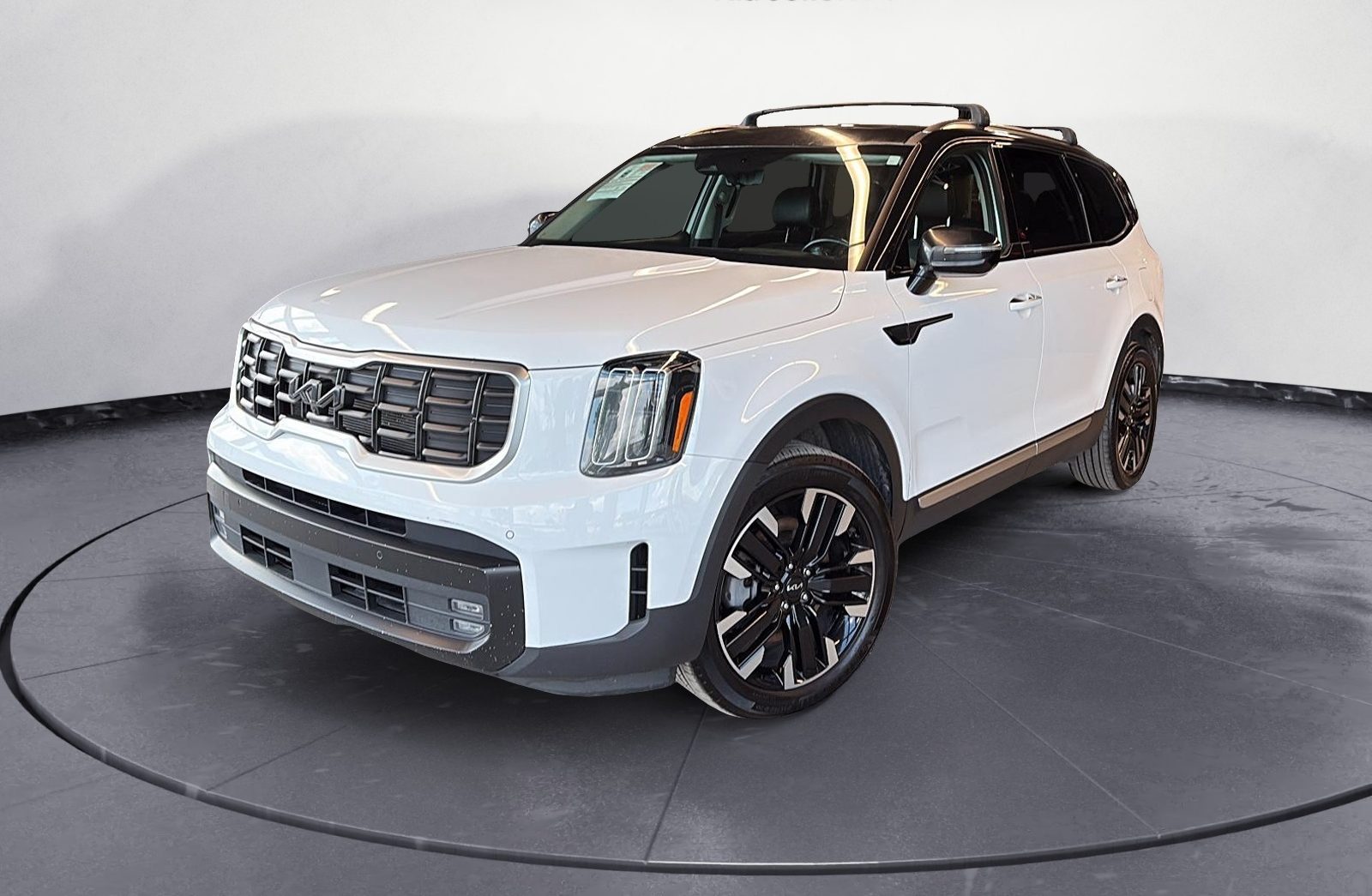
Insurance stands out as the highest regular cost when owning the Telluride, and it can surprise buyers who have not checked rates beforehand. Estimates place the yearly insurance cost at about $2,773, and this figure stays fairly steady across five years instead of changing like other expenses. Over the full period, this adds up to $13,865, making it the highest single ongoing cost in the ownership breakdown.
Every month, this comes to around $231 just for insurance coverage. The exact amount can vary depending on factors such as driving history, age, credit score, and location. Compared with sports cars or high-end luxury models, a three-row SUV like the Telluride is usually more affordable to insure. Still, its total value, repair costs, and size keep premiums higher than those of smaller, simpler vehicles.
Anyone planning to buy this SUV should treat the $2,773 yearly estimate as a starting point rather than a fixed number. It is always better to request quotes from multiple insurance companies before making a final decision. Different providers often give very different prices for the same level of coverage, which can have a real impact on monthly expenses.
Higher trims tend to cost more to insure because they include more features, advanced technology, and higher replacement values. These differences may seem small at first, but they add up over several years of ownership and should be considered when choosing between trim levels.
Fuel Costs Across Five Years
Fuel expenses land somewhere in the middle of the Telluride’s total cost breakdown, adding up to $4,501 across five years according to Kelley Blue Book’s projections. That number breaks down unevenly across individual years, starting at $981 in year one before settling into a more consistent range between $869 and $896 for years two through five.
That initial higher figure in year one likely reflects typical new-owner driving patterns, including longer trips and more frequent errands as families settle into using their new vehicle regularly. Once that initial adjustment period passes, fuel costs stabilize into a fairly predictable annual expense hovering right around $870 to $900, assuming average driving distances and relatively stable gas prices across the five-year window.
Averaged out, that puts monthly fuel costs somewhere around $75, a reasonable figure for a three-row SUV that needs to haul families, cargo, and the occasional road trip without sacrificing too much at the pump. Compared to larger, heavier body-on-frame SUVs in the same seating category, the Telluride’s unibody construction and standard powertrain help keep this expense from ballooning the way it might in a bigger, less efficient competitor.
Buyers considering the Telluride Hybrid variant, now part of Kia’s broader lineup, should expect lower fuel costs than these figures, since hybrid powertrains typically cut fuel spending by a considerable margin compared to standard gas-only configurations. For buyers sticking with a traditional gas engine, though, this $4,501 five-year projection offers a reliable baseline for budgeting, particularly for families who split their driving between daily commuting and longer weekend trips requiring more highway miles.

Maintenance Costs and Their Uneven Timing
Maintenance costs on the Telluride total $8,171 across five years, but this category behaves nothing like the steady, predictable pattern seen with insurance or fuel. Instead, maintenance arrives in uneven bursts tied directly to scheduled service intervals, creating years where costs stay low and others where a single visit dramatically inflates the annual total.
Year one starts modestly at just $440, reflecting the minimal service needs of a brand-new vehicle still covered by factory protections. Year two jumps considerably to $1,475, followed by a dip back down to $981 in year three. Then comes year four, where maintenance costs spike dramatically to $4,188, by far the single largest maintenance expense across the entire five-year window. Year five settles back down to $1,087, a return to more typical annual service costs.
That year four spike deserves real attention from anyone budgeting month to month rather than thinking purely in five-year averages. This kind of jump typically corresponds with a major scheduled service interval, often involving items like timing belt or chain inspections, transmission fluid changes, and other higher-cost maintenance items that don’t come up during routine oil changes and tire rotations.
Averaged across all five years, that works out to roughly $1,634 annually, or about $136 monthly, a manageable figure on paper that hides real variability year to year. Smart budgeting means setting aside funds during the lighter years to cover that inevitable year four spike, rather than assuming maintenance costs will stay flat and predictable throughout the entire ownership period.
Also Read: The 2027 Kia Telluride vs the Hyundai Palisade
Repairs, Financing, and the Smaller Line Items
Looking at the full ownership cost, three smaller areas still add up over five years: repairs, financing, and state fees. Repairs remain very low during most of the timeline, with no expense recorded in the first four years. In the fifth year, a single repair cost of $659 appears, which is typical for a vehicle still within a healthy mechanical stage. At that point, parts naturally begin to show age after warranty coverage ends.
Financing follows a steady decline as the loan balance reduces. The first year carries the highest cost at $1,584. This then drops to $1,266 in year two, $931 in year three, $579 in year four, and $208 in the final year. This pattern reflects how interest reduces as more of the principal is paid off over time goes on.
State fees show the biggest early jump in cost. The first year reaches $2,608 due to registration, title processing, and sales tax linked to the purchase. After that, the cost falls sharply to $31 per year for the remaining four years, covering standard renewal charges.
Combined, these three areas total $7,959 across five years. While smaller compared to insurance and depreciation, they still form an important part of the full $52,158 ownership picture. Many buyers focus mainly on monthly payments and overlook these additional expenses, even though they play a real role in long-term budgeting.
