
The purchase price of an SUV is only one part of the ownership experience. Maintenance and repair costs can have an even greater impact on a household budget over the years, especially after the factory warranty expires.
While some SUVs require expensive proprietary components that significantly increase repair bills, others benefit from widely available replacement parts, straightforward engineering, and large aftermarket support. Choosing a model with affordable parts can save owners thousands of dollars during long-term ownership.
Replacement part costs are influenced by several factors. Vehicles produced in large numbers generally have lower-priced components because manufacturers and aftermarket suppliers produce them in higher volumes.
Simple mechanical designs, dependable powertrains, and broad parts availability also help reduce repair expenses. In addition, many popular SUVs share engines, transmissions, brakes, and suspension components with other models, further increasing availability while keeping prices competitive.
This list highlights ten SUVs sold in the United States that are known for having some of the most affordable replacement parts.
These vehicles have earned strong reputations among independent repair shops, mechanics, and long-term owners because common maintenance items such as brake components, filters, suspension parts, water pumps, alternators, and body panels are typically easier to find and less expensive than those for many competing SUVs.
Selecting one of these models can reduce ownership costs while providing dependable transportation for many years.
Also Read: 10 Trucks That Hold Value Better Than a Tacoma
1. Honda CR-V
When discussing affordable long-term ownership, the Honda CR-V consistently ranks among the best choices available in the American market. Its reputation extends beyond reliability because replacement parts remain widely available and reasonably priced even after years of production.
Since the CR-V has been one of the nation’s best-selling compact SUVs for decades, manufacturers produce an enormous supply of both original equipment and aftermarket components, creating strong competition that helps keep prices low.
Routine maintenance is especially economical. Brake pads, rotors, filters, spark plugs, belts, suspension components, and wheel bearings are available through numerous suppliers across the United States. Owners are rarely limited to expensive dealership parts, giving them flexibility when scheduling repairs.
The CR-V also benefits from a straightforward mechanical layout that many independent repair shops know well. Familiarity reduces labor time for common repairs, allowing owners to save money not only on replacement components but also on installation costs.
This combination of affordable parts and manageable labor expenses contributes significantly to the SUV’s low ownership costs.
Body panels and exterior lighting are similarly easy to source because millions of CR-Vs remain on American roads. Salvage yards, aftermarket suppliers, and original Honda dealers all maintain healthy inventories, making accident repairs more affordable than on less common SUVs.
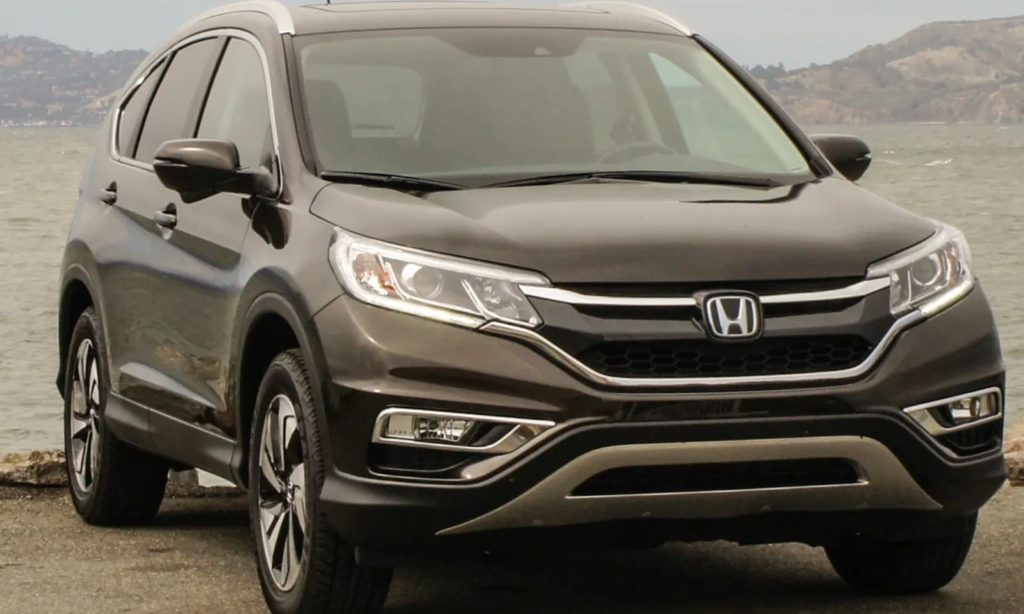
Whether driven daily by commuters or used for family road trips, the Honda CR-V rewards owners with predictable maintenance expenses and outstanding parts availability. These qualities make it one of the smartest SUVs for buyers hoping to minimize repair costs throughout many years of ownership.
Specifications
- Engine: 1.5-liter turbocharged inline-4
- Torque: 179 lb-ft
- Horsepower: 190 hp
- Length/Width: 184.8 inches / 73.5 inches
2. Toyota RAV4
The Toyota RAV4 has built its reputation through reliability, efficiency, and practical everyday transportation, but another important advantage often receives less attention.
Replacement parts for the RAV4 remain among the most affordable in the SUV market because of the vehicle’s enormous production numbers and Toyota’s well-established parts distribution network throughout the United States.
Common maintenance items are available almost everywhere. Oil filters, brake components, air filters, suspension bushings, water pumps, alternators, batteries, and cooling system parts can be purchased from dealerships, independent suppliers, and national auto parts retailers without difficulty.
Strong aftermarket competition keeps prices competitive while giving owners multiple purchasing options.
Mechanics also appreciate the RAV4 because its engineering emphasizes accessibility and long-term serviceability. Routine maintenance procedures are familiar to most repair shops, reducing labor charges and helping owners avoid excessive service costs. Even as the vehicle ages, replacement components remain easy to locate.
Another reason repair expenses stay manageable is Toyota’s practice of sharing many mechanical components across several vehicle lines. Engines, transmissions, sensors, and numerous smaller parts often fit multiple Toyota models, increasing production volume and reducing manufacturing costs that ultimately benefit consumers.
Owners involved in minor collisions also enjoy broader access to replacement body panels, mirrors, lighting assemblies, and trim pieces than they would with lower-volume SUVs. The widespread availability of these parts helps control repair bills while reducing wait times for insurance claims.
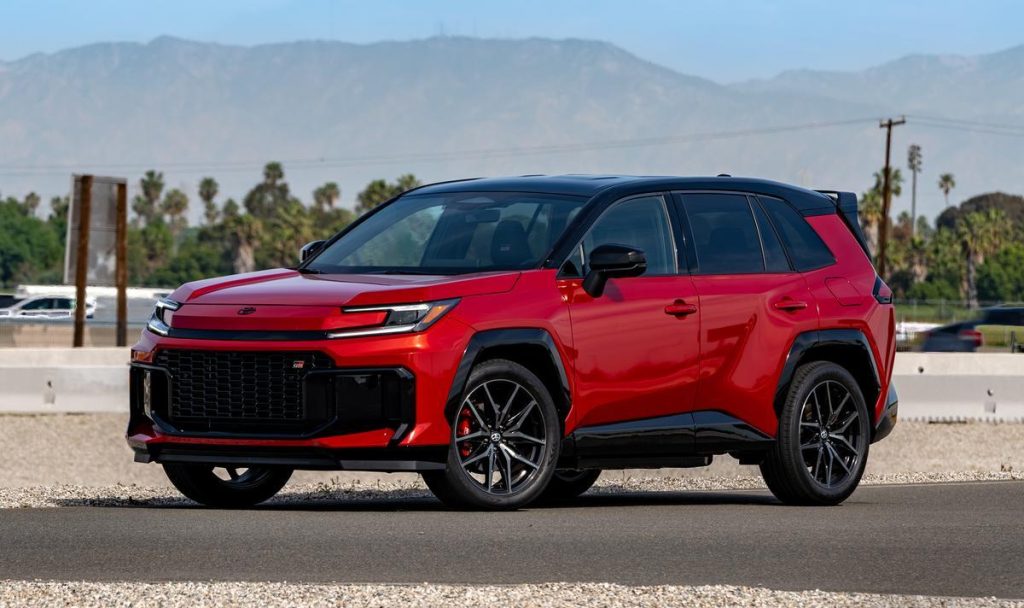
The Toyota RAV4 continues proving that dependable engineering and affordable replacement components can work together, creating one of the most economical SUVs to own over the long term.
Specifications
- Engine: 2.5 liter inline 4
- Torque: 184 lb-ft
- Horsepower: 203 hp
- Length/Width: 180.9 inches / 73.0 inches
3. Subaru Forester
The Subaru Forester has earned a loyal following by offering dependable all-weather capability, a practical cabin, and impressive long-term durability. Another reason it continues attracting buyers is the reasonable cost of replacement parts.
Although Subaru is a smaller manufacturer than some competitors, the Forester has remained one of its highest-volume models in the United States for many years. That popularity has encouraged a large aftermarket industry that supplies affordable components for routine maintenance and common repairs.
Owners benefit from competitive pricing on frequently replaced items such as brake pads, rotors, filters, wheel bearings, suspension components, spark plugs, and batteries.
Independent repair shops typically keep many of these parts in stock because Foresters are common across much of the country, especially in regions with snowy climates where Subaru’s Symmetrical All-Wheel Drive system is highly valued.
The SUV’s engineering also contributes to manageable ownership costs. While the BOXER engine has its own unique design, experienced technicians are very familiar with servicing it. Routine maintenance procedures remain straightforward, allowing labor costs to stay reasonable when compared with many premium SUVs.
Another advantage comes from Subaru’s tendency to use shared components across several vehicle lines. Many mechanical and electrical parts are compatible with models such as the Outback and Crosstrek, increasing parts availability while helping maintain competitive prices.
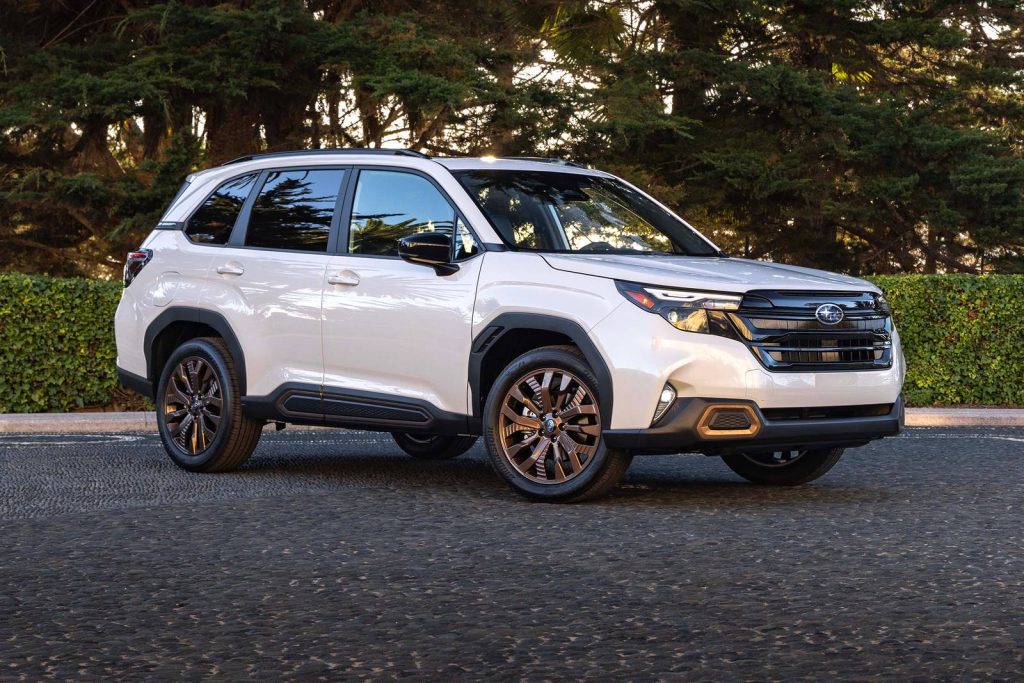
Body panels, lighting assemblies, and exterior trim are also widely available through aftermarket suppliers and salvage yards.
For drivers seeking an SUV capable of handling challenging weather without creating expensive repair bills, the Forester remains an excellent long-term choice. Its combination of dependable engineering and affordable replacement parts continues making ownership financially manageable long after the warranty period has ended.
Specifications
- Engine: 2.5-liter BOXER 4-cylinder
- Torque: 178 lb-ft
- Horsepower: 180 hp
- Length/Width: 183.3 inches / 72.0 inches
4. Chevrolet Equinox
For many American households, the Chevrolet Equinox represents affordable transportation from the day it is purchased until the day it is eventually sold. One reason behind that reputation is the widespread availability of reasonably priced replacement parts.
General Motors has produced the Equinox in large numbers for years, ensuring that mechanical and body components remain easy to obtain through dealerships, aftermarket manufacturers, and salvage facilities nationwide.
Routine maintenance rarely becomes a financial burden. Oil filters, brake components, belts, hoses, suspension parts, ignition coils, sensors, and cooling system components are readily available at competitive prices.
Owners have numerous choices when selecting replacement parts, allowing them to balance quality and cost according to their individual budgets.
Repair shops also appreciate the Equinox because it shares many components with other General Motors vehicles. This part’s commonality simplifies inventory management for mechanics while reducing manufacturing costs that help keep replacement prices affordable.
Familiarity with the vehicle also translates into shorter repair times for many common services.
Accident repairs tend to be less expensive than those involving lower-production SUVs. Replacement bumpers, fenders, headlights, mirrors, and tail lamps are widely stocked by parts suppliers, reducing delays and helping insurance repairs move more efficiently.
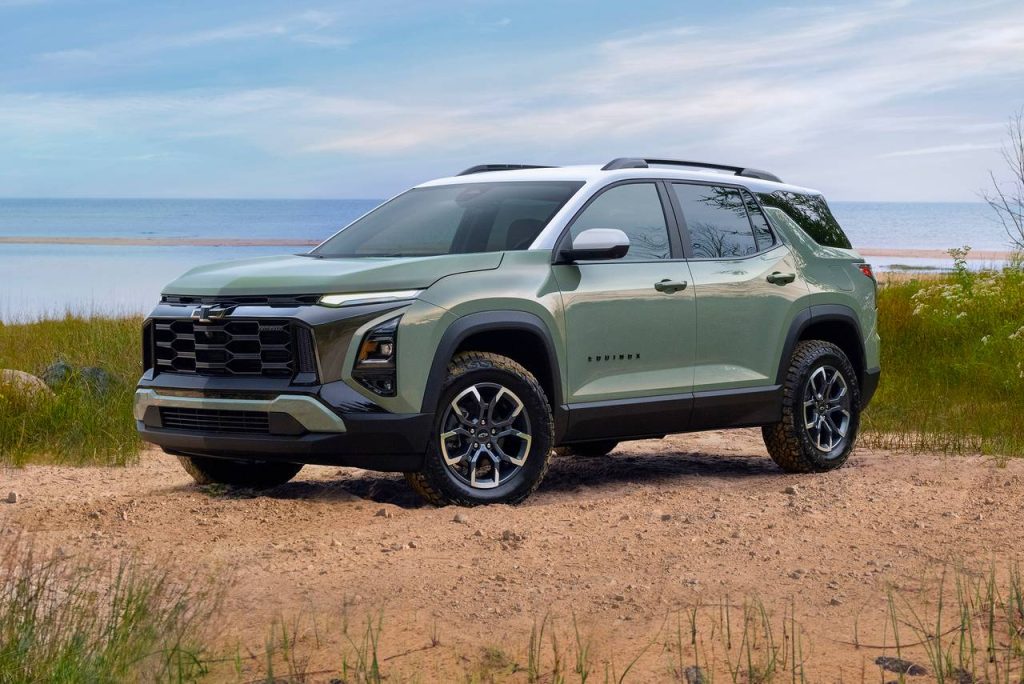
The Equinox combines these financial advantages with a comfortable ride, practical cargo space, and user-friendly technology, making it a sensible option for families and commuters alike.
Buyers looking beyond the purchase price often discover that affordable replacement parts significantly reduce the total cost of ownership over many years of dependable service.
Specifications
- Engine: 1.5-liter turbocharged inline-4
- Torque: 184 lb-ft
- Horsepower: 175 hp
- Length/Width: 183.2 inches / 74.9 inches
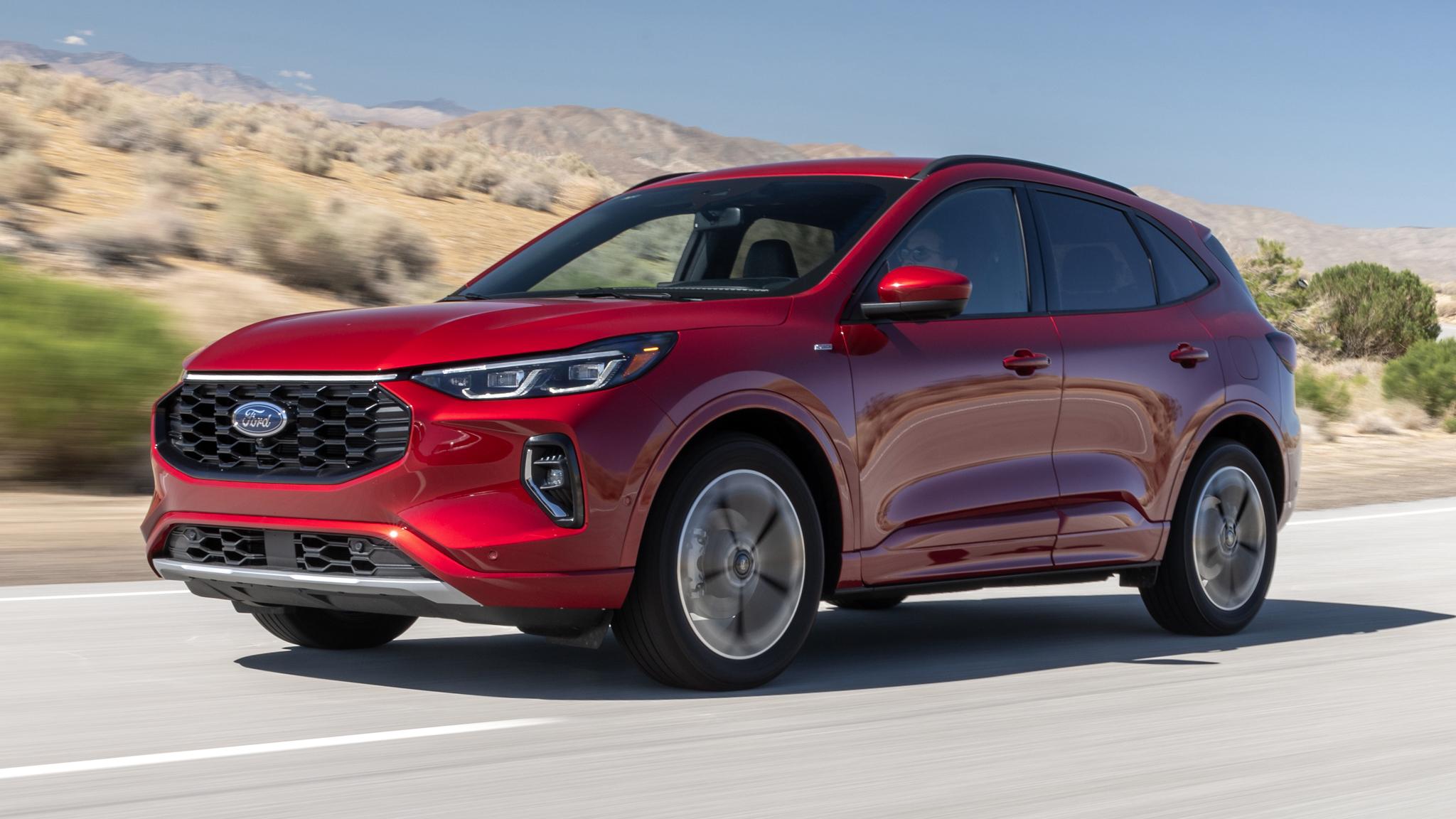
5. Ford Escape
The Ford Escape has remained one of America’s most recognizable compact SUVs for more than two decades, and its popularity has created one major advantage for owners: replacement parts are abundant and competitively priced.
Because millions of Escapes have been sold across the United States, manufacturers produce a vast range of original equipment and aftermarket components, giving owners plenty of affordable repair options.
One of the Escape’s biggest strengths is the availability of routine maintenance parts. Brake pads, brake rotors, filters, ignition coils, control arms, wheel bearings, and suspension components can be purchased from nearly every major automotive parts retailer.
This widespread supply prevents prices from rising unnecessarily and gives independent repair shops easy access to the components they need.
Ford has also designed the Escape using many components shared with other models in its lineup. This commonality increases production volume and allows replacement parts to remain reasonably priced throughout the vehicle’s life.
Even electronic sensors and cooling system components are widely available, helping reduce downtime when repairs become necessary.
Collision repairs are similarly affordable. Front bumpers, fenders, mirrors, headlights, taillights, and liftgate components are stocked by numerous aftermarket manufacturers and salvage facilities. As a result, insurance repair costs often remain lower than those for imported luxury SUVs with specialized body panels.
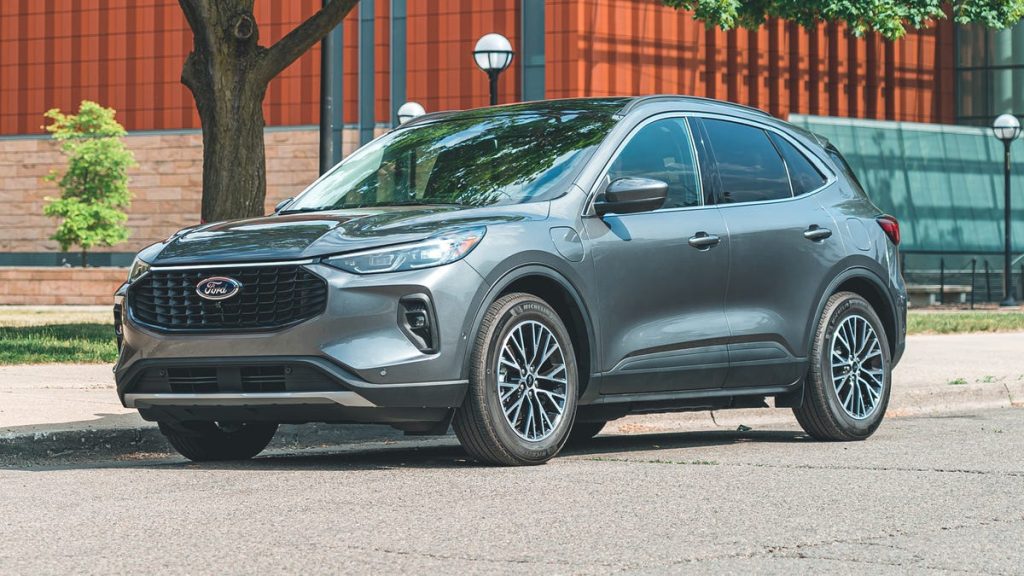
The Escape’s combination of practical engineering, nationwide dealership support, and a mature aftermarket industry allows owners to maintain the vehicle without facing unusually high repair expenses.
Whether the SUV is used for commuting, family transportation, or weekend travel, affordable replacement parts remain one of its strongest long-term advantages.
Specifications
- Engine: 1.5-liter EcoBoost turbocharged inline 3
- Torque: 199 lb-ft
- Horsepower: 180 hp
- Length/Width: 180.5 inches / 74.1 inches
6. Hyundai Tucson
The Hyundai Tucson has steadily become one of the best-selling compact SUVs in the United States, and that success has benefited owners in more ways than one. As production volumes increased, the availability of affordable replacement parts expanded dramatically.
Today, owners can source many common components from dealerships, aftermarket suppliers, and independent retailers without paying premium prices.
Routine maintenance is especially economical. Air filters, cabin filters, brake pads, rotors, batteries, suspension bushings, spark plugs, and belts are widely available from multiple manufacturers.
Healthy competition among suppliers helps keep prices reasonable while allowing owners to choose between original equipment and aftermarket alternatives.
Hyundai’s expanding dealer network has also improved parts availability throughout the country. Components that once required longer wait times are now stocked in much larger quantities, reducing repair delays and making ownership more convenient.
Independent repair shops have also become increasingly familiar with Tucson maintenance procedures, helping labor costs remain competitive.
Another reason repair bills stay manageable is Hyundai’s strategy of sharing many mechanical parts across several vehicles. Engines, sensors, electrical components, and braking systems often have similarities with other Hyundai and Kia products, increasing manufacturing volume and supporting lower replacement costs.
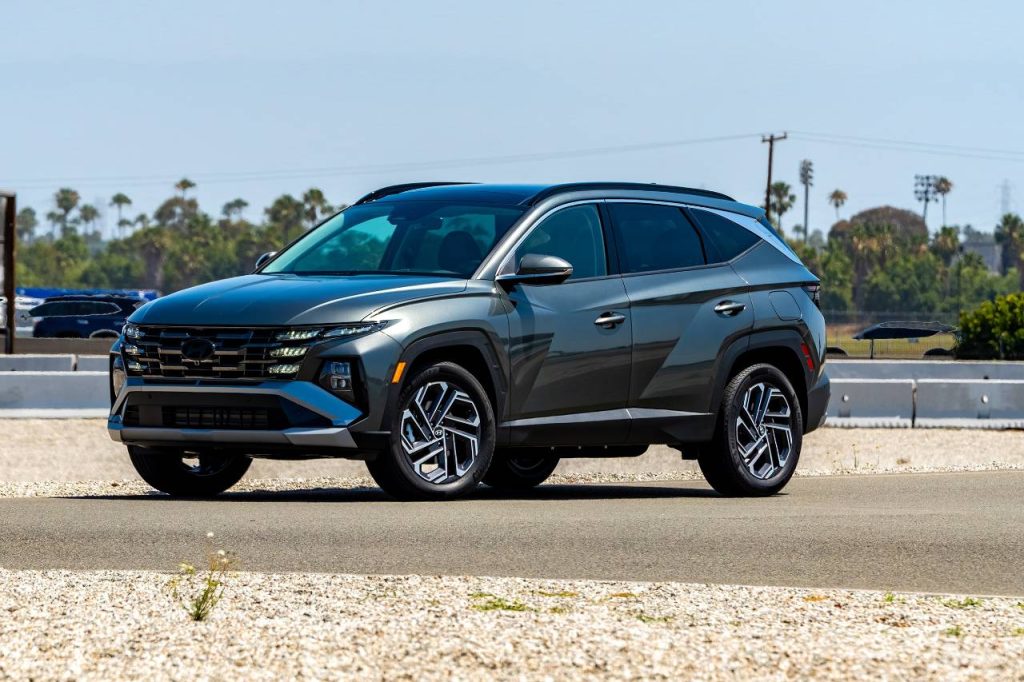
The Tucson also performs well after minor collisions because replacement lighting, mirrors, bumper covers, and exterior trim pieces are widely available through both original equipment suppliers and the aftermarket. This accessibility helps keep insurance repair expenses under control.
Owners looking for an SUV that combines modern technology, dependable engineering, and affordable maintenance will find that the Hyundai Tucson continues to deliver excellent long-term value through its readily available and reasonably priced replacement parts.
Specifications
- Engine: 2.5 liter inline 4
- Torque: 181 lb-ft
- Horsepower: 187 hp
- Length/Width: 182.7 inches / 73.4 inches
7. Nissan Rogue
One of the reasons the Nissan Rogue continues attracting millions of buyers is that it remains relatively inexpensive to maintain after the initial purchase. Beyond its comfortable ride and practical interior, the Rogue benefits from a mature parts network that keeps replacement components affordable throughout the United States.
Since it has consistently ranked among Nissan’s best-selling vehicles, manufacturers have produced a vast inventory of both genuine and aftermarket parts.
Routine service items are especially easy to obtain. Brake pads, brake rotors, filters, batteries, suspension components, wheel bearings, ignition coils, and cooling system parts are stocked by virtually every major automotive parts retailer. This broad availability allows owners to compare prices rather than relying on a single supplier.
Repair shops also appreciate the Rogue because common maintenance procedures are well understood. Familiarity with the vehicle helps reduce labor time, which can significantly lower repair costs over many years of ownership. For drivers planning to keep their SUV well beyond the warranty period, these savings become increasingly important.
The Rogue also benefits from Nissan’s extensive use of shared mechanical components across multiple models. Engines, sensors, electrical systems, and braking hardware often have similarities with other Nissan products, helping increase production volume and reduce replacement part costs.
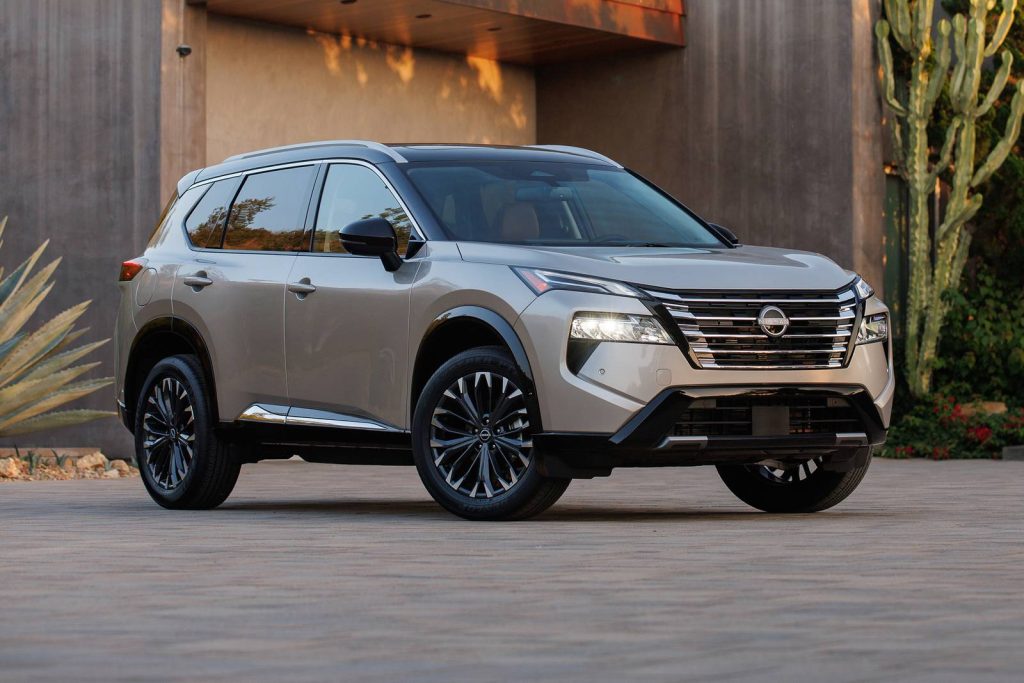
Even after minor collisions, owners typically find replacement body panels, mirrors, headlights, bumper covers, and liftgate components readily available through numerous suppliers. Faster parts availability often means shorter repair times and lower insurance expenses.
For families seeking dependable transportation without the burden of expensive maintenance, the Nissan Rogue continues to prove that affordable replacement parts can make a meaningful difference in the true cost of long-term ownership.
Specifications
- Engine: 1.5 liter VC Turbo inline 3
- Torque: 225 lb-ft
- Horsepower: 201 hp
- Length/Width: 183.0 inches / 72.4 inches
8. Mazda CX-5
The Mazda CX-5 has developed a reputation for offering a premium driving experience without the premium ownership costs often associated with luxury SUVs. One of the biggest reasons is the availability of reasonably priced replacement parts.
Although Mazda produces fewer vehicles than some larger manufacturers, the CX-5 has become its highest-volume SUV in the United States, creating strong demand that encourages a healthy aftermarket industry.
Owners generally find routine maintenance inexpensive. Brake components, filters, belts, spark plugs, batteries, suspension parts, and cooling system components are widely available from both genuine Mazda suppliers and aftermarket manufacturers.
Competition among suppliers helps maintain affordable pricing while giving owners flexibility during repairs.
Mazda’s engineering philosophy also contributes to lower costs. The naturally aspirated SKYACTIV-G engine found in many CX-5 models is known for durability and relatively straightforward maintenance. Independent repair facilities have become increasingly experienced with these powertrains, helping labor charges remain competitive.
Replacement body parts are another advantage. Because the CX-5 has been one of Mazda’s strongest sellers for several generations, bumpers, mirrors, lighting assemblies, fenders, and other exterior components can usually be sourced quickly through multiple distribution channels.
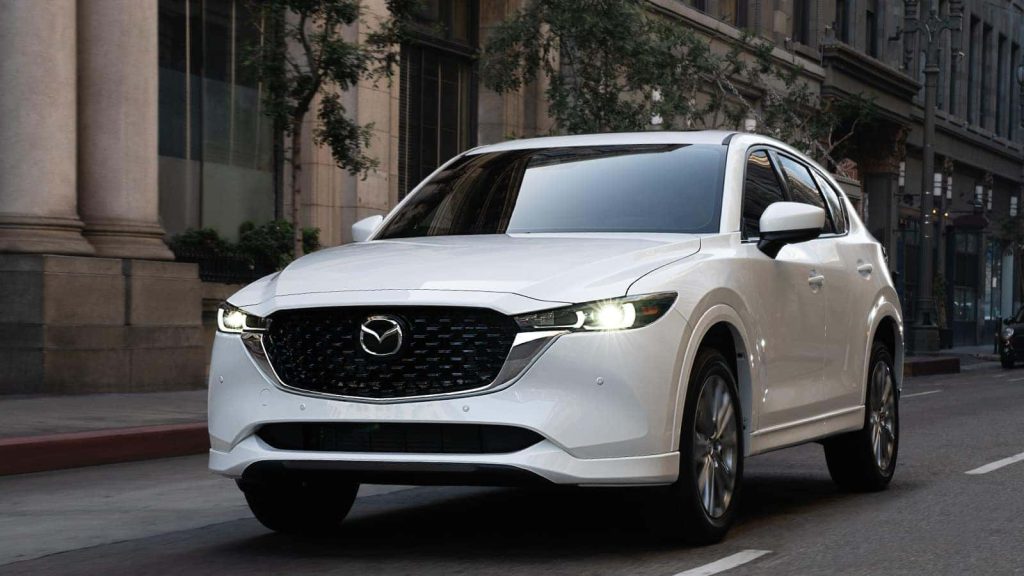
The SUV combines these ownership benefits with refined handling, a well-crafted interior, and strong reliability, making it attractive for buyers who intend to keep their vehicle for many years.
Affordable replacement parts ensure that routine maintenance and unexpected repairs remain manageable, allowing the CX-5 to deliver excellent long-term value without placing unnecessary strain on the owner’s budget.
Specifications
- Engine: 2.5-liter SKYACTIV-G inline 4
- Torque: 186 lb-ft
- Horsepower: 187 hp
- Length/Width: 180.1 inches / 72.6 inches
9. Kia Sportage
The Kia Sportage has evolved into one of the most competitive compact SUVs in the United States, offering modern styling, a comfortable interior, and a long list of standard features. Beyond those strengths, it also stands out for another reason that matters after years of ownership: affordable replacement parts.
As Kia’s sales have expanded across North America, the supply of original equipment and aftermarket components has grown substantially, helping owners keep repair costs under control.
Routine maintenance is straightforward and inexpensive. Parts such as brake pads, brake rotors, oil filters, air filters, cabin filters, spark plugs, batteries, belts, and suspension components are widely available through dealerships and national auto parts retailers.
Healthy competition among suppliers allows owners to choose quality components without paying excessive prices.
The Sportage also benefits from extensive component sharing with other Kia and Hyundai vehicles. Many mechanical and electrical parts are used across multiple models, increasing production volumes and lowering manufacturing costs. These savings often carry over to consumers when repairs become necessary.
Independent repair shops have also become increasingly familiar with Kia vehicles, making routine service and common repairs more efficient. Shorter labor times combined with affordable replacement parts help reduce total repair bills throughout the vehicle’s life.
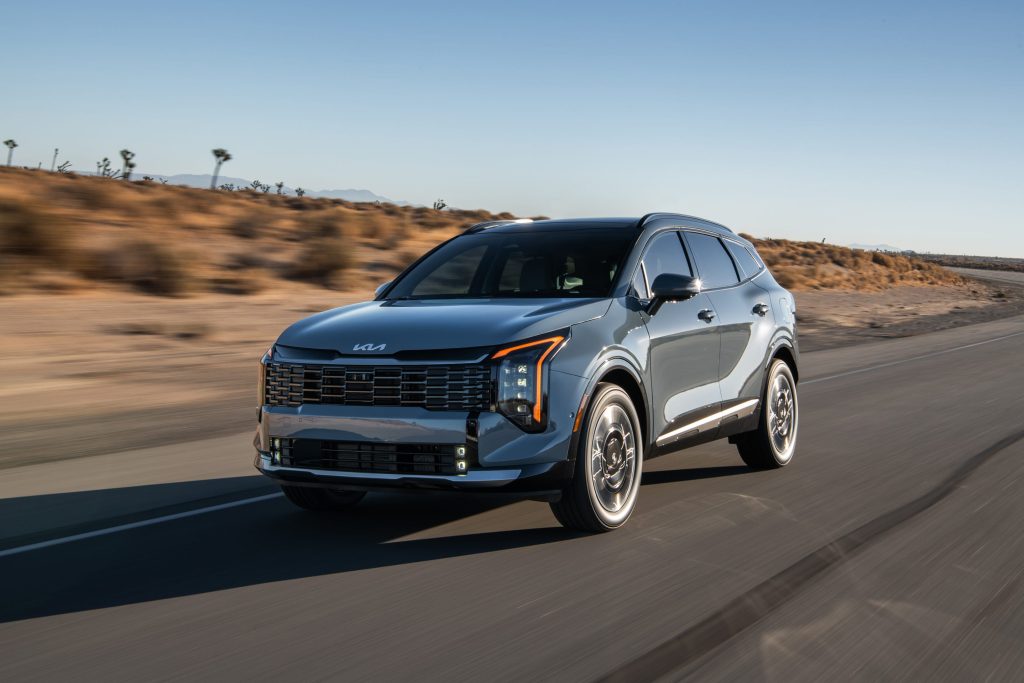
Body repairs remain relatively economical as well. Replacement headlights, taillights, mirrors, bumpers, and exterior trim pieces are generally easy to source from multiple suppliers, helping insurance claims move more smoothly after minor accidents.
For buyers seeking an SUV that combines modern technology with manageable long-term maintenance expenses, the Kia Sportage continues to offer excellent value. Affordable parts availability ensures owners can keep the vehicle in excellent condition without facing unusually high repair costs.
Specifications
- Engine: 2.5 liter inline 4
- Torque: 178 lb-ft
- Horsepower: 187 hp
- Length/Width: 183.5 inches / 73.4 inches
10. Jeep Cherokee
The Jeep Cherokee completes this list because it combines broad parts availability with a long production history that has created a strong aftermarket industry.
Although the Cherokee is recognized for its capable four-wheel-drive systems and comfortable ride, another benefit often appreciated by long-term owners is the relatively affordable cost of replacement components.
Years of strong sales have ensured that parts suppliers continue producing a wide variety of mechanical and body components.
Routine service items are readily available through dealerships, independent retailers, and online suppliers. Brake components, filters, wheel bearings, suspension bushings, ignition components, cooling system parts, and steering components can usually be purchased without difficulty.
This widespread availability helps prevent excessive pricing while giving owners numerous purchasing options.
The Cherokee’s popularity has also encouraged repair shops to become highly familiar with its mechanical systems. As a result, many common repairs can be completed efficiently, helping reduce labor expenses in addition to keeping parts costs reasonable.
Replacement exterior panels, mirrors, lighting assemblies, liftgate components, and bumper covers are equally common because of the large number of Cherokees operating throughout the United States.
Owners involved in minor accidents generally have little trouble locating affordable replacement pieces through both new and recycled parts suppliers.
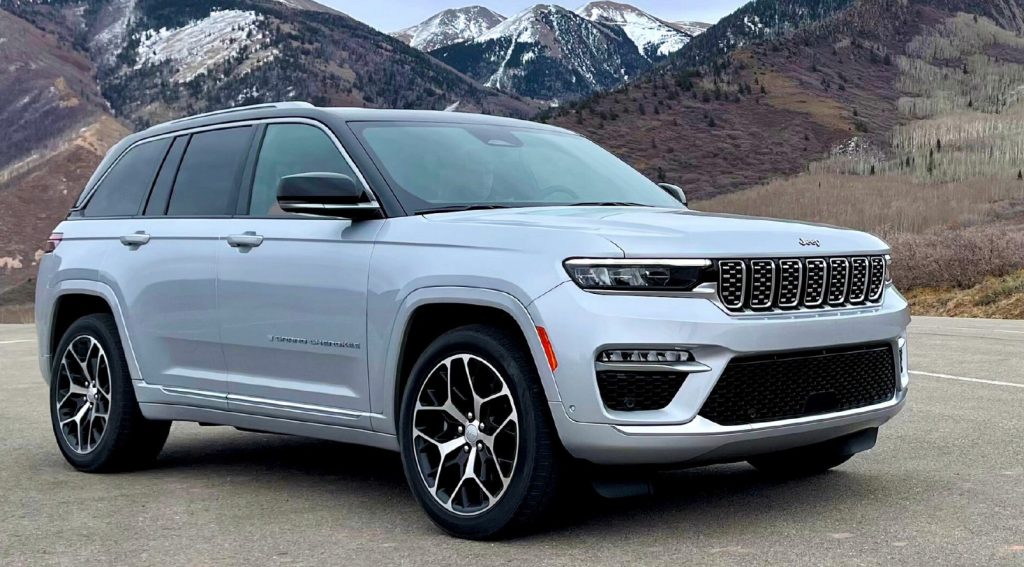
For drivers who value dependable capability without luxury-level maintenance costs, the Cherokee remains a practical long-term ownership choice.
Its combination of accessible replacement parts, broad service support, and durable engineering allows owners to maintain the vehicle economically while continuing to enjoy its versatility for everyday driving and weekend adventures.
Specifications
- Engine: 2.4-liter Tigershark inline 4
- Torque: 171 lb-ft
- Horsepower: 180 hp
- Length/Width: 182.9 inches / 73.2 inches
Also Read: 10 Hybrids Replacing Gas Models as Automakers Transition in 2027
