
Vehicle theft has changed dramatically over the past decade. Modern thieves no longer rely solely on forced entry or mechanical tricks. Instead, they often take advantage of electronic vulnerabilities, keyless entry systems, or missing anti-theft protections.
As vehicles have become increasingly dependent on software, automakers have discovered that cybersecurity and digital updates can play just as important a role in preventing theft as traditional steering wheel locks and alarms.
In several high-profile cases across the United States, manufacturers responded to rising theft rates by releasing software updates that strengthened security systems and made targeted vehicles much harder to steal.
These updates have included changes such as requiring a properly coded key before the engine can start, improving immobiliser behaviour, enhancing theft detection systems, and modifying electronic control modules to prevent unauthorized vehicle operation.
While software alone cannot eliminate vehicle theft, it has significantly reduced successful theft attempts on several popular models after vulnerabilities became widely known.
This article highlights eight vehicles sold in the United States where manufacturer-issued software updates played a major role in reducing theft rates or making theft considerably more difficult. Each example demonstrates how modern vehicles continue evolving long after leaving the factory.
Instead of replacing expensive hardware, manufacturers were able to improve security through digital technology, helping owners better protect their vehicles while restoring confidence in models that had become attractive targets for thieves.
Also Read: 10 Trucks That Hold Value Better Than a Tacoma
1. Hyundai Elantra (2021 and Earlier Non-Immobilizer Models)
Few vehicles have attracted as much public attention regarding theft prevention as certain Hyundai Elantra models produced before factory immobilizers became standard equipment.
Criminals discovered that many lower-trim versions could be started without sophisticated equipment, resulting in a sharp increase in thefts across numerous American cities. The problem quickly gained national attention as theft rates climbed well above historical levels.
Rather than relying solely on hardware replacements, Hyundai developed a software update designed to strengthen the vehicle’s theft protection. The revised programming changed how the factory alarm and ignition system operated.
Once installed by an authorized dealer, the update required the vehicle to be unlocked with the original key fob before the engine could start. If someone attempted to bypass the normal unlocking procedure, the immobilization logic prevented the vehicle from operating while extending the alarm activation period.
The software campaign became one of the largest theft prevention initiatives undertaken by an automaker in recent years. Owners were notified through dealership networks, and Hyundai also distributed additional steering wheel locks in many communities while the updates were being installed.
Law enforcement agencies and insurance organizations later reported meaningful reductions in theft claims among updated vehicles compared with those that had not yet received the revised software. Although the update could not eliminate criminal activity, it significantly increased the difficulty of stealing affected Elantras.
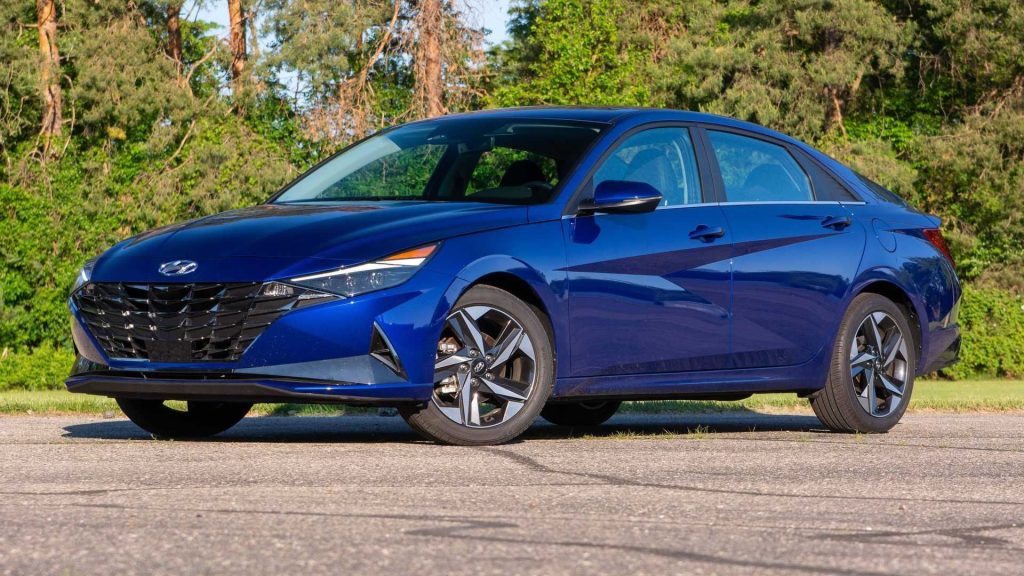
The case demonstrated that digital engineering can successfully address major security concerns without requiring extensive mechanical modifications, highlighting the growing importance of software in modern vehicle protection.
Specifications
- Engine: 2.0-liter inline 4
- Torque: 132 lb-ft
- Horsepower: 147 hp
- Length/Width: 184.1 inches / 71.9 inches
2. Kia Forte (2021 and Earlier Non-Immobilizer Models)
The Kia Forte experienced a situation similar to the Hyundai Elantra because certain earlier models sold in the United States lacked engine immobilizers that had already become common throughout much of the automotive industry.
Once the vulnerability became widely publicized, theft incidents increased rapidly in several states, creating concerns among owners, insurers, and law enforcement agencies.
Kia responded by introducing a software upgrade aimed at significantly improving theft resistance. Instead of replacing major electronic hardware, engineers modified the vehicle’s security programming so the ignition system would recognize only authorized unlocking procedures before allowing the engine to start.
The update also extended the duration of the factory alarm, making unauthorized entry more noticeable and reducing opportunities for thieves to leave quickly.
Dealerships installed the update free of charge for eligible owners, and the company launched a nationwide effort encouraging customers to schedule the service as soon as possible.
Public awareness campaigns explained the benefits of the revised software while reminding owners to continue locking their vehicles and using additional anti-theft measures whenever practical.
Following widespread installation of the software, many jurisdictions reported declining theft rates among updated Forte models. Insurance industry data and local police departments observed that vehicles receiving the revised programming were stolen less frequently than those that had not yet been updated.
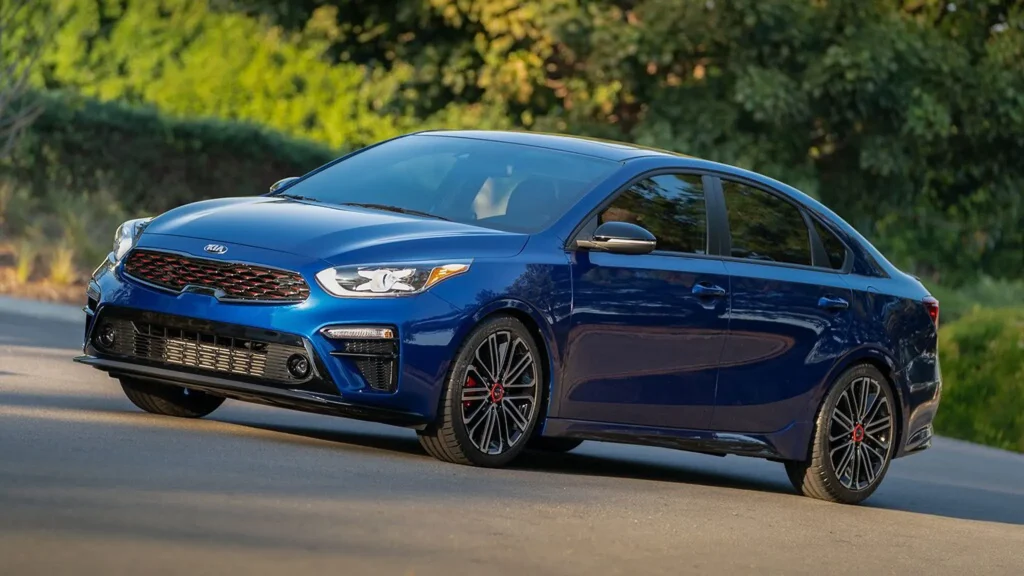
The Forte became an important example of how software can improve vehicle security after production has already begun.
Rather than accepting a permanent vulnerability, Kia demonstrated that digital improvements could substantially reduce theft opportunities while helping restore owner confidence in one of its most popular compact sedans.
Specifications
- Engine: 2.0-liter inline 4
- Torque: 132 lb-ft
- Horsepower: 147 hp
- Length/Width: 182.7 inches / 70.9 inches
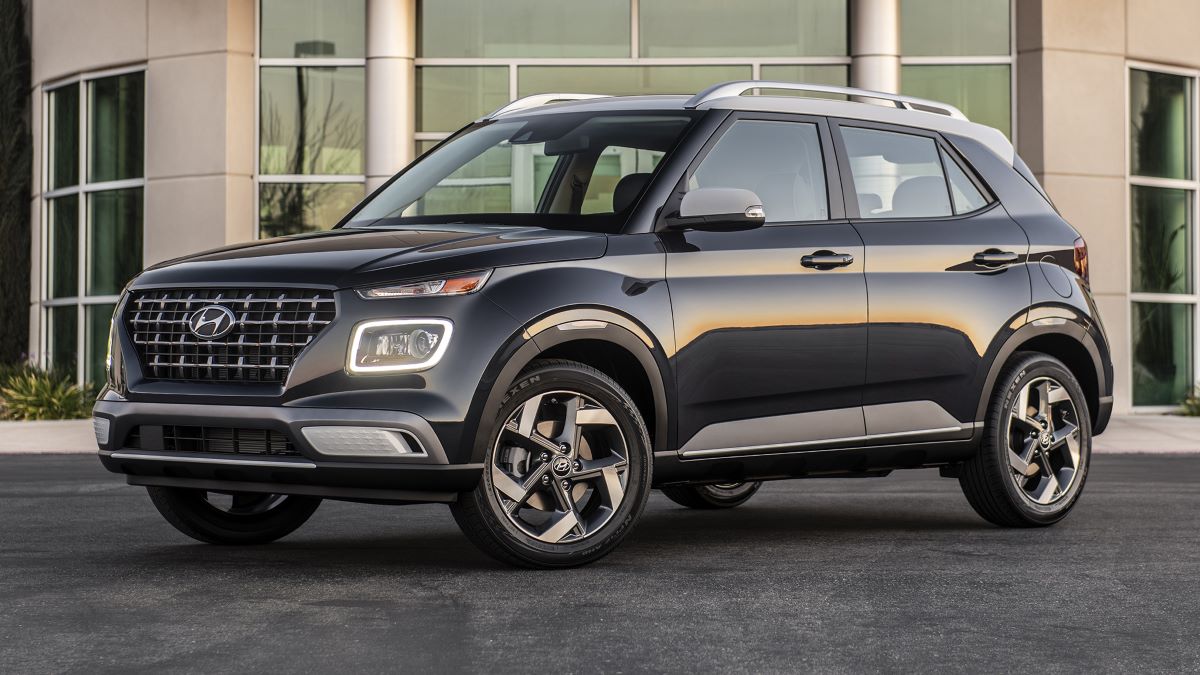
3. Hyundai Venue (2020 to 2021 Eligible Models)
The Hyundai Venue may be one of the smallest SUVs in Hyundai’s American lineup, but certain early models equipped without an engine immobilizer faced the same theft concerns that affected several other Hyundai vehicles.
Its affordable price and growing popularity made it a common sight in cities and suburban neighborhoods, and once thieves became familiar with the security weakness, theft reports increased in multiple regions across the United States.
To address the issue, Hyundai expanded its anti-theft software campaign to include eligible Venue models.
The updated programming fundamentally changed how the vehicle responded after being locked with the factory key fob. Instead of allowing the engine to be started after unauthorized entry, the revised software required the vehicle to recognize a legitimate key fob unlock sequence before permitting ignition.
The update also lengthened the alarm activation period, drawing more attention to attempted thefts and reducing the amount of time available for criminals.
Although the software itself required only a dealership installation, its effect on vehicle security proved significant. Owners who completed the update gained an additional electronic barrier without replacing expensive hardware.
Hyundai also continued supporting the campaign by providing steering wheel locks in selected markets and educating owners about proper security practices.
Many police departments observed that updated vehicles became less attractive targets because thieves increasingly looked for examples that had not received the revised programming. Criminals generally prefer the easiest opportunity, and the software update removed much of that advantage.
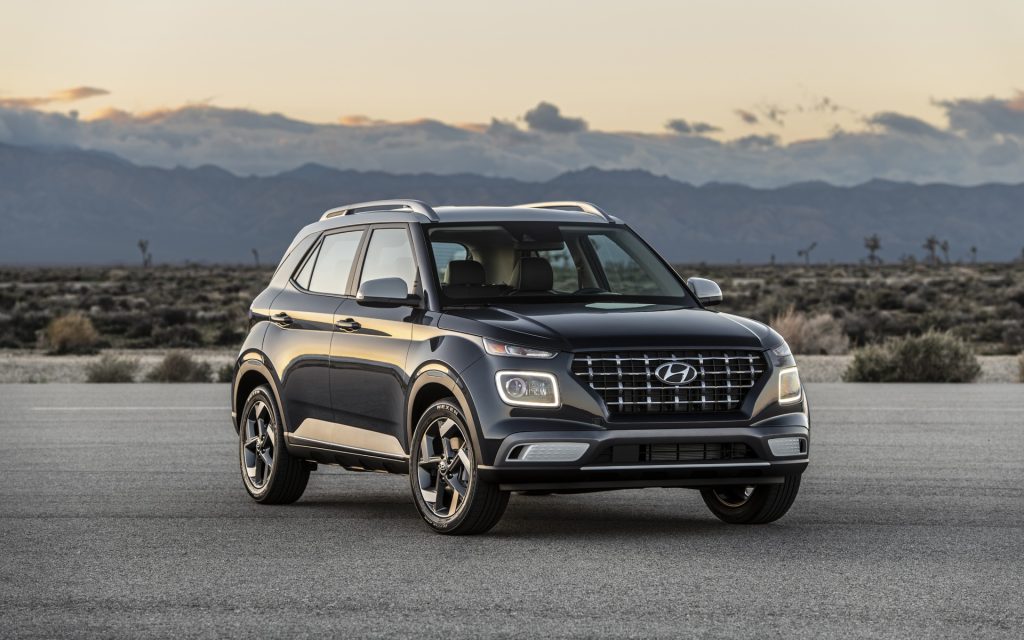
The Venue demonstrated that even an entry-level SUV could benefit substantially from modern software-based security improvements, reinforcing the idea that digital protection has become an essential part of vehicle theft prevention.
Specifications
- Engine: 1.6 liter inline 4
- Torque: 113 lb-ft
- Horsepower: 121 hp
- Length/Width: 159.1 inches / 69.7 inches
4. Kia Soul (2020 to 2021 Eligible Models)
The Kia Soul has always stood apart thanks to its distinctive boxy design and exceptional interior space relative to its compact footprint. Unfortunately, certain early versions sold in the United States also became targets for thieves because they lacked factory engine immobilizers.
As theft incidents increased, Kia responded with a comprehensive software solution designed to strengthen the Soul’s electronic security without requiring major mechanical modifications.
Rather than focusing only on the ignition system, engineers revised the interaction between the alarm, key recognition process, and engine controls.
After the update was installed, the vehicle required proper unlocking with the factory key fob before the engine could be started. Attempts to bypass the normal entry procedure triggered an extended alarm cycle while preventing unauthorized vehicle operation.
The improvement proved especially valuable because it could be applied to thousands of existing vehicles already on American roads. Owners scheduled appointments at authorized dealerships where technicians installed the updated software at no cost.
Kia also encouraged customers to continue using visible theft deterrents, recognizing that multiple layers of protection remain the most effective defense.
Communities that saw widespread participation in the update program reported encouraging results as theft rates for updated Soul models declined compared with vehicles that had not yet received the revised software.
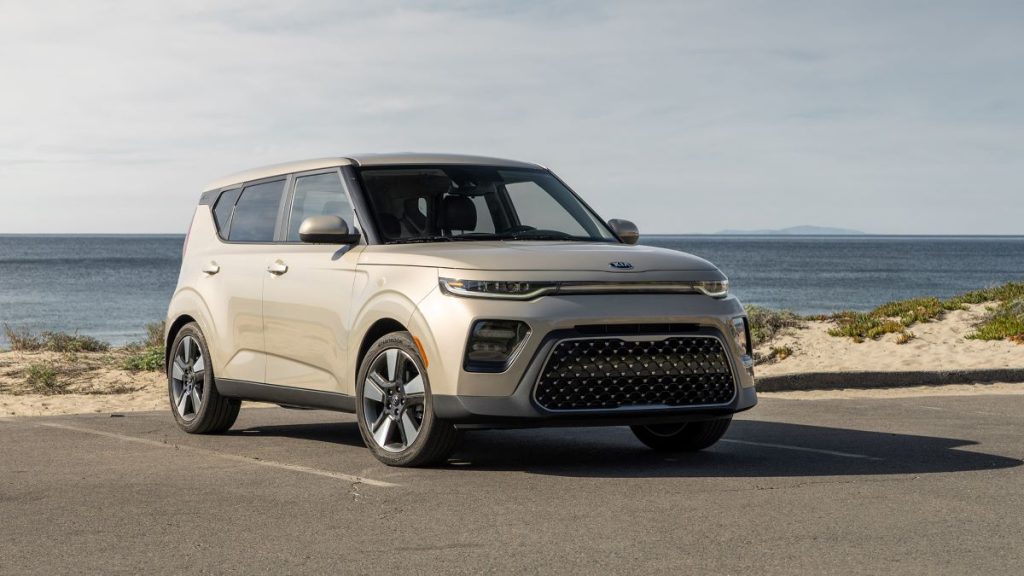
Insurance providers also acknowledged that the additional electronic safeguards reduced risk by making these vehicles considerably more difficult to steal.
The Kia Soul illustrates how software can successfully address real-world security challenges. By enhancing existing electronics instead of replacing major components, Kia improved protection for owners while demonstrating the growing role of digital technology in modern automotive safety.
Specifications
- Engine: 2.0-liter inline 4
- Torque: 132 lb-ft
- Horsepower: 147 hp
- Length/Width: 165.2 inches / 70.9 inches
5. Hyundai Kona (2022 and Earlier Eligible Models)
Unlike larger SUVs that often attract attention because of their size, the Hyundai Kona became popular by offering compact dimensions, impressive fuel economy, and everyday practicality.
However, certain earlier U.S. models that were not equipped with a factory engine immobilizer became vulnerable to the same theft methods that affected other Hyundai vehicles.
As theft reports increased, Hyundai expanded its software security campaign to include eligible Kona models, giving owners an effective way to improve protection without replacing major hardware.
The updated software modified the relationship between the alarm system, body control module, and ignition authorization process. Once installed, the vehicle required a proper unlock command from the original key fob before the engine would start.
If someone attempted to force entry or bypass the normal sequence, the alarm remained active for a longer period while the ignition system stayed disabled. This additional verification created another obstacle for thieves who had previously relied on the original vulnerability.
Dealerships across the United States performed the update free of charge, making it accessible to a large number of owners.
Hyundai also worked with community organizations and local law enforcement agencies to raise awareness about the importance of completing the update. In many areas, complimentary steering wheel locks were distributed as an added layer of protection until owners could visit a dealership.
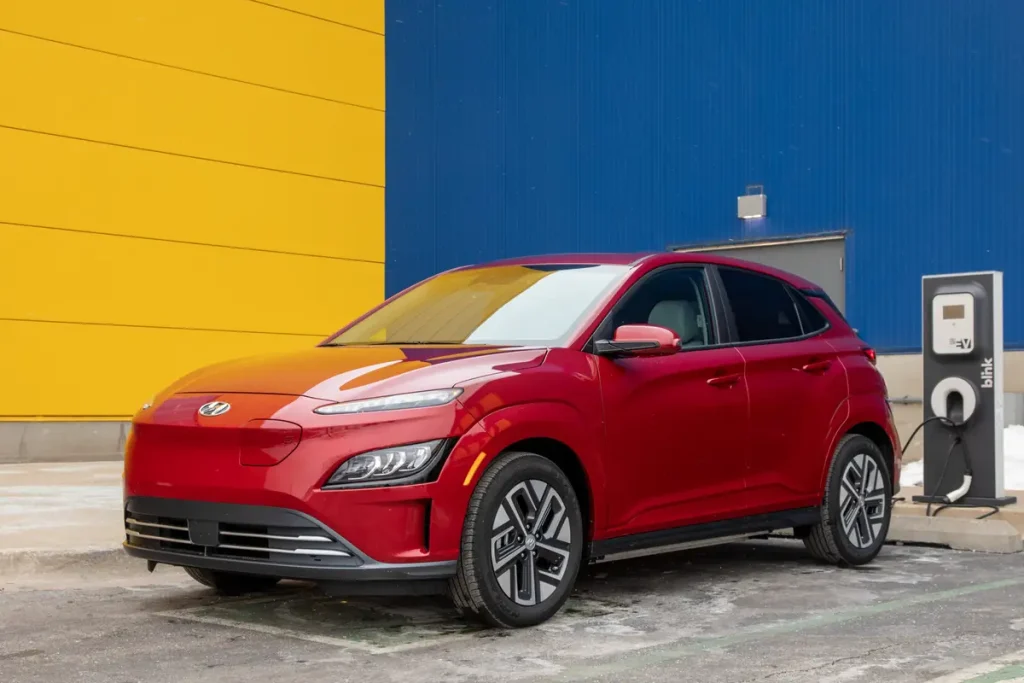
As more Kona owners received the revised software, theft trends began shifting. Criminals increasingly avoided updated vehicles because they required more time and effort to steal, reducing the appeal of the model as an easy target.
The Kona’s experience demonstrated that well-designed software improvements can meaningfully strengthen vehicle security while extending the usefulness of existing electronic systems already built into the SUV.
Specifications
- Engine: 2.0-liter inline 4
- Torque: 132 lb-ft
- Horsepower: 147 hp
- Length/Width: 171.3 inches / 70.9 inches
6. Kia Rio (2022 and Earlier Eligible Models)
The Kia Rio has long appealed to budget-conscious buyers seeking dependable and efficient transportation. Its affordable purchase price and simple design made it a practical commuter car throughout the United States.
Unfortunately, certain earlier Rio models without factory immobilizers also became vulnerable during the nationwide surge in vehicle thefts. Recognizing the seriousness of the problem, Kia introduced a software update specifically intended to strengthen the vehicle’s electronic theft protection.
Instead of requiring owners to replace expensive ignition hardware, engineers focused on improving the software controlling vehicle authorization. After installation, the updated programming required the Rio to recognize the correct factory key fob unlocking procedure before allowing the engine to start.
Attempts to bypass that sequence prevented normal ignition while extending the operation of the alarm system, making theft considerably more difficult.
The software campaign formed part of Kia’s larger nationwide response aimed at protecting millions of eligible vehicles. Dealership technicians completed the installation without charge, while customer outreach programs encouraged owners to schedule appointments promptly.
Kia also continued recommending traditional security measures such as parking in well-lit locations and using visible anti-theft devices for additional peace of mind.
Police departments in several states later observed encouraging reductions in theft activity involving updated Rio models. Although software cannot eliminate every theft attempt, increasing the time and effort required to steal a vehicle often persuades criminals to move elsewhere in search of easier opportunities.
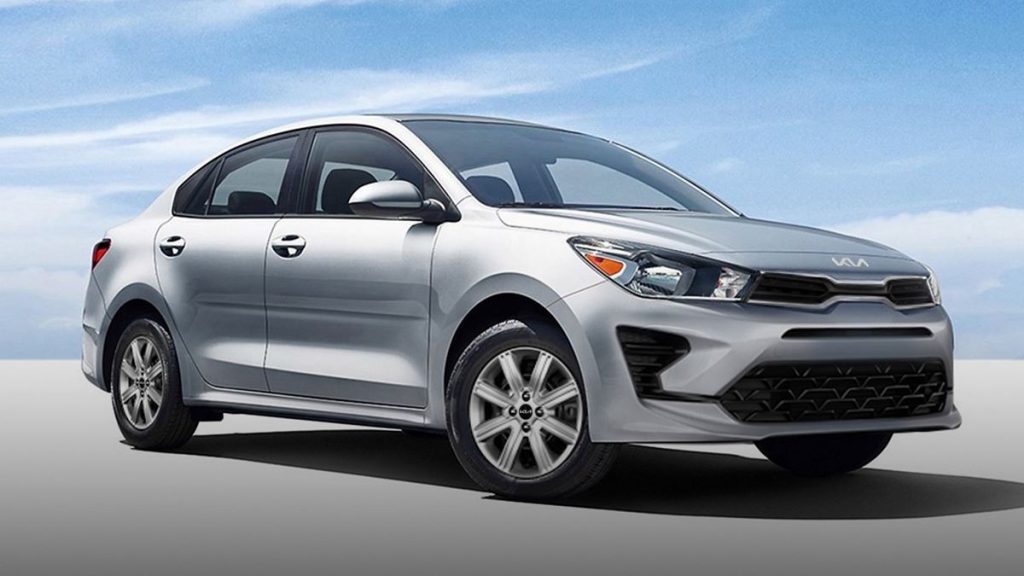
The Rio became another clear example of how digital engineering can address real-world security concerns. Through thoughtful software improvements, Kia significantly strengthened theft protection while helping owners regain confidence in one of its most affordable vehicles.
Specifications
- Engine: 1.6 liter inline 4
- Torque: 112 lb-ft
- Horsepower: 120 hp
- Length/Width: 172.6 inches / 67.9 inches
7. Hyundai Accent (2022 and Earlier Eligible Models)
For years, the Hyundai Accent built a reputation as an affordable and dependable compact sedan. Its efficient engine, simple ownership experience, and low operating costs made it especially popular among first-time buyers, students, and commuters throughout the United States.
Unfortunately, certain earlier Accent models that were not equipped with a factory engine immobilizer became vulnerable during the nationwide increase in vehicle thefts. Hyundai responded by extending its software-based anti-theft campaign to include eligible Accent vehicles.
The update focused on strengthening the relationship between the factory alarm system and the ignition controls. Once the revised software was installed, the vehicle required a legitimate unlock signal from the original key fob before the engine could be started.
If someone attempted to bypass the normal unlocking sequence, the alarm remained active for a longer period while the engine stayed immobilized. This significantly reduced the effectiveness of the theft methods that had previously been used against affected vehicles.
Owners could receive the update free of charge through authorized Hyundai dealerships. The company also supported public awareness efforts by notifying eligible customers and working alongside community organizations to encourage installation.
In several locations, complimentary steering wheel locks were distributed as an additional deterrent while owners arranged dealership appointments.
Law enforcement agencies later noted that updated Accent models became noticeably less attractive to thieves because the revised software introduced another layer of electronic protection. Criminals generally seek the quickest opportunity, and the additional security encouraged many to abandon attempts involving updated vehicles.
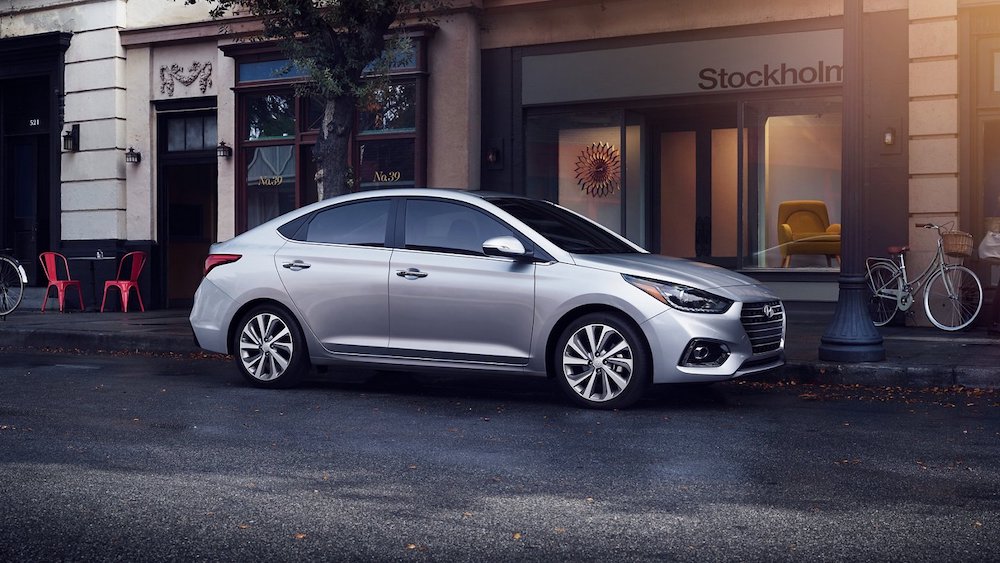
The Accent demonstrated that carefully designed software enhancements can extend the effectiveness of existing vehicle security systems while providing meaningful protection for owners without requiring expensive hardware replacements.
Specifications
- Engine: 1.6 liter inline 4
- Torque: 113 lb-ft
- Horsepower: 120 hp
- Length/Width: 172.6 inches / 68.1 inches
8. Kia Seltos (2021 to 2022 Eligible Models)
The Kia Seltos entered the American market as a stylish compact SUV that combined generous interior space with modern technology and strong value. As sales increased, certain early U.S. models lacking factory immobilizers became eligible for Kia’s nationwide software security campaign.
Although the Seltos was not affected to the same degree as some older Kia models, the company included eligible vehicles to improve protection and reduce future theft risks.
Rather than altering the mechanical ignition system, the update revised the software controlling vehicle authentication. Once installed, the system required confirmation that the SUV had been unlocked using the original factory key fob before allowing the engine to start.
Unauthorized entry attempts activated an extended alarm cycle while keeping the ignition disabled, making theft considerably more difficult than before.
The installation process was completed at authorized Kia dealerships without cost to eligible owners. Kia also expanded customer communication through mail notifications, dealership outreach, and public education campaigns explaining the benefits of the software enhancement.
These efforts encouraged widespread participation and helped owners understand the importance of keeping their vehicles’ security systems up to date.
As more eligible Seltos models received the revised programming, theft attempts became less successful because the software removed one of the vulnerabilities criminals had previously exploited.
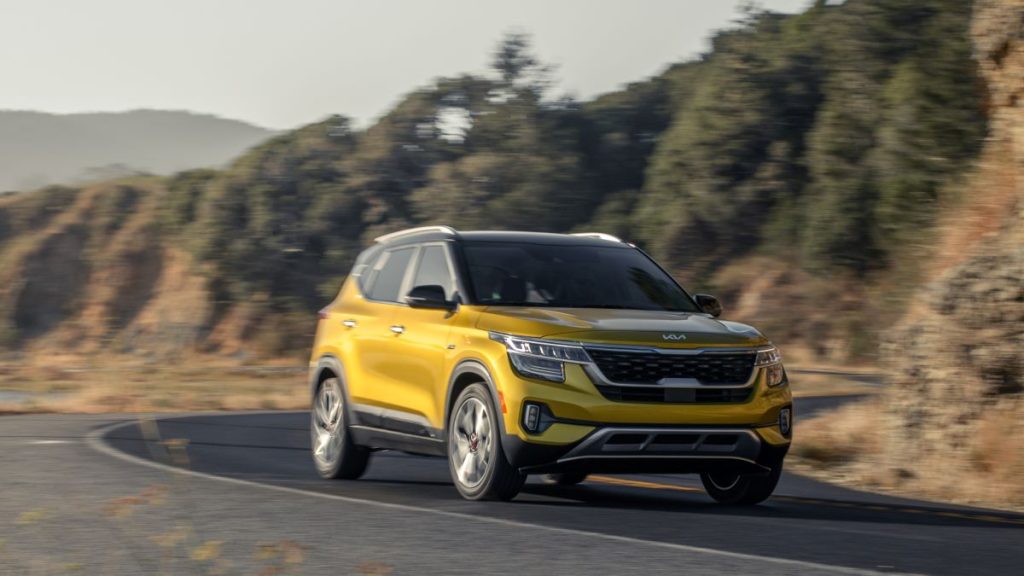
Combined with common-sense precautions such as secure parking and visible anti-theft devices, the updated security system offered owners greater confidence in protecting their vehicles.
The Seltos illustrates how software has become an essential part of modern automotive security. Digital improvements can strengthen existing systems quickly and efficiently, allowing manufacturers to respond to emerging theft trends without redesigning the entire vehicle.
Specifications
- Engine: 2.0-liter inline 4
- Torque: 132 lb-ft
- Horsepower: 146 hp
- Length/Width: 172.6 inches / 70.9 inches
Also Read: 8 Cars With the Longest Warranty Coverage Ever Offered
