
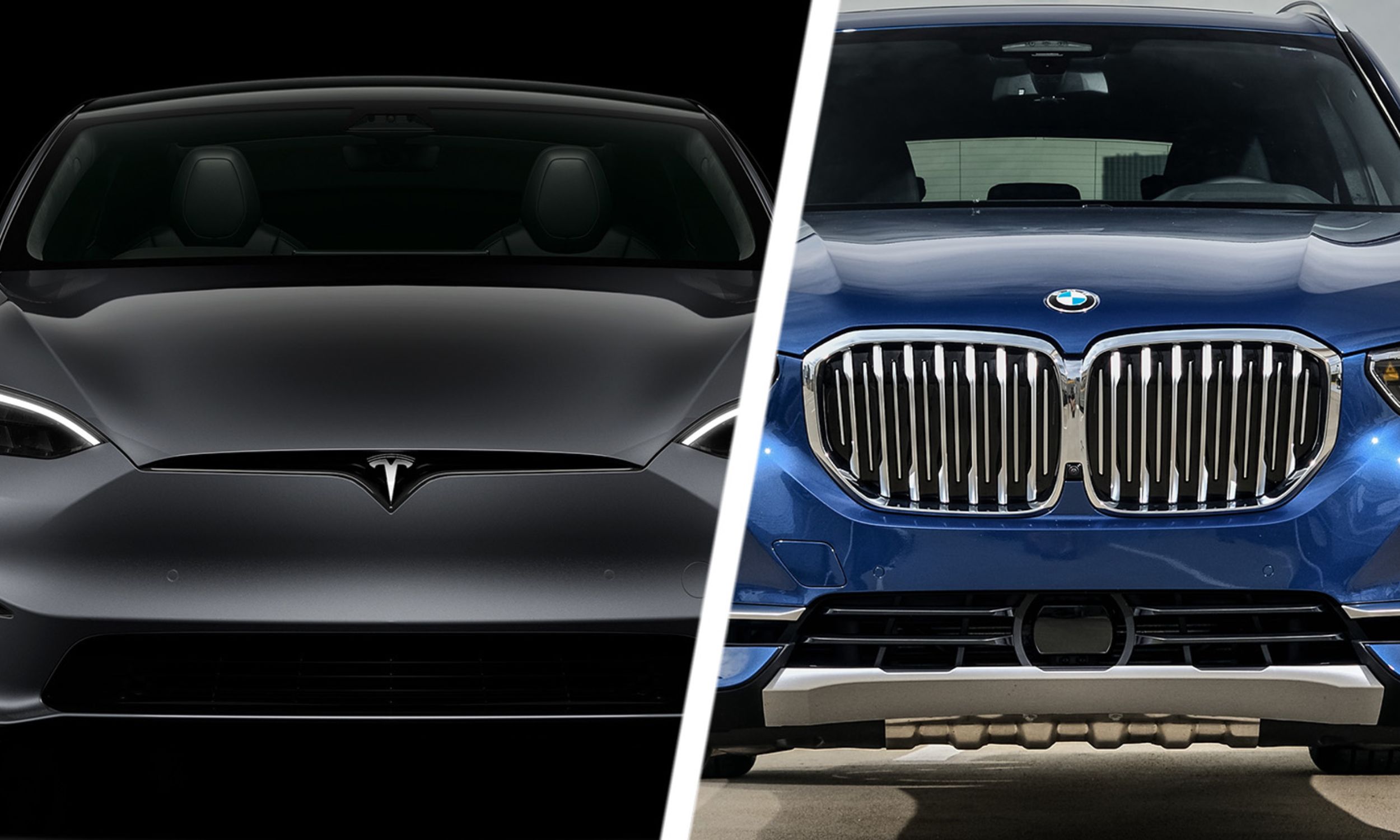
Car buyers used to memorize which brands to avoid. Today, some of those same names are topping dependability charts, and it’s honestly a little surprising. Long-term data from research groups like Consumer Reports and J.D. Power tell a story of automakers ripping apart broken engineering habits and rebuilding almost from scratch.
Bad transmissions got replaced. Troubled engines got standardized. The entire quality department got restructured. The brands on this list didn’t just patch a few problems; they transformed how their vehicles are built, tested, and supported after the sale. Some of them were once punchlines in owner forums.
Now they’re recommended by the same reviewers who used to warn people away. Below, we look at seven automakers that made the biggest dependability gains over the past decade, along with what pushed each one toward the top. Whether you’re shopping for your next vehicle or just curious how these turnarounds happened, this list should change how you think about a few familiar badges.
1. Tesla
Ten years ago, a new Tesla was as likely to arrive with uneven panel gaps, interior trim issues, or drivetrain trouble as it was to impress with its acceleration. Early owners became used to service visits for problems that had no business showing up on a brand-new car. Paint quality complaints were common. So there were premature failures in the electric motor units powering the wheels. It was rough enough that some buyers treated early Tesla ownership as an act of faith rather than a purchase decision.
That reputation has largely reversed. Production maturity at scale changed everything. As the Model 3 and Model Y moved from low-volume curiosities to some of the best-selling vehicles in the country, the manufacturing processes behind them tightened considerably.
Assembly consistency improved. Panel fit became far less of a lottery. Software, which once introduced as many headaches as it solved, became one of the company’s biggest reliability assets, since problems could often be corrected remotely instead of requiring a dealership visit.
Drivetrain durability tells the clearest story. Electric motors and battery packs, once a source of anxiety for early adopters, now perform with a level of consistency that rivals or beats traditional combustion vehicles. Fewer moving parts help, but so does a decade of design refinement.
On major reliability indexes, Tesla has posted some of the largest single-brand gains of any manufacturer tracked, gasoline or electric. For a company that started with a reputation for unpredictable quality, becoming one of the most improved names in the entire industry marks a genuine turnaround, not a marketing talking point.
2. BMW
People who drove a BMW about ten years ago often remember persistent oil leaks and cooling parts that failed earlier than expected. Many of those systems relied on plastic pieces where stronger materials would have lasted longer. Electrical faults also appeared without warning, leaving owners and mechanics frustrated during repairs. For a brand praised for sharp handling and strong engines, reliability quietly became a source of disappointment rather than pride.
Instead of adding more layers of design, BMW chose a simpler path that reduced unnecessary variation. The company focused on two main engine families, the B48 four-cylinder and the B58 inline six, and spread them across many vehicles. By cutting down the number of different designs, engineers faced fewer chances for failure. This approach allowed deeper attention to refining each part, improving consistency and long-term durability.
Another change came through better transmission choices that supported these engines properly. BMW adopted automatic gearboxes supplied by ZF, units known for smoother operation and longer service life. Earlier transmissions had delivered uneven results, but the newer pairings helped restore driver confidence. Cooling systems also received better materials, resolving a complaint that had followed the brand for many years.
Evidence of improvement appears in independent surveys and buyer feedback. BMW now sits among the highest-rated brands in Consumer Reports rankings, a position few expected a decade earlier. For shoppers worried about costly repairs, today’s models reflect lessons learned through careful engineering decisions. These choices continue shaping ownership experiences across recent vehicles.
Also Read: 10 Car Brands With The Most Safety Innovation
3. Mini
Few brands had a rougher reliability reputation in the early 2010s than Mini. Timing chain failures were common enough to become a defining owner complaint, sometimes leading to expensive engine damage that soured buyers on the brand entirely. Manual transmissions, meant to reinforce Mini’s playful driving image, often proved fragile under normal use. For a company built on charm and personality, those mechanical letdowns did real damage to its standing with owners.
Recovery came through borrowed engineering rather than independent reinvention. As part of the BMW Group, Mini gained access to modular engine platforms already proven in larger BMW models. Instead of maintaining separate, troubled powertrain designs, Mini adopted components with a track record of durability, and the timing chain issues that had plagued earlier engines largely disappeared as a result.
Electronic architecture followed a similar path. Simplified systems shared across BMW Group vehicles replaced the more idiosyncratic setups Mini had used previously, cutting down on the kind of electrical gremlins that used to frustrate owners. That consolidation reduced both the frequency of problems and the cost of fixing them, since parts and diagnostic knowledge could be shared across a broader lineup.
The turnaround has been substantial enough that Mini now appears among the stronger performers on major dependability studies, a placement that would have seemed almost comedic a decade earlier. For a brand once treated as a stylish but unreliable choice, becoming a genuine dependability performer marks one of the more dramatic reputation reversals in the industry.
Owners shopping for a Mini today are buying into an engineering foundation built on proven BMW hardware rather than the standalone systems that once caused so much trouble.
4. Mazda
Mazda spent years operating under the shadow of its former partnership with Ford, sharing platforms and components that didn’t always suit its own vehicles well. Breaking away from that arrangement gave the company room to build something more deliberately its own, and the results took time to show up, but they’ve been worth the wait.
SkyActiv powertrain technology became the foundation of that independence. Rather than chasing every new transmission trend, Mazda focused on refining naturally aspirated engines and conventional automatic transmissions, avoiding the dual-clutch designs that caused so many headaches for rival brands during the same period. That restraint paid off. Base model Mazdas gained a reputation for mechanical simplicity paired with strong long-term durability, a combination that’s harder to find than it should be.
Design played its part too. The Kodo design language gave Mazda’s lineup a distinct, upscale look without requiring the kind of exotic materials or fragile components that often introduce reliability problems. Interior quality improved alongside exterior styling, giving buyers a sense that Mazda vehicles were built with intention rather than assembled from a parts bin.
Turbocharging exists in the lineup, but Mazda has been careful about where and how it’s applied, keeping base configurations focused on proven, naturally aspirated setups. That approach has helped the brand earn a reputation for elite dependability among Japanese automakers, a group already known for strong build quality.
Owners looking for a vehicle that feels engineered rather than assembled tend to find exactly that in Mazda’s current lineup, and the numbers from independent reliability studies back up that impression with real consistency.
5. Buick
For many years, Buick did not struggle because of weak engineering ideas. The real issue came from a lack of direction. The brand carried too many slow-selling sedans that demanded attention but delivered little value. Those models pulled resources away from areas where Buick performed better. Once the company reduced its range and focused mainly on crossovers, it created space to invest properly in products that matched buyer demand.
With a smaller selection to manage, Buick could give each vehicle more care during development. Engineers had time to test systems thoroughly and choose parts with care instead of rushing decisions. The company relied on long-standing engine platforms from General Motors that already had strong service records. Rather than chasing fresh but uncertain ideas, Buick preferred options that had already proven their ability to last under everyday use.
Another quiet decision also worked in Buick’s favour. The brand avoided jumping into early electric vehicle programmes. While other manufacturers faced software faults and unfamiliar hardware issues, Buick stayed with petrol-powered models it understood well. This choice removed a full category of early ownership troubles. The approach lacked excitement, yet it protected buyers from problems linked to new systems still finding their footing.
Today, Buick is known for steady results rather than bold claims. It often ranks as the most dependable American brand, a position earned through discipline and patience. The formula feels traditional: limit the range, use trusted parts, and avoid rushing into trends before they mature.
For buyers who want a calm driving experience, solid comfort, and fewer surprises at the workshop, Buick’s careful approach has become a strong reason to take the brand seriously, and that reputation continues to hold firm.
6. Kia
Remember when Kia ownership meant crossing your fingers every time you started the car? Engine failures, sometimes catastrophic ones, were common enough that the brand carried a reputation for being cheap in the worst sense of the word. Buyers who chose Kia often did so because of price, not because they trusted the vehicle to last.
That reputation simply doesn’t match today’s Kia. Heavy investment in manufacturing quality changed the fundamentals of how these vehicles are built, from tighter assembly tolerances to more rigorous testing before vehicles ever reach dealerships. It wasn’t a quick fix. It took years of sustained investment to change public perception, and even longer to change the underlying engineering.
Kia’s warranty coverage also helps explain the vehicle’s strong reputation. By offering one of the longest powertrain warranties in the industry, the company demonstrated confidence in the durability of its updated engine designs. These newer engines addressed many of the reliability concerns associated with earlier generations, giving buyers greater peace of mind and reinforcing long-term value.
Naturally aspirated engine redesigns replaced troubled designs with simpler, sturdier alternatives, cutting down dramatically on the kind of catastrophic failures that once defined the brand’s reputation. The results speak for themselves. Kia now performs well above industry averages on major dependability studies, a placement that puts it ahead of several legacy brands that spent decades building their reputations.
For a company once treated as a budget alternative to more established names, that kind of standing represents one of the more remarkable dependability turnarounds of the past decade. Buyers shopping for a Kia today are getting vehicles built on a genuinely different engineering foundation than the ones that gave the brand its rocky start.
Also Read: 10 Car Brands That Built Aircraft Engines
7. Ford
For many drivers, the troubles linked to Ford during the past decade were hard to ignore. The PowerShift dual-clutch transmission became a major source of frustration for owners across different markets. Vehicles that were meant to feel smooth instead delivered harsh gear changes and clutch problems far earlier than expected.
Legal cases followed, and repair costs left many customers unhappy. At the same period, frequent safety recalls added to public concern, placing serious pressure on Ford’s reputation for building dependable cars. Getting back on track demanded more than surface-level fixes. Ford responded with a broad internal reset that addressed how vehicles were designed, tested, and supported.
Quality control was treated as a shared duty across the company rather than something handled by one team alone. Parts suppliers, software development processes, and testing standards all came under closer review. Progress was not instant, but the foundation for lasting improvement began to take shape.
One area where change became visible was vehicle software. Ford invested heavily in systems that allowed updates to be delivered remotely. These updates made it possible to correct certain faults without forcing owners to visit service centres. Problems that once dragged on were now resolved faster, helping restore confidence among buyers who had grown cautious after earlier experiences.
Independent studies now reflect this recovery. Research from J.D. Power showed Ford achieving the largest year-to-year improvement in initial quality among mainstream brands. That result highlights how far the company had slipped and how much effort went into rebuilding trust. For a manufacturer once linked closely with transmission disputes and recall news, the recent data presents a clearer picture of steady progress.
