
Factory warranty coverage remains an important consideration when buying a new vehicle because it helps protect owners from unexpected repair costs during the first years of ownership. While some automakers offer extended warranties to attract buyers, others continue to provide shorter coverage periods that may leave owners responsible for repairs sooner.
A typical factory warranty includes bumper-to-bumper coverage for most vehicle systems and a separate powertrain warranty for major components such as the engine and transmission. Although many manufacturers offer the industry-standard 36 months or 36,000 miles of basic coverage, others provide longer protection.
This article ranks the brands with some of the shortest factory warranties available for 2026 model-year vehicles in the U.S., comparing basic and powertrain coverage with competing brands. Warranty length is only one factor to consider, alongside reliability, maintenance costs, resale value, and customer satisfaction, but it remains an important measure of long-term ownership value and financial protection.
Also Read: 2027 Kia Telluride Grows Larger and Adds a Hybrid for the First Time
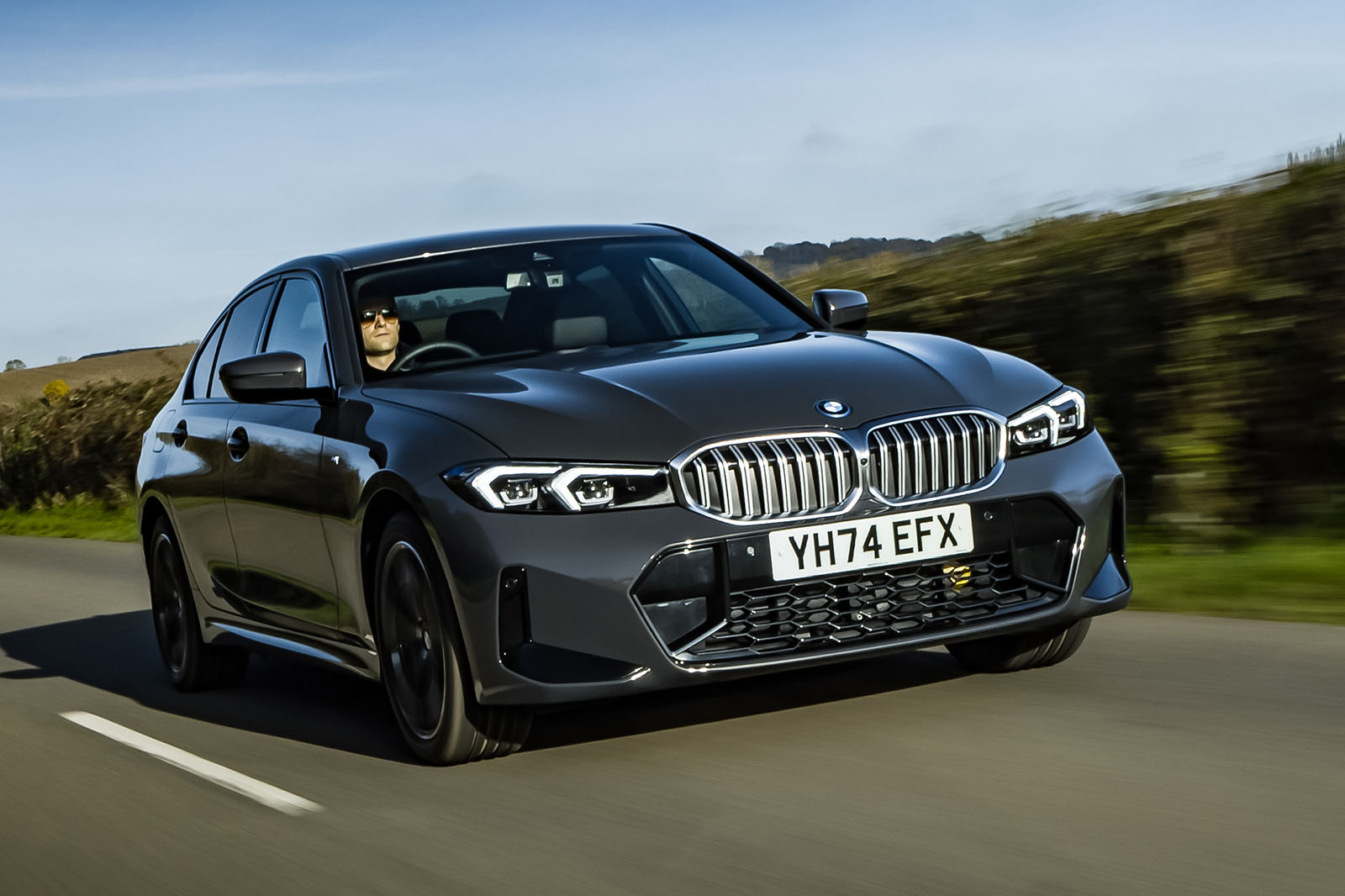
9. BMW
Warranty Coverage: 48 months or 50,000 miles basic warranty, 48 months or 50,000 miles powertrain warranty
BMW sits near the end of this ranking because its warranty coverage is actually stronger than many traditional luxury competitors, but it remains shorter than brands that provide extended protection as standard equipment.
For 2026 models, BMW generally offers a four-year or 50,000-mile new vehicle limited warranty covering both basic vehicle components and the powertrain. This places BMW above the common 36-month/36,000-mile industry standard, but below manufacturers that offer five, six, or even ten years of coverage.
The BMW warranty provides coverage for many factory-installed components during the first years of ownership. This includes major vehicle systems, electronics, and mechanical parts that may experience manufacturing-related issues.
BMW owners also benefit from strong dealership support and specialized service networks, which can help simplify warranty repairs. However, once the four-year or 50,000-mile period expires, owners may face some of the higher repair costs associated with luxury European vehicles.
One reason BMW appears on a shortest warranty list is because luxury buyers often expect premium protection to match premium pricing.
A new BMW can represent a significant financial investment, and some competitors offer longer warranty periods despite having lower purchase prices. For customers planning to lease a vehicle or own it during the first few years, BMW’s warranty may be sufficient. However, long-term owners may want additional coverage options.
BMW vehicles often contain advanced technology, performance-focused engineering, and complex systems. While these features contribute to the brand’s reputation for driving dynamics, they can also increase repair costs after factory coverage ends.
Components such as advanced driver assistance systems, electronic controls, and performance-oriented mechanical parts can become expensive outside warranty protection.
BMW’s warranty is not among the weakest in the industry, but compared with brands offering longer coverage, it provides less long-term protection. Buyers choosing BMW usually prioritize performance, luxury, and driving experience, but warranty length should still be considered when calculating ownership expenses.
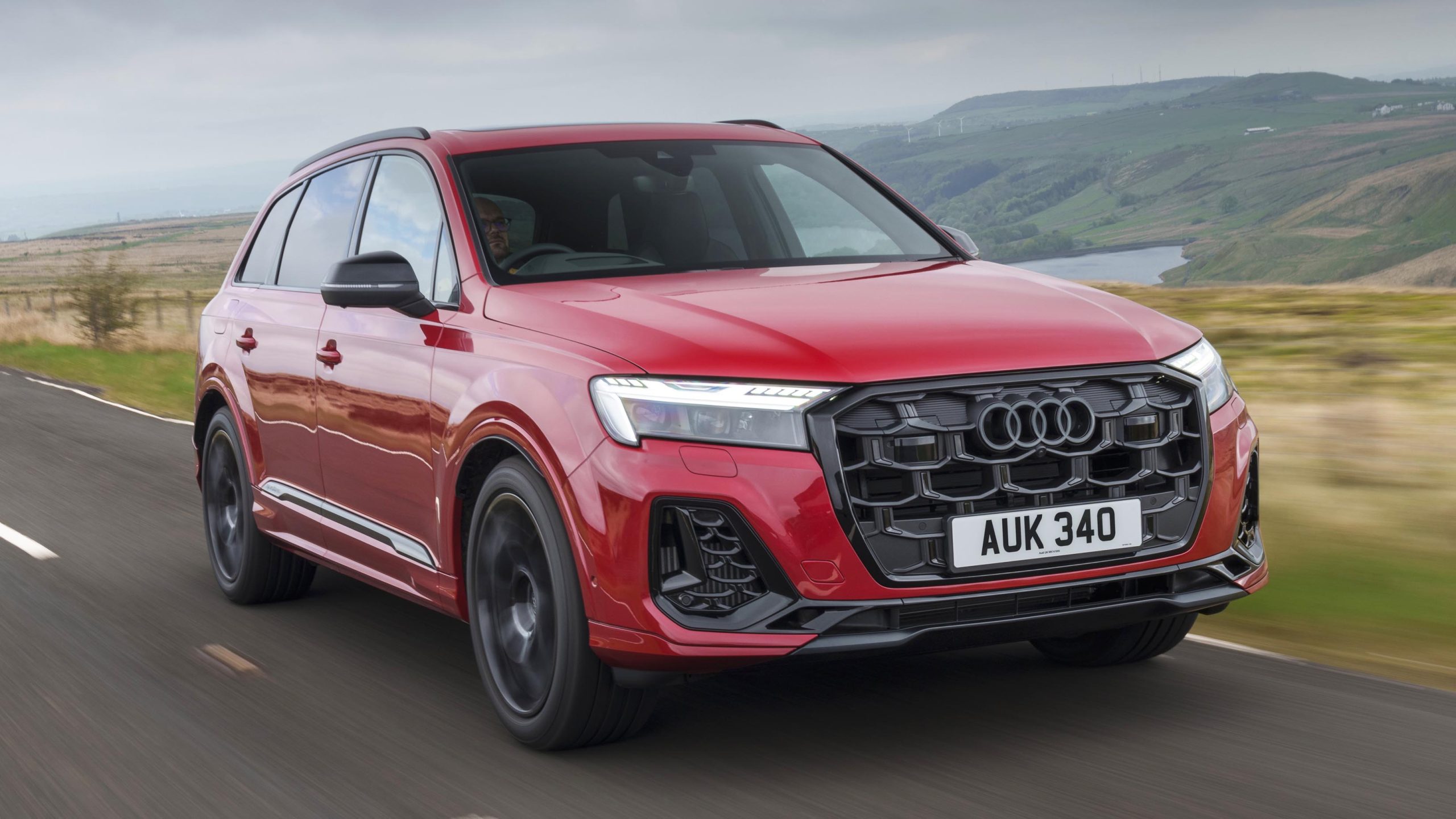
8. Audi
Warranty Coverage: 48 months or 50,000 miles basic warranty, 48 months or 50,000 miles powertrain warranty
Audi follows a similar warranty strategy to BMW, offering four years or 50,000 miles of coverage for new vehicles in the United States. The brand provides a premium ownership experience with advanced technology, upscale interiors, and sophisticated engineering, but its warranty period is not among the longest available in the market.
The Audi new vehicle limited warranty covers defects in materials and workmanship during the first 48 months or 50,000 miles. This coverage applies to many important vehicle systems and provides protection against certain unexpected manufacturing issues.
Audi also offers specialized service through its dealer network, allowing owners to receive repairs from technicians familiar with the brand’s vehicles.
However, Audi vehicles are known for incorporating advanced engineering and technology, which can make repairs expensive once warranty coverage expires.
Features such as digital displays, advanced safety systems, turbocharged engines, and complex drivetrain components may require costly repairs over time. A shorter warranty period means owners must assume those potential costs earlier.
Compared with brands that offer longer warranties, Audi provides less extended protection for customers who intend to keep their vehicles beyond five years. Many buyers of luxury vehicles choose leasing options, meaning they may return the vehicle before warranty expiration. For those customers, Audi’s coverage may be adequate and competitive.
For long-term ownership, purchasing an extended warranty or service plan may be worth considering. While Audi vehicles can deliver strong performance and refinement, repair costs outside factory coverage can be higher than average. The warranty limitation is one factor buyers should evaluate alongside reliability ratings, maintenance costs, and ownership plans.
Audi ranks higher on this list because its four-year/50,000-mile warranty is still better than many mainstream competitors. However, compared with manufacturers offering longer factory protection, Audi leaves owners with fewer years of included coverage.
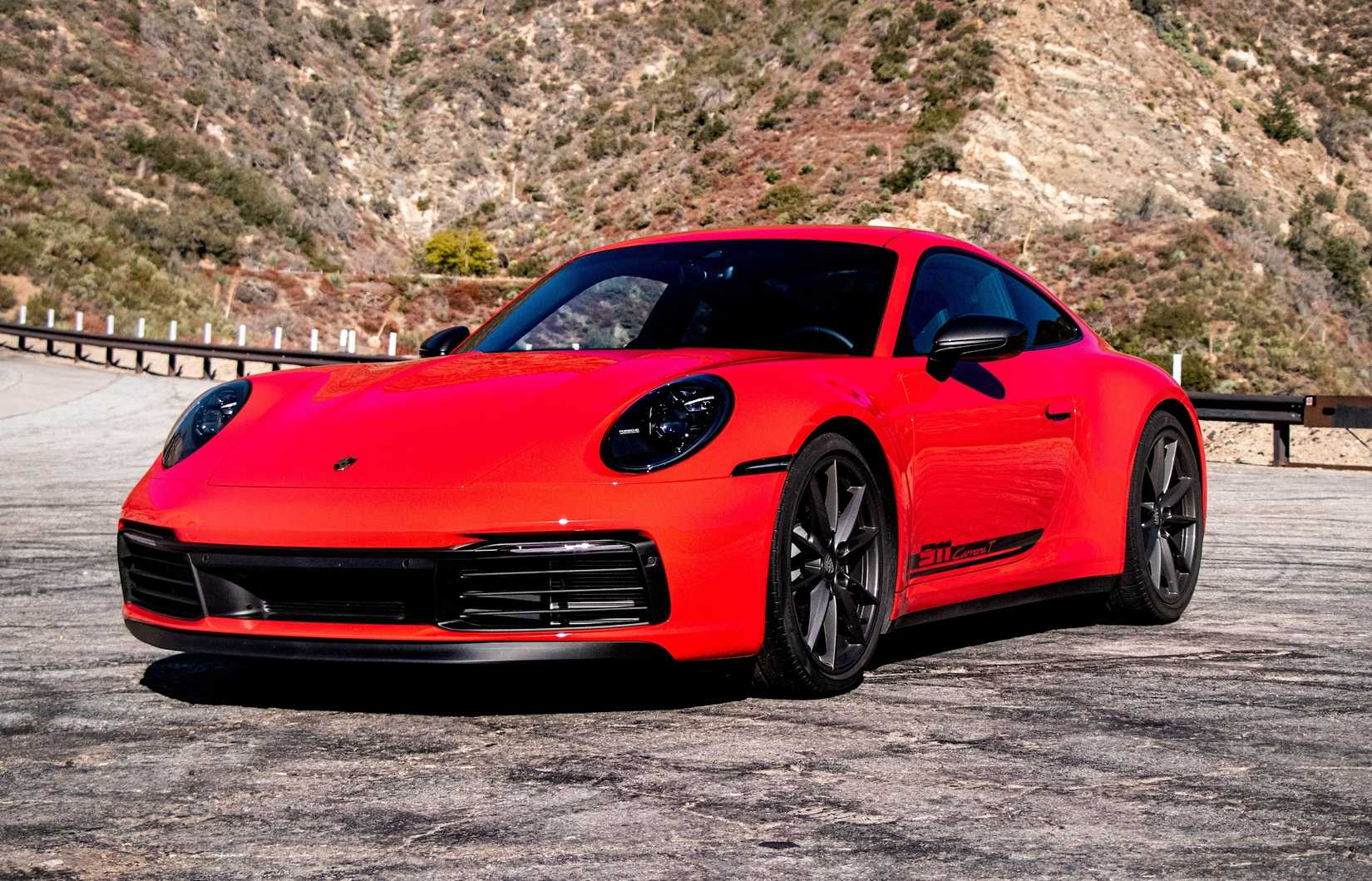
7. Porsche
Warranty Coverage: 48 months or 50,000 miles basic warranty, 48 months or 50,000 miles powertrain warranty
Porsche provides a standard warranty similar to many luxury manufacturers, with coverage lasting four years or 50,000 miles. The brand has a reputation for producing some of the most performance-focused vehicles in the world, but its factory warranty period remains relatively limited compared with manufacturers offering longer standard coverage.
The Porsche warranty covers defects related to vehicle manufacturing and provides protection during the early ownership period.
Since Porsche vehicles are engineered for performance, warranty coverage can be especially valuable during the first years when complex components are being tested under normal driving conditions. Owners benefit from factory-trained technicians and specialized Porsche service centers.
Despite the premium price of Porsche vehicles, buyers receive the same general warranty duration as several less expensive luxury brands.
Some customers may expect longer coverage considering the cost of vehicles such as sports cars and high-performance SUVs. The shorter warranty does not necessarily reflect poor quality, but it does mean owners may need additional protection for extended ownership.
Porsche maintenance and repairs can be expensive because many components are designed for performance rather than simple affordability. Specialized engines, advanced suspension systems, and performance braking components can cost significantly more to replace than standard vehicle parts. Once warranty coverage ends, owners are responsible for these expenses.
For enthusiasts who frequently change vehicles or lease, Porsche’s warranty may provide enough protection. However, buyers planning to keep a Porsche for many years should consider extended coverage options and carefully evaluate expected maintenance costs.
Porsche ranks among brands with shorter warranties because it does not provide extended factory protection beyond the typical luxury segment standard. Its vehicles remain highly desirable, but warranty duration is an important consideration for buyers focused on long-term ownership.
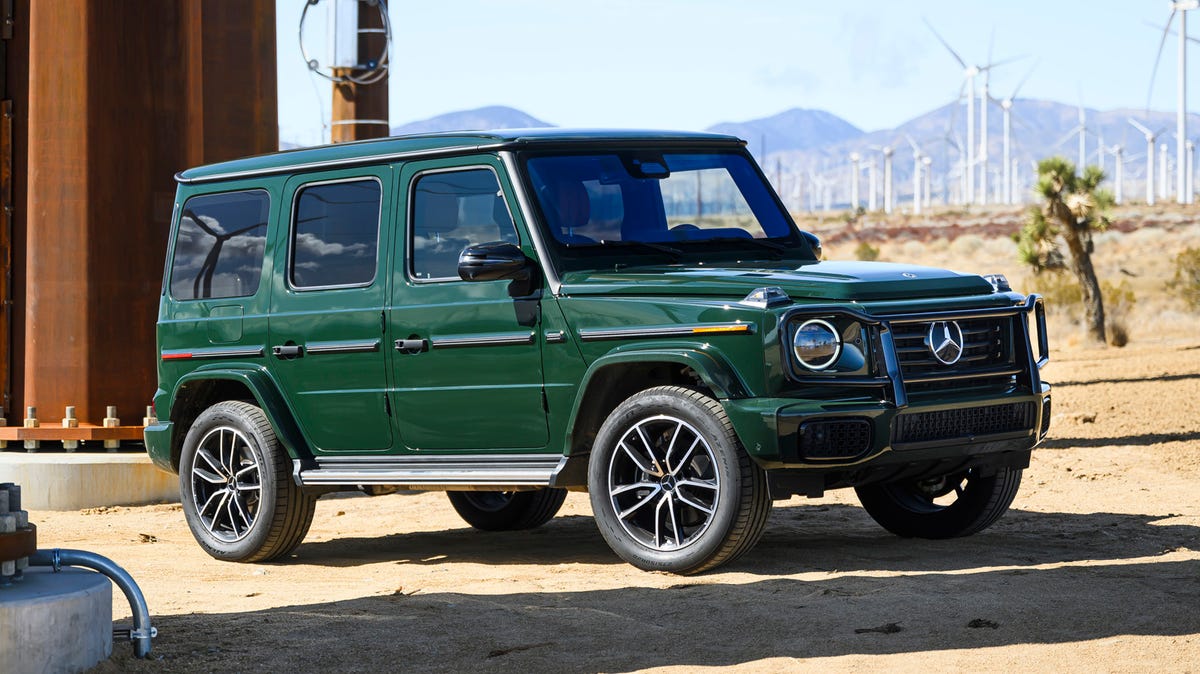
6. Mercedes-Benz
Warranty Coverage: 48 months or 50,000 miles basic warranty, 48 months or 50,000 miles powertrain warranty
Mercedes-Benz is another luxury manufacturer that provides a four-year or 50,000-mile factory warranty on new vehicles in the United States.
Although the brand has a long history of engineering premium automobiles with advanced technology and comfort features, its standard warranty period remains shorter than some competitors that have introduced longer coverage programs.
The Mercedes-Benz new vehicle limited warranty protects owners against defects in materials and workmanship during the first 48 months or 50,000 miles of ownership.
This coverage applies to many factory-installed components, helping reduce repair costs if problems occur during the initial ownership period. For many drivers who lease or replace vehicles every few years, this warranty length may be more than adequate.
However, Mercedes-Benz vehicles often include sophisticated electronics, luxury features, and advanced mechanical systems. Modern models can include air suspension systems, driver assistance technology, premium infotainment equipment, and highly engineered engines. These features improve the driving experience but can become expensive to repair after warranty coverage ends.
Compared with brands that provide longer factory warranties, Mercedes-Benz owners have a shorter period of included protection. A buyer who plans to keep a vehicle for eight or ten years may spend more money on repairs after the warranty expires. Extended protection plans can help reduce this risk, but they add to the cost of ownership.
Mercedes-Benz remains a popular choice among luxury vehicle buyers because of its comfort, reputation, and premium features.
The shorter warranty does not mean the vehicles lack quality, but it does mean buyers should consider ownership plans carefully. Customers who frequently upgrade vehicles may find the coverage acceptable, while long-term owners may prefer additional protection.
Mercedes-Benz ranks among brands with shorter warranties because it follows the typical luxury industry approach rather than offering extended coverage as standard. Its four-year/50,000-mile warranty is respectable but not exceptional compared with manufacturers offering longer protection.
Also Read: The 2027 Kia Telluride vs the Hyundai Palisade
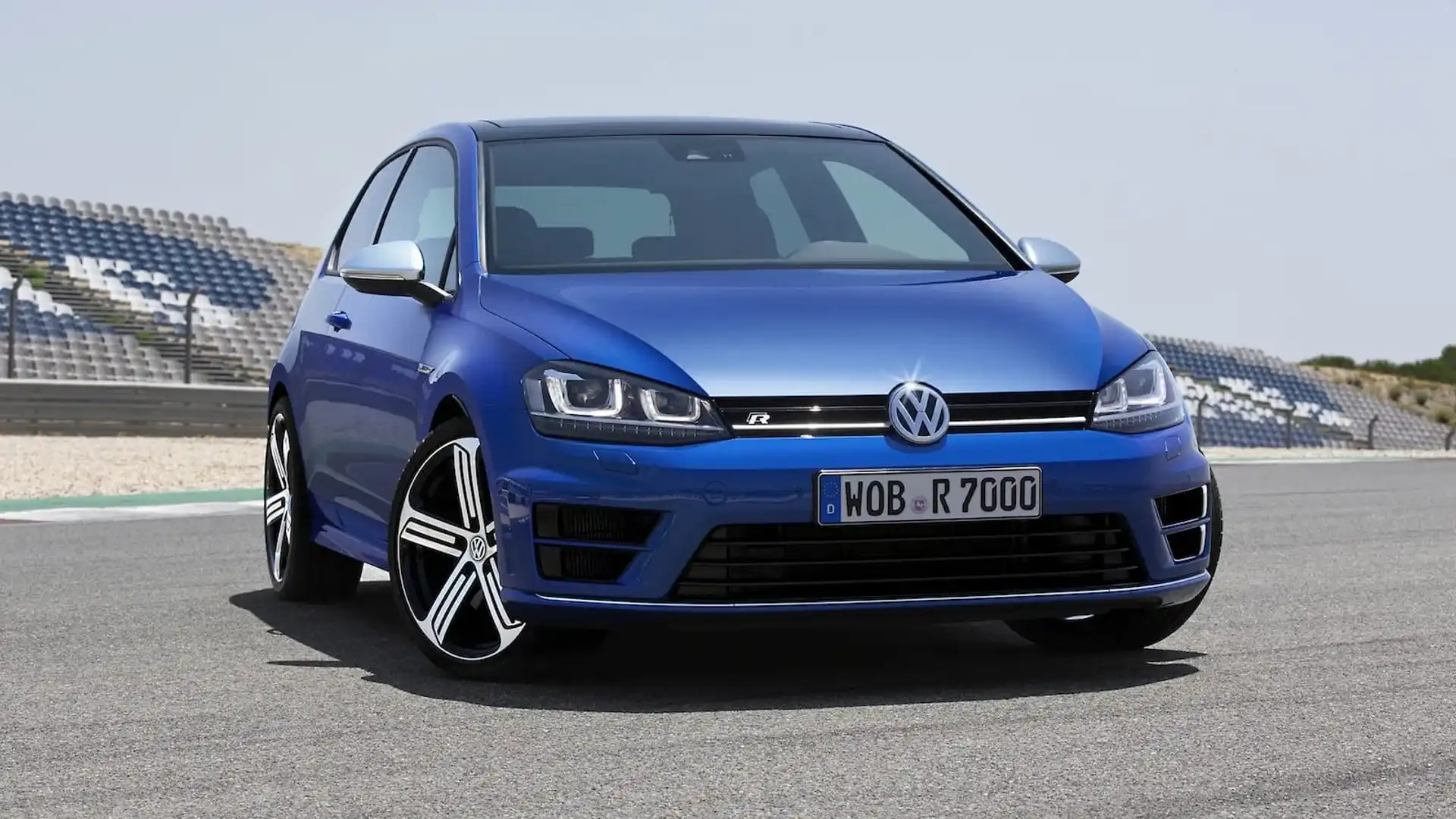
5. Volkswagen
Warranty Coverage: 48 months or 50,000 miles basic warranty, 48 months or 50,000 miles powertrain warranty
Volkswagen offers a four-year or 50,000-mile new vehicle limited warranty on its vehicles in the United States. While this coverage is longer than the traditional 36-month/36,000-mile warranty offered by many brands, it still falls short compared with manufacturers that provide five years, ten years, or unlimited-mile powertrain protection.
The Volkswagen warranty covers many vehicle components during the first four years of ownership. Owners receive protection against certain factory-related defects and problems affecting vehicle operation. Volkswagen also provides roadside assistance programs on many newer models, adding additional support during the early ownership period.
Volkswagen vehicles often combine European engineering with practical design, offering features such as efficient engines, comfortable interiors, and advanced technology.
However, some Volkswagen models contain complex mechanical and electronic systems that may require specialized repairs. Once warranty coverage ends, owners may face higher repair costs compared with simpler vehicles.
The shorter warranty period can influence buyers who plan to keep their vehicles for a long time. A Volkswagen purchased in 2026 could remain on the road for well over a decade, meaning the owner may spend many years without factory protection. Regular maintenance and preventive care become increasingly important once the warranty expires.
Volkswagen’s warranty position reflects its approach as a mainstream European manufacturer rather than a brand competing primarily through long-term coverage. The company focuses on engineering, design, and driving experience rather than offering one of the longest warranties in the industry.
The four-year/50,000-mile warranty keeps Volkswagen from ranking among the very shortest warranty providers, but it still provides less long-term protection than several competitors. Buyers should compare warranty terms alongside fuel economy, reliability history, repair costs, and expected ownership duration.
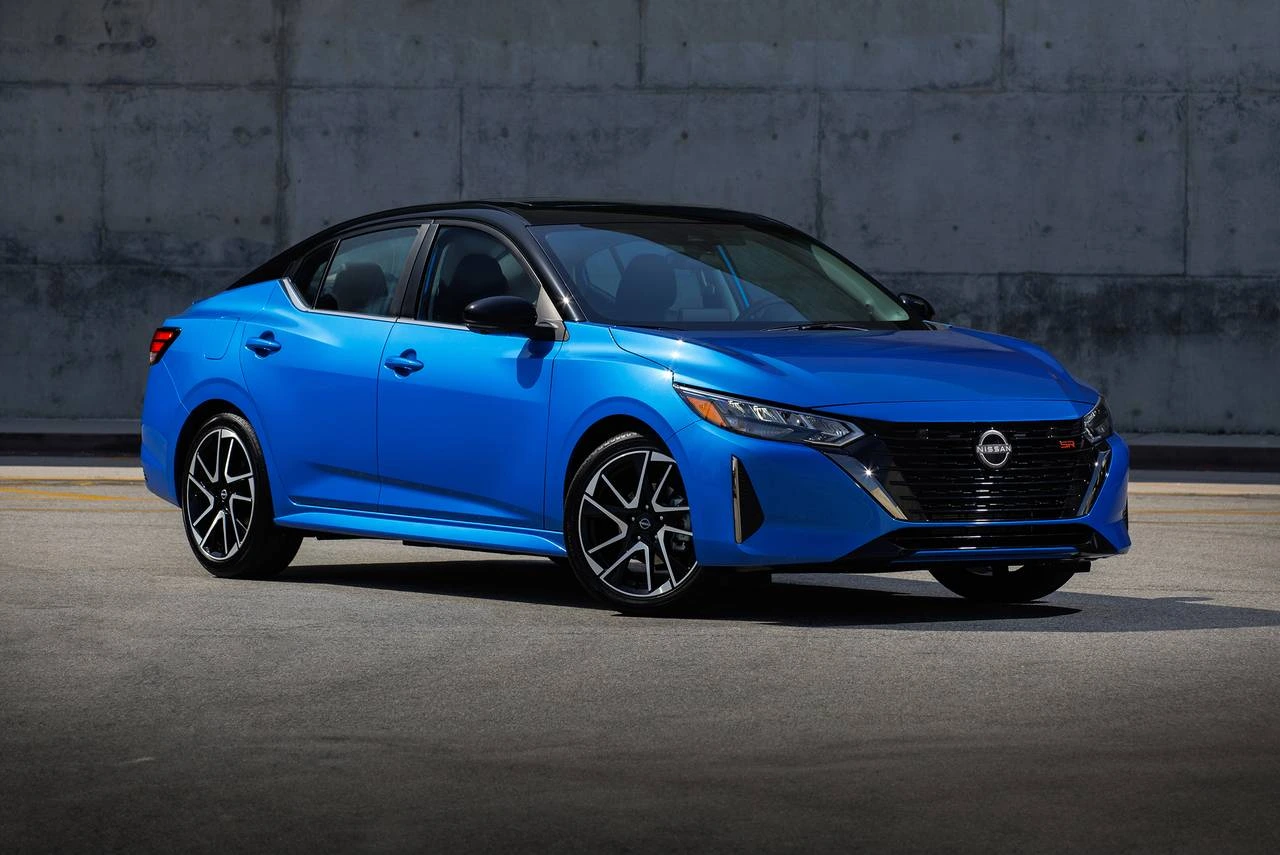
4. Nissan
Warranty Coverage: 36 months or 36,000 miles basic warranty, 60 months or 60,000 miles powertrain warranty
Nissan ranks higher on this list because its basic warranty remains closer to the traditional industry minimum. The brand provides three years or 36,000 miles of basic coverage, along with five years or 60,000 miles of powertrain protection.
While the powertrain warranty is competitive, the bumper-to-bumper coverage period is shorter than many newer warranty programs.
The Nissan basic warranty covers repairs related to defects in materials and workmanship during the first three years or 36,000 miles. This includes many vehicle systems and components, excluding normal wear items and maintenance-related replacements. After this period ends, owners become responsible for most repairs outside the powertrain warranty.
The longer powertrain coverage helps protect major mechanical components, including the engine and transmission, for five years or 60,000 miles. This provides valuable protection because major drivetrain repairs can be among the most expensive vehicle expenses. However, many smaller components are only covered during the shorter basic warranty period.
Nissan offers a wide range of vehicles, including sedans, SUVs, and trucks. Because the company serves a broad customer base, warranty coverage plays an important role in ownership costs. Drivers who keep vehicles beyond three years may experience a period where many non-powertrain components are no longer covered.
Compared with competitors offering longer basic warranties, Nissan provides less protection. The warranty may be sufficient for buyers who trade vehicles regularly, but long-term owners should consider maintenance planning and potential repair expenses after the first 36 months.
Nissan ranks near the middle of this list because its powertrain warranty improves its protection, but its basic warranty remains one of the shorter options among modern automakers.
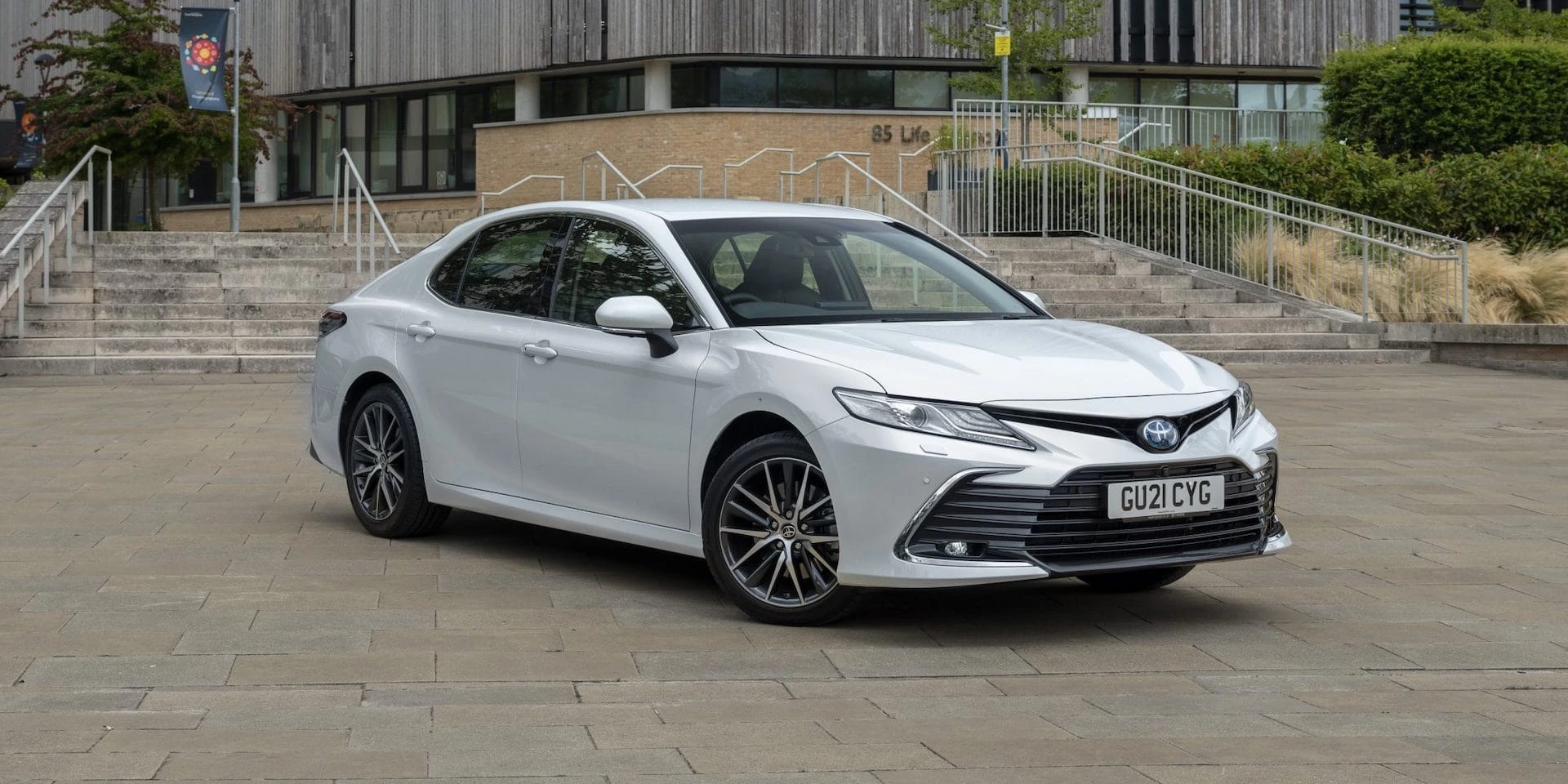
3. Toyota
Warranty Coverage: 36 months or 36,000 miles basic warranty, 60 months or 60,000 miles powertrain warranty
Toyota is widely recognized for reliability and long-term durability, but its standard factory warranty is relatively short compared with some competitors. The company provides a three-year or 36,000-mile basic warranty and a five-year or 60,000-mile powertrain warranty for many vehicles.
Toyota’s warranty coverage protects owners against manufacturing defects during the early ownership period. The powertrain warranty covers major mechanical components, providing additional security for important systems such as the engine, transmission, and drivetrain. However, the basic warranty expires after only three years or 36,000 miles.
Toyota’s reputation for reliability means many buyers continue purchasing the brand despite its shorter warranty. Many Toyota owners keep vehicles for well over 100,000 miles because of the company’s strong durability record. However, warranty length remains an important consideration because reliability does not eliminate the possibility of unexpected repairs.
The company’s vehicles often maintain strong resale values because buyers trust their long-term performance. This reduces some concerns about shorter warranty coverage because Toyota vehicles typically remain desirable even after factory protection ends.
Still, compared with brands offering longer bumper-to-bumper warranties, Toyota provides fewer years of included protection. Customers buying expensive models or advanced hybrid vehicles may expect more comprehensive coverage.
Toyota ranks among the brands with shorter warranties because its warranty strategy relies more on reputation and reliability than extended factory coverage.
2. Honda
Warranty Coverage: 36 months or 36,000 miles basic warranty, 60 months or 60,000 miles powertrain warranty
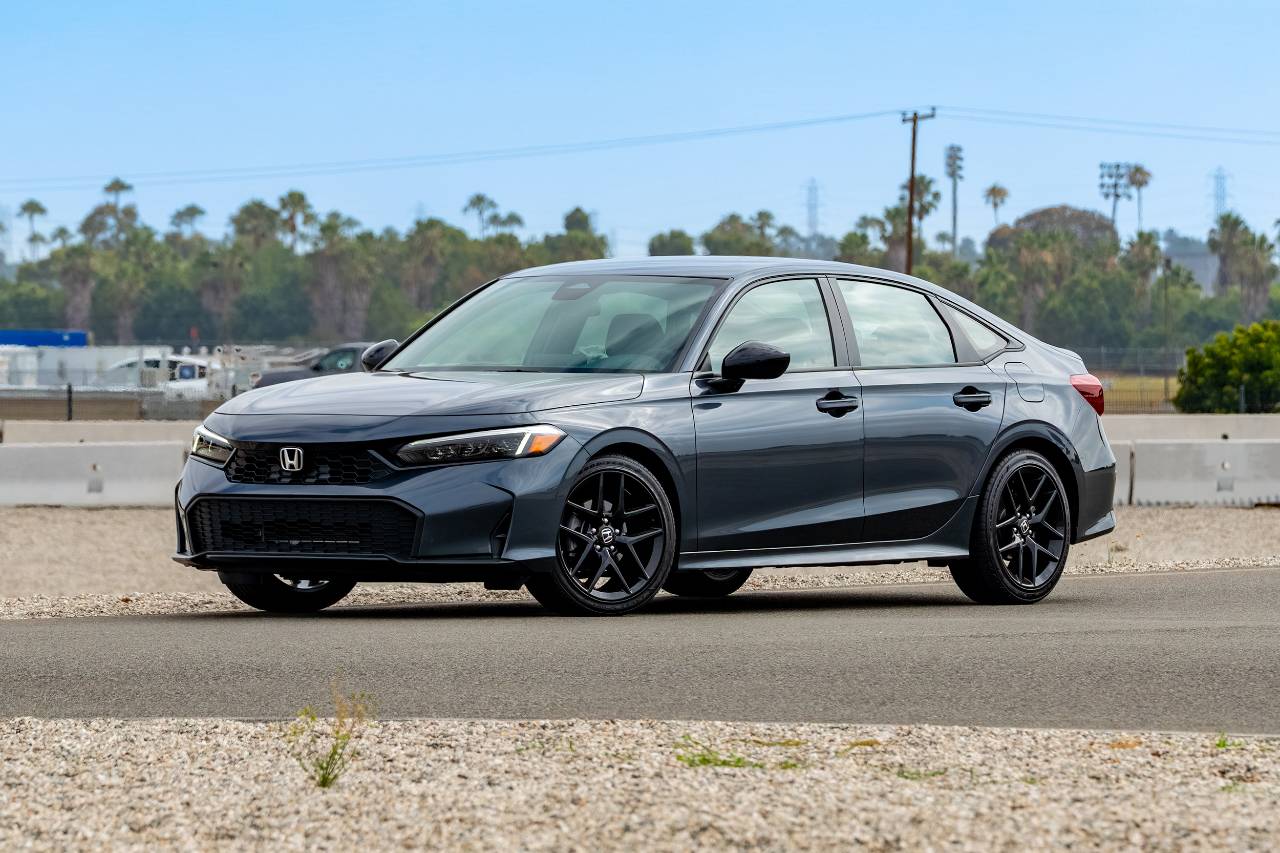
Honda remains one of the most recognized automotive brands in the United States, known for producing practical, efficient, and dependable vehicles. However, when warranty length is compared with many competitors in the 2026 market, Honda offers one of the shorter standard coverage packages.
The brand provides a basic warranty lasting 36 months or 36,000 miles and a powertrain warranty lasting 60 months or 60,000 miles. While these figures match the traditional industry standard, they are shorter than the coverage offered by several manufacturers that use longer warranties as a major selling point.
The Honda limited warranty covers defects in materials and workmanship during the first three years or 36,000 miles of ownership. This protection applies to many factory-installed components, helping owners avoid unexpected repair costs caused by manufacturing problems.
However, once the basic warranty period ends, owners are responsible for repairs involving most vehicle systems, including many electronic and convenience features.
Honda’s powertrain warranty provides additional coverage for major mechanical components. Engine, transmission, and drivetrain-related repairs remain covered for five years or 60,000 miles.
This longer powertrain coverage offers valuable protection because these components are among the most expensive parts of any vehicle. However, many modern vehicles contain increasingly complex electronics, sensors, infotainment systems, and driver assistance technology that fall outside powertrain coverage.
The shorter basic warranty may be surprising to some buyers because Honda has built a reputation for producing long-lasting vehicles. Models such as the Accord, Civic, CR-V, and Pilot have developed strong followings because of their reliability, fuel efficiency, and resale value.
Many Honda owners keep their vehicles for many years, meaning they often spend a significant amount of time owning the vehicle after factory coverage expires.
For customers who plan to lease or replace their vehicles every few years, Honda’s warranty may provide adequate protection. However, buyers who intend to keep a vehicle for a decade or longer should consider potential repair costs after the first 36 months. Honda’s strong reliability record can reduce the likelihood of major problems, but warranty coverage remains an important financial consideration.
Honda ranks as the second shortest warranty provider on this list because its standard protection follows the traditional three-year/36,000-mile format. The company competes through reliability, efficiency, and ownership value rather than offering one of the longest factory warranties in the automotive industry.
1. Mazda
Warranty Coverage: 36 months or 36,000 miles basic warranty, 60 months or 60,000 miles powertrain warranty
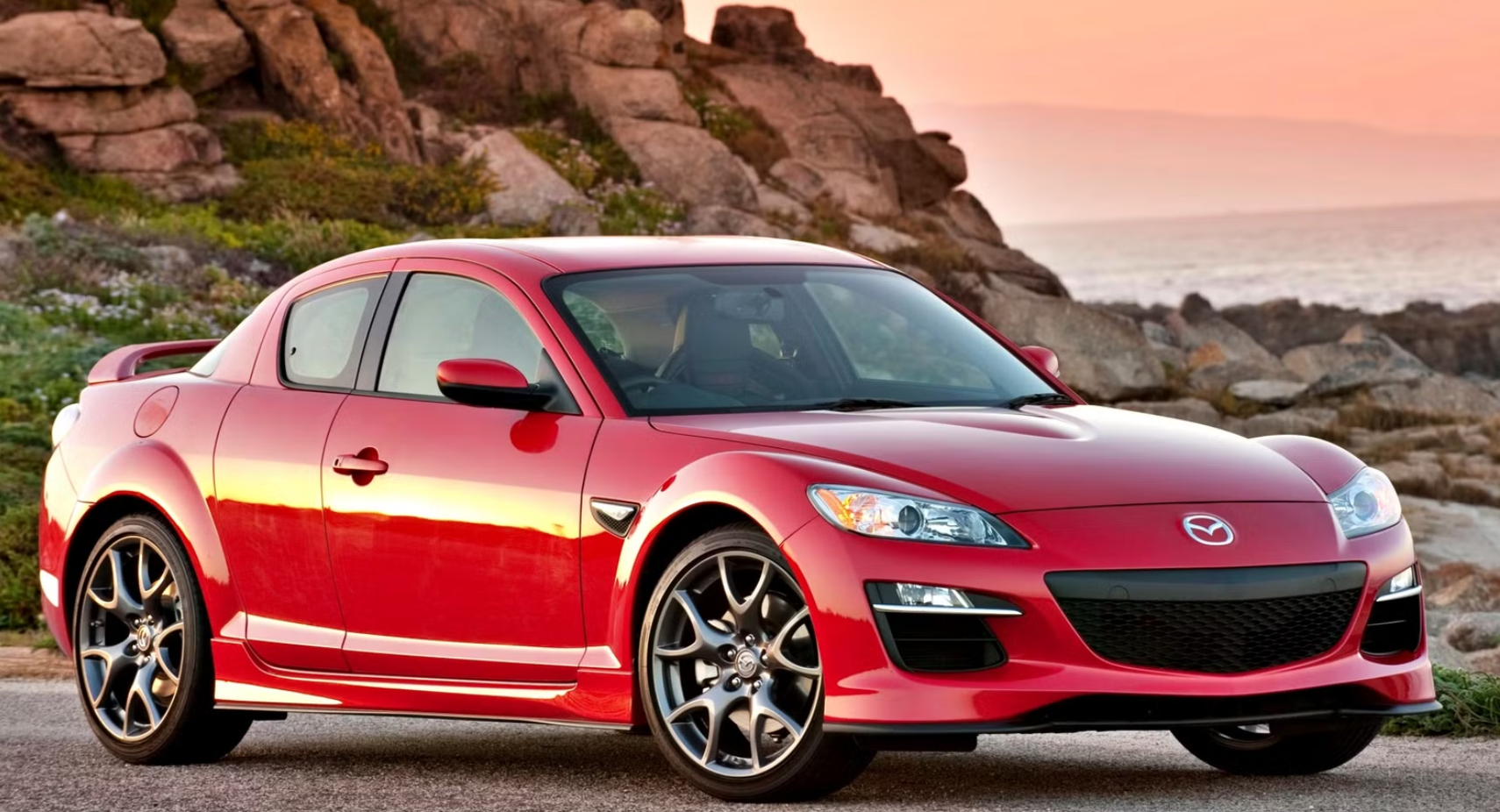
Mazda ranks first on this list because its standard warranty coverage remains among the shortest available from major vehicle manufacturers in the United States. For 2026 models, Mazda provides a basic warranty lasting 36 months or 36,000 miles and a powertrain warranty lasting 60 months or 60,000 miles.
These numbers represent the traditional minimum coverage structure that many manufacturers have moved beyond as longer warranty programs become increasingly common.
The Mazda new vehicle limited warranty covers defects in materials and workmanship during the first three years or 36,000 miles. During this period, owners receive protection for many factory-installed vehicle components.
However, after reaching either the 36-month or 36,000-mile limit, most vehicle systems are no longer covered under the basic warranty, leaving owners responsible for repair expenses.
Mazda vehicles are known for their engaging driving experience, stylish designs, efficient engines, and high-quality interiors. The company has developed a reputation for creating vehicles that feel more premium than their price range suggests. However, warranty duration remains an area where Mazda does not stand out compared with competitors offering longer basic coverage.
The five-year or 60,000-mile powertrain warranty provides protection for major mechanical components, which helps reduce concerns about expensive engine or transmission repairs. However, modern vehicles depend heavily on technology, electronics, and safety systems. These components may become costly to repair after the shorter basic warranty expires.
Mazda’s shorter warranty does not necessarily indicate poor vehicle quality. Many Mazda models have earned positive reputations among owners and automotive experts for reliability and driving enjoyment.
However, warranty rankings are based on factory coverage length, and Mazda provides fewer years of included protection compared with manufacturers that offer four-year, five-year, or longer basic warranties.
For buyers planning to keep a Mazda for many years, maintenance habits and ownership costs become especially important. Regular servicing, proper care, and attention to potential issues can help reduce expenses after warranty expiration. Some customers may also consider extended warranty options for additional protection.
Mazda earns the number one position in this ranking because its basic warranty remains limited compared with many modern competitors. The company focuses on vehicle design, driving experience, and engineering quality rather than competing through the longest warranty coverage.
