
Automakers are increasingly reviving familiar nameplates as they transition toward electrification. Rather than introducing entirely new model names, many manufacturers are bringing back discontinued vehicles with hybrid or fully electric powertrains that reflect today’s emissions regulations, consumer demand, and advancing battery technology.
These revived models combine the recognition of well-known badges with modern engineering, offering buyers a blend of nostalgia and contemporary performance.
For American consumers, these returns are more than marketing exercises. Several manufacturers have officially confirmed plans to reintroduce discontinued models for the U.S. market, while others have already launched them with hybrid or electric drivetrains.
In many cases, the revived vehicles share little mechanically with their predecessors, instead riding on dedicated EV platforms or updated architectures designed to improve efficiency, safety, and driving range.
This article focuses only on discontinued cars whose return as a hybrid or EV has been officially announced or has already entered production for the United States. Information is based on manufacturer announcements, production specifications, and verified automotive industry reporting.
Speculation and unconfirmed rumors have been excluded to ensure accuracy. While these vehicles carry familiar names, each represents a fresh chapter shaped by changing technology and the industry’s shift toward electrification.
Also Read: 10 Heaviest Pickup Trucks Ever Built – Ranked by Weight
1. Volkswagen ID. Buzz (Electric) | Revival of the Volkswagen Microbus
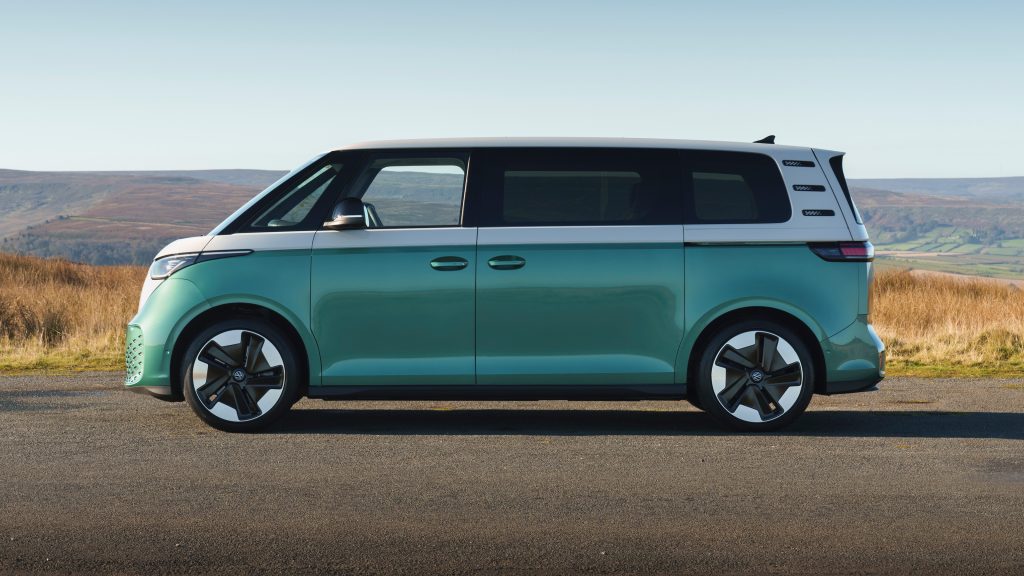
Few discontinued vehicles have generated as much anticipation as the return of Volkswagen’s iconic Microbus. Originally sold in the United States for decades before disappearing from the lineup, the beloved people mover has returned in an entirely different form as the all-electric Volkswagen ID. Buzz.
Rather than attempting to recreate the original mechanically, Volkswagen designed the new model on its dedicated MEB electric platform while preserving many styling cues that made the classic bus instantly recognizable.
The American version differs substantially from the European model. It features a longer wheelbase, three rows of seating, and dimensions tailored to family buyers in the United States.
This approach allows the ID. The Buzz competes with modern SUVs and minivans while delivering the zero tailpipe emissions expected from a contemporary electric vehicle. Inside, digital displays, advanced driver assistance systems, and flexible seating arrangements replace the minimalist cabin of the original bus.
Performance also reflects how dramatically automotive technology has changed. Dual-motor all-wheel-drive versions provide strong acceleration, while the battery pack supports a competitive driving range suitable for daily commuting and family travel. Fast charging capability further enhances practicality for longer trips.
Volkswagen has positioned the ID.4 as more than a nostalgic tribute. It represents the company’s strategy to expand its electric portfolio while reconnecting with one of its most recognizable American nameplates.
By combining historic design inspiration with modern EV engineering, the ID. Buzz successfully transforms a discontinued classic into a practical vehicle for today’s market.
Specifications
- Engine: Dual permanent-magnet electric motors
- Torque: 413 lb-ft
- Horsepower: 335 hp
- Length/Width: 195.4 inches / 78.1 inches
2. Acura RSX (Electric)
The Acura RSX developed a loyal following in the United States before production ended after the 2006 model year. Known for its sporty handling and high-revving engines, it became one of Acura’s most recognizable compact performance cars.
Nearly two decades later, Acura has officially confirmed that the RSX name will return, although its mission has changed completely. Instead of returning as a gasoline-powered coupe, the new RSX will debut as an all-electric crossover built on Honda’s next-generation EV platform.
This decision reflects changing consumer preferences. Crossovers account for a much larger share of the American market than compact coupes, making the revived RSX a more commercially viable product.
Acura has stated that the vehicle will incorporate its latest electric architecture, advanced software systems, and next-generation battery technology while retaining a sport-oriented character worthy of the RSX badge.
Although final production specifications have not yet been released, Acura has confirmed that the RSX will be manufactured in North America as part of the brand’s expanding electric vehicle strategy.
The model is expected to feature rapid charging capability, updated driver assistance technology, and performance characteristics that distinguish it from mainstream Honda electric vehicles.
The revived RSX demonstrates how manufacturers are adapting well-known names to fit a changing industry.
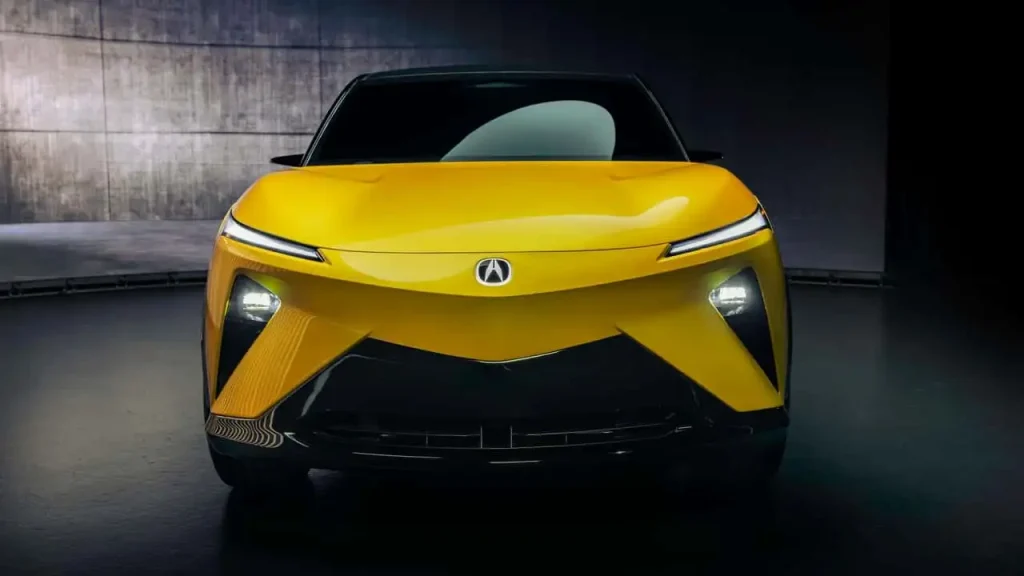
While longtime enthusiasts may remember the original two-door coupe, the electric crossover aims to introduce the RSX identity to a new generation of buyers seeking premium electric transportation. Its return marks one of the most significant officially confirmed nameplate revivals in Acura’s recent history.
Specifications (The manufacturer has not yet released final production figures.)
- Engine: Dual electric motors (expected production configuration)
- Torque: Not officially announced
- Horsepower: Not officially announced
- Length/Width: Not officially announced
3. Honda Prelude (Hybrid)
The Honda Prelude disappeared from the U.S. market after the 2001 model year, ending a production run that had established it as one of Honda’s best-known sporty coupes. After more than two decades away, Honda has officially confirmed the Prelude’s return, this time powered by a hybrid drivetrain.
Unlike the high-revving gasoline engines that defined earlier generations, the new model adopts Honda’s latest two-motor hybrid technology while maintaining the sleek coupe profile that made the original popular.
Honda has made it clear that the revived Prelude is intended to bridge the gap between efficiency and driver engagement.
Engineers have also introduced a new electronic control system called S+ Shift, which is designed to simulate the responsive feel of gear changes even though the hybrid system operates differently from a conventional manual or automatic transmission.
This feature demonstrates Honda’s effort to preserve the Prelude’s sporting character while embracing electrification.
The return comes at a time when affordable performance coupes have become increasingly rare in the American market. By pairing a recognizable name with proven hybrid technology, Honda hopes to attract both longtime enthusiasts and younger buyers looking for a stylish daily driver with lower fuel consumption than traditional sports cars.
Although U.S. pricing and complete specifications have not yet been released, Honda has confirmed that the Prelude will be sold in North America.
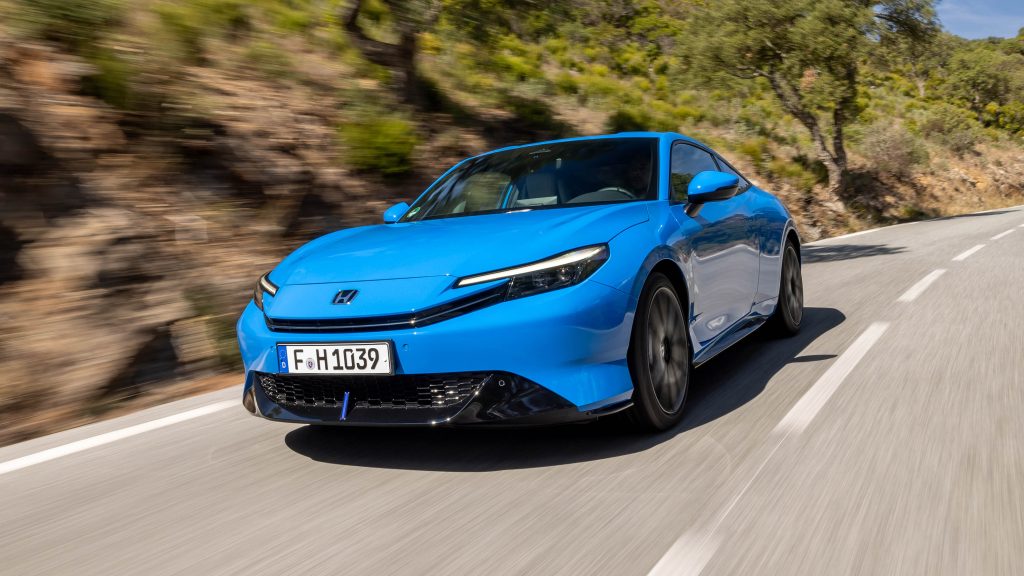
It represents one of the few discontinued performance coupes returning with an electrified powertrain rather than a conventional gasoline engine. Its comeback signals that hybrid technology can still deliver an engaging driving experience without sacrificing efficiency.
Specifications (The manufacturer has not yet published complete U.S. production specifications.)
- Engine: 2.0-liter inline four-cylinder hybrid system
- Torque: Not officially announced
- Horsepower: Not officially announced
- Length/Width: Not officially announced
4. Dodge Charger (Electric)
The previous-generation Dodge Charger concluded production in 2023, bringing an end to one of America’s most recognizable full-size performance sedans powered by HEMI V8 engines.
Rather than allowing the nameplate to disappear, Dodge officially revived the Charger as an all-electric muscle car while also planning gasoline-powered Hurricane inline six variants. The electric version became the headline model, marking one of the industry’s most dramatic transitions from internal combustion to battery power.
Built on Stellantis’ STLA Large platform, the new Charger Daytona EV retains the bold proportions expected from the historic nameplate while introducing dual electric motors, standard all-wheel drive, and rapid acceleration.
Dodge also developed a Fratzonic Chambered Exhaust system that generates a distinctive performance sound, acknowledging that many muscle car buyers value the emotional experience as much as straight-line speed.
The revived Charger demonstrates how a legendary performance badge can evolve without abandoning its identity. Instant electric torque delivers acceleration that rivals or exceeds that of many of the outgoing V8 models, while modern battery technology allows the vehicle to serve as both a daily driver and a high-performance coupe.
Advanced digital displays, updated safety technology, and over-the-air software capability further separate it from earlier generations.
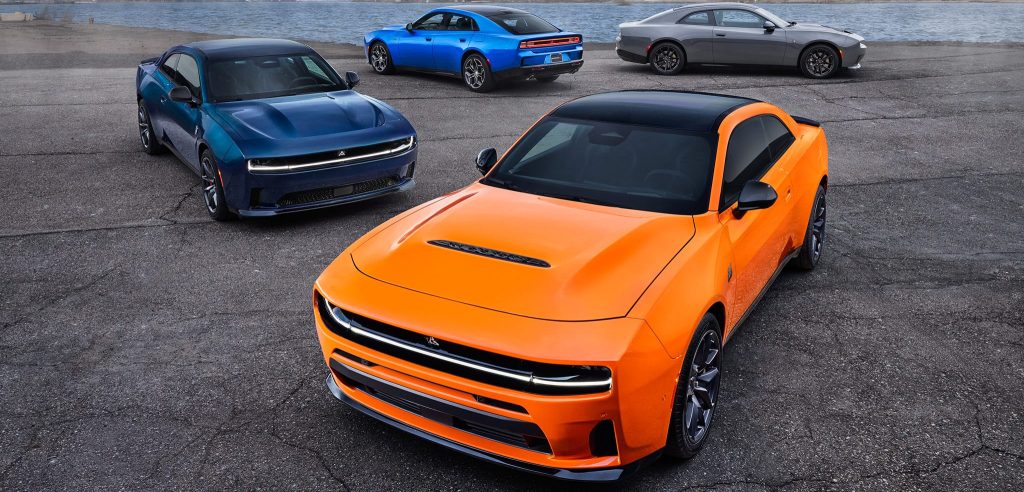
This transformation generated considerable discussion among enthusiasts, yet it also reflects the direction of the American automotive industry.
Dodge chose to preserve one of its most famous nameplates instead of replacing it with an unfamiliar model, ensuring the Charger continues into the electric era with unmistakable styling and modern performance credentials.
Specifications
- Engine: Dual permanent-magnet electric motors
- Torque: 627 lb-ft
- Horsepower: 670 hp (Daytona Scat Pack)
- Length/Width: 206.6 inches / 79.8 inches
5. Jeep Cherokee (Hybrid)
The Jeep Cherokee ended production for the U.S. market after the 2023 model year, creating a noticeable gap between the smaller Compass and the larger Grand Cherokee. Jeep did not intend for that absence to be permanent.
The company has officially confirmed that the Cherokee nameplate will return, and the next generation will include a hybrid powertrain as part of Jeep’s expanding electrification strategy.
Unlike the outgoing model, which relied exclusively on gasoline engines, the revived Cherokee is being engineered with efficiency playing a much larger role. Jeep has stated that the new vehicle will be positioned to meet growing demand for electrified SUVs while continuing to deliver the capability expected from the brand.
It will occupy the same highly competitive compact SUV segment but with updated technology, improved fuel economy, and modern safety systems.
The decision to revive the Cherokee name reflects its long history in the American market. Since its introduction decades ago, the Cherokee has become one of Jeep’s most recognizable products.
Rather than replacing it with an unfamiliar badge, Jeep chose to modernize the model for today’s buyers. The hybrid powertrain is expected to improve both city fuel economy and low-speed torque, making it well-suited for commuting as well as light off-road driving.
Production will take place on Stellantis’ new STLA Large architecture, providing greater flexibility for electrified powertrains and future technology upgrades.
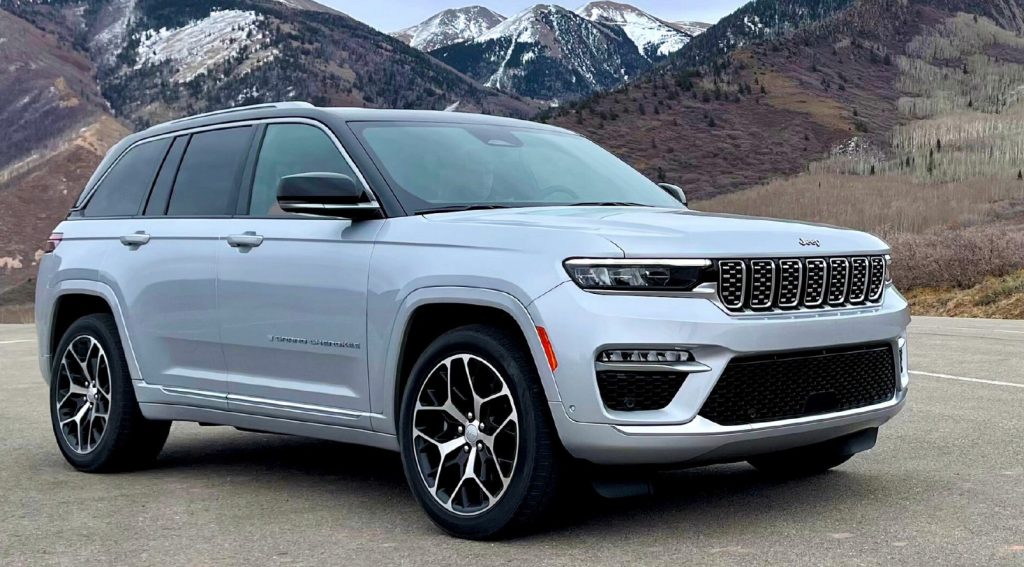
Although complete specifications have not yet been released, Jeep has confirmed the return of the Cherokee, making it one of the most significant discontinued SUVs to reappear with hybrid technology.
Its comeback represents another example of how established American nameplates are adapting to changing emissions standards and consumer expectations.
Specifications (The manufacturer has not yet released final U.S. production specifications.)
- Engine: Hybrid powertrain (officially confirmed)
- Torque: Not officially announced
- Horsepower: Not officially announced
- Length/Width: Not officially announced
6. Ford Capri (Electric)
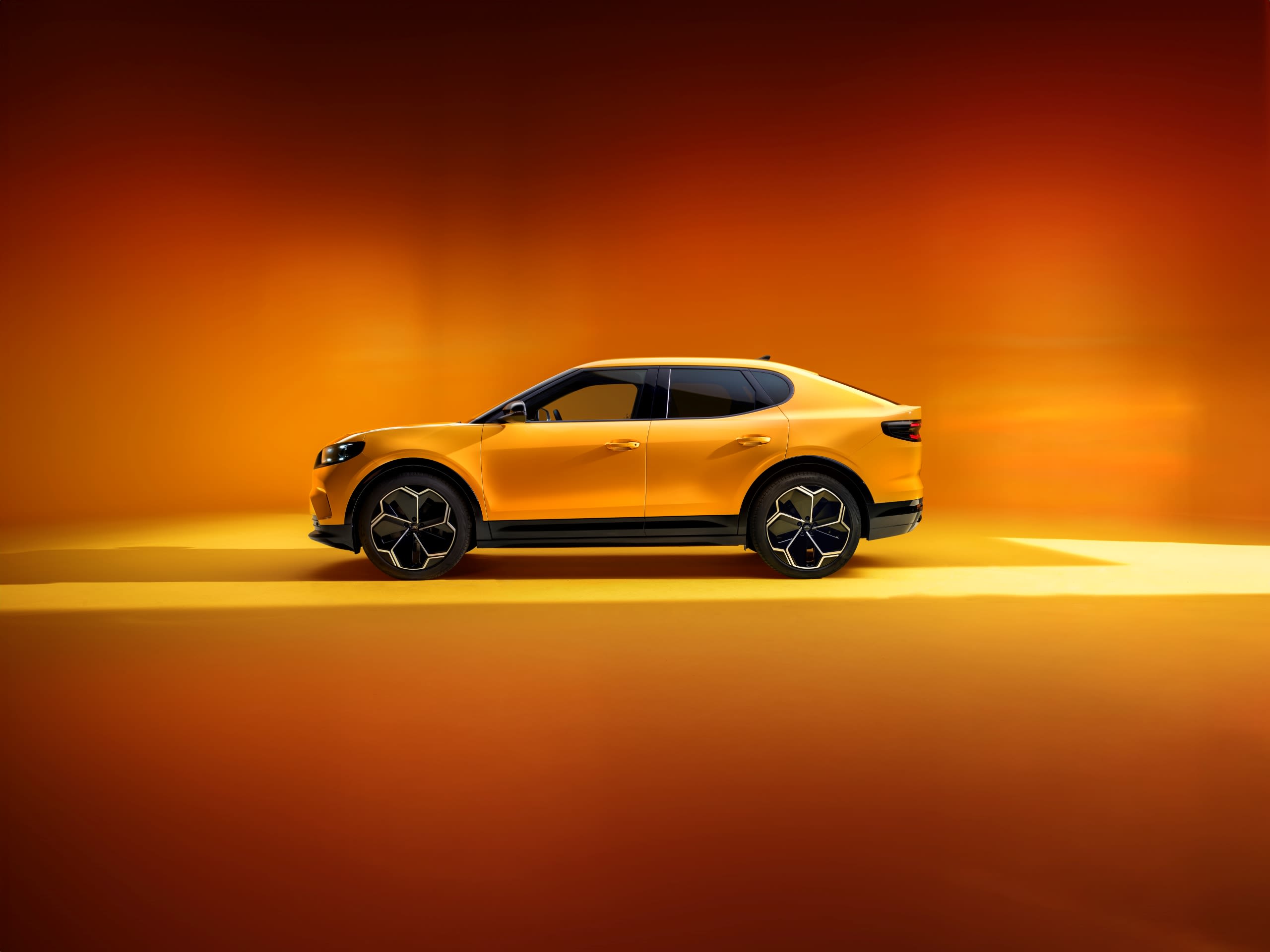
For many enthusiasts, the Ford Capri remains one of the company’s most memorable sporty coupes, even though it was never a high-volume seller in the United States. After years of absence, Ford has officially revived the Capri name as a fully electric vehicle.
While the new model is currently aimed at Europe, it represents one of the automotive industry’s clearest examples of a discontinued performance badge returning as an EV, illustrating Ford’s broader global electrification strategy.
Instead of recreating the original two-door coupe, Ford transformed the Capri into a sleek electric crossover built on Volkswagen Group’s MEB platform.
This decision reflects changing consumer demand, where crossover utility vehicles significantly outsell traditional coupes. Although the body style has changed dramatically, Ford intentionally retained the Capri name to capitalize on its heritage and enthusiast recognition.
The new Capri incorporates modern battery technology, rapid DC fast charging capability, advanced driver assistance systems, and a spacious interior that would have been unimaginable in the original model.
Dual motor versions provide strong acceleration, while rear-wheel drive variants emphasize efficiency and driving range. These characteristics demonstrate how much the automotive landscape has evolved since the Capri’s first production run.
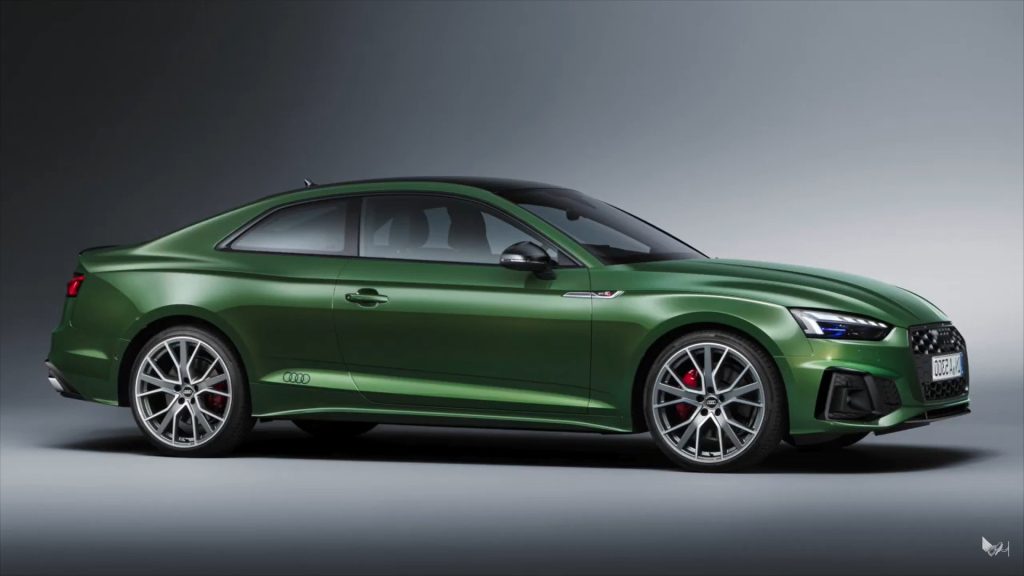
Although Ford has not announced plans to sell the electric Capri in the United States, the model remains an officially confirmed revival of a discontinued nameplate as an EV.
It highlights the growing industry trend of pairing recognizable historic badges with electric platforms rather than creating entirely new identities for next-generation vehicles.
Specifications
- Engine: Dual electric motors (AWD variant)
- Torque: 501 lb-ft
- Horsepower: 335 hp
- Length/Width: 182.8 inches / 74.7 inches
7. Nissan Leaf (Electric)
The Nissan Leaf occupies a unique place on this list because it is returning in an entirely different form. The original Leaf, introduced to American buyers in 2010, became one of the first mass-market electric vehicles in the United States.
After years as a compact hatchback, Nissan discontinued that body style for the U.S. market and officially confirmed that the next-generation Leaf would return as an all-electric crossover. The name remains the same, but the vehicle has been completely reimagined to better match today’s consumer preferences.
Nissan developed the new Leaf using the CMF-EV platform, the same dedicated electric architecture that underpins the Ariya. This allows engineers to package a larger battery, improve interior space, and deliver a greater driving range than the outgoing model.
The crossover design also places the Leaf in one of America’s fastest-growing vehicle segments, giving Nissan a stronger opportunity to compete against newer electric SUVs.
Aerodynamic efficiency remains a central focus despite the taller body. A streamlined roofline, flush exterior details, and updated battery management systems are intended to maximize range while maintaining everyday practicality.
Nissan has also integrated the latest infotainment technology, advanced driver assistance features, and compatibility with the North American Charging Standard, making public charging more convenient for U.S. owners.
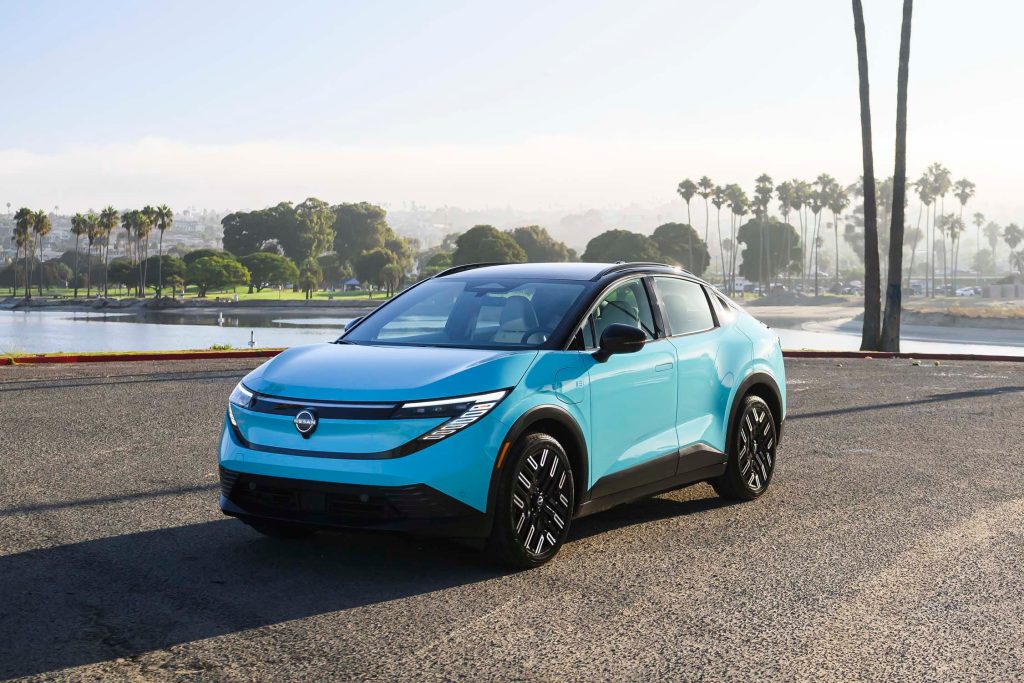
The new Leaf demonstrates how an established electric nameplate can evolve without abandoning its identity.
Rather than replacing the badge with a new product name, Nissan chose to build upon more than a decade of EV recognition while adapting the vehicle to changing customer expectations. The result is a familiar model prepared for the next phase of electric mobility.
Specifications (Final U.S. production specifications are still being released.)
- Engine: Single electric motor
- Torque: Not officially announced
- Horsepower: Not officially announced
- Length/Width: Not officially announced
8. Scout Traveler (Electric and Extended Range Electric)
Although Scout was originally an independent brand rather than a single model, the Scout Traveler disappeared from the American market decades ago when International Harvester ended Scout production in 1980.
Volkswagen Group has officially revived the Scout brand, bringing back the Traveler name as a modern SUV designed specifically for the United States.
Unlike the original gasoline-powered off-roader, the new Traveler will be offered as a fully electric vehicle, with an optional extended-range electric version that uses a gasoline engine solely as a generator to recharge the battery.
The revived Traveler is being engineered from the ground up on a dedicated body-on-frame platform developed for electric trucks and SUVs. This architecture is intended to deliver impressive off-road capability while providing the instant torque associated with electric motors.
Scout has announced features such as solid rear axle construction, substantial ground clearance, generous towing capability, and rugged styling that pays tribute to the classic vehicle without copying it directly.
Production is scheduled to take place in South Carolina, emphasizing Scout’s focus on the American market. The company expects the Traveler to compete with electric adventure vehicles while maintaining the practical character that made the original Scout popular among outdoor enthusiasts.
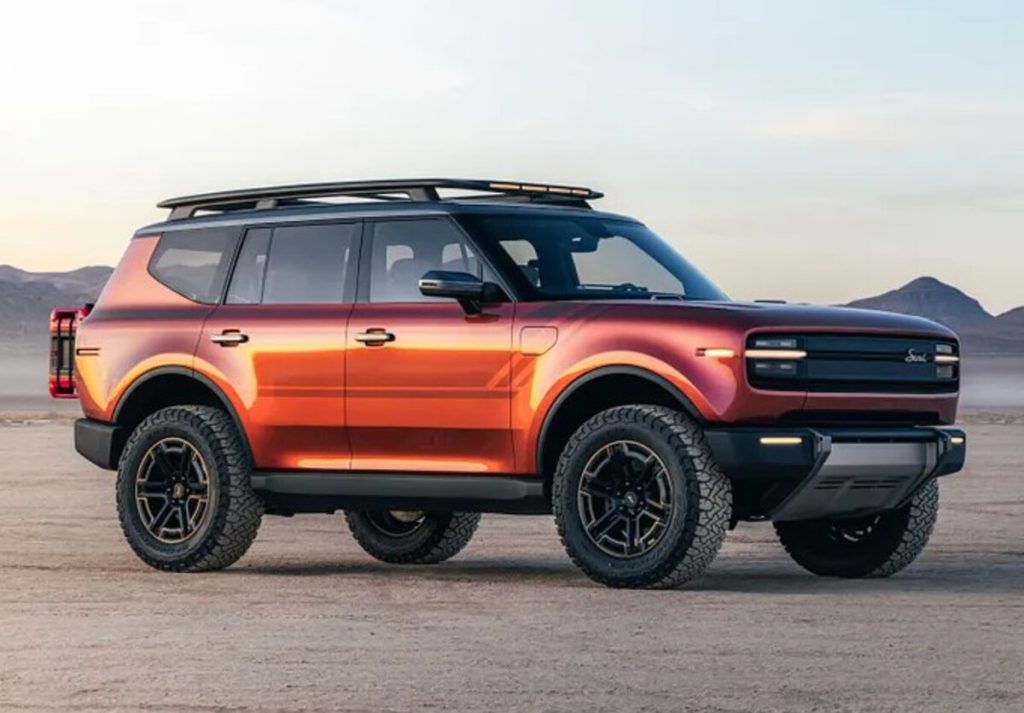
Modern software, advanced safety systems, and fast charging capability will complement its traditional utility-focused design.
The Traveler’s return represents one of the most ambitious revivals in recent automotive history. Instead of simply reviving a historic badge, Scout is rebuilding an entire American brand around electrification while preserving the adventurous spirit that defined the original vehicles.
Specifications (Preproduction figures announced by Scout Motors.)
- Engine: Dual electric motors or extended-range electric powertrain
- Torque: Approximately 1,000 lb-ft (target)
- Horsepower: Approximately 1,000 hp (target)
- Length/Width: Not officially announced
Also Read: 8 SUVs That Keep More Than Half Their Value After Six Years
