
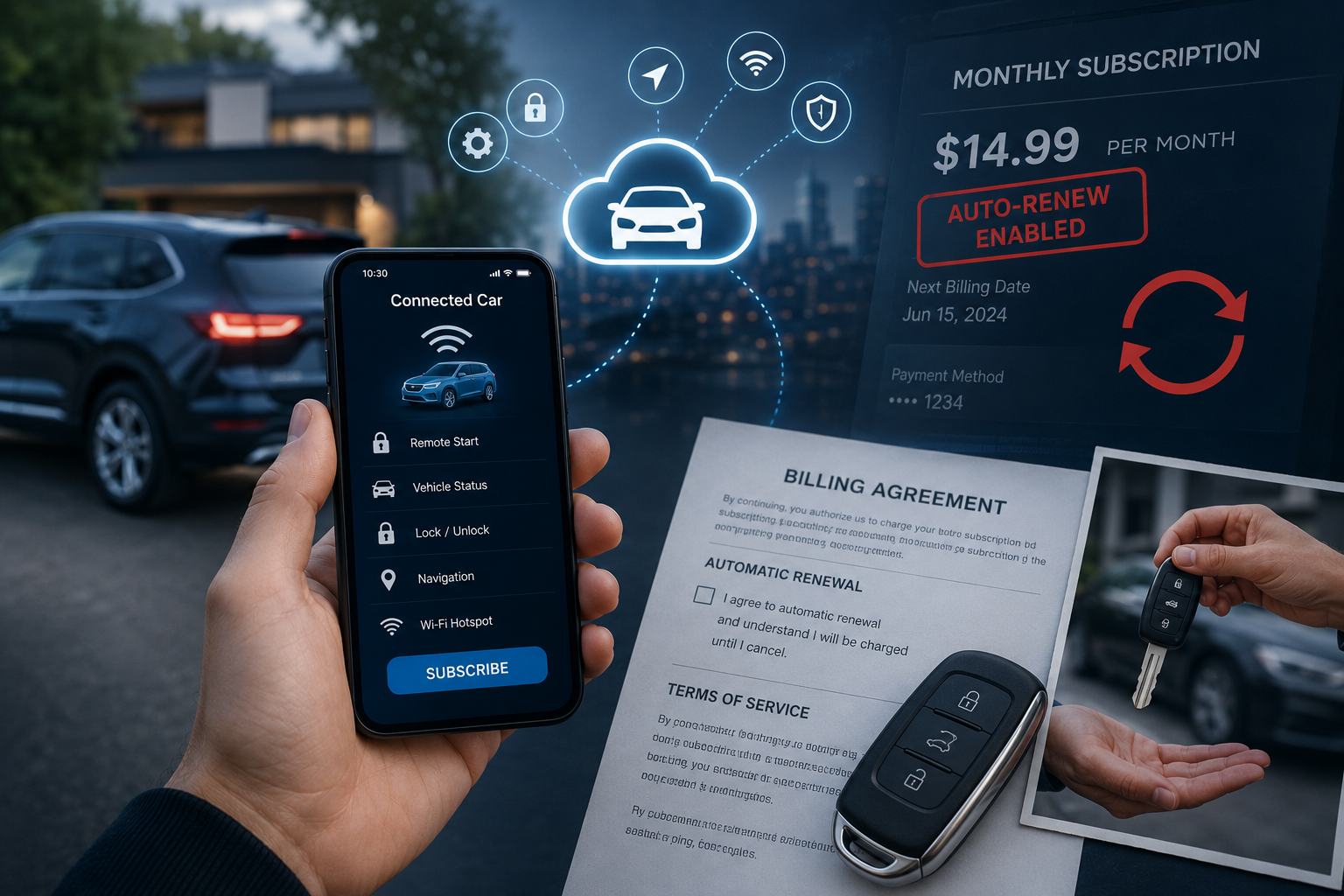
Modern vehicles are increasingly connected to cloud-based services that provide remote access, navigation assistance, emergency support, vehicle diagnostics, Wi-Fi connectivity, and smartphone integration.
These subscriptions can make ownership more convenient, allowing drivers to start their vehicles remotely, locate them through a mobile app, receive maintenance alerts, or contact emergency services at the press of a button.
Many of these features begin with complimentary trial periods before converting into paid subscriptions that renew automatically unless the account holder cancels them.
One detail that many owners overlook is that these subscriptions are usually linked to the owner’s online account or payment method rather than automatically ending when the vehicle changes hands.
Selling or trading in a vehicle does not necessarily cancel every connected service. If the account remains active, recurring charges may continue until the subscription is terminated or transferred according to the manufacturer’s policies.
This situation has prompted automakers to encourage owners to remove their vehicles from connected accounts and cancel any active plans before completing a sale.
This article highlights eight popular connected-car subscription programs available in the United States that owners should review before selling their vehicles. Every example is based on official manufacturer subscription policies and published customer support information.
Rather than suggesting the services are defective, the goal is to explain why owners should verify account status after selling a vehicle to avoid paying for features they no longer use.
Also Read: 10 Hidden Features in the Lexus RX
1. General Motors OnStar and Connected Services
For nearly three decades, OnStar has been one of the best-known connected vehicle platforms in the United States.
Available across Chevrolet, GMC, Buick, and Cadillac models, the system provides emergency response assistance, automatic crash notification, remote vehicle commands, stolen vehicle assistance, navigation support, vehicle diagnostics, and available in-vehicle Wi-Fi.
Many new General Motors vehicles include complimentary trial periods before owners decide whether to continue with a paid subscription.
A common misconception is that selling the vehicle automatically ends every connected service attached to the owner’s account. General Motors advises customers that subscriptions remain associated with the account holder until they are canceled or transferred.
If an owner simply hands over the keys without reviewing their OnStar account, recurring charges may continue according to the selected billing cycle. This is particularly important for plans that renew automatically using stored payment methods.
The company recommends several steps before transferring ownership. Owners should sign in to their connected services account, remove the vehicle from the account profile, cancel any recurring subscriptions they no longer need, perform a factory reset of infotainment settings where applicable, and delete saved personal information such as navigation destinations and paired smartphones.
Completing these steps helps protect both billing information and personal data. Another consideration involves remote access. If the vehicle remains connected to the previous owner’s account, remote lock, unlock, and vehicle status features may remain accessible until the ownership transfer is completed correctly. Reviewing account settings immediately after selling the vehicle reduces this possibility.
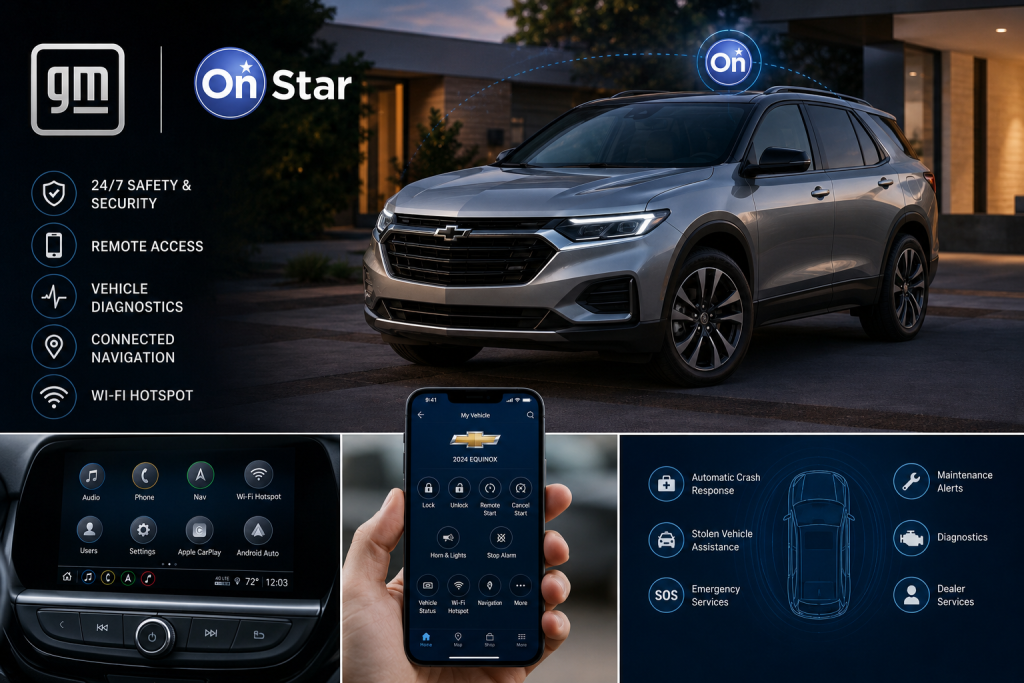
General Motors continues expanding its connected services portfolio, making subscription management increasingly important whenever ownership changes.
2. Toyota Drive Connect and Remote Connect
Toyota has steadily expanded its connected vehicle ecosystem through services such as Drive Connect, Remote Connect, Safety Connect, Service Connect, and Wi-Fi Connect.
Depending on the vehicle and trim level, these subscriptions provide cloud-based navigation, intelligent voice assistance, remote engine start, vehicle location services, maintenance notifications, and emergency assistance.
Most new Toyota models include complimentary trial periods before paid subscriptions become necessary to continue using many connected features.
Toyota explains that these services are managed through the Toyota app and the owner’s online account rather than being canceled automatically when the vehicle is sold.
Owners who trade in or privately sell their vehicle are encouraged to remove it from their Toyota account, delete connected services, erase personal information stored within the infotainment system, and discontinue recurring subscription payments if they no longer intend to use the services.
Failing to complete these steps may result in continued billing if an active subscription remains associated with the owner’s payment method.
The process also protects customer privacy. Navigation history, home addresses, paired smartphones, digital keys, and other personal information may remain stored within the vehicle unless the multimedia system is reset before ownership changes.
Toyota provides instructions for performing these actions through its owner resources and customer support services.
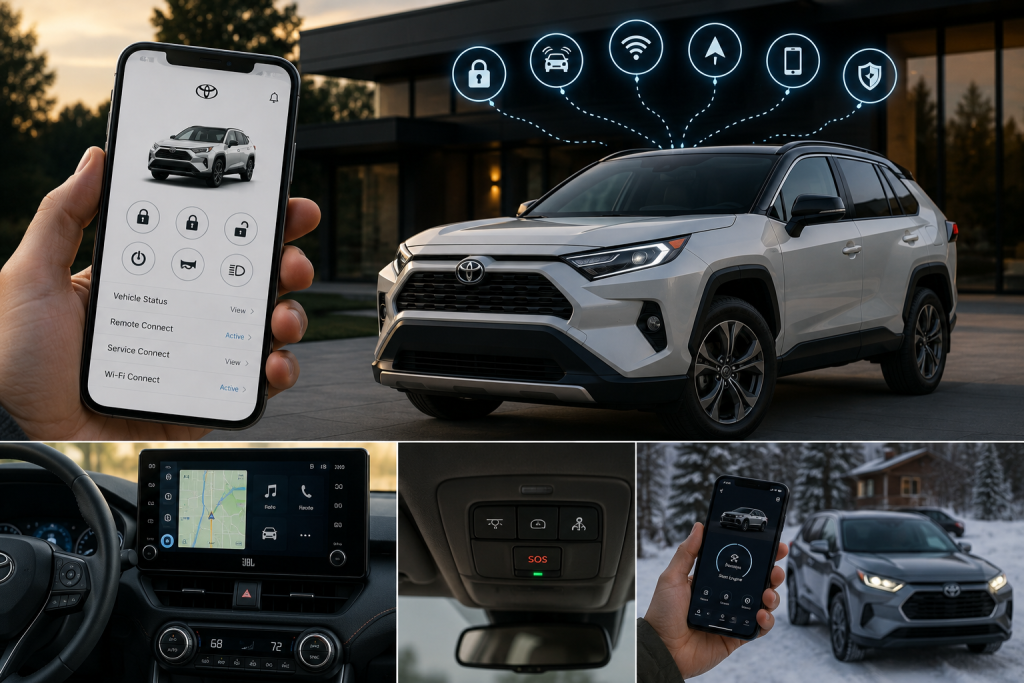
As connected technology becomes standard equipment across much of Toyota’s lineup, subscription management has become an important part of the selling process.
Spending a few minutes reviewing account settings before transferring ownership can prevent unnecessary recurring charges while ensuring that both the seller and the new owner begin with a clean connected services account.
3. Ford BlueCruise and FordPass Connected Services
Ford has significantly expanded its connected vehicle offerings through the FordPass app and subscription-based services such as BlueCruise.
Depending on the model, owners can access remote engine start, door lock and unlock functions, vehicle location, health reports, connected navigation, and hands-free highway driving through BlueCruise.
While many of these services begin with complimentary trial periods, certain features require ongoing subscriptions once the trial expires.
One important detail in Ford’s ownership documentation is that connected services are tied to the customer’s Ford account rather than ending automatically when the vehicle changes ownership.
If an owner sells or trades the vehicle without removing it from the FordPass account or canceling active subscription plans, recurring billing may continue according to the selected payment schedule.
Ford advises owners to remove the vehicle from their digital garage, revoke connected access, and review active subscriptions before completing a sale.
Privacy is another reason this process matters. FordPass stores information such as vehicle location history, maintenance records, charging history for electric vehicles, and remote command access.
Completing a factory reset of the infotainment system and disconnecting the vehicle from the owner’s account helps prevent the next owner from inheriting personal account information while also preventing the previous owner from retaining remote access.
BlueCruise deserves particular attention because it is available through subscription plans on eligible vehicles after introductory access ends. Owners planning to sell their vehicle should verify whether automatic renewal remains active, especially if payment information is stored within the Ford account.
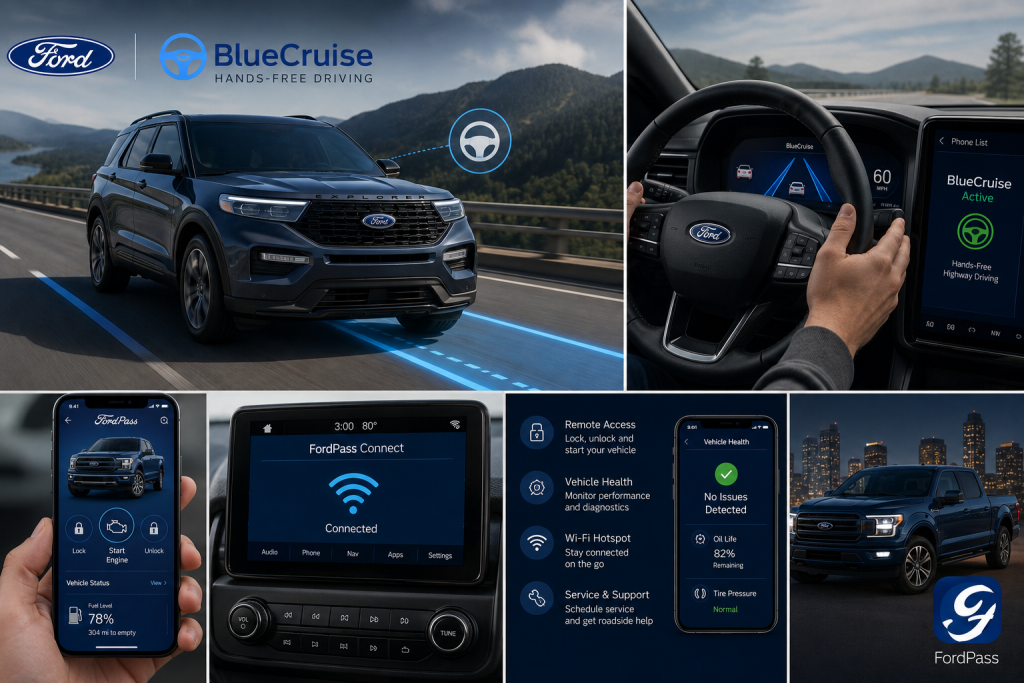
As Ford continues expanding software-based vehicle features, subscription management has become an important final step before transferring ownership. Taking a few minutes to review account settings can eliminate unnecessary charges and ensure that connected services are properly reassigned to the next owner.
4. Hyundai Bluelink
Hyundai’s Bluelink platform gives owners access to a wide collection of connected features that extend well beyond traditional key fobs.
Through the Bluelink mobile application, drivers can remotely start the engine, adjust climate settings, locate the vehicle, receive maintenance reminders, check diagnostic information, and contact emergency assistance when necessary.
Many Hyundai vehicles sold in the United States include complimentary Bluelink access for a specified period before certain services require continued enrollment.
Unlike registration documents, ownership transfers do not automatically cancel every connected account. Hyundai advises owners who are selling or trading their vehicle to deactivate Bluelink services, remove the vehicle from their online account, erase stored personal information, and reset the infotainment system before handing over the keys.
If recurring subscription plans remain active, billing can continue until the account holder completes the cancellation process.
Another reason to review Bluelink settings involves digital privacy. Remote access functions may allow account holders to communicate with the vehicle even after ownership changes if the account is not properly disconnected.
Navigation favorites, home addresses, phone contacts, and connected smartphone profiles should also be removed before the vehicle changes hands.
Hyundai has simplified much of this process through its owner portal and customer support resources, but responsibility ultimately remains with the seller to verify that subscriptions have been terminated or transferred appropriately.
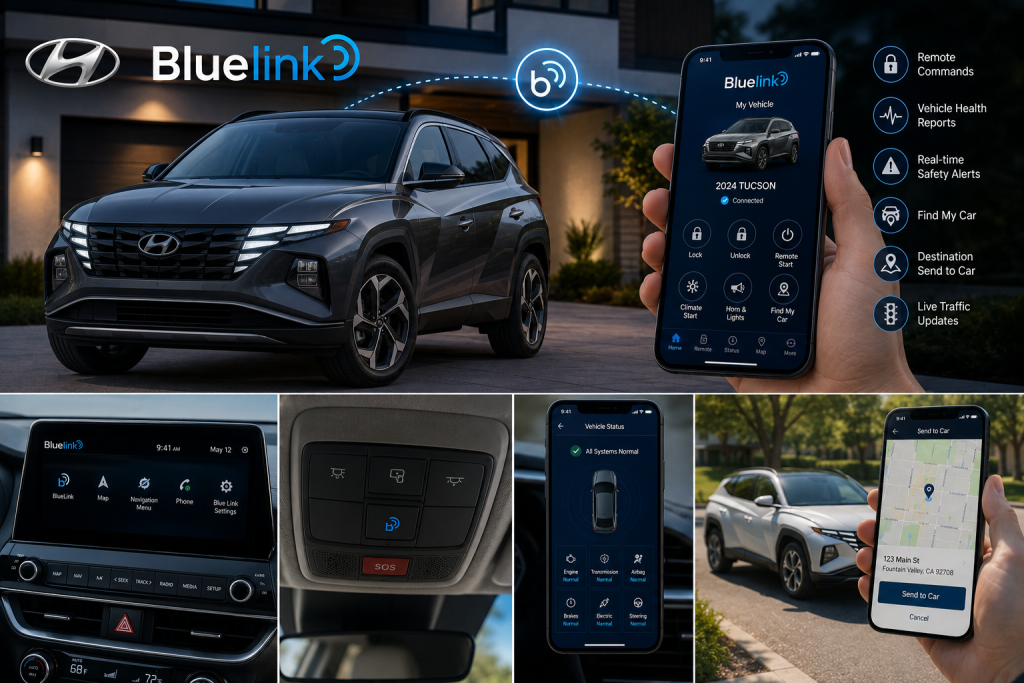
Taking these steps protects payment information while ensuring that the new owner can register the vehicle under a separate Bluelink account without unnecessary complications.
As connected vehicle technology becomes increasingly common, reviewing subscription status has become just as important as signing the title or canceling insurance coverage after a vehicle sale.
5. BMW ConnectedDrive
BMW was among the earliest premium automakers to embrace connected vehicle technology, and its ConnectedDrive platform has grown into one of the industry’s most comprehensive digital ecosystems.
Depending on the vehicle, owners can subscribe to services such as Remote Services, Real-Time Traffic Information, Concierge Services, Digital Key functionality, Remote Software Upgrades, Connected Navigation, and, in certain models, advanced driver assistance features.
Many of these services begin with complimentary access before requiring paid renewal through the customer’s BMW ID account.
One important aspect of BMW’s subscription model is that many connected services are associated with the owner’s BMW ID rather than automatically ending when the vehicle is sold.
BMW advises owners to remove the vehicle from their ConnectedDrive account, cancel applicable subscriptions, and perform a factory reset of the infotainment system before transferring ownership.
If these steps are overlooked, recurring subscription charges may continue according to the selected payment method, while certain remote functions may remain linked to the previous owner’s account.
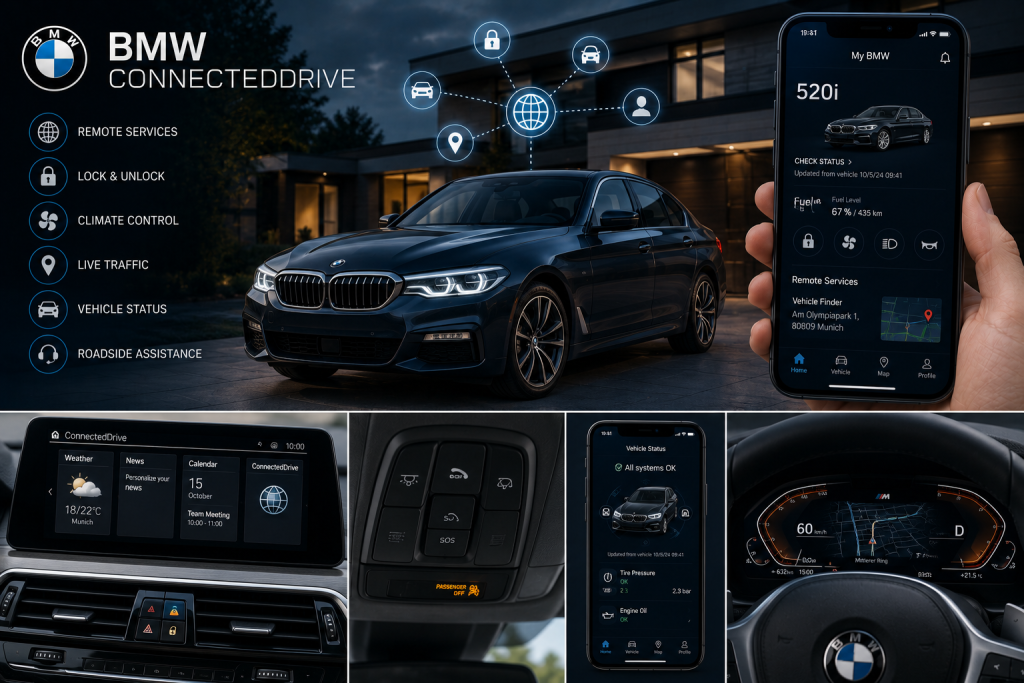
Privacy protection is equally important. BMW’s infotainment system stores navigation destinations, connected smartphones, digital keys, garage door settings, and personal preferences that should be erased before another person takes ownership.
Resetting the iDrive system and removing the vehicle from the My BMW application help ensure that sensitive information is not unintentionally shared.
As BMW continues introducing software-enabled features through subscription services, reviewing account settings has become an important part of the selling process.
Spending a few minutes confirming subscription status can prevent unnecessary charges while allowing the next owner to activate ConnectedDrive services under their own BMW ID without account conflicts.
6. Subaru STARLINK
Subaru’s STARLINK connected services platform provides owners with a combination of convenience, safety, and security features through the MySubaru mobile application.
Depending on the vehicle and subscription level, users can remotely lock or unlock doors, start the engine, locate the vehicle, schedule maintenance, receive diagnostic alerts, contact emergency assistance, and request roadside support.
Many new Subaru models include complimentary trial periods before owners decide whether to continue through paid subscription plans.
Subaru explains that STARLINK subscriptions are managed through the customer’s MySubaru account rather than being canceled automatically when the vehicle changes ownership.
Owners selling or trading their Subaru are encouraged to sign in to their account, review active subscriptions, remove the vehicle from their profile, and discontinue recurring billing if they no longer require connected services. Completing these steps helps prevent charges from continuing after ownership has transferred.
The company also recommends deleting personal information stored within the vehicle’s infotainment system.
Navigation destinations, Bluetooth pairings, saved contacts, garage door settings, and driver preferences may remain stored unless the multimedia system is reset. Performing a factory reset before selling the vehicle protects personal information while allowing the next owner to establish a fresh STARLINK account.
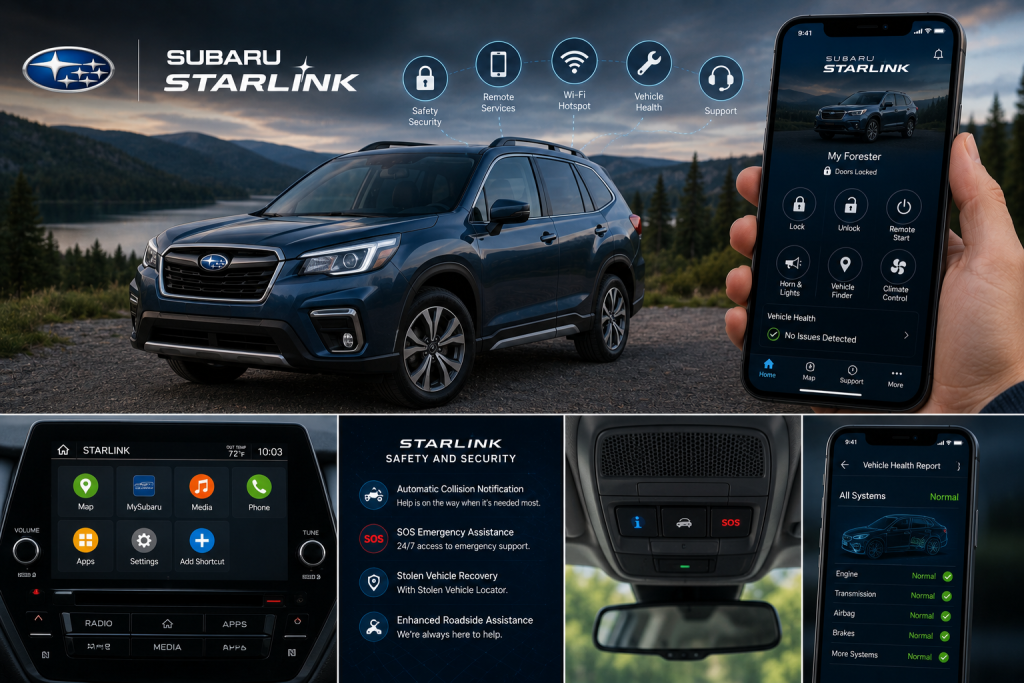
As Subaru continues expanding digital services across its lineup, connected account management has become just as important as transferring registration documents.
Owners who carefully review subscription status before selling can avoid unnecessary recurring payments while ensuring the new owner receives uninterrupted access to available connected features after completing registration.
7. NissanConnect Services
Nissan has steadily expanded its connected vehicle technology through the NissanConnect Services platform, which is available on many newer cars, crossovers, and electric vehicles sold in the United States.
Depending on the model and subscription package, owners can remotely start the engine, lock or unlock doors, locate the vehicle, receive maintenance notifications, access emergency response services, and monitor vehicle health through the MyNISSAN app. Several models include complimentary trial periods before paid subscriptions begin.
One important point Nissan emphasizes in its owner support documentation is that connected services are linked to the customer’s Nissan account rather than ending automatically when ownership changes. Selling or trading a vehicle does not automatically terminate recurring subscription plans.
Owners are responsible for signing into their NissanConnect account, canceling active subscriptions, removing the vehicle from their profile, and deleting stored payment information if they no longer wish to continue the service.
The company also recommends completing a factory reset of the infotainment system before transferring ownership. Navigation history, home and work addresses, paired smartphones, Wi-Fi credentials, and saved driver settings can remain stored inside the vehicle if they are not manually erased.
Removing these items protects personal information while allowing the next owner to activate NissanConnect using a separate account.
As Nissan continues introducing more software-enabled features and connected technologies, subscription management has become an increasingly important step in the vehicle-selling process.
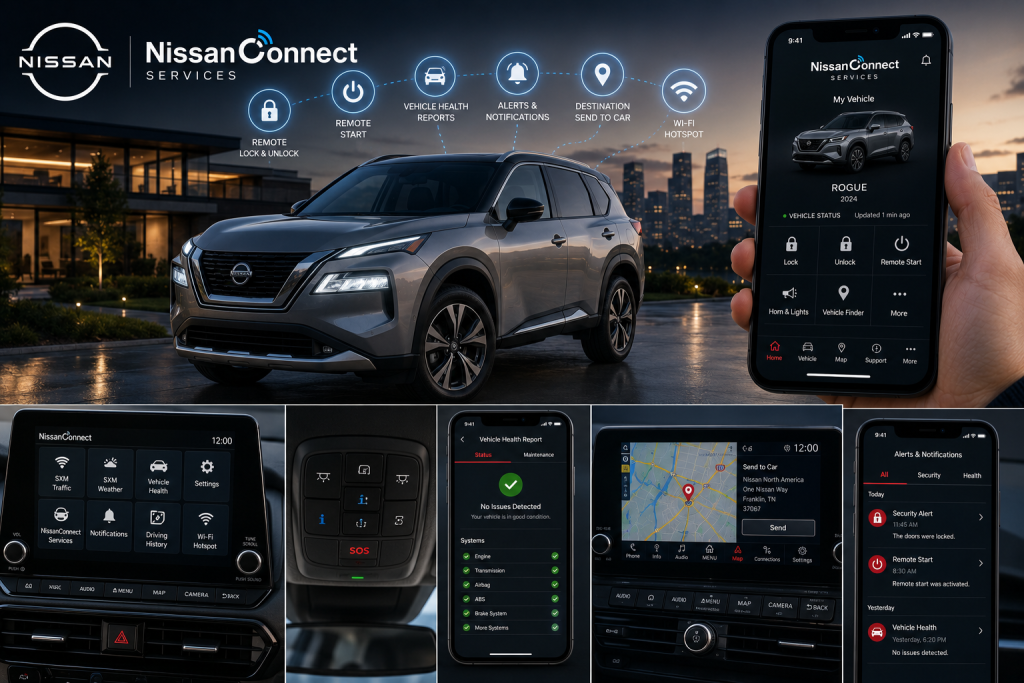
Taking a few minutes to verify account status before completing the transaction can prevent unnecessary recurring charges and eliminate potential privacy concerns after the vehicle leaves the previous owner’s possession.
8. Mercedes-Benz Mercedes me connect
Mercedes-Benz offers one of the industry’s most advanced connected vehicle ecosystems through Mercedes me connect.
The platform allows owners to remotely lock and unlock the vehicle, start the engine, locate the vehicle, monitor maintenance requirements, access emergency assistance, receive over-the-air software updates, and manage charging functions on electric models.
Many services begin with a complimentary period before selected features require an active paid subscription.
Mercedes-Benz clearly states that connected services are associated with the customer’s Mercedes me account rather than automatically ending when the vehicle is sold.
Owners who transfer ownership should remove the vehicle from their account, review active subscriptions, cancel recurring billing where applicable, and erase all personal information stored within the infotainment system. Completing these steps ensures that future subscription charges do not continue after the vehicle has been sold.
Privacy protection is equally important. Mercedes me accounts may contain digital keys, navigation favorites, contact lists, garage door settings, charging schedules, and remote access permissions.
Resetting the MBUX infotainment system and disconnecting the vehicle from the owner’s profile allows the next owner to complete registration without inheriting previous account information.
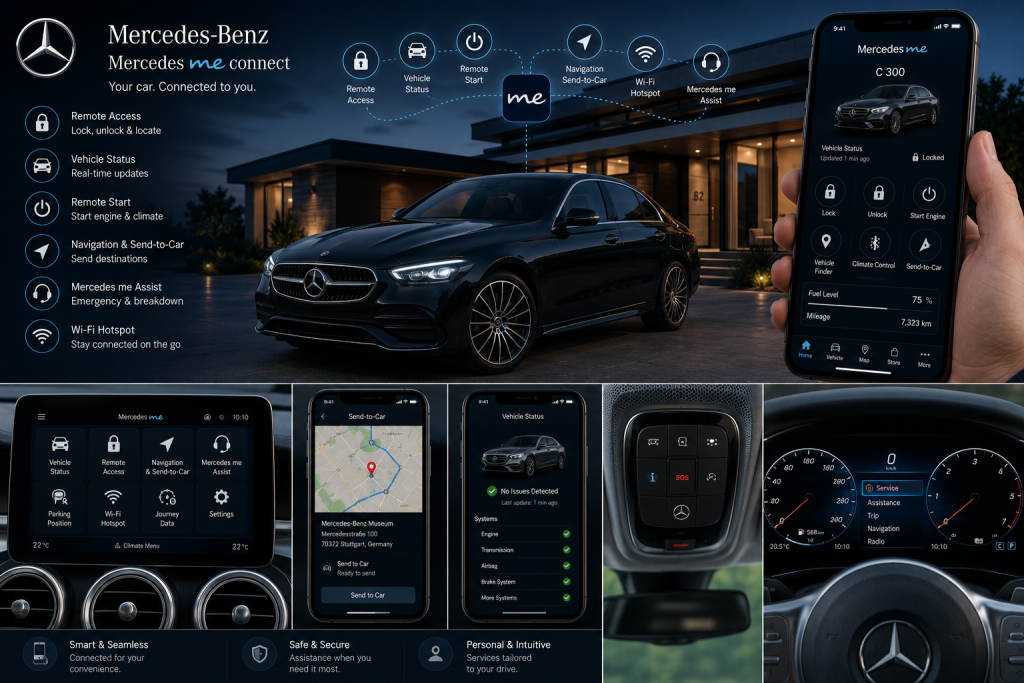
As Mercedes-Benz continues expanding subscription-based digital services, reviewing account status has become a routine part of responsible vehicle ownership.
Owners who carefully complete the recommended transfer procedures avoid unnecessary billing while ensuring that the buyer receives full access to connected services through a newly established Mercedes me account.
Also Read: 8 Sedans Being Dropped From the US Market After 2026
