
Here is something many car owners never consider. What actually happens when you press the “delete my data” button, and does it truly remove everything? You can erase your paired phone, remove saved addresses, and reset the infotainment system, yet a surprising amount of information about your driving habits may still remain stored within the vehicle.
Federal law requires certain safety data, like sudden braking events, seatbelt usage, and crash forces, to remain locked inside your vehicle’s black box, untouched by any consumer reset button. Add in cloud-stored telemetry that automakers collect for diagnostics, liability protection, and regulatory compliance, and you start to realize your car remembers a lot more than you’d expect, permanently.
This is not a conspiracy or an attempt to create unnecessary concern. It is simply a result of how modern vehicle safety and manufacturing systems are designed. The following ten popular vehicles demonstrate how this applies in real-world situations, explaining what types of information may remain stored and why. For anyone wondering what data their own vehicle could retain, this list provides a useful starting point for a closer look.
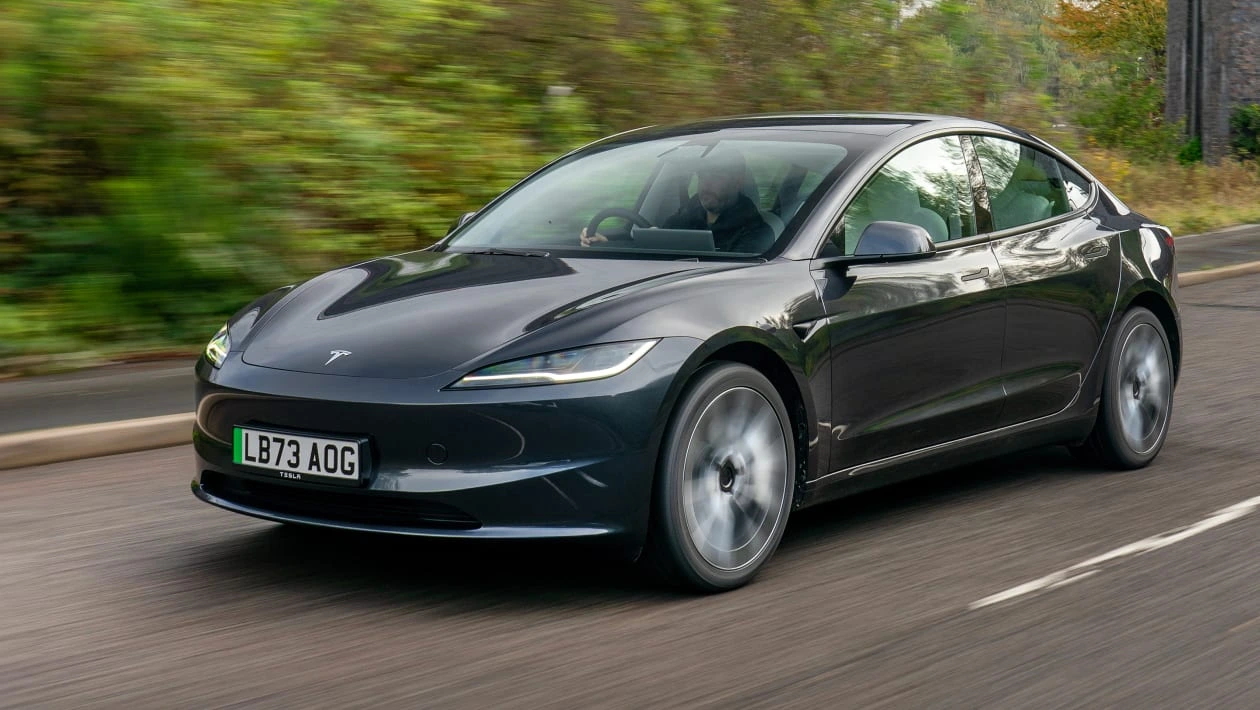
1. Tesla Model 3
- Engine: Single Rear Electric Motor
- Horsepower: 272 hp
- Torque: 310 lb-ft
- Size: 186.0″ L x 72.8″ W x 56.7″ H
Tesla gives owners more visible privacy controls than most automakers, letting drivers toggle off certain types of consumer data sharing right from the touchscreen. That transparency creates an impression of full control, but it only tells part of the story. Behind the scenes, Tesla’s corporate policy is direct about logging vehicle performance data, speed history, and Autopilot camera diagnostics on its own servers, regardless of what a driver switches off in the settings menu.
The reasoning behind this comes down to necessity rather than convenience. These logs support software verification, ongoing safety monitoring, and vehicle diagnostics, functions that Tesla considers structurally required for the vehicle to operate and improve safely over its service life. Because Autopilot and Full Self-Driving features rely on continuously refined data models, Tesla treats driving telemetry as an operational resource rather than optional metadata that a customer can simply request removal of.
That distinction matters quite a bit if you’re the kind of driver who assumes deleting your account or disabling data sharing settings erases your driving history entirely. It doesn’t. Historical telemetry tied to your vehicle identification number remains on Tesla’s central servers, feeding into broader safety and performance datasets that the company uses across its entire fleet, not just your individual car.
For most owners, this won’t affect daily driving in any noticeable way. But it’s worth understanding clearly, especially if data privacy is something you take seriously. Tesla’s approach reflects a broader pattern across the auto industry: consumer-facing privacy toggles handle surface-level preferences, while deeper operational and safety data remains outside your control, stored indefinitely as a function of how the vehicle’s underlying systems are designed to work.

2. Jeep Grand Cherokee
- Engine: 3.6L V6
- Horsepower: 293 hp
- Torque: 260 lb-ft
- Size: 193.0″ L x 74.3″ W x 70.8″ H
Many Jeep owners may not realise that the company’s connected app comes with a privacy condition that deserves attention. A review by the Mozilla Foundation during research into vehicle apps found that the Jeep app does not offer users a direct option to request the removal of their collected information. This detail is clearly stated in the app information rather than hidden inside difficult legal documents.
Whenever a Grand Cherokee connects with Jeep’s online systems, different types of vehicle records can be sent to company servers. These details may include trip information, location records, and remote actions completed through the mobile app, such as locking the doors or starting the engine from a phone. According to Jeep’s own disclosure, users do not have a simple method to permanently erase this stored information after it has been collected.
This situation places the Grand Cherokee among vehicles where long-term data storage has received public attention. Some car makers explain their data policies using lengthy documents that many customers may never fully read, while Jeep’s approach makes this particular detail easier to find. The same connected system is also used across other vehicles under Stellantis.
For drivers who depend on the Jeep app regularly, personal driving records and usage details may continue building up on company servers without a clear removal date. Anyone who values privacy should consider how useful remote vehicle features are compared with the amount of information shared through these services.
Reading the privacy terms before activating connected features can help buyers understand how their vehicle information is handled and what control they may have after sharing those details.
Also Read: 10 Cars That Outrun a New Camry for Under $20,000 Used
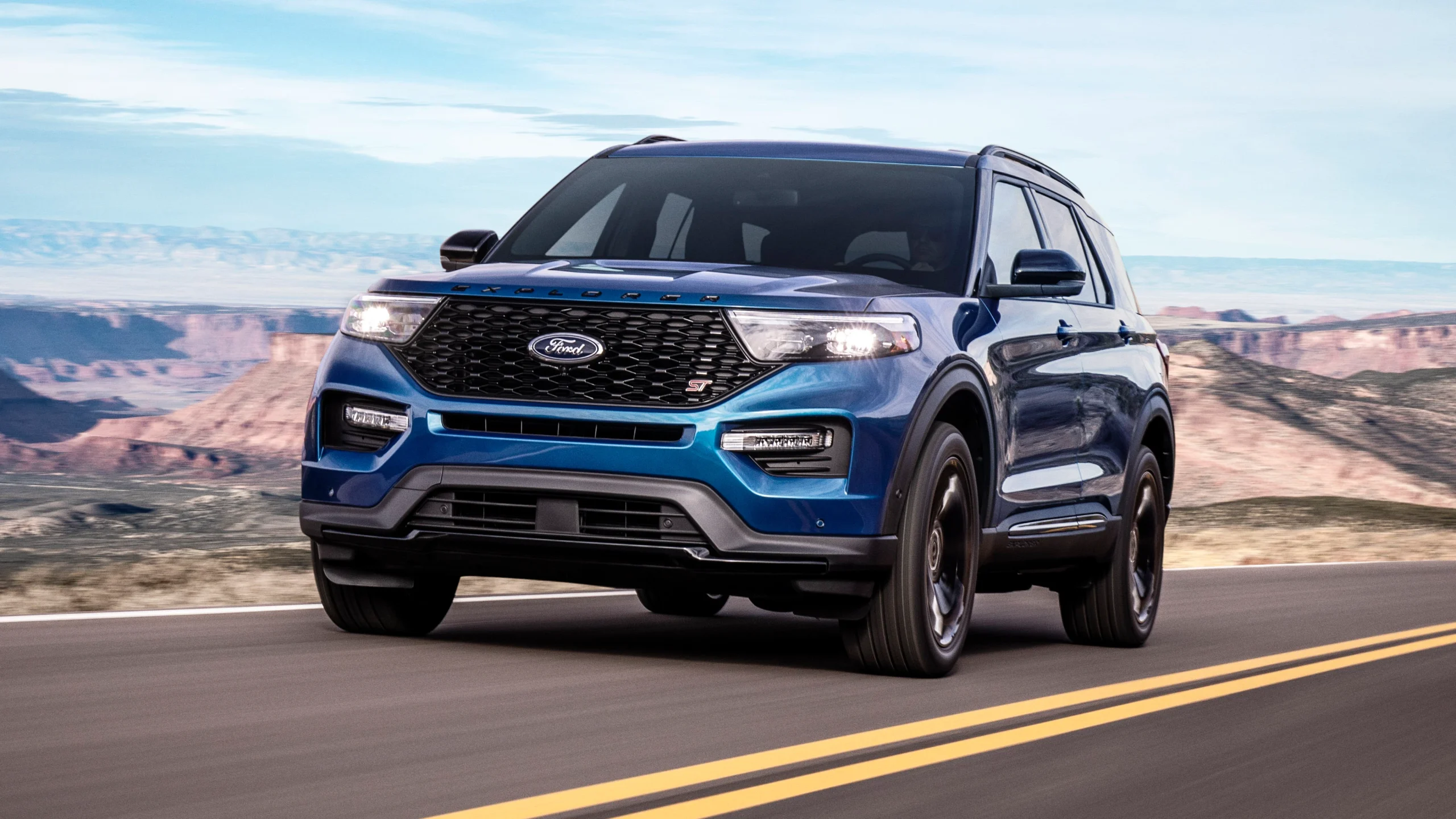
3. Ford Explorer
- Engine: 2.3L Turbocharged EcoBoost 4-Cylinder
- Horsepower: 300 hp
- Torque: 310 lb-ft
- Size: 198.8″ L x 78.9″ W x 70.0″ H
Modification logs. Two words that might not sound alarming until you realize exactly what they track and how permanent they are. Ford’s official service disclosures state that powertrain control modules store diagnostic codes, performance metrics, and vehicle modification history directly in onboard memory, information that persists regardless of whether the original modification itself gets removed or reversed.
Ford is refreshingly direct about this one. The company states outright that this information cannot be erased and stays in the system’s memory even after a modification is undone. Picture a driver who installs an aftermarket tune, drives with it for a season, then reverts everything back to factory settings before a dealership visit.
The control module still remembers. That history remains accessible to service technicians and Ford’s internal teams the moment a physical connection is made through the vehicle’s diagnostic port. Why does this matter beyond simple curiosity? Warranty claims are the most immediate concern.
If a powertrain issue develops after a modification, even one that’s since been reversed, that permanent log gives Ford a clear record potentially affecting coverage decisions. It’s also relevant for used car buyers, since a thorough pre-purchase inspection at a dealership can sometimes surface modification history that a private seller never disclosed, or possibly wasn’t even aware could be traced.
This kind of permanent record-keeping isn’t unique to Ford, but the company’s plainspoken acknowledgment of it stands out. For anyone who modifies their Explorer, whether for performance, towing capacity, or personal preference, it’s worth remembering that the vehicle’s own memory keeps a more honest account of its history than any verbal explanation ever could.
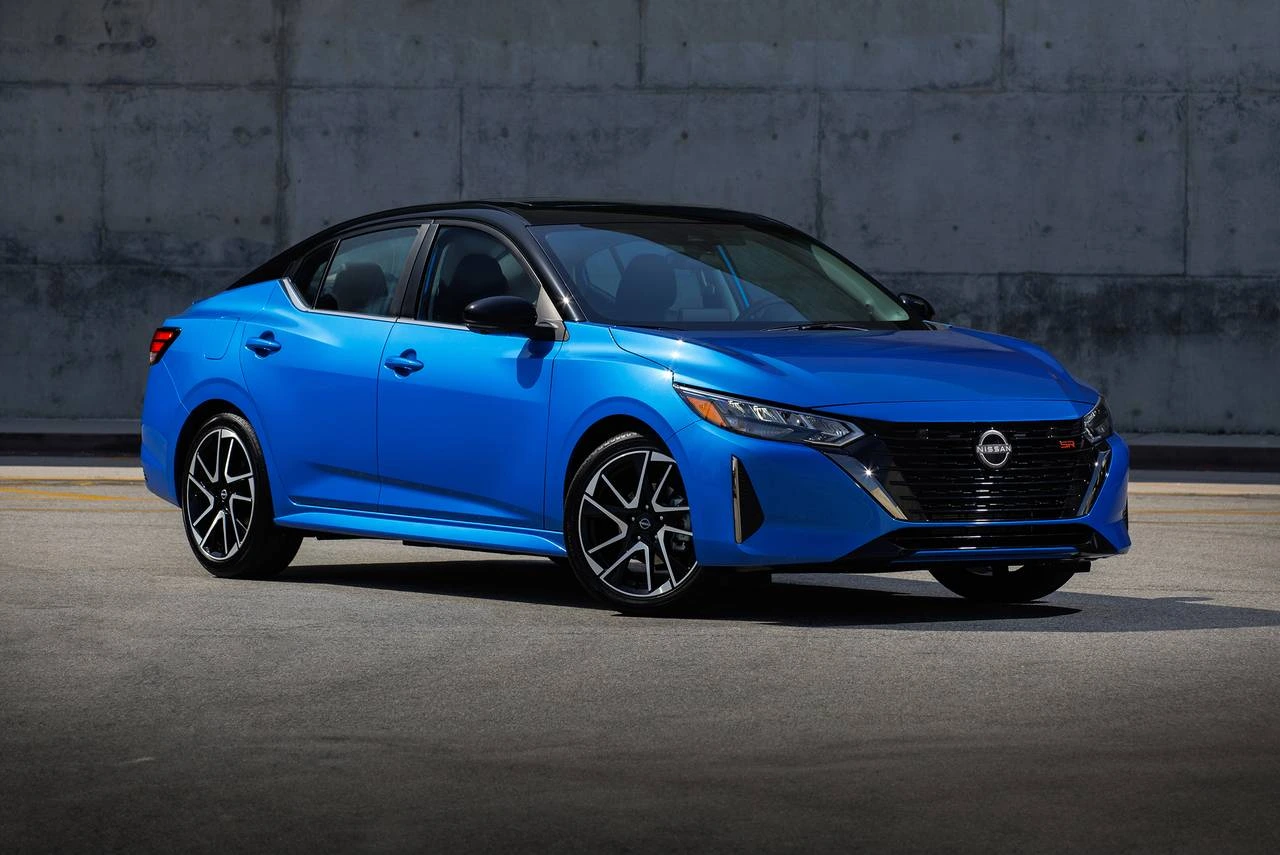
4. Nissan Sentra
- Engine: 2.0L Inline 4-Cylinder
- Horsepower: 149 hp
- Torque: 146 lb-ft
- Size: 182.7″ L x 71.5″ W x 56.9″ H
Many vehicle owners may not be aware of how much information modern cars can collect during regular use. Nissan has faced criticism from privacy experts over its data policies, with several reviews pointing out that the company allows the collection of a wide range of driving details. These records can include driving habits, location information, and performance details gathered through the vehicle’s internet connection.
For people who prefer to control their personal information, the process can become difficult once the data reaches Nissan’s systems. After the vehicle sends this information through its connected services, the company may keep those records for reasons linked to legal requirements. This means customers may not be able to remove collected information even after cancelling services or selling the vehicle.
A closer look at driving profiles shows that the records collected can include more than basic journey details. The information may cover how often a driver accelerates quickly, braking patterns, and commonly used routes. Over time, these details can create a clearer picture of a person’s driving behaviour. Some owners of the Nissan Sentra may find this level of information collection surprising, especially since the vehicle is known for being an affordable and practical option for everyday transportation.
This does not mean the Sentra provides an unsafe driving experience or that Nissan collects more information than every other car company. However, the company’s approach to storing vehicle data may offer customers fewer choices when they want greater control over their information.
Drivers who value privacy should take time to review Nissan’s policies before using connected vehicle features. Understanding how information is collected, stored, and shared can help buyers decide whether a vehicle’s digital services match their personal preferences.
As cars become more connected, paying attention to privacy details is becoming just as important as checking fuel economy, comfort, and reliability before making a purchase.
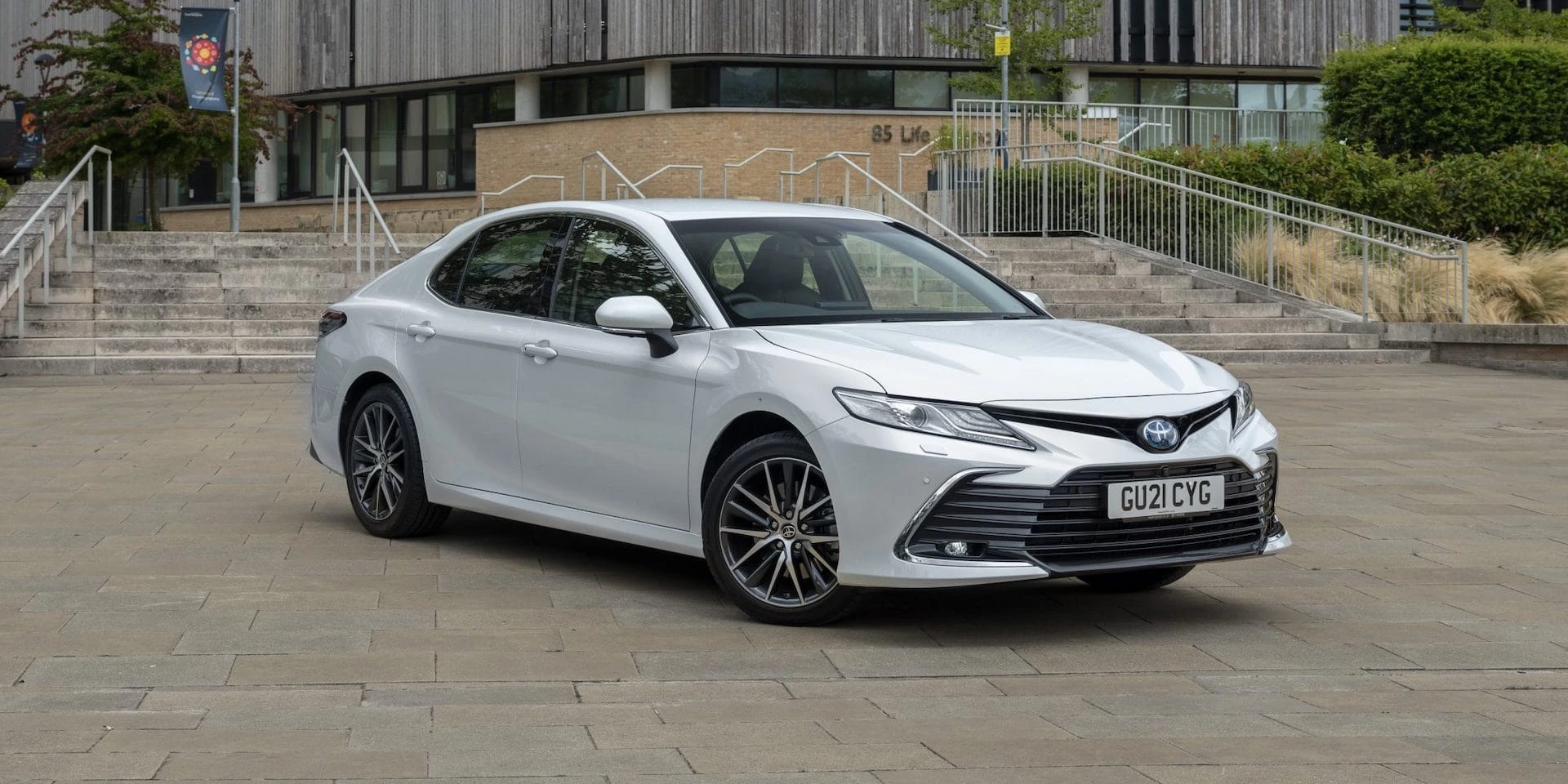
5. Toyota Camry
- Engine: 2.5L 4-Cylinder Hybrid
- Horsepower: 225 hp
- Torque: 163 lb-ft (gas engine) / 150 lb-ft (electric motor)
- Size: 193.5″ L x 72.4″ W x 57.1″ H
Twelve. That’s how many separate privacy policies a Camry owner might need to review depending on which connected features they’ve activated, a number that alone tells you how fragmented modern vehicle data governance has become. Toyota’s approach splits consumer-facing preferences, like third-party marketing permissions, into toggleable settings you can adjust through the app. That part feels manageable enough.
The harder truth sits underneath those consumer-facing toggles. Embedded deep in the Camry’s systems, the Event Data Recorder and telematics control unit permanently lock in crash safety data, airbag deployment sensor readings, and vehicle speed logs. None of that is accessible through any owner-facing privacy setting, and none of it can be requested for deletion through Toyota’s consumer channels.
Law enforcement access adds another layer worth understanding clearly. This locked safety data can legally be extracted directly through the vehicle’s OBD-II port, the same connector used for routine diagnostics, typically following a collision investigation or as part of legal proceedings. Unlike consumer marketing data, this information exists specifically to support crash reconstruction and safety analysis, giving investigators and manufacturers a factual record independent of driver testimony.
For everyday Camry owners, this distinction rarely comes up in daily use. But understanding where the line sits, consumer preferences on one side, permanently locked federal safety data on the other, helps clarify why a factory reset or app account deletion never fully erases everything the vehicle has recorded.
Toyota’s fragmented policy structure makes this harder to piece together than it should be, but the underlying reality remains consistent with federal requirements governing black box data across the entire industry.
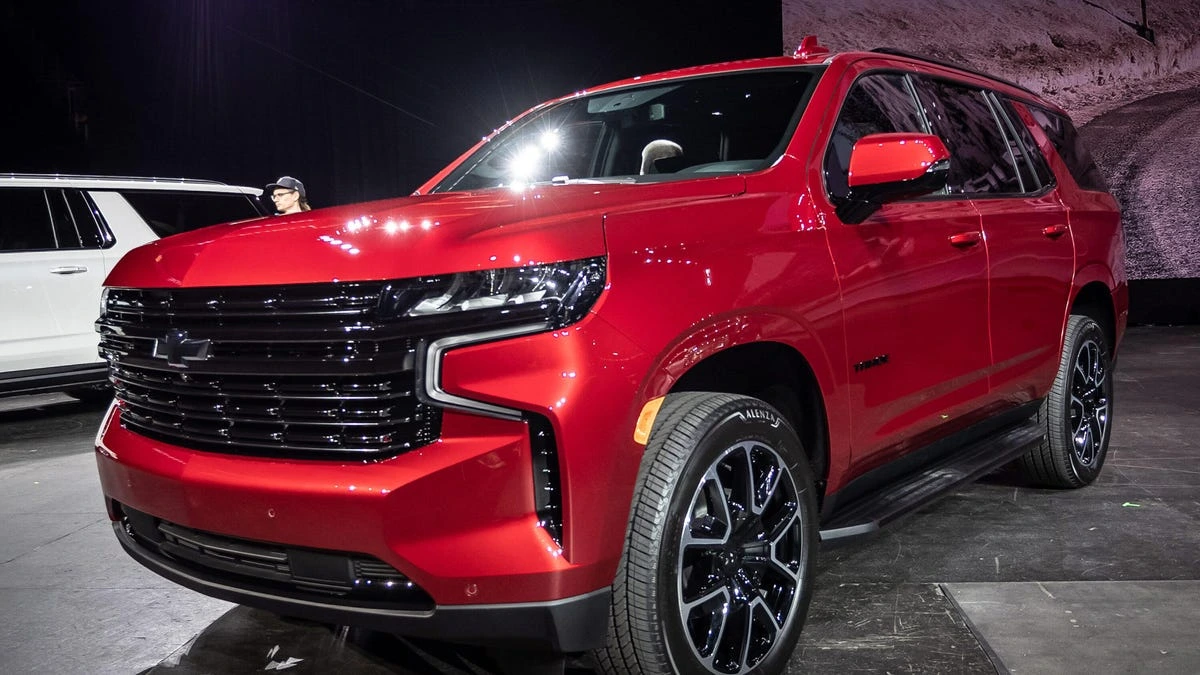
6. Chevrolet Tahoe
- Engine: 5.3L V8
- Horsepower: 355 hp
- Torque: 383 lb-ft
- Size: 210.7″ L x 81.0″ W x 75.9″ H
Turning off OnStar doesn’t turn off everything. That’s the short version of what General Motors builds into its full-size platforms, and the Tahoe is a clear example of how deeply telematics gets woven into a vehicle’s core architecture rather than sitting as a separate, removable layer on top.
Deactivating an active OnStar subscription, or opting out of optional telemetry networks altogether, feels like it should mean a clean break from GM’s data collection. In practice, it doesn’t work that way. The hardcoded Event Data Recorder and background legal tracking frameworks built into the Tahoe’s systems continue retaining structural operational data regardless of subscription status, because these frameworks exist to satisfy manufacturing liability protections and regulatory mandates rather than consumer convenience features.
Think of it as two separate systems running in parallel. One layer handles the consumer-facing conveniences, remote start, vehicle health reports, roadside assistance, features you can subscribe to or cancel freely. The other layer, built directly into the vehicle’s core electronics, exists independently of any subscription and keeps recording the kind of safety-critical information federal regulations require automakers to preserve.
For Tahoe owners, this means canceling a service plan changes what conveniences you have access to, but it doesn’t touch the underlying data architecture recording crash forces, braking events, and structural vehicle performance.
That data exists to protect General Motors in the event of liability claims and to satisfy federal safety oversight, purposes that have nothing to do with whether you’re actively paying for connected services. It’s a distinction worth understanding before assuming a subscription cancellation equals a genuine data reset.
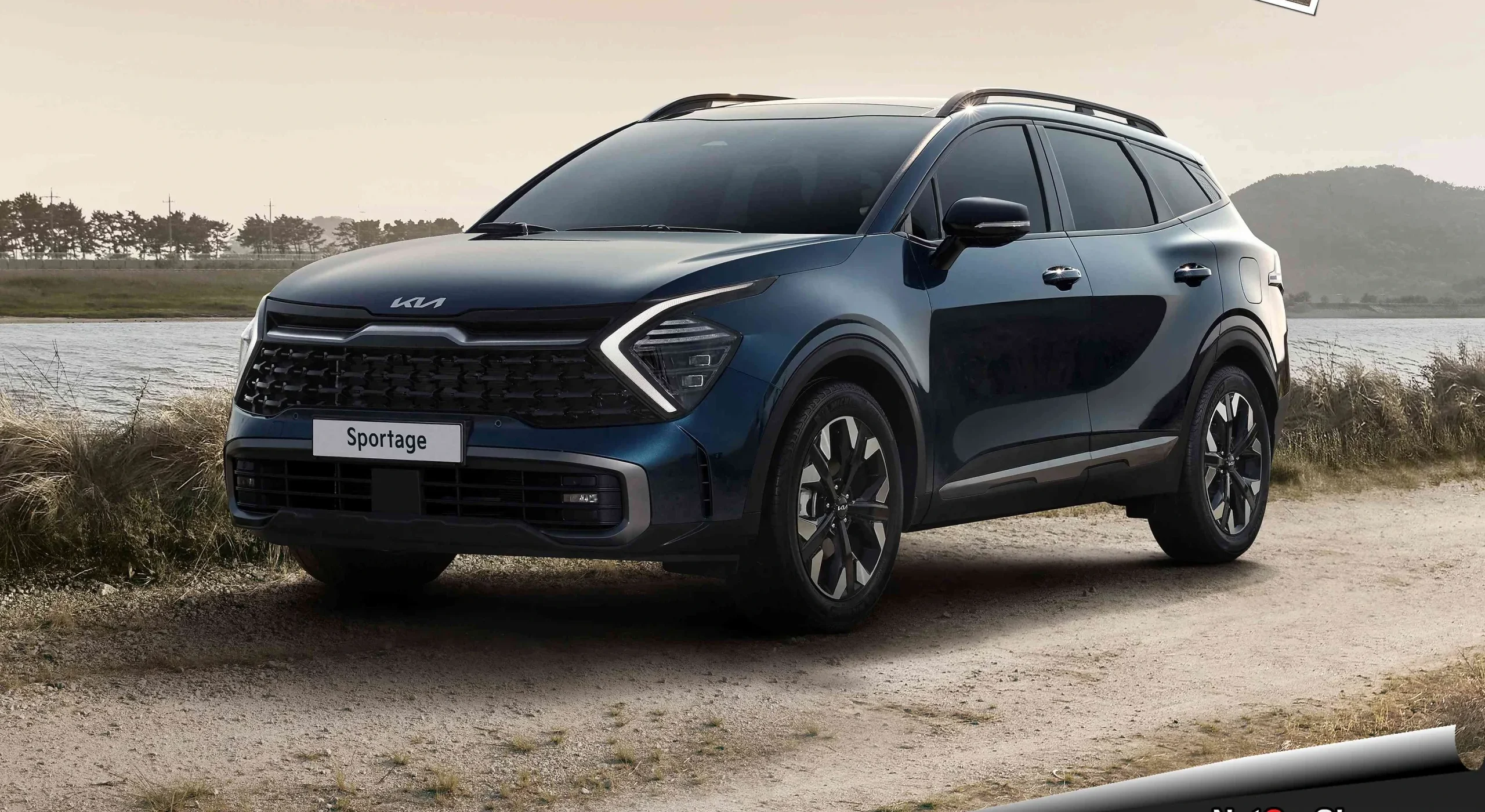
7. Kia Sportage
- Engine: 2.5L Inline 4-Cylinder
- Horsepower: 187 hp
- Torque: 178 lb-ft
- Size: 183.5″ L x 73.4″ W x 65.6″ H
Many Kia owners may not realise that the company’s service terms contain a statement about keeping and sharing vehicle information with law enforcement agencies or government bodies after receiving informal requests. This wording deserves attention because it may create questions about how easily certain records from a vehicle can be accessed outside normal customer expectations.
When information from a Kia Sportage is sent to the company’s remote systems, it may become part of larger records used for vehicle improvement, service studies, and reporting duties. After being combined with wider company records, an owner may have limited options to request removal of those specific details because they are no longer stored as a separate personal file.
The phrase “informal requests” also raises questions about what type of access may be allowed and how much review takes place before information is provided. Unlike official legal requests that usually follow clear procedures, informal requests can appear less defined to many vehicle owners who expect stronger control over their records.
This does not mean Sportage drivers should assume their daily activities are constantly at risk. Many requests involving vehicle information are connected to safety matters, investigations, or other approved reasons. However, the wording in these agreements shows how modern vehicles can collect and store more details than many customers expect.
Understanding these terms before buying a vehicle allows owners to make informed choices about privacy, information sharing, and the records kept by manufacturers. For a practical SUV like the Kia Sportage, knowing how personal vehicle information is handled can help buyers understand their rights and responsibilities before completing a purchase.
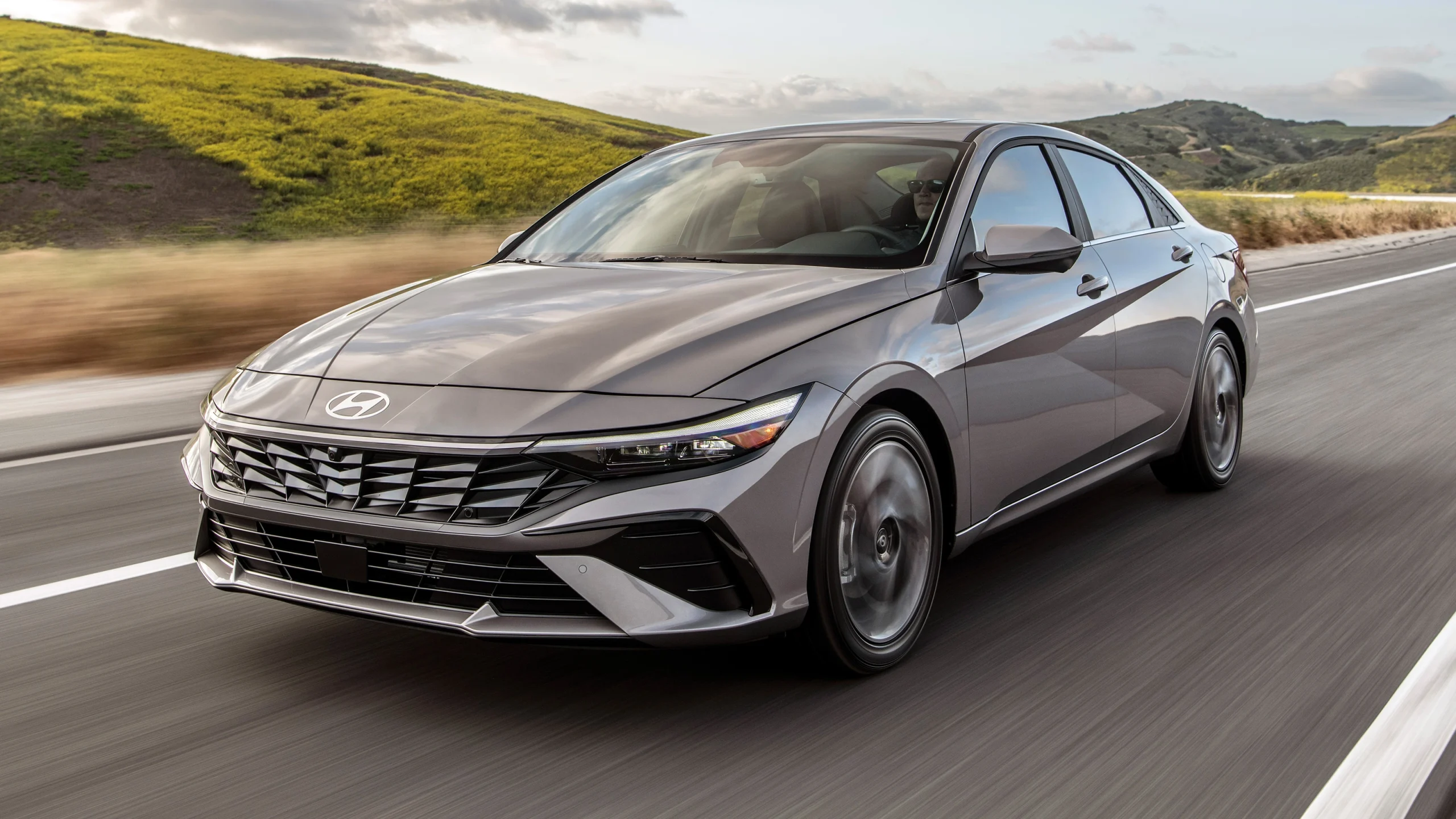
8. Hyundai Elantra
- Engine: 2.0L Inline 4-Cylinder
- Horsepower: 147 hp
- Torque: 132 lb-ft
- Size: 184.1″ L x 71.9″ W x 55.7″ H
Corporate siblings tend to share more than just parts bins, and Hyundai’s approach to data retention mirrors Kia’s almost exactly, which makes sense given their shared ownership structure. Persistent operational information, the kind of telemetry considered core to vehicle function rather than optional convenience, gets treated the same way across both brands’ lineups, the Elantra included.
Here’s where the distinction between local and cloud storage becomes genuinely important to understand. Pressing the infotainment system’s factory reset button does exactly what you’d expect at the local level: paired Bluetooth phones disappear, saved addresses clear out, and personal settings return to default. That part works as advertised, and most owners assume this covers everything tied to their personal data.
It doesn’t. That same reset button has zero effect on Hyundai’s corporate cloud servers, where acceleration history, hard-braking events, and broader system usage patterns continue sitting exactly where they were before the reset. The local reset and the cloud storage exist as two entirely separate systems, one within your control, one entirely outside it, and Hyundai’s design doesn’t connect the two in any way that gives owners a genuine full-deletion option.
For Elantra drivers who assume a factory reset means a clean slate before selling the car or handing it down to a family member, this gap matters. The next owner won’t see your saved addresses or paired devices, but your driving history from years prior remains stored on Hyundai’s servers indefinitely, tied to the vehicle’s identification number rather than to any account you can simply delete. It’s a distinction worth knowing before assuming a factory reset equals genuine data erasure.

9. Audi Q5
- Engine: 2.0L Turbocharged 4-Cylinder
- Horsepower: 201 hp
- Torque: 236 lb-ft
- Size: 184.3″ L x 74.5″ W x 65.5″ H
Many people assume that cars from Europe, where privacy rules are among the strictest globally, provide complete control over every piece of stored information. While Audi offers strong privacy options for owners, the Q5 shows that some vehicle records can remain protected from deletion requests because of safety responsibilities and legal requirements.
Inside the Audi Q5, many sensors collect information from different parts of the vehicle, including systems linked to performance, protection features, and regular operations. These records can appear difficult to understand because they involve several areas of the car. GDPR allows European customers to ask companies to remove personal details, including saved contacts, certain location records, and information connected to user accounts.
However, some vehicle records receive different treatment under the law. Details such as mileage history and safety system records are kept outside normal deletion requests because manufacturers need them for recalls, investigations, and long-term vehicle checks. Keeping this information helps car makers identify repeated faults and respond to safety concerns affecting many drivers. Although owners may prefer complete control over every record, these rules exist to support wider protection for vehicle users.
For Audi Q5 owners, the situation shows how privacy rights can work alongside safety needs. European buyers benefit from strong legal protections, yet some information related to vehicle operation may remain available for future reference. This does not mean the system ignores personal privacy. Instead, it shows that lawmakers have created specific rules to balance private information control with the need for reliable safety records.
Understanding this difference helps drivers make better decisions about the data their vehicles collect and how those records may be used in the future. Drivers who understand these rules can better manage their expectations and recognise why certain vehicle records are maintained by manufacturers for responsible service and protection.
Also Read: 10 Cars With the Highest Theft Rates in California
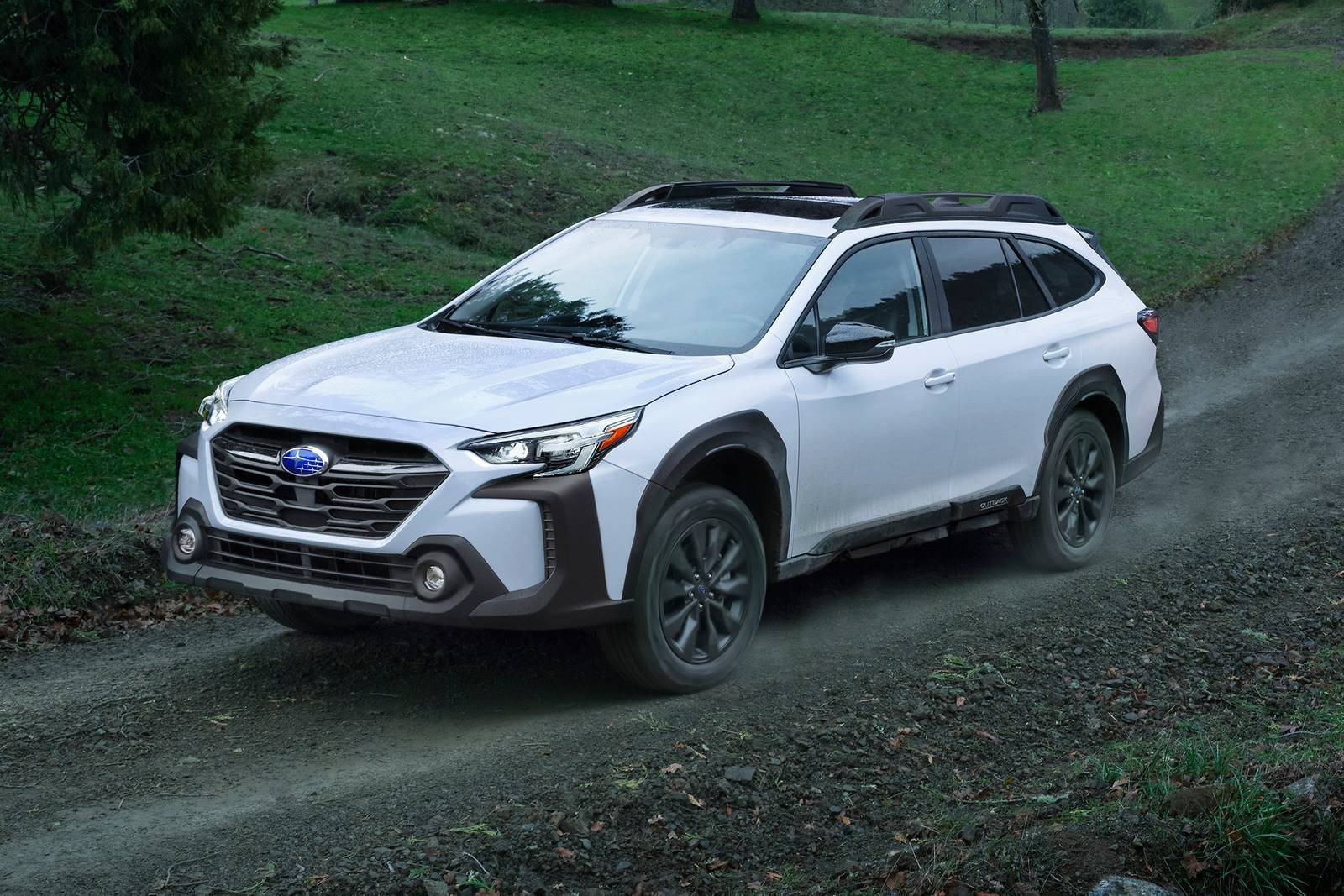
10. Subaru Outback
- Engine: 2.5L 4-Cylinder Boxer
- Horsepower: 182 hp
- Torque: 176 lb-ft
- Size: 191.9″ L x 73.0″ W x 66.1″ H
Subaru’s EyeSight safety system uses two front cameras that constantly monitor the road while the vehicle is moving. These cameras help features like collision warning and lane support work properly by analysing conditions around the car. However, the information created during this process does not simply disappear after each journey.
The system keeps records of safety events, including times when it detects possible dangers, corrects steering through lane support, or activates automatic braking. These details are stored in the vehicle’s built-in memory instead of being kept only for a short period. This allows the information to remain available even after the vehicle loses power or experiences a system restart.
Keeping these records helps Subaru respond to safety questions, accident investigations, or legal claims by showing how the vehicle’s safety systems reacted at a particular moment. The stored information provides a reliable record of what the cameras and other features detected during driving.
For Outback owners, this means the same technology designed to improve road safety also creates a lasting record of certain driving events. While this information supports better vehicle protection and accountability, drivers should understand that these records may remain stored after they are created. The system’s ability to protect passengers comes with the reality that some safety information is kept as part of the vehicle’s electronic history.
