
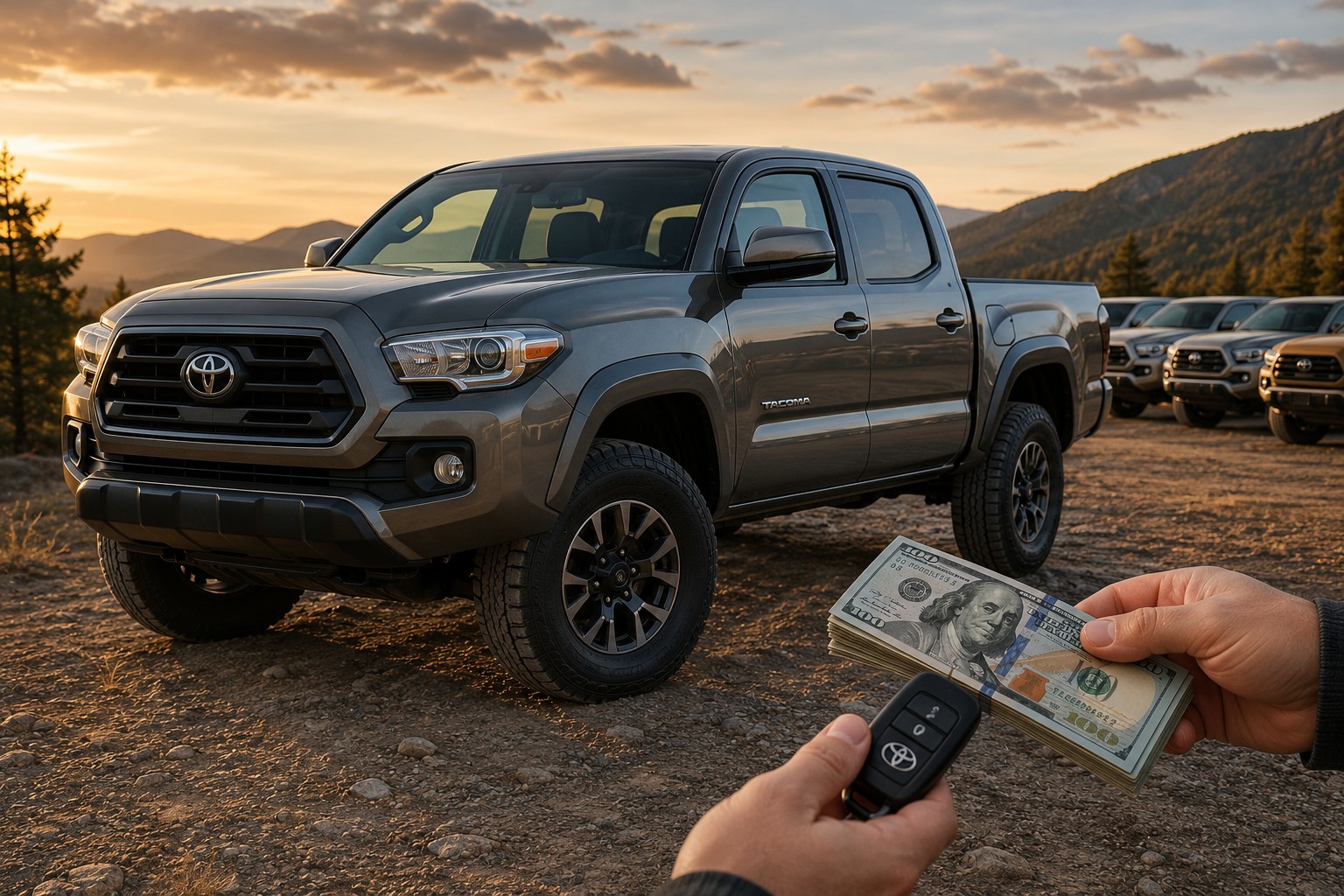
Anyone shopping for a used pickup truck has probably noticed something strange. A three-year-old Toyota Tacoma often costs nearly as much as a brand-new one.
This isn’t a pricing mistake or a fluke of one dealership. It’s a pattern that has held steady for over two decades. The Toyota Tacoma will depreciate by only 22% over five years, according to industry data. That is far lower than what most trucks and cars lose in the same period.
The average used Tacoma sells for roughly $32,600, which is about 15% higher than the average used car. That premium exists even on trucks with high mileage.
Meanwhile, the 2026 Tacoma still retains its resale value better than most midsize trucks on the market today. Buyers keep paying more because they trust it will last.
This creates an unusual market. Used Tacomas often cost nearly as much as new base models. So what’s really driving this phenomenon? The answer comes down to reliability, demand, and reputation working together. This article breaks down the three biggest reasons. Each one reinforces the others, creating a cycle that keeps prices high.
Exceptional Reliability and Low Ownership Costs
Reliability is the foundation of Tacoma’s value retention. It’s the reason everything else in this article even matters. The Tacoma is proven to be a reliable pickup that will last for many years, especially when well-maintained. This isn’t marketing talk. It’s backed by real ownership data.
Toyota’s engineering approach plays a big role here. The trucks are tested extensively before they ever reach a dealership lot. Toyota puts the Tacoma through extensive trail testing and hardcore off-road racing before releasing it to the public. This punishing pre-release testing weeds out weaknesses early.
The result is a truck that can survive years of hard use. Owners report fewer major repairs compared to rival trucks. Parts availability adds another layer of savings. Because the Tacoma is so popular, parts are widely available and not overly expensive, which helps keep running costs down.
This matters more than people realize. A truck that’s cheap to fix stays on the road longer. And a truck that stays on the road longer holds its value better. Buyers factor future repair costs into what they’re willing to pay today.
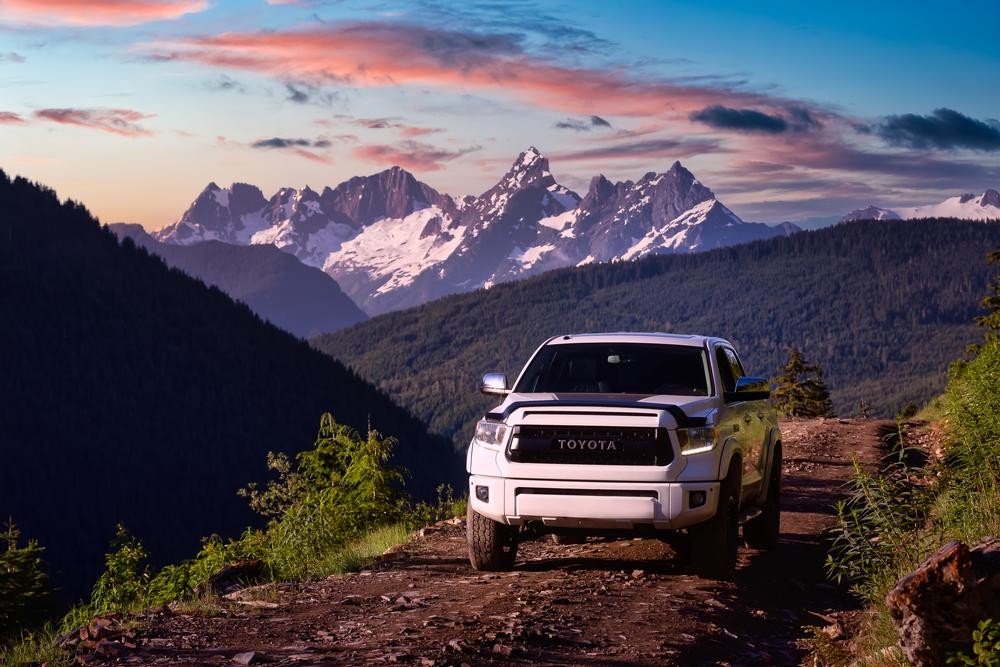
Engine reliability specifically stands out in current Tacoma models. All versions use a 2.4-liter turbocharged four-cylinder engine that has not suffered the reliability issues affecting Toyota’s larger V6 engine used in the Tundra.
That distinction matters to shoppers doing their homework. Nobody wants to inherit somebody else’s engine problems. Maintenance costs also stay lower than competitors’ over time. Lower loss in value makes trade-ins more rewarding and keeps ownership costs easier to manage.
This creates a snowball effect for owners. Lower costs mean happier owners, and happier owners tell their friends. Word of mouth is powerful in the truck world. Reliability stories spread fast among off-road and outdoor communities.
Even warranty coverage reinforces this reliability story. Toyota backs the Tacoma with a 36-month or 36,000-mile new-car warranty, plus a five-year or 60,000-mile powertrain warranty.
Hybrid models get even longer coverage. Hybrid components carry an 8-year, 100,000-mile warranty, while the hybrid battery is covered for 10 years or 150,000 miles.
Safety data supports the reliability narrative too. The Tacoma earned a Top Safety Pick rating from the Insurance Institute for Highway Safety in 2025.
Put simply, buyers aren’t just betting on a name. They’re betting on documented performance and long-term durability. That confidence translates directly into what people are willing to pay. A used Tacoma isn’t seen as a gamble. It’s seen as a known quantity. And known quantities command premium prices in any market.
Strong Demand Outpacing Available Supply
Reliability alone doesn’t explain everything. Demand is the second major force pushing used prices upward. For 21 consecutive years, the Toyota Tacoma has dominated the midsize pickup segment in the United States. That’s an extraordinary streak by any measure.
In 2025, the Tacoma achieved its best-ever annual sales figures in the country. Demand isn’t fading. It’s actually accelerating. This sustained popularity creates a simple economic reality. More buyers are chasing a limited pool of used trucks.
Buyers know the Tacoma lasts, so used models sell faster and at higher prices. The speed of sale itself pushes prices upward. When a used vehicle sits on a lot for months, sellers cut the price. When it sells in days, there’s no pressure to discount.
Tacomas rarely sit around for long. Dealers and private sellers know this and price accordingly. Niche buyer groups add another demand layer. Off-road trims appeal to a specific market, which keeps used trucks in steady, consistent demand.
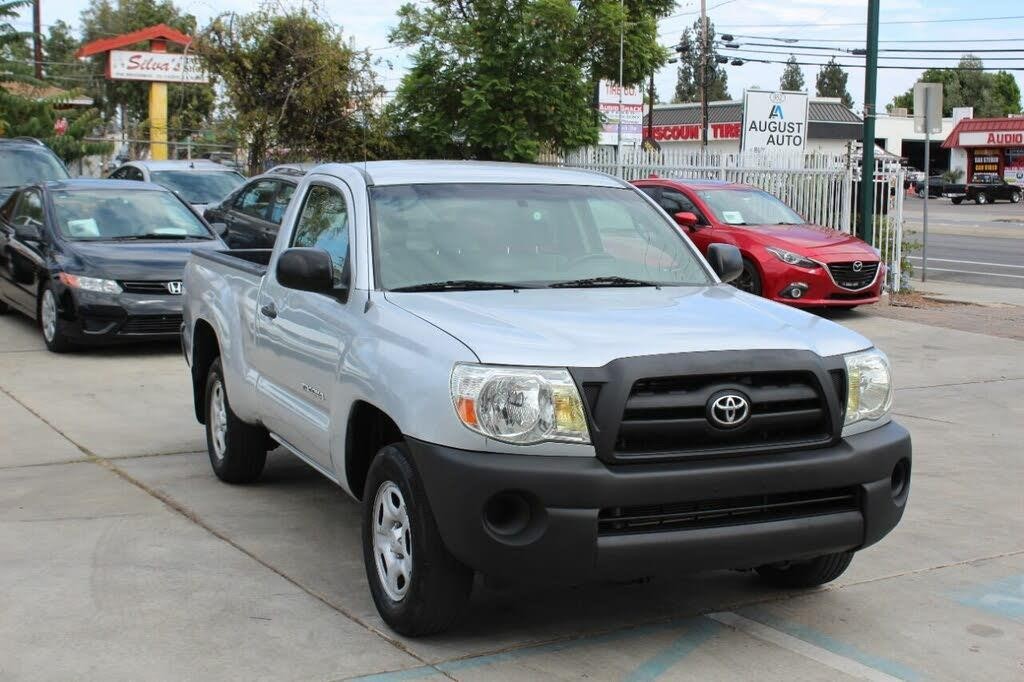
Overlanding and off-road communities specifically target Tacomas. These buyers often pay a premium for trims built for the trail. Aftermarket culture plays a surprisingly large role too. Many buyers seek used Tacomas that already come upgraded with popular features and modifications.
A truck with a lift kit or upgraded suspension isn’t seen as “used up.” It’s seen as ready to go. Trucks with off-road modifications attract buyers looking for ready-to-use performance without doing the work themselves. That saves buyers time and money.
Community culture reinforces this even further. Tacoma fans often specifically seek out modified models, creating a steady and self-sustaining used market.
This is somewhat unique among trucks. Most vehicles lose value when modified. Tacomas often gain buyer interest instead. Competitive pricing on the new-truck side also funnels buyers toward the used market. The 2026 Tacoma starts around $34,040, similar to rivals like the Ford Ranger, Chevrolet Colorado, and Nissan Frontier.
With similar starting prices across the segment, brand trust becomes the tiebreaker. And Toyota consistently wins that comparison among truck shoppers.
Supply constraints compound the issue further. Even during strong sales years, dealers can’t always keep enough used Tacomas in stock. When supply can’t keep pace with demand, prices simply don’t fall. That’s basic economics playing out in real time.
The specific model year matters too. The 2024 Tacoma introduced the current generation, so buyers get a fresh design paired with more efficient engines. That newer generation is drawing extra attention right now. Shoppers specifically hunt for 2024 and newer used models.
Analysts consider the 2024 Tacoma the best value model year, since it costs about 85% of the new price yet retains around 92% of its useful life. That math is hard to beat. Combine constant demand with limited used inventory. The result is prices that barely dip below new-truck territory.
Brand Trust and Class-Leading Resale Recognition
The final piece of this puzzle is reputation. Trust built over decades doesn’t disappear overnight. Toyota has built a reputation that’s the envy of most other foreign automakers, so buyers keep returning when it’s time to replace a vehicle. That loyalty is especially strong among truck owners.
Truck buyers tend to be more brand-loyal than typical car shoppers. Once they trust a brand, they rarely switch. Industry awards back up this trust with hard evidence. Toyota has won the Kelley Blue Book Best Resale Value award for compact and midsize trucks every single year since the award began in 2003.
That’s over two decades of consistent recognition. No competitor has come close to matching that streak. This isn’t just a marketing trophy either. It reflects real transaction data collected across the entire truck market.
Comparisons against rival trucks make the gap even clearer. Across the midsize pickup segment, the Tacoma sits well ahead of every rival when it comes to holding onto its value after five years.
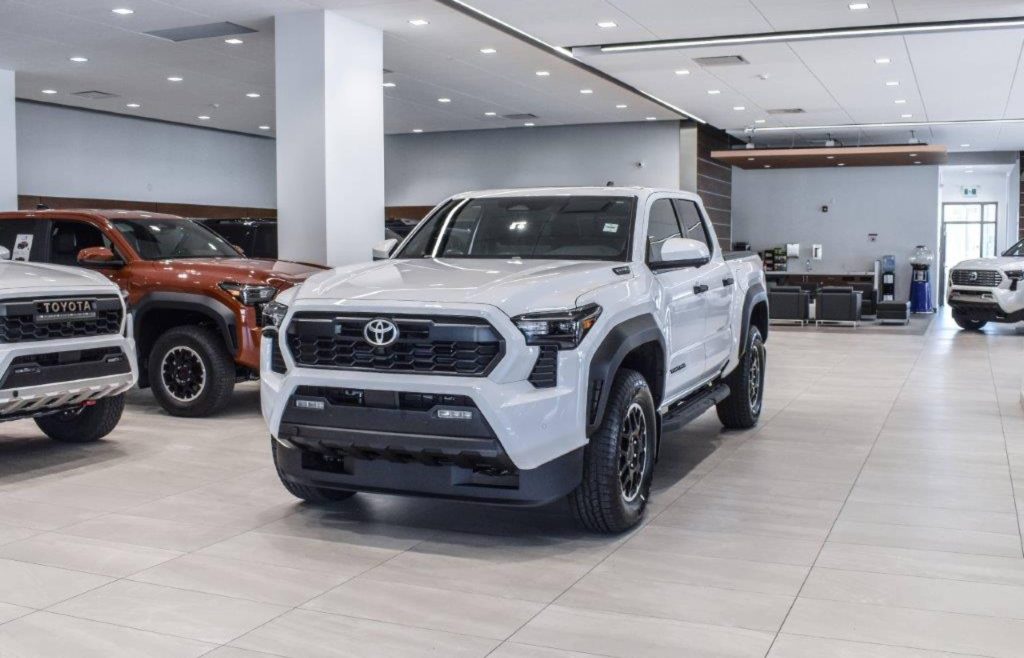
Even against vehicles outside its own category, the Tacoma performs remarkably well. In a separate ranking of vehicles with the best three-year resale value, the Tacoma ranked above every model except the Porsche 911 and the Ford Maverick.
Beating nearly every vehicle on the road, not just trucks, says a lot. It shows just how strong the Tacoma’s reputation really is. Regional dealers echo this same sentiment consistently. Buyers pay more for used Tacomas year after year because they trust how well the trucks hold up over time.
That trust isn’t blind faith either. It’s built on visible, repeated evidence across millions of miles driven. Cost-to-own calculations reinforce the brand’s value story. A 2026 Tacoma has a projected five-year cost to own of $52,602, with a residual value around $20,983 after depreciation.
That residual value stays meaningfully higher than that of many direct competitors. It’s one more number supporting the truck’s premium status. Industry estimates place the Tacoma’s five-year resale value at roughly 80.1% of its original price. Very few vehicles in any category hit that mark.
This reputation creates a feedback loop worth understanding. Strong resale value attracts new buyers who want that same security later. Those new buyers then become future sellers. And the cycle repeats itself, generation after generation.
Even skeptical shoppers eventually notice the pattern. When friends, neighbors, or coworkers all report positive experiences, hesitation fades quickly.
That collective confidence is difficult for competitors to replicate. Trust takes decades to build but only moments to lose. Toyota has managed to protect that trust remarkably well with the Tacoma nameplate specifically. Few automotive stories demonstrate brand loyalty this clearly.
Also Read: What It Costs to Replace a Hybrid Inverter? Explained
