
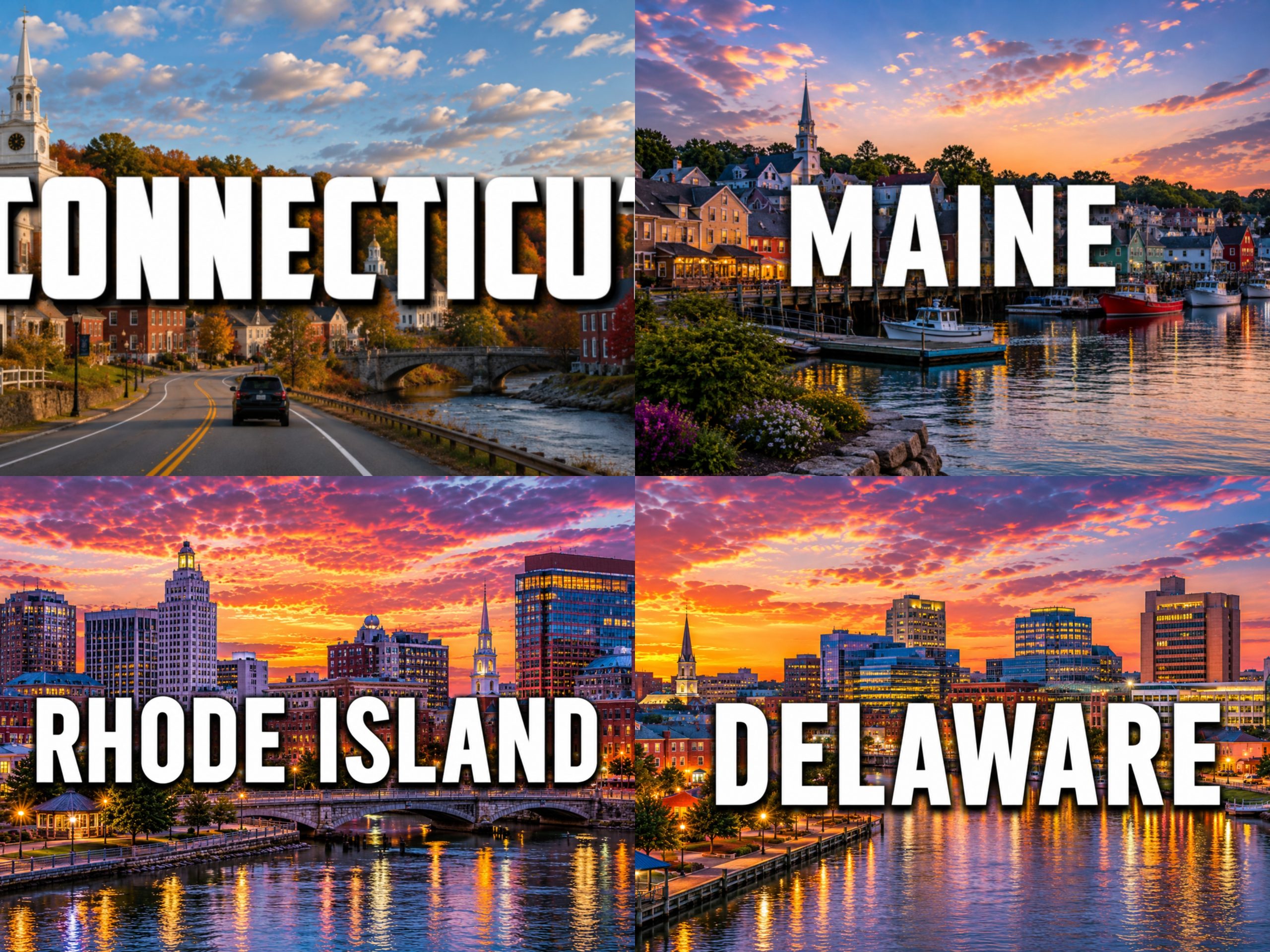
Electric vehicles have become more affordable in the United States thanks to state-level incentive programs that reduce the purchase price through rebates, tax credits, sales tax exemptions, or income-based grants.
Since the federal clean vehicle tax credit expired in late 2025, many states have expanded or maintained their own incentive programs to encourage EV adoption.
These programs vary significantly in value, with some states offering only a few thousand dollars while others provide incentives that can exceed $10,000 for qualifying buyers when multiple state programs are combined.
Eligibility often depends on household income, vehicle price, battery-electric versus plug-in hybrid status, and available program funding.
This ranking is based on the maximum state purchase incentives available during 2026 for eligible buyers. The information is drawn from official state incentive programs, the U.S. Department of Energy’s Alternative Fuels Data Center, and current 2026 state EV incentive trackers.
Because several states provide multiple programs that can be stacked, the figures shown represent the highest potential purchase discount available under qualifying conditions rather than the amount every buyer will automatically receive. Funding availability and income limits may also affect eligibility.
Each section explains why the state ranks where it does, describes the available purchase incentive, and includes one representative electric vehicle sold in the United States for technical reference.
The rankings focus strictly on purchase-related financial incentives and do not include utility rebates, charging equipment incentives, or HOV lane benefits unless they directly reduce the cost of buying an electric vehicle.
Also Read: 8 States Where It’s Cheapest to Own a Car in 2026
1. Colorado
Colorado takes the top spot because it provides the highest potential state purchase incentives for qualifying electric vehicle buyers in 2026. Instead of relying on a single rebate, the state offers multiple incentive programs that can be combined, significantly lowering the cost of purchasing a new EV.
Every qualifying buyer can receive the state’s refundable EV tax credit of up to $5,000 on eligible new battery-electric vehicles.
Buyers who meet the requirements for the Vehicle Exchange Colorado (VXC) program can receive up to an additional $9,000 when replacing an older, higher-emission vehicle, making Colorado’s maximum state assistance among the highest in the nation.
The incentives are designed to accelerate EV adoption after the expiration of the federal tax credit. Colorado applies many of these benefits at the point of sale, reducing the purchase price immediately rather than requiring buyers to wait until tax season.
Eligibility depends on factors such as vehicle price, battery type, and whether the buyer qualifies for the VXC program, but even the standard state credit remains one of the most generous available.
Colorado also complements purchase incentives with an expanding charging infrastructure, making EV ownership practical throughout much of the state. Public fast chargers continue to increase along major highways and urban corridors, helping drivers travel longer distances with greater confidence.

For buyers who qualify for both the standard tax credit and exchange incentives, Colorado provides unmatched financial assistance that can reduce the cost of ownership by thousands of dollars.
That combination of generous rebates and supportive infrastructure places the state at the top of this ranking for Americans considering an electric vehicle purchase.
2. California
California remains one of America’s strongest markets for electric vehicles thanks to its updated state incentive program introduced in 2026. Following the end of the federal EV tax credit, California approved a new point-of-sale rebate worth up to $3,500 for eligible first-time EV buyers purchasing qualifying new battery-electric vehicles.
Used EV buyers may also qualify for rebates of up to $1,750, with participating manufacturers matching part of the incentive under the new program. Additional income-based programs such as Clean Cars 4 All can provide substantially larger benefits in certain regions for eligible households replacing older gasoline vehicles.
Buyers who qualify for California’s new EV incentive can receive the savings directly at participating dealerships, reducing the vehicle’s purchase price at the time of sale. This approach replaces the reimbursement process used in previous rebate programs. While most eligible models must meet state-imposed price caps, the legislation establishes separate eligibility criteria for certain California-based manufacturers.
California’s leadership extends beyond purchase discounts. The state continues investing heavily in charging infrastructure, public fast-charging corridors, and zero-emission transportation policies.
Buyers also benefit from one of the nation’s largest selections of electric vehicles, since manufacturers often prioritize California for new EV launches due to its market size and emissions regulations.
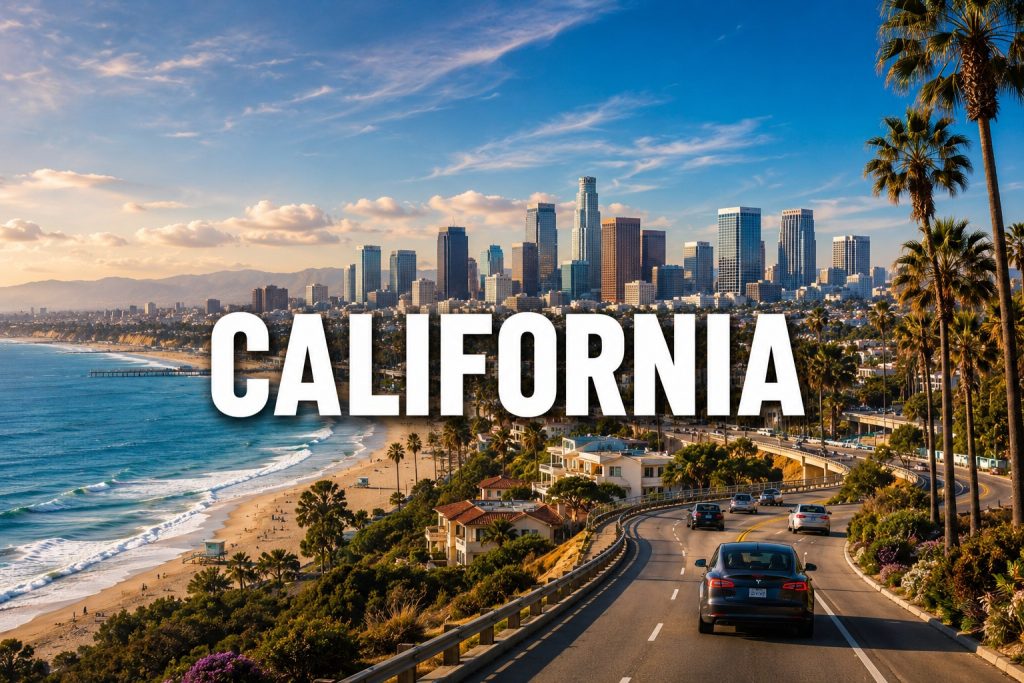
Although some states now offer larger maximum rebates under specific circumstances, California remains one of the most attractive places to purchase an electric vehicle because it combines direct purchase incentives, a mature charging network, and a strong EV ecosystem.
For many consumers, these advantages make ownership easier well beyond the initial purchase.
3. Oregon
Oregon has strengthened its position as one of the most attractive states for EV buyers through the Oregon Clean Vehicle Rebate Program. In 2026, eligible purchasers of new battery-electric vehicles can receive a standard rebate of up to $2,500.
Lower- and moderate-income households may also qualify for the Charge Ahead Rebate, which provides up to an additional $5,000 on qualifying new or used EVs.
Buyers who meet the eligibility requirements for both programs can receive as much as $7,500 in combined state incentives, making Oregon one of the most generous states for electric vehicle purchases.
By extending support beyond higher-priced new vehicles, Oregon’s incentive program helps make electric vehicle ownership attainable for a broader range of consumers.
Income qualifications apply to the Charge Ahead program, while vehicle MSRP limits ensure that the rebates primarily support affordable electric vehicles rather than luxury models.
The state has also continued expanding its public charging infrastructure through partnerships with utilities and private charging companies.
Fast chargers are now widely available along Interstate 5 and other major travel corridors, helping reduce range anxiety for both daily commuters and long-distance travelers. Oregon’s commitment to clean transportation has encouraged many manufacturers to introduce their latest EV models to the state soon after national launches.

For buyers who qualify for both rebate programs, the savings can significantly reduce the purchase price while lowering long-term ownership costs through reduced fuel and maintenance expenses.
Combined with Oregon’s expanding charging network and supportive clean-energy policies, these incentives make the state one of the nation’s best places to purchase an electric vehicle.
4. Massachusetts
Massachusetts continues to offer one of the country’s most valuable state EV purchase incentives through its Massachusetts Offers Rebates for Electric Vehicles (MOR-EV) program.
In 2026, eligible buyers of qualifying new battery-electric vehicles can receive a state rebate of up to $3,500. Income-qualified residents may receive an additional rebate, allowing total state incentives to reach as much as $6,000, depending on household eligibility and vehicle qualifications.
The MOR-EV program is structured to encourage adoption of reasonably priced electric vehicles by establishing MSRP limits for qualifying models. This approach directs funding toward mainstream EVs instead of high-end luxury vehicles.
The rebate is available on approved battery-electric models that satisfy the state’s eligibility requirements, making it easier for consumers to reduce the initial purchase price.
Massachusetts has paired these financial incentives with aggressive investments in charging infrastructure. Public Level 2 and DC fast chargers continue to expand across the state, particularly in metropolitan areas and along major highways.
Utility companies also offer separate incentives for residential charging equipment, although those benefits are independent of the vehicle purchase rebate.
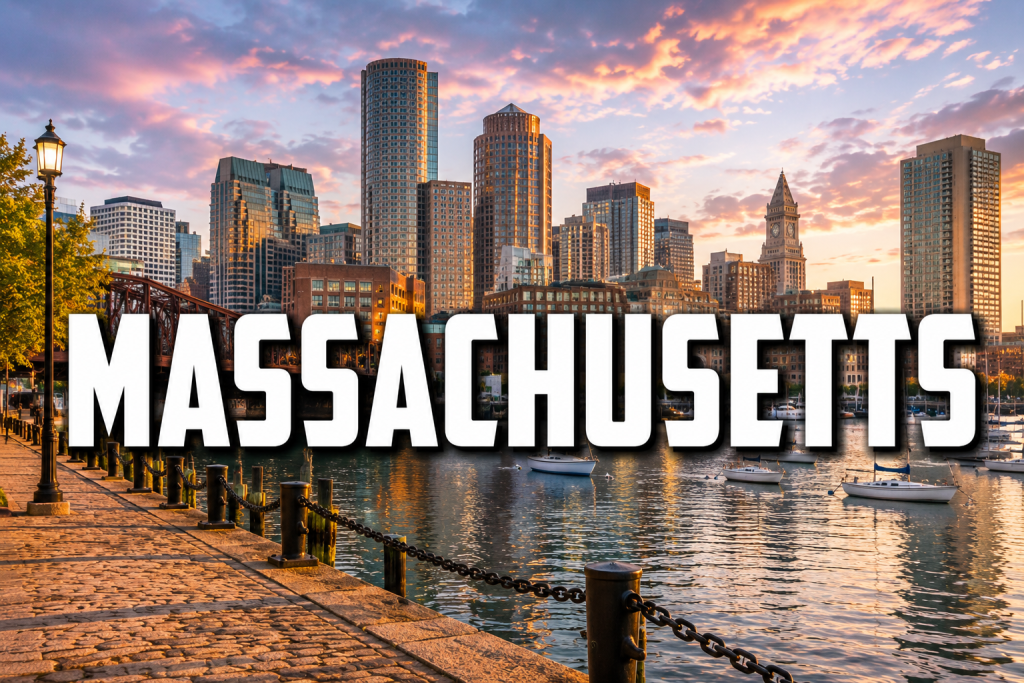
The state’s emphasis on reducing transportation emissions has resulted in strong EV adoption rates compared with many other parts of the country. Buyers benefit not only from the purchase rebate but also from lower operating costs associated with electricity compared to gasoline.
By combining substantial financial assistance, growing charging availability, and policies that support electric transportation, Massachusetts remains one of the leading states for consumers considering the purchase of a new electric vehicle in 2026.
5. New Jersey
New Jersey remains one of the most attractive states for electric vehicle buyers because it combines direct purchase incentives with additional financial benefits that reduce the total cost of ownership.
Beginning with the 2027 fiscal year on July 1, 2026, the state’s Charge Up New Jersey program provides an instant $1,500 point-of-sale incentive for eligible new battery-electric vehicles.
Income-qualified residents can receive the enhanced Charge Up+ incentive totaling $4,000, making New Jersey one of the strongest incentive states for many middle-income households. Eligible Level 2 home chargers also qualify for an additional rebate of up to $250.
New Jersey applies its EV incentive at participating dealerships, allowing eligible buyers to pay a lower purchase price immediately rather than waiting until tax season to receive the benefit.
The program is available for qualifying battery-electric vehicles that meet MSRP requirements, while the enhanced Charge Up+ program requires income verification before purchase.
Beyond rebates, New Jersey continues to exempt qualifying zero-emission vehicles from the state’s sales tax, creating thousands of dollars in additional savings depending on the purchase price. Combined with the point-of-sale incentive, many buyers realize substantial upfront savings before considering reduced fuel and maintenance costs.
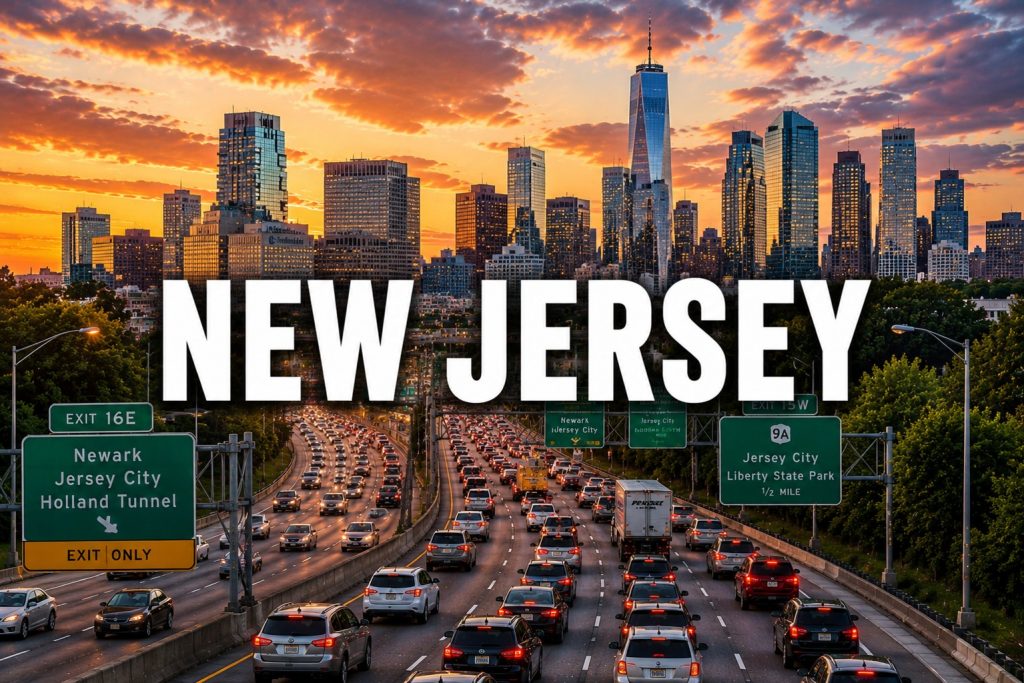
The state has also invested heavily in public charging infrastructure through the New Jersey Board of Public Utilities, expanding fast-charging availability along major highways and in metropolitan areas. This growing charging network makes EV ownership increasingly practical for commuters and long-distance travelers alike.
When purchase incentives, sales tax savings, and charging support are considered together, New Jersey remains one of the nation’s most financially rewarding states for buying an electric vehicle in 2026.
6. New York
New York continues to encourage electric vehicle adoption through its well-established Drive Clean Rebate program. During 2026, qualifying buyers can receive up to $2,000 toward the purchase or lease of eligible new battery-electric vehicles, with the exact rebate depending on the vehicle model, battery size, and MSRP.
The rebate is applied directly at participating dealerships, allowing buyers to receive the discount immediately instead of waiting for reimbursement.
The program is administered by the New York State Energy Research and Development Authority (NYSERDA) and remains one of the country’s longest-running statewide EV incentive initiatives.
New York focuses its incentives on affordable electric vehicles by using MSRP limits and varying rebate amounts according to vehicle eligibility.
This structure encourages adoption among mainstream buyers rather than concentrating benefits on high-priced luxury models. Since its introduction, the Drive Clean Rebate has helped support the purchase of hundreds of thousands of electric vehicles across the state.
Financial incentives are supported by one of the nation’s largest charging infrastructure networks. Fast chargers continue expanding along the New York State Thruway and throughout metropolitan regions, making long-distance travel significantly easier for EV owners.
State investments in charging stations complement the purchase rebate by improving everyday usability.
Although New York’s maximum rebate is smaller than incentives offered in several western states, the combination of an instant dealership discount, extensive charging infrastructure, and aggressive clean transportation policies continues to make it one of the country’s leading EV markets.
Buyers benefit from meaningful upfront savings while gaining access to a mature charging ecosystem that supports convenient electric vehicle ownership throughout the state.
7. Connecticut
Connecticut has remained one of the nation’s leading states for EV incentives through its Connecticut Hydrogen and Electric Automobile Purchase Rebate (CHEAPR) program. The program provides multiple incentive levels depending on the buyer’s income and the type of vehicle purchased.
In 2026, all eligible buyers can receive a Standard Rebate of $1,000 on qualifying new battery-electric vehicles. Income-qualified residents may receive Rebate+ New, increasing the total incentive to $4,000 for a new battery electric vehicle.
Eligible buyers purchasing qualifying used EVs can receive up to $5,000 through the Rebate+ Used program, making Connecticut one of the country’s most generous states for lower-income households.
CHEAPR provides the incentive as an instant discount at participating dealerships, allowing eligible buyers to lower the purchase price at the time of sale. The program also sets MSRP limits so that funding is directed primarily toward more affordable electric vehicles instead of luxury models.
Connecticut designed the Rebate+ program specifically to increase EV accessibility for residents living in environmental justice communities or meeting qualifying income requirements.
The state complements purchase incentives with additional support for EV ownership. Utilities such as Eversource and United Illuminating offer incentives for home charging equipment and managed charging programs, helping reduce long-term ownership costs.
Public charging infrastructure continues expanding throughout Connecticut, making electric vehicles increasingly practical for both commuters and long-distance travelers.
Although the standard rebate is smaller than those offered in a few western states, Connecticut’s enhanced incentives for qualifying households place it among the nation’s best locations for purchasing an electric vehicle.
The combination of point-of-sale rebates, charging support, and strong state commitment to electrification keeps Connecticut near the top of the rankings.
8. Delaware
Delaware continues to encourage EV adoption through the Delaware Clean Vehicle Rebate Program, which resumed funding for 2026. Eligible buyers of new battery-electric vehicles can receive up to $2,500 at the time of purchase or lease, while qualifying plug-in hybrid vehicles receive smaller rebates.
The incentive is administered by the Delaware Department of Natural Resources and Environmental Control (DNREC) and applies to approved vehicles purchased from participating dealerships. The rebate is available while funding lasts, making early application important for eligible buyers.
Delaware’s program focuses on reducing the upfront purchase cost rather than offering tax credits that require buyers to wait until the following filing season.
By lowering the vehicle price immediately, the rebate makes electric vehicles more competitive with comparable gasoline-powered models. Vehicle eligibility requirements include MSRP limits and approved model lists to ensure state funding supports mainstream electric transportation.
Although Delaware’s rebate amount is smaller than the incentives offered in Colorado or Oregon, the program remains attractive because of the state’s relatively compact geography.
Most daily driving can be completed on a single charge, and the expanding public charging network further increases the practicality of EV ownership. Drivers traveling along Interstate 95 also benefit from a growing number of DC fast chargers connecting Delaware with neighboring states.
The state continues investing in clean transportation as part of its long-term emissions reduction strategy.
Combined with lower fuel costs, reduced maintenance expenses, and a straightforward point-of-sale rebate, Delaware offers meaningful financial assistance for residents considering their first electric vehicle. These factors secure its place among the leading states for EV purchase incentives in 2026.
9. Rhode Island
Rhode Island continues to strengthen electric vehicle adoption through its DRIVE EV rebate program, administered by the Rhode Island Office of Energy Resources. In 2026, eligible buyers can receive a standard rebate of up to $2,500 when purchasing or leasing a qualifying new battery-electric vehicle.
Income-qualified households may be eligible for the DRIVE+ incentive, increasing the total rebate to up to $5,000 on eligible new EVs. These incentives are designed to reduce the initial purchase cost while encouraging more residents to transition away from gasoline-powered vehicles.
One of the program’s strengths is its focus on affordability. Eligible vehicles must meet MSRP requirements, ensuring that state funding primarily benefits mainstream electric vehicles rather than high-priced luxury models.
Participating dealerships apply the rebate during the purchase process, making the savings available immediately instead of requiring buyers to claim a tax credit later.
Rhode Island has also invested in expanding public charging infrastructure through state and utility partnerships. Fast chargers are becoming increasingly common along major travel corridors, while additional Level 2 charging stations have been installed in public parking facilities, shopping centers, and municipal locations.
These improvements make daily EV ownership more practical for residents across the state. Although Rhode Island is geographically small, its incentive program provides meaningful financial assistance for buyers who qualify.
Combined with lower fueling costs, reduced maintenance requirements, and growing charging availability, the rebate helps narrow the price difference between electric and gasoline-powered vehicles.
By pairing generous purchase incentives with continued investments in charging infrastructure, Rhode Island remains one of the better states for consumers considering an electric vehicle in 2026. Buyers who meet the DRIVE+ income requirements can realize particularly significant savings at the time of purchase.
10. Maine
Maine rounds out this ranking with the Efficiency Maine EV Rebate Program, one of the most established state incentive programs in the Northeast. During 2026, eligible residents purchasing a qualifying new battery-electric vehicle can receive up to $2,000 through the standard rebate program.
Income-qualified buyers may receive enhanced rebates of up to $7,500 on eligible new electric vehicles, placing Maine among the most generous states for low- and moderate-income households.
The program is designed to increase EV accessibility while encouraging the adoption of reasonably priced vehicles. MSRP limits apply to qualifying models, directing available funding toward affordable transportation rather than premium luxury EVs.
Rebates are available through participating dealerships, allowing many buyers to receive the financial benefit during the purchase transaction.
Efficiency Maine also supports electric vehicle ownership beyond the initial purchase. Residents can qualify for separate incentives for home charging equipment, helping reduce installation costs and making overnight charging more convenient.
Public charging infrastructure continues expanding throughout the state, especially along major highways and popular tourist routes, improving confidence for longer trips.
For many Maine residents, the combination of generous rebates and reduced operating costs makes an electric vehicle increasingly attractive despite the state’s rural driving patterns. Modern EVs now offer enough range to comfortably handle most daily travel while requiring less routine maintenance than comparable gasoline-powered vehicles.
The combination of substantial income-based incentives, reliable rebate administration, and ongoing charging infrastructure investment secures Maine’s position among the top states offering financial support for electric vehicle purchases in the United States during 2026.
Also Read: 8 Vehicles Most Stolen in Rural States
