
The 2027 model year marks a genuine turning point for hybrid technology. Automakers are no longer treating hybrids as a fuel-economy afterthought. Instead, hybrid powertrains are becoming the default choice across entire lineups. Toyota, Lexus, and Subaru already sell hybrid-only vehicles in some segments.
Meanwhile, Honda, Nissan, Kia, GM, and BMW are racing to catch up with fresh systems of their own. Some use traditional parallel hybrid layouts. Others, like Nissan’s e-Power, ditch the mechanical connection between engine and wheels entirely. The engine simply generates electricity while motors do all the driving.
This shift is being driven by tightening emissions rules and shifting buyer preferences. Plug-in hybrids are also making a comeback in Detroit. GM has confirmed it will reintroduce PHEVs to its US lineup starting in 2027. That marks the brand’s first plug-in hybrid since the Chevrolet Volt was discontinued.
Below are eight of the most significant new hybrid vehicles arriving for 2027. Each one represents a different engineering philosophy and a different bet on what buyers want.
From rugged off-roaders to three-row family haulers to luxury sedans, this list spans nearly every segment. Specifications below are based on manufacturer data and confirmed reporting where available.
1. Subaru Forester Wilderness Hybrid
Subaru revealed this model at the 2026 New York International Auto Show. It is the brand’s first-ever Wilderness trim with hybrid power, debuting at the New York International Auto Show as Subaru’s first-ever Wilderness model with hybrid technology.
The system borrows heavily from Toyota’s hybrid architecture. An Atkinson/Miller-cycle version of Subaru’s 2.5-liter flat-four engine makes 162 hp and 154 lb-ft of torque, while a main motor-generator adds 118 hp and 199 lb-ft.
Combined output lands at a healthy figure. The Forester Wilderness Hybrid uses an Atkinson/Miller-cycle 2.5-liter Subaru Boxer engine paired with a lithium-ion battery and electric motors to produce 194 horsepower.
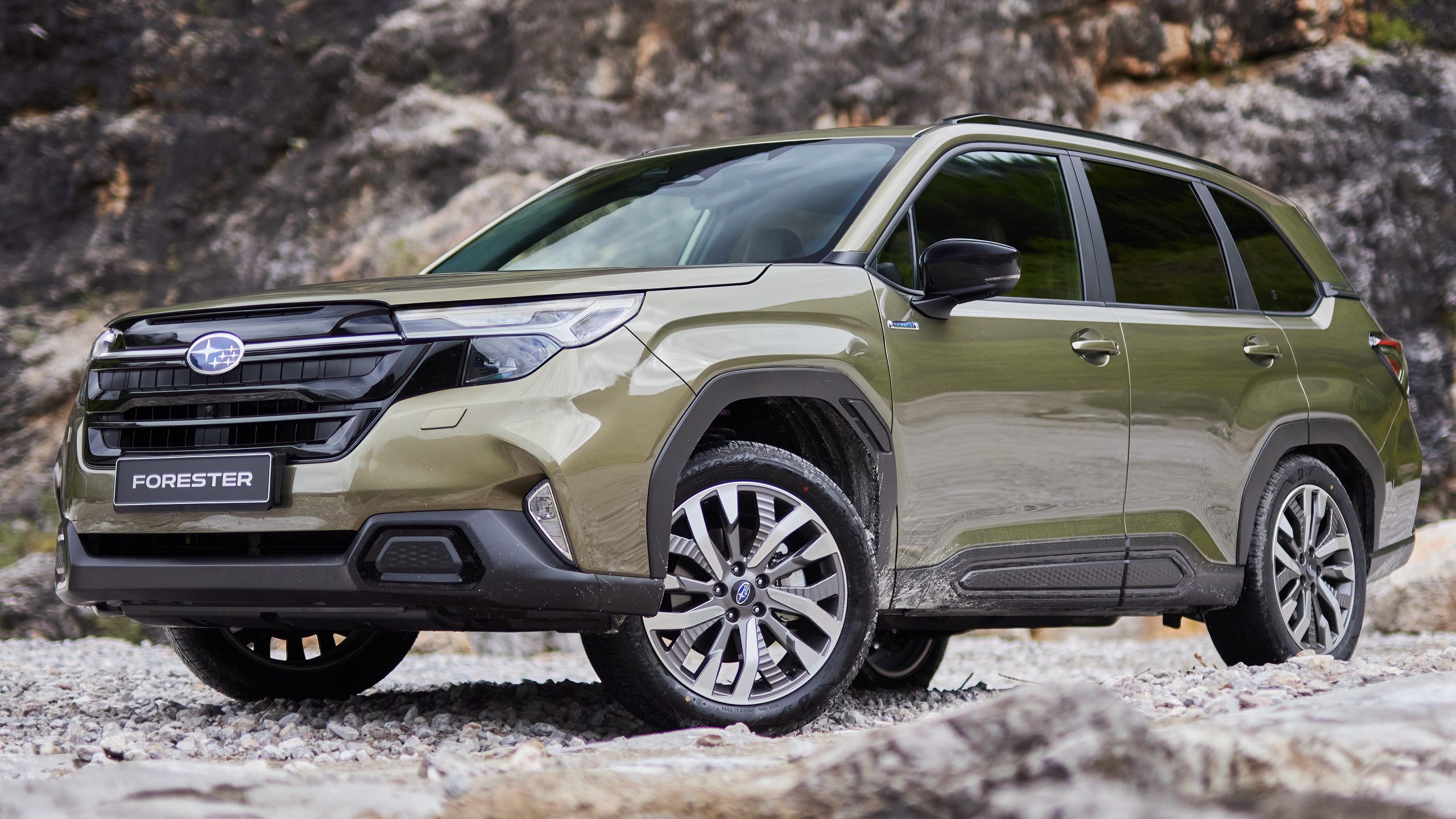
That is a real jump over the gas-only version. The Wilderness Hybrid makes 194 horsepower compared to just 180 horsepower in the standard gas Forester Wilderness.
Off-road hardware carries over unchanged. Ground clearance, all-terrain tires, and the X-MODE system remain intact. Ground clearance increases from 8.7 inches in the standard Forester Hybrid to 9.3 inches thanks to longer coil springs and shock absorbers. Roof rails can hold real cargo too.
The roof rack can handle up to 800 lbs of static load capacity, ideal for rooftop camping setups. That is a meaningful capability for overlanding buyers.
Fuel economy sees a real bump as well. Subaru expects roughly 25 percent better efficiency than the non-hybrid Wilderness trim. The interior gets modern tech alongside the mechanical upgrades. It includes an 11.6-inch tablet-style touchscreen, a 12.3-inch digital gauge cluster, and Subaru’s EyeSight driver assist suite.
Specifications:
- Engine: 2.5L Atkinson/Miller-cycle flat-4 plus dual electric motors
- Horsepower: 194 hp combined
- Torque: 199 lb-ft combined
- Transmission: Lineartronic CVT
- Drivetrain: Symmetrical All-Wheel Drive
- Ground Clearance: 9.3 inches
- On-Sale Date: Late 2026
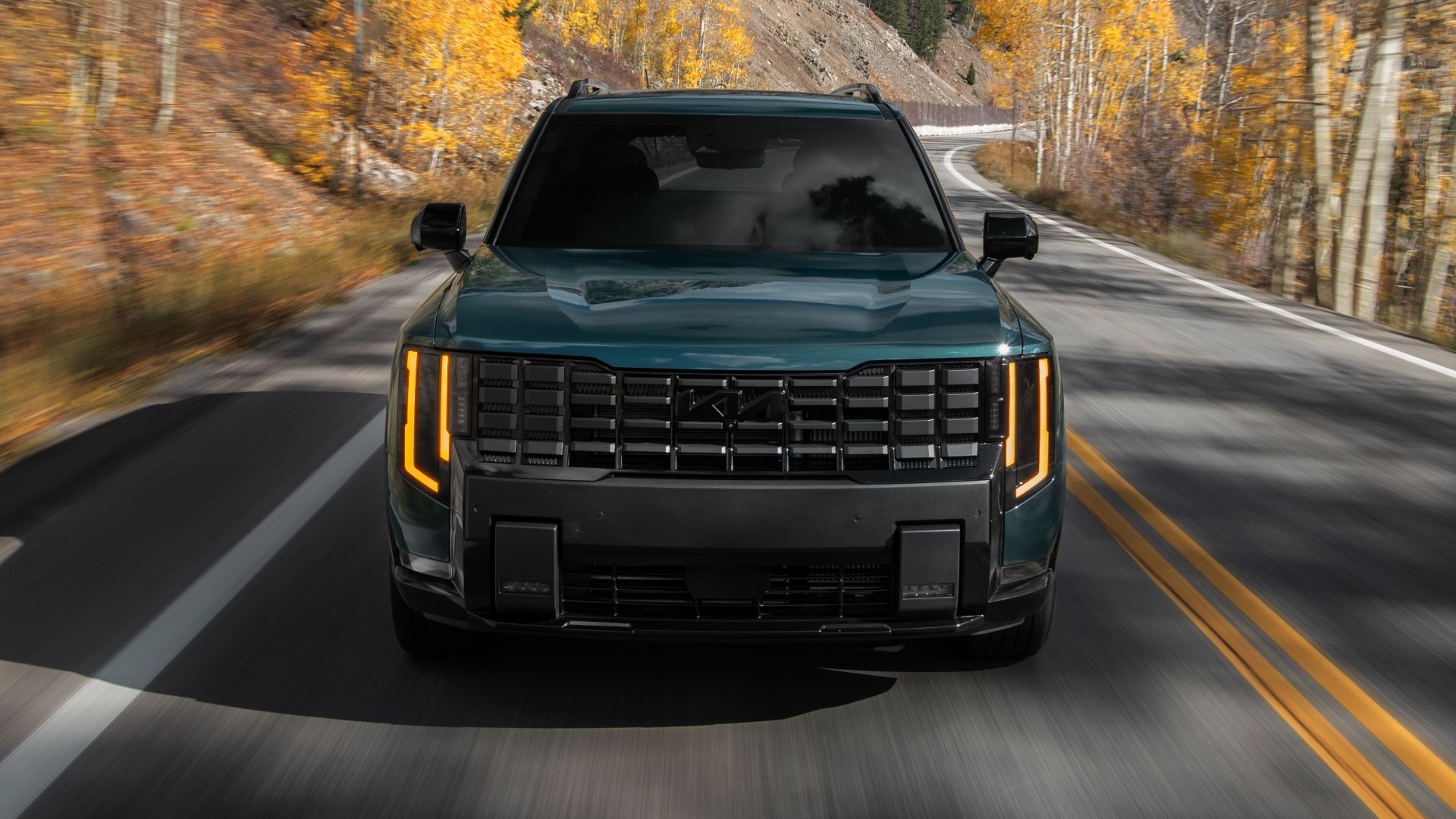
2. Kia Telluride Hybrid
Kia’s three-row flagship gets a full redesign for its second generation. A hybrid powertrain joins the lineup for the first time ever. The numbers are impressive for a family SUV.
The Telluride Hybrid combines a 2.5-liter turbo engine with a 1.65-kWh lithium-ion battery and electric motors for a combined 329 horsepower and 339 lb-ft of torque.
That represents a significant leap over the outgoing model. It is up to a 38-horsepower increase over the previous Telluride’s 291-hp powerplant, and 77 lb-ft more torque.
Power routes through a conventional automatic rather than a CVT. The turbo-hybrid sends power through a 6-speed automatic transmission to an available all-wheel-drive system.
Fuel economy improves substantially over the outgoing V6. Kia estimates strong combined mileage on front-wheel-drive configurations. A new stability feature debuts alongside the hybrid system.
The hybrid is standard with Electrification-Vehicle Motion Control, using braking and motor control to improve handling and stability. Towing capability remains competitive with rivals. When properly equipped, the Telluride Hybrid can tow up to 4,500 pounds. Trim levels span a wide price range. Trim options include EX, SX, X-Line SX, SX-Prestige, and X-Line SX-Prestige.
Specifications:
- Engine: 2.5L turbocharged inline-4 hybrid
- Horsepower: 329 hp
- Torque: 339 lb-ft
- Transmission: 6-speed automatic
- Drivetrain: FWD standard, AWD available
- Towing Capacity: 4,500 lbs
- Seating: 7 passengers
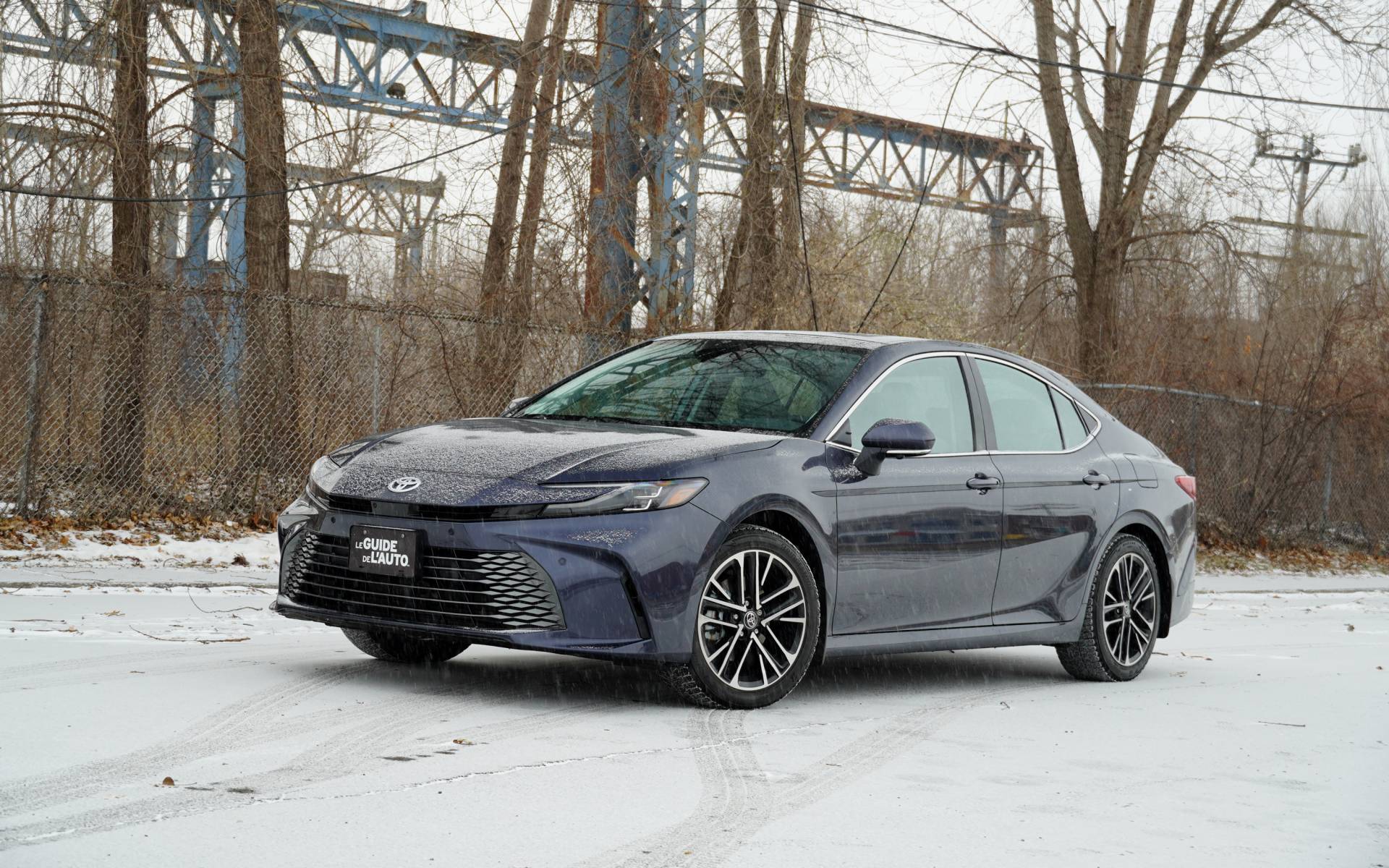
3. Toyota Camry Hybrid
The Camry entered its current generation as a hybrid-only model. For 2027, it continues as a carryover with only minor tweaks. Every trim runs the same efficient formula.
Every Camry produces 225 horsepower with front-wheel drive, delivering an EPA-estimated 52 mpg city and 49 mpg highway. All-wheel drive adds a bit more punch. Electronic On-Demand All-Wheel Drive adds a rear electric motor, boosting output to 232 horsepower.
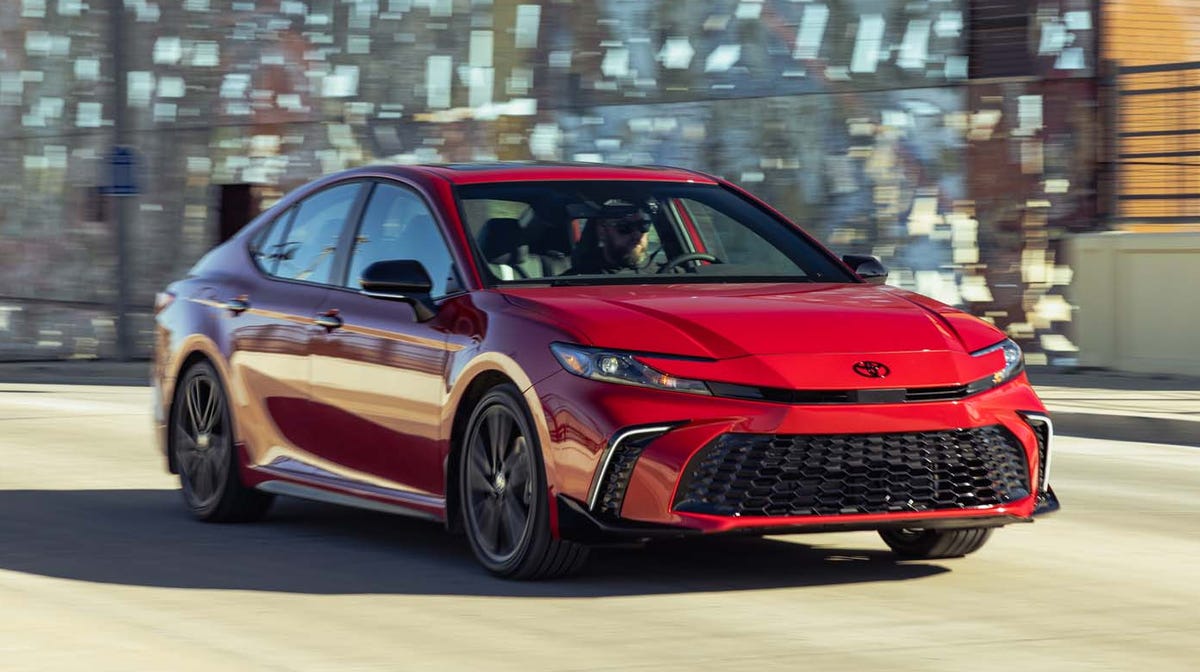
The powertrain architecture stays simple by design. It uses a naturally aspirated 2.5-liter four-cylinder engine paired with electric assistance, running through a continuously variable transmission.
Real-world performance is respectable for a family sedan. The AWD hybrid manages a 0-60 mph sprint of around 7.0 seconds. Dimensions grow slightly for this generation. length extends to 4,920 mm, up from 4,885 mm, while curb weight drops to roughly 1,565 kg.
Pricing remains accessible across the lineup. Estimated pricing ranges from around $30,995 for the LE Hybrid to $40,495 for the XSE Hybrid AWD. A plug-in “Camry Prime” variant is rumored for later years. It is not confirmed for the 2027 model year yet.
Specifications:
- Engine: 2.5L naturally aspirated inline-4 hybrid
- Horsepower: 225 hp (FWD) / 232 hp (AWD)
- Torque: 163 lb-ft
- Length: 4,920 mm (193.7 in)
- Transmission: eCVT
- Fuel Economy: Up to 52 mpg combined
4. Nissan Rogue e-Power
This is the boldest engineering change on this list. Nissan brings its series hybrid system to the US for the very first time. The concept differs fundamentally from typical hybrids.
Two electric motors directly power the wheels for instant torque, while a turbocharged 1.5-liter three-cylinder engine works strictly as a generator with no mechanical link to the wheels. There is no plug required at all. Drivers simply refuel with gasoline as they would with any standard car, with no charging necessary.
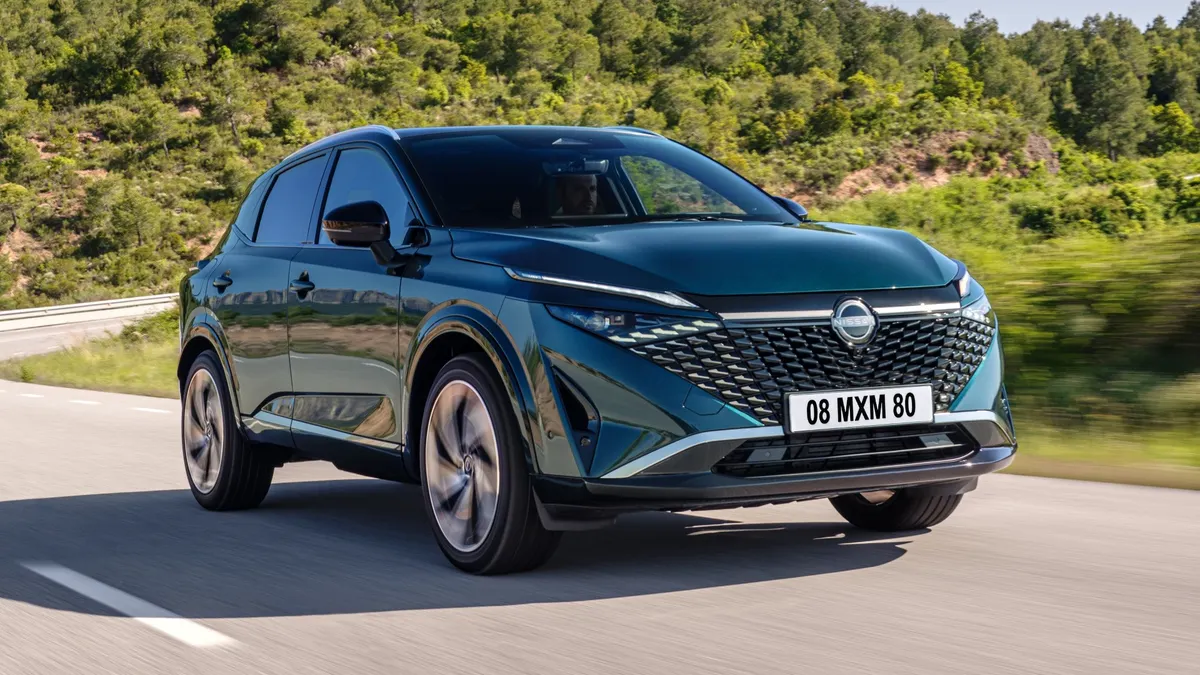
Power figures come from Nissan’s related global model. E-Power in the related Qashqai is rated at 188 hp and 229 lb-ft of torque, with the US system optimized for higher-speed American driving.
Some outlets peg output slightly higher for the US-spec Rogue. The new e-Power model uses two electric motors worth about 200 horsepower to drive the wheels.
Nissan accelerated the launch timeline significantly. The hybrid was originally planned for the first half of 2027 but was moved up to October 2026 after EV tax credit changes hurt Rogue plug-in hybrid demand.
All-wheel drive comes standard on the hybrid model. The Rogue Hybrid will feature all-wheel drive, with the gas engine acting purely as a battery generator. Fuel economy targets are strong for a compact SUV. Nissan suggests city-cycle figures approaching 40 mpg, pending final EPA certification.
Specifications:
- Engine: 1.5L turbocharged 3-cylinder (generator only)
- Electric Motors: Dual-motor, one per axle
- Horsepower: Approximately 200 hp combined
- Drivetrain: Standard AWD
- Transmission: None (single-speed direct drive)
- On-Sale Date: Fall 2026
Also Read: Why Dealerships Push You to Finance Even When You Can Pay Cash, Explained
5. Honda’s New Hybrid V6 Platform
Honda has confirmed a brand-new hybrid system for its larger vehicles. It targets the Pilot, Passport, Ridgeline, and Odyssey lineups. This is not a rebadged existing engine.
Honda is developing an entirely new hybrid setup pairing a V6 engine with up to three electric motors, with one motor mounted on the rear axle.
The efficiency gains are substantial by Honda’s own estimate. Honda says the hybrid powertrain will deliver a combined output of close to 300 horsepower along with improved fuel economy in the mid-30s mpg.
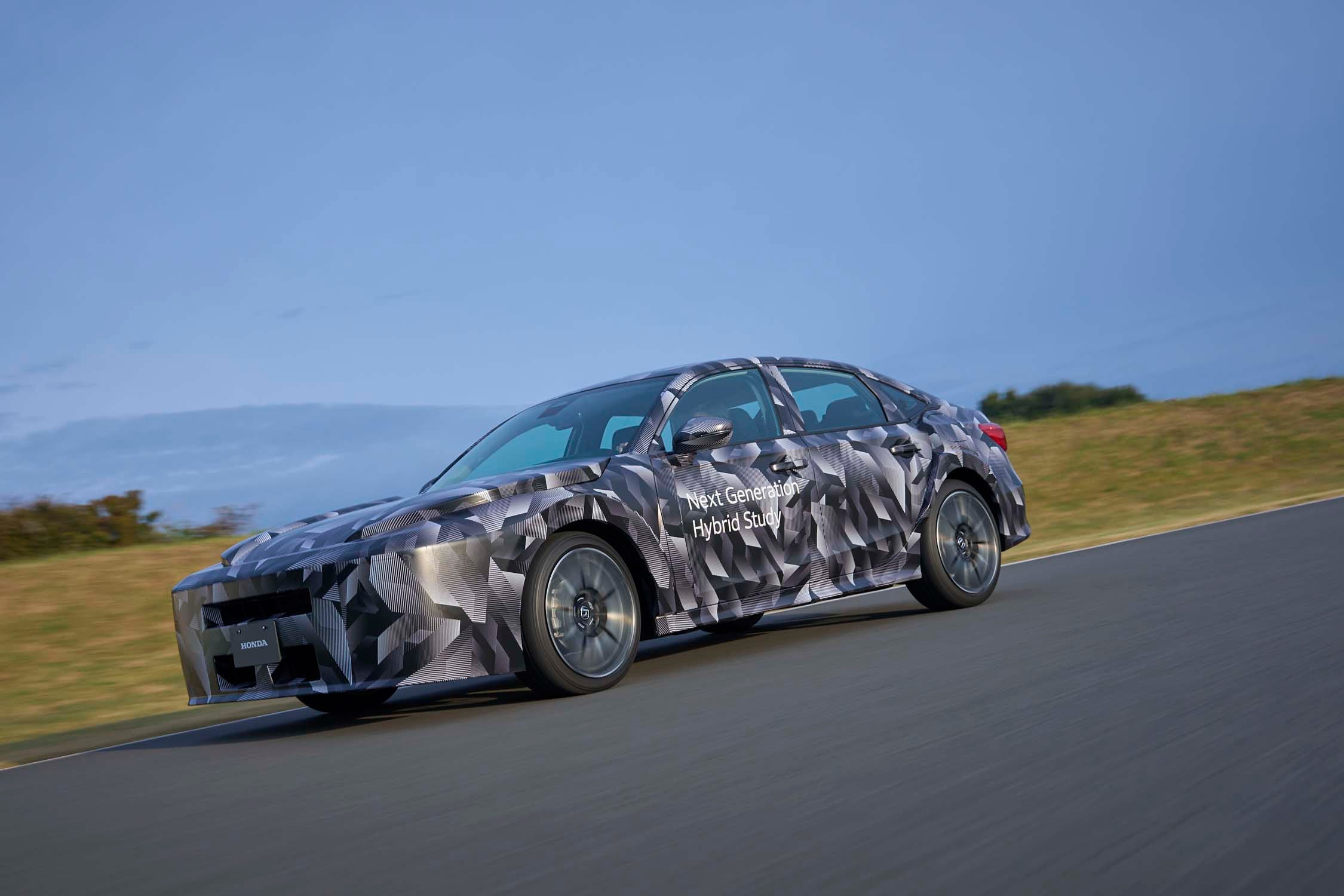
Acceleration also improves noticeably over gas-only models. Honda states the hybrid system should improve acceleration by more than 10 percent versus the outgoing V6.
Fuel economy gains target roughly 30 percent. Honda is targeting a 30 percent increase in fuel economy compared to a traditional gas-only vehicle, with the current AWD Pilot rated at 21 mpg combined.
Timing has firmed up considerably in recent months. Honda’s chief engineer for the large-size hybrid system indicated the company wants to enhance trail performance in hybrid models.
The system is expected to debut with a redesigned model in 2027. Whether that vehicle is the Pilot, Odyssey, or Ridgeline remains unconfirmed publicly. Rear-motor AWD should offer strong low-speed torque delivery. This is expected to particularly benefit TrailSport off-road trims.
Specifications:
- Engine: All-new V6 (displacement unconfirmed)
- Electric Motors: Up to three motors
- Horsepower: Approximately 300 hp combined (estimated)
- Fuel Economy Gain: Up to 30% over gas-only
- Drivetrain: Available AWD via rear e-motor
- Target Models: Pilot, Passport, Ridgeline, Odyssey
6. Lexus ES 350h
Lexus completely reengineered its longest-running nameplate for this generation. The hybrid system now leads with electric power rather than the gas engine.
This flips the traditional Toyota hybrid formula. The new ES 350h uses a 201-horsepower electric motor up front, plus a 54-horsepower rear motor on AWD models, for a combined 244 horsepower.
The gas engine now plays a supporting role. The 2.5-liter four-cylinder engine, making 186 horsepower, now acts more like a generator, similar to Honda’s hybrids or Nissan’s e-Power system.
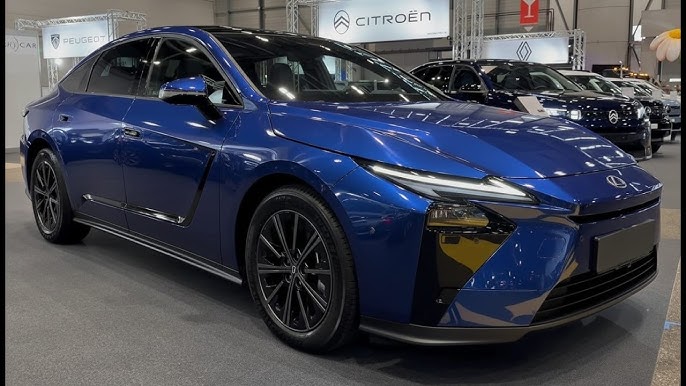
Official figures confirm the same total output. Total net combined hybrid system output is 244 horsepower on both front-wheel-drive and all-wheel-drive models. Performance differs slightly between drivetrain choices. The AWD version notches a 0-60 mph sprint in 7.1 seconds, compared to 7.3 seconds for the front-wheel-drive model.
Dimensions grow substantially over the previous generation. Length increases by 165 mm to 5,140 mm, with the wheelbase extended 80 mm to 2,950 mm and width up 55 mm to 1,920 mm.
An electric ES sibling shares the same platform. The all-electric ES 350e produces 221 hp with FWD, while the ES 500e uses dual motors for 338 hp with AWD. Pricing positions the hybrid slightly above the EV variant. The ES 350h starts at $51,095, about $2,200 more than the electric ES 350e’s $48,895 starting price.
Specifications:
- Engine: 2.5L inline-4 plus dual electric motors
- Horsepower: 244 hp combined
- Torque: 173 lb-ft (engine) plus 199 lb-ft (motor)
- Length: 5,140 mm (202.4 in)
- Transmission: Electronic CVT 0-60 mph: 7.1-7.3 seconds
7. Chevrolet Equinox Plug-In Hybrid
General Motors is bringing plug-in hybrids back to America. The Equinox is the leading candidate to carry that torch. GM leadership has confirmed the broader strategy publicly. General Motors has confirmed that plug-in hybrid vehicles will return to its US portfolio starting in 2027.
The Equinox makes sense given its sales volume. The Chevrolet Equinox is the brand’s best-selling SUV, with 274,356 units registered in 2025, a 32.1 percent year-over-year jump.
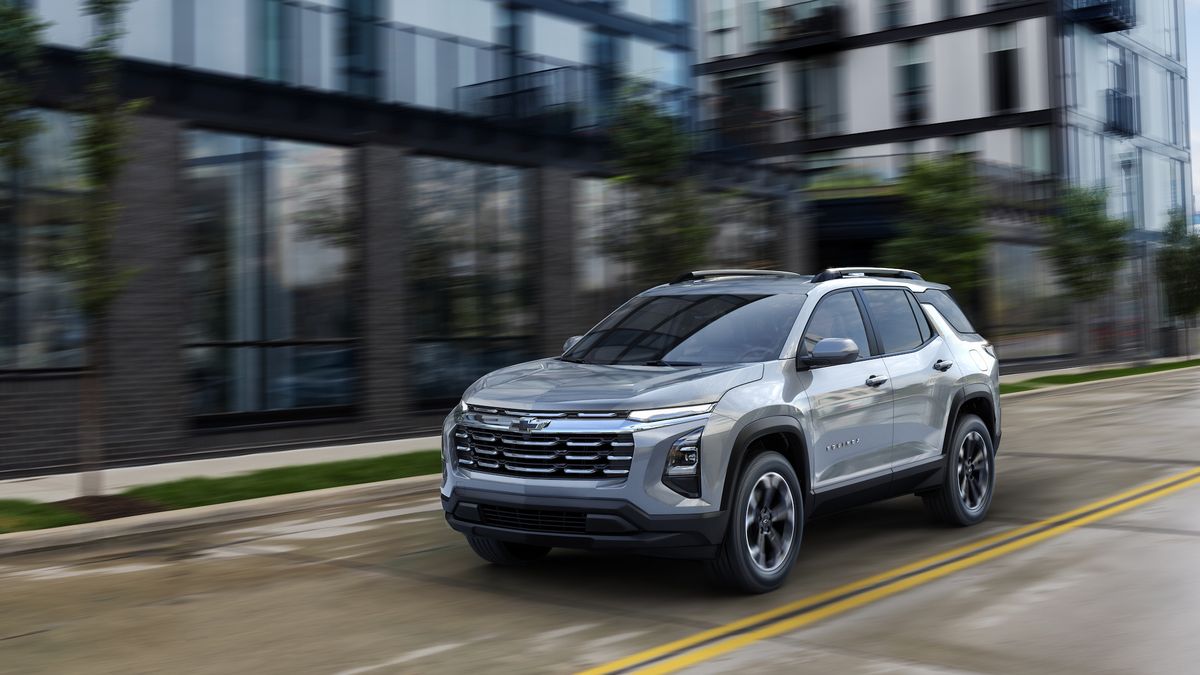
Production logistics point toward a shared assembly line. GM confirmed the Fairfax Assembly plant in Kansas City will build the gasoline Equinox starting in mid-2027, and adding a PHEV there would reduce tooling costs.
A Chinese-market version hints at what US buyers might get. That plug-in model pairs a 1.5-liter turbocharged engine producing 177 horsepower with an electric motor delivering 188 horsepower.
Electric-only range is a genuine strength there. The top trim offers up to 96 miles of pure electric range from a 24.4-kWh battery, while lower trims get 63 miles from a 16.5-kWh pack.
GM stresses the US model will differ from the Chinese variant. Chevrolet reiterated that the Equinox PHEV sold in China “was developed for that market and is not the plan at the moment” for America.
The gas-only Equinox continues alongside the PHEV effort. It retains a turbocharged 1.5-liter I4 engine rated at 175 horsepower and 203 lb-ft of torque.
Specifications:
- Engine: 1.5L turbocharged inline-4 plus electric motor
- Horsepower: Estimated 175-190 hp (US spec, pending confirmation)
- Electric Range: Estimated 60+ miles (based on China-market data)
- Assembly: Fairfax Assembly, Kansas
- City Segment: Compact plug-in hybrid SUV
- Status: Confirmed for 2027, final specs pending
8. BMW X5 xDrive50e
BMW’s redesigned X5 arrives as a Neue Klasse-influenced luxury SUV. A plug-in hybrid variant sits near the top of the new lineup. The gas-only model gets a mild-hybrid boost too. The base engine is a 3.0-liter turbocharged inline-six making 394 horsepower and 428 lb-ft of torque, an increase of 19 hp and 45 lb-ft over the previous generation.
The plug-in variant multiplies that output considerably. The X5 50e xDrive pairs the same engine with a stronger electric motor and a 26.5-kWh battery, delivering 483 horsepower and 516 lb-ft of torque.
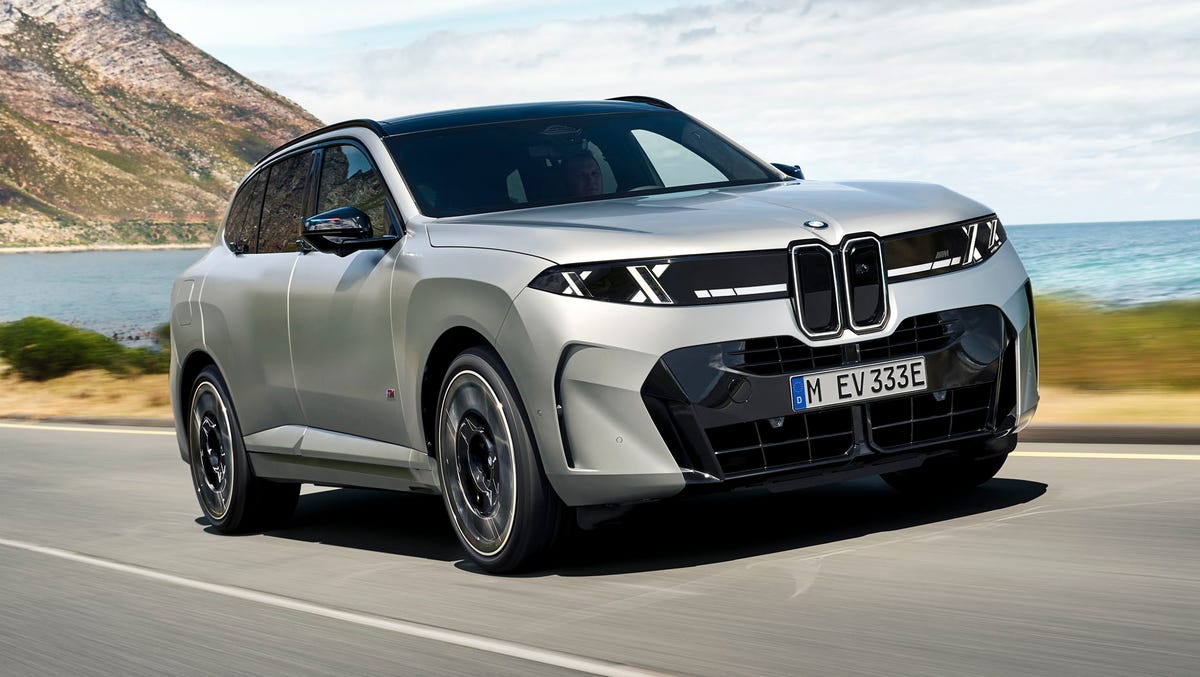
Electric-only range improves over the outgoing plug-in. The 26.5-kWh battery should give the PHEV 44 miles of EV-only range, around 15 more miles than the current X5 plug-in. An eight-speed automatic handles power delivery. Power is sent through an eight-speed automatic transmission to either the rear or all four wheels.
Pricing sits well above mainstream competitors. The plug-in hybrid model starts at $78,950, while the fully electric iX5 60 xDrive starts from $81,250.
An all-electric sibling joins the same generation. The BMW iX5 60 xDrive uses dual-motor AWD to produce 570 horsepower and 593 lb-ft of torque. Manufacturing stays close to home for US buyers. The vehicles will be manufactured in Spartanburg, South Carolina.
Specifications:
- Engine: 3.0L turbocharged inline-6 plus electric motor
- Horsepower: 483 hp combined
- Torque: 516 lb-ft combined
- Battery: 26.5 kWh
- Electric Range: 44 miles
- Transmission: 8-speed automatic
- Starting Price: $78,950
Also Read: 8 New SUVs Frequently Stolen for Parts, Not Resale
