
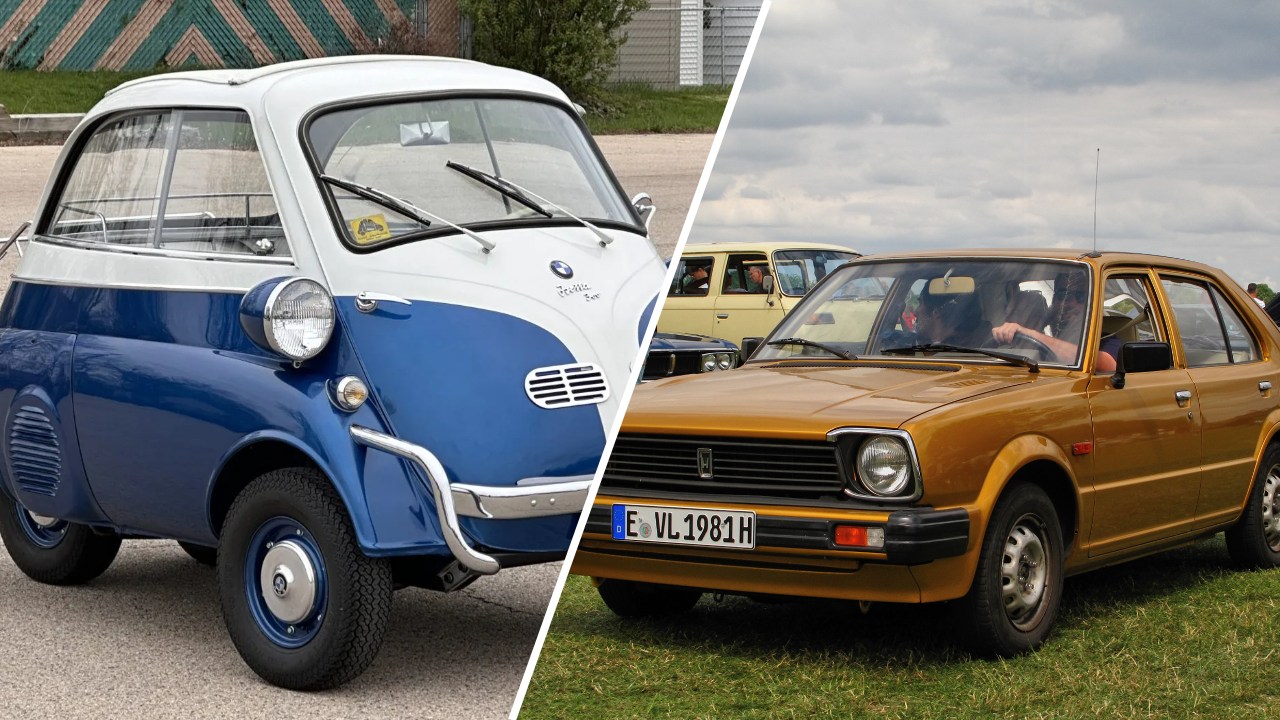
Modern vehicles continue to push horsepower figures higher, but automotive history includes many models built around completely different goals. For decades, manufacturers created cars that prioritized affordability, simplicity, and fuel savings, resulting in engines with extremely modest power ratings by today’s standards.
The following list covers eight of the least powerful production cars available in the U.S. market. Each model represents a specific period shaped by changing regulations, fuel concerns, and consumer needs. While these cars lacked speed, they offered accessible transportation and remain significant examples of how vehicle design priorities have evolved.
Also Read: 10 Cars That Are Hardest to Repair Outside the Dealership
1. 1958 BMW Isetta 300
Few vehicles illustrate minimalist transportation better than the BMW Isetta 300. Officially imported and sold in the United States during the late 1950s, the tiny microcar was originally designed to provide inexpensive personal mobility in the years following World War II.
Instead of competing with conventional sedans, it offered buyers a compact, highly efficient alternative for short-distance travel.
Power came from a single-cylinder, four-stroke, air-cooled engine displacing just 298 cubic centimeters. Factory specifications rated the engine at only 13 horsepower, making the Isetta one of the least powerful production automobiles ever sold in the American market.
Despite the modest output, the car weighed well under 800 pounds, allowing it to achieve usable city performance and a top speed of approximately 53 miles per hour under favorable conditions.
The Isetta’s unusual engineering also attracted attention. Rather than traditional side doors, occupants entered through a single front-opening door that swung outward together with the steering column. Its narrow rear track, compact wheelbase, and tiny dimensions made parking exceptionally easy in crowded urban areas.
Although American buyers generally preferred larger automobiles during the late 1950s, the Isetta developed a loyal niche following among consumers seeking maximum fuel economy and low operating costs. Today it is remembered less for its performance than for its distinctive design and historical importance.
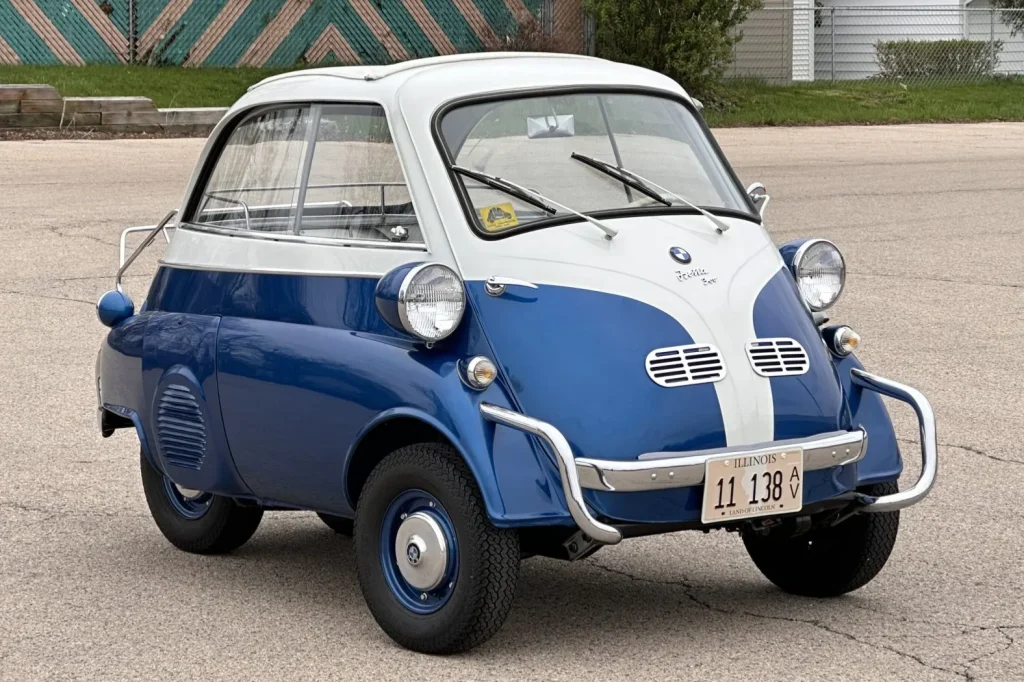
Measured strictly by factory horsepower, the BMW Isetta remains one of the weakest production cars ever offered to American buyers, yet it successfully fulfilled the purpose for which it was engineered.
Specifications
- Engine: 298 cc air-cooled single-cylinder
- Torque: 14 lb-ft
- Horsepower: 13 hp
- Length/Width: 89.8 inches / 54.3 inches
2. 1958 Subaru 360
The Subaru 360 occupies a unique place in American automotive history because it introduced many U.S. consumers to the Subaru brand. Imported beginning with the 1968 model year by Subaru of America, the tiny rear-engine microcar had already been on sale in Japan for several years.
Designed to satisfy Japan’s kei car regulations, it emphasized efficiency and affordability rather than speed or highway capability. Its two-cylinder, two-stroke engine displaced only 356 cubic centimeters and produced 25 horsepower in U.S. specification. Even by the standards of the late 1960s, that figure was extremely modest.
Acceleration was slow, particularly when carrying multiple passengers, and highway performance was limited. However, the Subaru 360 compensated with exceptionally low fuel consumption, simple mechanical construction, and a curb weight of roughly 1,000 pounds.
The car was designed around urban practicality, with a compact body that made navigating busy streets and tight parking spaces much easier. Its independent suspension setup helped provide a refined ride for its size, while the lightweight construction improved agility and maneuverability in everyday driving.
As market preferences changed, however, American consumers began favoring vehicles with more room, stronger performance, and additional safety features, making it harder for the small car to maintain widespread appeal.
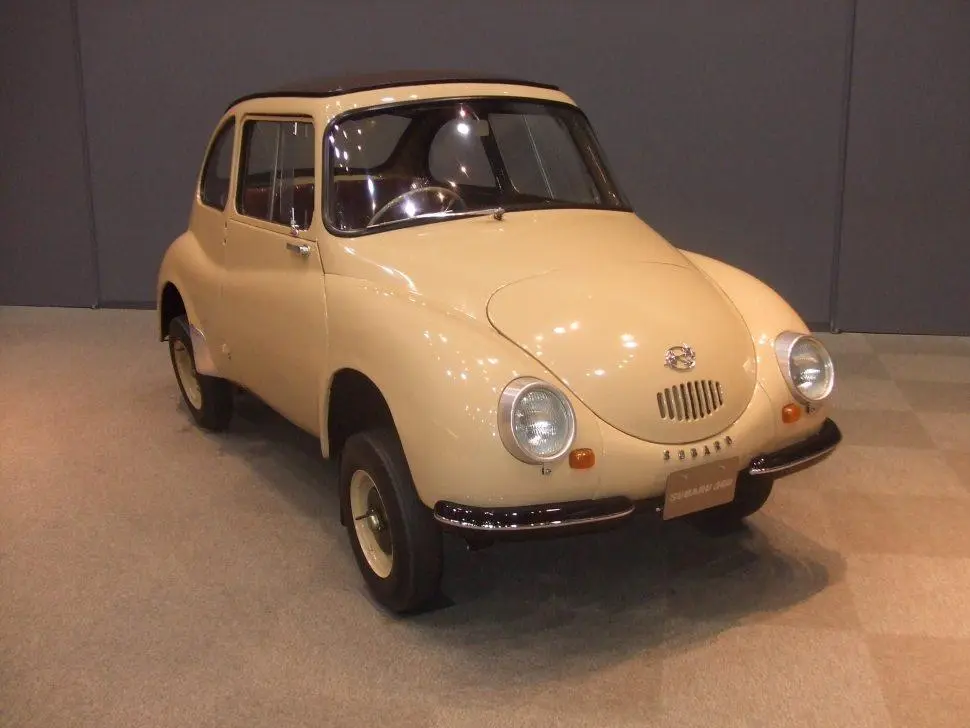
Although sales remained relatively small, the Subaru 360 played a significant strategic role. It marked Subaru’s entry into the U.S. market and laid the foundation for the company’s later success with models such as the Legacy, Outback, and Forester.
The Subaru 360 has earned a place in automotive history as one of the least powerful cars sold in the United States. Its legacy reflects a period when manufacturers focused on creating affordable and efficient transportation solutions rather than chasing performance numbers.
Specifications
- Engine: 356 cc air-cooled two-cylinder two-stroke
- Torque: 24 lb-ft
- Horsepower: 25 hp
- Length/Width: 117.3 inches / 51.2 inches
3. 1985 Chevrolet Sprint
The Chevrolet Sprint arrived in the United States during an era when fuel economy remained a top priority for many buyers.
Built by Suzuki and sold through Chevrolet dealerships, the Sprint was engineered to provide inexpensive, efficient transportation rather than spirited performance. Its compact dimensions, low purchase price, and excellent fuel economy made it an attractive option for commuters and first-time car buyers.
Base models were powered by a 1.0-liter three-cylinder engine producing 48 horsepower, one of the lowest output figures for a modern passenger car sold in the United States during the 1980s. While acceleration was modest, the lightweight hatchback weighed only about 1,500 pounds, allowing it to keep pace with city traffic.
Buyers who valued economy over speed appreciated its ability to deliver impressive EPA fuel economy ratings for the period.
The Sprint’s interior was built around affordability and simplicity, featuring manual windows, straightforward climate controls, and limited comfort features. Despite its basic cabin, the hatchback layout provided useful cargo space and added versatility, allowing the small Chevrolet to deliver more practicality than its compact dimensions would imply.
The Sprint also demonstrated how manufacturers responded to changing consumer demands following the fuel crisis of the 1970s. Instead of emphasizing larger engines, Chevrolet expanded its lineup with compact imports that prioritized efficiency and affordability.
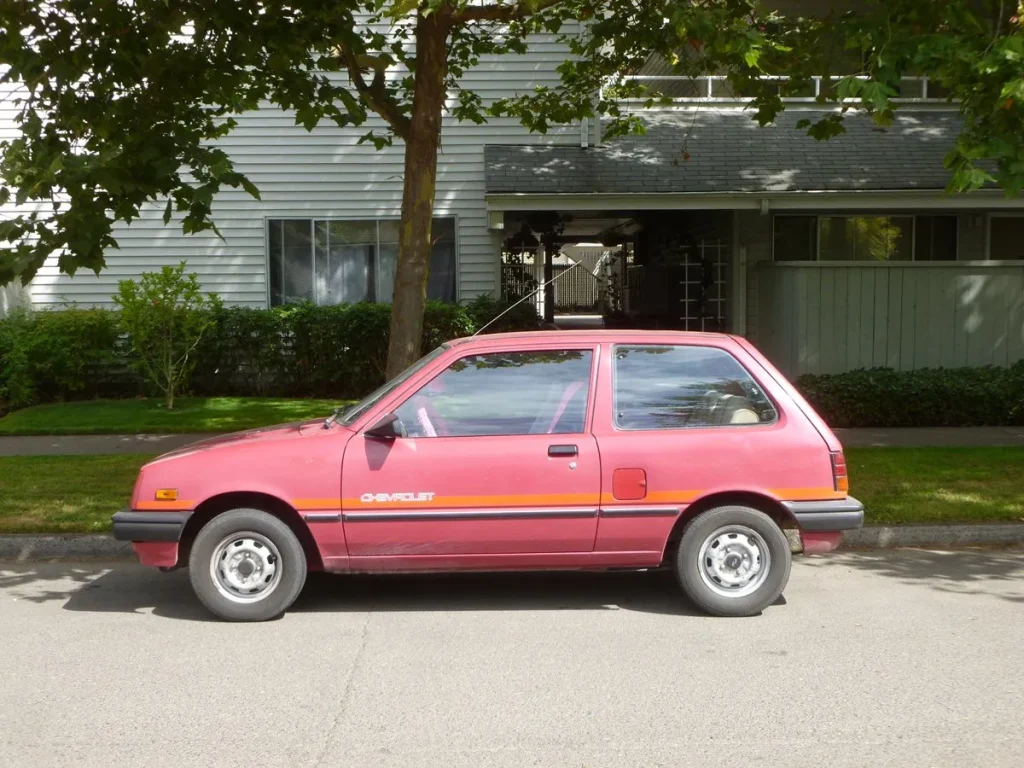
Although later versions offered slightly more powerful engines, the original three-cylinder model remains one of the least powerful American-market cars of its era.
Today, the Chevrolet Sprint serves as an interesting reminder that practical transportation once mattered far more than quick acceleration. It fulfilled its purpose by delivering dependable, economical commuting at a time when operating costs were a primary concern for many households.
Specifications
- Engine: 1.0-liter inline-three
- Torque: 57 lb-ft
- Horsepower: 48 hp
- Length/Width: 145.3 inches / 60.2 inches
4. 1989 Geo Metro
Few economy cars became as recognizable during the late 1980s and early 1990s as the Geo Metro. Developed through General Motors’ partnership with Suzuki, the Metro was designed around exceptional fuel efficiency and low ownership costs. It quickly earned a reputation as one of the most economical new cars available in the United States.
The base hatchback used a 1.0-liter three-cylinder engine producing 49 horsepower. That figure placed it among the least powerful passenger cars sold in America at the time, but the Metro’s lightweight construction allowed it to perform adequately in everyday driving.
It excelled in urban environments, where low fuel consumption mattered more than rapid acceleration.
One of the Metro’s greatest strengths was its simplicity. Maintenance costs were generally low, replacement parts were affordable, and the uncomplicated mechanical design contributed to dependable long-term operation when properly maintained.
These qualities made it especially popular with students, budget-conscious families, and commuters seeking inexpensive transportation.
The Metro also became well known for outstanding fuel economy. EPA estimates frequently placed it among the most efficient gasoline-powered cars available during its production run, helping owners reduce operating expenses during periods of rising fuel prices.
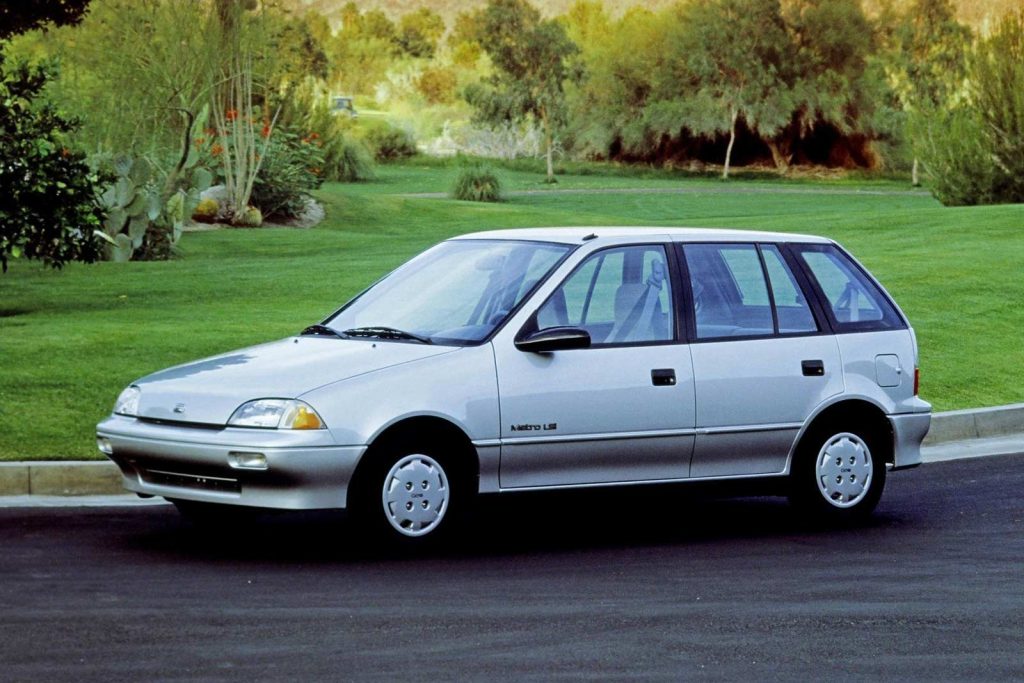
Although it lacked the refinement, safety technology, and performance expected from modern vehicles, the Geo Metro successfully fulfilled its intended purpose. It demonstrated that an automobile did not require a large engine to meet the daily transportation needs of many Americans.
Measured strictly by factory horsepower ratings, the Geo Metro remains one of the least powerful production cars officially sold in the United States, yet its efficiency and affordability earned it lasting recognition.
Specifications
- Engine: 1.0-liter inline-three
- Torque: 57 lb-ft
- Horsepower: 49 hp
- Length/Width: 146.1 inches / 60.4 inches
5. 1981 Honda Civic 1300
The early 1980s represented a transitional period for the American automotive industry. Manufacturers were responding to stricter emissions regulations and the lingering effects of the fuel crisis of the previous decade.
Honda had already established a reputation for producing efficient small cars, and the 1981 Civic 1300 reflected that philosophy better than almost any vehicle in its lineup.
The base Civic 1300 used a naturally aspirated 1.3-liter inline-four engine producing 55 horsepower. While that figure appears extremely modest today, it was considered competitive for an entry-level economy car of the era.
The lightweight construction of the Civic, combined with Honda’s precise engineering, allowed the car to deliver respectable city drivability while returning impressive fuel economy.
Another reason the Civic became so successful was its refinement. Compared with many inexpensive competitors, it offered smooth controls, good visibility, predictable handling, and solid build quality.
Honda also gained widespread attention for its CVCC engine technology, which helped meet U.S. emissions standards without requiring a catalytic converter on earlier versions, demonstrating the company’s engineering creativity during a period of rapidly changing regulations.
The Civic’s practicality extended beyond fuel efficiency. Fold-down rear seating, generous cabin space for its size, and dependable mechanical components made it a favorite among commuters, students, and young families.
Many examples accumulated exceptionally high mileage with routine maintenance, strengthening Honda’s growing reputation for reliability in America.
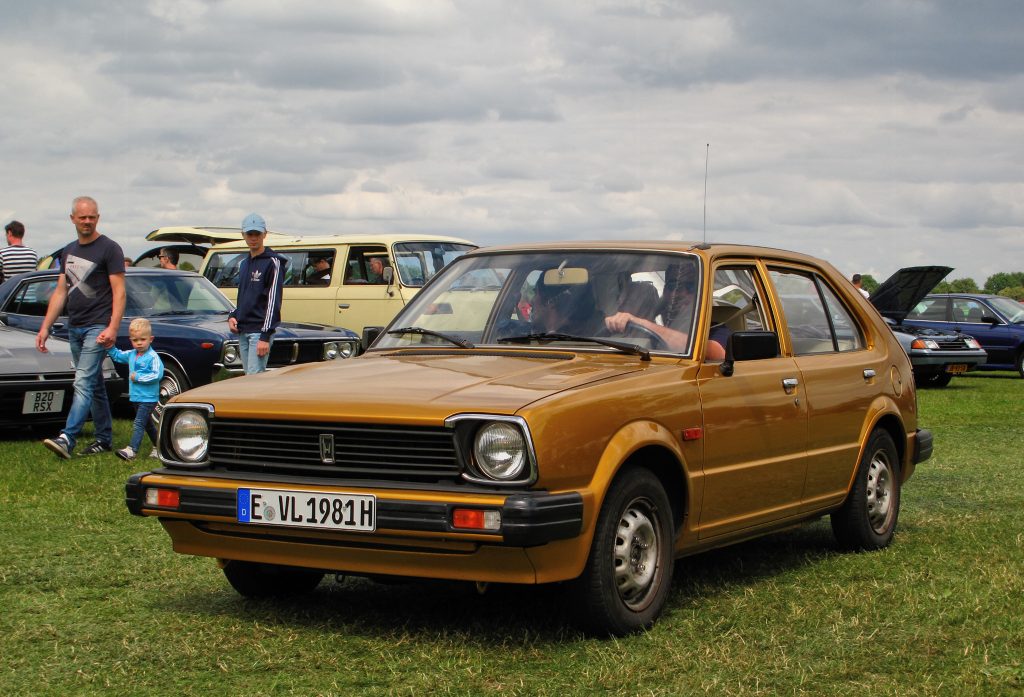
Although later Civics became substantially more powerful, the 1981 Civic 1300 represents an important chapter in Honda’s history. Its modest horsepower output reflects an era when efficiency and durability mattered more than acceleration, making it one of the least powerful production cars sold in the U.S.
Specifications
- Engine: 1.3-liter naturally aspirated inline-four
- Torque: 67 lb-ft
- Horsepower: 55 hp
- Length/Width: 148.8 inches / 63.4 inches
6. 1979 Volkswagen Rabbit Diesel
The Volkswagen Rabbit Diesel stood apart from many other low-horsepower vehicles because its modest power output was the result of an intentional focus on fuel efficiency rather than performance.
Introduced during a time of rising fuel prices, the diesel-powered Rabbit gave American buyers an alternative to traditional gasoline-powered compact cars by emphasizing exceptional efficiency and long driving range.
The naturally aspirated 1.5-liter diesel engine produced 48 horsepower, a remarkably low output for a vehicle of its size. Acceleration required patience, particularly when merging onto highways or climbing steep grades.
However, owners accepted the trade-off because the Rabbit Diesel delivered outstanding fuel economy that few gasoline-powered cars could match during the late 1970s.
Volkswagen paired the diesel engine with a lightweight front-wheel-drive platform that provided predictable handling and practical interior packaging.
The hatchback body style increased cargo versatility, while the simple mechanical design contributed to relatively straightforward maintenance. Buyers who accumulated high annual mileage often viewed the reduced fuel consumption as a worthwhile compromise.
The Rabbit itself played a major role in Volkswagen’s American success. Manufactured in Pennsylvania for part of its production run, it became one of the company’s most important U.S. models and introduced many drivers to front-wheel-drive European hatchbacks.
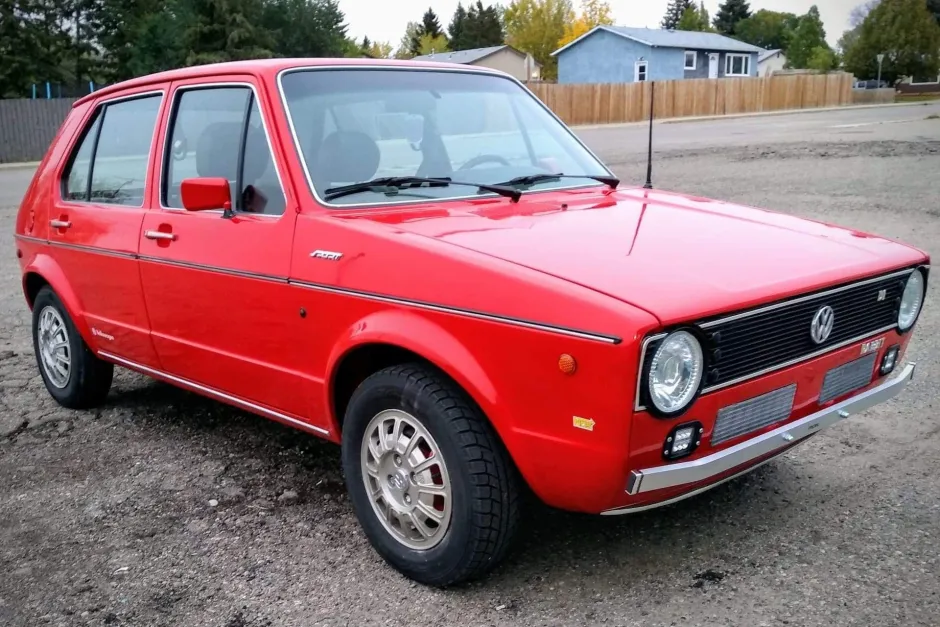
Although modern diesel engines deliver far more horsepower, the original Rabbit Diesel remains one of the least powerful passenger cars officially sold in America. Its legacy rests not on speed but on demonstrating that efficiency could become a compelling selling point during periods of economic uncertainty.
Specifications
- Engine: 1.5-liter naturally aspirated diesel inline-four
- Torque: 57 lb-ft
- Horsepower: 48 hp
- Length/Width: 149.6 inches / 63.0 inches
7. 1987 Yugo GV
When the Yugo GV arrived in the United States for the 1987 model year, it attracted attention for one reason above all others: price.
Marketed as the least expensive new car in America, the Yugo GV was intended to provide basic transportation for buyers who simply needed an affordable way to get from one place to another. Luxury, performance, and advanced technology were never part of its mission.
Under the hood sat a 1.1-liter naturally aspirated inline-four engine producing 55 horsepower. Even by the standards of the late 1980s, that output was modest.
Acceleration was slow, particularly with passengers or luggage, and highway merging required careful planning. However, the Yugo’s low curb weight helped offset some of the performance limitations during city driving.
The cabin reflected the vehicle’s budget-friendly positioning. Manual windows, simple controls, cloth seating, and minimal electronic equipment kept production costs low.
Maintenance was generally straightforward because of the car’s uncomplicated mechanical design, although long-term reliability proved inconsistent and became one of the model’s biggest weaknesses in the American market.
Despite its shortcomings, the Yugo GV occupies an important place in automotive history. It demonstrated that there was still demand for extremely inexpensive new vehicles, even if buyers had to accept compromises in refinement and performance.
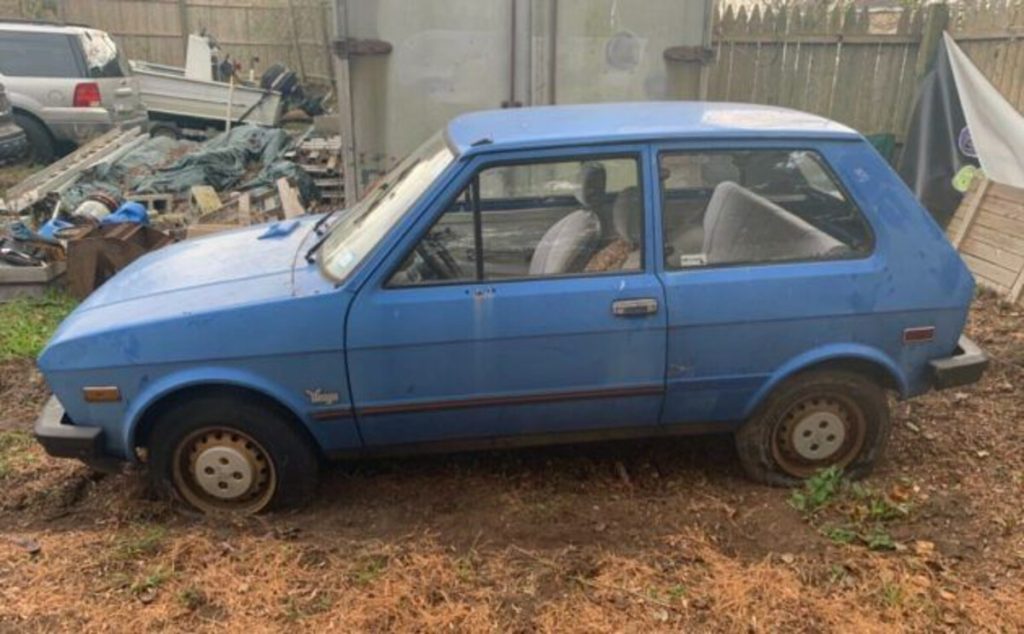
While sales initially generated considerable interest, quality concerns eventually overshadowed the low purchase price.
Measured strictly by factory horsepower ratings, the Yugo GV ranks among the least powerful cars officially sold in the United States. Today it is remembered as much for its affordability as for its unusually small engine output.
Specifications
- Engine: 1.1-liter naturally aspirated inline-four
- Torque: 57 lb-ft
- Horsepower: 55 hp
- Length/Width: 137.0 inches / 60.4 inches
8. 1986 Suzuki Samurai
The Suzuki Samurai may seem like an unusual inclusion because it was designed primarily as a compact sport utility vehicle rather than an economy car. However, its factory horsepower rating places it among the least powerful vehicles sold in the United States during the 1980s.
Introduced for the 1986 model year, the Samurai emphasized lightweight construction, mechanical simplicity, and genuine off-road capability instead of on-road speed.
Power came from a 1.3-liter naturally aspirated inline-four engine producing 63 horsepower. Although this figure exceeded the output of several other vehicles on this list, it remained exceptionally low even by the standards of the period.
The Samurai’s light curb weight of approximately 2,100 pounds helped compensate for the limited horsepower, especially during low-speed off-road driving where torque and gearing mattered more than outright acceleration.
The Samurai was engineered with serious off-road capability despite its compact size. It used a lightweight ladder-frame chassis, a part-time four-wheel-drive system with a two-speed transfer case, and strong approach and departure angles that allowed it to handle challenging terrain with confidence.
These characteristics allowed it to tackle trails that would challenge much larger SUVs despite its modest engine output.
The Samurai also became one of Suzuki’s most recognizable vehicles in America. Its affordable price and recreational appeal attracted outdoor enthusiasts looking for a capable off-road vehicle without the size or cost of traditional SUVs.
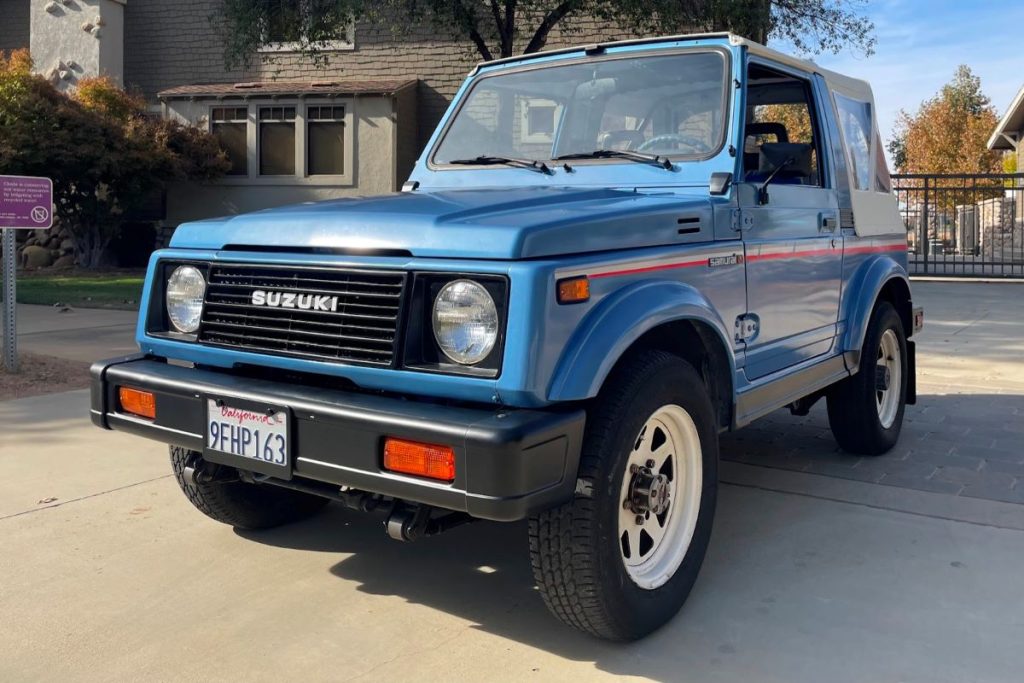
While later controversy surrounding rollover testing affected its reputation, the Samurai remains an important chapter in Suzuki’s U.S. history.
Its inclusion here highlights an important point: low horsepower does not always limit usefulness. The Samurai proved that intelligent engineering and lightweight construction could deliver impressive capability with only 63 horsepower.
Specifications
- Engine: 1.3-liter naturally aspirated inline-four
- Torque: 74 lb-ft
- Horsepower: 63 hp
- Length/Width: 135.0 inches / 60.6 inches
Also Read: Top 10 Brands & What Their Certified Pre-Owned Actually Guarantees
