

Have you ever wondered why a dealership’s trade-in offer seems lower than what you could get by selling the car yourself? Your feeling is understandable because trade-ins can be a major source of profit for dealers. Many dealerships make strong returns by buying used vehicles at lower prices and later reselling them for more.
They calculate offers based on auction prices, repair costs, and market demand before deciding what to pay. This is simply how the used car business operates. Understanding how dealers value trade-ins and where their profit comes from can help you negotiate better and avoid losing money.

How Dealers Calculate Your Trade-In Offer
Dealers do not simply guess the value of a trade-in vehicle, even though it may feel that way when the offer you receive is much lower than expected. They usually begin the process by checking wholesale market data, including information from vehicle auction companies that track the prices similar cars are selling for across the country.
The wholesale price shows what a dealer may pay if they bought the same vehicle from an auction instead of directly from a customer. This amount is usually lower than retail value because auction buyers are often other dealers who also need to make a profit when they resell the vehicle.
After finding the wholesale value, dealers remove estimated repair and preparation costs. These expenses can include cleaning, minor repairs, replacing worn tyres, and fixing mechanical issues before putting the vehicle back on their sales lot. Some dealerships may also increase these estimates to support a lower offer.
The number of similar vehicles already available at the dealership can also affect the offer. If they have many cars like yours, they may reduce the price. If they need more of that particular model, they may give a better offer. Mileage, condition, and accident history are also considered before the final trade-in value is calculated.
Where the Real Profit Comes From
Many car buyers are often surprised to discover that dealerships can make more money from trade-in vehicles than they expect. A dealer can sometimes earn about 10% to 20% or even more when reselling a used vehicle, and this profit can be higher than the margin made from selling a brand-new car.
New car sales have become more competitive because of pricing pressure and manufacturer rules that reduce how much dealers can add to the price. Trade-ins, however, are different because many customers do not have clear information about the actual value of their vehicles before accepting an offer.
After a dealership buys a trade-in at a lower price, it has several ways to make profit. The vehicle can be repaired, cleaned, and sold on the dealership’s lot for a higher retail price. If it does not match their inventory needs, the dealer may send it to auction and still make some profit.
Many buyers also do not realise that trade-ins can affect financing deals. Dealers may include an old loan balance into a new car payment, which can increase the total interest paid over time. Knowing this helps buyers understand the true value before agreeing to any dealership offer.
Also Read: Why Dealerships Push You to Finance Even When You Can Pay Cash, Explained

The Wholesale-to-Retail Markup Gap
Imagine trading in your car for $12,000, then driving past the same dealership two weeks later and seeing it displayed for $16,500. That difference may look surprising at first, but it is a common practice in the motor business. Part of the extra amount covers expenses such as professional cleaning, minor repairs, servicing, inspections, and preparing the vehicle for sale.
Even so, those costs do not make up the entire difference. A good portion is the dealer’s profit for taking ownership of the car, handling the resale process, and accepting the risk of keeping it until a buyer comes along. The selling price can rise even more when the vehicle qualifies for a certified pre-owned programme.
After carrying out detailed inspections, adding warranty coverage, replacing worn parts where necessary, and meeting the manufacturer’s standards, dealers can ask for a much higher price. Market demand also plays a major role. For example, trucks usually attract stronger interest during colder months in areas with harsh winters, allowing dealers to charge more.
Industry auction reports regularly show that wholesale prices remain lower than retail prices across most vehicle categories. This confirms that the gap is not unusual but a standard part of how dealerships buy, prepare, and resell used vehicles for profit every day.
Why Trade-Ins Benefit Dealers More Than You Realize
Trading in your current vehicle is one of the easiest ways to move into another car because the dealership handles both transactions at the same time. You avoid the stress of advertising the vehicle, meeting strangers, arranging test drives, and completing the paperwork yourself.
That convenience, however, usually comes at a cost. Dealers rarely pay the same amount you could receive through a private sale because they need room to cover inspection, repairs, detailing, marketing, and profit before reselling the vehicle. Many buyers accept this because saving time and avoiding hassle is worth the lower offer.
Depending on where you live, trading in can also reduce the sales tax on your next vehicle since tax may be calculated on the difference between the new vehicle’s price and the trade-in value rather than the full purchase price. Another factor to consider is negative equity.
If you owe more on your current loan than the vehicle is worth, the remaining balance is often added to the financing for your next vehicle. While this allows the deal to go through, it also increases the total amount borrowed and the interest paid throughout the loan.
Dealers know many buyers want everything completed in one visit, so they may present a trade-in offer without explaining how it compares with the private market. Before agreeing to any deal, check your vehicle’s value from multiple trusted sources and compare offers. A trade-in can still be the right choice, but making an informed decision helps you avoid paying more than necessary.
Also Read: What Car Dealerships Actually Pay for Your Trade In
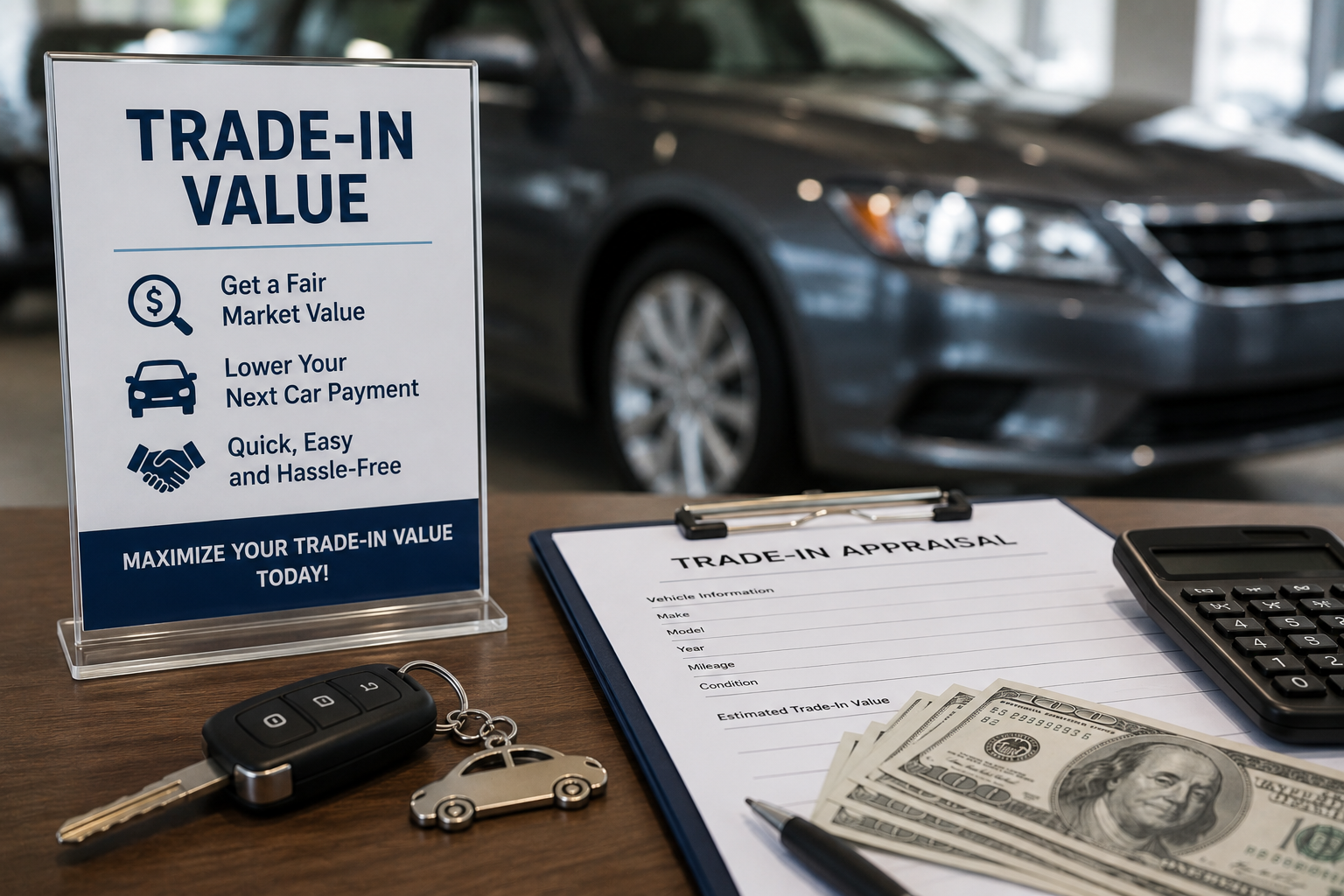
How to Get a Better Trade-In Value
Doing proper research is the smartest step before you think about trading in your car. Never rely on what one dealer tells you because that figure may not reflect the real value of your vehicle. Check trusted pricing websites like Kelley Blue Book, Edmunds, and CarGurus to get a fair estimate before visiting any dealership.
Having this information gives you confidence during discussions and helps you recognise an unfair offer immediately. It is also important to keep the trade-in value separate from the price of the new vehicle you want to buy. Some dealers combine both figures, making it difficult to know whether you are getting a good deal on your old car or simply paying more for the replacement.
Keeping the discussions separate makes everything easier to understand and gives you better control during negotiations. It is also wise to collect trade-in offers from different dealerships and online buyers before making a final decision. If you already have a better written offer from somewhere else, the dealer is more likely to improve their own price.
Give your vehicle a proper wash, fix small cosmetic issues, and organise your service records before the inspection. Also, choose the right season to trade in, since demand for certain vehicles changes throughout the year and can influence the amount offered.
