
Modern engines are built to deliver more power while meeting strict emissions and fuel economy standards, but some designs have developed a reputation for consuming oil at a much faster rate than owners expect.
In several cases, the issue became so widespread that manufacturers released technical service bulletins, extended warranties, updated piston designs, or even settled class action lawsuits in the United States.
While not every vehicle is affected, these models generated enough owner complaints and documented repair cases to earn lasting reputations for excessive oil consumption. Here are eight vehicles that became well known for this problem, beginning with two of the most documented examples.
Also Read: 10 Toyota Models That Tell the Brand & #8217;s Story
1. 2008 to 2015 Toyota Camry (2.4L 2AZ-FE)
Toyota has built its reputation on reliability, which is exactly why the oil consumption issue affecting the 2.4-liter 2AZ-FE engine surprised so many owners. Found in millions of Camrys sold across the United States, this four-cylinder engine gradually became known for burning oil at an unusually high rate, often before reaching 100,000 miles.
Many owners first noticed the problem when the oil level warning light appeared between scheduled oil changes, despite no visible leaks.
The root cause centered on piston and oil control ring design. Over time, the oil control rings could become clogged with carbon deposits, preventing them from scraping excess oil from the cylinder walls.
Once that happened, engine oil entered the combustion chamber and burned during normal operation. Some owners reported adding a quart of oil every 1,000 to 1,500 miles, while others experienced even higher consumption depending on driving habits and maintenance history.
Toyota acknowledged the concern by launching the Warranty Enhancement Program ZE7 in the United States, extending coverage for qualifying vehicles.
Dealers performed oil consumption tests before authorizing repairs, which typically involved replacing pistons and piston rings with updated components. The repair often exceeded several thousand dollars once vehicles fell outside warranty coverage.
Ignoring the condition could eventually reduce lubrication levels enough to accelerate internal engine wear. Drivers who failed to monitor oil levels occasionally experienced bearing damage or engine failure after running dangerously low on oil.
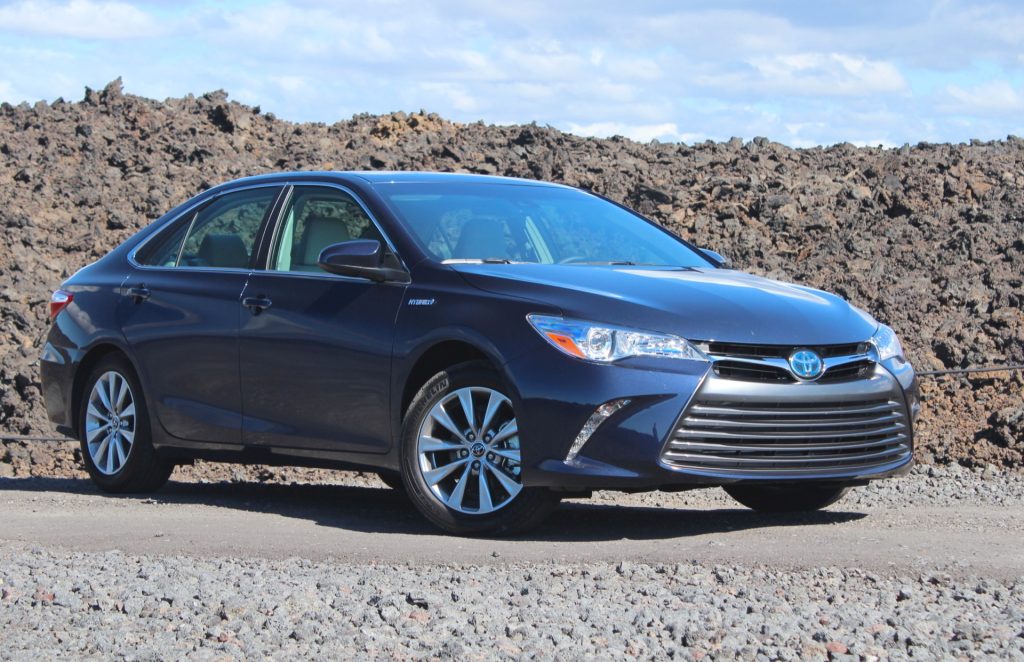
Although countless Camrys equipped with the revised parts continue to deliver dependable service, the earlier versions remain among the best documented examples of factory-related oil consumption problems in the American market.
Prospective buyers should always verify whether the piston replacement campaign was completed before purchasing one of these vehicles.
Specifications
- Engine: 2.4-liter DOHC inline-four (2AZ-FE)
- Torque: 161 lb-ft
- Horsepower: 158 hp
- Length/Width: 189.2 inches / 71.7 inches
2. 2009 to 2017 Audi A4 (2.0T TFSI)
Audi’s turbocharged 2.0T TFSI engine helped establish the brand as a leader in downsized performance, but early versions also developed one of the industry’s most publicized oil consumption problems.
Thousands of American owners complained that their vehicles required frequent oil top-offs despite following factory maintenance schedules, leading to widespread litigation and multiple technical updates.
Rather than losing oil through external leaks, the EA888 Gen 2 engine frequently burned it inside the cylinders. The problem was traced to the piston ring design, which could fail to create a proper seal. As a result, oil slipped into the combustion chamber and was burned during normal operation, often without the driver noticing.
Drivers frequently reported adding one quart every 1,000 miles, while dashboard warnings often appeared well before scheduled oil changes. Audi responded by implementing a two-stage repair process. Dealers first updated engine software and replaced the crankcase ventilation system.
If consumption remained excessive during the official oil consumption test, technicians replaced pistons and piston rings with redesigned components. The repair required substantial labor because the engine had to be partially disassembled.
The issue eventually became the subject of a class action settlement in the United States covering many affected vehicles. Owners who qualified under settlement terms received reimbursement or repair assistance depending on mileage and repair history.
Performance remained one of the engine’s strengths throughout the controversy. The turbocharged four-cylinder delivered strong acceleration and respectable fuel economy, making the problem particularly frustrating for loyal Audi customers.
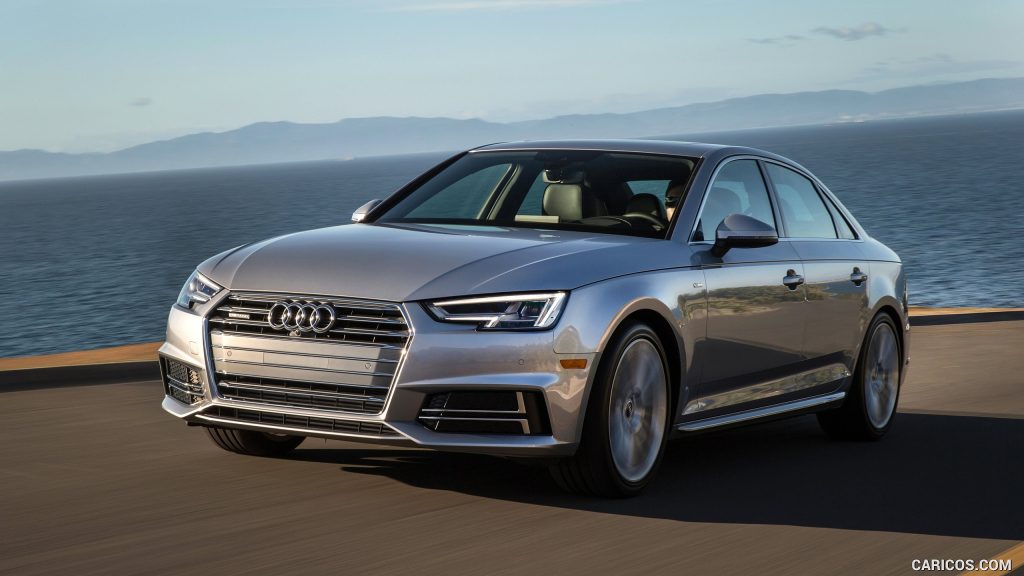
Today, many repaired vehicles continue operating reliably after receiving updated internal components. However, buyers considering an older A4 should carefully review service records, confirm repair history, and check oil consumption before making a purchase. A documented piston replacement significantly improves long-term confidence.
Specifications
- Engine: 2.0-liter turbocharged inline-four (EA888 Gen 2)
- Torque: 258 lb-ft
- Horsepower: 220 hp
- Length/Width: 185.1 inches / 71.9 inches
3. 2012 to 2017 Subaru Outback (2.5L FB25)
Subaru introduced the FB25 engine to improve fuel economy and reduce emissions compared with the older EJ-series boxer engine. While the redesign achieved those goals, it also brought a wave of owner complaints involving unexpected oil consumption.
The issue became common enough in the United States that Subaru extended warranty coverage for many affected vehicles after numerous customer reports and legal action.
Instead of leaking oil onto the ground, the FB25 often burned it internally during everyday driving. Many owners reported seeing the low oil warning light come on well before the next scheduled oil change, while others found the dipstick showing little to no oil during routine maintenance checks.
Subaru stated that some oil consumption is considered normal, but many owners reported using significantly more than expected, sometimes approaching one quart every 1,200 miles.
The problem was linked to piston rings that could allow engine oil to pass into the combustion chamber. Once oil entered the cylinders, it burned during combustion without producing obvious smoke in many cases.
Drivers who relied solely on the oil change interval instead of checking the dipstick risked operating the engine with dangerously low oil levels. Subaru eventually extended warranty coverage on many 2011 through 2015 models equipped with the FB engine family.
Dealers performed standardized oil consumption tests before approving repairs, which often involved replacing short blocks or internal engine components. These repairs were labor-intensive and expensive outside warranty coverage.
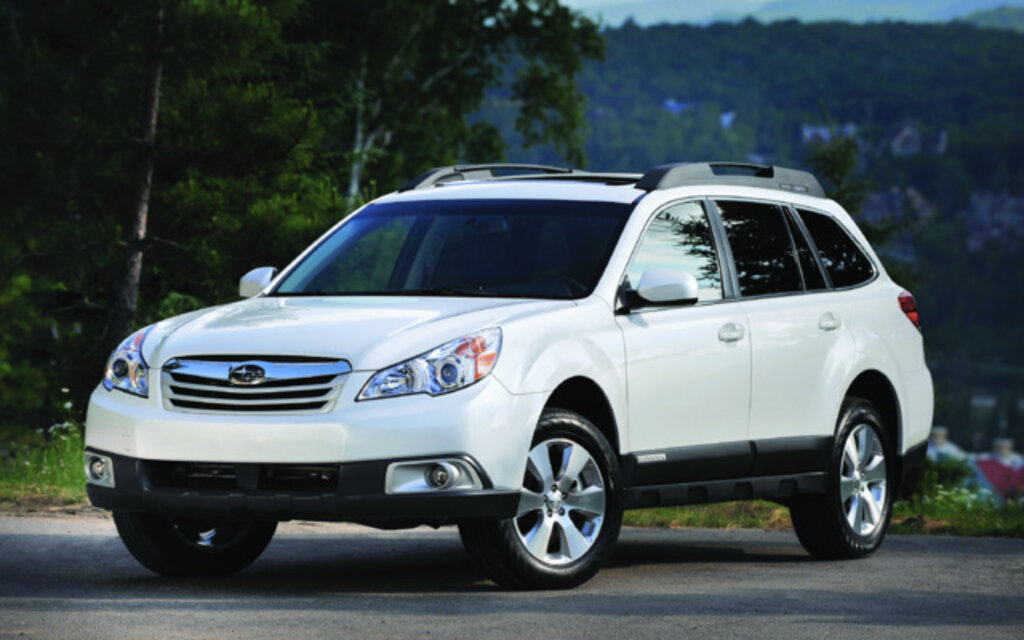
Despite the issue, the Outback remained one of America’s most popular crossovers because of its standard all-wheel drive, practical cargo space, and strong safety reputation.
Buyers considering an earlier FB25-equipped Outback should verify service history, ask whether the oil consumption repair was completed, and continue checking oil levels regularly between maintenance visits.
Specifications
- Engine: 2.5-liter naturally aspirated flat-four (FB25)
- Torque: 174 lb-ft
- Horsepower: 175 hp
- Length/Width: 189.6 inches / 72.4 inches
4. 2010 to 2013 Honda Accord (2.4 L K24Z)
Honda’s four-cylinder engines have earned a reputation for durability, making reports of excessive oil consumption in certain Accord models especially unexpected.
Owners of some 2010 through 2013 Accords equipped with the K24Z engine began reporting that oil levels dropped well before scheduled maintenance, even though there were no external leaks and the vehicles continued running normally.
The condition developed gradually. Many drivers noticed they needed to add oil between oil changes for the first time after accumulating moderate mileage. Others experienced dashboard oil pressure warnings because the engine had consumed enough oil to lower the crankcase level significantly.
While not every Accord experienced the problem, complaints became common enough for Honda to issue service information and extend warranty coverage for qualifying vehicles.
Investigations pointed toward piston ring wear that allowed engine oil to enter the combustion chambers. Carbon buildup around the oil control rings could worsen the condition over time, increasing oil consumption as mileage climbed.
In difficult situations, prolonged operation with low oil levels could accelerate wear on bearings, timing components, and other lubricated engine parts.
Honda introduced a software update that changed piston ring operating conditions on certain models and authorized piston ring replacement when oil consumption exceeded specified limits during dealer testing.
Because the repair required extensive engine disassembly, repair costs outside warranty often reached several thousand dollars.
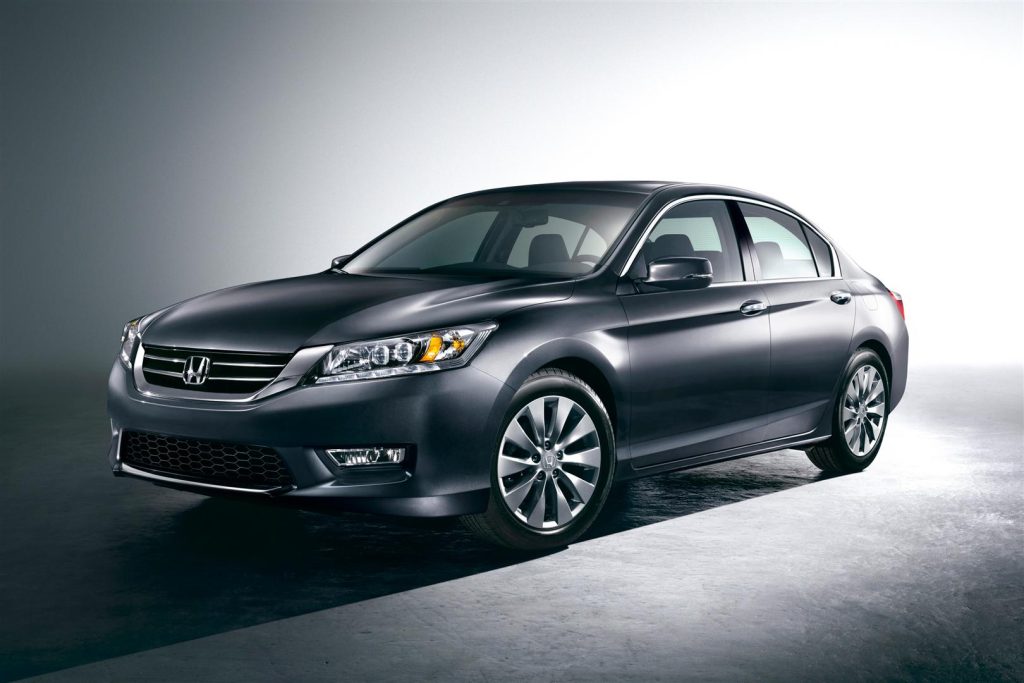
Many Accords from this generation continue serving owners reliably today, particularly those that received updated piston rings early in their lives. Buyers should confirm maintenance records, check for documented warranty repairs, and inspect oil levels carefully during any pre-purchase evaluation.
A well-maintained example can still deliver the dependable ownership experience for which the Accord has long been known.
Specifications
- Engine: 2.4-liter DOHC inline-four (K24Z)
- Torque: 161 lb-ft
- Horsepower: 190 hp
- Length/Width: 194.9 inches / 72.8 inches
5. 2010 to 2018 Chevrolet Equinox (2.4L Ecotec)
The second-generation Chevrolet Equinox quickly became one of General Motors’ best-selling crossovers in the United States, but beneath its practical design was an engine that generated widespread complaints about excessive oil consumption.
Models equipped with the 2.4-liter Ecotec inline-four developed a reputation for burning oil at a rate that caught many owners off guard, sometimes well before reaching 100,000 miles.
The issue stemmed from a combination of piston ring wear and the positive crankcase ventilation system. As the piston rings lost their ability to control oil effectively, engine oil entered the combustion chambers and burned during normal operation.
In some cases, the PCV system also contributed by allowing excessive crankcase pressure, worsening the condition. Drivers often discovered the problem only after the oil pressure warning light illuminated or the engine began producing unusual timing chain noise.
One of the biggest concerns was that low oil levels could shorten the life of the timing chain. The chain depends on consistent lubrication, and when oil levels dropped significantly, accelerated wear could occur.
Some owners ultimately faced repairs involving both internal engine work and complete timing chain replacement, greatly increasing repair costs. General Motors released multiple Technical Service Bulletins addressing excessive oil consumption and updated repair procedures for affected vehicles.
Dealers frequently performed oil consumption tests before recommending piston replacement or other internal engine repairs. Numerous owner complaints also led to class action litigation involving certain model years.
Despite these concerns, many Equinox models have remained on the road thanks to attentive maintenance. Owners who checked oil levels every few fuel fill-ups often prevented catastrophic engine damage by adding oil before levels became critically low.
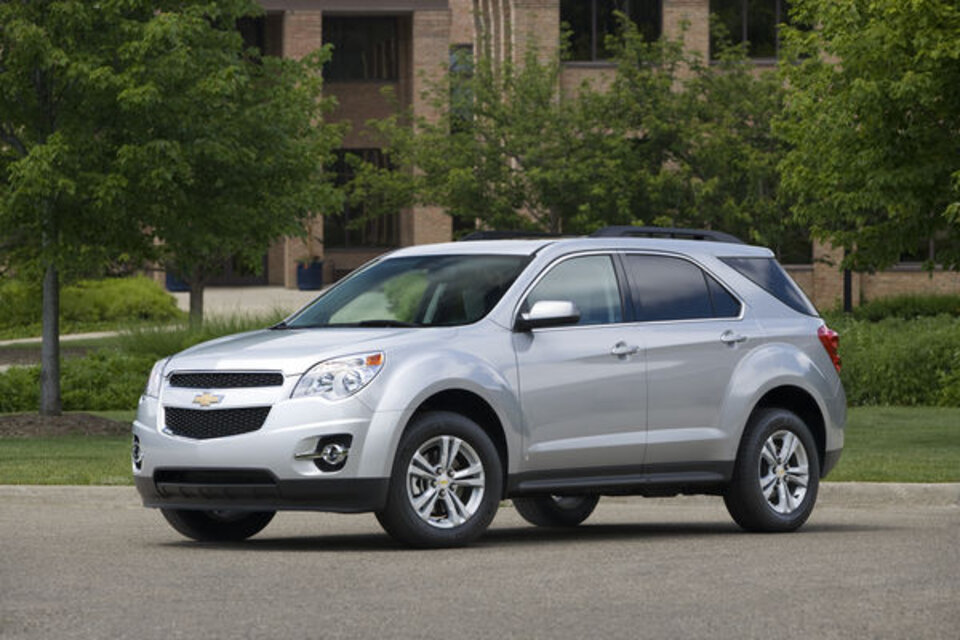
Anyone considering a used Equinox with the 2.4-liter engine should verify maintenance records, confirm that oil consumption testing was performed if applicable, and listen carefully for timing chain noise during inspection.
Early detection can make the difference between a relatively inexpensive repair and a complete engine replacement.
Specifications
- Engine: 2.4-liter Ecotec inline-four
- Torque: 172 lb-ft
- Horsepower: 182 hp
- Length/Width: 187.8 inches / 72.5 inches
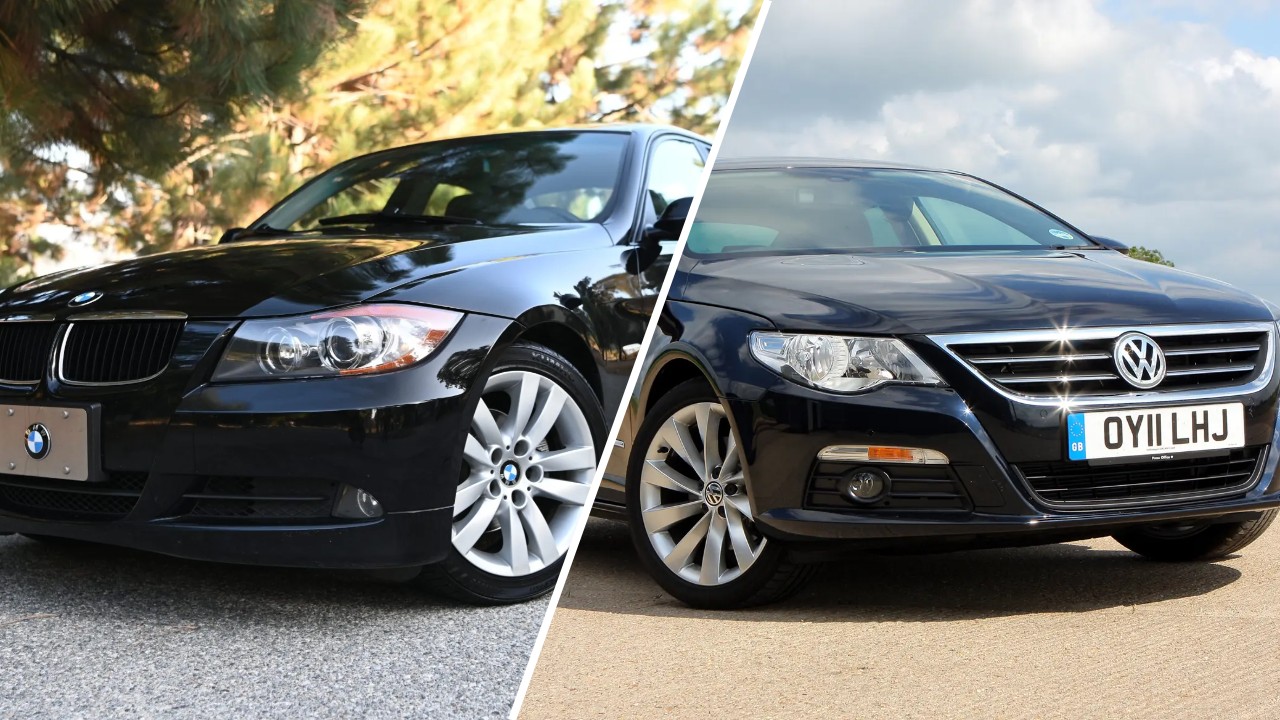
6. 2007 to 2011 BMW 328i (3.0L N52)
The BMW 328i with the naturally aspirated N52 inline-six developed a reputation for oil consumption for different reasons than many of the other vehicles on this list. Rather than being driven mainly by piston ring problems, its oil use was typically linked to the engine’s design along with the gradual wear of components as the vehicle aged.
While the N52 remains one of BMW’s more dependable modern engines, many American owners eventually found themselves adding oil between scheduled service intervals.
BMW’s lightweight magnesium-aluminum engine was engineered for efficiency and performance, but its valve stem seals, crankcase ventilation system, and valve cover gasket often became sources of oil loss as mileage increased.
Some engines also consumed oil internally through worn valve stem seals, particularly after extended highway driving or long periods of engine braking. Drivers frequently noticed blue smoke during startup after the vehicle had been parked overnight, an early indicator that oil was entering the combustion chamber.
BMW’s electronic oil level monitoring system helped alert drivers before lubrication became dangerously low, yet many owners still underestimated how frequently the engine needed attention.
Although BMW stated that some oil consumption was considered acceptable for high-performance engines, repeated top-offs became a familiar routine for many long-term owners.
Repair costs varied widely depending on the underlying cause. Replacing valve stem seals required extensive labor because of the engine’s complex design, while valve cover gasket and crankcase ventilation repairs were less expensive but still significant compared with many mainstream vehicles.
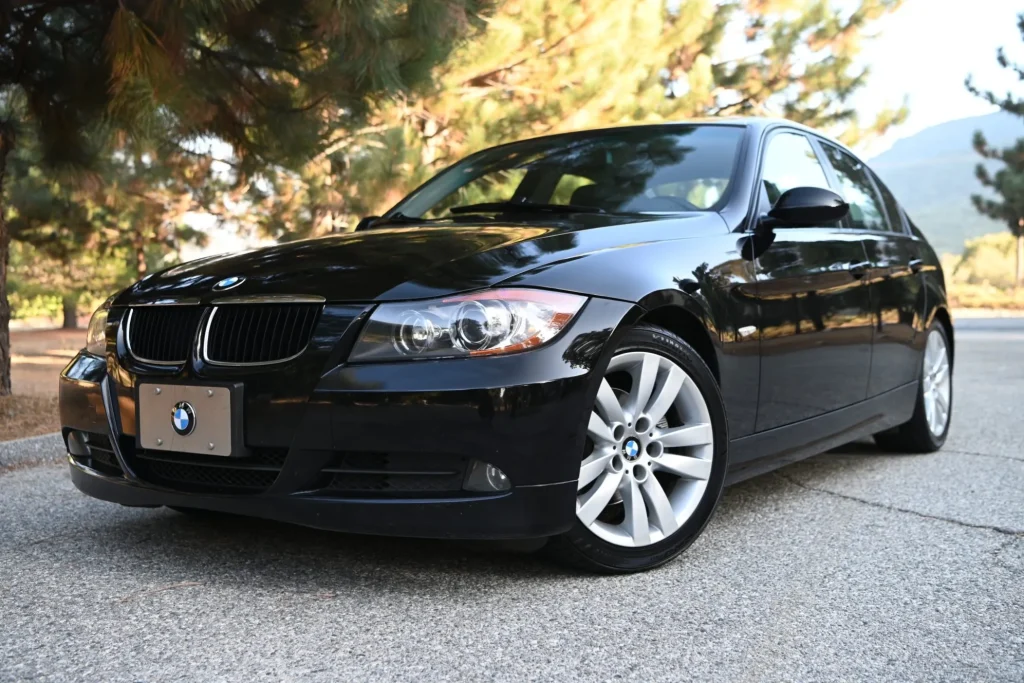
Even with these concerns, the N52 continues to be respected among BMW enthusiasts for its smooth power delivery and durability when maintained properly. Regular oil checks, timely gasket replacement, and high-quality synthetic oil can help extend engine life substantially.
Buyers shopping for a used 328i should prioritize vehicles with documented maintenance records rather than focusing solely on mileage.
Specifications
- Engine: 3.0-liter naturally aspirated inline-six (N52)
- Torque: 200 lb-ft
- Horsepower: 230 hp
- Length/Width: 178.2 inches / 71.5 inches
7. 2011 to 2018 Hyundai Sonata (2.0T and 2.4L Theta II)
Hyundai’s Sonata became one of the strongest competitors in the midsize sedan segment during the 2010s, offering generous equipment, attractive styling, and strong value.
However, vehicles powered by the Theta II family of engines eventually attracted widespread attention in the United States for engine-related concerns, including excessive oil consumption in many high-mileage examples.
While bearing failures received the most publicity, a growing number of owners also reported engines using noticeably more oil between scheduled services.
The issue did not affect every Sonata, but reports became frequent enough that owners routinely checked oil levels long before the next oil change.
In some vehicles, oil consumption gradually increased without producing visible leaks or heavy exhaust smoke, making it difficult to detect until the low-oil warning appeared. Mechanics often traced the condition to worn piston rings or cylinder wall damage that allowed engine oil to pass into the combustion chambers.
Running with insufficient oil created additional risks because the Theta II engine depended on proper lubrication for the crankshaft bearings and timing components. A vehicle already consuming oil could reach dangerously low levels if the driver relied only on the factory oil change interval.
Hyundai later expanded warranty coverage for many Theta II engines in the United States after investigations into manufacturing defects and bearing failures. Although the warranty extensions primarily addressed bearing damage, many repaired engines also received updated internal components.
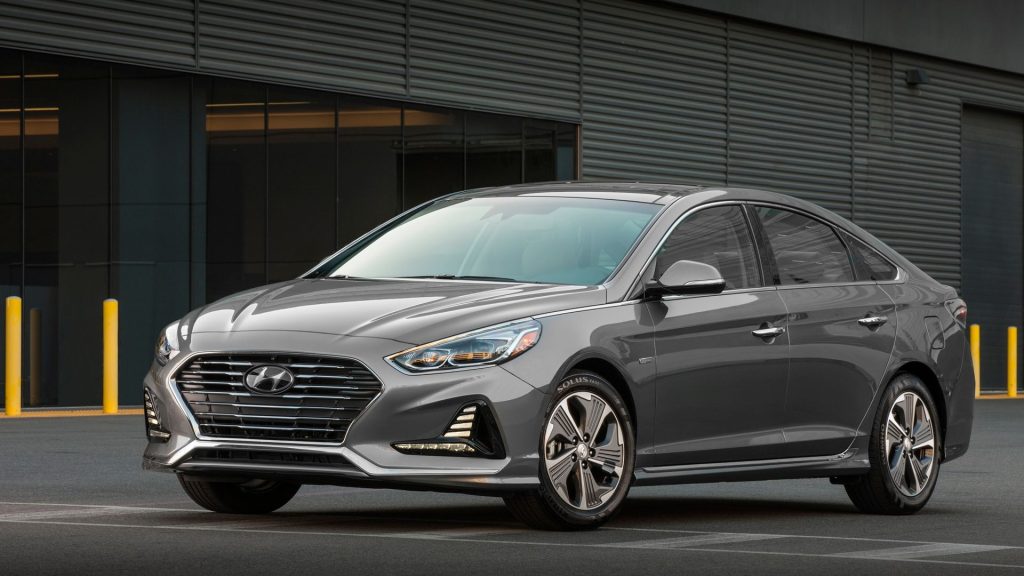
Owners who caught excessive oil consumption early often avoided catastrophic engine failure by monitoring oil levels every few hundred miles and performing maintenance on schedule.
Used buyers should carefully inspect service records, verify whether recall or warranty work has been completed, and confirm that the engine maintains a stable oil level during normal driving. A documented replacement engine from Hyundai can significantly improve confidence in long-term ownership.
Specifications
- Engine: 2.4-liter naturally aspirated inline-four (Theta II)
- Torque: 178 lb-ft
- Horsepower: 185 hp
- Length/Width: 191.1 inches / 72.2 inches
8. 2008 to 2011 Volkswagen CC (2.0T TSI)
The Volkswagen CC stood out for blending coupe-inspired styling with the practicality of a midsize sedan, but early models equipped with the 2.0-liter TSI engine developed a reputation for excessive oil consumption.
This engine shared much of its design with other Volkswagen and Audi EA888 powerplants that experienced similar issues during the same period, making the problem familiar to independent repair shops across the United States.
Owners frequently discovered the condition after the electronic oil warning appeared well before the recommended service interval.
Because modern engines can consume oil without producing obvious exhaust smoke, many drivers were unaware that the crankcase level had dropped until they checked the dipstick or received a dashboard alert.
Some vehicles required as much as one quart of oil every 1,000 to 1,500 miles, depending on mileage and engine condition.
Engineers traced much of the problem to piston ring design. The oil control rings could lose effectiveness over time, allowing engine oil to remain on the cylinder walls and burn during combustion.
Carbon accumulation further reduced ring performance, increasing oil usage as mileage climbed. Left unattended, low oil levels could contribute to premature wear of the turbocharger, timing chain components, and other lubricated engine parts.
Volkswagen introduced updated pistons and piston rings during later production, and dealerships followed official oil consumption testing procedures before approving major repairs. Replacing the affected components required extensive engine disassembly, making the repair expensive once factory warranty coverage expired.
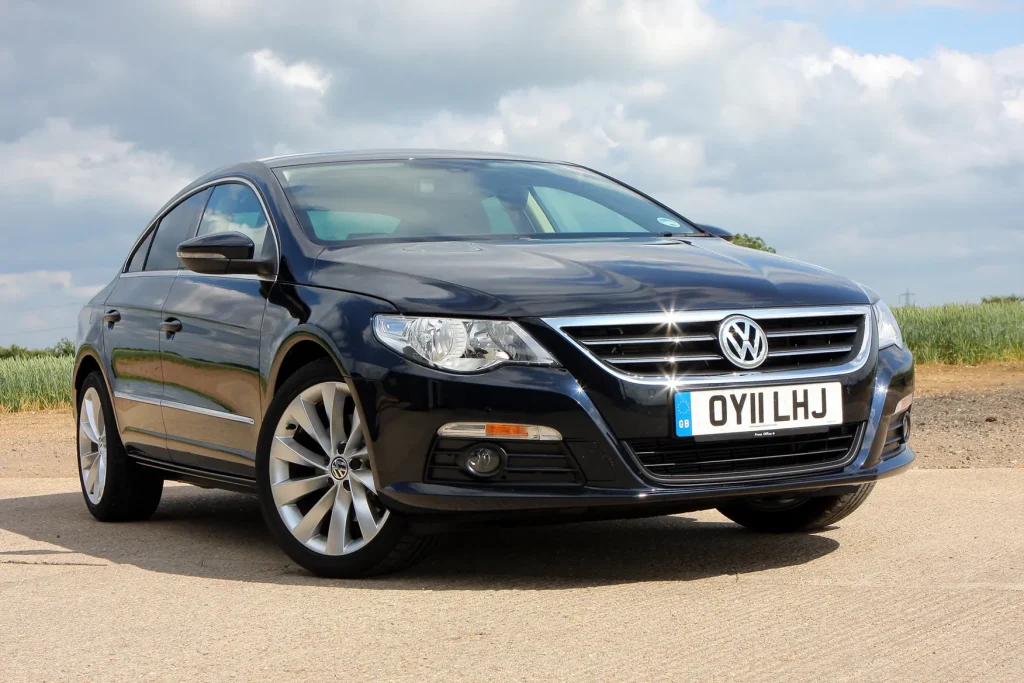
Despite its mechanical challenges, the CC remains an appealing used car because of its refined handling, comfortable interior, and distinctive styling. Buyers should place greater value on documented maintenance history than cosmetic condition alone.
A vehicle that has received the updated internal engine components and has a consistent service record is far less likely to develop the severe oil consumption issues that affected many early examples.
Specifications
- Engine: 2.0-liter turbocharged inline-four (EA888 TSI)
- Torque: 207 lb-ft
- Horsepower: 200 hp
- Length/Width: 188.9 inches / 73.0 inches
Also Read: 10 Popular Cars With Surprisingly High Insurance Premiums
