
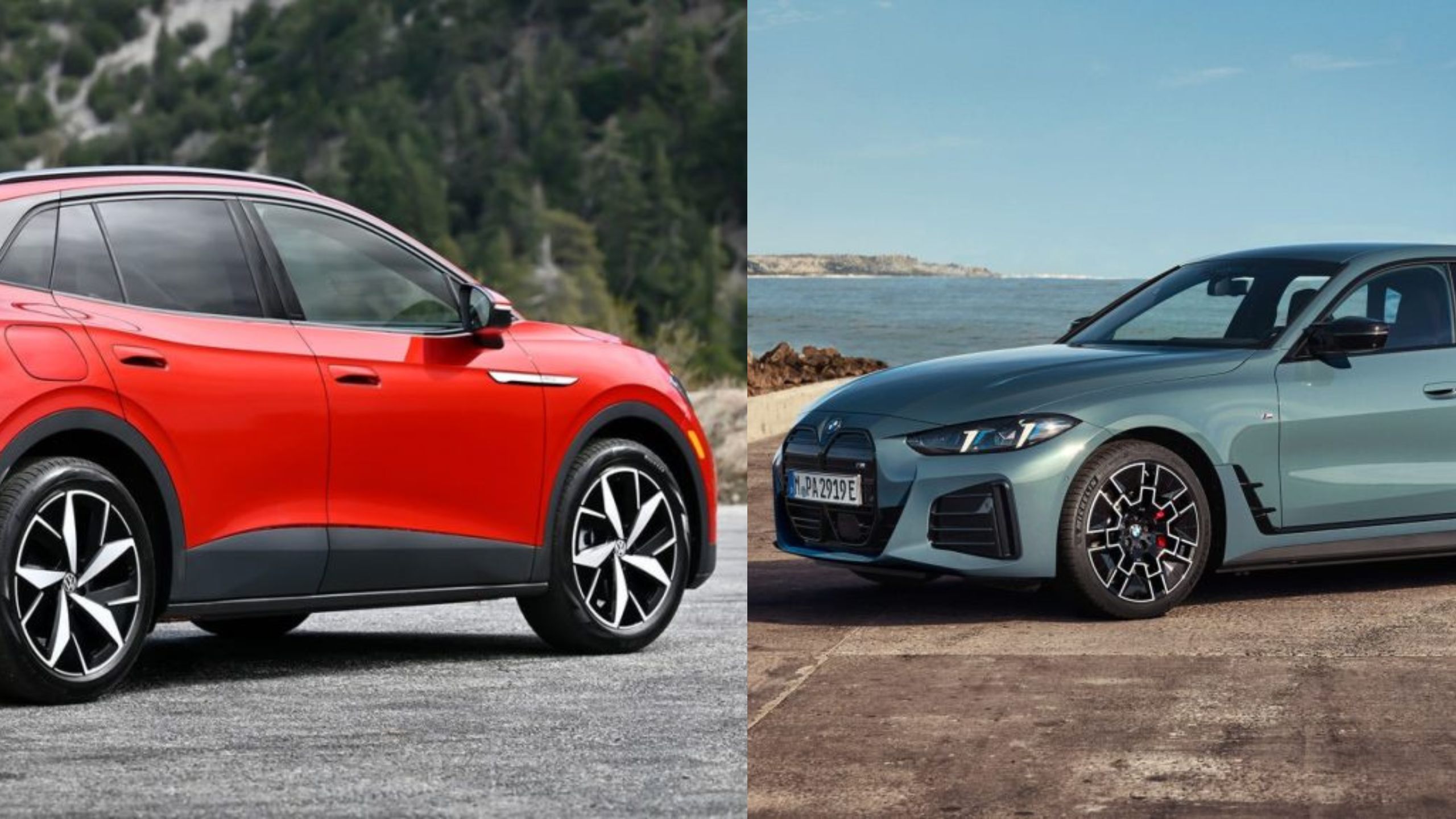
The Tesla Model 3 remains a retention champion. iSeeCars data shows it losing far less value over three years than most electric rivals. But retention isn’t the whole story of ownership. Many buyers find daily life with a Model 3 comes with real trade-offs.
Its minimalist cabin removes physical buttons for basic functions. Everything from mirrors to glovebox access routes through a touchscreen. Service centers are sparse in many regions. Wait times for bodywork and parts have frustrated owners for years.
Road noise is noticeable at highway speeds. The suspension leans firm, which some drivers find tiring on rough pavement. Panel gaps and paint consistency have been recurring complaints. Quality control varies more than buyers expect from the price point.
The following 11 EVs won’t match Tesla’s resale numbers. But each offers something that makes ownership genuinely easier day to day. Think physical buttons, quieter cabins, roomier back seats, and dealer networks that actually answer the phone. Here’s the list, with real specs behind each pick.
1. Hyundai Ioniq 6
The Ioniq 6 wraps aerodynamic styling around a genuinely comfortable interior. Buttons for climate and audio remain physical, not buried in menus. Hyundai’s dealer network is far larger than Tesla’s service footprint. Warranty work gets scheduled faster in most metro areas.
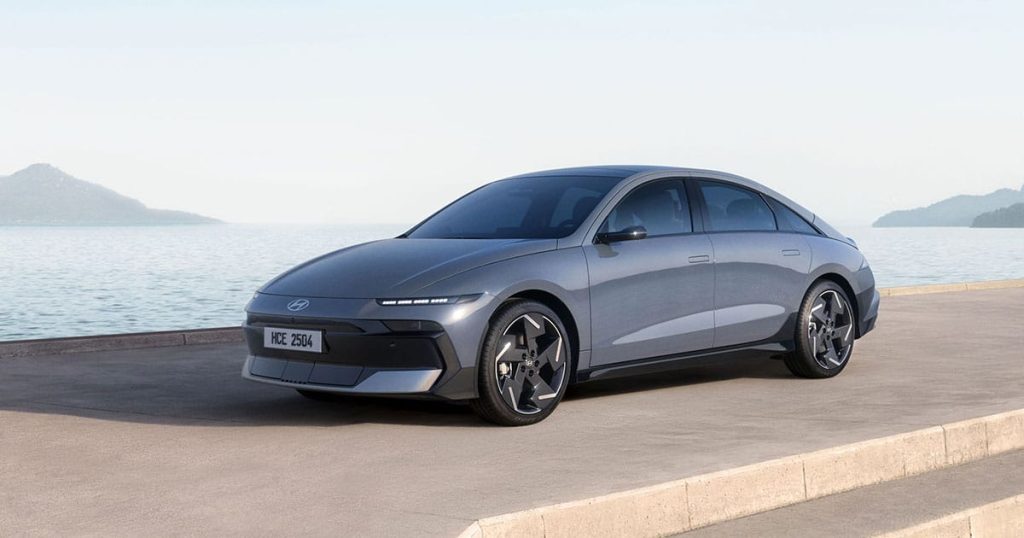
The ride quality leans soft and absorbent. Long commutes feel noticeably less fatiguing than in a Model 3. The 800-volt platform charges faster than Tesla’s Supercharger-optimized system in many scenarios. That’s a real edge on road trips. Rear seat legroom beats the Model 3 by a noticeable margin. Taller passengers won’t feel cramped on longer drives.
Specifications:
- Engine: Dual-motor AWD or single-motor RWD electric
- Horsepower: 225 hp (RWD) / 320 hp (AWD)
- Torque: 258 lb-ft (RWD) / 446 lb-ft (AWD)
- Length: 191.1 in
- Width: 74.0 in
- Range: Up to 361 miles (RWD, long range)
- Charging: 800V architecture, 10-80% in about 18 minutes
2. Kia EV6
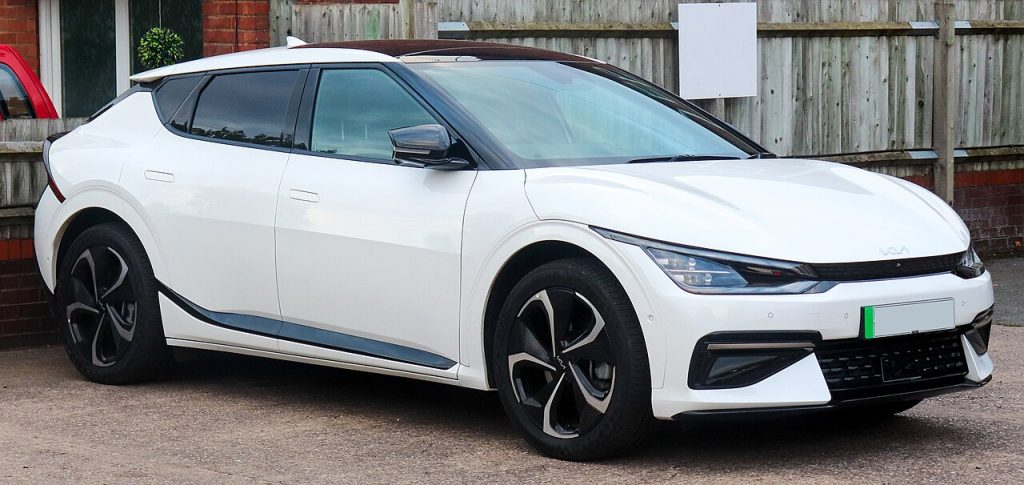
The EV6 shares its platform with the Ioniq 6 but adds sportier handling. Steering feedback feels more engaging than Tesla’s numb setup. Kia backs it with a 10-year, 100,000-mile powertrain warranty. That’s double what Tesla offers on drivetrain coverage.
Specifications:
- Engine: Single or dual-motor electric AWD
- Horsepower: 167 hp (standard) / 320 hp (GT-Line AWD)
- Torque: 258 lb-ft (AWD)
- Length: 184.4 in
- Width: 74.4 in
- Range: Up to 310 miles
- Charging: 800V, 10-80% in roughly 18 minutes
Cargo space benefits from a proper hatchback layout. Loading bikes or luggage is easier than through the Model 3’s trunk opening. Physical dials control drive modes and volume. Drivers who dislike touchscreen-only controls will appreciate the tactile feedback here.
3. Chevrolet Equinox EV
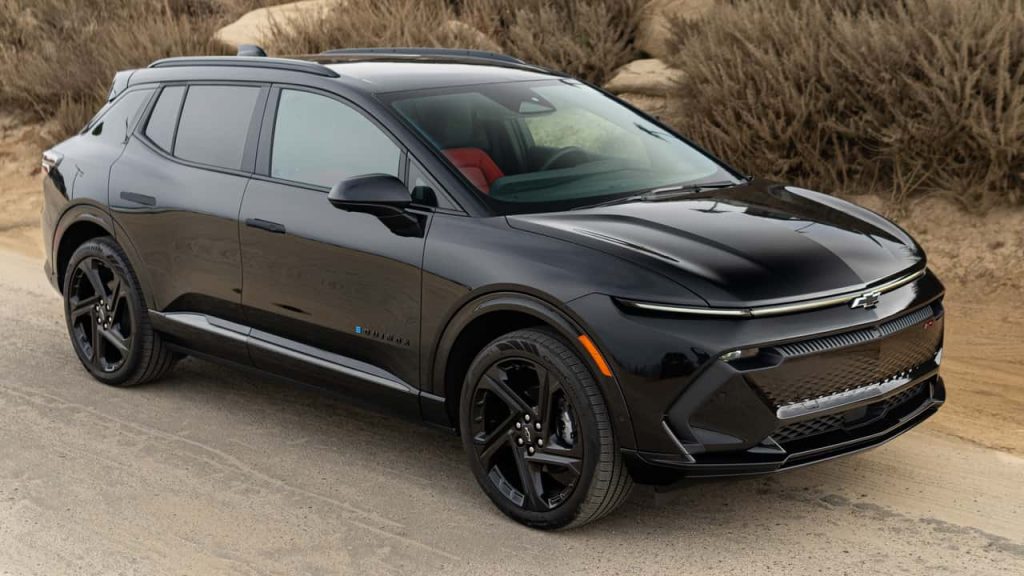
The Equinox EV targets mainstream affordability with real interior space. Second-row headroom and legroom exceed the Model 3 by a clear margin. Chevrolet dealers number in the thousands nationwide. Service appointments and loaner cars are far easier to arrange.
Specifications:
- Engine: Single-motor FWD or dual-motor AWD
- Horsepower: 213 hp (FWD) / 288 hp (AWD)
- Torque: 236 lb-ft (FWD) / 320 lb-ft (AWD)
- Length: 190.8 in
- Width: 74.4 in
- Range: Up to 319 miles
- Charging: 150 kW DC fast charging, 10-80% in about 30 minutes
Super Cruise hands-free driving is available as an option. It works on mapped highways without constant steering nags. The infotainment system runs Google built-in natively. Maps and voice assistant integrate without needing a phone mirrored constantly.
4. Ford Mustang Mach-E
The Mach-E blends SUV practicality with genuine driving character. Its steering and chassis tuning feel more traditional than the Model 3’s setup. Ford’s dealer network spans nearly every town in America. Getting warranty work done rarely requires long drives or long waits.
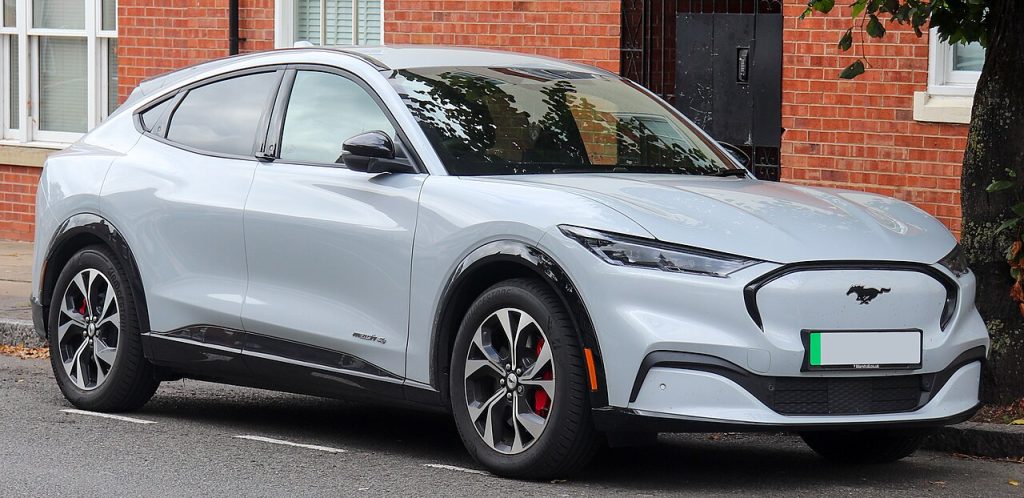
Specifications:
- Engine: Single or dual-motor electric AWD
- Horsepower: 266 hp (standard) / 480 hp (GT)
- Torque: 317 lb-ft (standard) / 634 lb-ft (GT)
- Length: 186.7 in
- Width: 74.1 in
- Range: Up to 320 miles (extended range RWD)
- Charging: NACS-native from 2025 models, access to Tesla Superchargers
Physical volume and tuning knobs sit below the main screen. Adjusting audio doesn’t require diving through touchscreen submenus. Cargo includes a front trunk plus a full rear hatch area. Total storage volume beats the Model 3’s trunk-and-frunk combination.
Also Read: 8 Problems a Clean Carfax Will Not Show You
5. Volkswagen ID.4
The ID.4 offers a familiar SUV shape with a conventional driving position. Visibility out the front and sides beats the Model 3’s low, sedan stance. VW assembles the ID.4 in Tennessee, qualifying many trims for full tax credits. That directly lowers effective purchase price.
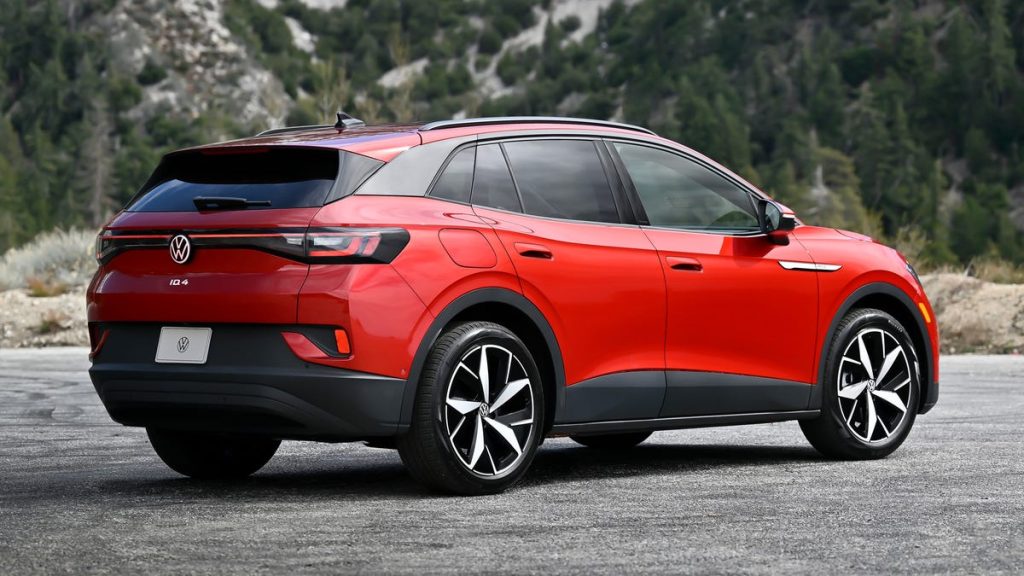
Specifications:
- Engine: Single-motor RWD or dual-motor AWD
- Horsepower: 201 hp (RWD) / 295 hp (AWD)
- Torque: 229 lb-ft (RWD) / 339 lb-ft (AWD)
- Length: 180.5 in
- Width: 72.9 in
- Range: Up to 291 miles
- Charging: 135 kW DC fast charging, 10-80% in about 26 minutes
Rear cargo space runs deep and boxy. Fitting strollers or large suitcases is simpler than in Tesla’s sloped trunk. Physical steering wheel controls replaced the old capacitive touch buttons. Recent updates addressed earlier complaints about fiddly climate sliders.
6. BMW i4
The i4 delivers a genuine sport sedan feel with a proper analog gauge cluster option. Interior materials feel a step above Tesla’s minimalist plastics. BMW’s iDrive system pairs a rotary controller with the touchscreen. That reduces the need to reach and tap while driving.
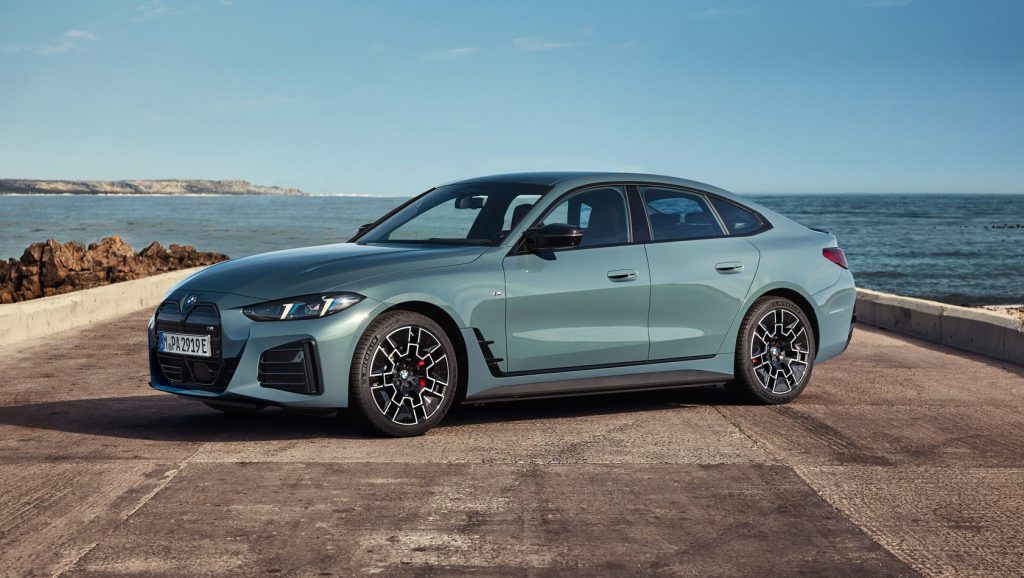
Specifications:
- Engine: Single-motor RWD or dual-motor AWD
- Horsepower: 335 hp (eDrive40) / 536 hp (M50)
- Torque: 317 lb-ft (eDrive40) / 586 lb-ft (M50)
- Length: 188.9 in
- Width: 72.9 in
- Range: Up to 301 miles (eDrive40)
- Charging: 200 kW DC fast charging, 10-80% in about 31 minutes
Ride comfort stays composed over rough pavement without feeling harsh. Long highway stints feel notably calmer than in a Model 3. BMW’s dealer network handles service, loaners, and parts efficiently. Owners report shorter turnaround times than Tesla’s service centers.
7. Polestar 2
The Polestar 2 offers a Scandinavian-minimalist cabin without sacrificing physical controls. Google built-in runs the infotainment, keeping navigation and voice commands snappy. Steering feel is weighted and direct, appealing to enthusiast drivers. Body control through corners rivals or beats the Model 3.
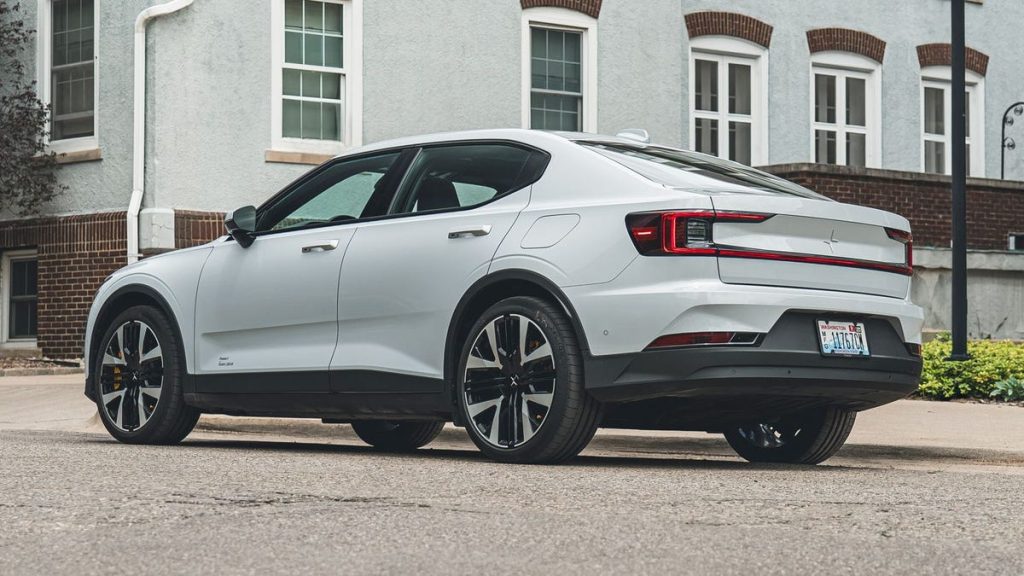
Specifications:
- Engine: Single-motor RWD or dual-motor AWD
- Horsepower: 299 hp (Long Range Single) / 421 hp (Dual Motor)
- Torque: 361 lb-ft (Single) / 546 lb-ft (Dual)
- Length: 181.3 in
- Width: 74.7 in
- Range: Up to 320 miles
- Charging: 205 kW DC fast charging, 10-80% in roughly 28 minutes
Build quality benefits from Volvo-derived manufacturing standards. Panel fit and paint consistency generally outperform Tesla’s reported variance. The hatchback trunk opens wide with a flat load floor. Everyday cargo tasks feel more practical than Tesla’s narrower trunk lid.
8. Nissan Ariya
The Ariya prioritizes quiet, plush comfort over sporty edge. Cabin insulation keeps wind and road noise noticeably lower than the Model 3. Nissan’s ProPilot Assist 2.0 handles hands-free highway driving on mapped routes. It’s simpler to engage than Tesla’s Autopilot toggles.
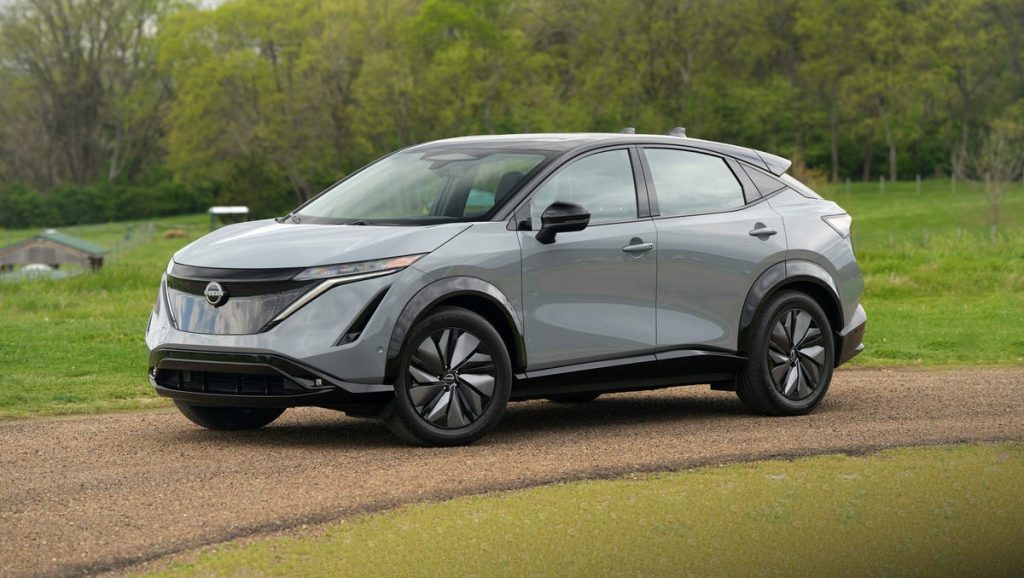
Specifications:
- Engine: Single-motor FWD or dual-motor AWD (e-4ORCE)
- Horsepower: 238 hp (FWD) / 389 hp (e-4ORCE Performance)
- Torque: 221 lb-ft (FWD) / 442 lb-ft (e-4ORCE)
- Length: 182.9 in
- Width: 72.9 in
- Range: Up to 289 miles
- Charging: 130 kW DC fast charging, 10-80% in about 35 minutes
Seats feel plusher and more cushioned than Tesla’s firmer buckets. Comfort on long trips is a frequently praised trait. Physical haptic touch controls sit below the main display. They provide feedback without requiring eyes off the road.
9. Chevrolet Bolt EUV
The Bolt EUV brought back a genuinely affordable EV with real headroom. Its upright seating position eases entry and exit for older passengers. Pricing undercuts the Model 3 by a wide margin. That makes it an easier entry point for budget-conscious buyers.
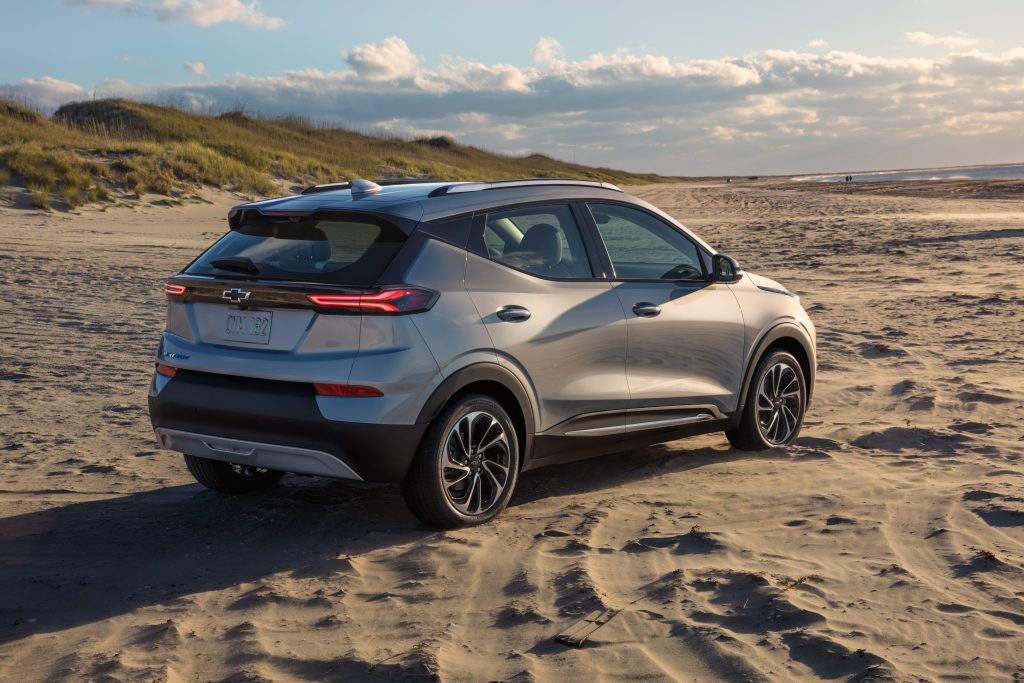
Specifications:
- Engine: Single-motor FWD electric
- Horsepower: 200 hp
- Torque: 266 lb-ft
- Length: 169.5 in
- Width: 69.7 in
- Range: Up to 247 miles
- Charging: 55 kW DC fast charging, 10-80% in about 60 minutes
Charging speed trails the Model 3 noticeably on road trips. But daily commuting rarely stresses that limitation for most owners. Chevrolet’s Super Cruise isn’t offered here, but standard safety tech covers the basics well. Simplicity keeps the cabin easy to learn quickly.
10. Honda Prologue
The Prologue pairs GM’s Ultium platform with Honda’s interior philosophy. Physical buttons and knobs dominate the dashboard layout. Honda’s dealer network brings decades of trusted service reputation. Owners transitioning from gas Hondas find the experience familiar.
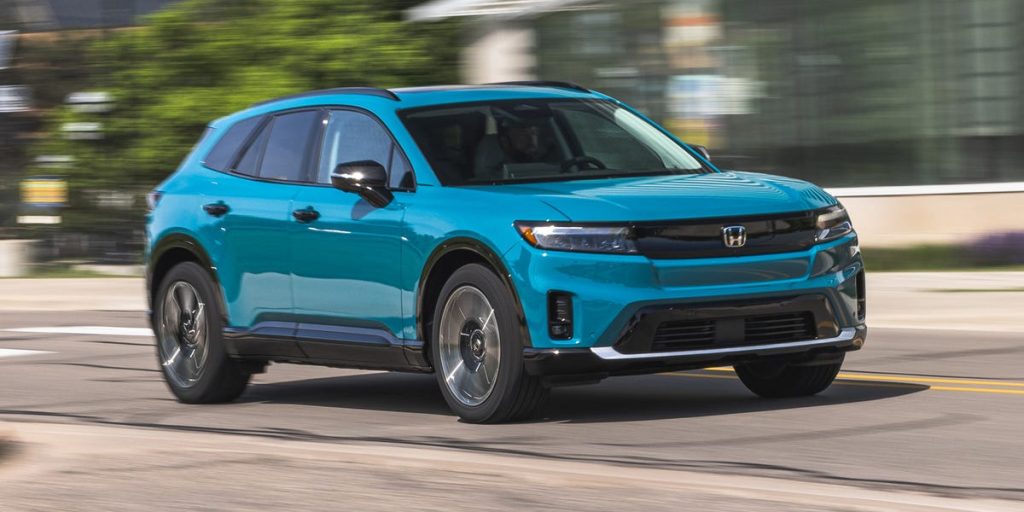
Specifications:
- Engine: Single-motor FWD or dual-motor AWD
- Horsepower: 212 hp (FWD) / 288 hp (AWD)
- Torque: 236 lb-ft (FWD) / 333 lb-ft (AWD)
- Length: 192.0 in
- Width: 78.3 in
- Range: Up to 296 miles
- Charging: 150 kW DC fast charging, 10-80% in about 35 minutes
Cabin width outmeasures the Model 3 significantly. Three adults across the back seat fit with less shoulder crowding. Google built-in navigation and apps run natively through the display. That removes reliance on phone mirroring for basic features.
11. Toyota bZ4X
The bZ4X leans into Toyota’s reputation for long-term reliability. Standard AWD is available across trims, unlike some rivals’ single-motor-only base models. Toyota’s warranty includes complimentary maintenance for the first two years. That’s a tangible cost saving Tesla doesn’t match.
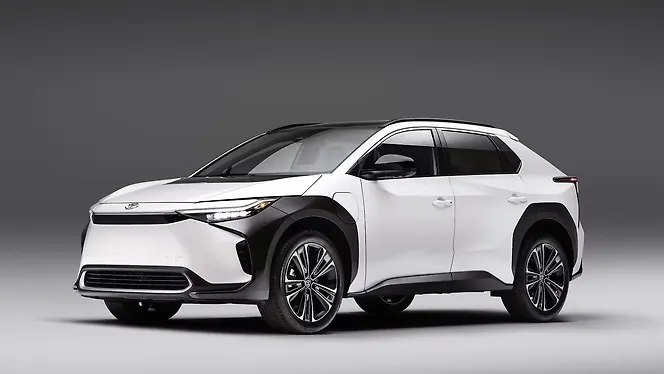
Specifications:
- Engine: Single-motor FWD or dual-motor AWD
- Horsepower: 201 hp (FWD) / 214 hp (AWD)
- Torque: 196 lb-ft (FWD) / 248 lb-ft (AWD)
- Length: 184.6 in
- Width: 73.2 in
- Range: Up to 252 miles
- Charging: 150 kW DC fast charging, 10-80% in about 30 minutes
Ride comfort favors softness over sportiness. Highway cruising feels relaxed rather than firm and jittery. Toyota’s massive dealer network makes service appointments simple almost anywhere. That convenience matters more to many owners than raw range numbers.
Also Read: 8 Add-On Dealer Fees You Can Refuse to Pay
