
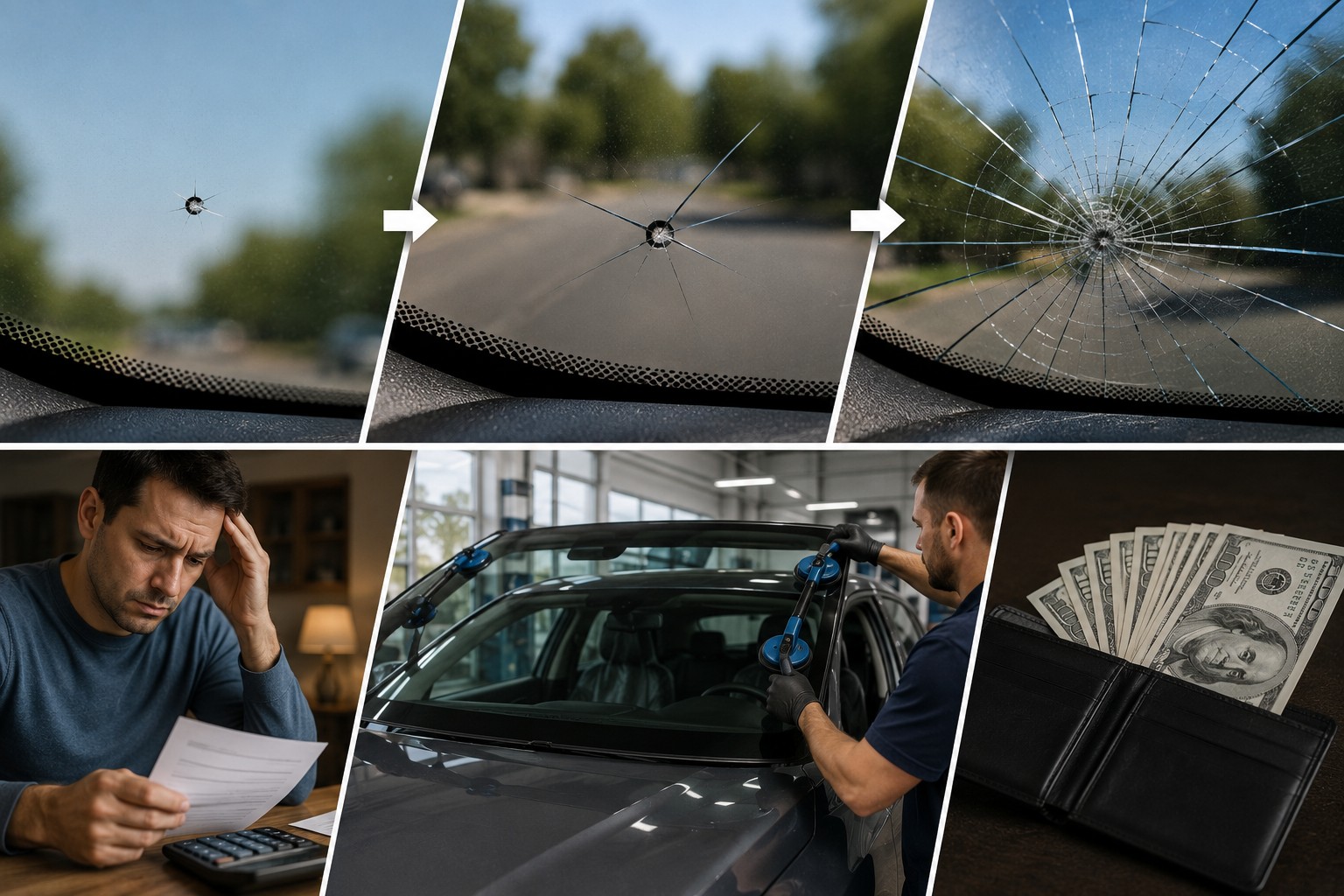
A tiny chip on your windshield looks harmless at first glance. It’s easy to convince yourself that a mark the size of a coin isn’t worth the hassle of fixing right away. But that small imperfection is rarely as stable as it appears. Glass is under constant stress from temperature swings, road vibration, and the pressure of daily driving.
What starts as a pinhead-sized mark can spread into a long crack within days or even hours. Once that happens, your cheap fix option disappears completely.
This article breaks down exactly why waiting on a chip repair backfires financially. We’ll look at real cost comparisons, the physics behind crack growth, and the hidden expenses most drivers never expect.
We’ll also cover how insurance plays into this decision and why timing matters more than people realize. By the end, you’ll understand why a same-week repair is almost always the smarter financial choice.
Windshield damage is one of those small annoyances that quietly grows into a major bill. Knowing the numbers ahead of time can save you hundreds of dollars and a lot of frustration.
The Real Cost Difference Between Repair and Replacement
The gap between fixing a chip and replacing an entire windshield is larger than most people assume. Industry pricing data shows chip repairs typically cost between $50 and $150 per chip.
A full windshield replacement, by contrast, generally runs from $250 up to $1,500 or more. The exact price depends on your vehicle’s make, model, and whether it has advanced driver assistance sensors.
That’s proof enough that repair is the far cheaper route whenever it’s still an option. Even on the low end, replacement costs are typically two to three times higher than repair costs.
Modern vehicles with forward-facing cameras and sensor-equipped glass push replacement costs even higher. These systems often require recalibration after installation, which adds another line item to your bill.
Recalibration alone can add anywhere from $100 to $400 to a replacement job. That’s money you never have to spend if the chip gets sealed before it spreads.
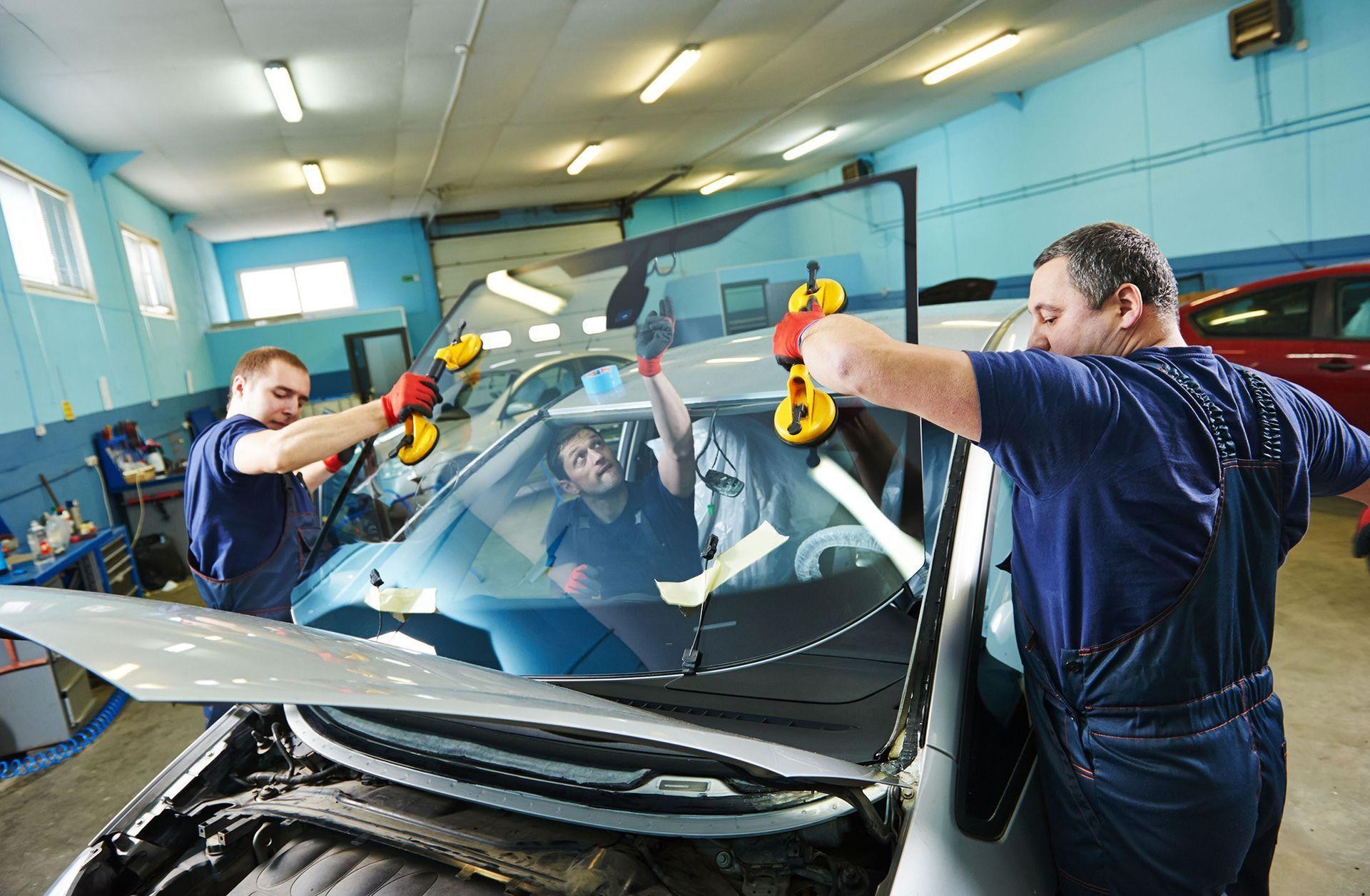
Some repair shops even offer mobile service, coming directly to your home or workplace. Replacement jobs, on the other hand, often require your car to sit at a shop for hours. The math becomes even clearer when you consider chip repair timing. A shop can usually complete a chip repair in thirty minutes to ninety minutes total.
Full replacements typically take one and a half to three hours, not counting the time needed for the adhesive to cure. That’s lost time you have to work around, on top of the higher price tag.
There’s also the resale and inspection angle to consider. A repaired chip is barely noticeable and rarely affects a car’s resale value or inspection status.
A replaced windshield, especially one using aftermarket glass, can sometimes affect how sensors calibrate long-term. This is another reason catching damage early keeps your options simpler and cheaper.
Insurance data adds another layer of proof to this cost gap. Many insurers waive the deductible entirely for chip repairs because it’s so much cheaper than paying for a replacement later.
In states like Florida and Arizona, comprehensive coverage often makes chip repair completely free. That’s a stark contrast to replacement, which almost always triggers your deductible.
Insurance companies aren’t doing this out of generosity. They’ve calculated that covering a $75 repair is far better for them than paying out $500 or more down the line. That single fact should tell you everything about how seriously the industry takes early intervention. If insurers see the value in acting fast, drivers should take the same approach.
How a Small Chip Turns Into a Costly Crack
Windshield glass isn’t a single solid sheet the way it looks from a distance. It’s actually two layers of glass bonded together with a thin plastic layer in between.
That plastic layer, called PVB, keeps the windshield from shattering completely on impact. But it also means stress can travel through the structure in unpredictable ways. When a rock or piece of debris hits your windshield, it creates a small break in the outer layer. That break becomes a weak point that concentrates stress every time the glass flexes.
Temperature changes are one of the biggest triggers for crack growth. Parking your car in direct sun after a cold morning creates rapid expansion across the glass surface. That expansion puts direct pressure on the damaged area, often causing it to spread within hours. Something similar happens with air conditioning or heater blasts hitting cold glass.
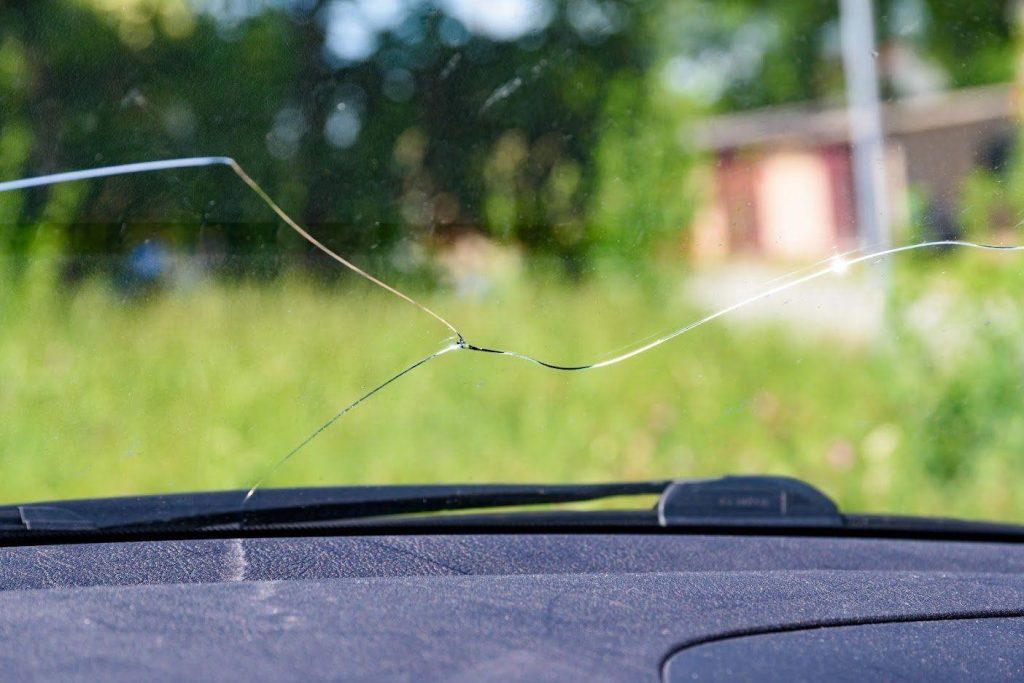
Road vibration is another constant factor working against a chipped windshield. Every pothole, speed bump, and rough patch of highway sends small shocks through the glass structure.
Over time, those shocks widen the original chip millimeter by millimeter. What was once a quarter-inch mark can become a foot-long crack within a couple of weeks.
Timing matters enormously here, and the data backs this up clearly. Repair success rates drop significantly once a chip has been exposed to dirt and moisture for more than two weeks.
The condition of a windshield chip can change in a short amount of time if it is not repaired. Dust, dirt, and other contaminants can collect inside the damaged area and reduce the resin’s ability to bond with the glass. This is why repairing a chip as soon as possible is important. Quick action improves the chances of a successful repair and may prevent the need for a full windshield replacement.
Chip location also plays a major role in how quickly damage spreads. Chips near the edge of the windshield are under more structural stress than those in the center. Edge damage is more likely to require full replacement instead of simple repair. Waiting even a few extra days can push a repairable edge chip past the point of no return.
There’s a size threshold that matters here too. Most technicians agree that chips smaller than a quarter, roughly one inch across, are still repairable in most cases. Once a crack extends beyond three inches, replacement usually becomes the only safe option. That threshold can be crossed in a single afternoon if conditions are right.
Consider a real-world example many drivers have experienced firsthand. A fifty-dollar chip repair ignored for a week can become a four-hundred-dollar replacement after a single cold night.
Many auto glass repair providers have observed the same pattern in their service records. A small chip that could have been repaired can quickly develop into damage that requires a full windshield replacement. The change often happens sooner than most vehicle owners expect, which is why delaying repairs can lead to significantly higher costs.
This is exactly why technicians recommend addressing chips within days, not weeks. The structural integrity of your windshield depends on catching damage before it has time to travel.
The Hidden Costs Beyond the Repair Bill
Money spent on glass repair is only part of the real cost of ignoring a chip. There are secondary expenses that many drivers don’t factor in until it’s too late. Legal exposure is one of the most overlooked issues here. Driving with a cracked windshield is a citable offense in many states across the country.
A crack that obstructs the driver’s field of vision can result in a traffic ticket. That’s an extra expense stacked directly on top of the eventual glass replacement. Vehicle inspections are another area where a spreading crack causes real problems. Many states will fail a vehicle inspection if the windshield has a crack in the driver’s line of sight.
That failed inspection means you can’t legally renew your registration until the issue is fixed. Suddenly, a small chip is costing you time, paperwork, and inspection re-testing fees.

One of the biggest consequences of windshield damage involves vehicle safety. A windshield does much more than provide a clear view of the road. It is an important structural component that helps support the roof, contributes to airbag performance, and protects occupants during a collision. Damage that is left unrepaired can weaken these safety functions and increase the risk of injury in an accident.
In many modern cars, the windshield helps support the roof during a rollover accident. A compromised windshield can reduce that structural support exactly when you need it most.
Airbag deployment is another safety factor tied directly to windshield integrity. Passenger-side airbags in many vehicles use the windshield as a backstop to direct their deployment path.
A cracked or weakened windshield may not perform that function correctly during a collision. That’s a safety risk that has nothing to do with how the crack looks cosmetically. Resale value takes a hit too, even for cracks that seem purely cosmetic. Buyers and dealers routinely deduct value from vehicles with visible windshield damage.
A used car with a spreading crack signals to buyers that maintenance has been neglected. That perception alone can cost you more at resale than the original repair would have.
Then there’s the compounding effect of delayed repairs on your insurance premium. While many insurers waive deductibles for early chip repair, a full replacement claim often does not get the same treatment.
Filing a replacement claim can, in some cases, affect your future premium calculations. That’s an ongoing cost that stretches far beyond the day of the actual glass replacement. Weather exposure adds yet another layer of hidden expense to consider. Rain and moisture seeping into a crack can cause fogging or long-term visibility issues near the damaged area.
That moisture can also freeze in colder months, widening the crack even faster than temperature swings alone. Each freeze-thaw cycle acts like a wedge, prying the crack open bit by bit.
Time is the final hidden cost that rarely gets discussed directly. Scheduling a same-day chip repair takes far less coordination than arranging a full windshield replacement.
Replacement often means dropping your car off, arranging alternate transportation, and returning later that day or the next. That disruption to your schedule has real value, even if it doesn’t show up on a receipt.
Every one of these hidden costs stacks directly on top of the higher price tag for replacement glass. Together, they turn a fifty-dollar problem into an expense that touches your finances, your legal standing, and your safety.
The proof is consistent across every angle: repair shops, insurance companies, and safety data all point the same direction. Acting on a small chip within days, not weeks, is the difference between a minor fix and a major financial setback.
Also Read: 8 Add-On Dealer Fees You Can Refuse to Pay
