
Many used car buyers eventually wonder whether a former rental vehicle is worth considering. These cars have long been viewed with skepticism because people often assume they were driven hard and received little care.
While that perception still exists, today’s rental vehicles tell a different story. Most rental companies follow strict maintenance schedules, keep detailed service records, and replace vehicles after only a few years of use, making many of them appealing options in the used car market.
That combination can translate into real savings for buyers willing to look past old assumptions. The lower price tag is real, but so are certain risks worth understanding before you sign anything. This guide breaks down exactly why these cars cost less, what actually happens to them during their rental years, and how to tell a genuinely good deal from one you should walk away from.
Why Rental Companies Sell Their Cars So Young
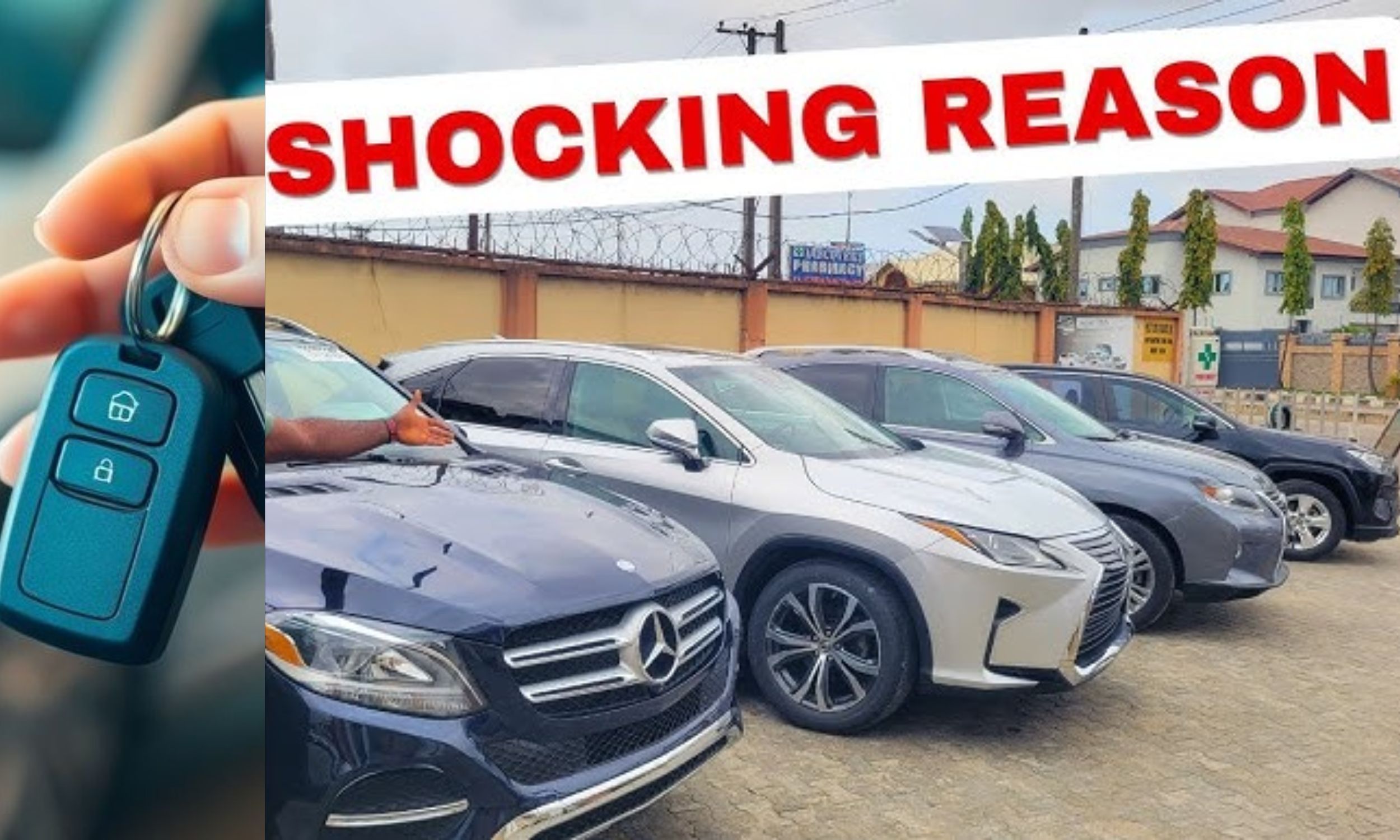
Rental companies don’t keep vehicles forever. Most fleets get refreshed on a tight cycle, typically somewhere between one and two years, which means a car heading to auction or a used lot has barely broken in before it changes ownership. Companies like Avis, Enterprise, and Hertz cycle through inventory quickly because renters expect newer models, updated safety features, and cars that still smell new.
Once a vehicle reaches a certain mileage or age threshold, it gets pulled from active service and routed toward resale, regardless of how well it performed. That fast turnover works in a buyer’s favor. Shoppers can often find one- to two-year-old rental vehicles carrying the latest body style or newest safety technology, options that would otherwise cost considerably more at a traditional dealership lot.
Because these companies buy in bulk directly from manufacturers, they also negotiate pricing that gets passed along indirectly through lower resale prices later. The result is a batch of relatively fresh vehicles entering the used market well before they’d typically appear through private sellers or trade-ins, giving budget-conscious buyers access to newer technology sooner than expected.
The Real Reason Prices Run Lower
Money talks, and in this case, it whispers a pretty clear answer. Ex-rental vehicles get priced below comparable used cars mainly because of perception, not necessarily condition. Many shoppers still assume rental cars were driven recklessly by strangers with zero attachment to the vehicle, and that assumption alone suppresses demand enough to push prices down.
Rental companies also need to move inventory fast and in volume, which means pricing tends to stay competitive rather than aspirational. Dealerships purchasing these vehicles at auction typically pay less than they would for a comparable trade-in, and some of those savings pass through to the next buyer.
Financing terms can differ too, sometimes making these vehicles slightly less attractive to traditional lenders, which further softens demand and price. None of this means the vehicles themselves are inferior. It simply means the used car market hasn’t fully caught up to how well-maintained modern rental fleets actually are. For buyers willing to do their homework, that gap between perception and reality is exactly where the savings live.
Also Read: Rental Car Industry Warned of Tougher Second Half of 2026

What Rental Companies Actually Do to Maintain Fleets
Picture two identical sedans. One belonged to a private owner who changed the oil whenever convenient. The other belonged to a rental fleet with a strict, non-negotiable service schedule. Which one would you rather buy? Rental companies operate on liability and reputation, which means skipping maintenance simply isn’t an option for them the way it sometimes is for individual owners.
Oil changes, tire rotations, and brake inspections happen on a fixed calendar, not whenever someone gets around to it. Fleet managers track service records digitally across every vehicle, creating a paper trail that’s often more complete and consistent than what you’d find with an average private seller.
Vehicles also get inspected between rentals for damage, meaning issues tend to get caught and repaired quickly rather than ignored for months. This structured approach doesn’t guarantee perfection, but it does mean the baseline maintenance standard for a rental fleet vehicle frequently exceeds what a casually maintained private car received.
Buyers should still request full service records before purchasing, since documentation is exactly what makes this maintenance advantage verifiable rather than just a claim on a window sticker.
The Wear and Tear Reality Check
Here’s the part rental companies won’t put in a brochure: these cars get driven by dozens, sometimes hundreds, of different people before resale. Every one of those drivers has different habits, different comfort with the vehicle, and zero long-term stake in how the seats, pedals, or steering wheel hold up.
That adds up. Interior wear tends to show up faster on rental vehicles than on privately owned cars of the same age, since renters aren’t exactly known for babying a car they’re returning in three days. Scuffed door panels, worn driver’s seat bolsters, and stained carpets show up more frequently than mechanical problems do.
Short rental trips also mean these vehicles accumulate a lot of stop-and-go city driving and airport shuttle mileage rather than steady highway cruising, a pattern that can accelerate wear on brakes and suspension components compared to a car driven mostly on open roads.
None of this is disqualifying, but it does mean a careful inspection matters more here than with an average used car. Check upholstery, pedal wear, and undercarriage components closely, since these areas tend to reveal a rental car’s real history faster than the odometer alone ever will.

Red Flags That Should Make You Walk Away
Some ex-rental cars are genuinely good buys. Others are quietly hiding problems behind a clean exterior and a tempting price tag. A missing or incomplete service history should be an immediate concern, since the entire advantage of buying a rental car depends on proof of consistent maintenance.
If a seller can’t produce that paperwork, you’re just buying an unknown used car with extra mileage anxiety attached. Watch closely for signs of accident repair too, mismatched paint, uneven panel gaps, or a vehicle history report showing prior damage claims.
Rental fleets do get into accidents, and while reputable companies repair damage properly, not every seller downstream handles disclosure honestly. A vehicle history report from a service that pulls National Motor Vehicle Title Information System data is worth every penny here, since it will flag salvage titles, flood damage, or serious accidents that a visual inspection alone might miss.
Excessive mechanical wear relative to the mileage shown is another warning sign, sometimes pointing toward odometer inconsistencies or a harder life than the paperwork suggests. If a deal feels unusually cheap even by ex-rental standards, treat that as a reason to dig deeper, not a reason to celebrate.
How to Verify a Rental Car Is Actually Safe to Buy
Verification turns a gamble into a genuinely informed purchase, and it doesn’t take much effort to do it right. Start with a full vehicle history report, checking specifically for salvage titles, flood damage, or a suspiciously high number of previous owners, since fewer owners generally points toward a cleaner history.
Cross-check the vehicle identification number through the National Highway Traffic Safety Administration’s website to confirm there’s no active safety recall attached to the car you’re considering. Request maintenance records directly from the seller or previous rental company whenever possible, and don’t settle for a vague assurance that “it’s been well maintained” without paperwork backing it up.
Bring the car to a trusted independent mechanic for a pre-purchase inspection before finalizing anything, paying particular attention to brakes, suspension components, and interior wear points given how rental vehicles tend to age. Some rental companies also offer short return windows or extended test drives specifically because they know shoppers want extra reassurance before committing.
Take advantage of those programs if they’re available. A little verification effort upfront costs far less time and money than discovering a problem after the sale is already final.
Also Read: 8 Signs a Dealership Is Trying to Sell You a Former Rental Car

Making the Final Call With Confidence
Buying an ex-rental car isn’t a gamble if you approach it the right way. The math genuinely works in a buyer’s favor here: newer technology, lower prices, and documented maintenance schedules that many private sellers simply can’t match. The tradeoff comes down to interior wear and the possibility of harder city driving, both of which a careful inspection can usually reveal before you commit any money.
Treat the process the same way you’d treat any used car purchase: pull the history report, verify the maintenance paperwork, get a mechanic’s opinion, and don’t let a low price talk you out of due diligence. Buyers who skip these steps are the ones who end up disappointed, not because rental cars are inherently risky, but because any used car purchase made without proper verification carries risk.
Approach an ex-rental vehicle with the same care you’d apply to a private sale, and there’s a real chance you’ll walk away with a newer, well-documented vehicle for meaningfully less money than a comparable used car from a traditional dealership lot.