
Timing chains are designed to last much longer than timing belts, and many automakers advertise them as lifetime components. In practice, that is not always the case. Several engines sold in the United States have developed a reputation for premature timing chain stretch, worn chain guides, or faulty tensioners, sometimes before reaching 100,000 miles.
In many cases, owners first notice a rattling sound during cold starts, followed by check engine lights and camshaft timing faults.
This article looks at eight vehicles that have well-documented timing chain stretch issues, using manufacturer technical service bulletins, recalls where applicable, NHTSA investigations, class-action lawsuits, and widespread repair data from professional technicians.
Also Read: BMW Recalls More Than 318,000 U.S. Vehicles Over Starter Motor Fire Risk
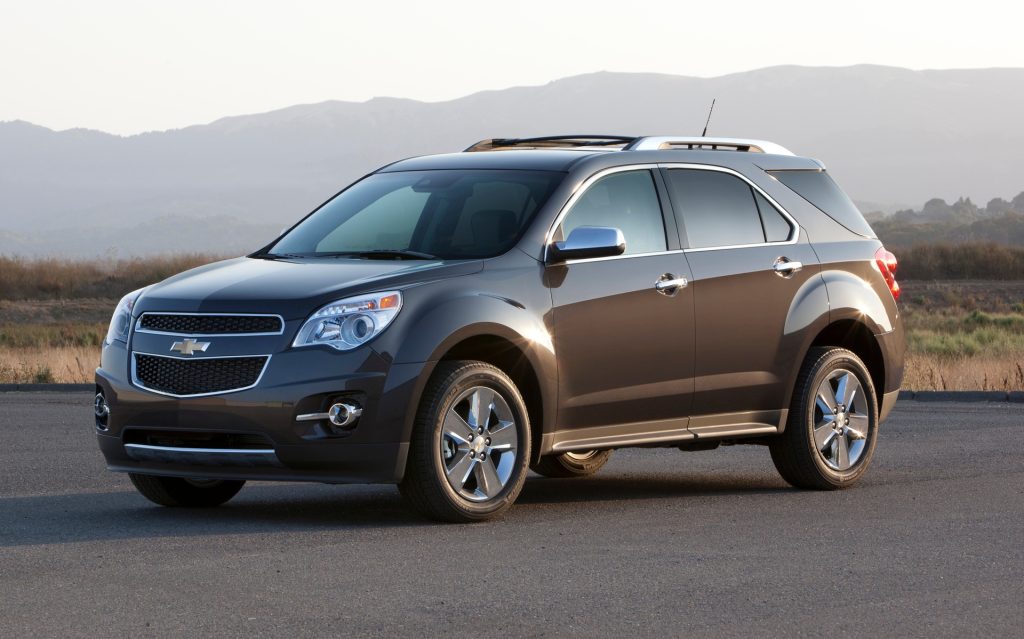
1. Chevrolet Equinox (2010 to 2017)
The second-generation Chevrolet Equinox equipped with the 2.4-liter Ecotec inline-four is one of the most frequently discussed examples of timing chain problems in the American market.
While the engine was praised for fuel economy, thousands of owners experienced stretched timing chains, especially on vehicles that also consumed excessive engine oil. The two problems often went hand in hand because low oil levels reduced lubrication to the chain and hydraulic tensioner, accelerating wear.
The first warning was usually a metallic rattling noise for a few seconds after a cold start. As the chain stretched farther, the engine computer detected camshaft timing that no longer matched crankshaft position.
Diagnostic trouble codes such as P0016, P0017, P0011, and P0014 became common. Drivers also reported rough idle, reduced power, and illuminated check engine lights.
There is substantial evidence supporting this issue. General Motors released multiple Technical Service Bulletins discussing timing chain wear and revised repair procedures for the Ecotec engine.
Numerous NHTSA owner complaints describe timing chain failures before 100,000 miles. Independent repair shops across the United States regularly identify the 2.4-liter Ecotec as one of the engines most likely to require complete timing chain replacement.
Repair costs frequently range from $1,500 to over $2,500 depending on engine damage and labor rates. If ignored, a severely stretched chain can jump timing. Although the engine is not always immediately destroyed, valve damage is possible if timing slips far enough.
The Equinox remains a practical crossover in many respects, but buyers considering a used example should verify that regular oil changes were performed and determine whether the timing chain has already been replaced with updated components.
Specifications
- Engine: 2.4-liter Ecotec DOHC Inline-4
- Torque: 172 lb-ft
- Horsepower: 182 hp
- Length/Width: 187.8 inches / 72.5 inches
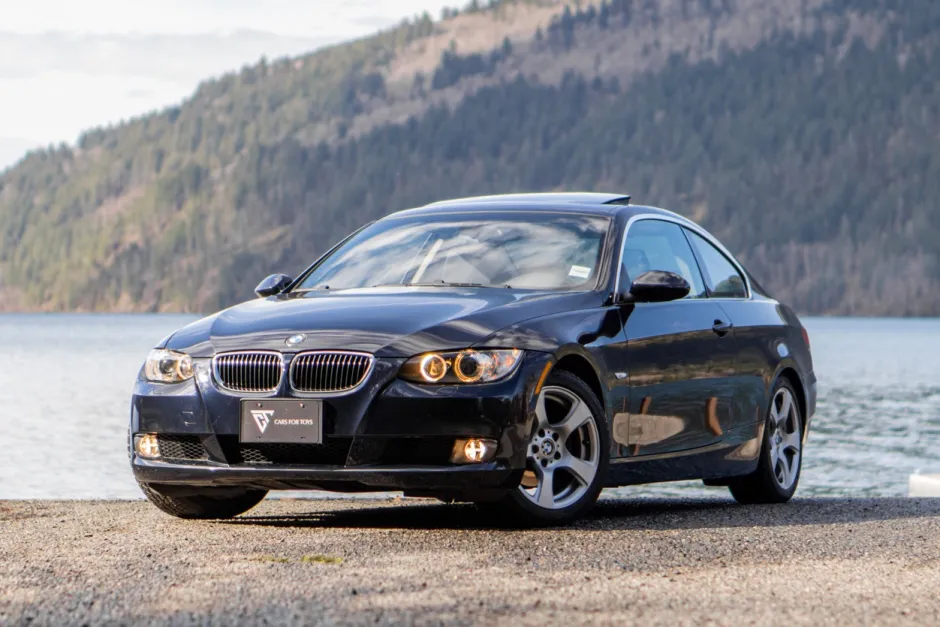
2. BMW 328i (2007 to 2011)
BMW’s naturally aspirated N52 six-cylinder engine has earned praise for smooth performance, but the turbocharged N20 four-cylinder that later appeared in the 328i developed one of BMW’s most publicized timing chain concerns.
For the U.S. market, early N20-powered 328i models from the 2012 through early 2015 production years became the center of extensive owner complaints involving stretched timing chains and deteriorating plastic chain guides.
Even though the 328i name spans many years, the timing chain issue is specifically associated with the N20-powered version. Instead of simply stretching from age, many failures began with guide wear. As the guides deteriorated, chain slack increased, and timing accuracy suffered.
Drivers often heard a whining or grinding sound from the front of the engine before fault codes appeared. If ignored, the chain could skip teeth and allow pistons to contact valves, resulting in catastrophic engine damage.
The proof behind this problem is extensive. BMW issued service information bulletins addressing timing chain diagnosis and updated components.
A class-action lawsuit covering N20 and N26 engines alleged premature timing chain guide failures, eventually leading BMW to extend warranty coverage for qualifying vehicles in the United States.
Professional European repair specialists routinely recommend preventive replacement on early-production N20 engines before symptoms become severe.
Replacing the timing chain assembly before failure generally costs between $2,000 and $3,500. Waiting until the chain jumps timing can increase repair costs dramatically because complete engine replacement may become necessary.
Owners shopping for an early N20-powered BMW should request documentation confirming installation of the updated chain, guides, and tensioner.
Specifications
- Engine: 2.0-liter Turbocharged Inline-4 (N20)
- Torque: 255 lb-ft
- Horsepower: 240 hp
- Length/Width: 182.5 inches / 71.3 inches
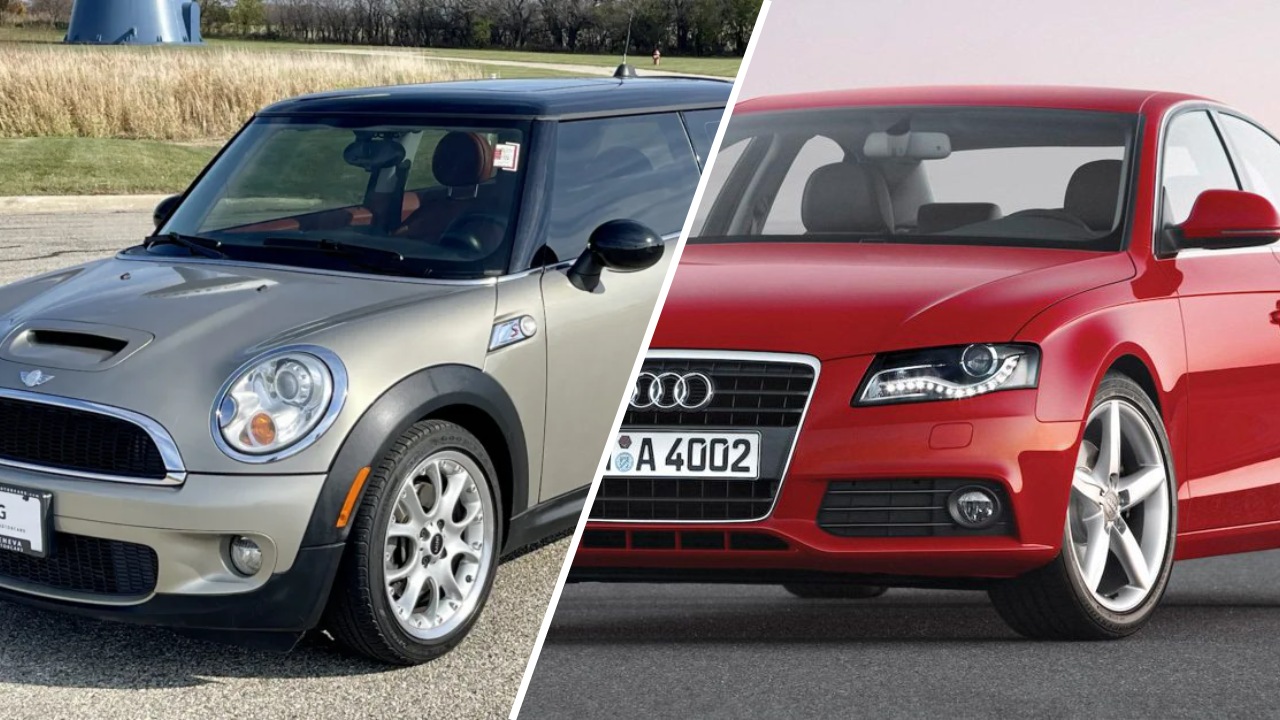
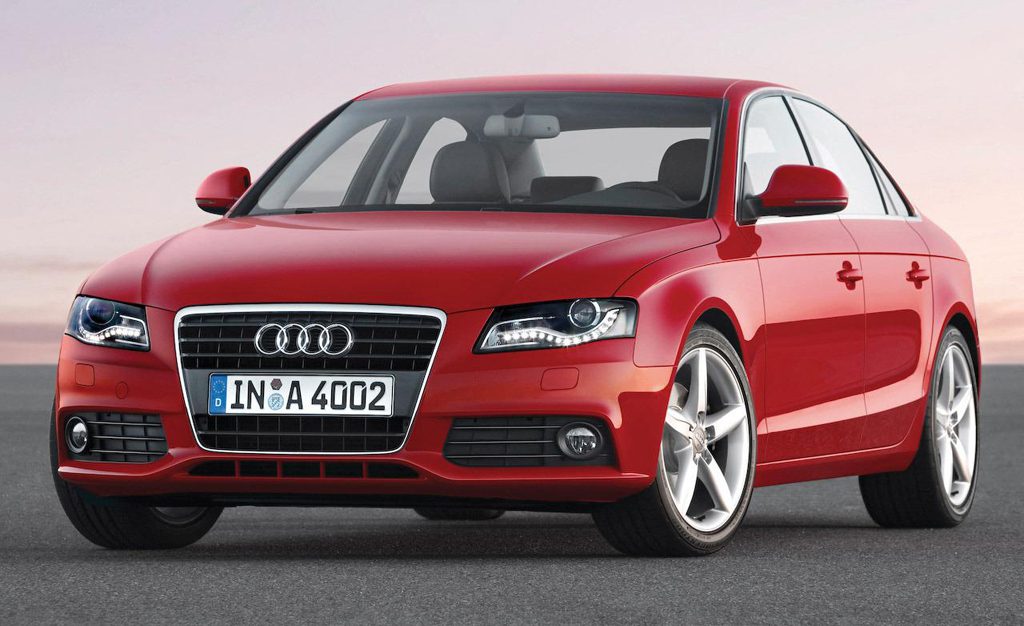
3. Audi A4 (2009 to 2016)
Audi marketed the EA888 2.0-liter turbocharged four-cylinder as a refined and efficient engine, and it quickly became one of the brand’s most widely used powerplants in the United States.
Yet for many owners, the engine developed an expensive weakness long before high mileage arrived. Early versions of the EA888 were known for timing chain tensioner failures that frequently led to timing chain stretch.
The issue became serious enough that many independent Audi specialists began recommending preventive repairs even before symptoms appeared.
While many engines become noisier over time, the EA888 could experience a sudden change once the hydraulic tensioner failed to keep the timing chain tight. A quick rattling sound during cold starts was a common early warning.
In other cases, the check engine light illuminated with camshaft correlation faults before any obvious mechanical noise developed. If the chain skipped even a single tooth, engine timing could shift enough to cause piston-to-valve contact because the EA888 is an interference engine.
Evidence supporting this issue is extensive. Audi released updated timing chain tensioner designs and service guidance after identifying failures in earlier production parts. Numerous NHTSA owner complaints describe engine failures related to timing chain systems.
A class-action lawsuit involving certain Volkswagen and Audi vehicles equipped with early EA888 engines also alleged defective timing chain tensioners, resulting in warranty extensions for many affected owners. Repair facilities throughout the United States commonly identify the original tensioner design as a major risk on pre-update engines.
Replacing the complete timing chain assembly before failure generally costs between $1,800 and $3,500 depending on labor rates and whether additional components such as camshaft adjusters require replacement.
Buyers looking at a used A4 should confirm that the updated tensioner and timing chain components have already been installed.
A documented repair history significantly lowers the risk of future engine damage and provides greater confidence when purchasing one of these otherwise enjoyable sport sedans.
Specifications
- Engine: 2.0-liter Turbocharged EA888 Inline-4
- Torque: 258 lb-ft
- Horsepower: 220 hp
- Length/Width: 185.2 inches / 72.8 inches
4. MINI Cooper S (2007 to 2013)
Few small performance cars have built as loyal a following as the second-generation MINI Cooper S. Its turbocharged 1.6-liter engine delivered lively acceleration and sharp handling, making it popular with drivers looking for a fun daily commuter.
Unfortunately, the same engine also developed one of the most recognizable timing chain complaints in the compact car segment. Owners even coined a nickname for the distinctive startup noise, referring to it as the “death rattle.”
The problem centered on timing chain stretch combined with premature wear of the chain tensioner and guides. During a cold start, the chain could briefly lose tension before oil pressure built inside the hydraulic tensioner.
What began as a short metallic rattle often became progressively louder over time. Ignoring the sound allowed additional chain wear, eventually causing camshaft timing errors, rough running, poor acceleration, and fault codes such as P0012 and P0015. If timing shifted far enough, internal engine damage could follow.
There is strong documentation supporting the issue. MINI and BMW issued technical service bulletins addressing timing chain noise, revised tensioner designs, and updated repair procedures for the Prince-family engine.
Thousands of owner complaints appear in NHTSA records and enthusiast forums, while independent repair specialists across the United States frequently list timing chain replacement as one of the most common major repairs for early turbocharged Cooper S models. Updated replacement kits introduced stronger components intended to improve long-term durability.
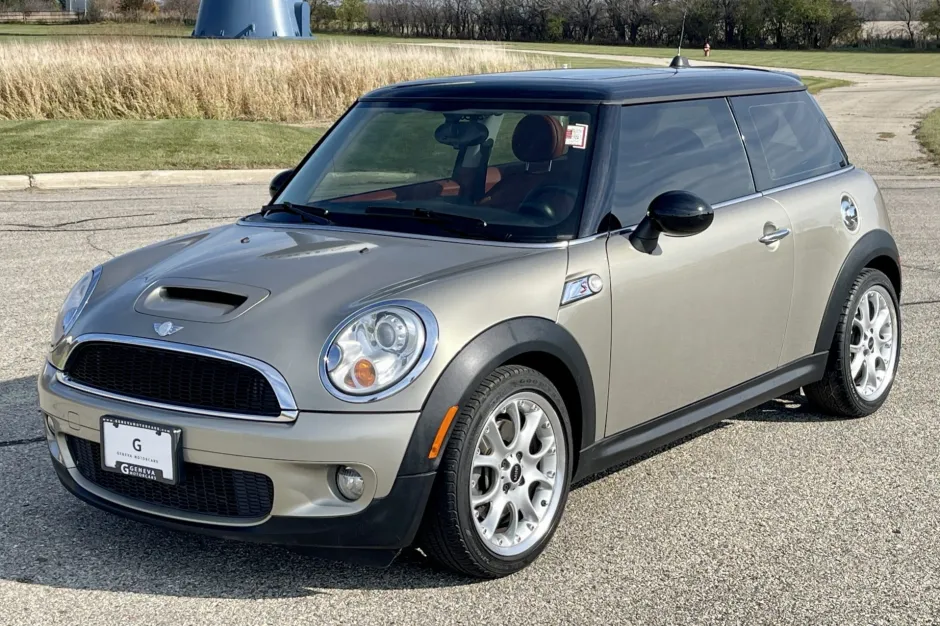
Repair costs typically fall between $1,500 and $2,800 depending on labor and whether additional engine components require replacement. Prospective buyers should listen carefully for startup noise, verify maintenance records, and confirm whether the updated timing chain kit has already been installed.
Cars that have received the revised components generally present a much lower ownership risk than untouched early-production examples.
Specifications
- Engine: 1.6-liter Turbocharged Inline-4
- Torque: 177 lb-ft
- Horsepower: 181 hp
- Length/Width: 146.6 inches / 66.3 inches
5. Ford F-150 (2004 to 2010)
Not every timing chain problem begins with a weak chain itself. The 5.4-liter Triton V8 used in the 2004 through 2010 Ford F-150 is a prime example.
In this engine, the timing chain system relied on plastic chain guides and hydraulic tensioners that gradually wore out, especially when oil changes were delayed or poor-quality oil was used. Once those components deteriorated, excessive chain slack developed, leading many owners to believe the chain had stretched.
One of the earliest warning signs was a rattling noise from the front of the engine, particularly during the first few seconds after startup. As wear progressed, some trucks developed rough idling, reduced performance, and illuminated check engine lights with camshaft timing-related trouble codes.
In severe cases, broken timing chain guides allowed the chain to jump teeth, causing significant valve timing problems. Although many Triton engines continued running for some time after symptoms appeared, delaying repairs often increased both labor costs and the likelihood of additional internal engine damage.
There is considerable evidence supporting these failures. Ford issued multiple Technical Service Bulletins covering timing chain noise, cam phaser operation, and revised repair procedures for the 5.4-liter three-valve V8.
NHTSA owner complaints contain thousands of reports involving startup rattle, timing chain repairs, and cam phaser failures.
Independent repair facilities across the United States frequently identify the complete timing system, including guides, tensioners, and cam phasers, as one of the most common major repairs on higher-mileage Triton-powered F-150s.
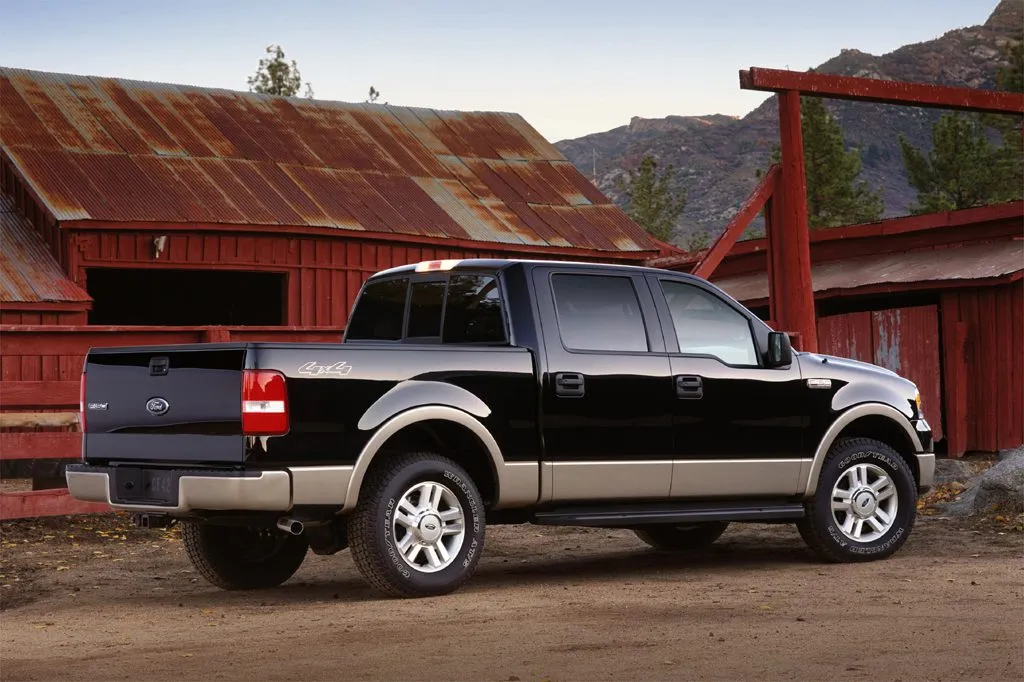
Repair expenses generally range from $2,000 to more than $4,000 because replacing the timing components requires extensive engine disassembly.
Many technicians recommend replacing all timing-related hardware simultaneously rather than replacing individual parts. Trucks that received updated components and consistent oil changes often prove significantly more reliable during long-term ownership.
Specifications
- Engine: 5.4-liter Triton SOHC V8
- Torque: 365 lb-ft
- Horsepower: 300 hp
- Length/Width: 224.1 inches / 78.9 inches
6. Nissan Altima (2007 to 2012)
The fourth-generation Nissan Altima offered competitive fuel economy and comfortable highway manners, but certain models equipped with the QR25DE 2.5-liter four-cylinder experienced timing chain problems that were frequently linked to premature guide wear and elongated chains after years of service.
While not every Altima suffered this issue, repair shops across the United States have documented enough cases for the engine to earn a reputation among technicians.
Many owners first noticed an unusual metallic ticking or rattling noise near the timing cover during startup. Others never heard any mechanical sound at all and instead saw the check engine light accompanied by camshaft and crankshaft correlation codes such as P0011 or P0340.
Once the chain stretched beyond specification, valve timing became less precise, affecting idle quality, throttle response, fuel economy, and engine performance. If left unaddressed, the chain could eventually skip timing, turning a repair that might have involved only timing components into a much more expensive engine rebuild.
Documented evidence comes from several sources. Nissan issued technical service bulletins covering timing chain diagnosis and related valve timing concerns on QR-series engines. NHTSA complaint records include reports describing startup noise, timing chain replacement, and camshaft timing faults.
Professional repair databases and independent Nissan specialists also identify timing chain wear as a known concern, particularly on vehicles with inconsistent oil maintenance or very high mileage.
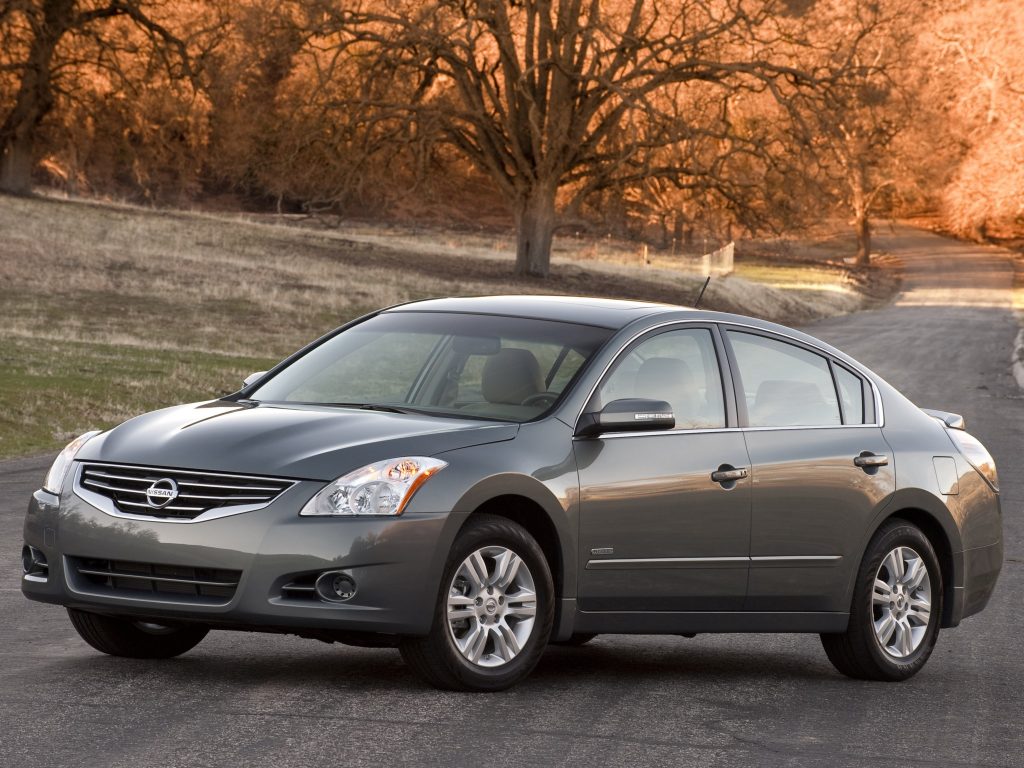
Repair costs generally fall between $1,400 and $2,600 depending on labor rates and whether the oil pump chain, guides, and tensioners are replaced at the same time.
Buyers considering a used Altima should pay close attention to startup behavior, verify regular maintenance history, and request service records showing whether the timing chain system has already been updated or replaced.
Specifications
- Engine: 2.5-liter QR25DE Inline-4
- Torque: 180 lb-ft
- Horsepower: 175 hp
- Length/Width: 189.8 inches / 70.7 inches
7. Saab 9-3 (2007 to 2011)
The Saab 9-3 may no longer be in production, but it remains a favorite among enthusiasts who appreciate its distinctive Scandinavian design and turbocharged performance.
Many U.S.-market models were equipped with General Motors’ 2.0-liter Ecotec turbocharged engine, an engine that delivered strong power but also developed documented timing chain stretch concerns, particularly when maintenance intervals were extended or oil levels dropped.
Since Saab ceased production in 2011, finding replacement engines has become increasingly expensive, making timing chain maintenance especially important for current owners.
Unlike some engines that produce loud mechanical noise early in the failure process, the Saab often gave more subtle warnings. Drivers frequently noticed intermittent check engine lights before hearing any abnormal sounds.
Diagnostic trouble codes such as P0016 and P0017 indicated that the camshaft and crankshaft were no longer synchronized within factory specifications.
As the timing chain continued to stretch, cold-start rattles became more noticeable, idle quality deteriorated, and acceleration became less responsive. Because this is an interference engine, ignoring these symptoms could eventually allow the chain to jump timing and damage valves.
The issue is well documented through multiple sources. General Motors published Technical Service Bulletins covering timing chain inspection procedures and updated replacement parts for Ecotec engines.
NHTSA complaint records include numerous reports describing stretched timing chains, camshaft timing faults, and costly engine repairs.
Independent repair shops familiar with GM Ecotec engines routinely identify the timing chain system as a known wear item on higher-mileage turbocharged applications, particularly when oil change intervals exceeded manufacturer recommendations.
Updated timing chain kits introduced stronger components intended to improve long-term durability.
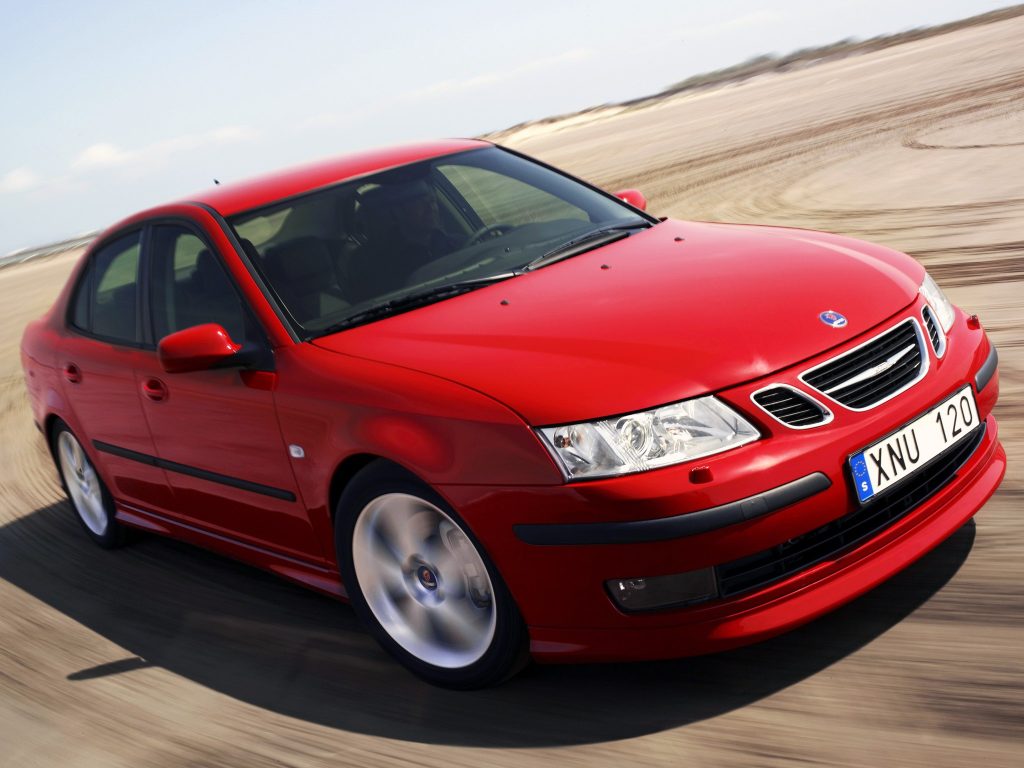
Repair costs in the United States generally range from $1,700 to $3,000 depending on labor rates and whether additional timing components require replacement.
Buyers considering a used Saab 9-3 should place significant value on documented maintenance records and evidence that the complete timing chain assembly has already been replaced with updated parts.
Specifications
- Engine: 2.0-liter Turbocharged Ecotec Inline-4
- Torque: 258 lb-ft
- Horsepower: 210 hp
- Length/Width: 182.5 inches / 69.3 inches
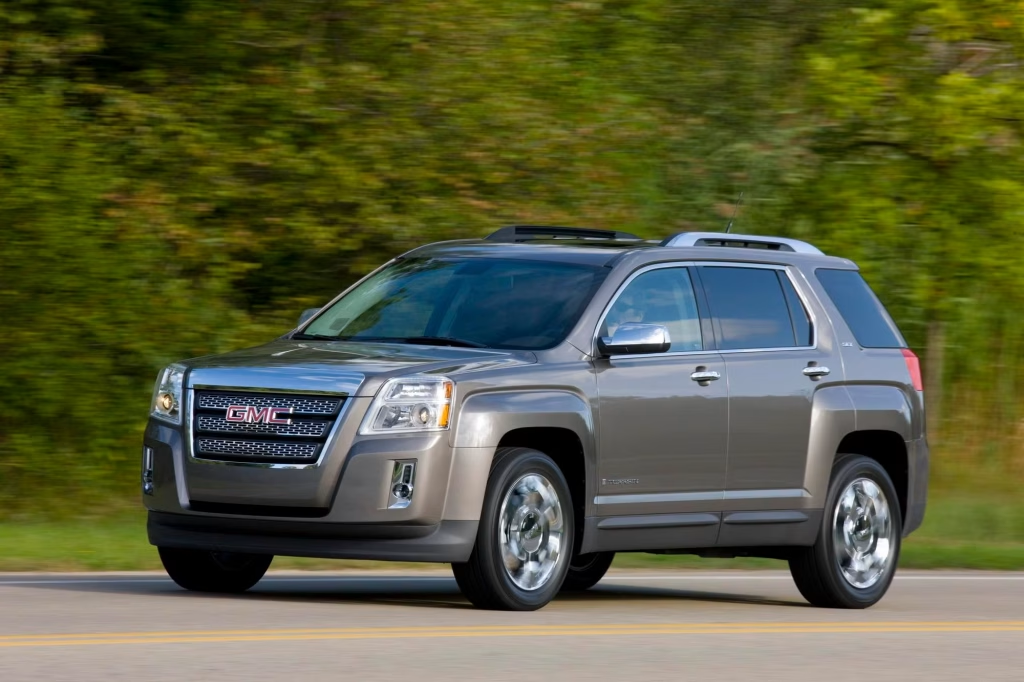
8. GMC Terrain (2010 to 2017)
The GMC Terrain shares its platform and powertrain with the Chevrolet Equinox, meaning it inherited many of the same strengths as well as the same timing chain concerns.
Models equipped with the 2.4-liter Ecotec four-cylinder became well known among technicians for developing timing chain stretch, particularly when excessive oil consumption allowed engine oil levels to fall below safe operating limits.
Many owners did not realize the oil level had dropped until the check engine light appeared or the engine began making unusual noises.
The timing chain itself was rarely the only component involved. Reduced lubrication accelerated wear on the hydraulic tensioner and chain guides, allowing additional slack to develop.
Drivers commonly reported a rattling sound immediately after startup, rough idling, hesitation during acceleration, and diagnostic codes including P0016 and P0017. As chain wear progressed, camshaft timing drifted farther from specification.
If repairs were delayed long enough, the chain could skip timing and create internal engine damage that far exceeded the cost of replacing the chain assembly.
There is substantial proof supporting this reputation. General Motors issued several Technical Service Bulletins addressing excessive oil consumption, timing chain wear, revised diagnostic procedures, and updated replacement components for the 2.4-liter Ecotec engine.
NHTSA complaint data contains hundreds of owner reports involving timing chain failures and related engine damage. Independent repair facilities across the United States frequently rank the 2.4-liter Terrain among the most common crossover SUVs requiring complete timing chain replacement before reaching high mileage.
Consumer reliability surveys have also consistently highlighted this engine as one requiring careful maintenance.
Replacing the complete timing chain system typically costs between $1,500 and $2,700. Vehicles with documented oil changes, updated timing components, and repaired oil consumption issues are generally far safer purchases than examples with incomplete maintenance histories.
For used SUV shoppers, verifying those records can make the difference between dependable transportation and a major engine repair shortly after purchase.
Specifications
- Engine: 2.4-liter Ecotec DOHC Inline-4
- Torque: 172 lb-ft
- Horsepower: 182 hp
- Length/Width: 185.3 inches / 72.8 inches
Also Read: 8 Luxury Sedans That Lose Half Their Value by Year Four
