
A fuel system is responsible for delivering the right amount of fuel to an engine at the correct pressure. When one of its critical components fails, whether it is the fuel pump, high-pressure fuel pump, fuel injector, fuel control module, or fuel pressure regulator, the engine can suddenly lose power or stop running entirely.
In some vehicles sold in the United States, fuel system failures have become well documented through recalls, Technical Service Bulletins (TSBs), NHTSA investigations, manufacturer service campaigns, and thousands of owner complaints.
The following cars have established records of fuel system problems that have, in many cases, left owners stranded without warning.
Also Read: 8 Most Expensive Jeep Models Ever Made, Ranked
1. Ford Focus (2012 to 2018)
The third-generation Ford Focus equipped with the 2.0-liter GDI engine earned praise for efficiency, but it also developed a well-documented reputation for fuel system problems that could leave drivers stranded. One of the most significant concerns involved the evaporative emissions purge valve.
When the valve malfunctioned, it could create excessive vacuum inside the fuel tank, restricting fuel delivery and causing the engine to hesitate or stall. Many owners experienced the problem while driving at highway speeds, making the issue more than just an inconvenience.
Symptoms often began with difficult starting after refueling, rough idling, hesitation during acceleration, or a check engine light.
As the condition worsened, some vehicles stalled completely and refused to restart until pressure inside the fuel system normalized. Drivers frequently reported losing engine power in traffic without any prior warning.
The evidence supporting this issue is substantial. Ford issued a nationwide safety recall covering hundreds of thousands of 2012 through 2018 Focus vehicles because a faulty canister purge valve could deform the fuel tank and contribute to engine stalling.
The recall instructed dealers to replace the purge valve and update the vehicle’s powertrain control software. NHTSA records also contain thousands of owner complaints describing fuel-related stalling and difficult starting.
Independent repair facilities continue to identify purge valve failures as one of the most common fuel system repairs on this generation of Focus.

Although the repair itself is relatively affordable when performed early, ignoring the symptoms can lead to additional fuel tank damage that significantly increases repair costs. Buyers considering a used Focus should verify that the recall has been completed and confirm that the fuel tank has not already been damaged.
Specifications
- Engine: 2.0-liter DOHC Inline-4
- Torque: 146 lb-ft
- Horsepower: 160 hp
- Length/Width: 178.5 inches / 71.8 inches
2. BMW 335i (2007 to 2010)
Performance enthusiasts admire the BMW 335i for introducing the twin-turbocharged N54 engine to the American market, but the same engine became equally famous for repeated high-pressure fuel pump failures.
The high-pressure fuel pump plays a very different role from the traditional in-tank pump, generating the intense fuel pressure required by modern direct-injection engines. Once it begins to fail, drivers may experience sudden hesitation, power loss, or a complete engine shutdown with minimal warning.
Owners typically noticed extended cranking before the engine started, reduced acceleration, limp-home mode, or repeated check engine lights. In many cases, the vehicle stalled while driving and would not restart until the faulty pump was replaced.
Because the failure could occur at virtually any speed, drivers often described being stranded without warning.
BMW’s high-pressure fuel pump issue is one of the best-documented fuel system problems in recent automotive history. The company issued multiple service campaigns and eventually extended warranty coverage on the high-pressure fuel pump to 10 years or 120,000 miles for many affected U.S. vehicles.
NHTSA investigations examined widespread owner complaints involving stalling and loss of engine power. BMW also released several updated versions of the pump as engineers attempted to improve long-term reliability.

Replacing the high-pressure fuel pump typically costs between $1,200 and $2,000 outside warranty coverage. Fortunately, most surviving vehicles have already received one of the later-design replacement pumps.
Buyers should still request service records confirming the repair because the updated pump significantly reduces the likelihood of unexpected roadside breakdowns compared with early production units.
Specifications
- Engine: 3.0-liter Twin-Turbocharged Inline-6
- Torque: 300 lb-ft
- Horsepower: 300 hp
- Length/Width: 178.2 inches / 71.5 inches
3. Volkswagen Jetta (2009 to 2014)
For many buyers, the Volkswagen Jetta equipped with the 2.0-liter TSI EA888 engine represented an appealing mix of performance and fuel economy. Hidden beneath that balance, however, was a fuel system weakness involving the camshaft-driven high-pressure fuel pump and its roller cam follower.
In some vehicles, premature wear of the follower or internal pump components caused fuel pressure to drop below specification. Once that happened, the direct-injection engine could no longer receive the pressure it needed, leaving drivers with sudden performance loss or a vehicle that would not restart.
The failure rarely appeared without warning. Owners often experienced hesitation during hard acceleration, rough idling, long crank times, or intermittent loss of power before the check engine light illuminated.
Diagnostic codes such as P0087, indicating low fuel rail pressure, became common. If the high-pressure pump deteriorated further, the engine frequently entered limp mode or stalled entirely.
Since direct-injection systems rely on pressures exceeding 1,500 psi, even a relatively small pressure drop could create significant drivability issues.
There is strong documentation supporting these concerns. Volkswagen released Technical Service Bulletins covering fuel pressure diagnosis, revised high-pressure fuel pump procedures, and updated cam follower inspections on applicable engines.
NHTSA complaint records include numerous reports of stalling, low fuel pressure warnings, and unexpected engine shutdowns. Independent Volkswagen specialists have long recommended periodic inspection of the cam follower because excessive wear can damage both the pump and camshaft if ignored.
Updated replacement components introduced later in production improved durability compared with earlier designs.

Repairs generally range from $900 to $2,200 depending on whether only the pump requires replacement or if camshaft damage has also occurred. Anyone considering a used Jetta from this period should verify maintenance history and determine whether the high-pressure fuel pump system has already received updated components.
Specifications
- Engine: 2.0-liter Turbocharged EA888 Inline-4
- Torque: 207 lb-ft
- Horsepower: 200 hp
- Length/Width: 182.7 inches / 70.0 inches
4. Chevrolet Cruze (2011 to 2015)
The first-generation Chevrolet Cruze quickly became one of America’s best-selling compact sedans, particularly with the turbocharged 1.4-liter Ecotec engine. While many owners enjoyed its fuel economy, a recurring issue involving the electric fuel pump module and fuel delivery system affected a number of vehicles.
Mechanical components often provide warning signs as they wear out, but fuel pump module electrical failures can be far less predictable. A sudden electrical fault may cause fuel pressure to disappear almost instantly, leading to an unexpected loss of engine power.
Drivers frequently described the experience as though someone had turned off the ignition while the vehicle was moving. The engine would hesitate briefly, lose power, and then stall. Restarting was often impossible because the pump could no longer maintain sufficient pressure in the fuel rail.
Some owners noticed whining noises from the fuel tank before failure, while others received no warning at all. Even vehicles with relatively moderate mileage experienced pump-related failures.
Evidence supporting these concerns comes from several sources. General Motors issued Technical Service Bulletins addressing fuel pressure diagnostics and fuel pump performance on certain Cruze models. NHTSA complaint records contain hundreds of reports describing engine stalls, no-start conditions, and fuel pump failures.
In addition, GM conducted recalls involving fuel delivery components on certain Cruze vehicles where defects increased the risk of stalling or fuel leaks. Independent repair facilities across the United States continue to identify fuel pump replacement as one of the more common repairs on early Cruze models.

Replacing the fuel pump module typically costs between $700 and $1,400 depending on labor rates and whether the fuel tank must be removed. Buyers should verify that all applicable recalls have been completed and pay attention to hard-start conditions or unusual fuel pump noise during a pre-purchase inspection.
Specifications
- Engine: 1.4-liter Turbocharged Ecotec Inline-4
- Torque: 148 lb-ft
- Horsepower: 138 hp
- Length/Width: 181.0 inches / 70.7 inches
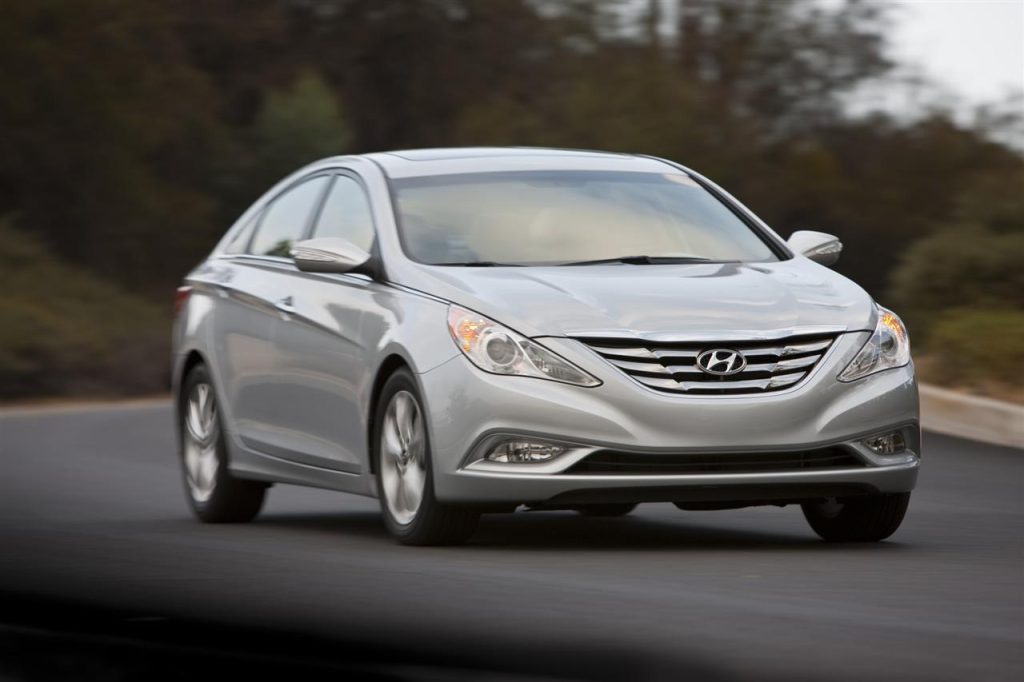
5. Hyundai Sonata (2011 to 2014)
The 2011 through 2014 Hyundai Sonata helped redefine the midsize sedan segment with bold styling and excellent fuel economy, particularly when equipped with the 2.4-liter GDI four-cylinder.
Yet one fuel system component repeatedly surfaced in owner complaints across the United States: the high-pressure fuel pump.
Port-injected engines can often tolerate gradual fuel delivery changes, but the Sonata’s gasoline direct injection system depends on precise high-pressure fuel delivery. Once the pump begins losing pressure, the engine may react almost instantly with reduced performance or operating issues.
The symptoms usually develop in stages. Some owners first experienced extended crank times during cold starts, while others noticed hesitation when accelerating onto highways. As the pump deteriorated further, the engine could misfire under load, illuminate the check engine light, or suddenly lose power.
Diagnostic codes such as P0087 for low fuel rail pressure became common. In more severe cases, the vehicle stalled and would not restart until the faulty pump was replaced, leaving drivers stranded in traffic or parking lots.
The issue is supported by substantial documentation. Hyundai issued Technical Service Bulletins covering fuel pressure testing and diagnosis for GDI-equipped engines. NHTSA owner complaint records contain numerous reports involving hard starting, fuel pressure loss, engine hesitation, and stalling associated with the high-pressure fuel system.
Independent Hyundai repair specialists have also documented premature high-pressure fuel pump failures on early GDI engines, particularly as mileage increased. Updated replacement pumps introduced during later production years improved reliability compared with earlier designs.
Repair costs generally range from $900 to $1,800 depending on parts pricing and labor rates. Buyers looking at a used Sonata should review service records carefully and confirm whether the high-pressure fuel pump has already been replaced. A properly maintained GDI system greatly reduces the likelihood of unexpected fuel delivery failures.
Specifications
- Engine: 2.4-liter GDI Inline-4
- Torque: 186 lb-ft
- Horsepower: 198 hp
- Length/Width: 189.8 inches / 72.2 inches
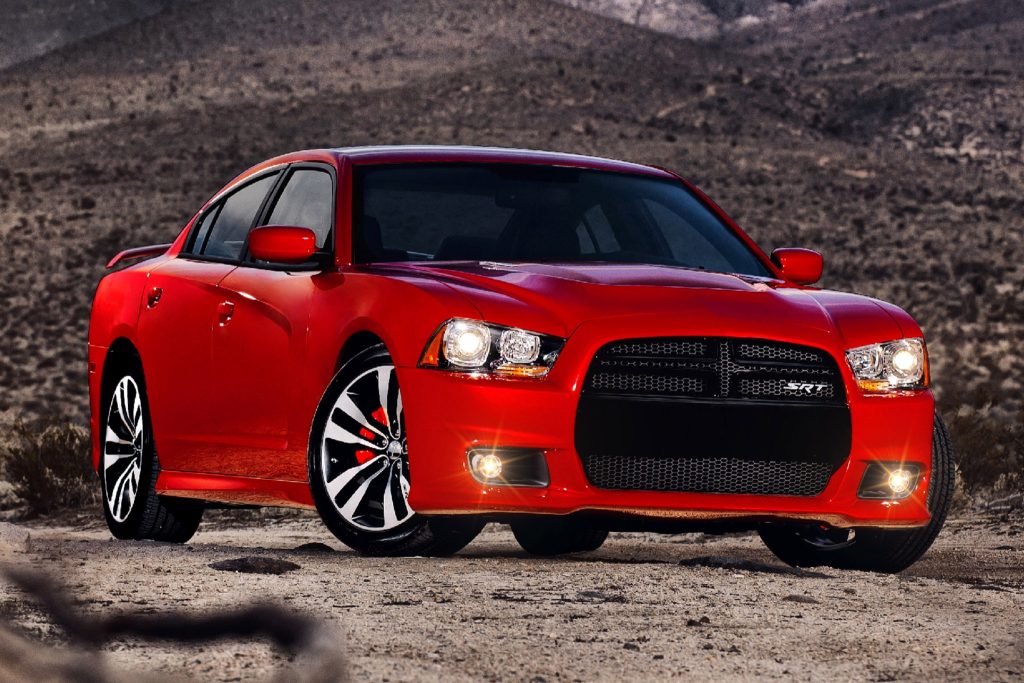
6. Dodge Charger (2011 to 2013)
Powerful V8 performance is one of the Dodge Charger’s biggest selling points, but certain 2011 through 2013 models equipped with the 5.7-liter HEMI developed fuel pump relay problems capable of shutting the engine down without warning. In this case, the fuel pump itself was often not the root cause.
Instead, failures inside the Totally Integrated Power Module (TIPM) prevented the electric fuel pump from receiving consistent voltage. Without power, the pump stopped delivering fuel, instantly causing the engine to stall.
Mechanical faults often provide warning signs as they worsen, but TIPM-related fuel interruptions rarely followed that pattern. The engine could cut out without notice during normal driving, leaving drivers feeling as though the key had been switched off mid-journey.
Others experienced intermittent no-start conditions because the relay failed to activate the pump during startup. Since the issue was electrical, it could disappear temporarily before returning, making diagnosis frustrating for owners and technicians alike.
There is extensive proof supporting the problem. Chrysler issued multiple recalls and customer satisfaction campaigns involving defective fuel pump relay circuits inside the TIPM on numerous Dodge, Jeep, and Chrysler vehicles.
NHTSA investigations documented thousands of owner complaints involving unexpected engine stalls and failure to start. Independent repair facilities across the United States frequently install external relay kits or updated TIPM components to permanently resolve the issue after repeated relay failures.
Repair costs vary widely. Installing an external relay kit may cost only a few hundred dollars, while replacing the complete TIPM can exceed $1,500.
Anyone shopping for an early 2010s Charger should verify recall completion and inspect service records for previous TIPM repairs, as updated components significantly improve long-term reliability.
Specifications
- Engine: 5.7-liter HEMI V8
- Torque: 395 lb-ft
- Horsepower: 370 hp
- Length/Width: 199.9 inches / 75.0 inches
7. Mazda CX-9 (2007 to 2015)
The first-generation Mazda CX-9 earned a loyal following in the United States thanks to its responsive handling and spacious three-row interior.
Beneath the sheet metal, however, certain models equipped with the 3.7-liter Cyclone V6 developed a fuel delivery concern involving the in-tank electric fuel pump. While not every vehicle experienced the problem, enough failures were reported to attract the attention of both Mazda and federal safety regulators.
When the pump failed, the engine lost fuel pressure almost instantly, often leaving drivers stranded with no opportunity to reach a safe location.
A clogged fuel filter usually reveals itself through a steady drop in performance, but a weak electric fuel pump can be much less predictable. Many owners experienced hard starts, inconsistent acceleration, and sudden surging before the pump failed completely and the engine stalled.
Some described hearing an unusually loud whining sound from the fuel tank days before the failure. Others experienced no warning at all, with the engine shutting off while driving and refusing to restart because the pump could no longer build the required fuel pressure.
The issue is supported by manufacturer action. Mazda issued safety recalls covering hundreds of thousands of vehicles equipped with low-pressure fuel pumps manufactured by Denso. The recall explained that the impeller inside the pump could crack or deform, preventing the pump from operating correctly.

NHTSA records also contain owner complaints describing engine stalling, loss of power, and no-start conditions linked to the defective pump. The same Denso fuel pump defect affected multiple automakers, making it one of the largest automotive fuel pump recalls in recent years.
Replacing the defective pump under the recall eliminates the known defect. Buyers considering a used CX-9 should verify through service documentation that the recall repair has been completed, as an unrepaired vehicle still carries the risk of sudden fuel pressure loss and unexpected roadside breakdowns.
Specifications
- Engine: 3.7-liter DOHC V6
- Torque: 270 lb-ft
- Horsepower: 273 hp
- Length/Width: 199.8 inches / 76.2 inches
8. Lexus IS 350 (2006 to 2013)
Lexus has long been recognized for exceptional reliability, which makes the fuel pump issue affecting certain IS 350 models particularly noteworthy.
Vehicles equipped with the 3.5-liter 2GR-FSE V6 were included in Toyota’s massive Denso fuel pump recall after engineers determined that the impeller inside the low-pressure fuel pump could absorb fuel, swell beyond its original dimensions, and eventually stop rotating. When that occurred, the engine lost its fuel supply and could stall without warning.
Many owners first noticed subtle warning signs. The engine might require extra cranking before starting, hesitate briefly during acceleration, or idle roughly after sitting overnight. As the impeller continued to deform, the fuel pump could stop functioning altogether.
Once fuel pressure dropped below operating requirements, the engine stalled and often could not be restarted until the defective pump was replaced. Because these symptoms sometimes appeared intermittently, diagnosing the problem before complete failure could be challenging.
The supporting evidence is extensive. Toyota issued one of the largest fuel pump recalls in its history, affecting millions of vehicles sold in the United States under both Toyota and Lexus brands. The recall specifically identified defective Denso fuel pumps that could stop operating, increasing the risk of an engine stall.
NHTSA documentation includes numerous owner reports describing loss of engine power and no-start conditions consistent with the recalled defect. Dealers replaced the fuel pump assembly free of charge using redesigned components with improved durability.

Although the IS 350 remains one of the most dependable luxury sports sedans available, buyers should still confirm that the recall has been completed.
A vehicle with the updated fuel pump retains the model’s strong reputation while eliminating one of the few documented fuel system weaknesses associated with this generation.
Specifications
- Engine: 3.5-liter DOHC V6
- Torque: 277 lb-ft
- Horsepower: 306 hp
- Length/Width: 180.1 inches / 70.9 inches
Also Read: 8 Budget Brands That Outscore Luxury in Reliability