
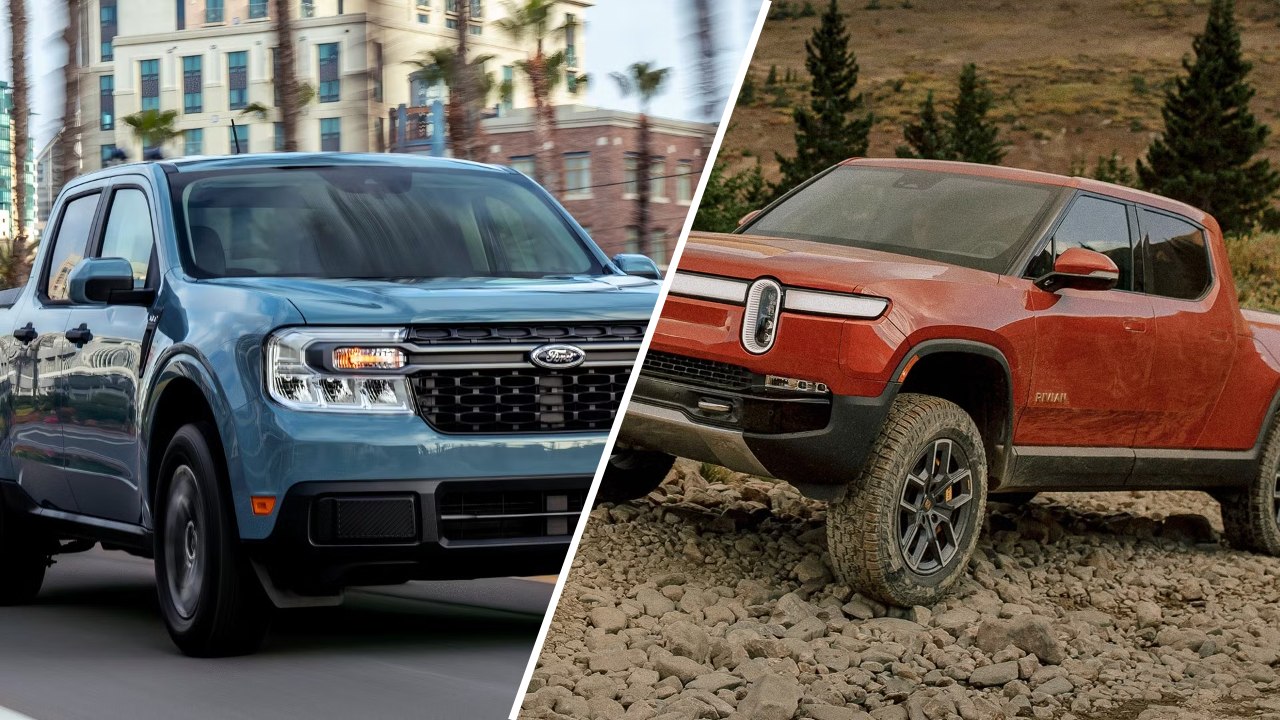
Vehicle depreciation is the single biggest ownership cost for most new-truck buyers. According to long-term resale studies from Kelley Blue Book (KBB), iSeeCars, J.D. Power, Edmunds, and Black Book, some pickups retain their value exceptionally well, while others lose a significant percentage of their original sticker price within just three years.
Factors such as weak demand in the used market, frequent manufacturer incentives, high fleet sales, reliability concerns, and expensive luxury trims can accelerate depreciation. The trucks below have consistently ranked among those with the steepest three-year depreciation in the U.S. market, based on resale analyses and auction value trends.
Also Read: 10 EVs Ranked by Charging Speed
1. Nissan Titan (2021 to 2024)
The Nissan Titan has always offered generous standard equipment and a powerful V8, but those strengths have not translated into strong resale values. Throughout its final production years, the Titan consistently ranked among the fastest-depreciating full-size pickups in America.
Industry resale studies from iSeeCars and Kelley Blue Book repeatedly placed the truck below competitors such as the Ford F-150, Toyota Tundra, and Chevrolet Silverado when measuring value retention after three years.
One of the biggest reasons is market demand. Fleet buyers largely ignored the Titan, and retail sales remained relatively low compared with Detroit’s full-size trucks. Nissan also relied on aggressive cash incentives and dealer discounts to attract buyers.
While those rebates lowered the initial purchase price, they also reduced used market values because nearly every new Titan was sold below MSRP.
Production numbers reinforce the challenge. Nissan sold fewer than 20,000 Titans annually during its final years in the U.S., while rivals regularly exceeded several hundred thousand units each year.
In August 2024, Nissan officially ended Titan production after struggling to gain meaningful market share. Once buyers realized the model would not receive a successor, resale values softened even further as shoppers shifted toward trucks with stronger long-term manufacturer support.
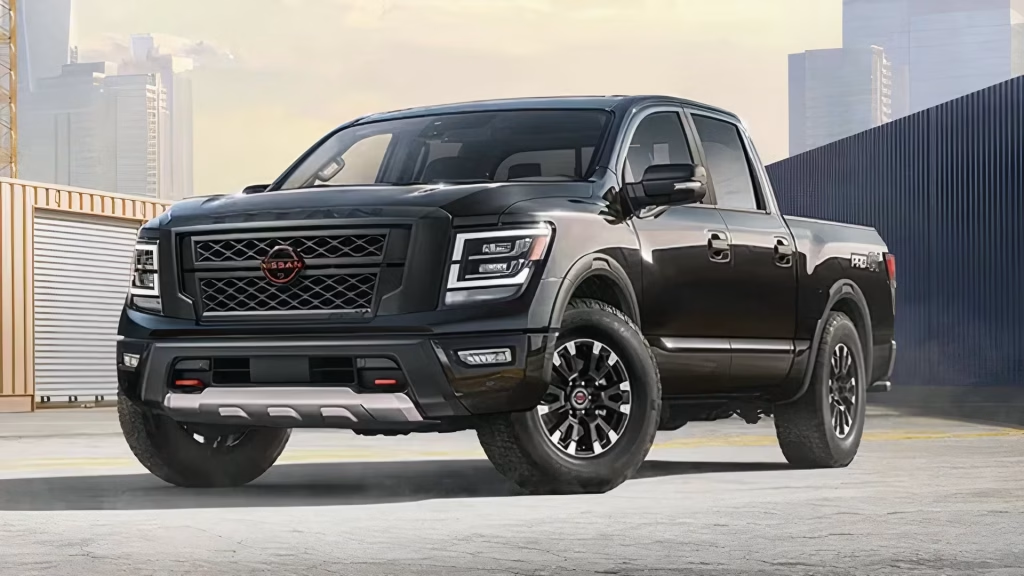
Despite its depreciation, the Titan remains an attractive used purchase because the standard 5.6-liter Endurance V8 has earned a reputation for durability when properly maintained.
Buyers purchasing a three-year-old example often receive thousands of dollars in savings compared with similarly equipped competitors, making depreciation work in favor of second owners.
Specifications
- Engine: 5.6-liter Endurance V8
- Torque: 413 lb-ft
- Horsepower: 400 hp
- Length/Width: 228.1 inches / 79.5 inches
2. Ram 1500 Classic (2019 to 2024)
The Ram 1500 Classic occupies a unique position because it continued using the previous-generation platform after the all-new Ram 1500 arrived.
While the truck appealed to value-conscious buyers thanks to attractive pricing, that same affordability contributed to rapid depreciation during the first three years of ownership.
Instead of competing with premium full-size pickups, the Classic was marketed as a budget alternative. Ram frequently offered substantial manufacturer rebates, low-interest financing, employee pricing programs, and fleet incentives.
As a result, relatively few buyers paid close to the suggested retail price. Used truck shoppers understood that brand-new models were heavily discounted, placing downward pressure on resale values.
Independent resale reports consistently support this trend. Kelley Blue Book and Black Book auction data have shown the Ram 1500 Classic trailing newer-generation competitors in retained value.
Fleet sales also played a role, with large numbers entering commercial service before appearing in the used market. Increased supply naturally reduced average transaction prices for lightly used examples.
Despite its steep depreciation, the truck’s engineering credentials remain solid. It retained dependable engine options such as the 5.7-liter HEMI V8 and the Pentastar V6, both of which have built a loyal following thanks to their proven reliability and performance.
However, buyers generally preferred the redesigned Ram 1500 with its updated interior, improved ride quality, and newer technology. That preference widened the resale gap between the two models.
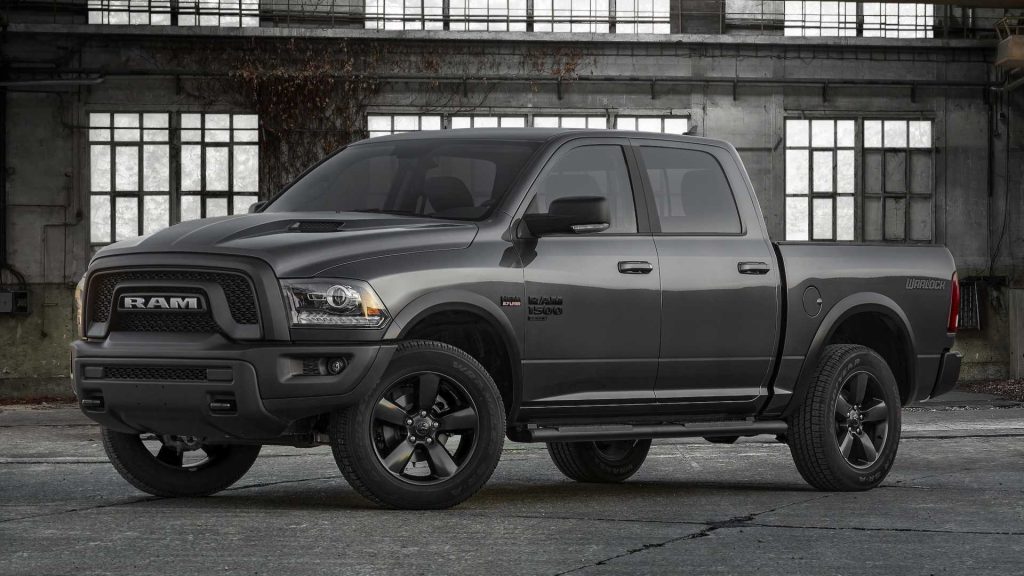
For shoppers buying used, the Classic represents one of the strongest bargains in the full-size truck segment. The first owner absorbs much of the depreciation, allowing later buyers to obtain a capable pickup at a significantly reduced price while still benefiting from dependable mechanical components.
Specifications
- Engine: 5.7-liter HEMI V8
- Torque: 410 lb-ft
- Horsepower: 395 hp
- Length/Width: 229.0 inches / 79.4 inches
3. Honda Ridgeline (2021 to 2024)
The Honda Ridgeline has earned praise for its smooth ride, comfortable cabin, and excellent everyday usability. Yet despite those strengths, it has often depreciated faster during its first three years than traditional body-on-frame midsize pickups.
Multiple resale studies from iSeeCars, Kelley Blue Book, and Edmunds have shown the Ridgeline trailing segment leaders such as the Toyota Tacoma in value retention, even though owner satisfaction remains high.
The primary reason is buyer preference rather than poor quality. Truck shoppers in the United States generally favor conventional body-on-frame pickups with higher towing capacities and greater aftermarket support.
The Ridgeline’s unibody construction provides superior ride comfort but limits its appeal among buyers looking for heavy-duty work capability. That narrower audience reduces demand in the used market, directly affecting resale values.
Another factor involves competition. During the Ridgeline’s recent production years, the midsize truck segment became crowded with updated versions of the Chevrolet Colorado, GMC Canyon, Ford Ranger, Nissan Frontier, and the consistently strong-selling Toyota Tacoma.
With more alternatives available, used Ridgelines often required more competitive pricing to attract buyers.
Market data supports the trend. Kelley Blue Book resale projections have consistently ranked the Ridgeline below the Tacoma, while iSeeCars depreciation reports have shown higher three-year value loss than many competing midsize trucks.
Auction data from Black Book also reflects softer wholesale prices compared with Toyota’s offerings. None of this suggests the Ridgeline is unreliable. In fact, Honda’s 3.5-liter V6 enjoys a solid reputation for durability. Instead, depreciation is largely driven by market demand rather than engineering concerns.
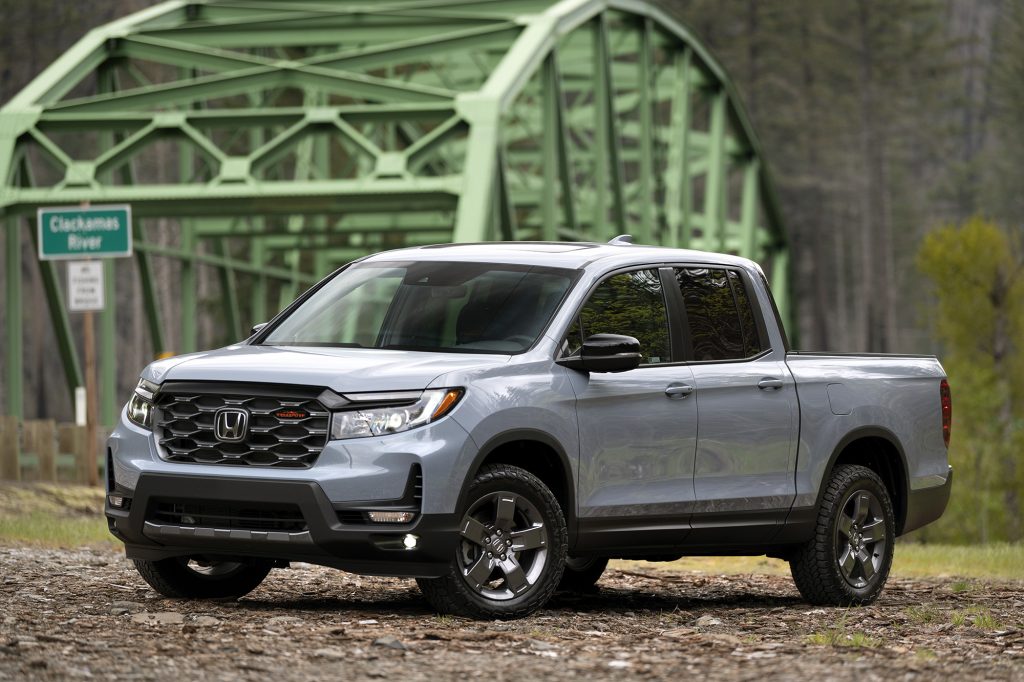
For second owners, this creates an opportunity. A three-year-old Ridgeline typically offers modern technology, dependable mechanical components, and substantial savings compared with buying new.
Specifications
- Engine: 3.5-liter DOHC V6
- Torque: 262 lb-ft
- Horsepower: 280 hp
- Length/Width: 210.2 inches / 78.6 inches
4. GMC Canyon (2015 to 2022)
The second-generation GMC Canyon entered the market with premium styling and a broad range of engine options, including an efficient Duramax diesel.
Although the truck remained competitive throughout its production cycle, resale values during the first three years generally lagged behind segment leaders, especially when compared with the Toyota Tacoma.
Industry analysts from Kelley Blue Book, J.D. Power, and Black Book consistently identified the Canyon as a truck that experienced above-average depreciation relative to its closest rivals.
One reason was pricing strategy. The Canyon often carried a higher transaction price than its Chevrolet Colorado sibling despite sharing nearly identical mechanical components. Luxury-oriented trims such as Denali widened the price gap even further.
Premium pricing increased depreciation because used buyers were less willing to pay significantly more for cosmetic upgrades once the trucks entered the secondary market. Frequent incentives also influenced resale values. General Motors regularly offered rebates, special financing, and dealer discounts on new Canyon models.
While these promotions benefited first owners at purchase, they reduced residual values by lowering real-world transaction prices. Wholesale auction data from Black Book consistently reflected this effect as off-lease and trade-in trucks entered the used market.
Another challenge came from fierce competition. During this period, the Toyota Tacoma dominated resale rankings while the Ford Ranger returned to the U.S. market and Nissan introduced an all-new Frontier.
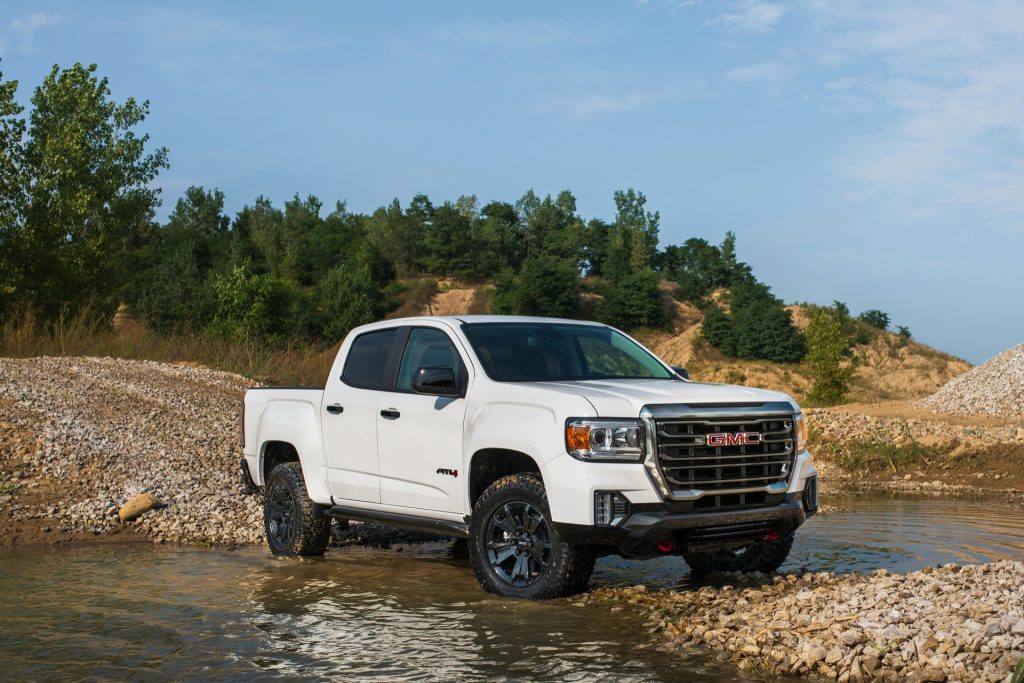
Buyers had more choices than ever, increasing competition within the midsize truck segment. Although the Canyon remained a capable and comfortable pickup, used values softened more quickly than several competing models.
Depreciation should not discourage used buyers. The Canyon offers a refined ride, strong towing capability, and proven engine choices, allowing second owners to benefit from thousands of dollars in depreciation absorbed by the original purchaser.
Specifications
- Engine: 3.6-liter DOHC V6
- Torque: 275 lb-ft
- Horsepower: 308 hp
- Length/Width: 212.4 inches / 74.3 inches
5. Chevrolet Colorado (2015 to 2022)
The second-generation Chevrolet Colorado helped revive the midsize pickup segment in the United States when it returned for the 2015 model year. Buyers appreciated its wide engine selection, comfortable driving manners, and respectable towing capacity.
Despite those strengths, resale data consistently showed the Colorado depreciating faster than category leaders during its first three years. Studies published by Kelley Blue Book, iSeeCars, J.D. Power, and Black Book frequently ranked it behind the Toyota Tacoma in retained value.
The explanation is rooted in market economics rather than poor engineering. General Motors sold the Colorado in large numbers through both retail and commercial fleet channels. Higher production volumes meant a greater supply of used trucks entering dealerships and wholesale auctions every year.
When supply rises faster than demand, resale prices naturally soften. Chevrolet also offered regular rebates, lease incentives, and promotional financing that lowered actual transaction prices below MSRP, reducing future resale values.
Trim selection also played a role. Premium versions such as the Z71 and ZR2 retained value better than base work truck models, but the average Colorado still depreciated more quickly than several competitors.
Auction reports consistently showed fleet-spec trucks selling for noticeably less than comparable privately owned examples. Industry analysts also noted that buyers shopping for used midsize pickups were often willing to pay a premium for the Tacoma because of its long-established reputation for reliability and resale strength.
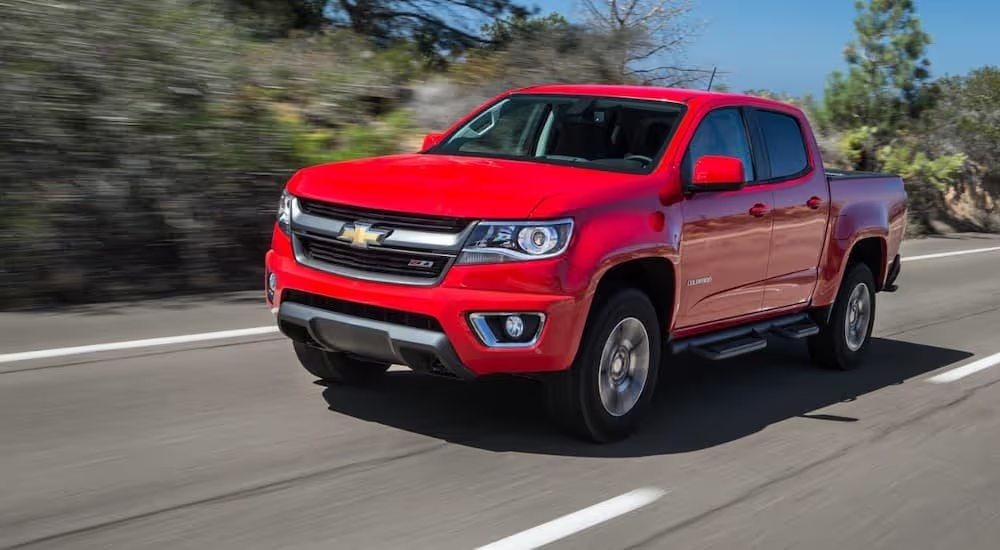
For used-truck shoppers, this depreciation creates an opportunity rather than a disadvantage. Three-year-old Colorado models often sell for thousands of dollars less than similarly equipped rivals while still offering capable towing performance, modern safety technology, and dependable powertrains.
First owners absorb the majority of the depreciation, allowing second owners to enjoy much stronger value.
Specifications
- Engine: 3.6-liter DOHC V6
- Torque: 275 lb-ft
- Horsepower: 308 hp
- Length/Width: 212.7 inches / 74.3 inches
6. Rivian R1T (2022 to 2025)
The Rivian R1T entered the American market with tremendous excitement as one of the first premium electric pickups. It earned praise for exceptional acceleration, advanced technology, and impressive off-road capability.
However, resale values declined much faster than many analysts initially expected during the truck’s first three years. Used EV market studies from iSeeCars, Edmunds, and wholesale auction reports consistently showed luxury electric vehicles experiencing significantly steeper depreciation than comparable gasoline-powered trucks.
Several market forces contributed to this trend. Electric vehicle pricing became increasingly competitive as manufacturers introduced price reductions and additional incentives. Tesla’s repeated price cuts affected the broader EV market, placing downward pressure on values across multiple brands, including Rivian.
Buyers also became more cautious about battery technology, future charging infrastructure, and the rapid pace of software and hardware improvements, making newer EVs more attractive than slightly older examples.
Another factor involved supply. Early production limitations initially kept used prices high, but as Rivian increased manufacturing and more leased vehicles entered the secondary market, resale values adjusted closer to traditional depreciation patterns.
Industry reports from Black Book and Edmunds documented noticeable wholesale price declines for used electric trucks during this period, with the R1T reflecting those broader market conditions.
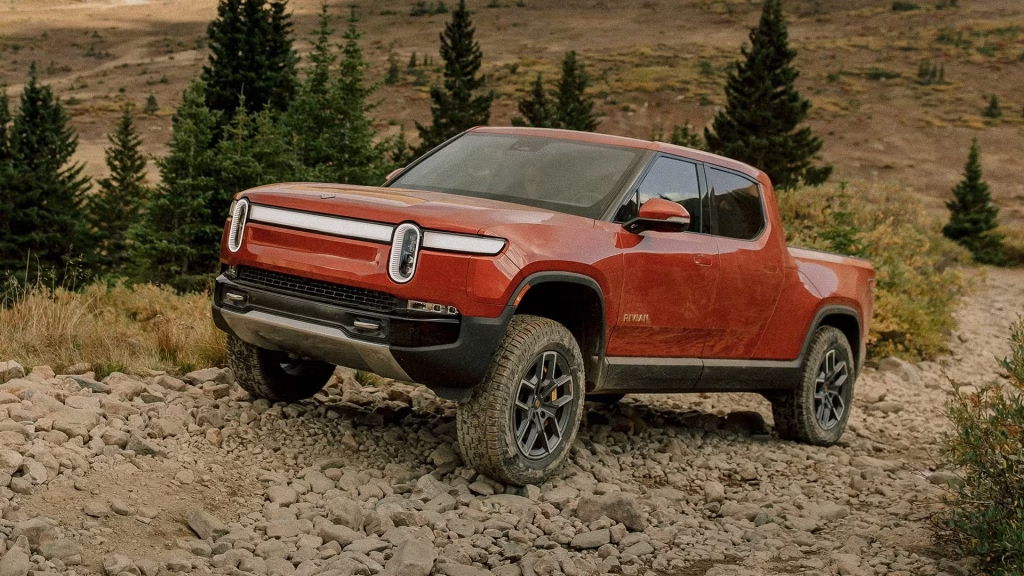
None of this diminishes the truck’s engineering achievements. The R1T remains one of the highest-performing pickups ever built, capable of sports-car acceleration while offering genuine off-road capability.
For used buyers, rapid depreciation translates into significant savings compared with buying new, allowing access to advanced technology at a much lower purchase price than the original owner paid.
Specifications
- Engine: Quad-Motor Electric Powertrain
- Torque: 908 lb-ft
- Horsepower: 835 hp
- Length/Width: 217.1 inches / 79.3 inches
7. Jeep Gladiator (2020 to 2024)
When the Jeep Gladiator returned to the American market for the 2020 model year, demand initially exceeded supply. Dealers often sold early trucks above MSRP, and some special trims carried substantial markups.
As production increased and the market normalized, resale values dropped much faster than many owners expected. Studies published by iSeeCars, Kelley Blue Book, Black Book, and Edmunds have consistently shown the Gladiator experiencing steeper three-year depreciation than several competing midsize pickups.
Unlike the Toyota Tacoma, which benefits from exceptionally strong resale demand, the Gladiator appeals to a more specialized audience. Buyers who specifically want removable doors, a folding windshield, and serious off-road capability make up a smaller portion of the used truck market.
Many consumers shopping for a pickup prioritize towing capacity, payload, and highway comfort, areas where traditional midsize trucks often perform better.
Another contributor has been aggressive manufacturer incentives. As inventory levels increased following the initial launch period, Jeep introduced rebates, discounted financing, lease offers, and dealer incentives on many Gladiator trims.
Those discounts lowered real-world transaction prices for new vehicles, naturally affecting used values. Black Book wholesale auction data also showed values adjusting downward as lease returns and trade-ins entered the secondary market in greater numbers.
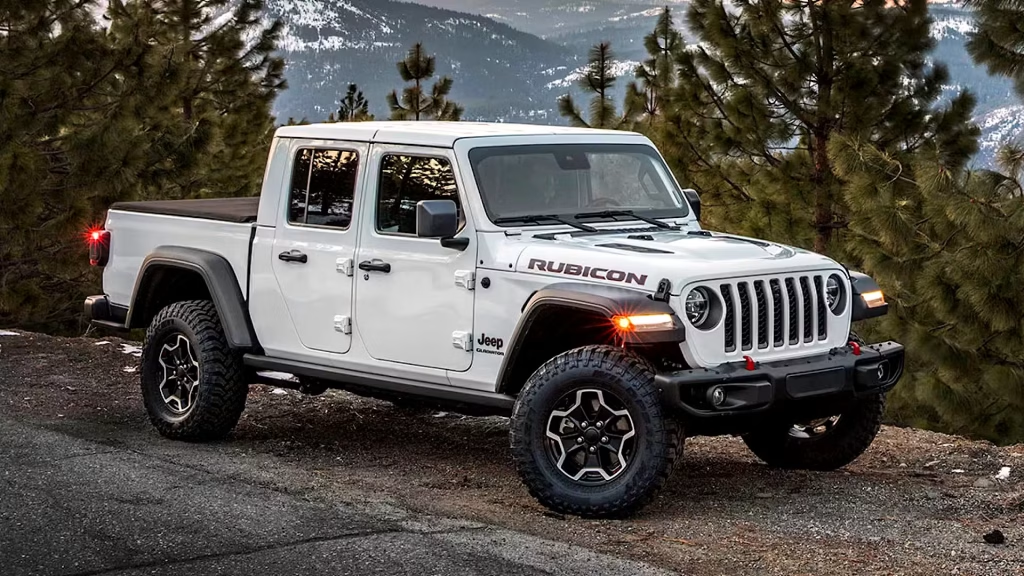
While its resale value has taken a hit, the Gladiator’s capability remains largely unaffected. Models like the Rubicon and Mojave continue to rank among the most capable factory-built off-road pickups in the U.S., and a vast aftermarket ecosystem gives owners countless ways to customize and enhance the truck.
Buyers entering the market after three years often receive a highly capable truck for substantially less than its original purchase price, making depreciation a major advantage for second owners rather than a reflection of poor quality.
Specifications
- Engine: 3.6-liter Pentastar V6
- Torque: 260 lb-ft
- Horsepower: 285 hp
- Length/Width: 218.0 inches / 73.8 inches
8. Ford Maverick Hybrid (Special Market Conditions)
Under normal market conditions, the Ford Maverick Hybrid would not appear on a list like this because it has demonstrated strong resale performance. However, trucks purchased during the unusually inflated pricing environment of 2022 provide an important exception.
During the height of vehicle shortages, many buyers paid thousands of dollars above MSRP through dealer market adjustments.
As inventory recovered in 2024 and 2025, those inflated purchase prices disappeared, causing many early owners to experience unusually steep depreciation relative to what they originally paid.
The distinction is important because the depreciation was driven by market conditions rather than weakness in the truck itself. Kelley Blue Book, Edmunds, and Black Book documented the normalization of used vehicle prices after pandemic-era shortages eased.
Trucks that had once commanded premiums above sticker price quickly returned to values much closer to traditional depreciation curves. Owners who purchased at MSRP generally retained value well, while those who paid substantial markups often lost considerably more during the first three years.
The Maverick Hybrid remains highly desirable because of its standard hybrid powertrain, impressive fuel economy, practical size, and competitive pricing. Demand in the used market continues to be healthy compared with many other compact pickups.
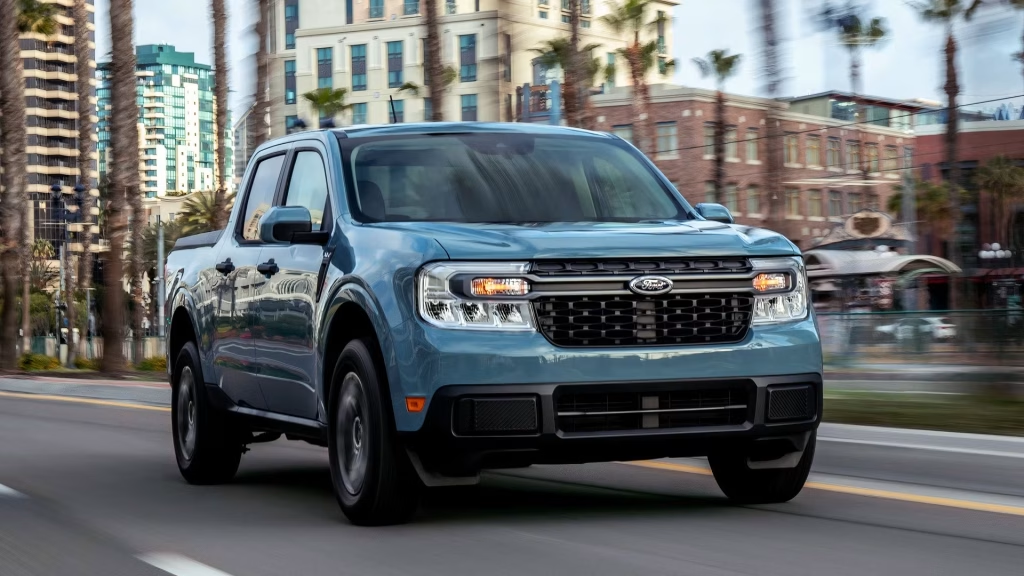
The depreciation experienced by certain early buyers primarily reflects extraordinary market conditions rather than the vehicle’s long-term value proposition.
For shoppers considering a used Maverick today, those price corrections represent an opportunity. Buyers can often purchase well-equipped examples for significantly less than the inflated prices seen during the vehicle shortage while still benefiting from excellent efficiency and Ford’s practical compact truck design.
Specifications
- Engine: 2.5-liter Hybrid Inline-4
- Torque: 155 lb-ft (engine)
- Horsepower: 191 hp (combined system)
- Length/Width: 199.7 inches / 72.6 inches
Also Read: 8 Budget Brands That Outscore Luxury in Reliability
