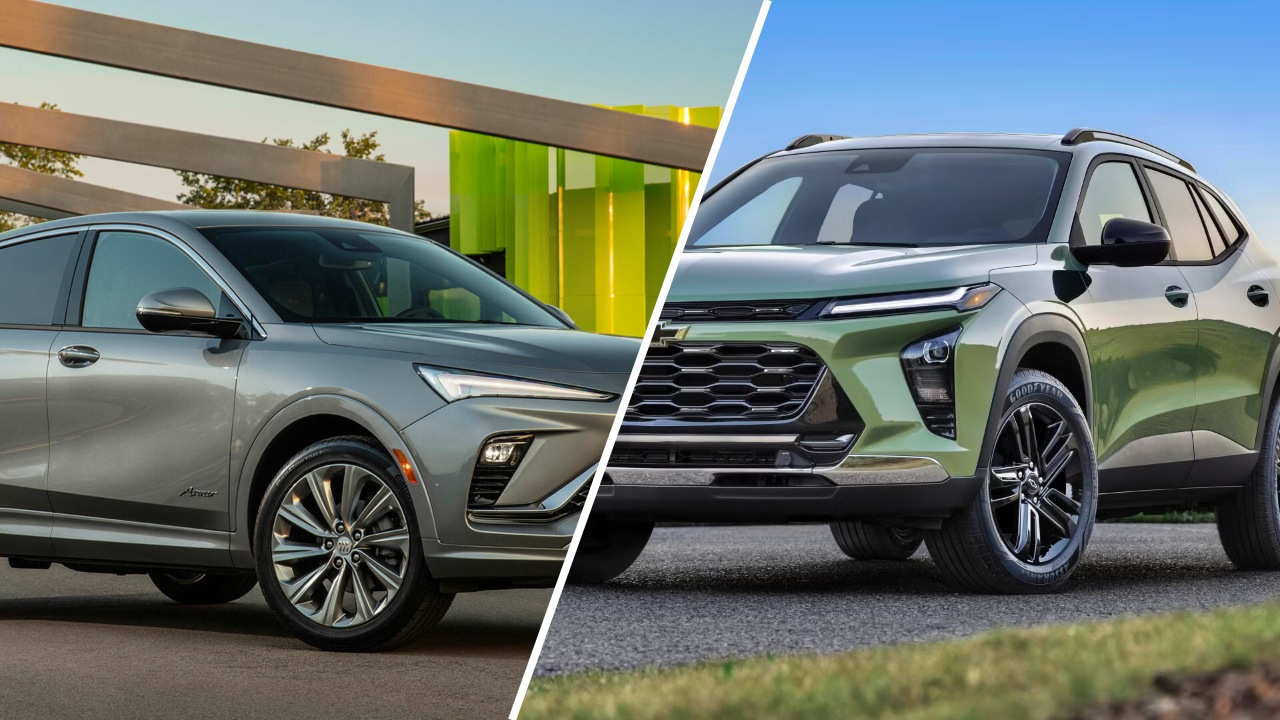
The turning circle is one of the most overlooked SUV specifications until you enter a crowded parking garage, make a U-turn on a narrow street, or squeeze into a compact parking space.
A difference of just 2 or 3 feet can determine whether you complete the maneuver in one motion or need multiple corrections. Manufacturers achieve tighter turning circles through steering geometry, wheelbase design, and front suspension engineering.
The following SUVs sold in the U.S. market combine everyday practicality with turning circles under 37 feet, making them noticeably easier to maneuver in real-world urban driving and confined parking environments.
Also Read: 10 Trucks That Lose $20,000 To Depreciation Before 40,000 Miles
1. Subaru Crosstrek
A compact footprint does not automatically guarantee easy maneuverability, but the Subaru Crosstrek demonstrates how thoughtful engineering can make everyday driving significantly less stressful.
With a turning circle of approximately 35.4 feet, the Crosstrek ranks among the easiest SUVs to position inside crowded parking garages and narrow residential streets. Drivers frequently notice that the vehicle requires fewer steering corrections than many competing compact crossovers.
The relatively short wheelbase works together with Subaru’s steering geometry to produce predictable low-speed handling. Instead of making repeated three-point turns in tight locations, the Crosstrek often completes the same maneuver in a single sweep.
This advantage becomes especially noticeable when navigating older downtown parking structures where lane widths were designed decades before today’s larger SUVs became common.
Visibility also contributes to the Crosstrek’s real-world maneuverability. Large windows, slim roof pillars, and a relatively upright seating position allow drivers to judge the SUV’s corners with confidence.
While backup cameras and parking sensors assist during parking, the Crosstrek’s compact dimensions reduce reliance on electronic aids because drivers can easily see their surroundings.
Despite its tight turning capability, the Crosstrek still offers nearly 8.7 inches of ground clearance and standard symmetrical all-wheel drive. That combination makes it equally comfortable in city environments and on gravel roads or snow-covered highways.
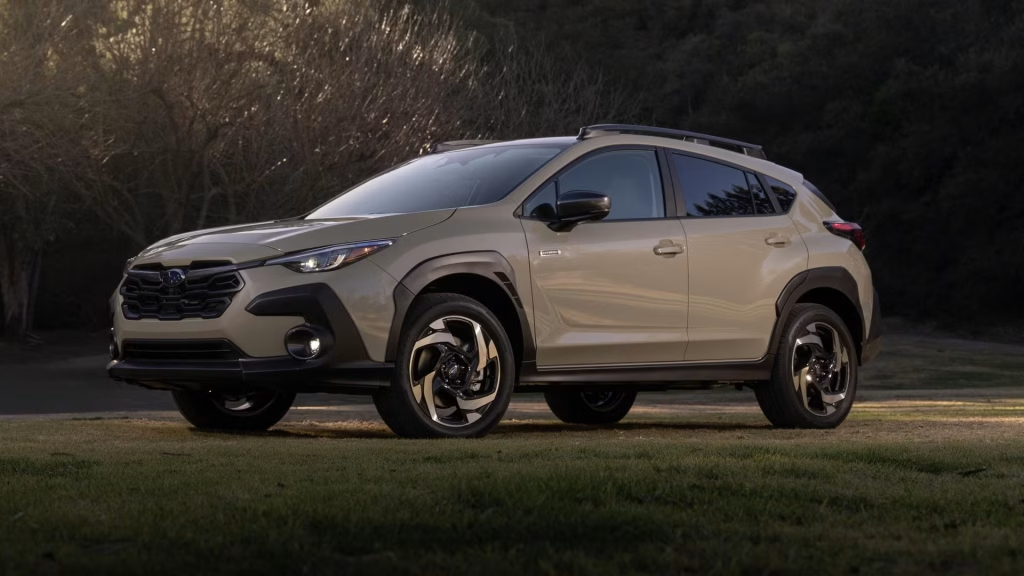
For buyers who frequently drive in urban areas, the difference between a 35-foot turning circle and one approaching 40 feet quickly becomes noticeable. The Crosstrek’s steering calibration delivers everyday convenience without sacrificing the confident road manners Subaru owners expect.
Specifications
- Engine: 2.5-liter Naturally Aspirated BOXER Flat-4
- Torque: 178 lb-ft
- Horsepower: 182 hp
- Length/Width: 176.4 inches / 71.0 inches
2. Mazda CX-30
Mazda has built its reputation around responsive driving dynamics, and the CX-30 reflects that philosophy even at parking-lot speeds. The compact crossover features a turning circle of approximately 34.8 feet, placing it among the most maneuverable SUVs available in the American market.
That tight turning radius gives drivers an immediate advantage when entering parking spaces, navigating drive-through lanes, or making U-turns on narrow city streets.
Unlike many SUVs that prioritize steering lightness above all else, the CX-30 combines precision with quick response.
The steering wheel requires relatively little correction while parking, allowing drivers to place the vehicle accurately without excessive back-and-forth movement. This characteristic becomes especially valuable in multilevel parking garages where concrete pillars reduce available maneuvering room.
Mazda also benefits from careful packaging. The SUV’s moderate full length and balanced proportions allow the front wheels to achieve an impressive steering angle without compromising stability at highway speeds.
Drivers transitioning from larger crossovers often remark that the CX-30 feels considerably smaller than its dimensions suggest.
The vehicle’s excellent outward visibility further improves driver confidence. Thin A-pillars, a relatively low hood, and responsive steering work together to simplify low-speed driving. Even without relying heavily on parking cameras, positioning the CX-30 in tight spaces feels intuitive.
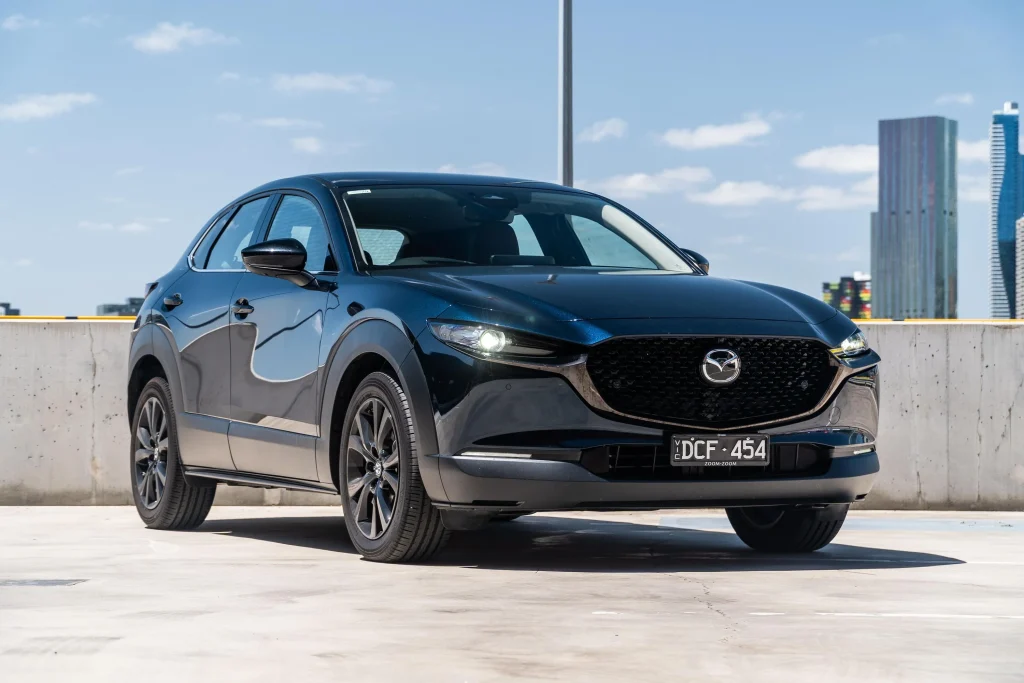
While its compact size contributes to its maneuverability, the CX-30 still provides comfortable seating, available all-wheel drive, and generous safety technology.
Buyers seeking an SUV that feels effortless in congested urban environments will appreciate how its tight turning circle translates into fewer multi-point maneuvers and smoother daily driving.
Specifications
- Engine: 2.5-liter Naturally Aspirated Inline-4
- Torque: 186 lb-ft
- Horsepower: 191 hp
- Length/Width: 173.0 inches / 70.7 inches
3. Honda HR-V
Parking garages often expose an SUV’s biggest weakness. Wide vehicles with poor steering angles require repeated corrections, while better-designed models glide into spaces with minimal effort. The Honda HR-V belongs firmly in the second category.
With a turning circle of approximately 35.1 feet, it comfortably stays below the 37-foot benchmark, making it one of the easiest subcompact SUVs to maneuver in congested urban environments.
Honda engineers paired the HR-V’s relatively short wheelbase with a steering system that allows generous front-wheel articulation.
The result becomes obvious during low-speed maneuvers. Whether exiting a crowded parking structure or turning around on a residential cul-de-sac, the HR-V often completes the movement without requiring a second attempt.
The vehicle’s dimensions further strengthen its city-friendly personality. It is compact enough to fit into parking spaces that may intimidate drivers of midsize SUVs, yet it still provides a comfortable cabin and practical cargo capacity.
This balance makes the HR-V particularly attractive to commuters who spend as much time navigating city streets as they do traveling on highways.
Excellent outward visibility also plays an important role. The seating position offers a clear view over the hood, while relatively slim roof pillars improve awareness during tight turns. Drivers can accurately judge the SUV’s position when approaching concrete columns or neighboring vehicles, reducing stress in confined spaces.
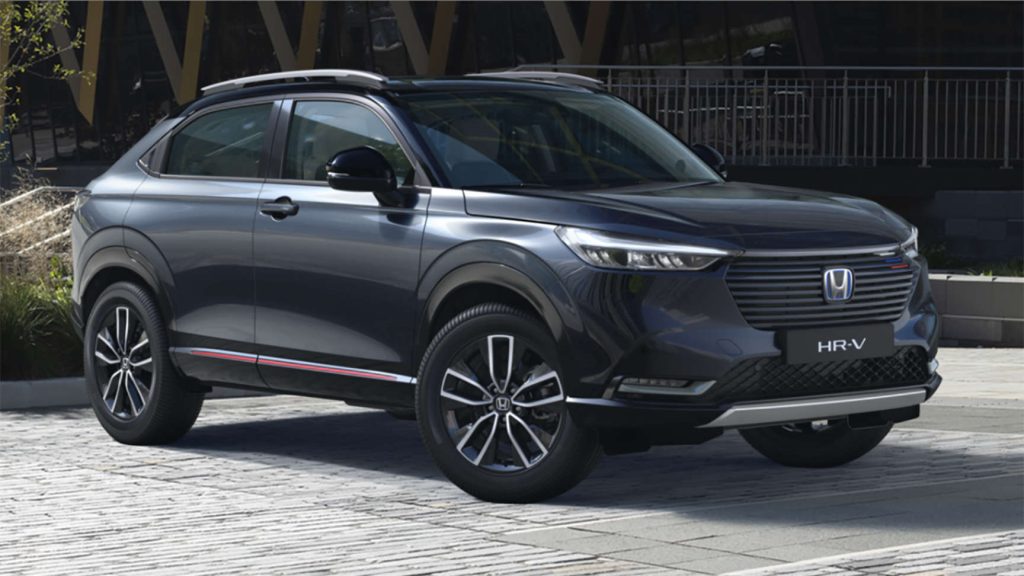
Although maneuverability is one of its strongest qualities, the HR-V also delivers Honda’s reputation for reliability, efficient fuel economy, and a smooth ride.
For buyers looking for an SUV that feels equally comfortable in downtown parking garages and suburban shopping centers, the HR-V proves that a small turning circle can make everyday driving noticeably easier.
Specifications
- Engine: 2.0-liter Naturally Aspirated Inline-4
- Torque: 138 lb-ft
- Horsepower: 158 hp
- Length/Width: 179.8 inches / 72.4 inches
4. Hyundai Kona
Compact crossovers continue growing in popularity, yet not all of them remain easy to maneuver once parking lots become crowded.
The Hyundai Kona distinguishes itself with a turning circle of approximately 34.8 feet, allowing it to navigate tight urban environments with remarkable confidence. That figure places it among the most maneuverable SUVs sold in the United States.
One of the Kona’s biggest strengths is how naturally it responds at low speeds. The steering feels light enough for parking while maintaining enough precision to position the vehicle accurately between closely parked cars. Drivers rarely need multiple steering corrections when entering angled parking spaces or making tight U-turns.
Its compact exterior dimensions also contribute to its agility. Short front and rear overhangs reduce the amount of body extending beyond the wheels, making it easier to estimate clearance near curbs, garage walls, and support columns. Combined with its tight steering geometry, the Kona feels much more nimble than many larger compact SUVs.
Modern parking assistance technologies further complement the vehicle’s maneuverability. Available front and rear parking sensors, a rearview camera, and blind-spot monitoring provide additional confidence, but the Kona’s steering capability often allows drivers to complete difficult maneuvers before those systems are even needed.
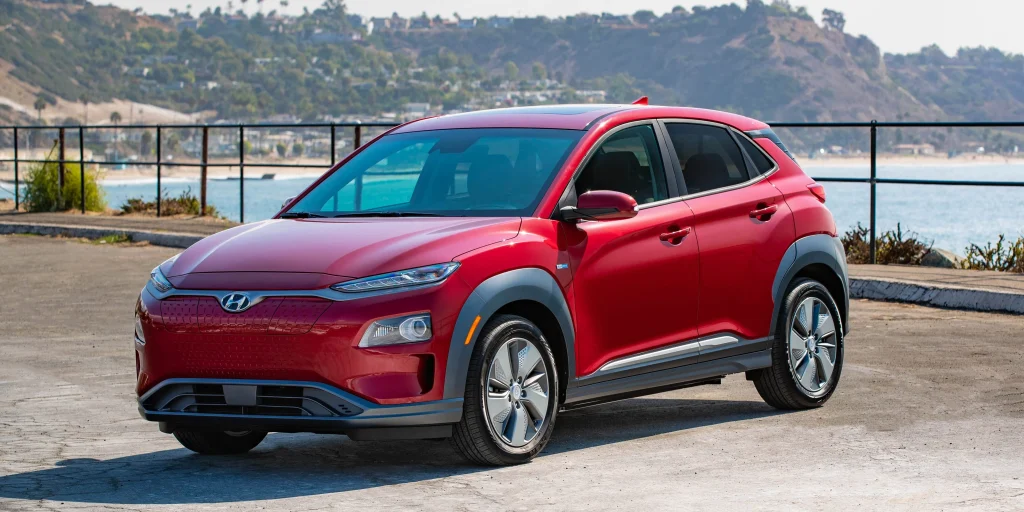
The Kona also avoids sacrificing practicality for maneuverability. It delivers comfortable seating, respectable cargo space, available all-wheel drive, and competitive fuel economy while remaining exceptionally easy to handle in dense city traffic.
Buyers who regularly encounter narrow parking garages or older downtown streets will appreciate how its sub-35-foot turning circle reduces effort during everyday driving.
Specifications
- Engine: 2.0-liter Naturally Aspirated Inline-4
- Torque: 132 lb-ft
- Horsepower: 147 hp
- Length/Width: 171.3 inches / 71.9 inches
5. Kia Seltos
Numbers on a specification sheet rarely tell the whole story, but the Kia Seltos proves that a compact turning circle can make a noticeable difference during daily driving.
With a turning circle of approximately 35.8 feet, the Seltos remains comfortably below the 37-foot threshold, allowing drivers to negotiate crowded parking garages, shopping center entrances, and narrow residential streets with less effort than many larger crossovers.
Kia designed the Seltos to balance interior space with city-friendly dimensions. Although it offers generous headroom and rear-seat space for a subcompact SUV, its steering geometry allows the front wheels to achieve a sharp steering angle. The result is a vehicle that feels agile in confined spaces without sacrificing passenger comfort.
The advantage becomes especially noticeable when making U-turns. Many compact SUVs require backing up to complete the maneuver on narrower streets, but the Seltos often turns around in one smooth motion. This capability also reduces the number of steering corrections required when parking between larger pickups and SUVs in busy parking lots.
Driver confidence is enhanced by the Seltos’ upright seating position and large glass area. The front corners of the vehicle are easy to judge, making it simpler to avoid curbs and concrete barriers.
Available parking sensors and a rearview camera add another layer of convenience, but the vehicle’s compact footprint remains its biggest strength.
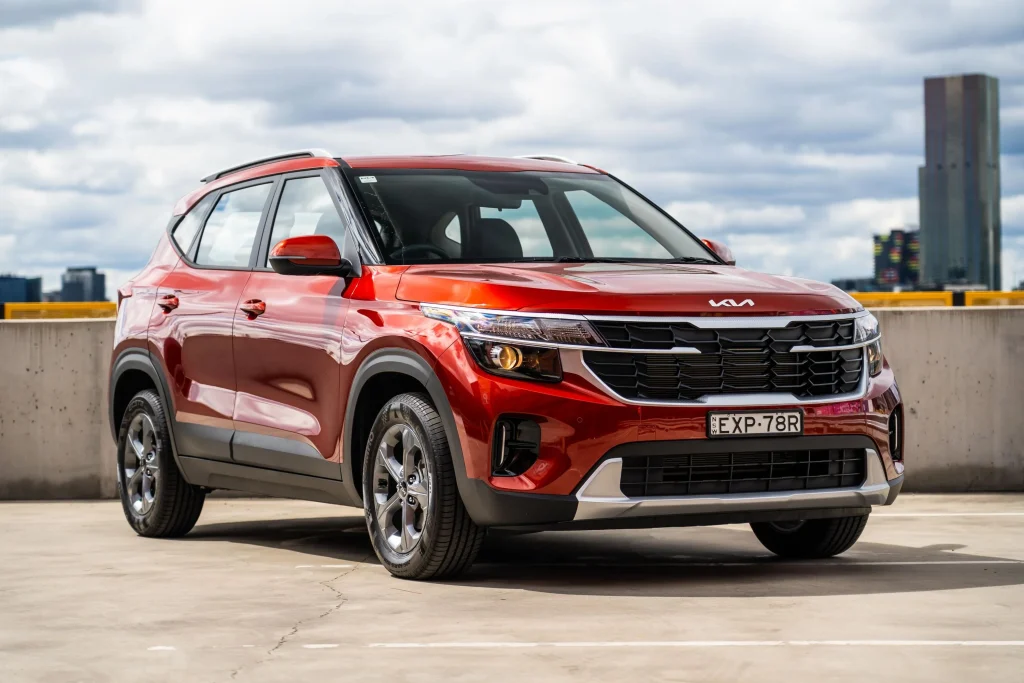
For commuters who regularly navigate dense urban traffic, maneuverability can be just as valuable as horsepower or cargo space. The Kia Seltos delivers that benefit while also providing competitive fuel economy, available all-wheel drive, and one of the longest factory warranties in the segment, making it an excellent everyday SUV for city life.
Specifications
- Engine: 2.0-liter Naturally Aspirated Inline-4
- Torque: 132 lb-ft
- Horsepower: 147 hp
- Length/Width: 172.6 inches / 70.9 inches
6. Toyota Corolla Cross
Toyota approached the Corolla Cross with practicality as its primary objective, and that philosophy extends to its low-speed handling.
Featuring a turning circle of approximately 35.4 feet, the Corolla Cross is exceptionally easy to maneuver through tight parking garages and crowded commercial areas. Drivers moving from midsize SUVs often notice the reduced steering effort immediately.
Instead of emphasizing sporty handling, Toyota focused on predictable steering response and excellent control at lower speeds.
The steering system provides a smooth transition from lock to lock, allowing the driver to accurately place the vehicle while entering compact parking spaces or maneuvering around obstacles. The relatively short wheelbase contributes significantly to this agility without compromising highway stability.
The Corolla Cross also benefits from excellent visibility. Large side windows, a commanding seating position, and a modest hood height help drivers identify nearby vehicles, pedestrians, and parking barriers. These characteristics reduce reliance on electronic parking aids and make everyday driving feel less stressful.
Urban drivers will appreciate another practical benefit. The tight turning circle minimizes the need for three-point turns in apartment complexes, office parking lots, and older neighborhoods where road widths can be limited. That translates into quicker, smoother maneuvers and greater confidence behind the wheel.
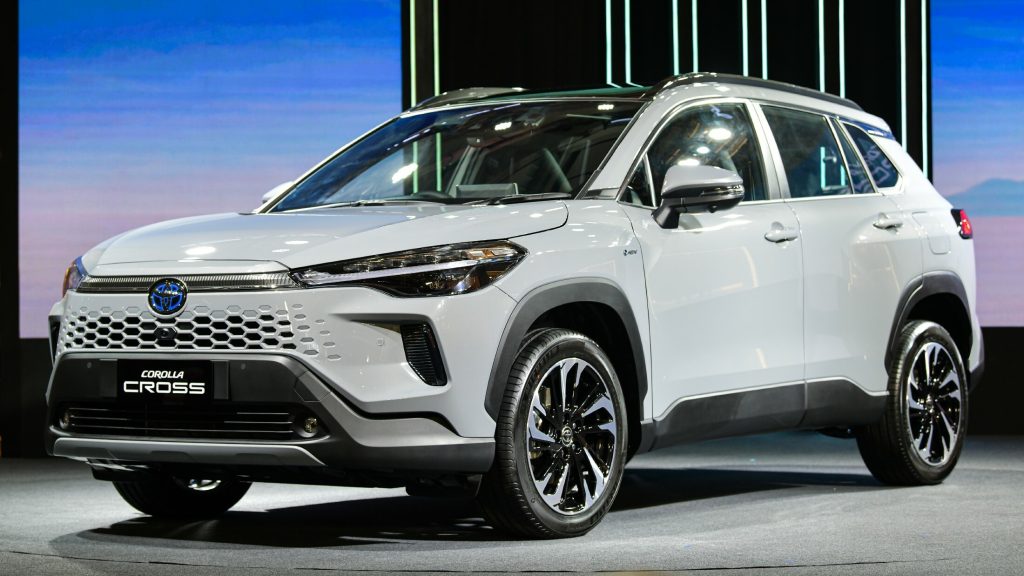
Beyond maneuverability, the Corolla Cross continues Toyota’s reputation for reliability and low ownership costs. Its efficient powertrain, comfortable ride quality, and available all-wheel drive make it suitable for a wide variety of driving conditions.
Combined with its sub-37-foot turning circle, it stands out as one of the easiest compact SUVs to live with in daily city use.
Specifications
- Engine: 2.0-liter Naturally Aspirated Inline-4
- Torque: 151 lb-ft
- Horsepower: 169 hp
- Length/Width: 175.6 inches / 71.9 inches
7. Chevrolet Trax
The latest Chevrolet Trax demonstrates that affordable transportation does not have to compromise maneuverability. With a turning circle of approximately 36.7 feet, it remains below the 37-foot mark while offering noticeably more interior room than many traditional subcompact SUVs.
That combination is especially valuable for drivers who frequently encounter crowded downtown parking garages or compact retail parking lots.
The Trax benefits from a relatively long wheelbase paired with carefully engineered steering geometry.
Although a longer wheelbase often increases the turning circle, Chevrolet optimized the front suspension to allow a generous steering angle. As a result, the Trax feels surprisingly agile during low-speed driving despite providing comfortable rear-seat space.
Parking is where this SUV makes its strongest impression. Drivers can enter narrow parking spaces with fewer steering adjustments, reducing the need to stop and reposition the vehicle. Multi-level parking garages with sharp ramps and tight corners are also easier to navigate because the Trax changes direction predictably without feeling cumbersome.
Visibility enhances the experience even further. The upgraded seating position provides a clear view ahead, while the compact front end helps drivers judge distances when approaching walls or concrete pillars.
Available safety technologies such as Rear Cross Traffic Alert, Rear Park Assist, and HD Rear Vision Camera complement the vehicle’s natural maneuverability rather than compensating for poor visibility.
Chevrolet also tuned the steering to remain light at parking speeds while becoming more stable on the highway. That balance gives the Trax an easygoing character during city driving without making it feel nervous at higher speeds.
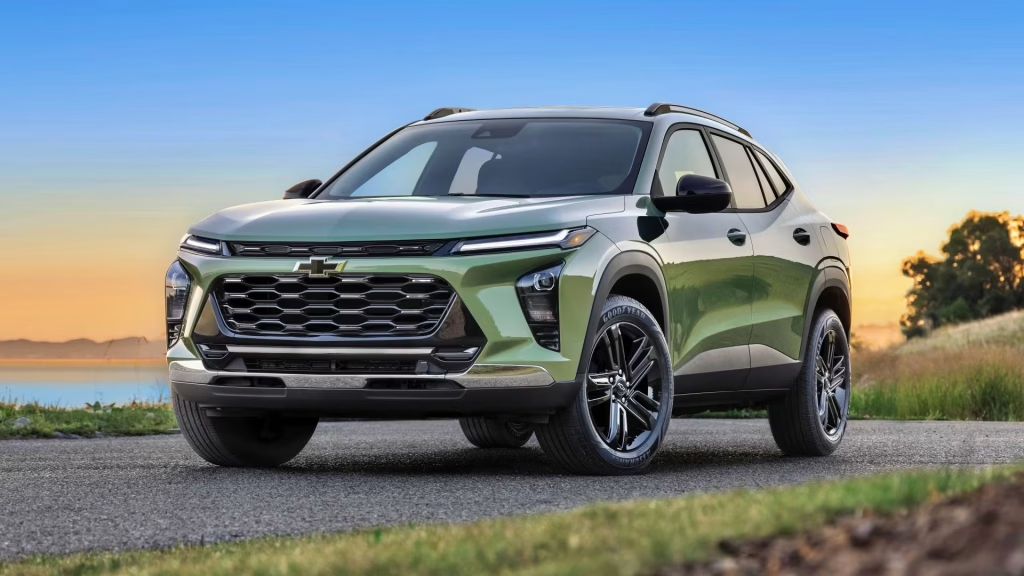
For buyers seeking an affordable crossover that excels in confined urban environments, the Trax delivers one of the better combinations of maneuverability and everyday practicality in its class.
Specifications
- Engine: 1.2-liter Turbocharged Inline-3
- Torque: 162 lb-ft
- Horsepower: 137 hp
- Length/Width: 178.6 inches / 71.8 inches
8. Nissan Kicks
Urban environments reward vehicles that can change direction quickly, and the Nissan Kicks was designed with exactly that purpose in mind. Its turning circle of approximately 34.8 feet places it among the easiest SUVs to maneuver in America.
Whether negotiating tight parking structures, making U-turns on city streets, or entering compact driveways, the Kicks consistently requires less space than many competing crossovers.
One factor contributing to this agility is its lightweight construction. Less vehicle mass means the steering feels responsive during slow-speed maneuvers, allowing drivers to place the SUV accurately without excessive steering effort. Combined with its compact dimensions, the Kicks inspires confidence even for drivers who are new to SUVs.
Another strength lies in the vehicle’s outward visibility. Nissan designed the cabin with relatively thin roof pillars and a large windshield, giving drivers an excellent view of surrounding traffic and parking obstacles. This visibility works together with the tight steering radius to minimize blind spots while parking.
The Kicks also includes available technologies such as the Intelligent Around View Monitor and Rear Automatic Braking, which assist in confined spaces. However, these systems are best viewed as helpful additions rather than necessities because the SUV’s compact turning circle already simplifies many everyday maneuvers.
Fuel efficiency, comfortable seating, and low ownership costs further increase the Kicks’ appeal as a commuter vehicle.
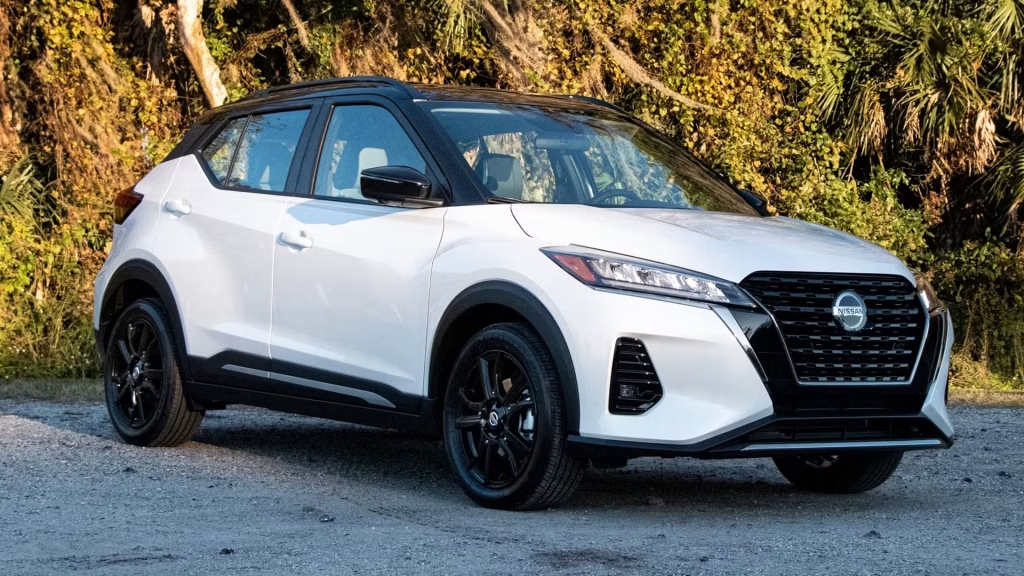
Drivers who spend much of their time in crowded metropolitan areas often discover that a turning circle below 35 feet saves both time and frustration. The Nissan Kicks proves that maneuverability remains one of the most practical features an urban SUV can offer.
Specifications
- Engine: 2.0-liter Naturally Aspirated Inline-4
- Torque: 140 lb-ft
- Horsepower: 141 hp
- Length/Width: 171.9 inches / 70.9 inches
9. Hyundai Venue
Drivers who spend most of their time in busy downtown areas quickly learn that compact exterior dimensions and a tight turning circle are just as important as fuel economy. The Hyundai Venue delivers both.
With a turning circle of approximately 34.1 feet, it ranks among the easiest SUVs to maneuver in the U.S. market. That figure allows the venue to slip through narrow parking aisles and complete U-turns that would require multiple corrections in many larger crossovers.
The Venue’s short wheelbase plays a major role in its agility. Hyundai paired it with a steering system that responds smoothly at low speeds, making the SUV feel light and predictable when entering parking spaces or navigating congested streets.
Drivers can often complete parking maneuvers in one motion rather than repeatedly shifting between drive and reverse.
Another advantage comes from the vehicle’s upright driving position. The hood is easy to judge, and the relatively large glass area improves visibility in every direction. These characteristics reduce stress when maneuvering around concrete columns in parking garages or avoiding shopping carts and pedestrians in crowded lots.
Although the Venue is one of Hyundai’s smallest SUVs, it still offers practical interior packaging. Four adults fit comfortably, cargo space is generous for its class, and the upgraded ride height provides the commanding seating position many SUV buyers prefer.
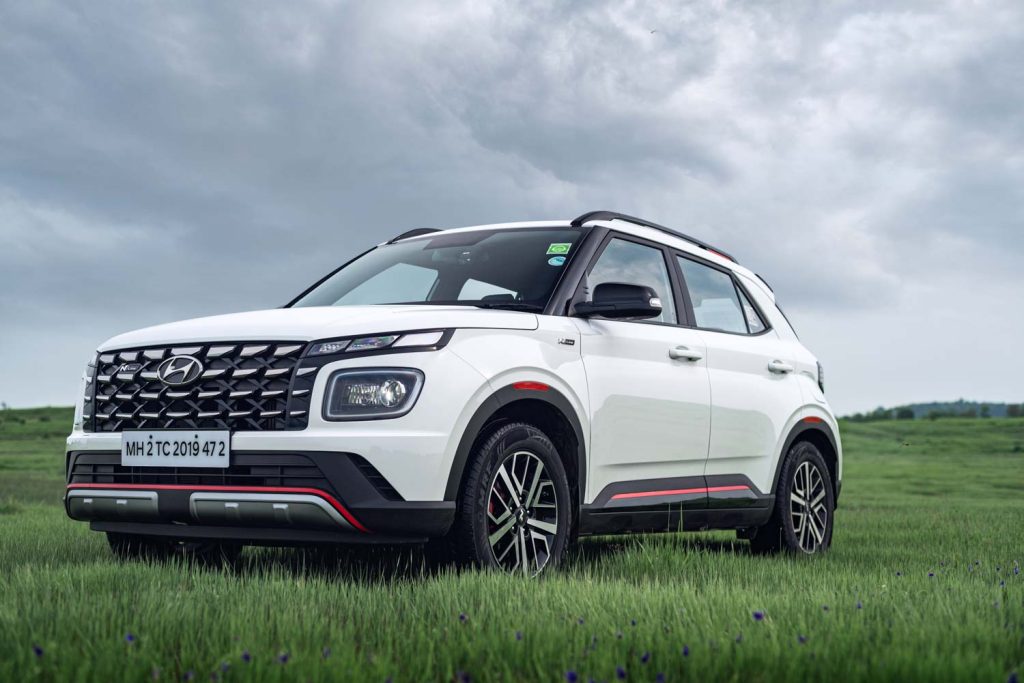
Available driver-assistance features such as Forward Collision Avoidance Assist, Blind-Spot Collision Warning, and Rear Occupant Alert further enhance everyday usability.
For commuters who rarely leave the city, maneuverability often becomes more valuable than outright engine performance. The Venue’s exceptionally tight turning circle makes daily errands easier while preserving the practicality expected from a modern crossover.
Specifications
- Engine: 1.6-liter Naturally Aspirated Inline-4
- Torque: 113 lb-ft
- Horsepower: 121 hp
- Length/Width: 159.1 inches / 69.7 inches
10. Buick Envista
Buick designed the Envista to blend coupe-inspired styling with the practicality of a compact crossover, yet it also performs impressively when space becomes limited.
Featuring a turning circle of approximately 36.4 feet, the Envista stays comfortably below the 37-foot benchmark, making it surprisingly easy to maneuver through parking garages, apartment complexes, and crowded commercial districts.
Unlike some stylish crossovers that sacrifice usability for appearance, the Envista maintains predictable steering characteristics during low-speed driving.
The front suspension geometry allows the wheels to achieve an effective steering angle, helping drivers negotiate tight corners with minimal effort. This becomes especially beneficial when entering spiral parking ramps or making sharp turns between closely parked vehicles.
The SUV’s steering calibration also deserves recognition. At parking speeds, steering effort remains light enough for easy maneuvering, while highway driving retains reassuring stability. This balanced setup gives the Envista a refined feel without making it cumbersome in urban environments.
Visibility is another strength despite the sloping roofline. Carefully positioned mirrors, a well-designed seating position, and available parking technologies such as Rear Park Assist and HD Rear Vision Camera help drivers accurately judge surrounding obstacles.
Combined with the compact turning circle, these features reduce the need for repeated steering corrections in confined spaces.
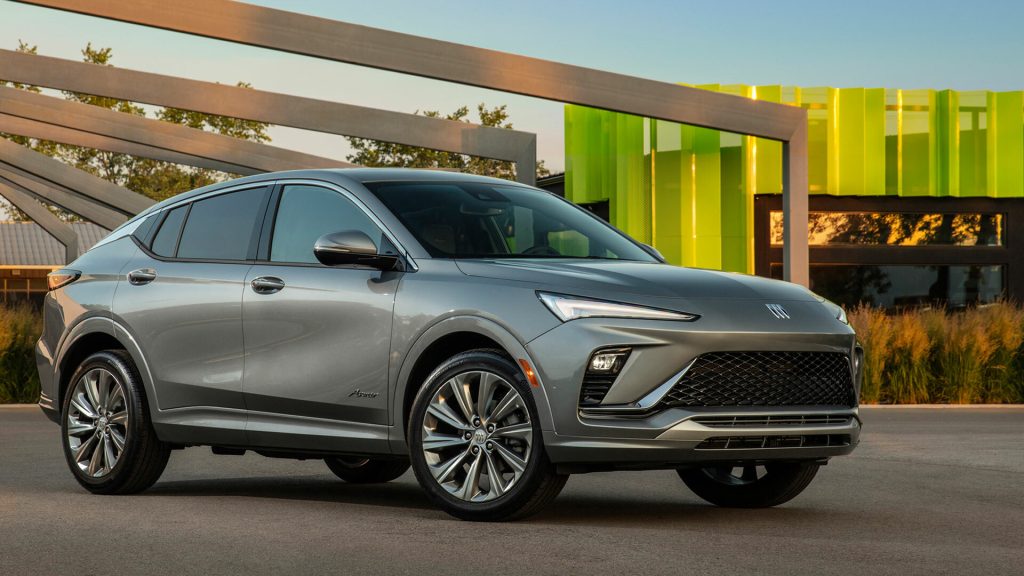
The Envista proves that maneuverability does not require sacrificing comfort or modern styling. Its efficient turbocharged engine, quiet cabin, generous passenger accommodations, and city-friendly handling make it an excellent choice for drivers who regularly encounter tight parking situations.
When every foot matters inside a crowded parking garage, a turning circle under 37 feet delivers a practical advantage that owners appreciate every day.
Specifications
- Engine: 1.2-liter Turbocharged Inline-3
- Torque: 162 lb-ft
- Horsepower: 137 hp
- Length/Width: 182.6 inches / 71.5 inches
Also Read: 8 Motorcycle Brands With the Most Reported Problems