
A radiator problem can turn into an expensive repair faster than many owners expect. The radiator itself may be reasonably priced, but labor can push the final bill much higher. Vehicles with straightforward radiator access can sometimes be repaired for around $500, while models that require extensive disassembly can exceed $1,300. Much of that difference comes down to how the cooling system is packaged under the hood.
Modern vehicles often place radiators behind bumper structures, condensers, intercoolers, air shutters, and electronic components, making access more complicated. Some mainstream sedans avoid those headaches with simpler layouts and easier service access.
Luxury European models can take the opposite approach, stacking multiple heat exchangers into tight spaces. This comparison looks at five vehicles with relatively affordable radiator repairs and five where difficult access can make replacement a costly job.
5 Cars With Cheap Radiator Jobs
1. Toyota Corolla (2014–2019)
The Toyota Corolla has built its reputation on low ownership costs, and radiator replacement is another area where it lives up to that reputation. Unlike many modern vehicles that squeeze every component into a tightly packaged engine bay, the Corolla leaves enough room around the cooling system for technicians to work efficiently.
In most cases, removing the upper support brackets, cooling fans, and a few hoses provides direct access to the radiator without dismantling the entire front fascia.
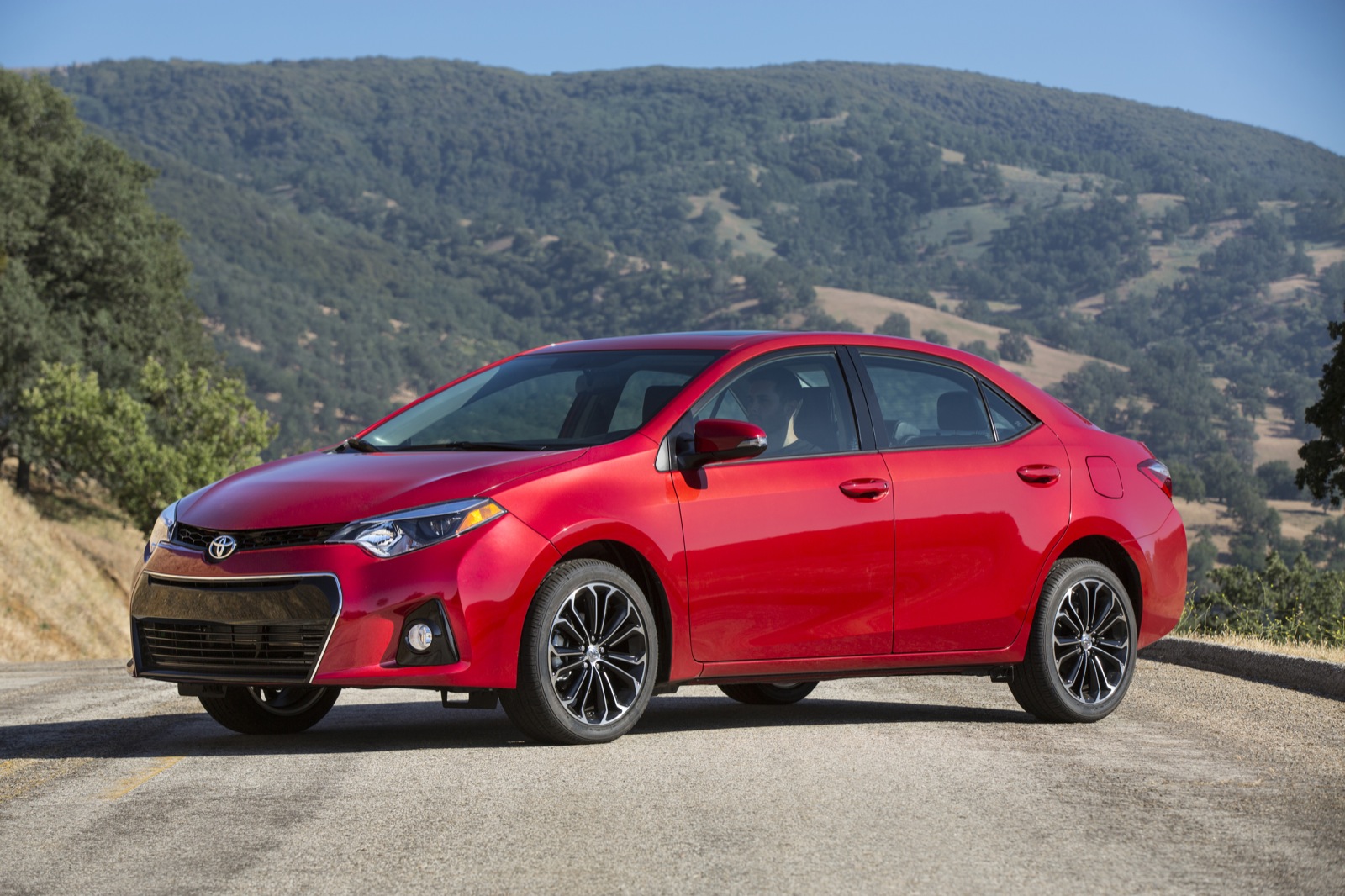
That straightforward layout translates into lower labor hours. Independent repair shops typically complete the job in roughly two to three hours, depending on equipment and trim level.
Since the Corolla was sold in enormous numbers across North America, replacement radiators are widely available from both Toyota and reputable aftermarket manufacturers. Competition keeps parts prices reasonable, giving owners several repair options without sacrificing quality.
Another advantage is the simplicity of the naturally aspirated 1.8-liter engine used throughout most of this generation. With no intercooler or complicated turbo plumbing crowding the front of the engine bay, technicians spend less time disconnecting surrounding components. Even replacing the cooling fans or thermostat during the same visit adds relatively little labor.
Long-term owners also benefit from Toyota’s conservative engineering philosophy. The cooling system generally remains reliable for well over 100,000 miles if coolant changes are performed according to the maintenance schedule. When replacement finally becomes necessary because of road debris, corrosion, or aging plastic end tanks, the repair rarely becomes a financial headache.
Typical U.S. repair costs generally range between $400 and $700, depending on labor rates and whether OEM or aftermarket components are selected.
- Engine: 1.8L Inline-4
- Horsepower: 132 hp
- Torque: 128 lb-ft
- Length: 182.6 inches
- Width: 69.9 inches
2. Honda Civic (2016–2021 2.0L)
Honda designed the tenth-generation Civic with maintenance in mind, particularly on models equipped with the naturally aspirated 2.0-liter engine. While the exterior styling became dramatically more aggressive than previous generations, the radiator remains relatively accessible compared to many compact competitors.
Most radiator replacements require removal of the upper radiator support, cooling fan assembly, and several hoses rather than extensive bumper disassembly. That keeps labor times competitive and reduces the likelihood of damaging plastic clips or trim pieces during the repair.
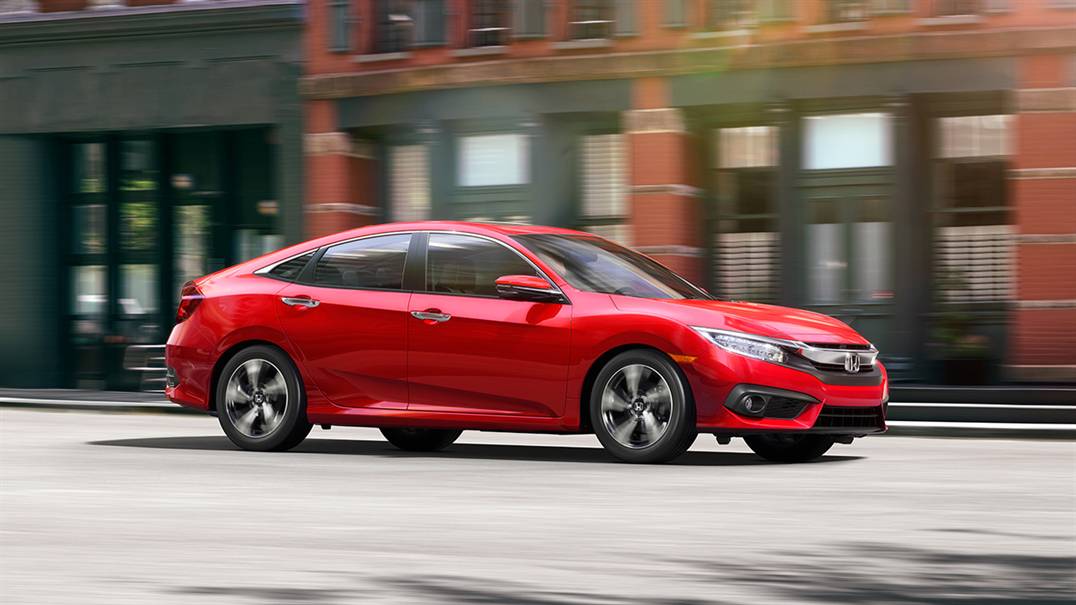
Another cost-saving factor is the Civic’s enormous aftermarket support. Because millions were sold globally, replacement radiators from established manufacturers are readily available across the United States. Owners who prefer genuine Honda components also benefit from competitive OEM pricing compared to luxury brands.
The naturally aspirated engine is especially favorable from a service perspective. Turbocharged variants introduce additional plumbing and tighter packaging, but the standard 2.0-liter layout leaves technicians with significantly better working room. Independent mechanics frequently recommend this generation of Civic because repairs are predictable, documentation is plentiful, and replacement parts are rarely difficult to source.
Cooling system reliability is another strength. Failures are usually related to age, impact damage, or neglected coolant rather than inherent design flaws. As a result, radiator replacement often represents routine maintenance instead of correcting an engineering weakness.
Across the United States, owners commonly pay between $450 and $750 depending on labor rates and component selection.
- Engine: 2.0L Inline-4
- Horsepower: 158 hp
- Torque: 138 lb-ft
- Length: 182.7 inches
- Width: 70.9 inches
3. Ford Fusion (2013–2020 2.5L)
The Ford Fusion delivers midsize comfort without turning routine cooling system repairs into an expensive undertaking. Models equipped with the naturally aspirated 2.5-liter Duratec engine are especially straightforward because they avoid the additional intercoolers and plumbing associated with EcoBoost variants.
Although the front bumper generally comes off during radiator replacement, Ford designed the cooling module so technicians can separate components without completely dismantling the vehicle’s front structure. Compared to premium European sedans, the process is refreshingly uncomplicated.
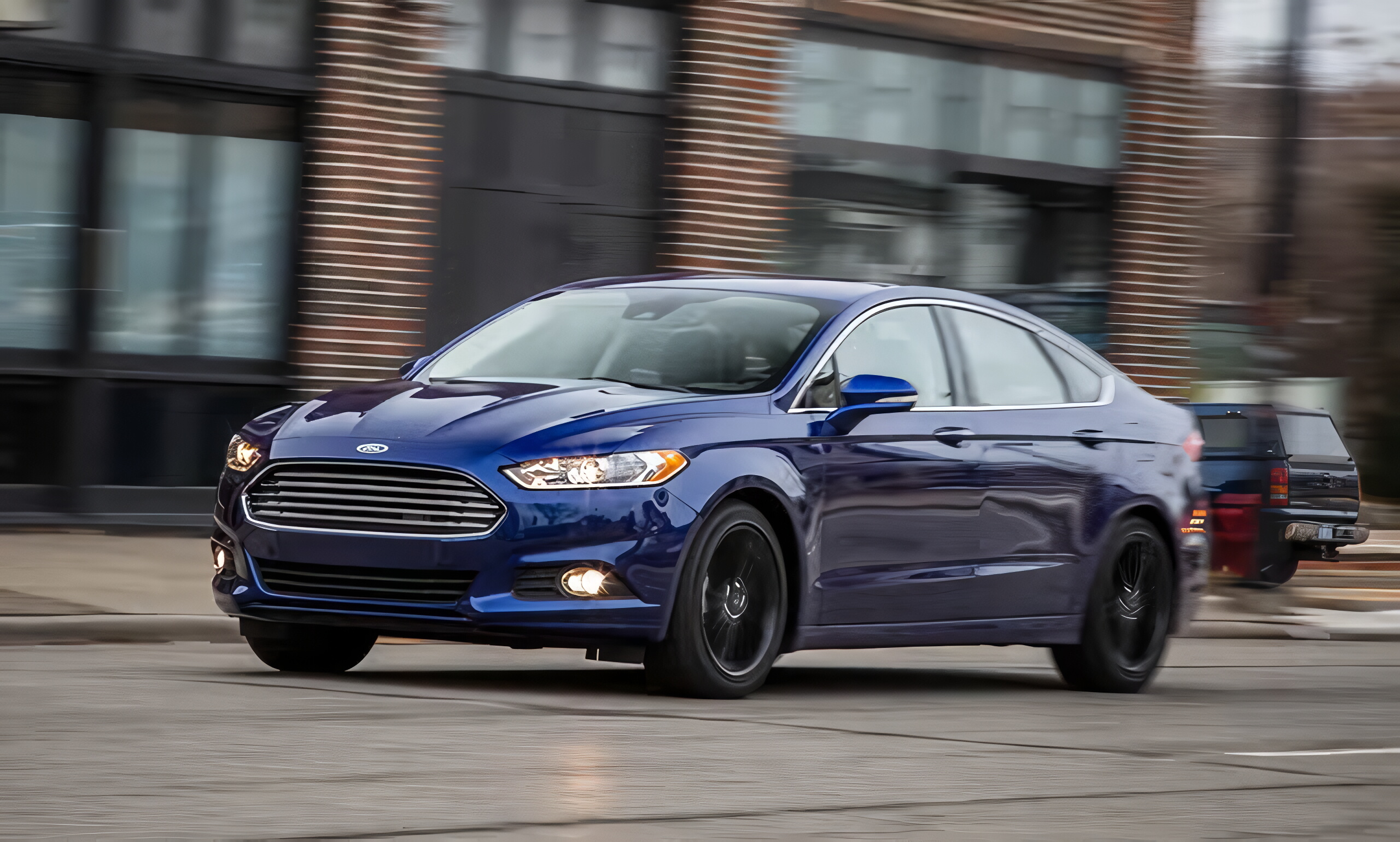
Availability also helps keep costs down. Fleet operators, rental companies, and private owners purchased large numbers of Fusion sedans throughout the model’s production run. That widespread popularity means aftermarket suppliers produce numerous replacement radiators that meet factory specifications while remaining affordable.
Experienced technicians often recommend replacing the upper and lower radiator hoses simultaneously if they’re showing signs of age. Since much of the labor overlaps with radiator removal, the additional expense is minimal compared to performing another cooling system repair later.
Another practical advantage is Ford’s straightforward cooling fan assembly, which can usually be transferred to the new radiator without specialized equipment. That keeps labor predictable and minimizes unexpected delays during installation.
Owners generally report repair bills between $500 and $800, making the Fusion one of the more budget-friendly midsize sedans for radiator service.
- Engine: 2.5L Inline-4
- Horsepower: 175 hp
- Torque: 175 lb-ft
- Length: 191.8 inches
- Width: 72.9 inches
4. Chevrolet Malibu (2016–2022 1.5 Turbo)
The ninth-generation Chevrolet Malibu demonstrates that turbocharged engines don’t automatically result in expensive radiator replacements. While the 1.5-liter turbo introduces additional cooling components, Chevrolet maintained a service-friendly front-end design that keeps labor within reason.
Technicians typically remove the front fascia and cooling fans before sliding the radiator from the cooling stack. The process is more involved than older sedans from the early 2000s, but it remains considerably simpler than many luxury competitors where multiple structural components must also come apart.
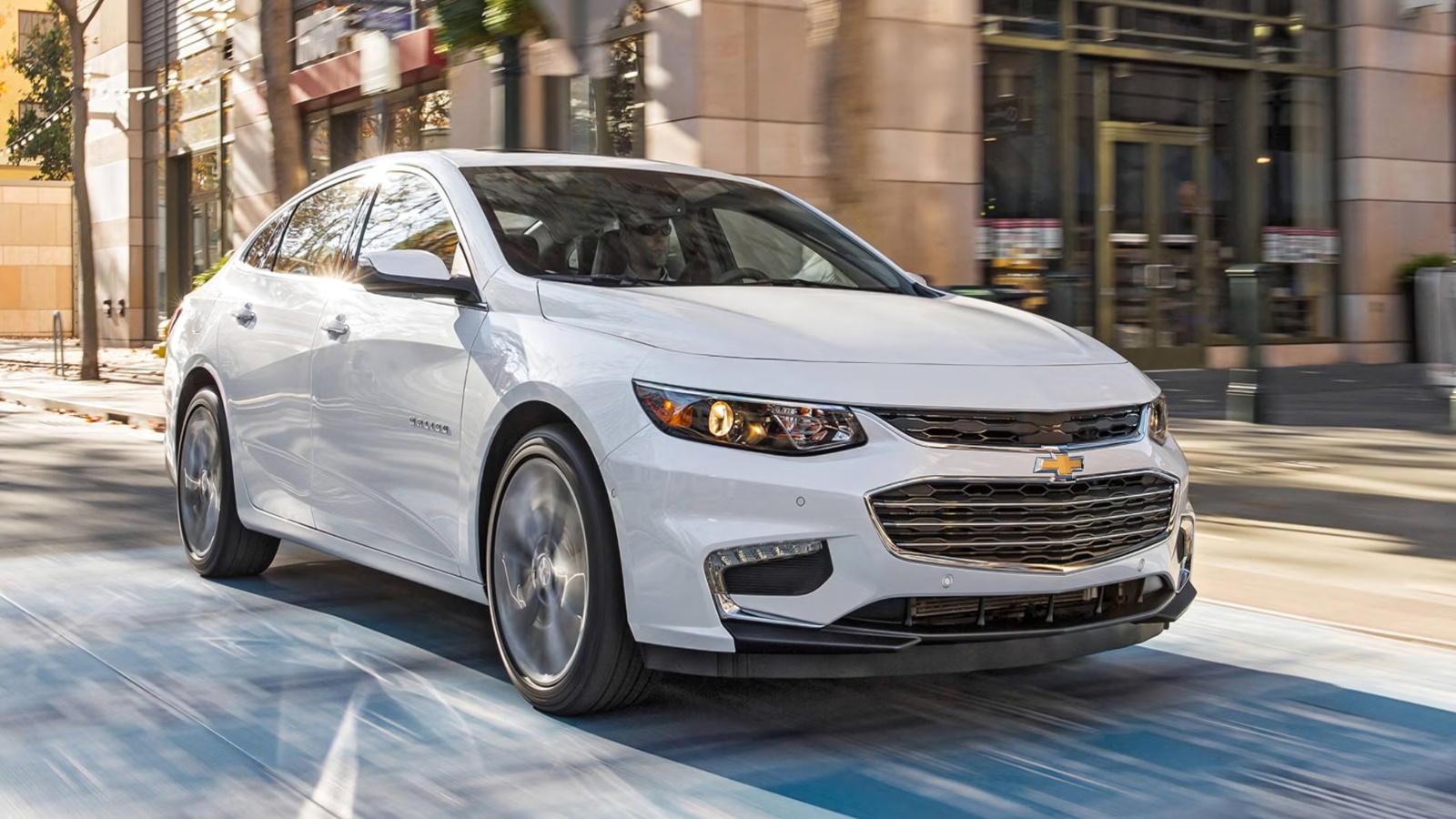
Replacement parts are plentiful thanks to the Malibu’s popularity among rental fleets and everyday commuters. Both OEM and aftermarket radiators are easy to source, giving repair shops flexibility depending on customer budgets.
Routine cooling system maintenance also contributes to lower long-term costs. Keeping fresh Dex-Cool coolant in the system reduces corrosion and extends radiator life, helping owners avoid premature replacement.
The Malibu’s moderate labor requirements also make it a popular choice for independent repair shops. Since the procedure is familiar and well documented, technicians can quote accurate repair estimates with fewer surprises once disassembly begins.
Typical replacement costs generally range from $550 to $850, depending on shop rates and regional labor costs.
- Engine: 1.5L Turbocharged Inline-4
- Horsepower: 160 hp
- Torque: 184 lb-ft
- Length: 194.2 inches
- Width: 73.0 inches
5. Nissan Sentra (2020–Present)
Nissan’s latest Sentra continues the company’s focus on affordable ownership costs. Despite modern styling and improved safety technology, radiator replacement remains relatively straightforward compared to many compact sedans introduced during the same period.
The radiator sits in a conventional front-mounted position with reasonable access after removing the bumper cover and cooling fan assembly. Technicians don’t typically encounter elaborate structural teardown procedures or specialized service positions that inflate labor hours.
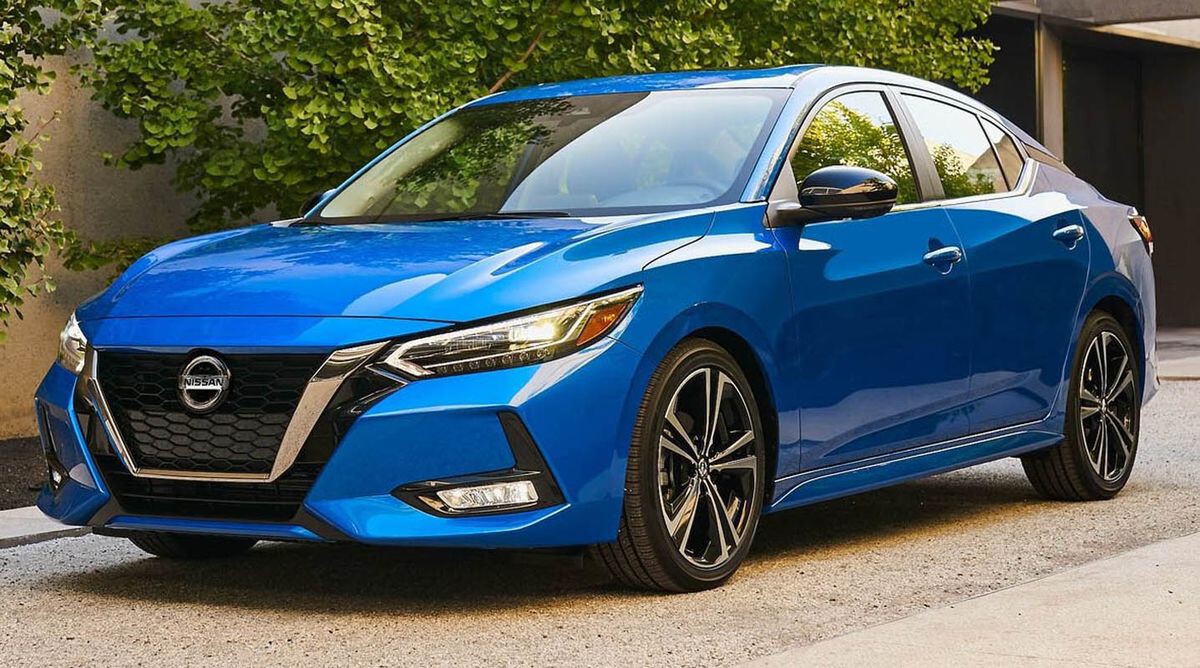
Because the Sentra shares engineering principles with several Nissan compact platforms, replacement components are widely available. Independent repair facilities appreciate the consistency of the design, allowing technicians familiar with Nissan products to complete repairs efficiently.
The naturally aspirated 2.0-liter engine also avoids much of the additional plumbing associated with high-output turbocharged powertrains. Less equipment in front of the engine means fewer components must be disconnected before reaching the radiator.
Owners who maintain coolant quality and inspect the cooling system regularly often see excellent durability. Most radiator replacements result from external damage or normal aging rather than recurring design issues.
Average U.S. repair costs typically fall between $500 and $800, making the Sentra one of today’s more affordable compact cars when cooling system repairs become necessary.
- Engine: 2.0L Inline-4
- Horsepower: 149 hp
- Torque: 146 lb-ft
- Length: 182.7 inches
- Width: 71.5 inches
ALSO READ: 10 Sedans With Overbuilt Radiators That Handle 110 Degree Heat
Cars With Radiator Jobs Over $1,300
1. Audi A4 (B9)
If there’s one vehicle that perfectly illustrates how labor can outweigh parts cost, it’s the B9-generation Audi A4. Audi engineers package the front of the vehicle exceptionally tightly to maximize crash performance, aerodynamics, and weight distribution. The downside appears the moment a radiator begins leaking.
Rather than simply removing a few brackets, technicians often place the vehicle into Audi’s well-known “service position.” This procedure involves removing the bumper cover, headlights, front carrier assembly, and shifting much of the front structure forward to gain working clearance behind the cooling stack.
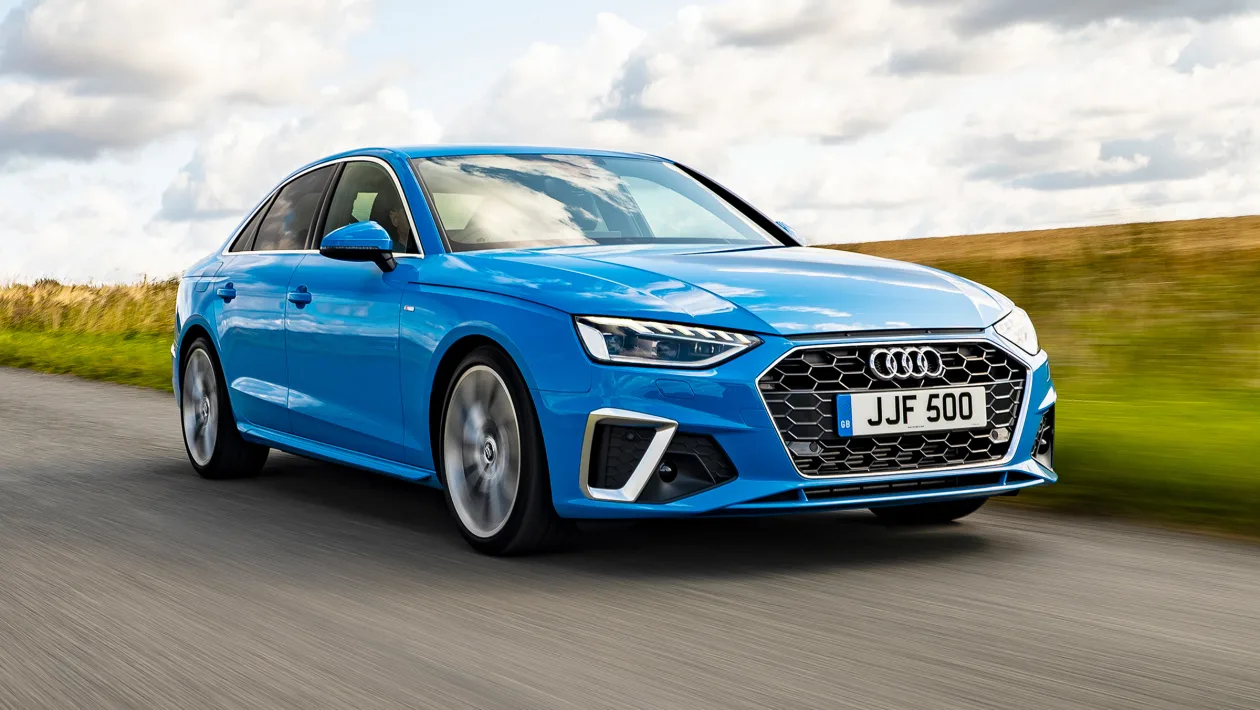
The radiator itself isn’t unusually expensive. What drives the repair beyond $1,300 is the six to nine labor hours frequently required before the old radiator can even be removed. Shops must also carefully disconnect sensors, active grille shutters, air conditioning components, and various mounting brackets.
Turbocharged engines further complicate matters by adding intercoolers, auxiliary cooling circuits, and tightly packaged plumbing throughout the nose of the vehicle. Any mistake during reassembly can create coolant leaks, air-conditioning problems, or electronic warning lights.
Independent European specialists may complete the work for less than dealerships, but owners should still expect premium labor rates due to the complexity involved.
- Engine: 2.0L Turbocharged Inline-4
- Horsepower: 261 hp
- Torque: 273 lb-ft
- Length: 187.5 inches
- Width: 72.7 inches
2. BMW 5 Series (G30)
BMW’s G30 5 Series offers outstanding refinement, but its sophisticated engineering comes with equally sophisticated repair procedures. The front of the vehicle houses a densely packed cooling module that often includes the primary radiator, intercooler, transmission cooler, condenser, and various auxiliary heat exchangers.
Replacing the main radiator generally requires removing much of the front clip before separating the cooling module. Technicians must work carefully around numerous electronic sensors and advanced driver-assistance components integrated into the bumper assembly.
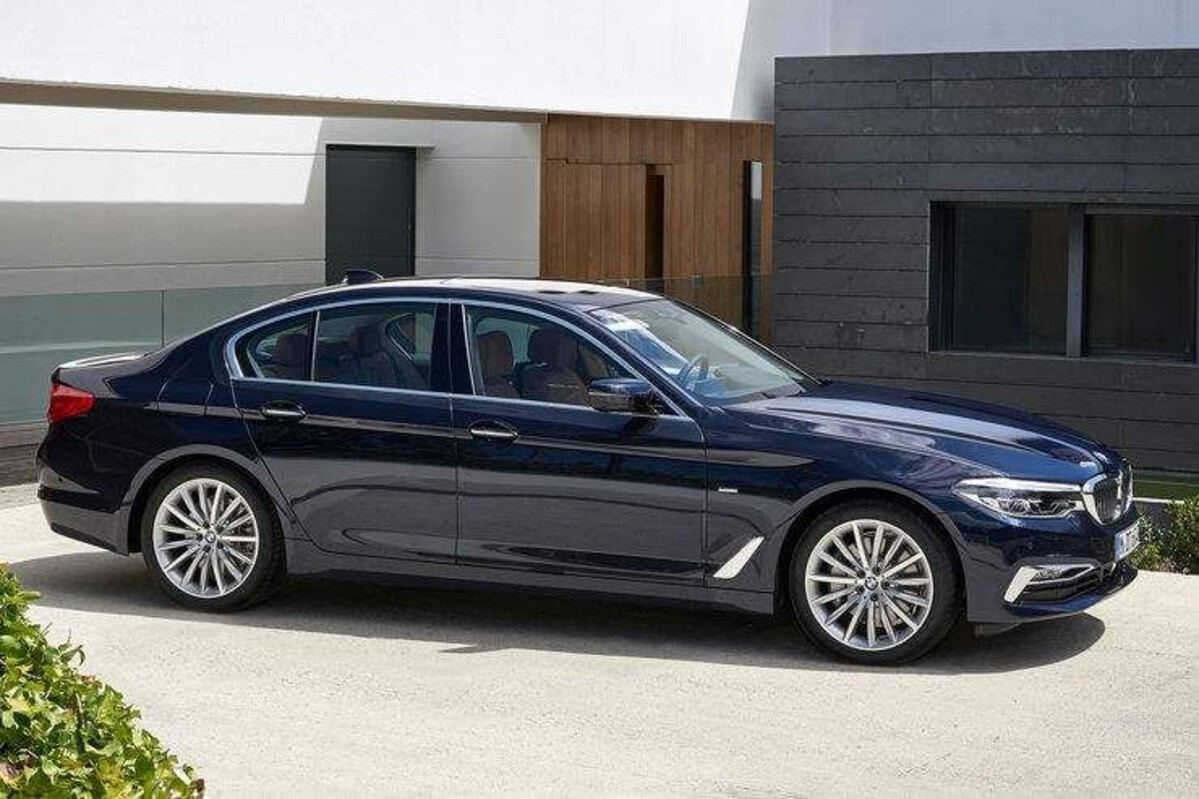
Turbocharged inline-six engines generate significant heat, requiring elaborate cooling management that naturally increases packaging complexity. Even four-cylinder versions share many of the same structural design principles.
Labor costs vary by engine and drivetrain, but invoices exceeding $1,300 are common, particularly at dealerships using genuine BMW components. While aftermarket radiators may reduce parts expenses, labor remains the dominant cost factor.
Because reassembly often requires recalibration of electronic systems or careful bleeding of multiple cooling circuits, owners are generally advised to use experienced BMW specialists rather than attempting a budget repair.
- Engine: 2.0L Turbocharged Inline-4 (530i)
- Horsepower: 248 hp
- Torque: 258 lb-ft
- Length: 194.6 inches
- Width: 73.5 inches
ALSO READ: 10 Used Sedans With Cooling Fans and Radiators That Rarely Fail
3. Mercedes-Benz E-Class (W213)
Mercedes-Benz engineered the W213 E-Class around comfort, safety, and aerodynamic efficiency. Achieving those goals required exceptionally dense packaging beneath the hood, leaving very little room to access the radiator.
Most replacements involve removing the front bumper, grille assembly, impact structure, cooling fan module, and portions of the front carrier before the radiator can be extracted. Numerous electrical connectors and cooling lines increase the amount of careful labor required throughout the process.
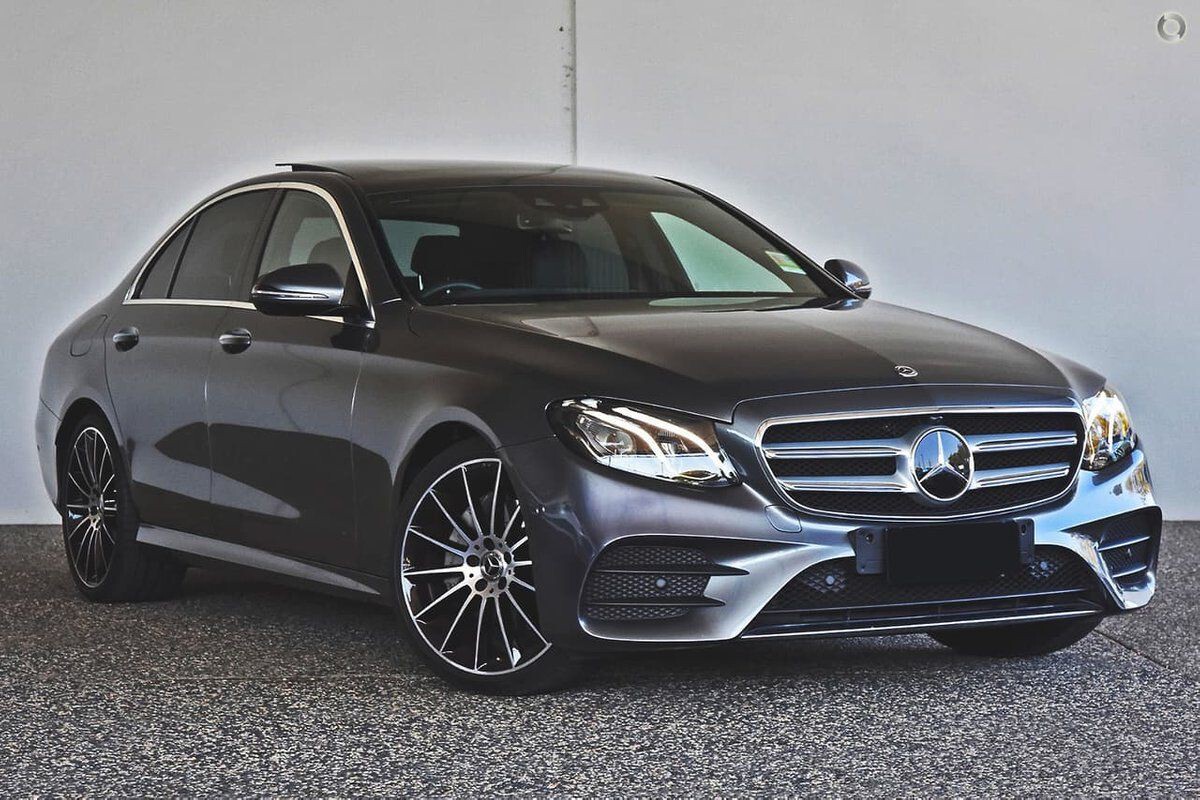
The E-Class also features several engine options with varying auxiliary cooling requirements. Turbocharged gasoline and diesel engines alike depend on multiple heat exchangers positioned close together, making simple component replacement anything but simple.
Even when the radiator itself costs only a few hundred dollars, dealership labor can quickly push the final invoice beyond $1,500. Independent European repair facilities may save owners several hundred dollars, although the repair remains labor intensive regardless of who performs it.
Owners frequently combine radiator replacement with thermostat or water pump service when mileage is high, helping reduce duplicate labor expenses later.
- Engine: 2.0L Turbocharged Inline-4 (E350)
- Horsepower: 255 hp
- Torque: 273 lb-ft
- Length: 193.8 inches
- Width: 73.7 inches
4. Land Rover Range Rover Sport (L494)
Luxury SUVs often present unique cooling challenges, and the Range Rover Sport is among the most labor-intensive. Depending on the engine, technicians may encounter multiple radiators, intercoolers, transmission coolers, oil coolers, and auxiliary heat exchangers packed tightly behind the grille.
Access typically requires extensive front-end disassembly, including bumper removal, cooling module separation, and careful handling of numerous sensors supporting driver-assistance systems.

Air suspension hardware, complex wiring harnesses, and premium trim components add further complexity. Even routine radiator replacement becomes a meticulous operation requiring patience and specialized knowledge.
Labor rates at Land Rover dealerships are already among the highest in the industry, and when combined with lengthy repair procedures, invoices exceeding $1,500 are common. Owners often choose independent Land Rover specialists, but even there, total costs frequently remain above $1,300.
The repair illustrates why luxury SUV ownership extends beyond purchase price. Sophisticated engineering delivers impressive performance and capability but also increases maintenance complexity throughout the vehicle’s life.
- Engine: 3.0L Turbocharged Inline-6 (P360)
- Horsepower: 355 hp
- Torque: 369 lb-ft
- Length: 194.7 inches
- Width: 80.6 inches
5. Porsche Cayenne (9Y0)
The Porsche Cayenne closes this list because it perfectly embodies how performance engineering can transform an ordinary radiator replacement into a major workshop project. High-performance variants often employ multiple radiators positioned throughout the front fascia to maintain stable operating temperatures under demanding driving conditions.
Before technicians reach the primary radiator, much of the front bumper assembly, trim panels, cooling ducts, and surrounding components must be removed. Higher-performance trims may include additional cooling circuits that further complicate disassembly and reassembly.

The Cayenne’s tightly packaged engine compartment leaves little room for shortcuts. Porsche service procedures emphasize careful removal and alignment of front-end components to preserve cooling efficiency and aerodynamic performance. Reassembly must also ensure every cooling duct and seal is correctly positioned to maintain factory airflow characteristics.
At authorized Porsche dealerships, labor rates alone can account for the majority of the repair bill. Combined with genuine Porsche parts and coolant, radiator replacement frequently exceeds $1,300 and can approach or surpass $2,000 on certain configurations.
It’s a reminder that radiator replacement isn’t simply about replacing a heat exchanger. On vehicles engineered around maximum performance, the cooling system becomes an integrated package where accessibility takes a back seat to packaging efficiency, making labor, not the radiator itself, the biggest contributor to the final repair invoice.
- Engine: 3.0L Turbocharged V6 (base Cayenne)
- Horsepower: 348 hp
- Torque: 368 lb-ft
- Length: 193.7 inches
- Width: 78.1 inches (excluding mirrors)