
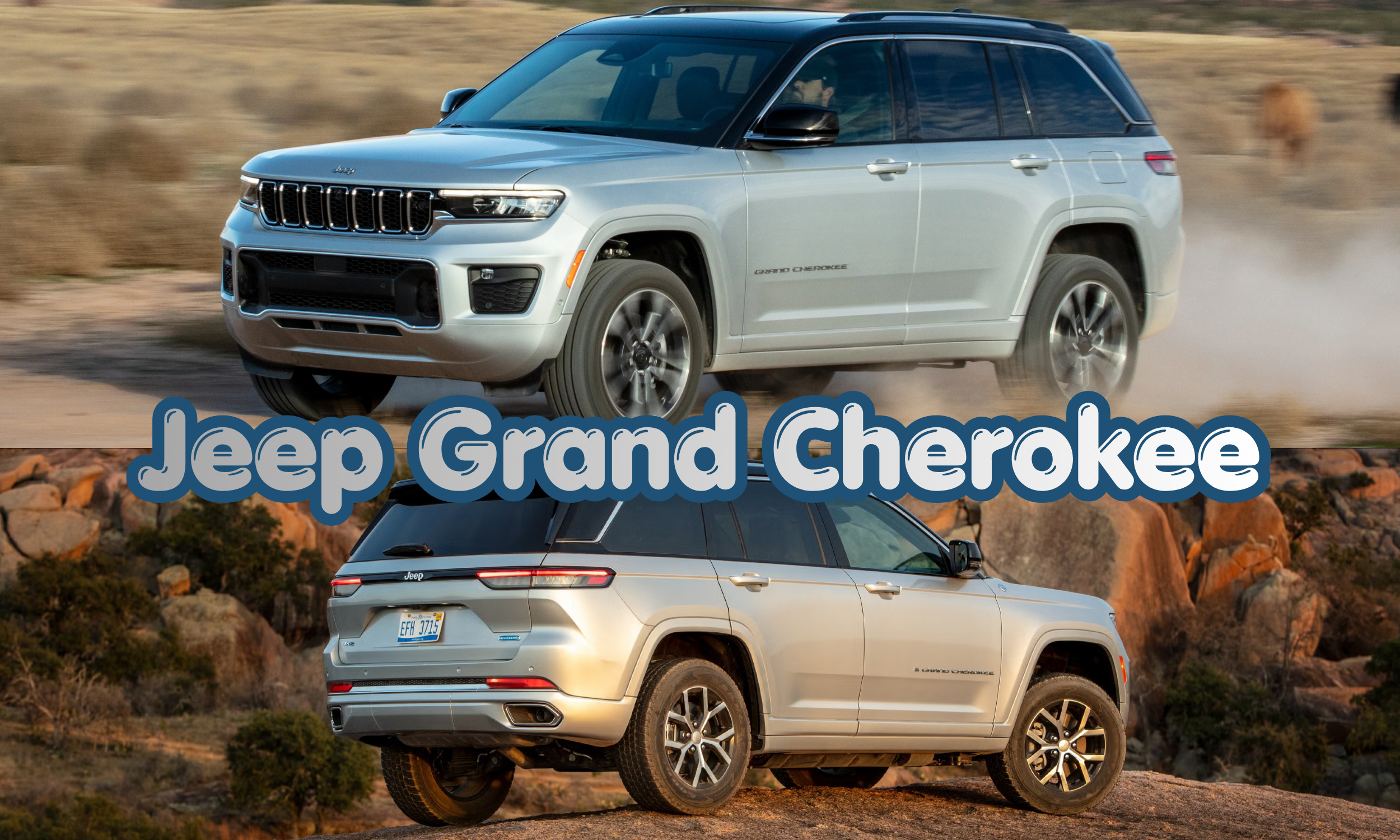
Are you thinking about buying a Grand Cherokee? The sticker price is just the opening chapter. Between fuel stops, insurance bills, oil changes, and the value it quietly loses each year, the real number can catch buyers off guard. Good news: the data is out there, and it paints a fairly clear picture.
Industry trackers like Edmunds, CarEdge, and CarBuzz have crunched the numbers on depreciation, upkeep, and everyday running costs, giving future owners a realistic five-year snapshot instead of guesswork. If you want to budget smart before signing paperwork, this breakdown will save you from sticker shock later. Let’s get into what your wallet can actually expect.
Buying Price and Depreciation: What You Really Lose First
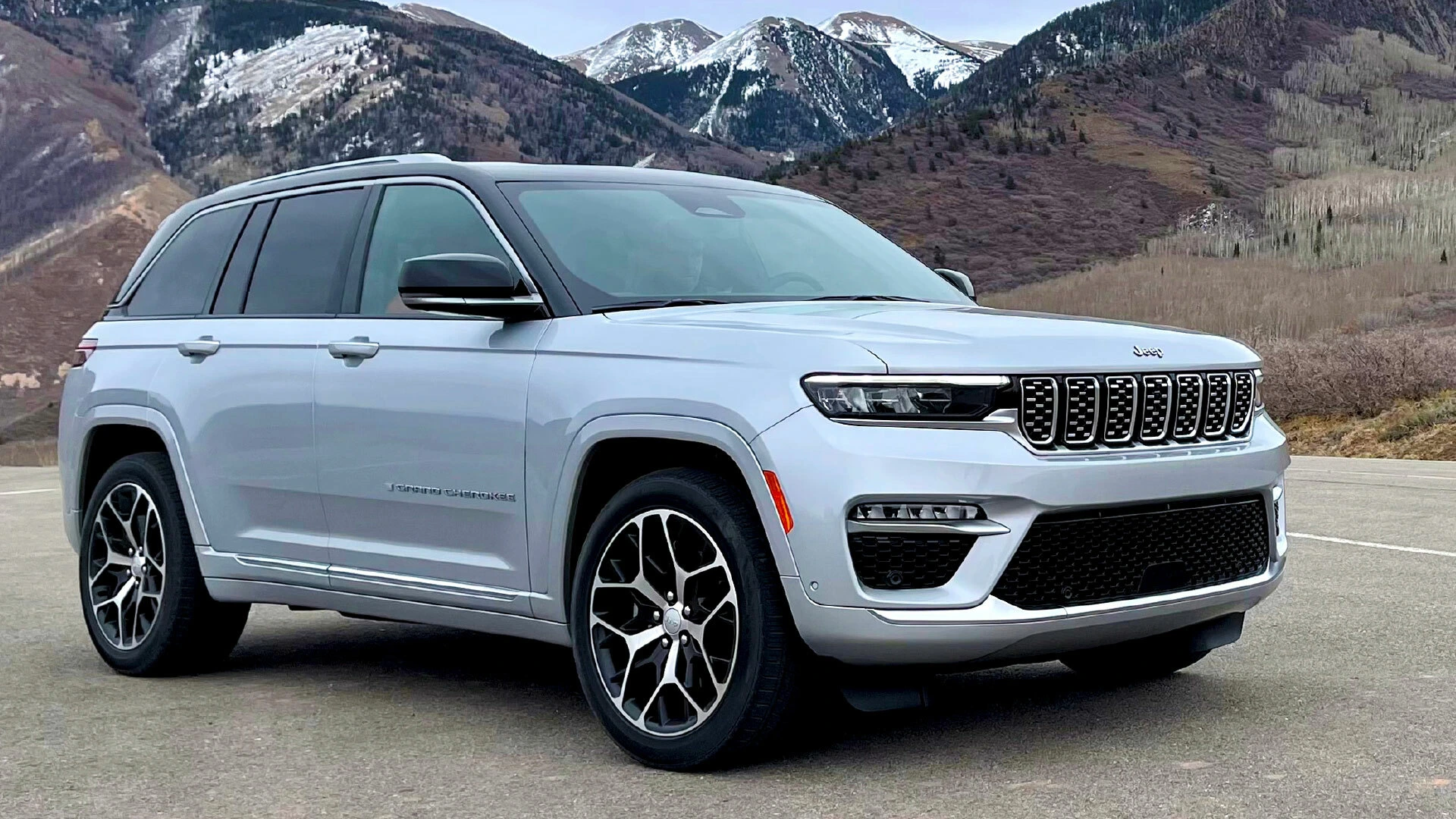
Depreciation eats the biggest slice of ownership cost, and it isn’t close. CarEdge places the average five-year depreciation hit at roughly $26,213, which works out to about 44 percent of total ownership expense. A typically equipped Grand Cherokee sells new for close to $48,951, and after five years of driving, that same SUV is worth somewhere around $22,738 on the used market.
Here’s the blunt truth: no amount of careful driving stops that curve from bending downward. The first year alone tends to hurt the most, since new vehicles lose a chunk of value the moment they leave the lot. Buyers who purchase a one or two-year-old Grand Cherokee instead of a brand new model often dodge a good portion of this loss while still getting a nearly identical vehicle.
Trim level matters too. Loaded Summit and Overland models depreciate more in raw dollars simply because they start from a higher price point, even if the percentage lost looks similar across the lineup. Shoppers comparing the Grand Cherokee against rivals like the Hyundai Santa Fe or Nissan Pathfinder should weigh this figure carefully, since resale strength varies a great deal between brands.
A vehicle that holds value better can offset weaker showings elsewhere in the ownership ledger. Buying used, negotiating hard, and choosing a trim with strong resale demand are the three levers owners actually control here.
Insurance Premiums: The Line Item Most Buyers Underestimate
Insurance rarely gets the spotlight, yet it quietly adds up to real money. CarEdge estimates the average annual premium at $2,380, which lands close to $11,900 across five years for a single vehicle policy. That’s roughly a fifth of total ownership cost, tucked into monthly bills most drivers barely notice.
Rates swing widely depending on where you live, your driving record, your age, and your credit profile. A 40-year-old driver with a clean record and strong credit will pay far less than a younger driver or someone with recent claims. Multi-car discounts, bundling with home insurance, and raising your deductible can trim this bill noticeably.
It also pays to shop around instead of renewing blindly. Carriers price the same coverage very differently for the same driver and vehicle, so getting quotes from several companies every couple of years is one of the simplest ways to lower your five-year total without changing a single thing about how you drive.
Given that insurance is a fixed, recurring cost rather than a one-time hit like depreciation, small percentage savings compound nicely across sixty months of payments.
Also Read: 4 Best and Worst Years for the Jeep Grand Cherokee
Fuel Costs Across Five Years of Driving
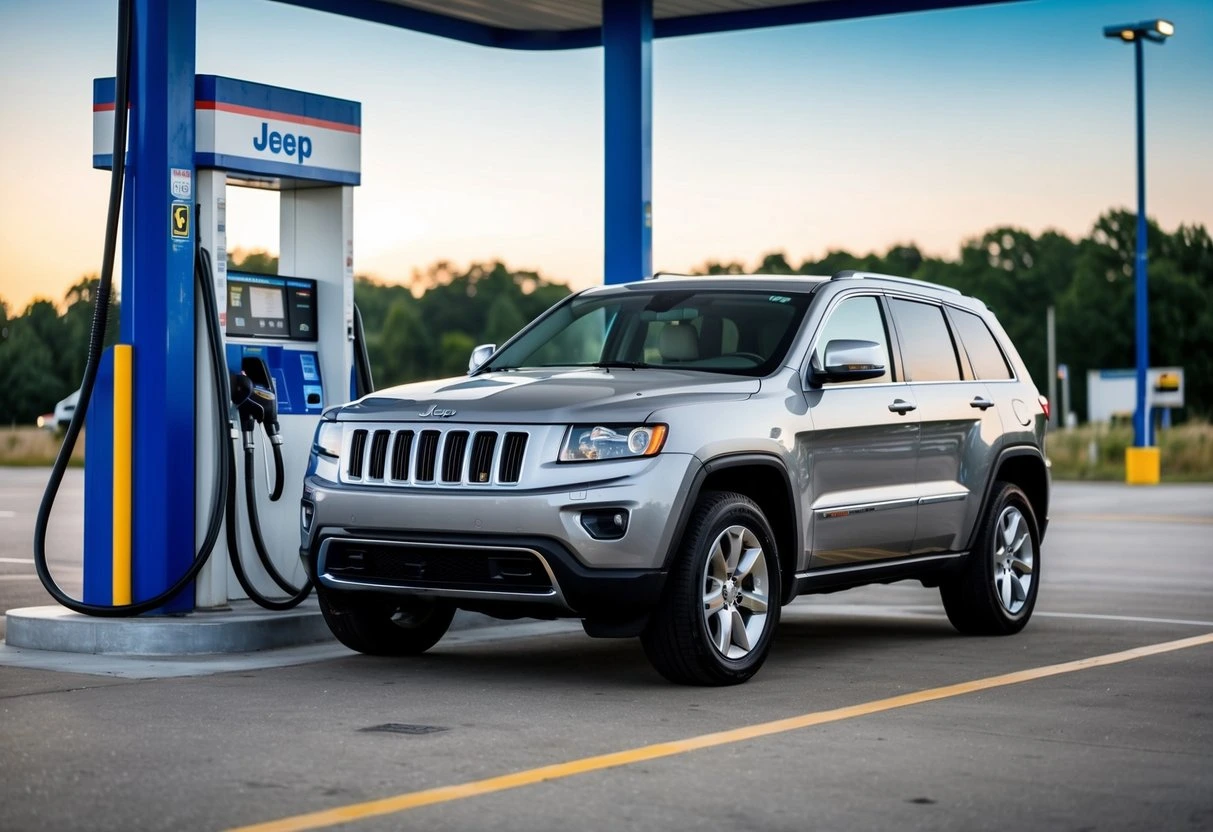
Fuel is where mileage habits and engine choice collide. At roughly 15,000 miles driven per year, CarEdge pegs total five-year fuel spending near $10,500, or about $2,100 annually. That figure assumes a mix of 55 percent city and 45 percent highway driving, using recent national average gas prices.
The V6 Grand Cherokee sips less than the available V8, and the plug-in hybrid 4xe variant can trim fuel spending further for owners who plug in regularly and lean on electric range for short trips. Heavier trims, Four Wheel Drive systems, and towing all push consumption upward, so a family hauling a boat or camper most weekends should expect a noticeably higher number than the average estimate suggests.
Gas prices themselves are the wildcard nobody controls. A spike in regional prices can swing this category by hundreds of dollars a year, which is why fuel costs deserve a cushion in any household budget rather than a flat assumption carried straight from a calculator.
Maintenance and Repair Bills as the Jeep Ages
CarBuzz reports an average annual maintenance figure of $666, adding up to roughly $11,217 across ten years of ownership, well above the $8,208 industry average for midsize SUVs. Repairs specifically during the first five years land near $3,549, and CarEdge separately estimates general upkeep, covering fluids, brakes, and typical wear items, at about $3,512 for that same stretch.
Reliability here sits in a middle tier. CarEdge gives the Grand Cherokee roughly a 32 percent chance of a major repair within five years, only somewhat worse than comparable SUVs in its class. Owners on forums often report smooth experiences well past 100,000 miles, while others describe pricier fixes tied to electronics or drivetrain components on certain model years.
An extended warranty, particularly for buyers choosing a used model outside the factory coverage window, is worth serious consideration. Staying current with scheduled service also tends to head off the larger repair bills that show up once a vehicle crosses the 100,000-mile mark.
Also Read: 10 Secret Features in the Jeep Grand Cherokee Most Owners Do Not Know
The Full Five-Year Total and What It Means for Your Wallet
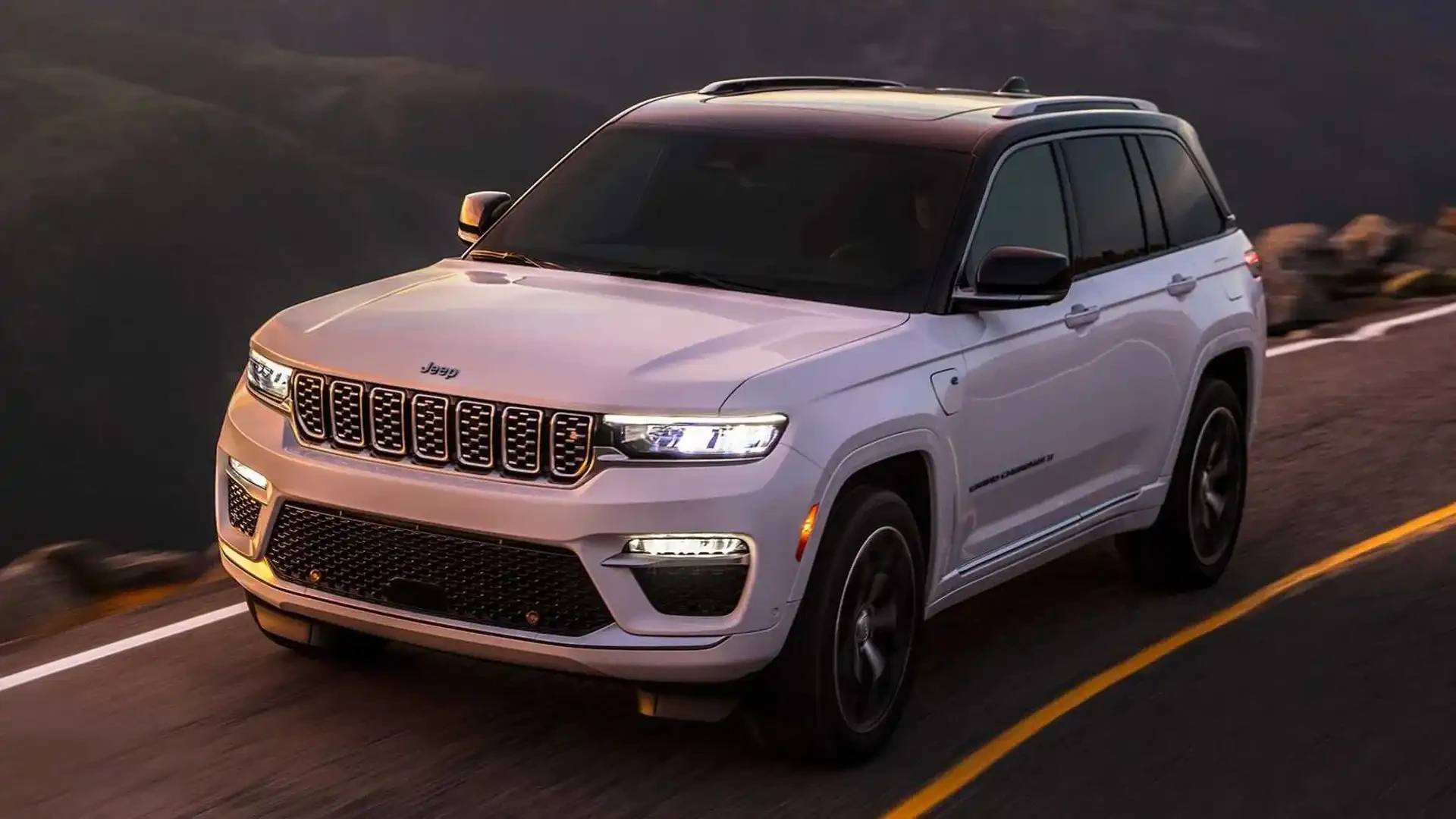
Add it all together, and CarEdge lands on approximately $59,767 as the average five-year cost of Grand Cherokee ownership. Depreciation claims 44 percent, insurance 20 percent, fuel 18 percent, loan interest 13 percent, and maintenance the remaining 6 percent.
That total earned the Grand Cherokee a D grade in CarEdge’s value rating system, meaning it sits below average compared to other vehicles when weighing sticker price against long-term costs. Buyers financing the purchase should also factor in roughly $7,642 in interest over a typical 72-month loan at competitive rates with a 20 percent down payment.
None of this means the Grand Cherokee is a poor choice. It means going in with open eyes, budgeting for the full picture rather than just the monthly payment, and deciding whether the comfort, capability, and character this SUV offers are worth the price tag attached to keeping it running for five full years.
