Luxury sedans are often associated with expensive ownership costs, high repair bills, and costly insurance premiums. Many drivers assume that choosing a premium vehicle automatically means paying more for coverage compared with affordable compact cars.
However, insurance data has shown surprising results where certain luxury sedans can have lower insurance costs than popular economy models such as the Honda Civic. Factors like driver profiles, safety technology, repair statistics, vehicle value, and claim history influence insurance pricing more than a car’s badge alone.
These unexpected comparisons challenge common assumptions and reveal that smart vehicle choices can reduce long-term ownership expenses.
Also Read: 5 Cars With the Highest Theft Rates in New York & 5 With Lowest
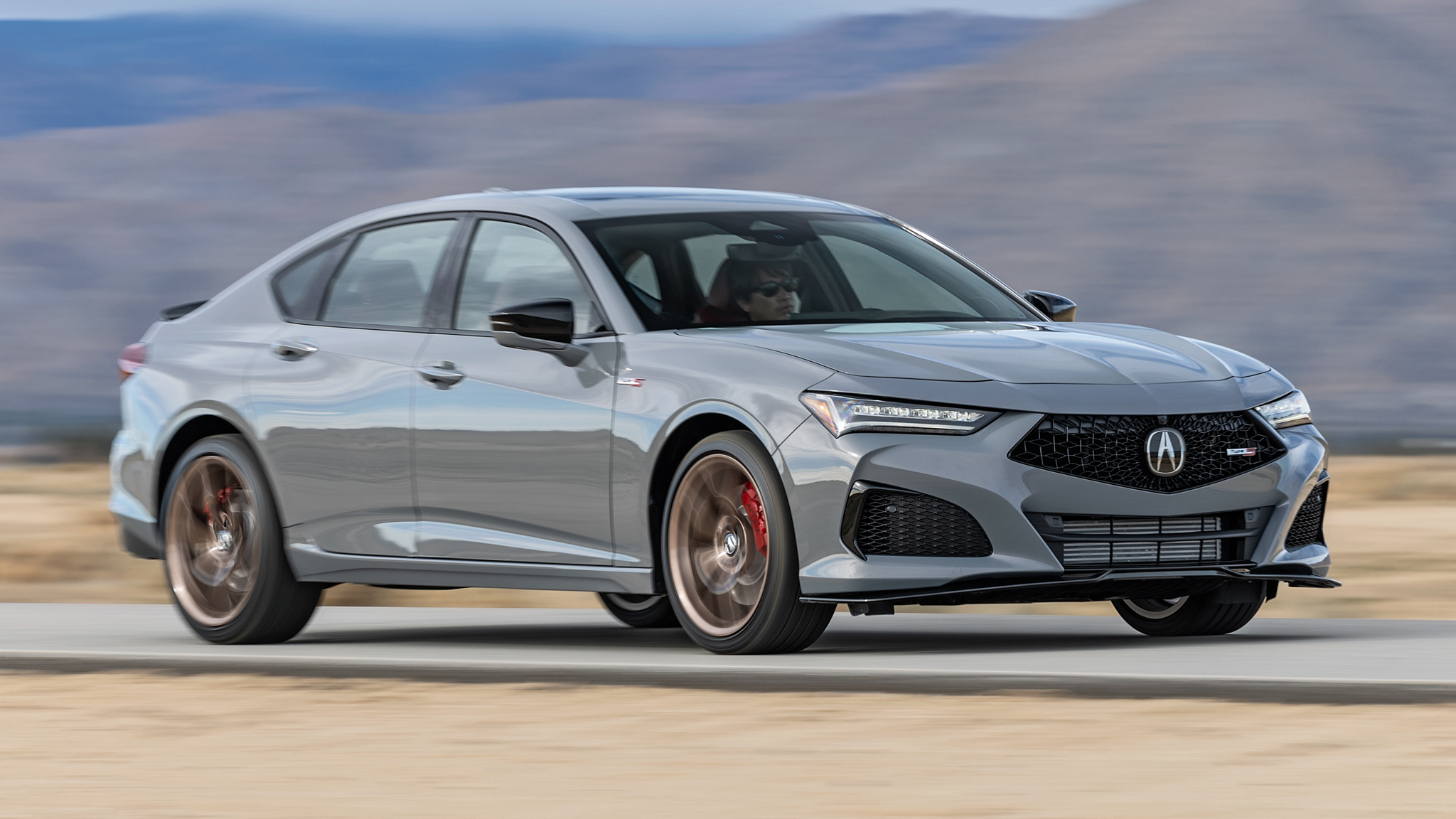
- Engine: 2.0-liter turbocharged 4-cylinder engine (TLX Type S uses a 3.0-liter turbocharged V6)
- Horsepower: 272 hp (standard TLX), 355 hp (Type S)
- Torque: 280 lb-ft (standard TLX), 354 lb-ft (Type S)
- Length: 194.6 inches
- Width: 75.2 inches
1. Acura TLX: Luxury Features With Practical Insurance Costs
The Acura TLX is a midsize luxury sedan that combines premium styling, strong reliability, and advanced safety equipment. Built by Acura, Honda’s luxury division, the TLX benefits from engineering focused on durability and everyday usability.
While many people expect luxury sedans to carry expensive insurance premiums, the TLX can sometimes compete with or even cost less to insure than mainstream models depending on driver circumstances. Its safety reputation and moderate performance options help keep risk levels balanced.
A major reason the TLX can achieve reasonable insurance pricing is its connection to Honda’s reputation for reliability. Insurance companies often consider repair patterns, replacement costs, and long-term dependability when evaluating vehicles.
The TLX uses many engineering principles associated with Honda products while adding premium materials and technology. Lower mechanical risk and strong build quality can contribute to fewer costly claims, which may benefit insurance rates.
The Acura TLX includes a wide range of driver assistance technologies through AcuraWatch. These systems include features designed to support safer driving, such as collision mitigation braking, adaptive cruise control, and lane assistance features.
Safety technology does not guarantee lower premiums for every driver, but vehicles equipped with modern protective systems often receive more favorable evaluations from insurers. The ability to reduce accident severity can have a positive effect on claim statistics.
Performance also plays a role in insurance calculations. Some luxury sedans are equipped with powerful engines designed for aggressive driving, which can increase insurance costs. The TLX offers engaging performance while maintaining a balanced approach.
Many versions focus on comfort, handling, and daily transportation rather than extreme speed. This positioning can help separate it from higher-risk performance-focused vehicles.
For buyers comparing luxury sedans with affordable compact cars, the Acura TLX demonstrates that premium ownership does not always mean higher insurance expenses.
The final premium depends on individual factors such as age, driving record, location, coverage limits, and discounts. However, the TLX represents how a carefully designed luxury sedan can provide upscale features while maintaining ownership costs that may surprise many drivers.
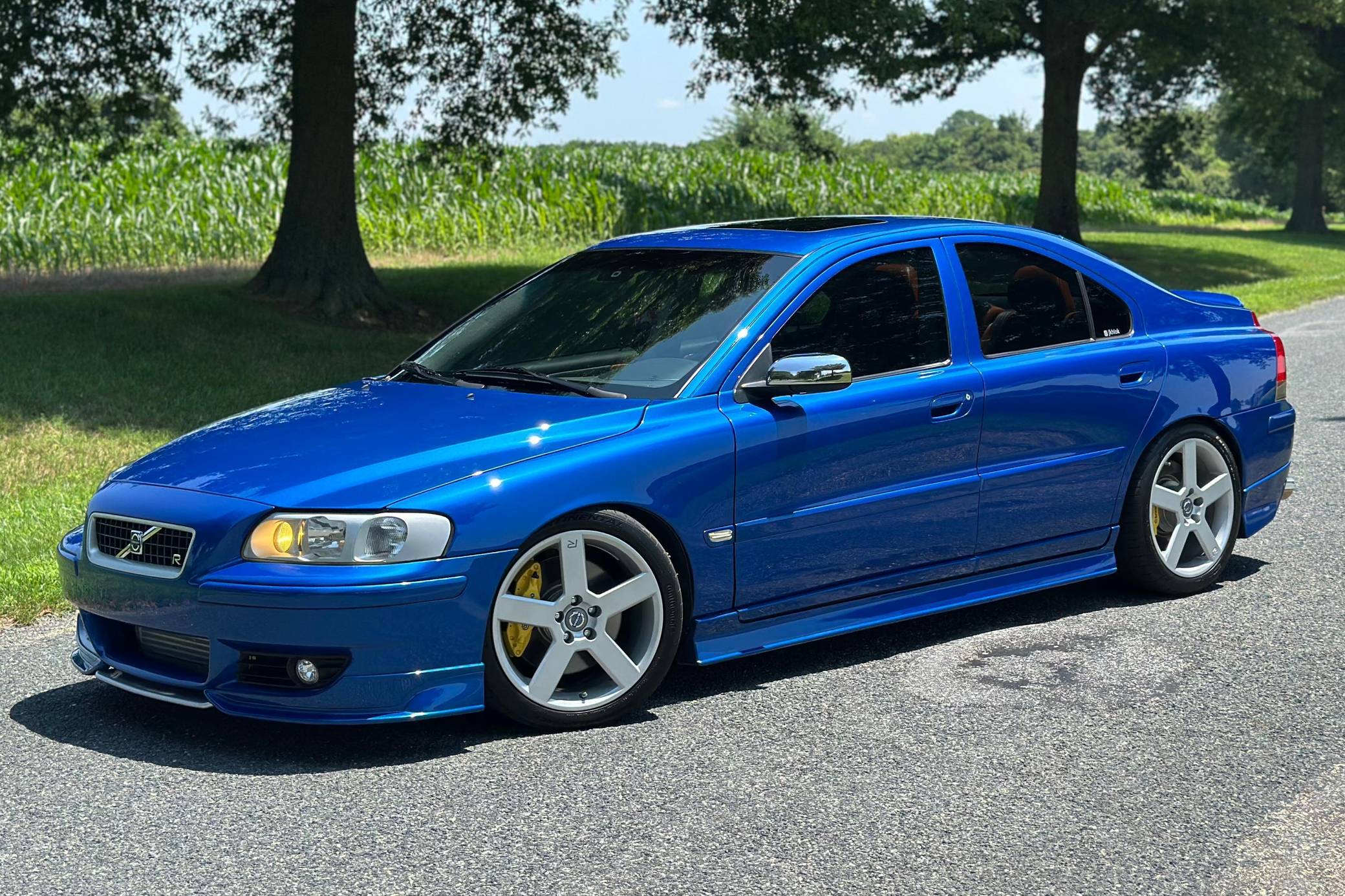
- Engine: 2.0-liter turbocharged and supercharged 4-cylinder engine (varies by hybrid version)
- Horsepower: Around 247 hp (mild hybrid), up to 455 hp (plug-in hybrid performance version)
- Torque: Around 258 lb-ft, up to 523 lb-ft (plug-in hybrid performance version)
- Length: 188.1 inches
- Width: 75.4 inches
2. Volvo S60: Safety Engineering That Supports Affordable Coverage
The Volvo S60 has long been associated with advanced safety development and comfortable driving characteristics. Volvo has built its reputation around protecting occupants through strong vehicle structures and innovative safety systems.
Insurance companies often pay close attention to safety performance because vehicles that help prevent injuries can reduce the financial impact of accidents. The S60’s safety-focused design contributes to its potential for competitive insurance rates.
The sedan features technology designed to assist drivers in avoiding collisions and managing challenging road conditions. Modern versions include systems that monitor surrounding traffic, provide warnings, and assist during emergency situations.
These features represent the type of equipment insurers value because they can reduce accident frequency. A vehicle’s ability to prevent crashes can influence insurance evaluations more than its luxury classification.
Repair costs are still considered when insurers calculate premiums, and luxury vehicles can sometimes face higher expenses due to specialized parts and technology.
However, Volvo’s focus on durability and safety helps balance these costs. Insurance companies do not simply look at the price of replacement parts. They examine complete claim histories, including how often vehicles are damaged and the severity of reported incidents.
The Volvo S60 also appeals to a different ownership group compared with many compact vehicles. Owners often prioritize comfort, safety, and long-term use rather than aggressive driving. This ownership pattern can affect insurance statistics. When a vehicle is associated with responsible driving habits, average claim costs may remain competitive.
The S60 highlights why insurance pricing can surprise consumers. A luxury sedan with premium materials and advanced engineering may not automatically result in expensive coverage. Drivers who compare actual insurance estimates rather than relying on assumptions may discover that certain upscale vehicles fit their budget better than expected.
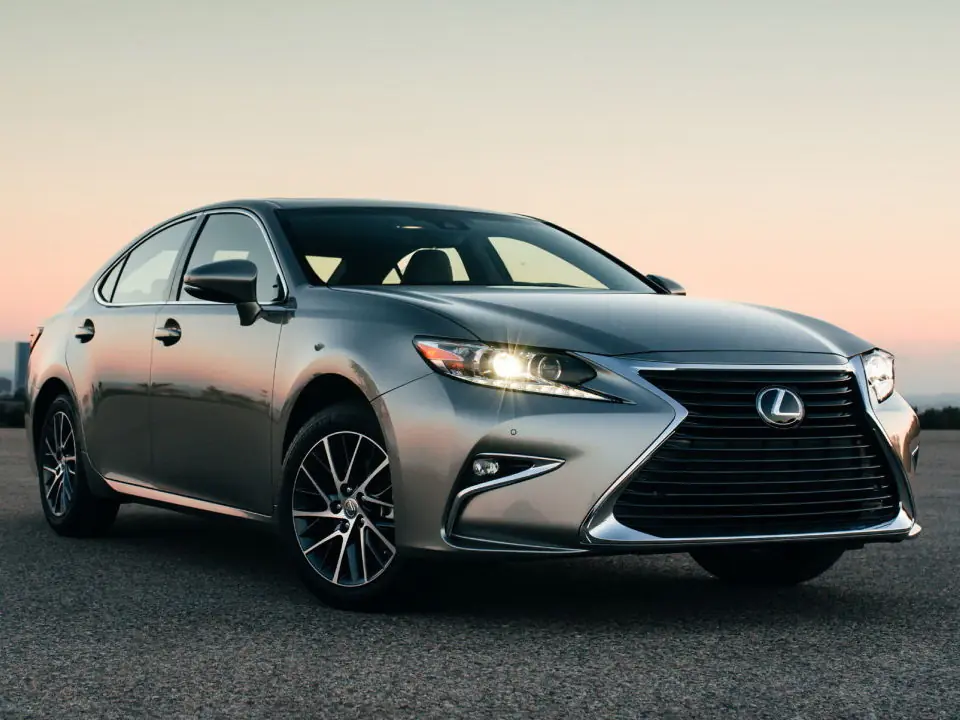
- Engine: 2.5-liter 4-cylinder engine (ES 250), 3.5-liter V6 (ES 350), hybrid 2.5-liter 4-cylinder (ES 300h)
- Horsepower: 203 hp (ES 250), 302 hp (ES 350), 215 hp (ES 300h)
- Torque: 184 lb-ft (ES 250), 267 lb-ft (ES 350), 163 lb-ft (ES 300h)
- Length: 195.9 inches
- Width: 73.4 inches
3. Lexus ES: Reliability and Comfort That Influence Insurance Rates
The Lexus ES has earned a strong reputation among luxury sedan buyers who value comfort, reliability, and a smooth driving experience. Lexus, the premium division of Toyota, has traditionally focused on building vehicles with long-term dependability and refined engineering.
These qualities can influence insurance costs because insurers consider how frequently vehicles require repairs, how severe claims tend to be, and how owners typically maintain their cars. The ES represents a luxury sedan that balances premium ownership with practical expenses.
Reliability is a major factor that separates the Lexus ES from many other luxury vehicles. A dependable vehicle may experience fewer mechanical problems, which can contribute to lower ownership expenses over time.
Insurance companies are interested in claim-related costs, including repair frequency and the availability of replacement parts. The Lexus ES benefits from Toyota’s reputation for producing durable vehicles, which may help it maintain competitive insurance pricing compared with some other premium sedans.
The ES also includes a wide range of safety technologies designed to support driver awareness and accident prevention. Lexus Safety System+ provides features such as automatic emergency braking, lane assistance, adaptive cruise control, and traffic sign recognition on many models.
These systems are becoming increasingly common in modern vehicles, and their presence can influence how insurers evaluate risk. Reducing accident possibilities can help create more favorable insurance conditions.
The driving character of the Lexus ES also contributes to its insurance profile. The sedan is designed primarily for comfort, smooth performance, and daily usability rather than aggressive acceleration or racing-inspired handling.
Vehicles built around relaxed driving experiences often attract owners who prioritize safety and convenience. Insurance companies analyze these ownership patterns because driver behavior is closely connected to claims.
For buyers searching for a luxury sedan that does not create overwhelming ownership expenses, the Lexus ES provides an appealing option. It offers premium materials, quiet performance, and advanced technology while maintaining a reputation for reliability.
The idea that luxury automatically means costly insurance does not always match real-world data. The ES demonstrates how thoughtful engineering can create a premium vehicle with reasonable long-term costs.
- Engine: 2.5-liter turbocharged 4-cylinder engine or 3.5-liter twin-turbocharged V6
- Horsepower: 300 hp (2.5T), 375 hp (3.5T)
- Torque: 311 lb-ft (2.5T), 391 lb-ft (3.5T)
- Length: 197.9 inches
- Width: 75.8 inches
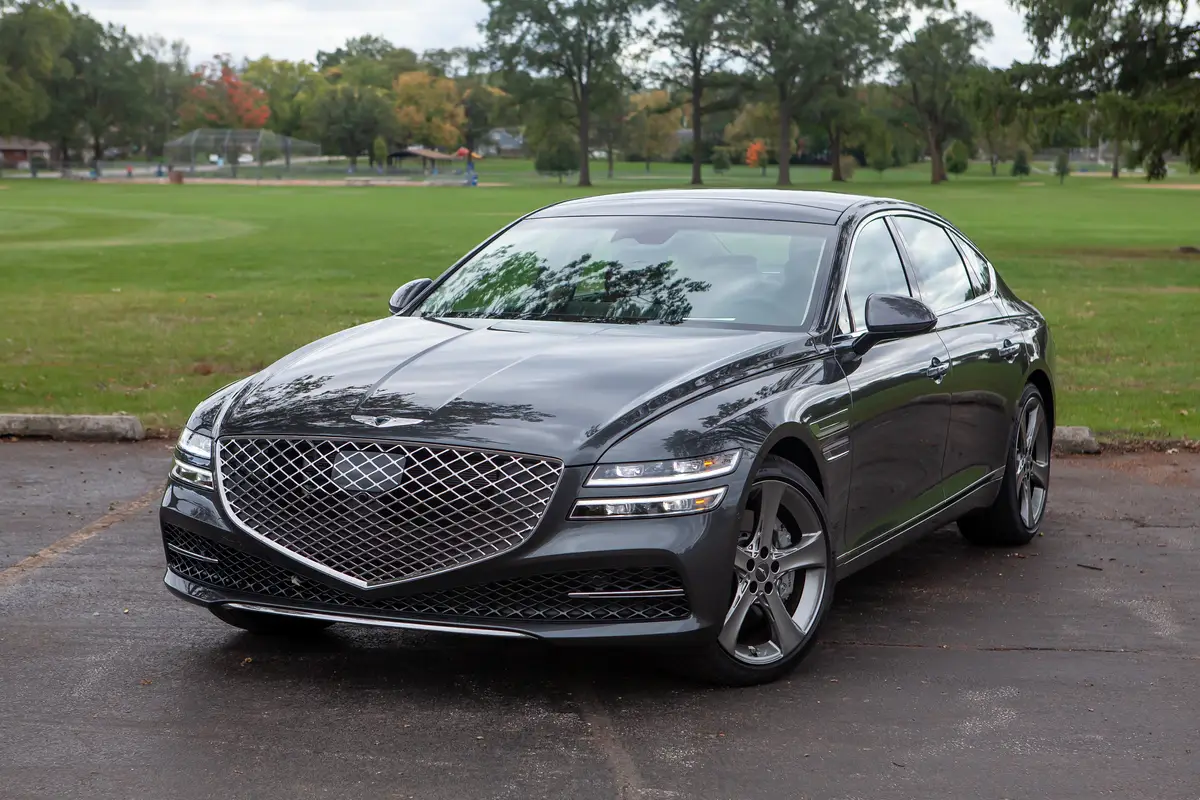
4. Genesis G80: Premium Design With Balanced Ownership Expenses
The Genesis G80 has changed perceptions of what buyers can expect from a luxury sedan. Developed by Hyundai’s luxury brand, Genesis focuses on combining elegant design, advanced features, and competitive pricing.
The G80 offers many qualities associated with higher-priced European sedans while maintaining a different approach to ownership costs. Insurance pricing can vary between drivers, but the model’s safety features and ownership profile may help keep premiums competitive.
One important factor behind the G80’s insurance potential is its extensive collection of standard safety equipment. The sedan includes technologies designed to assist drivers and protect passengers.
Features such as forward collision avoidance, blind spot monitoring, lane keeping assistance, and driver attention monitoring are designed to reduce risks on the road. Insurance providers often consider safety performance when analyzing vehicle groups.
Luxury vehicles sometimes receive higher insurance estimates because repairs can involve expensive materials and specialized components. Genesis approaches ownership differently by emphasizing value and warranty support.
Although repair expenses are an important consideration, the complete ownership experience often plays a major role in a buyer’s decision. Vehicles known for dependable performance and available coverage options can attract drivers seeking a luxury vehicle while maintaining manageable long-term costs.
The G80 also offers a comfortable driving experience rather than focusing only on high-performance characteristics. Many versions prioritize smooth power delivery, quiet interiors, and relaxed highway travel.
This personality separates it from some performance-oriented luxury sedans that may attract drivers with higher-risk behavior. Vehicle purpose and owner habits can influence insurance trends over time.
The Genesis G80 proves that newer luxury brands can compete with established names while offering practical benefits. Buyers who compare insurance quotes may find that the G80 does not always carry the high costs associated with premium vehicles.
Its combination of technology, comfort, and safety creates a strong case for drivers seeking a refined sedan with manageable expenses.
- Engine: 2.0-liter turbocharged 4-cylinder engine
- Horsepower: Around 201 hp
- Torque: Around 236 lb-ft
- Length: 187.5 inches
- Width: 72.7 inches
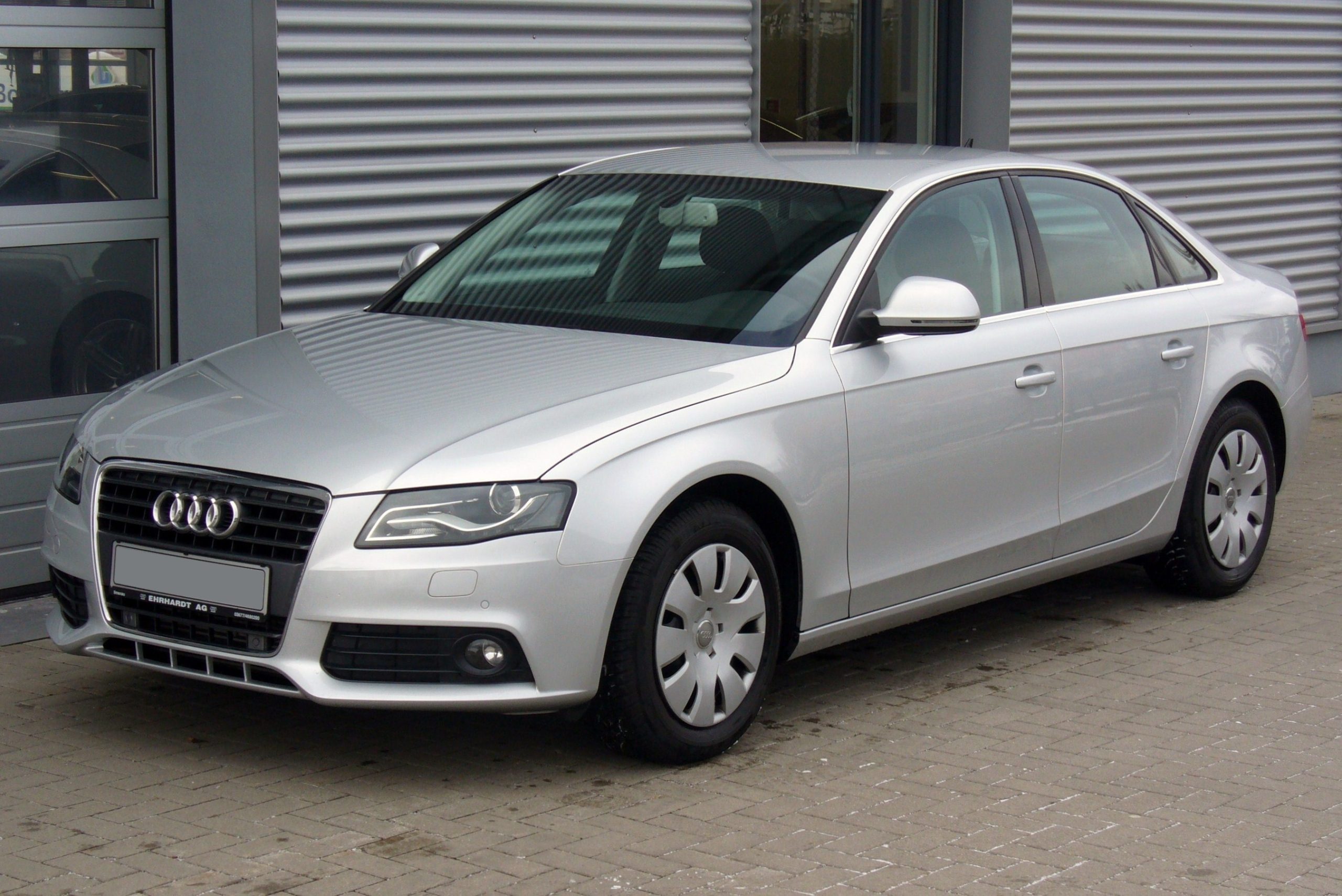
5. Audi A4: Compact Luxury With Strong Safety Technology
The Audi A4 has been a popular choice among drivers who want German engineering in a compact luxury sedan. It combines sophisticated interior design, responsive handling, and advanced technology.
While German luxury vehicles are sometimes assumed to be expensive to insure, the A4’s balanced size, safety features, and driving characteristics can contribute to competitive insurance costs for certain drivers.
The A4’s engineering focuses on creating a comfortable and controlled driving experience. Audi uses advanced construction techniques and technology to provide stability and driver confidence.
Safety features such as available driver assistance systems help reduce collision risks by supporting awareness and reaction times. These systems play an increasingly important role in modern insurance evaluations.
Vehicle size can also affect insurance considerations. Larger luxury sedans and high-performance models may involve greater repair expenses or higher replacement costs.
The A4 occupies a smaller luxury segment, which can make it more practical from an ownership perspective. Its compact design provides premium features without reaching the cost levels associated with some larger executive sedans.
Maintenance and repair expenses remain important when considering insurance, but insurance pricing depends on more than individual repair bills. Claim frequency, accident severity, theft rates, and owner behavior all contribute to final premiums. The A4 benefits from being a widely recognized model with years of data available for insurers to evaluate.
The Audi A4 shows how a luxury badge does not automatically create excessive insurance costs. Drivers who maintain clean records and select appropriate coverage may find that owning a premium sedan is more affordable than expected. Careful comparison shopping remains important because insurance prices can differ significantly between individuals.
- Engine: 2.0-liter turbocharged 4-cylinder (530i), 3.0-liter turbocharged inline-6 (540i), plug-in hybrid options available
- Horsepower: Around 255 hp (530i), up to 375 hp (540i)
- Torque: Around 295 lb-ft (530i), up to 398 lb-ft (540i)
- Length: Around 199.2 inches
- Width: Around 74.9 inches
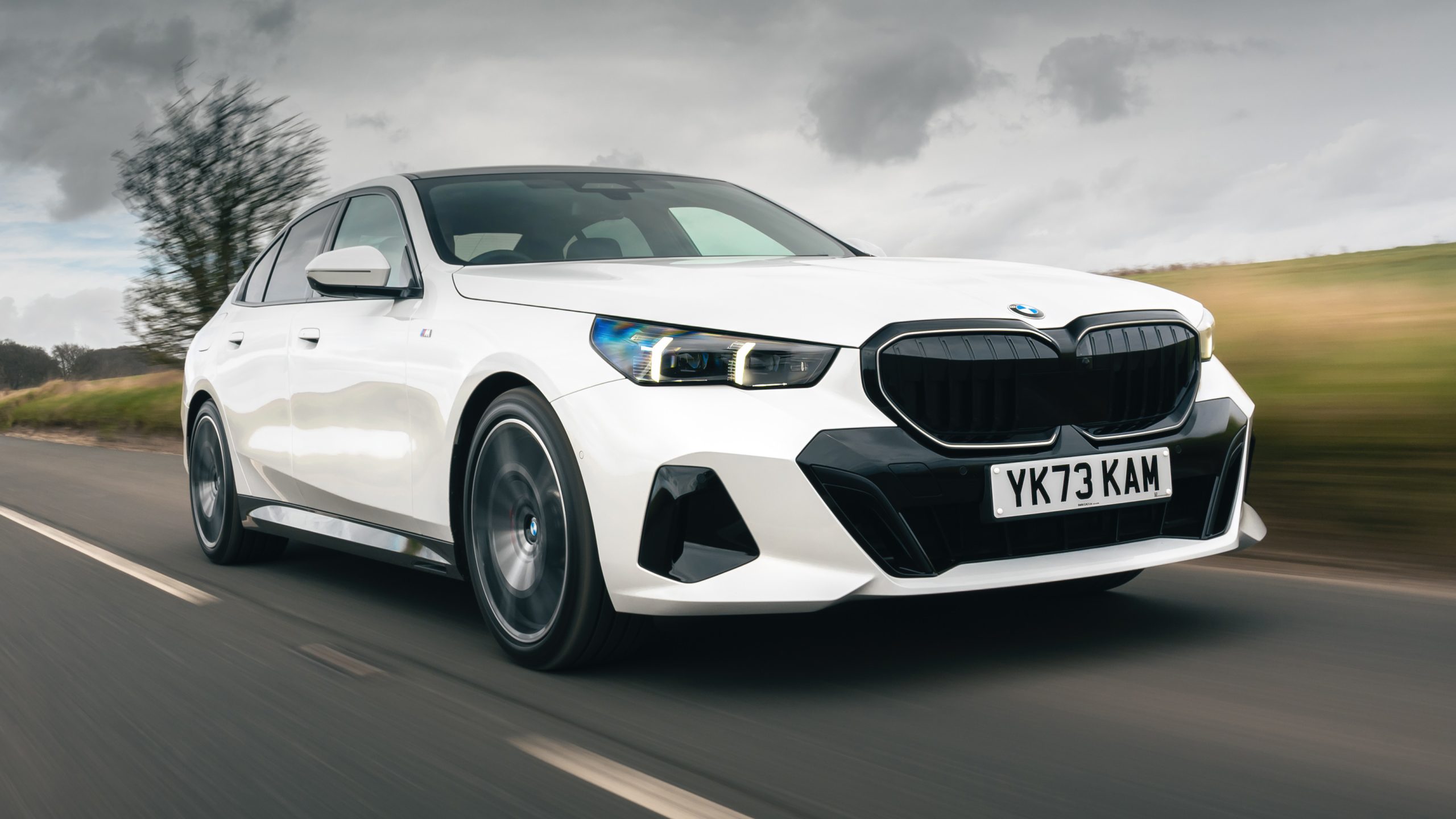
6. BMW 5 Series: Executive Comfort With Competitive Insurance Possibilities
The BMW 5 Series has represented executive luxury for decades, offering refined performance, advanced technology, and premium comfort.
Many consumers assume that a vehicle with BMW branding will always have extremely high insurance costs. However, insurance rates depend on several variables, and certain versions of the 5 Series can offer reasonable coverage expenses for qualified drivers.
The 5 Series includes extensive safety technology designed to support modern driving conditions. Systems that monitor traffic, assist with lane positioning, and provide emergency braking support contribute to safer operation.
Insurance companies examine how these technologies affect accident patterns. A luxury vehicle equipped with advanced protective features may perform differently in insurance assessments than expected.
Another important factor is the type of driver attracted to the 5 Series. Many owners purchase the sedan for professional transportation, comfort, and long-distance travel.
Drivers who use their vehicles responsibly and maintain good records often receive better insurance rates regardless of the car they own. Individual risk factors remain more important than a vehicle’s luxury classification.
BMW also offers multiple versions of the 5 Series, ranging from comfort-focused models to performance-oriented variants. Insurance costs can differ significantly depending on engine choice, trim level, and equipment.
Lower-performance versions may have different risk profiles compared with high-powered models designed for maximum speed and handling.
The BMW 5 Series challenges the assumption that premium vehicles always create expensive insurance bills. While ownership costs should still be considered carefully, the sedan demonstrates that luxury, technology, and reasonable insurance pricing can exist together. Buyers should compare real insurance estimates before making decisions based on general assumptions.
- Engine: 2.0-liter turbocharged 4-cylinder mild hybrid engine (E 350), 3.0-liter turbocharged inline-6 mild hybrid (higher trims)
- Horsepower: Around 255 hp (E 350), higher trims exceed 375 hp
- Torque: Around 295 lb-ft (E 350), higher trims exceed 369 lb-ft
- Length: Around 194.9 inches
- Width: Around 81.5 inches (including mirrors, approximately 74.8 inches without mirrors)
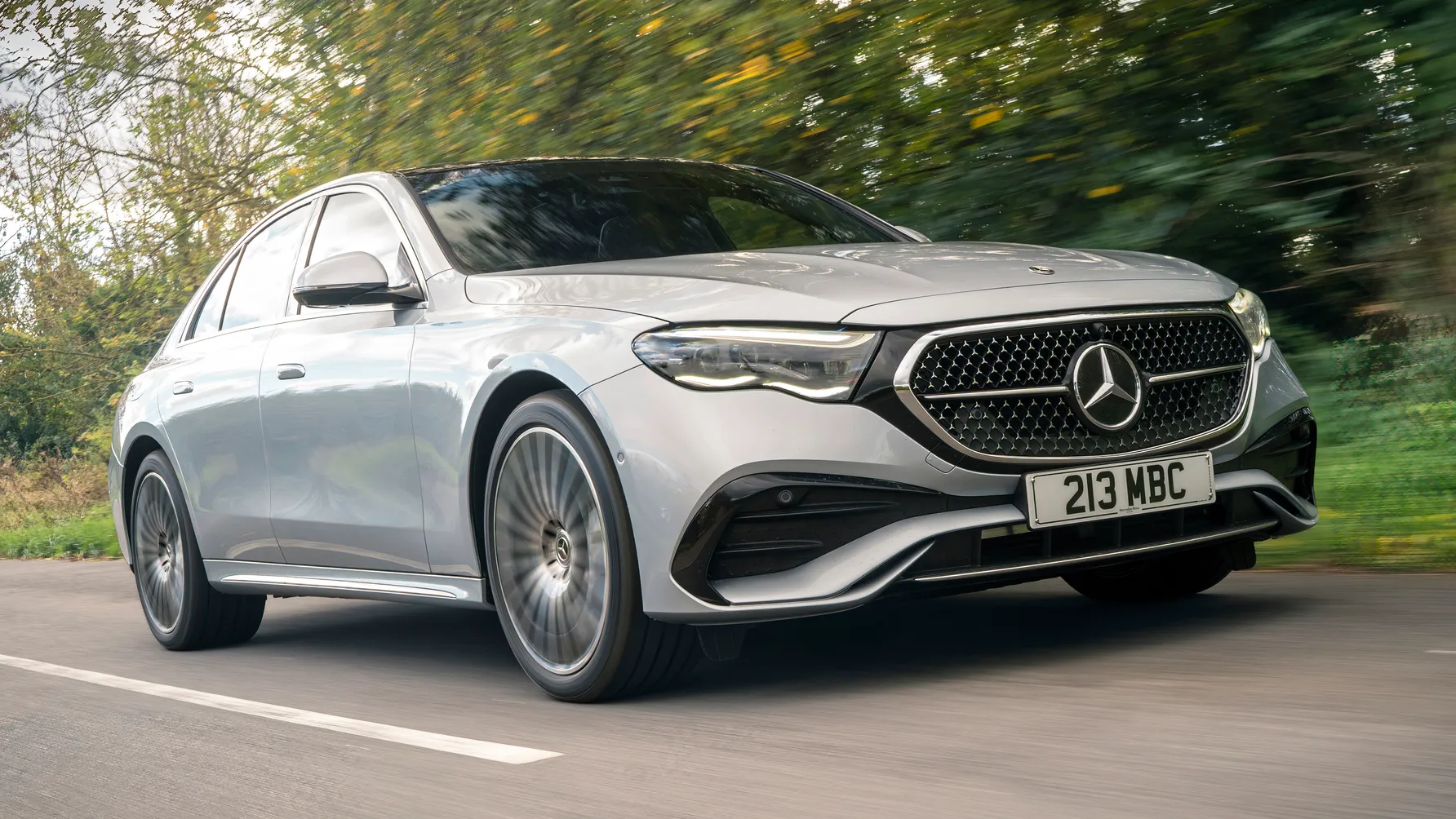
7. Mercedes-Benz E-Class: Traditional Luxury With Modern Safety Benefits
The Mercedes-Benz E-Class has long been recognized as a symbol of executive transportation, combining advanced engineering, comfort-focused design, and premium craftsmanship.
Many drivers assume that owning a Mercedes automatically leads to high insurance premiums because of the brand’s luxury reputation and sophisticated technology. However, insurance pricing depends on a wide range of details, and certain E-Class models can deliver surprisingly reasonable coverage costs for suitable drivers.
Safety has always been a major focus for Mercedes-Benz, and the E-Class includes numerous systems designed to support driver awareness and reduce collision risks. Modern versions offer technologies such as automatic emergency braking, adaptive cruise assistance, blind spot monitoring, and other driver support features.
These systems can help reduce accident frequency and improve occupant protection, which are important factors considered by insurance providers when reviewing vehicle risk.
The E-Class also benefits from a reputation for solid construction and advanced safety engineering. A vehicle’s ability to protect passengers during a crash can influence the financial impact of insurance claims.
While luxury repairs can involve higher expenses due to premium components, reduced injury risk and strong safety performance may balance some of those costs. Insurance companies evaluate the complete picture rather than focusing on a single factor.
Ownership behavior plays a significant role in insurance calculations. The typical E-Class buyer often chooses the sedan for business travel, comfort, and long-term ownership rather than aggressive driving.
Many owners maintain their vehicles carefully and follow recommended service schedules. These patterns can contribute to more favorable insurance statistics compared with vehicles commonly associated with higher-risk driving behavior.
The Mercedes-Benz E-Class demonstrates why assumptions about luxury vehicles and insurance costs can sometimes be inaccurate. A premium sedan with advanced engineering may still provide manageable insurance expenses depending on personal circumstances.
Drivers interested in an E-Class should compare quotes based on their own details because rates can vary significantly between individuals and locations.
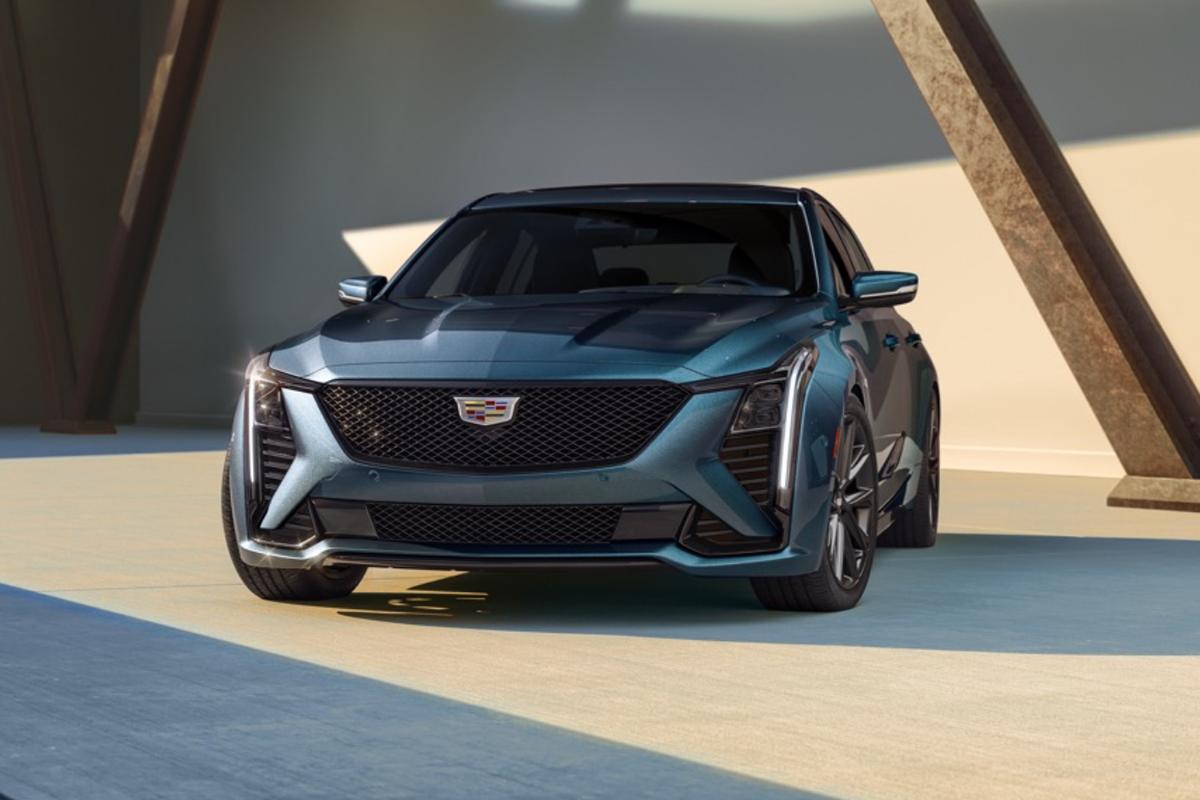
- Engine: 2.0-liter turbocharged 4-cylinder engine, optional 3.0-liter twin-turbocharged V6
- Horsepower: 237 hp (2.0T), 335 hp (V6), up to 360 hp (CT5-V)
- Torque: 258 lb-ft (2.0T), 405 lb-ft (V6), up to 405 lb-ft (CT5-V)
- Length: 193.8 inches
- Width: 74.1 inches
8. Cadillac CT5: American Luxury With Practical Insurance Factors
The Cadillac CT5 represents a modern approach to American luxury sedans, offering stylish design, comfortable performance, and advanced technology.
Cadillac has a long history of producing premium vehicles, and the CT5 continues that tradition with features designed for both everyday commuting and long-distance driving. While luxury sedans are often expected to have expensive insurance rates, the CT5 shows how vehicle design and ownership patterns can influence coverage costs.
The CT5 includes safety systems that support accident prevention and driver awareness. Available features include automatic emergency braking, lane assistance technology, rear traffic alerts, and other protective systems.
Insurance companies evaluate these technologies because preventing collisions or reducing their severity can affect claim expenses. A vehicle equipped with modern safety equipment may receive a different assessment than its price category suggests.
Repair costs are a consideration for every vehicle, especially luxury models. The CT5 uses a combination of advanced technology and premium materials, but Cadillac benefits from a broad service network and established manufacturing experience.
Accessibility of repairs and availability of parts can influence how insurers calculate potential claim expenses. The final insurance rate depends on the complete history of the model and the driver.
The CT5 also provides a comfortable driving experience without being positioned exclusively as a high-performance vehicle. Certain versions focus on smooth operation, interior comfort, and everyday usability.
This approach may attract drivers who prioritize convenience and refinement. Insurance companies consider driver behavior trends because vehicles associated with responsible use often have different claim patterns.
For buyers comparing luxury sedans with affordable cars such as the Honda Civic, the Cadillac CT5 highlights the importance of looking beyond purchase price.
A premium sedan can sometimes have competitive insurance costs when safety, ownership habits, and vehicle performance are considered together. The CT5 provides an example of how luxury and practicality can exist in the same vehicle.
Also Read: 5 Cars With the Highest Theft Rates in California & 5 With Lowest