
Buying a newer vehicle often comes with the expectation of years of dependable service, especially when the manufacturer backs it with a powertrain warranty. However, some engines have developed a troubling pattern: they perform well during the warranty period but begin showing serious weaknesses shortly after coverage ends.
Once these vehicles pass the 60,000-mile mark, owners may encounter expensive problems ranging from oil consumption and timing system failures to turbocharger issues, overheating, and complete engine damage. These failures can turn an affordable used vehicle into a costly repair project.
In this article, we take a closer look at eight engines from major manufacturers that have been associated with reliability concerns after their warranty protection expires. Understanding these problem areas can help buyers make smarter decisions, avoid unexpected repair bills, and recognize which engines may require extra care as mileage climbs.
1. General Motors 2.4L Ecotec (I4)
Introduced as a fuel-efficient four-cylinder option for a wide range of General Motors vehicles, the 2.4L Ecotec engine was designed to deliver a balance of performance and economy. However, over time, it became associated with numerous reliability concerns, particularly in models such as the Chevrolet Equinox, GMC Terrain, Chevrolet Malibu, and Buick Verano.
Many reported failures tend to appear around the 70,000–90,000-mile range, a period that often falls beyond the coverage of GM’s standard 5-year/60,000-mile powertrain warranty. As a result, many owners have faced costly repairs for major engine issues that develop after warranty protection has ended.
The engine’s biggest issue is excessive oil consumption caused by defective low-tension piston rings. These allow oil to enter the combustion chamber, causing the engine to burn oil rapidly, sometimes a quart every 1,000 miles or less. If owners fail to monitor oil levels regularly, the engine can suffer oil starvation, accelerating wear on critical components.
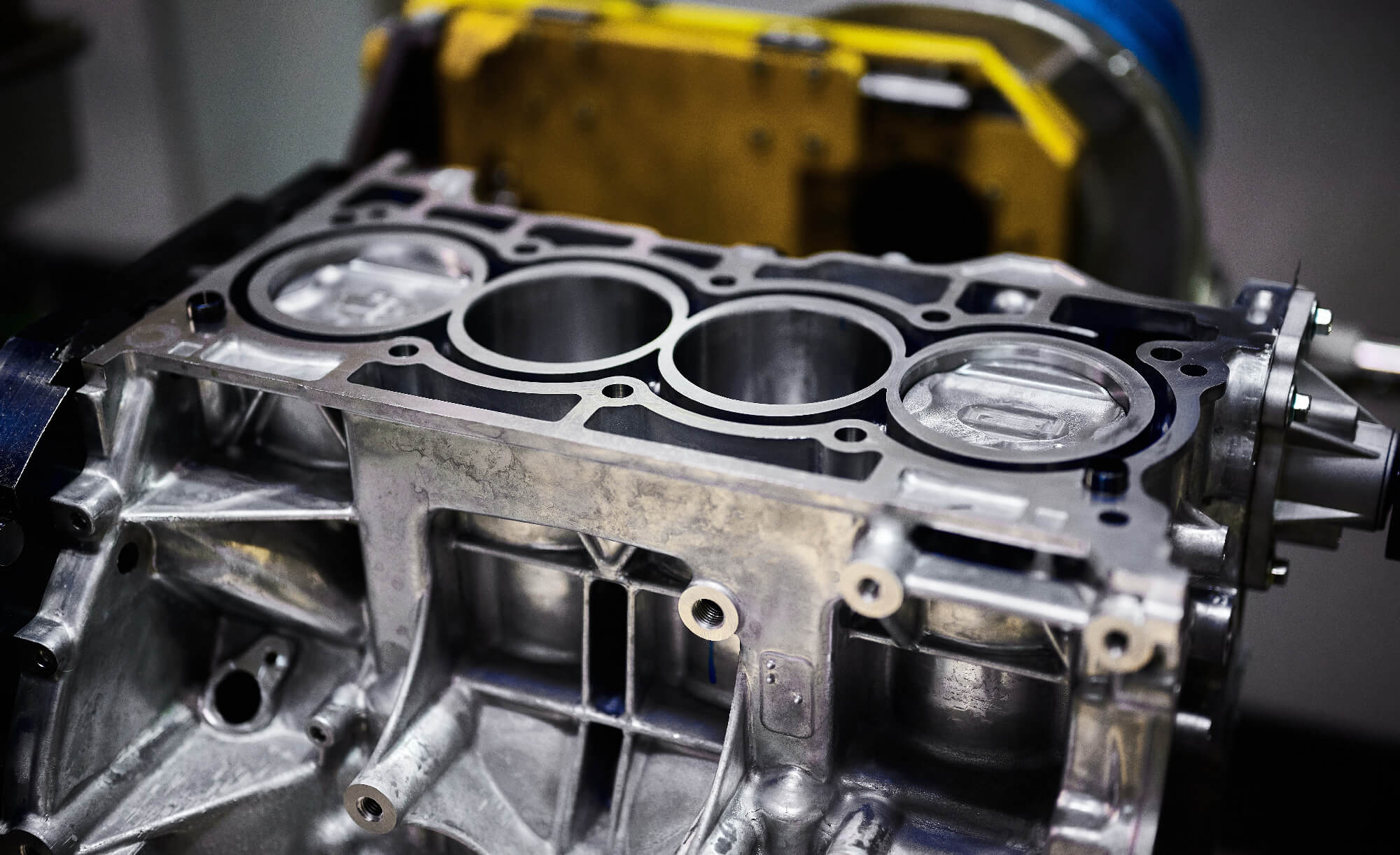
Another major weakness is the timing chain system. Faulty tensioners and chain guides can lead to chain stretching, failure, or jumping timing, which may result in piston-to-valve contact and complete engine damage. Additional problems include PCV system failures in cold climates, which can create pressure buildup and cause oil seal leaks. Direct-injection versions may also develop heavy carbon deposits on intake valves, leading to rough idling, misfires, and reduced performance.
The most problematic models are generally from 2010–2015, particularly 2010–2013 vehicles. Due to its combination of oil consumption, timing chain failures, and carbon buildup issues, the 2.4L Ecotec is considered a below-average engine in terms of long-term reliability. Owners often face significant repair costs once these failures occur outside warranty coverage.
2. Hyundai/Kia Theta II 2.4L GDI & 2.0L Turbo
Once considered a modern and efficient engine option for Hyundai and Kia vehicles, the Theta II family, including the 2.4L GDI and 2.0L Turbo variants, later became known for recurring durability issues. These engines powered several high-volume models such as the Hyundai Sonata, Hyundai Santa Fe, and Kia Optima, but numerous owners reported serious failures as mileage increased.
While extended warranty programs helped cover some original owners affected by engine problems, many drivers who purchased used vehicles or reached the end of their coverage period faced the burden of expensive repairs and engine replacements.
The primary reliability concern is connecting rod bearing failure caused by manufacturing defects. During production, metal debris left inside the crankshaft oil passages can restrict proper oil flow to the bearings. Over time, this lack of lubrication causes excessive wear, metal contamination, and possible engine seizure. In severe cases, the connecting rod can break and puncture the engine block, resulting in complete engine replacement.
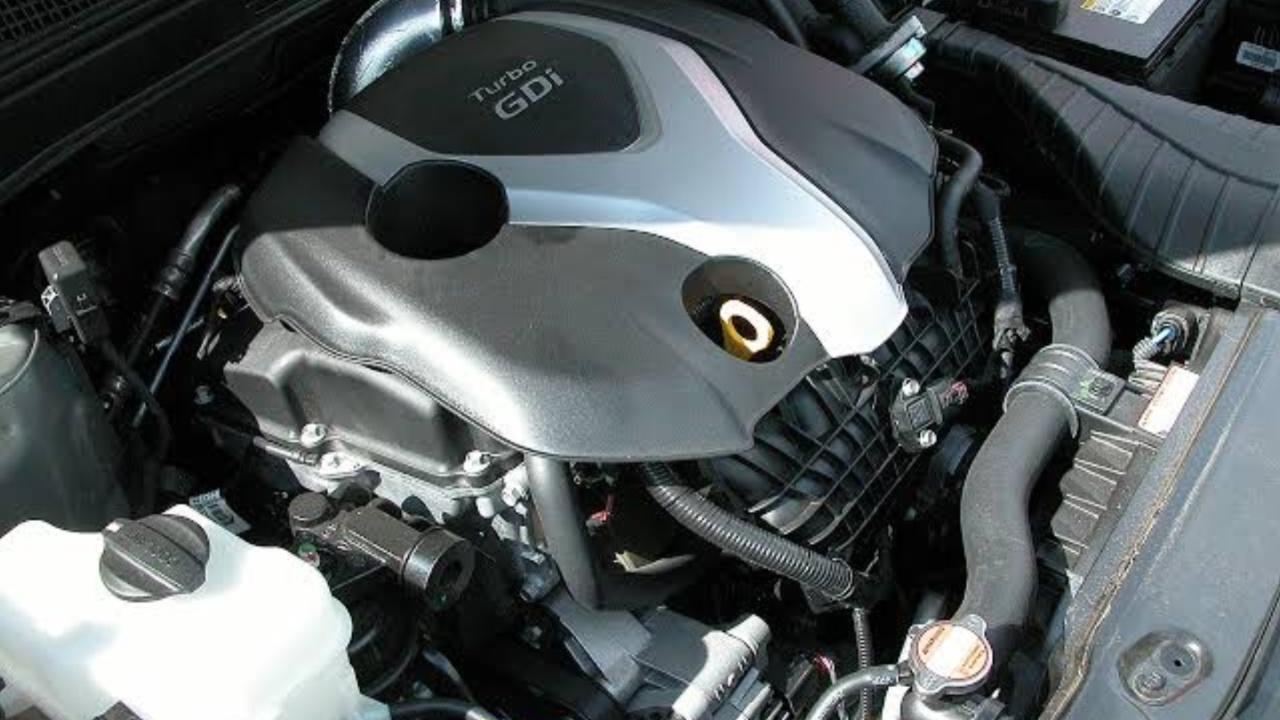
Additional issues include high oil consumption caused by worn piston rings and PCV system problems, which can reduce oil levels and increase the risk of internal damage. The Gasoline Direct Injection (GDI) design also contributes to carbon buildup on intake valves because fuel does not naturally clean these surfaces, leading to rough idling, misfires, and reduced performance.
Models produced between 2011 and 2019 experienced the highest number of reported failures, resulting in recalls, legal settlements, and extended warranty programs. Regular oil changes, upgraded filters, and periodic intake valve cleaning may help improve longevity, but the Theta II engines remain associated with serious long-term reliability concerns.
3. Ford 1.5L / 1.6L EcoBoost (I4)
Designed to deliver turbocharged power with improved efficiency, Ford’s 1.5L and 1.6L EcoBoost engines became widely used in models such as the Ford Escape and Ford Fusion. Despite their focus on performance and fuel savings, these engines later gained attention due to recurring reports of significant reliability concerns.
Many owners have experienced major engine-related problems as mileage increases, with failures frequently occurring around 65,000 to 85,000 miles. This timing often places repairs beyond Ford’s standard 5-year/60,000-mile powertrain warranty coverage, leaving many drivers responsible for expensive repair costs.
The most significant issue involves coolant intrusion caused by weaknesses in the engine block design. Coolant can enter the combustion chambers through cracks or head gasket failures, resulting in symptoms such as misfires, rough operation, white exhaust smoke, overheating, and possible engine failure. In severe cases, coolant accumulation can cause hydro-locking or require costly short-block replacement.
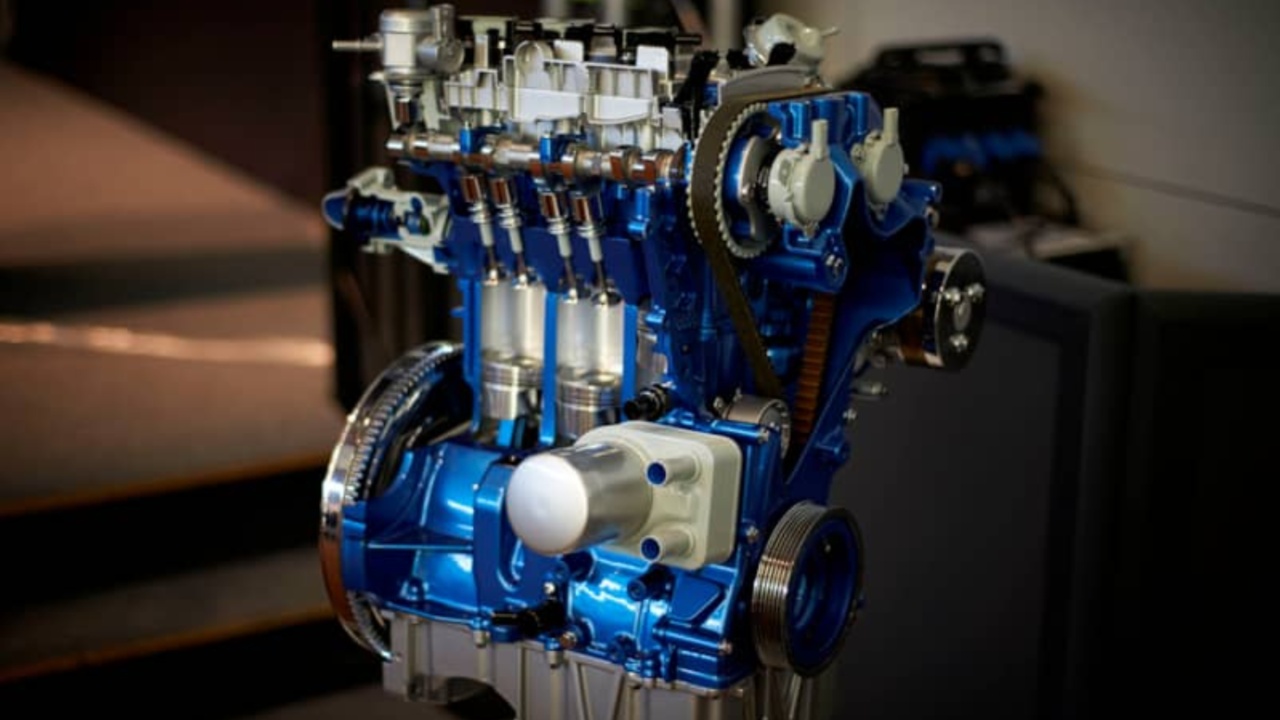
The 2013 to 2014 1.6L EcoBoost models faced major recalls related to overheating and fire risks, while later versions addressed some issues but continued to experience durability concerns. The 1.5L EcoBoost engine also shared similar coolant intrusion problems, especially in mid-2010s Ford Escape applications. Careful maintenance and thorough inspections are important for owners of vehicles equipped with these engines.
4. BMW N20 / N26 2.0L Turbo (I4)
Found in several popular BMW models between 2012 and 2017, the N20 and N26 2.0L turbocharged four-cylinder engines were designed to offer a balance of performance, efficiency, and everyday drivability. These engines powered vehicles such as the BMW 328i, 428i, and X3, delivering strong acceleration while maintaining competitive fuel economy.
However, as these powertrains accumulated mileage, many owners reported recurring reliability issues that could lead to expensive repairs. Problems often become more common around the 60,000 to 75,000-mile range, which is typically beyond BMW’s original 4-year/50,000-mile factory warranty period.
The most serious issue involves premature timing chain guide failure. Early versions used plastic guide components that could wear, crack, and break apart over time. When the guides fail, the timing chain can become loose, skip timing, or break completely. Since the N20 and N26 are interference engines, a failed timing chain can result in severe internal damage, including bent valves and damaged pistons.
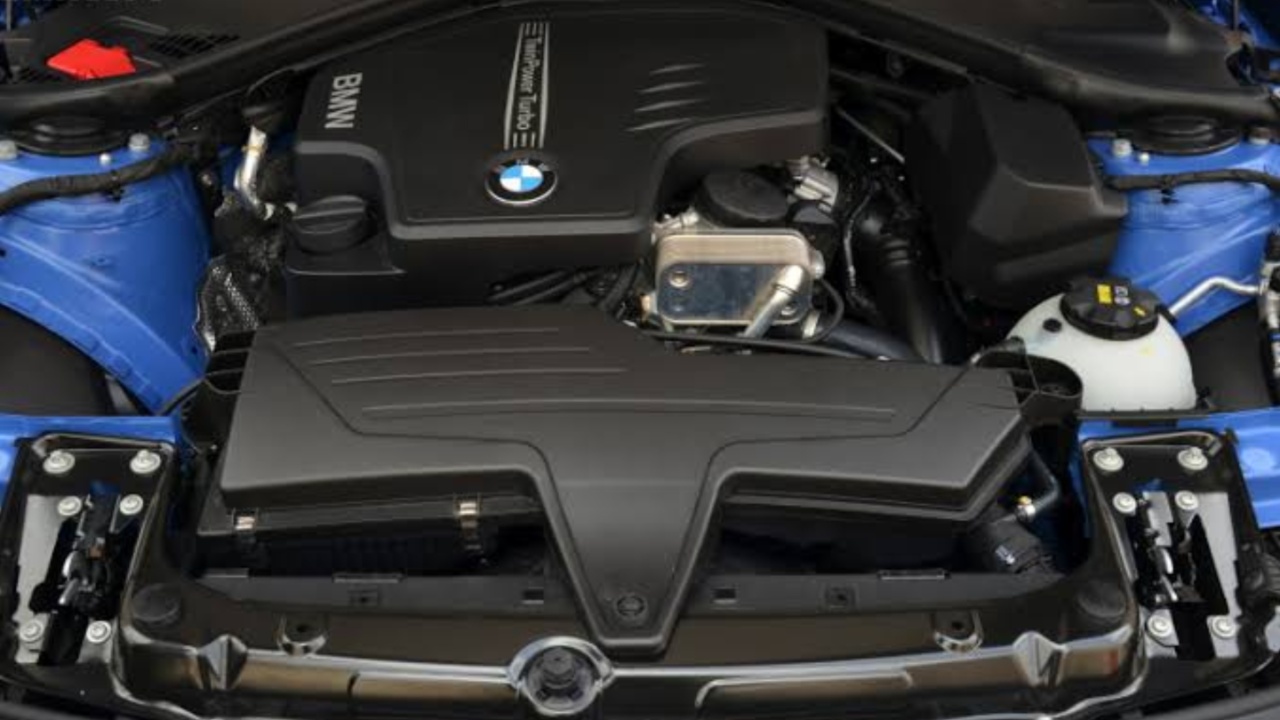
Other common problems include oil leaks from aging valve cover and oil filter housing gaskets, electric water pump failures that can cause overheating, and turbo oil feed line issues. BMW introduced updated timing chain components in early 2015, making later models more desirable for long-term ownership.
For buyers considering an older N20 or N26 vehicle, verifying maintenance records is important, especially regarding timing chain replacement. Regular oil changes at shorter intervals than BMW’s extended recommendations can also help protect the timing system, turbocharger, and other engine components.
5. Honda 1.5L Turbo (Earth Dreams)
Honda’s 1.5-liter Earth Dreams turbo engine was developed to meet the growing demand for smaller, more efficient powertrains while maintaining the performance expected from the brand. Found in widely driven models such as the Civic, CR-V, and Accord, the engine offers strong acceleration and impressive fuel economy.
However, its reputation has been affected by a number of reported reliability concerns that have surfaced during long-term ownership. Problems related to fuel dilution, carbon buildup, and occasional head gasket failures have raised questions about durability, especially as these engines accumulate higher mileage. As a result, buyers considering vehicles equipped with this turbocharged engine should pay close attention to maintenance records and operating conditions.
The primary issue involves unburned gasoline entering the crankcase, especially during frequent short-distance driving in cold weather. Fuel can pass the piston rings and mix with engine oil, reducing oil viscosity and weakening lubrication for critical components such as the turbocharger bearings and valvetrain.
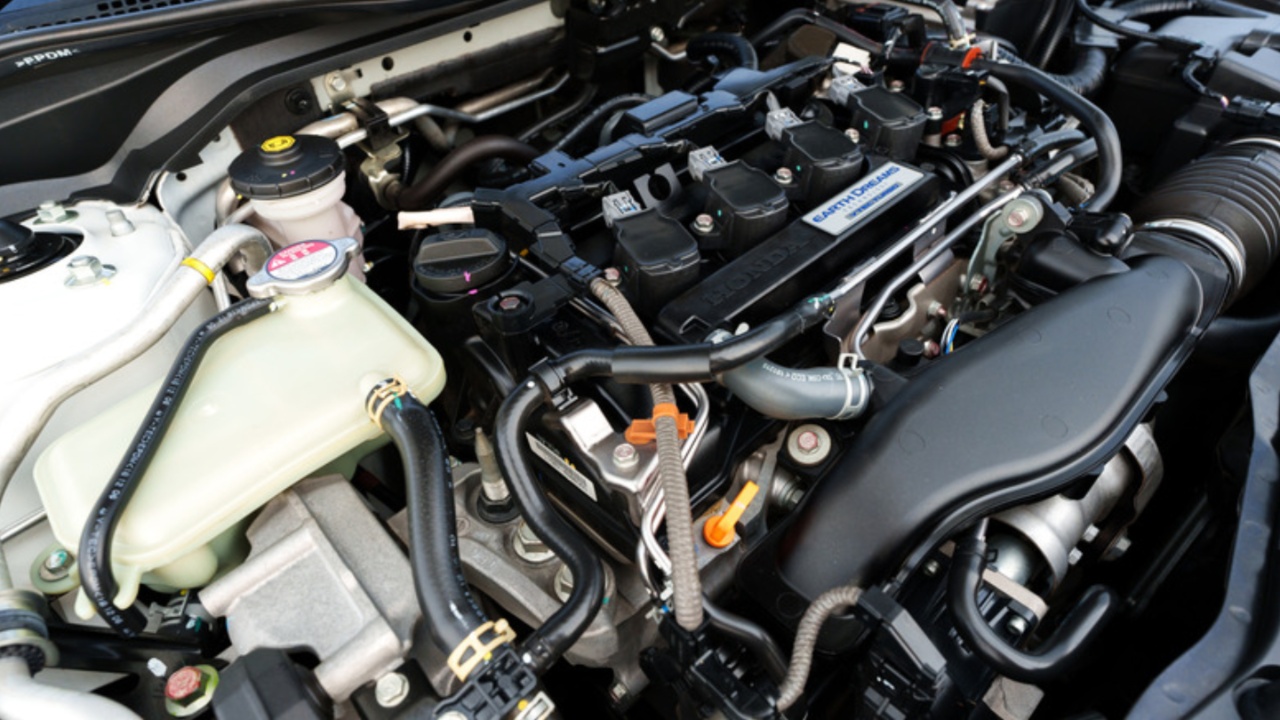
Over time, this may contribute to accelerated wear, cylinder wall damage, and expensive engine repairs. Complaint patterns often increase between 50,000 and 75,000 miles, a range that can leave used-car buyers exposed after factory warranty coverage ends.
Higher-boost applications, particularly in heavier vehicles like the CR-V and Accord, have also reported increased cases of head gasket problems, sometimes associated with cooling system design limitations. Additionally, the direct-injection system can create carbon buildup on intake valves, reducing efficiency over time.
To maintain reliability, owners should follow strict oil change intervals, use recommended fuel quality, replace spark plugs regularly, and monitor oil condition closely. While the Honda 1.5L Turbo offers impressive fuel economy and responsive performance, buyers seeking maximum long-term durability should carefully consider maintenance history and usage conditions.
Also read: 10 Engines With Almost No Reported Catastrophic Failures
6. Audi/Volkswagen EA888 2.0T (Gen 1 & 2)
The early Volkswagen Group EA888 2.0T turbocharged engines, found in models such as the Volkswagen GTI, Jetta, Audi A4, and Audi Q5, deliver strong performance and tuning potential but suffer from several major reliability weaknesses. Failures commonly occur between 60,000 and 80,000 miles, often shortly after factory warranties expire.
Early EA888 2.0T engines are most vulnerable to failures involving their timing system and oil management. The original timing chain tensioner design is a major weak point, as its unreliable mechanism can lose chain tension unexpectedly, leading to chain slip and devastating valve and piston damage. In addition, many Gen 2 engines suffer from excessive oil usage caused by inefficient piston rings, allowing oil to burn inside the combustion chamber and increasing the risk of oil depletion and long-term engine wear.
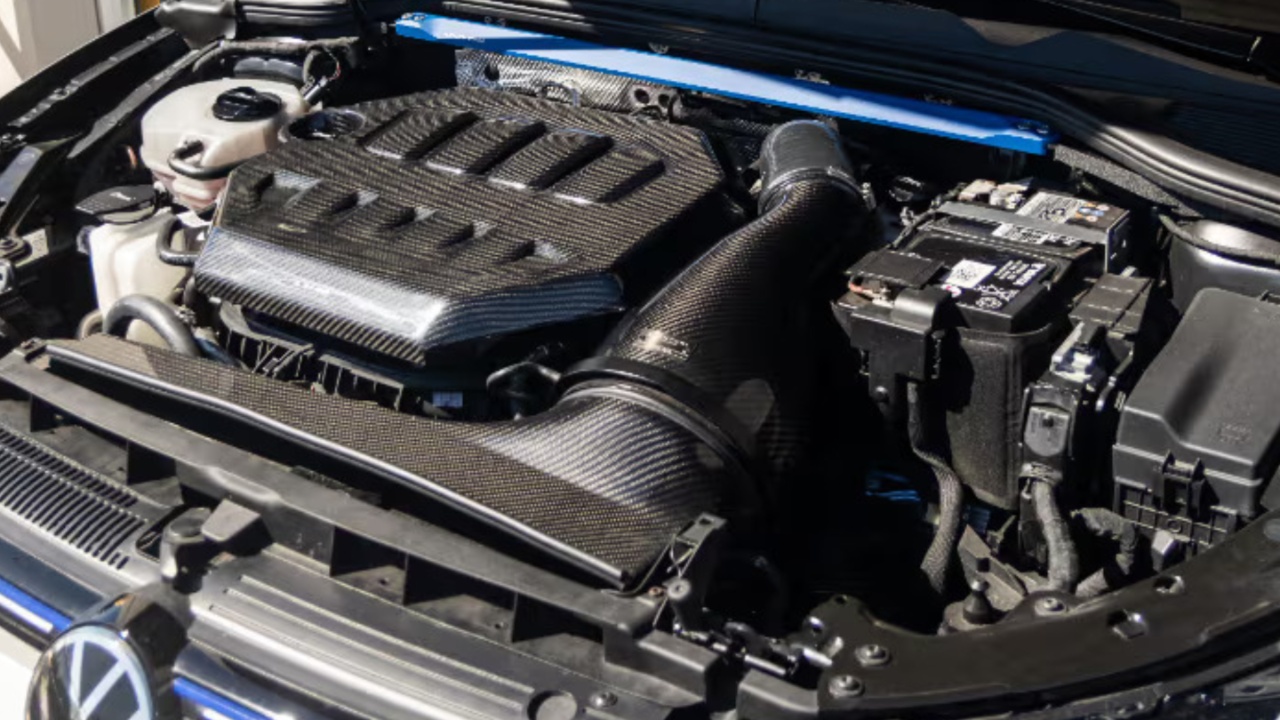
These engines also experience carbon buildup due to direct injection, as fuel does not clean the intake valves. This can lead to rough idling, misfires, and reduced performance. Additional common failures include leaking plastic water pump housings and faulty PCV valves, which can create coolant leaks, oil leaks, and unstable engine operation.
To improve reliability, owners should replace early timing chain tensioners with updated designs, check oil levels frequently, and shorten oil change intervals to around 5,000–7,000 miles. Regular intake valve carbon cleaning through walnut blasting is recommended every 50,000–75,000 miles. Upgrading weak plastic cooling components with stronger aftermarket alternatives can also help extend engine life and prevent costly repairs.
7. Early Subaru FB25 2.5L Non-Turbo Engine
The Subaru FB25 2.5L naturally aspirated Boxer engine, used in vehicles like the Forester, Outback, and Legacy from around 2011 to 2018, was designed as a modern replacement for the older EJ-series engines. While it improved on previous issues such as common head gasket failures, early versions gained criticism for excessive oil consumption and internal component wear, which raised concerns about long-term durability among owners.
The biggest concern with early FB25 engines is excessive oil burning, particularly in 2011–2014 models. Poor piston ring design and machining characteristics can allow oil to pass into the combustion chamber, leading to consumption rates that may exceed one quart every 1,000 miles. Since these issues often become noticeable after the factory warranty period, many owners face expensive repairs, including short-block replacements.
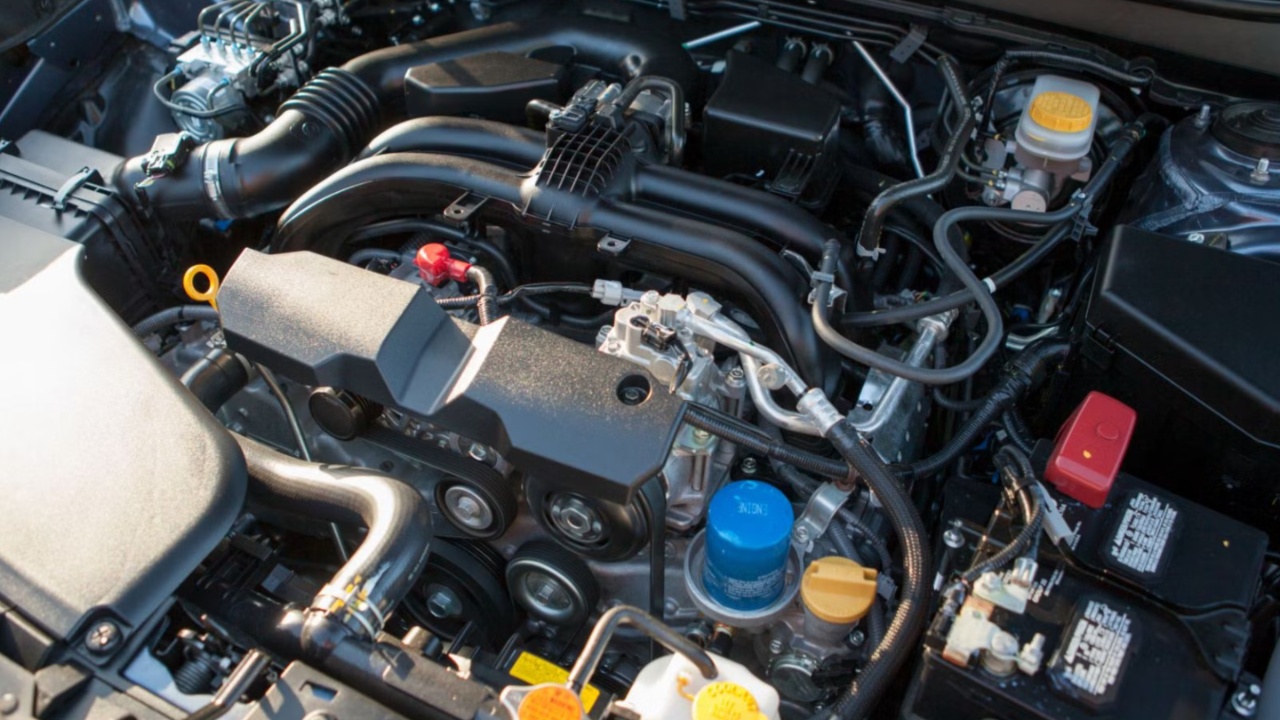
Additional reliability concerns include leaking timing chain covers caused by aging sealant and premature wear of plastic timing chain guides. Running the engine with low oil levels can increase stress on timing components and contribute to further damage.
The FB25 can provide dependable service when maintained carefully. Regular oil level checks are important, especially between oil changes, to prevent damage caused by oil starvation. Using shorter oil change intervals of approximately 3,000–5,000 miles can also help protect the piston rings, timing system, and internal engine components. Proper maintenance is key to reducing common failures and extending the engine’s service life.
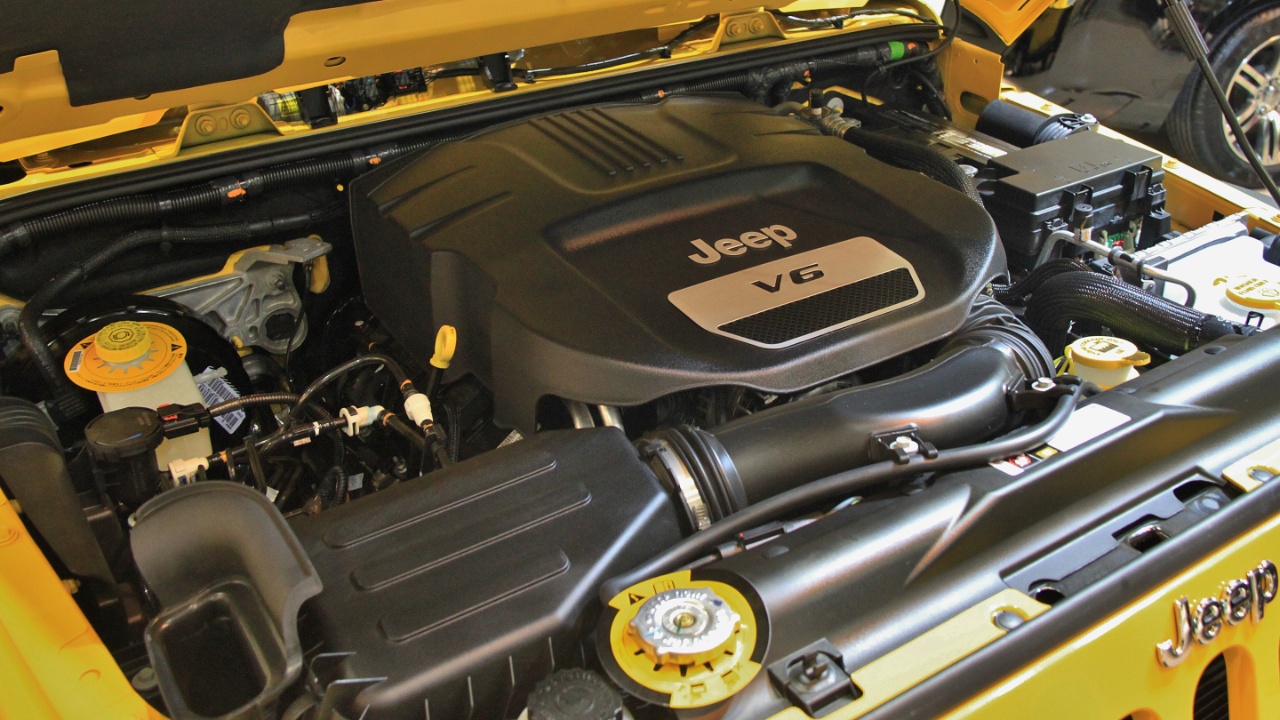
8. Chrysler / Jeep 3.6L Pentastar V6
The Chrysler/Jeep 3.6L Pentastar V6, widely used in vehicles such as the Jeep Wrangler, Grand Cherokee, and Dodge Charger, is generally a strong and capable engine, but early-to-mid 2010s models developed several notable reliability concerns. Most major failures appear between 70,000 and 90,000 miles, often after the factory powertrain warranty period has expired.
The most recognized issue is the “Pentastar tick,” caused by rocker arm needle bearings wearing out or seizing. When this happens, damaged rocker arms can score the camshaft lobes, creating a loud ticking sound. If ignored, metal debris can circulate through the engine, resulting in severe valvetrain damage, misfires, compression loss, and potential engine failure.
Early production years, especially 2011–2013 models, also suffered from left cylinder head valve seat failures. This defect could cause overheating of the #2 cylinder valve seat, leading to ticking noises, misfires, and cracked cylinder heads. Chrysler later improved the design and provided extended warranty coverage for affected vehicles.
Another common issue is the plastic oil filter housing/cooler assembly, which can warp and crack from repeated heat cycles, causing oil and coolant leaks. Many owners replace it with a more durable aluminum aftermarket housing.
Despite these weaknesses, the Pentastar V6 can achieve 200,000–250,000+ miles with proper maintenance. Regular oil changes every 5,000 miles and checking for unusual ticking noises during cold starts are essential. Buyers should be cautious with early 2011–2012 models unless documented repairs have been completed.
Also read: 5 Engines Okay With Skipped Oil Changes vs 5 That Die From One
