
Your key fob sits on the kitchen counter, ten feet from your driveway, and that’s exactly the problem. Car theft has gone digital, and the tools criminals use today have little to do with coat hangers or slim jims. According to the Highway Loss Data Institute and advisories issued by police departments across the country, keyless entry systems have opened a new door for thieves who understand electronics better than most mechanics do.
Some of these vehicles can be driven away in less time than it takes to read this paragraph. Understanding how these methods work the first step is toward protecting your car, your driveway, and your peace of mind. Here are eight tricks worth knowing about right now.
1. Dual-Thief Signal Relaying (Relay Attack)
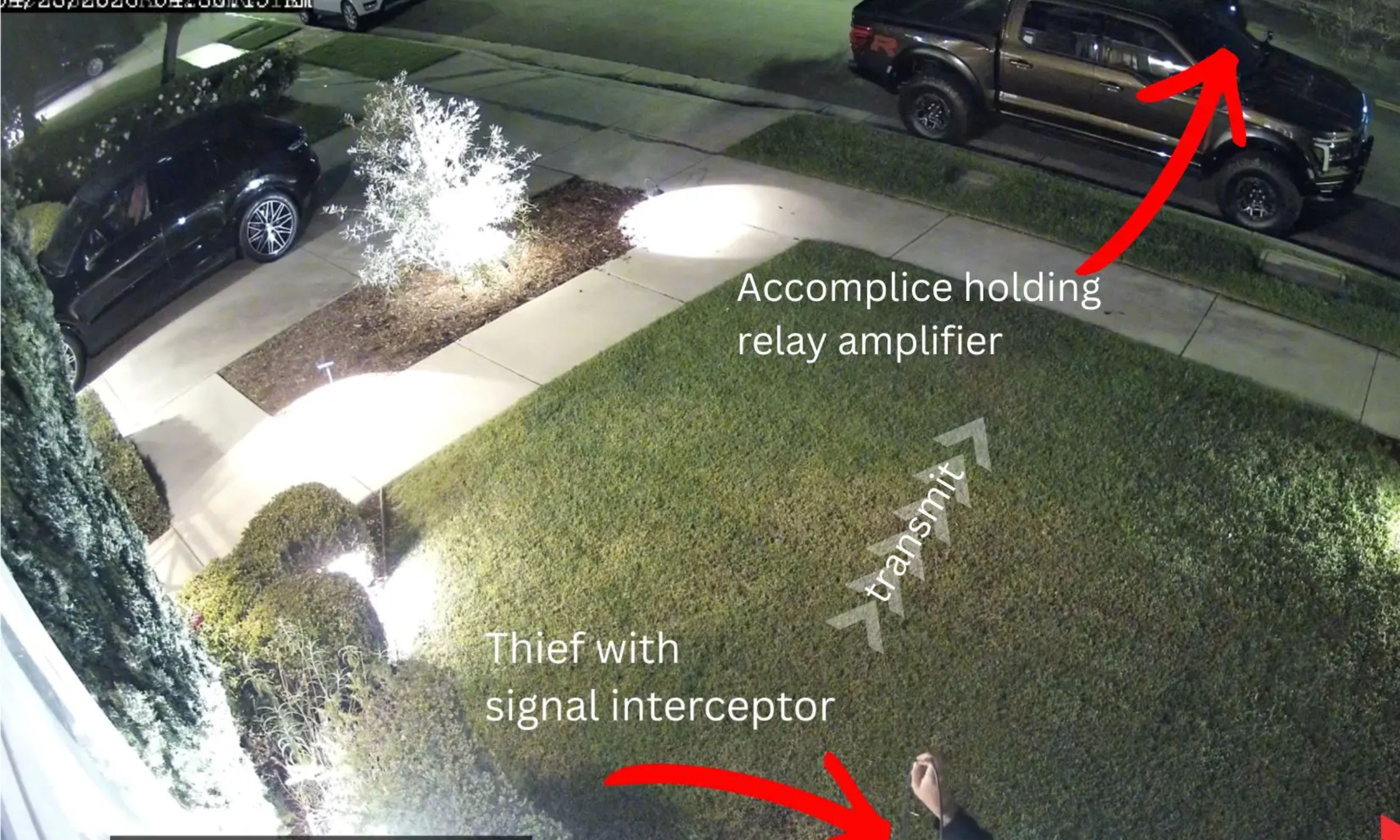
Imagine two thieves working together without touching the vehicle owner’s fob. One stays close to the front of the house while the other waits beside the parked vehicle. Using electronic equipment, the first person picks up the wireless signal coming from the fob inside the building.
That signal is then transmitted to the second device beside the vehicle. The car receives what appears to be a genuine signal from an authorized fob nearby, so it unlocks the doors and allows the engine to start. The entire process can take only a few seconds, and there is usually no need to damage the vehicle or force entry.
From a distance, nothing seems unusual. There are no broken windows, loud alarms, or visible signs that the vehicle has been stolen. Anyone passing by may simply think two people are standing near a parked car before driving away.
Police have released security camera footage showing this method happening very quickly on vehicles fitted with passive keyless entry systems. Those systems are popular because they make daily driving more convenient, but they can also create an opportunity for relay attacks.
Vehicle owners can reduce the risk by storing their fob inside a reliable signal-blocking pouch or placing it well away from doors and windows. Those simple precautions can prevent the wireless signal from reaching criminals waiting outside.
2. Relay Attack Using a Single Portable Relay System
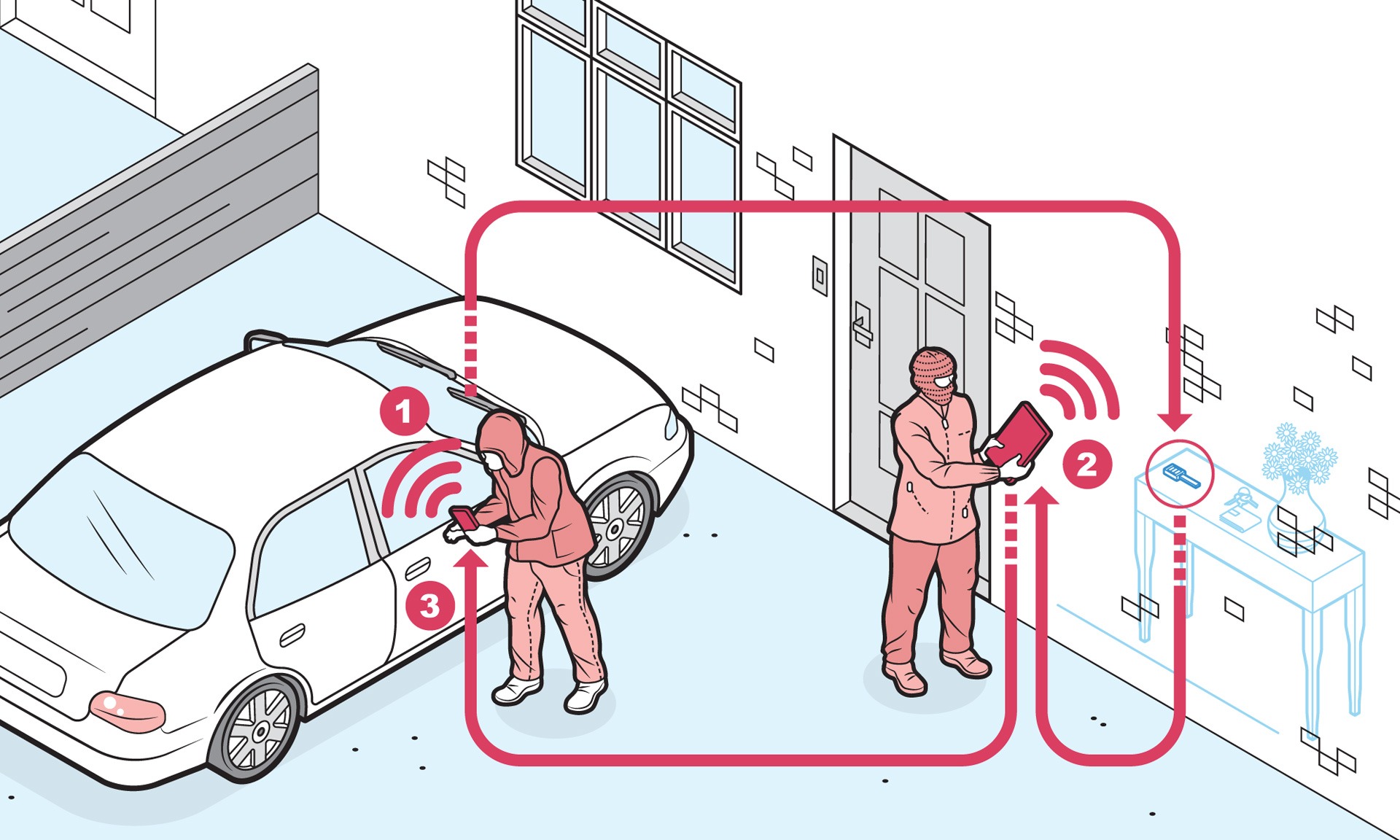
Vehicle theft equipment has become smaller and easier to carry, making certain crimes much easier to carry out. A relay attack once required two people using separate electronic devices to work together. Modern portable equipment combines those functions into a single handheld unit, allowing one person to handle the entire operation.
With fewer people involved, the thief can move more quietly and reduce the chance of attracting attention. Rather than relying on another partner, the operator moves close enough to a house or business to receive the signal from a nearby fob.
Once the signal is picked up, the same device is taken to the vehicle to make it believe the authorized fob is close by. If conditions are right, the doors can unlock, and the engine may start within seconds. Working alone also reduces the risk of mistakes that can happen when two people must coordinate their actions.
Even so, this method has limits. The equipment depends on a strong signal, so the operator usually needs to get much closer to the building where the fob is located. Thick walls, metal doors, poor signal strength, and certain building designs can interfere with the process. Parking inside a locked garage instead of leaving the vehicle on a driveway also makes this method much less effective.
Also Read: Why Key Fob Replacement Went From $5 to $500
3. OBD-II Key Programming
Every modern car has a diagnostic port tucked somewhere under the dashboard, usually within easy reach of the driver’s seat. Mechanics use this port constantly for legitimate repairs and diagnostics, plugging in scanning tools to read error codes or update software.
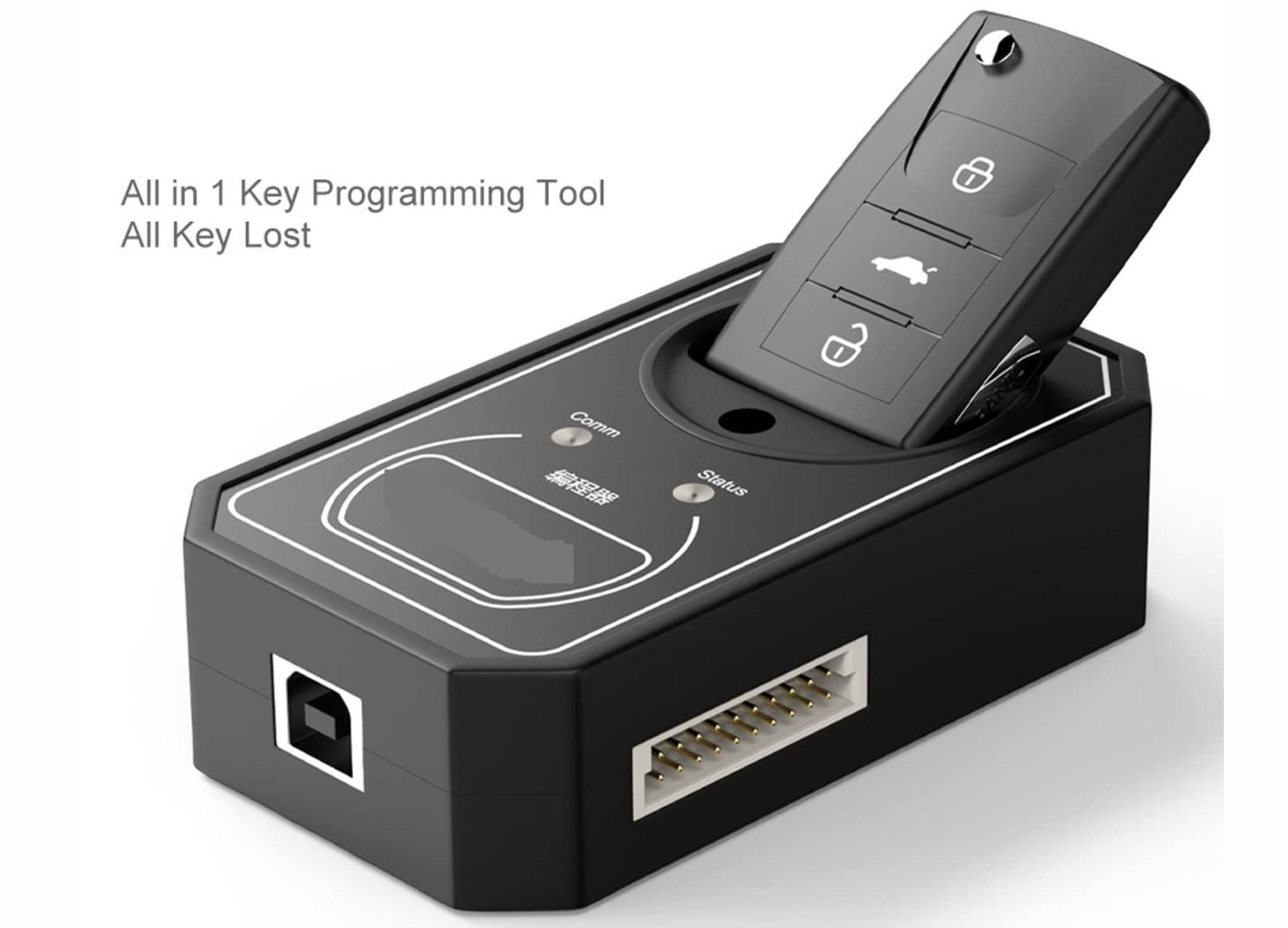
Unfortunately, that same port can be exploited once someone gains physical access to the inside of a vehicle. Specialized programming devices, some of them sold openly online for legitimate locksmith work, allow a person to register a brand new key directly through the car’s own computer system.
Getting inside the car in the first place still requires breaking a window, prying a lock, or finding another way past the initial barrier, so this method typically pairs with a separate break-in technique rather than standing alone.
Once access is gained, though, the process of programming a working key can move remarkably fast on certain makes and models, sometimes in well under a minute. The owner’s original key remains completely untouched throughout this process, which means a stolen vehicle can drive off with two functioning keys in existence, the real one still sitting in someone’s pocket.
Automakers have responded with encrypted diagnostic access and additional authentication steps on newer models, narrowing the pool of vehicles vulnerable to this specific approach. Older vehicles and certain budget trims remain more exposed, according to law enforcement bulletins tracking theft patterns by make and model year.
4. Rolling-Code Interception (RollJam)
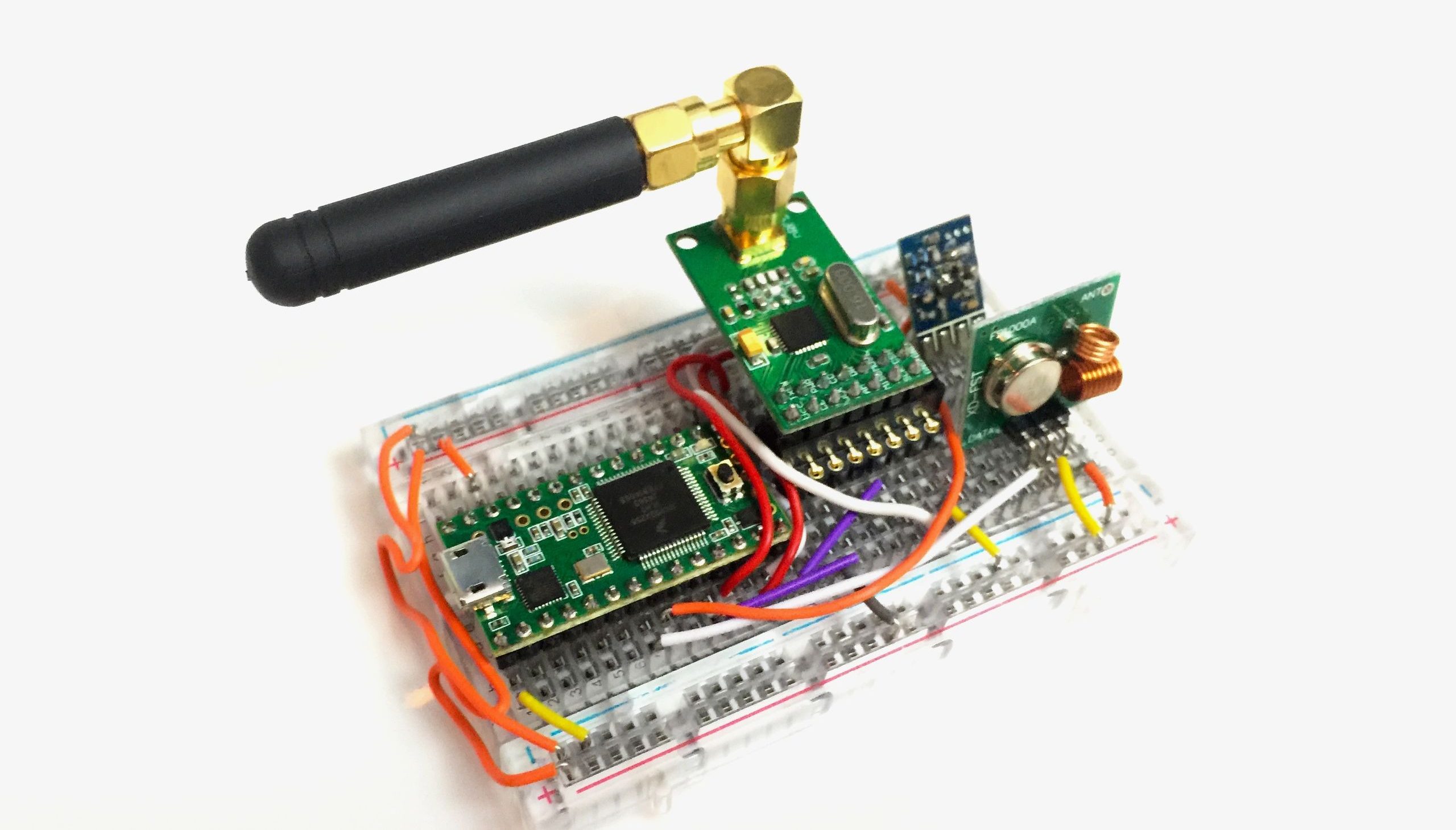
Most modern fobs don’t send the exact same signal every time you press the lock button. Instead, they use what’s called a rolling code, a fresh numeric sequence generated for each use so that a recorded signal becomes useless the moment it’s played back.
RollJam-style attacks were built specifically to get around that protection. A jamming signal quietly blocks your car from actually receiving your lock command the first time you press the button, even though nothing seems wrong from where you’re standing.
Most people, seeing their lights fail to flash or hearing no chirp, simply press the button again without a second thought. That second press gets captured too, but here’s the clever part: the device only releases the first blocked code back to the car while quietly holding onto the second one for future use.
Your car locks normally on that second attempt, so you walk away without suspecting a thing. Meanwhile, a valid, unused code sits saved on someone else’s device, ready to unlock your car whenever they choose to return.
This method has become considerably less effective against manufacturers using more advanced rolling-code standards and additional cryptographic layers, and HLDI research notes that it primarily threatens older vehicles or those using outdated remote entry technology.
Newer systems with time-based expiration on codes have largely closed this particular gap, though plenty of older cars remain on the road today.
5. CAN Bus Injection
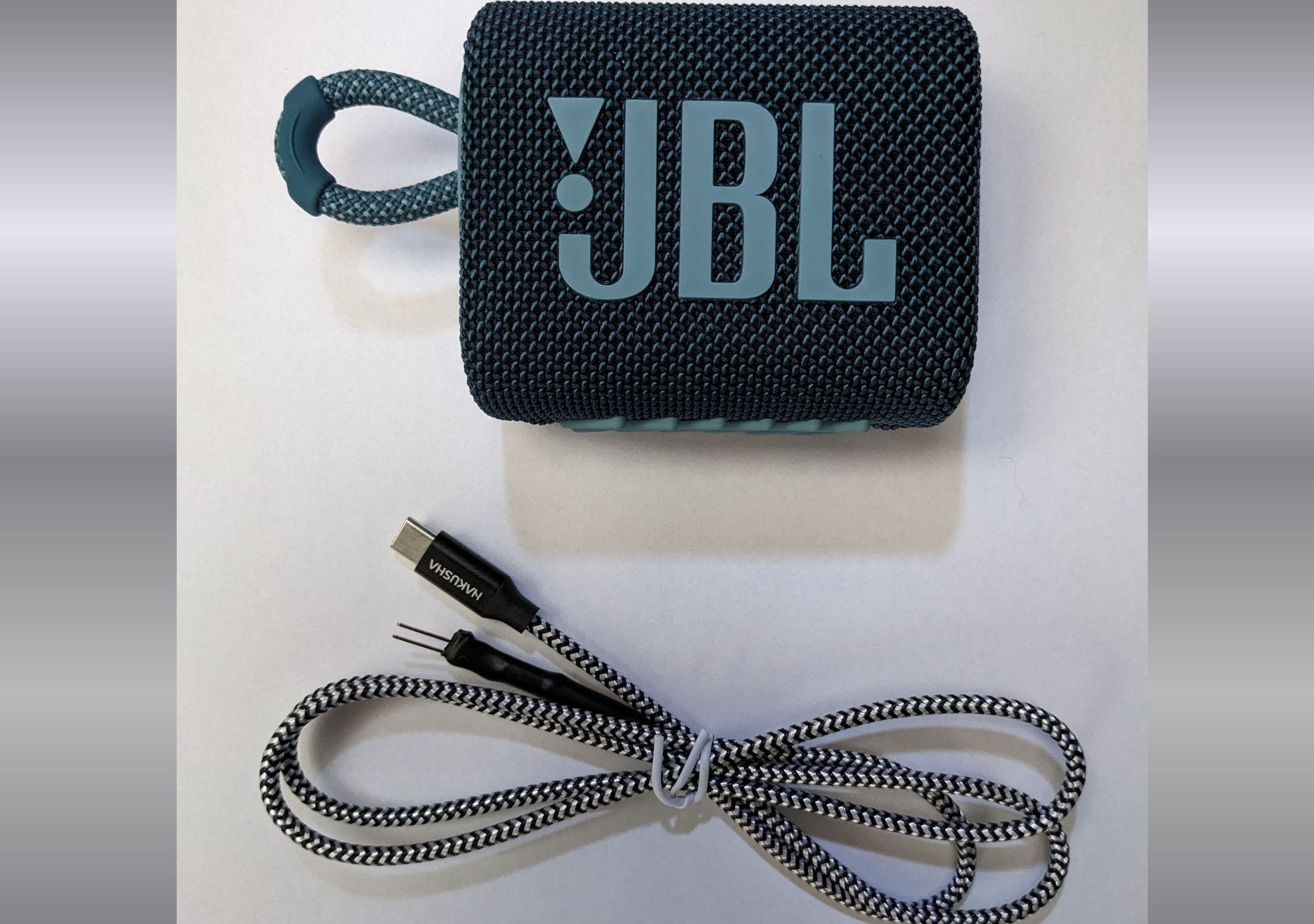
Every vehicle built in recent years relies on an internal communication system called the Controller Area Network, also known as the CAN bus. This setup allows various electronic components to exchange information continuously, helping the vehicle perform many tasks smoothly and keeping different systems working together without interruption during daily driving.
Inside the vehicle, parts like the headlights, door locks, ignition system, and engine control unit constantly exchange information through this network. Although this technology improves convenience and operation, criminals with advanced electronic skills have found ways to misuse it for vehicle theft in certain situations.
Investigations have shown that some vehicles have wiring hidden behind the front bumper or close to the headlight assembly that can be reached with little effort. After exposing those wires, thieves connect a small electronic device that communicates directly with the vehicle’s internal network and sends false instructions.
Security experts have explained that these fake commands appear genuine, making the vehicle respond as though they came from an approved source. Police have shared warnings after surveillance footage captured thieves using this method within minutes. Car makers are improving protection, though older models still benefit from extra security devices and careful parking every day.
6. Wireless Lock Signal Jamming
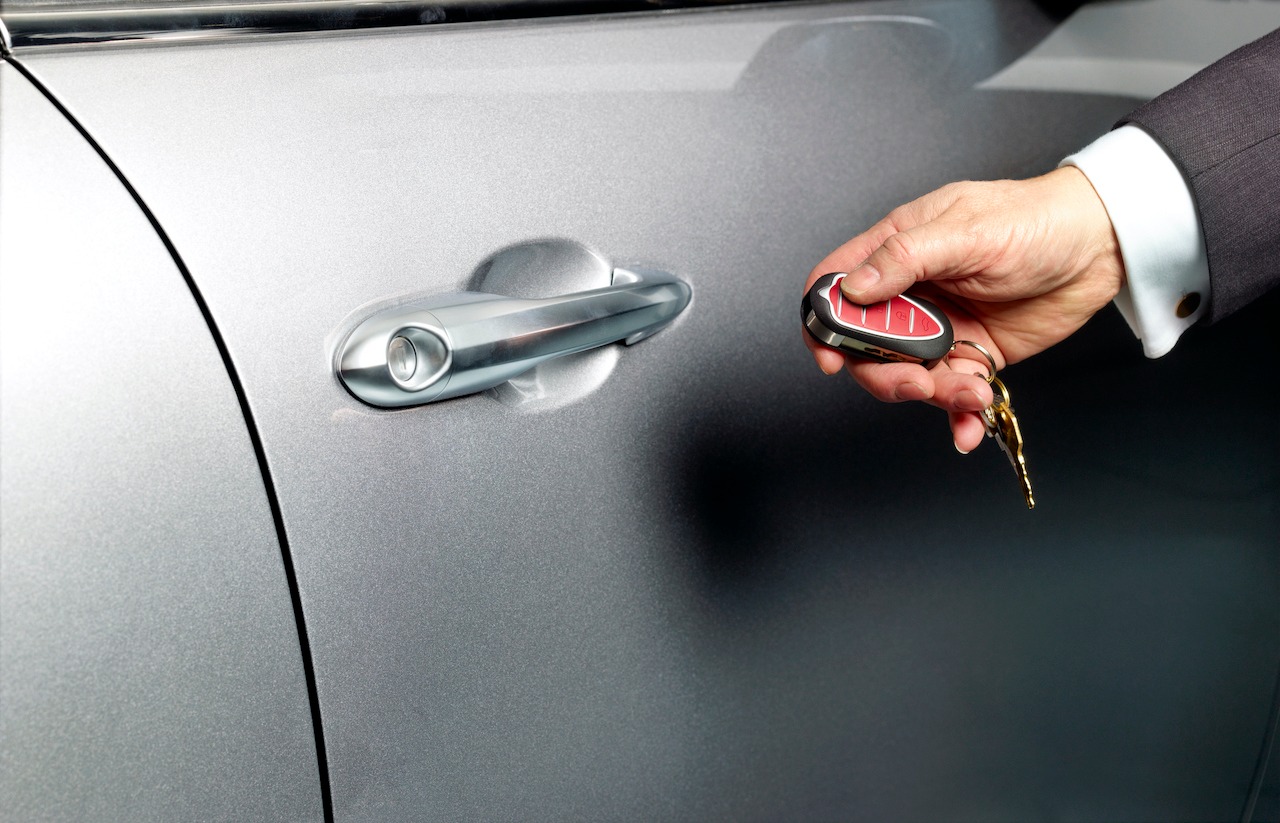
This trick relies less on sophisticated hacking and more on plain old deception. A basic radio jammer, sometimes no larger than a garage door opener, can block the specific frequency your key fob uses to send its lock command.
You walk away from your car, press the button on your fob out of habit, hear what you assume is the usual lock confirmation, and continue on with your day. In reality, that jamming signal intercepted your command before it ever reached the vehicle, leaving your doors sitting completely unlocked the entire time.
Parking lots outside malls, gyms, and airports have become common settings for this particular method, since foot traffic provides natural cover and victims are often distracted or in a hurry.
Thieves using this approach typically wait nearby, sometimes watching from a parked car of their own, until the owner walks far enough away before checking the door handle. Because there’s no forced entry and no broken glass, insurance claims tied to this method can sometimes raise questions about how the vehicle was actually accessed.
Police advisories consistently recommend a simple habit to counter this trick entirely: listen for the audible lock chirp and watch for the flashing hazard lights every single time, and if either signal doesn’t appear, manually check that your doors are actually secured before walking away. That thirty-second habit costs you almost nothing and closes this loophole completely.
7. Key Cloning After Temporary Key Access
There are moments in daily life when a key fob briefly leaves your direct control, handing your car to a valet, dropping it off with a mechanic, or letting a rental company handle your vehicle for a few hours. Most of these interactions are entirely legitimate and end without incident.
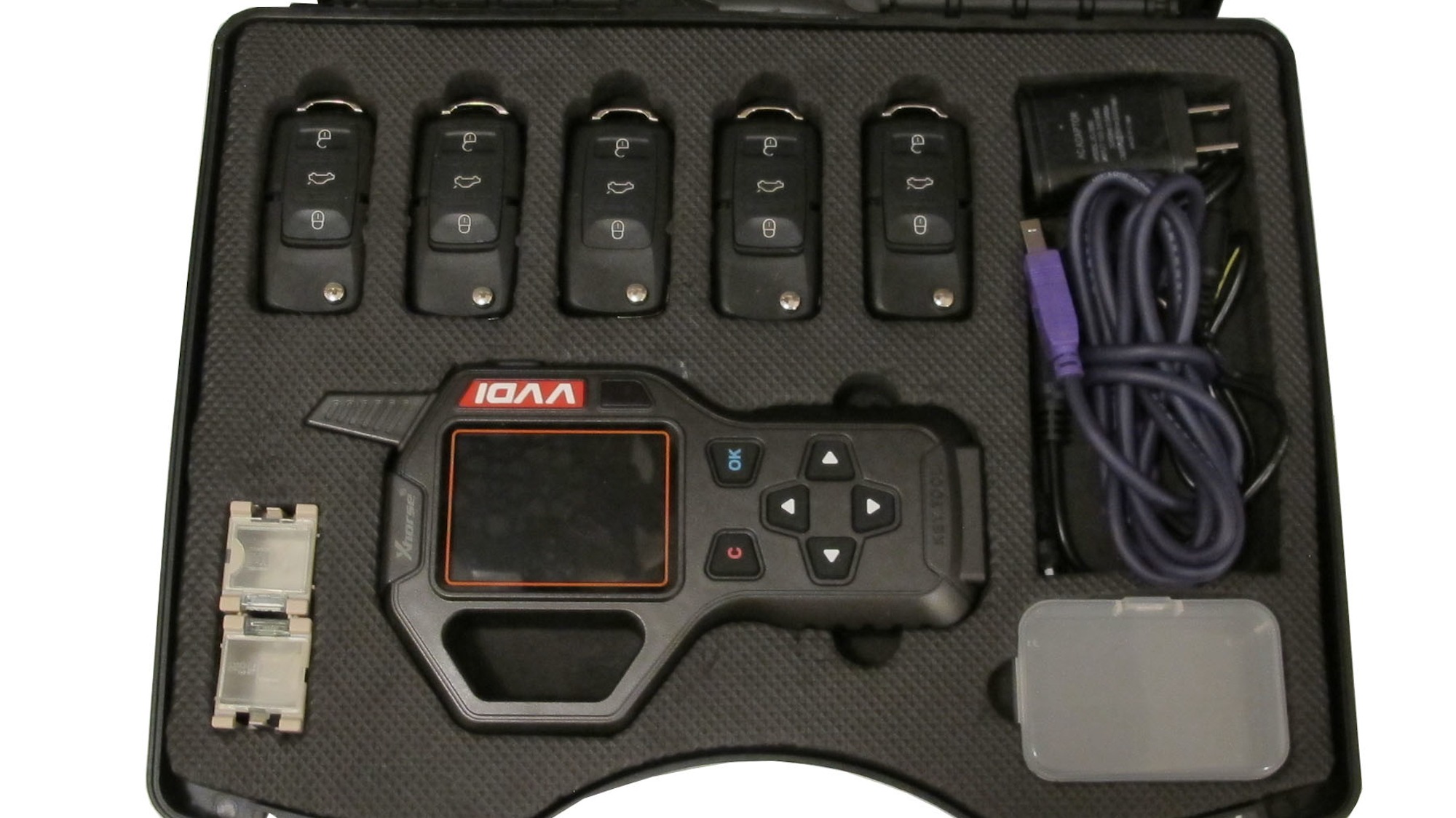
Criminal opportunity, though, shows up in the gaps between trust and verification. If someone with bad intentions gets even a few minutes of physical access to a compatible fob, specialized cloning equipment can potentially copy or reprogram credentials on certain vehicle systems.
Encrypted key technology has closed much of this gap on newer vehicles, since modern fobs use rolling authentication and manufacturer-specific security protocols that resist straightforward duplication. Older vehicles and some aftermarket remote start or security systems remain more vulnerable, particularly units installed as budget add-ons rather than factory-integrated systems.
Police advisories point out that this method requires a specific set of circumstances to succeed, meaning it’s less common than relay attacks but still shows up often enough in theft reports to warrant caution.
Choosing reputable service providers, watching where your keys go during drop-off situations, and asking questions about how long a fob will be out of your sight are all reasonable habits that reduce this particular risk. It’s a slower method compared to some others on this list, but the resulting access can be just as complete.
Also Read: 10 Cars With Most Features in a Key Fob

8. Connected Vehicle Account Compromise
Vehicle makers now provide smartphone apps that let owners control several functions from a distance. With an internet connection, a driver can lock or unlock doors, check fuel or battery status, find the car’s location, and use other useful features without standing near the vehicle. These tools save time and make daily use much easier.
Despite these benefits, the same technology gives cybercriminals another way to target vehicles without getting close. They often send fake emails designed to look genuine, steal passwords exposed during data breaches, or take advantage of people who use one password across different online accounts. Such tricks can give criminals an opening.
Once someone unknowingly gives away login details through a phishing message or password reuse, criminals may enter the connected vehicle account without needing the physical key fob. The actions available depend on the services included in the manufacturer’s mobile app.
Some apps support remote unlocking, while others reveal the vehicle’s current location, making it easier for thieves to track where it is parked before acting. Good security habits can reduce this risk.
Create a strong password, keep it different from others, enable two-factor authentication whenever available, and ignore suspicious emails requesting account information. These simple steps help protect connected vehicle accounts.
