
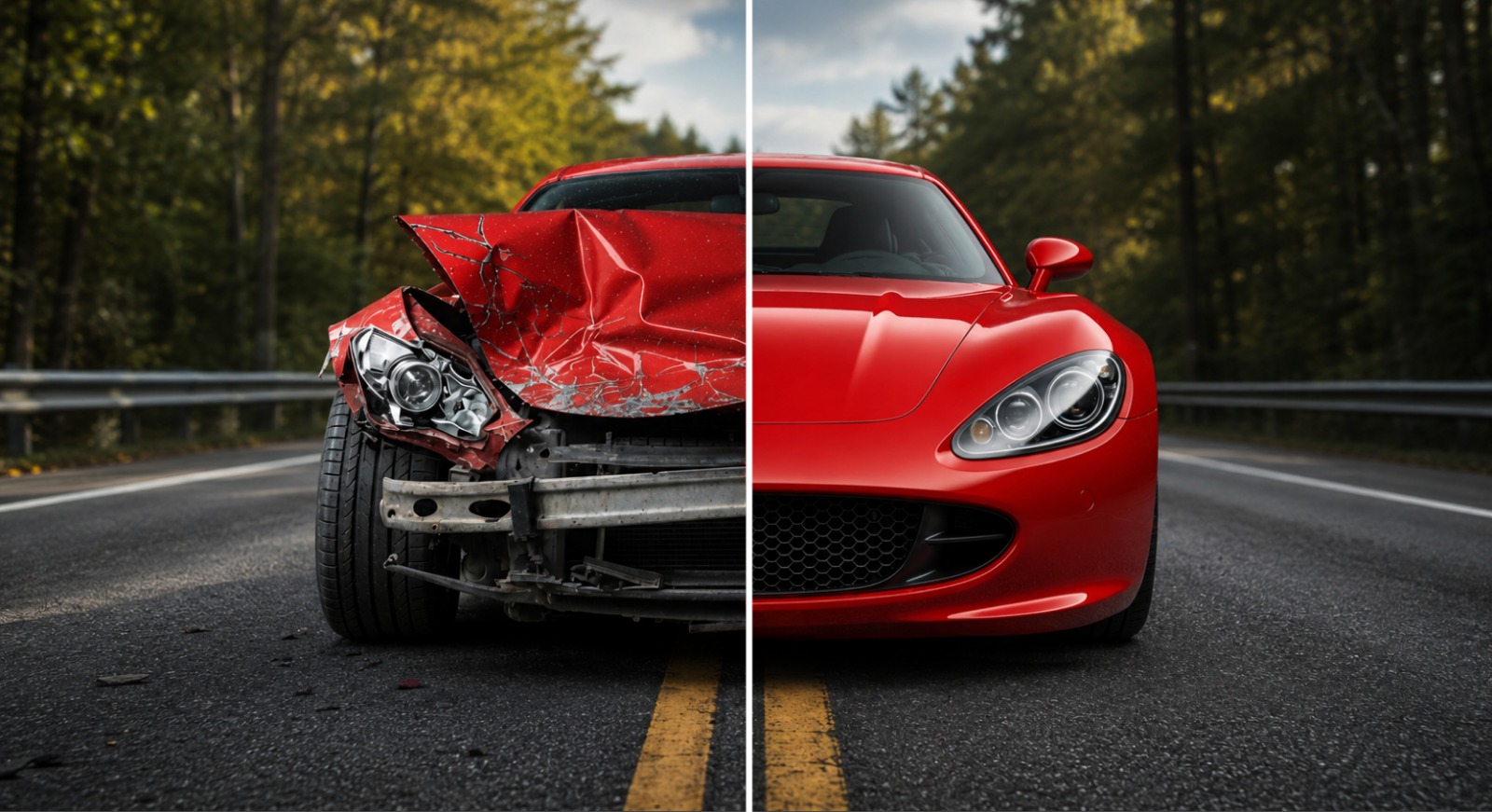
Most drivers have no idea their car is quietly taking notes every time they get behind the wheel. Tucked inside the airbag control module sits a small device called an Event Data Recorder, and federal law has required one in nearly every new car sold in the United States since model year 2014. This recorder locks in speed, braking, throttle, and seatbelt use in the five seconds before a crash, then freezes that data the moment the airbags fire.
Police, insurance adjusters, and personal injury attorneys all lean on this evidence to piece together what actually happened on the road. Here is a look at seven real cases and models that show exactly what these devices capture, and why the data has become so hard to argue with.
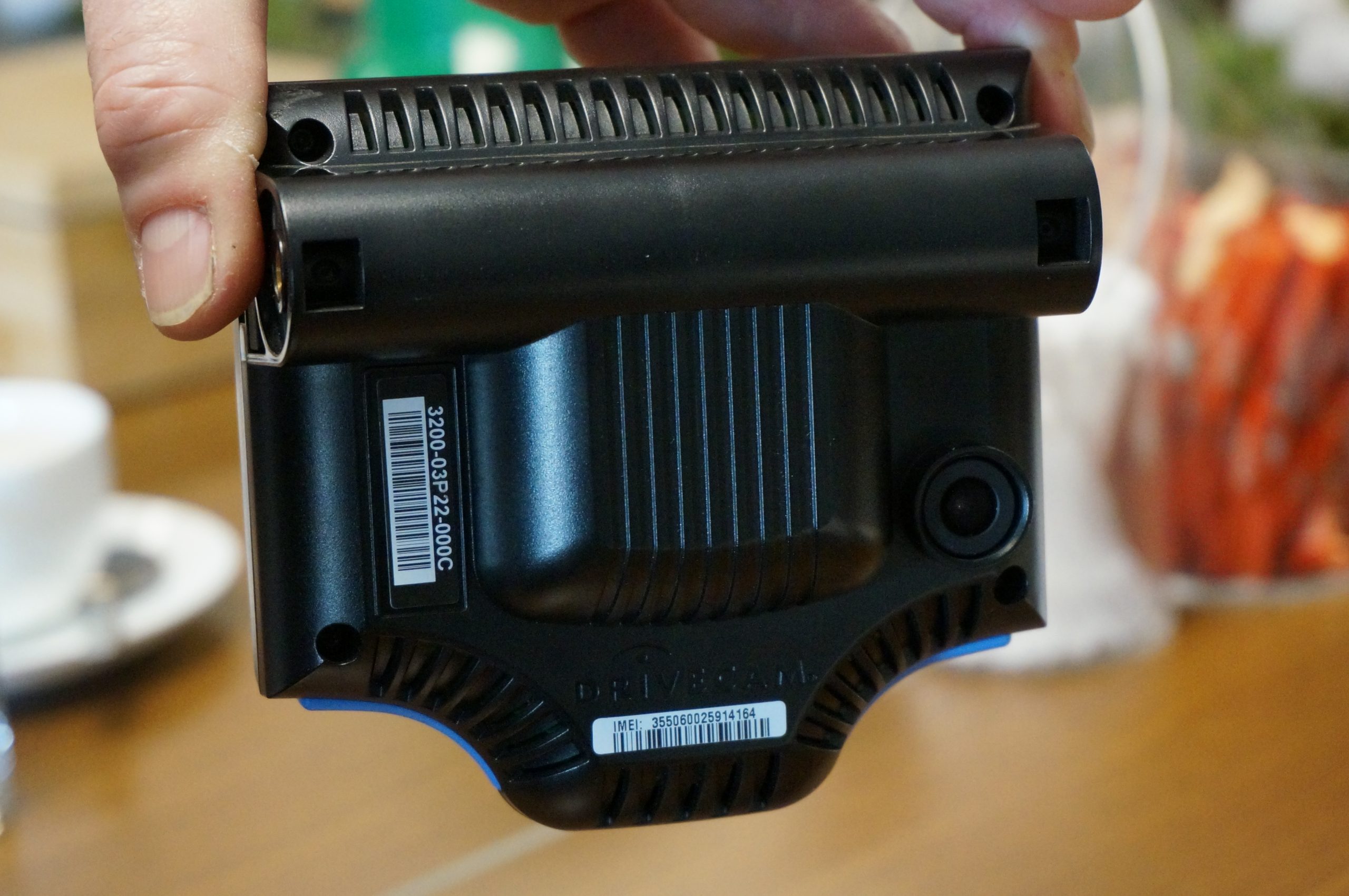
What Is an Event Data Recorder (EDR)?
An Event Data Recorder is a small, tough electronic device usually built into a vehicle’s airbag control module. Many people wrongly assume it works like an aeroplane’s flight recorder, capturing everything at all times.
That is not correct. A car’s black box does not record your daily driving habits, what is said inside the vehicle, or your exact location every moment of the day. It remains inactive until a specific “event” occurs, such as a sudden change in speed or an airbag deployment.
General Motors first fitted these devices in the late 1990s, and today, nearly every new car sold carries one, though installation is technically not compulsory under federal rule.
What Does a Car Black Box Record After an Accident?
Once triggered, the EDR captures a clear technical picture of what the driver did and how the vehicle responded. The exact details differ by make and model, but standard information usually includes:
- Speed: how fast the car was moving before impact
- Throttle: whether the driver was accelerating or not
- Braking: if and when the brake pedal was pressed
- Steering angle: whether the driver attempted to swerve
- Seatbelt status: whether occupants were buckled up
- Airbag timing: the exact moment the airbags fired
This data gives investigators solid facts rather than assumptions, laying out precisely what happened before the crash occurred.
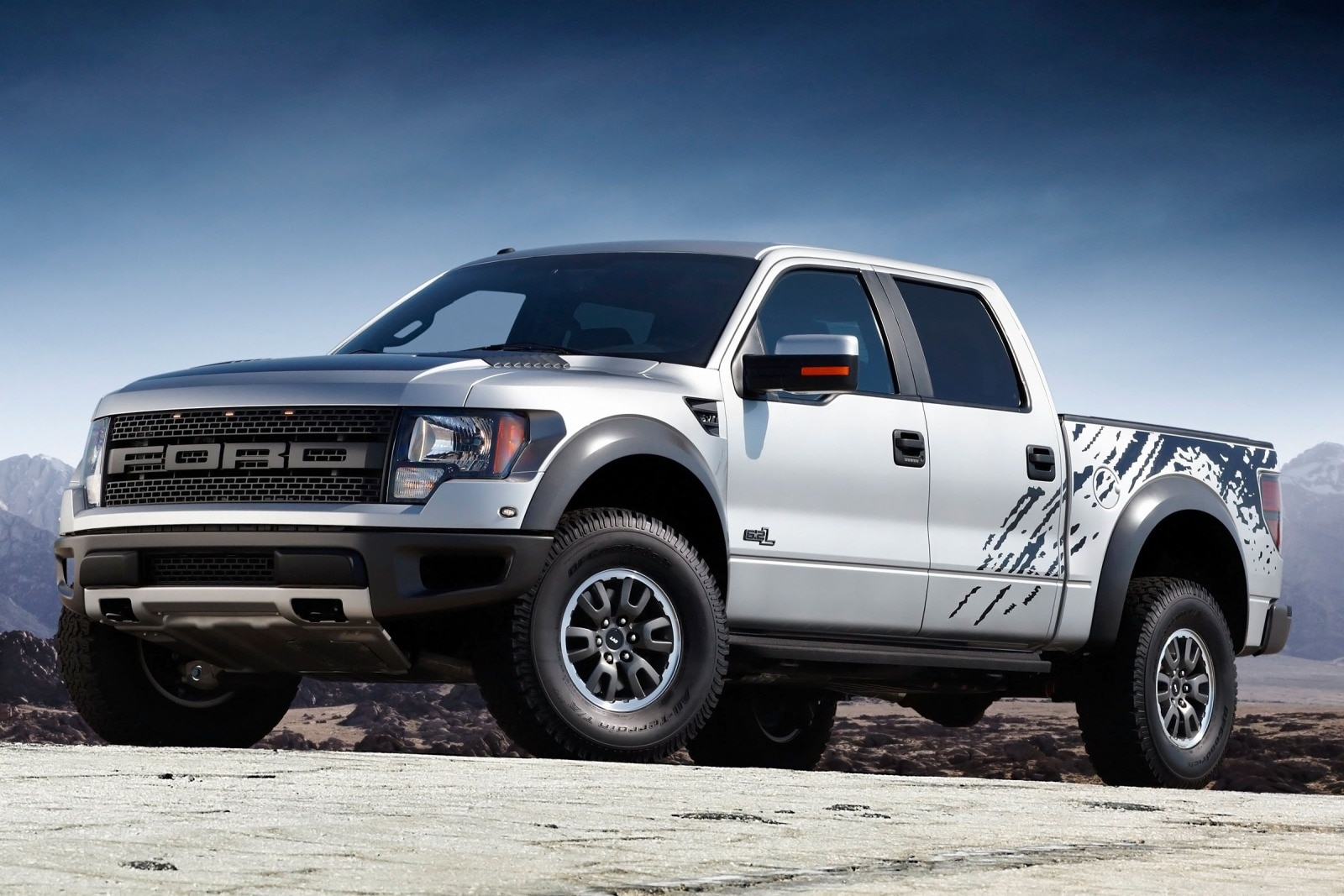
2014 Ford F-150 Sets the Federal Recording Standard
- Recording Window: 5 seconds pre-crash, 300 milliseconds post-crash
- Data Captured: Speed, throttle, brake status, seatbelt use
- Trigger Event: Airbag deployment or crash-level velocity change
- Data Access: Bosch Crash Data Retrieval tool
This pickup represents the period when federal rule 49 CFR Part 563 became an accepted industry standard instead of just a written regulation. The rule did not require every vehicle to have an event data recorder. Instead, it stated that any vehicle already fitted with one had to record certain information and remain functional after a 30 mph barrier crash.
Ford, General Motors, and DaimlerChrysler were among the first manufacturers to release public tools that could retrieve the stored data. By the time this truck entered production, more than 85 percent of new vehicles already included similar recorders.
Its event data recorder is straightforward and does exactly what it was designed to do. It stores fifteen required data points, including throttle position and airbag warning light status. The recorder does not send information through the internet or any wireless connection.
It stays inactive during normal driving and only saves crash data after detecting a collision strong enough to trigger the system, matching the purpose of the federal regulation.
Also Read: 8 Cars With Coolest Features From 1990s
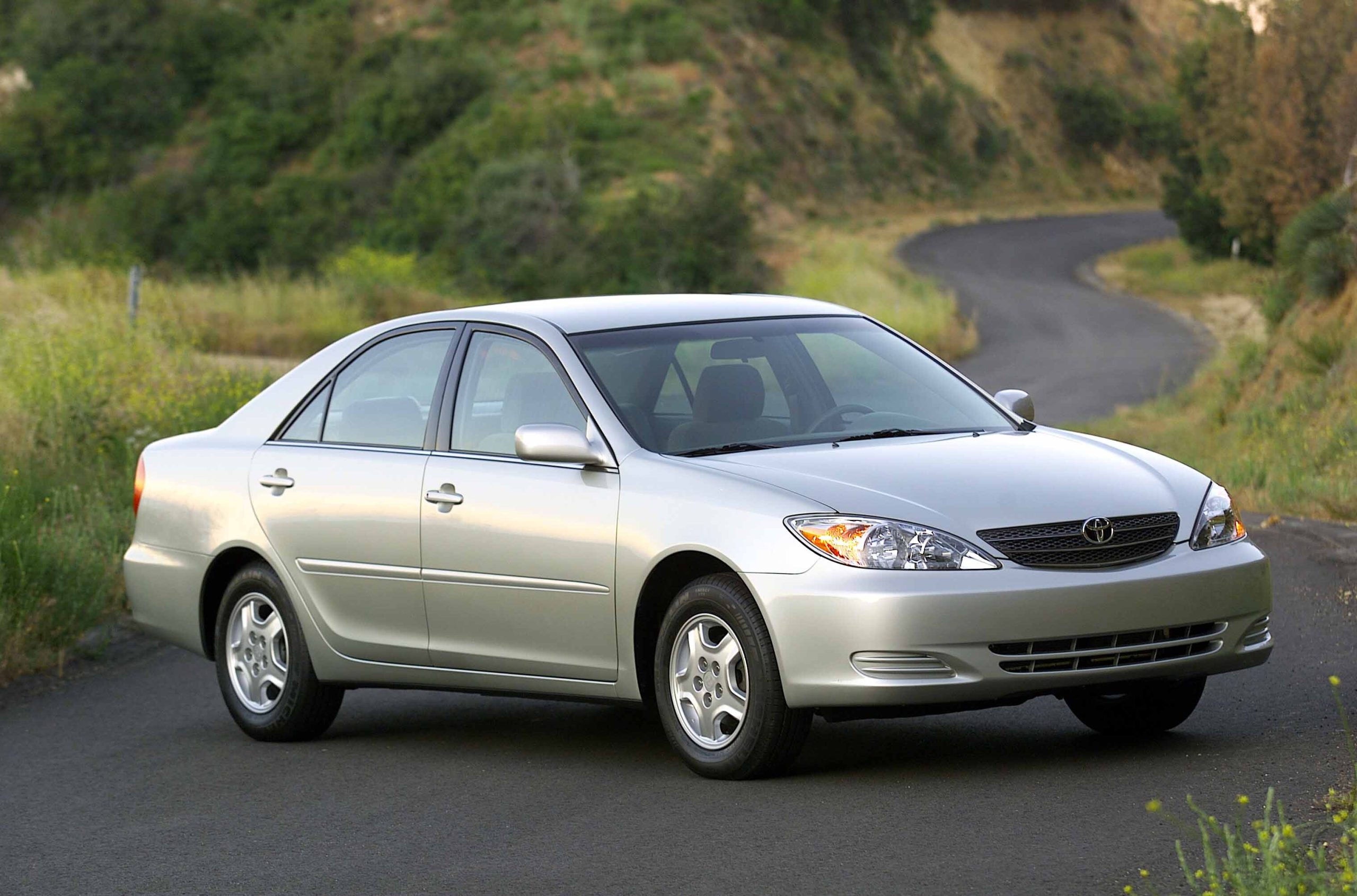
2005 Toyota Camry Became a Courtroom Witness
- Recording Window: 5 seconds pre-crash, 300 milliseconds post-crash
- Data Captured: Brake switch status, throttle percentage, engine RPM
- Trigger Event: Crash-level deceleration
- Data Access: Toyota-specific CDR software
During the sudden unintended acceleration litigation of the early 2010s, this sedan’s black box became the deciding piece of evidence in the Oklahoma trial known as Bookout v. Toyota.
The recorder showed the driver’s foot on the brake at the moment of impact, paired with no corresponding drop in engine throttle, a combination the jury used to conclude the vehicle’s electronic throttle control had failed rather than the driver.
Toyota eventually reached a $1.2 billion deferred prosecution agreement with the Department of Justice over how it had handled the broader defect. What stands out about this case is how the recorder settled a dispute that eyewitness testimony alone never could. Drivers insisted the pedal was stuck. Toyota initially pointed to floor mats and driver error.
The recorder, a small chip storing a few seconds of throttle and brake data, ended up carrying more weight in court than years of conflicting claims from both sides.
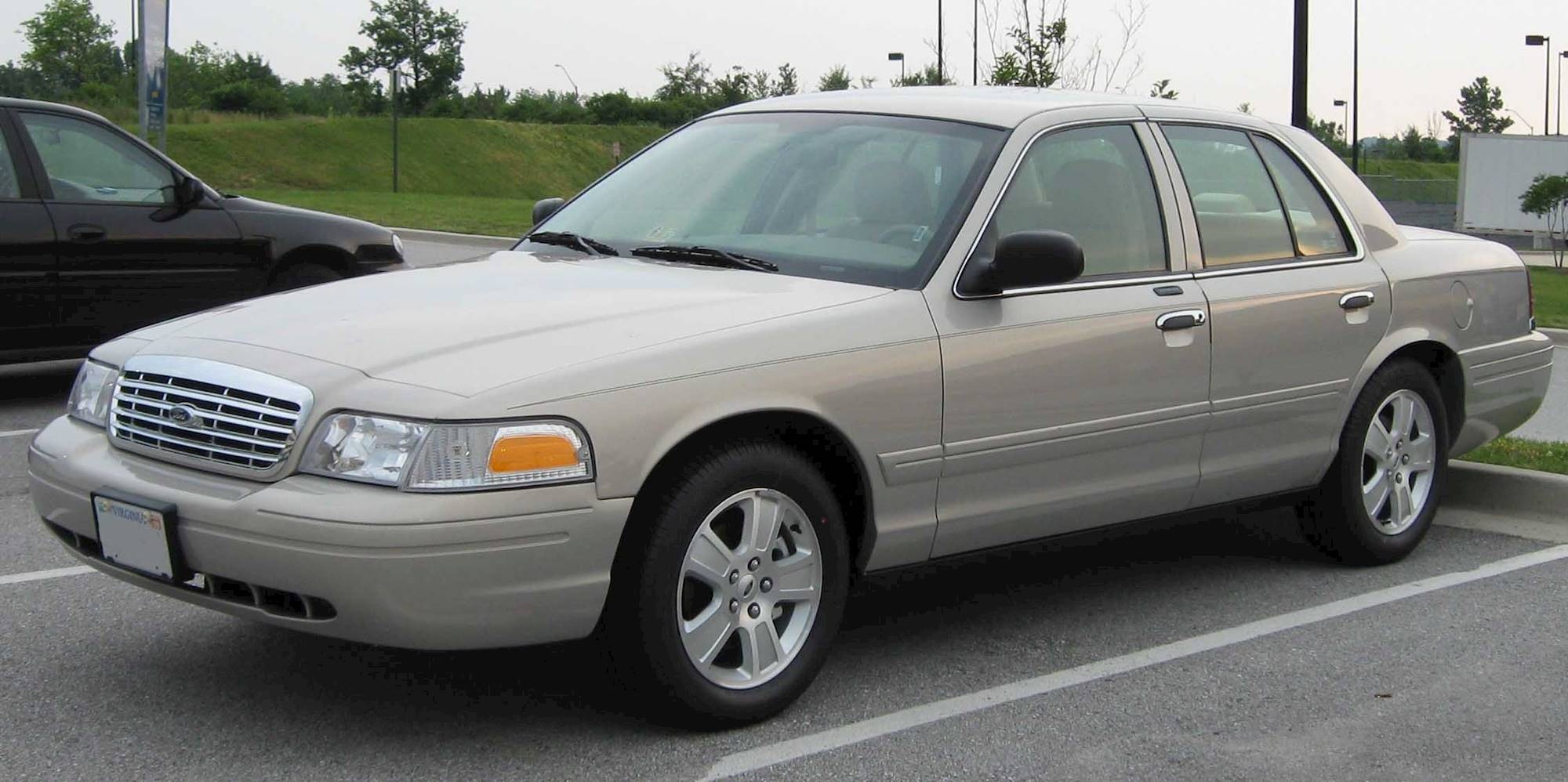
Ford Crown Victoria Recorded 108 MPH Before Impact
- Recording Window: 5 seconds pre-crash
- Data Captured: Vehicle speed, throttle position, service brake status
- Trigger Event: Airbag deployment
- Data Access: Law enforcement CDR extraction
In November 2011, a state-owned Crown Victoria crashed on an interstate in Massachusetts, and the driver told investigators he had lost control on ice while driving at a normal speed.
The recorder told a different story. It showed a speed of 108 mph in the five seconds before impact, a throttle reading consistent with the accelerator being pressed, and no brake application recorded until the very end.
That driver, Massachusetts Lieutenant Governor Tim Murray, later pleaded guilty to negligent operation and paid a fine. He was not seriously injured. The case became one of the clearer public examples of how little room a recorder leaves for a story that does not match the physics.
No amount of memory or persuasion can outweigh a chip that logged speed twice a second for the five seconds leading up to a wreck.
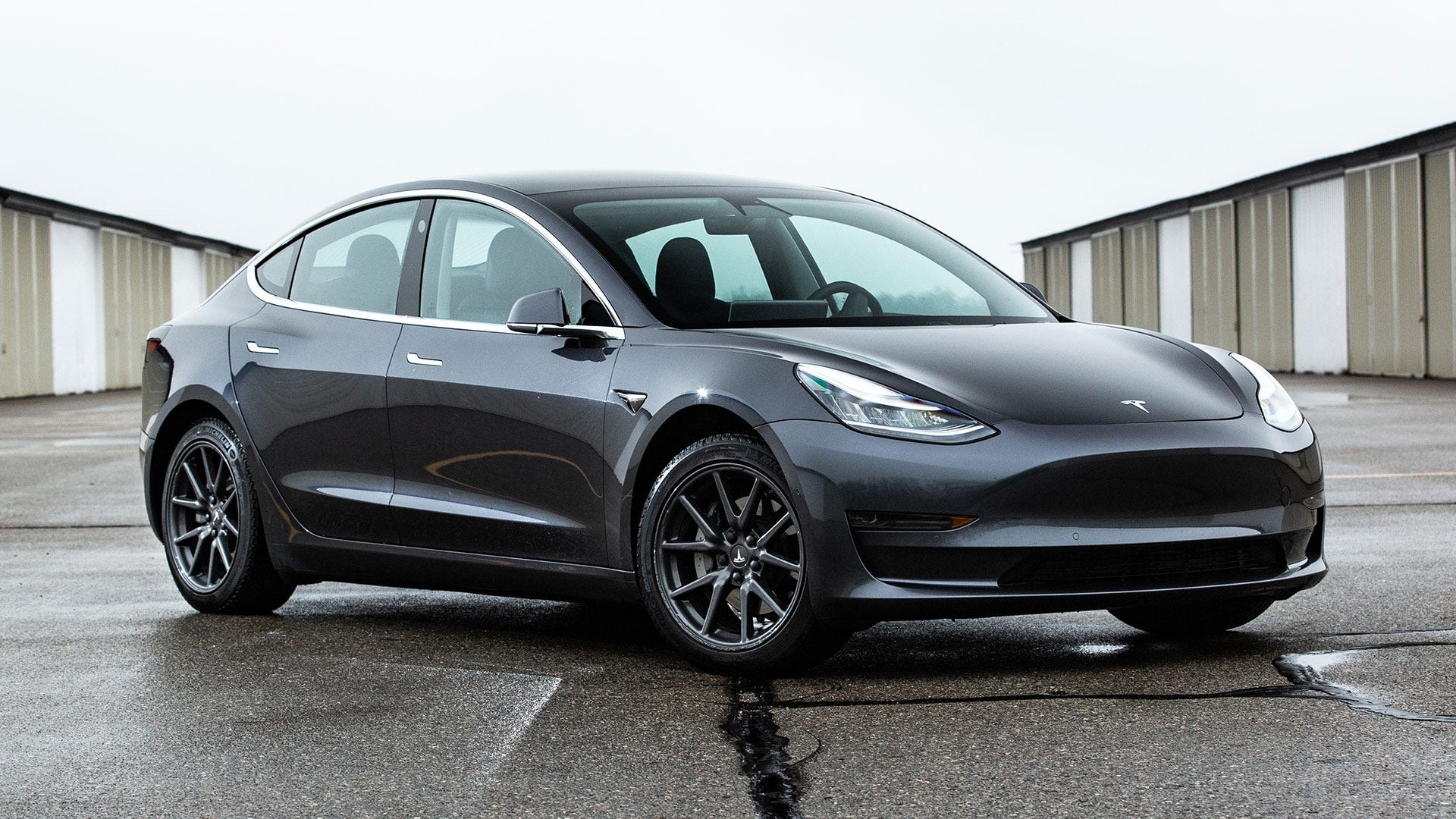
2020 Tesla Model 3 Draws the Line Between Black Box and Cloud
- Recording Window: 5 seconds pre-crash minimum
- Data Captured: Driver-assistance status, steering torque, speed
- Trigger Event: Collision or hard deceleration
- Data Access: Service center or subpoenaed vehicle logs
This sedan illustrates a distinction that catches most owners off guard. Its Event Data Recorder meets the same federal minimum as every other car sold since 2014, logging steering input and speed in the seconds before a crash.
But this model also runs a separate telematics system, a cellular connection that can stream far more detail to the manufacturer’s servers on an ongoing basis, including whether the driver-assistance system was active.
Attorneys chasing a full picture after a crash involving this car often need both records: the sealed local recorder for the federally defined data set, and a formal request to the manufacturer for the extended logs.
The two systems share hardware but serve different purposes, and that gap has become central to a growing number of legal disputes over who, or what, was actually steering when a collision occurred.
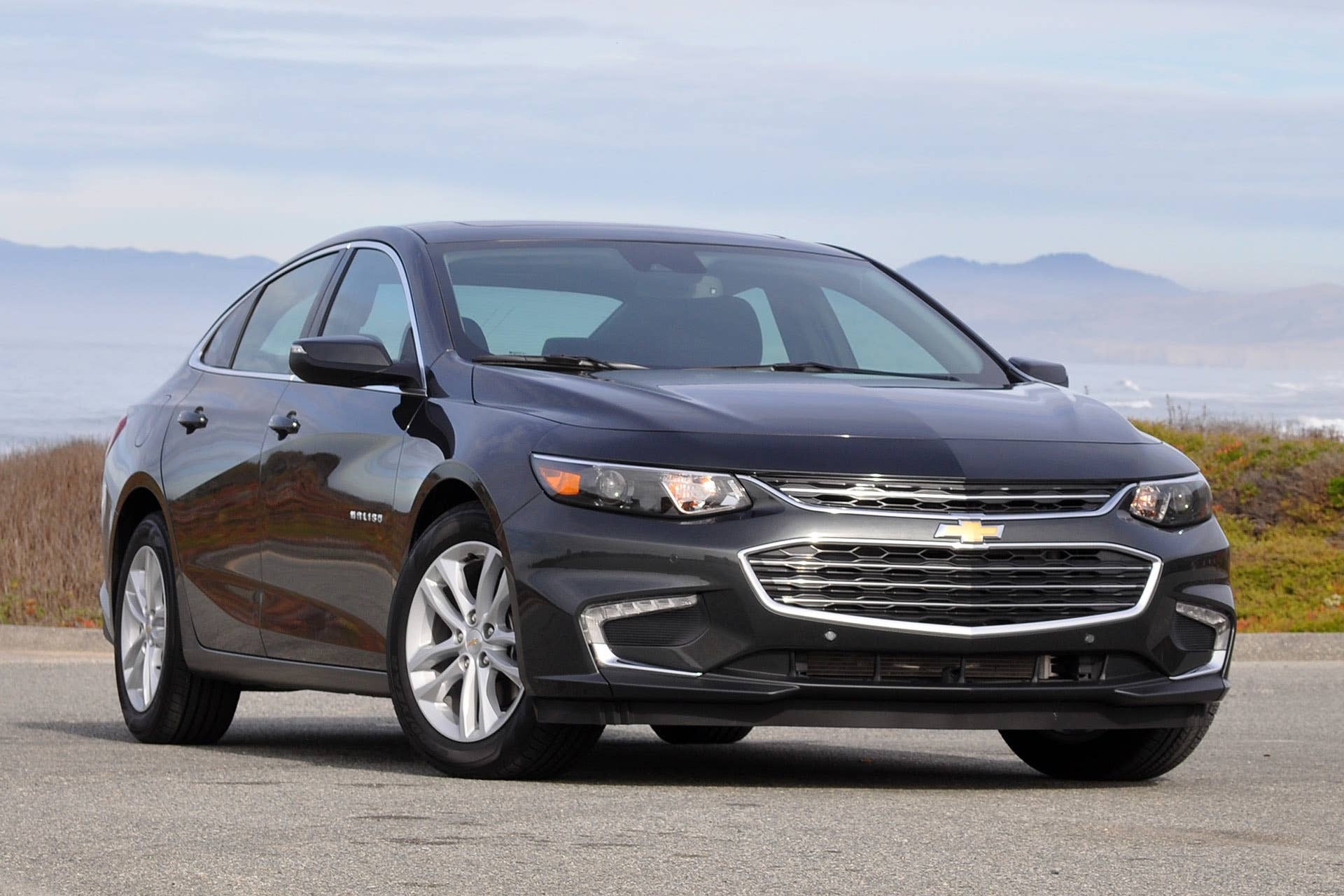
2016 Chevrolet Malibu Data Exposes What Memory Forgets
- Recording Window: 5 seconds pre-crash
- Data Captured: Speed, brake timing, seatbelt status
- Trigger Event: Frontal or side-impact detection
- Data Access: Bosch CDR tool
Personal injury attorneys often point to a familiar pattern with this model and others like it: a driver is certain they were going the speed limit and braked in time, and the download says otherwise.
In one commonly cited scenario, a driver confident that another car had run a red light learned from his own recorder that he had been traveling well above the posted limit and had not fastened his seatbelt. His insurer reduced the claim once that data surfaced.
General Motors built these recorders around compatibility with the same retrieval tool used across most of the industry, which means a downloaded file from this sedan reads the same way to any trained technician, regardless of which side requested it.
Also Read: 10 Cars With the Lowest Theft Rates in the Country
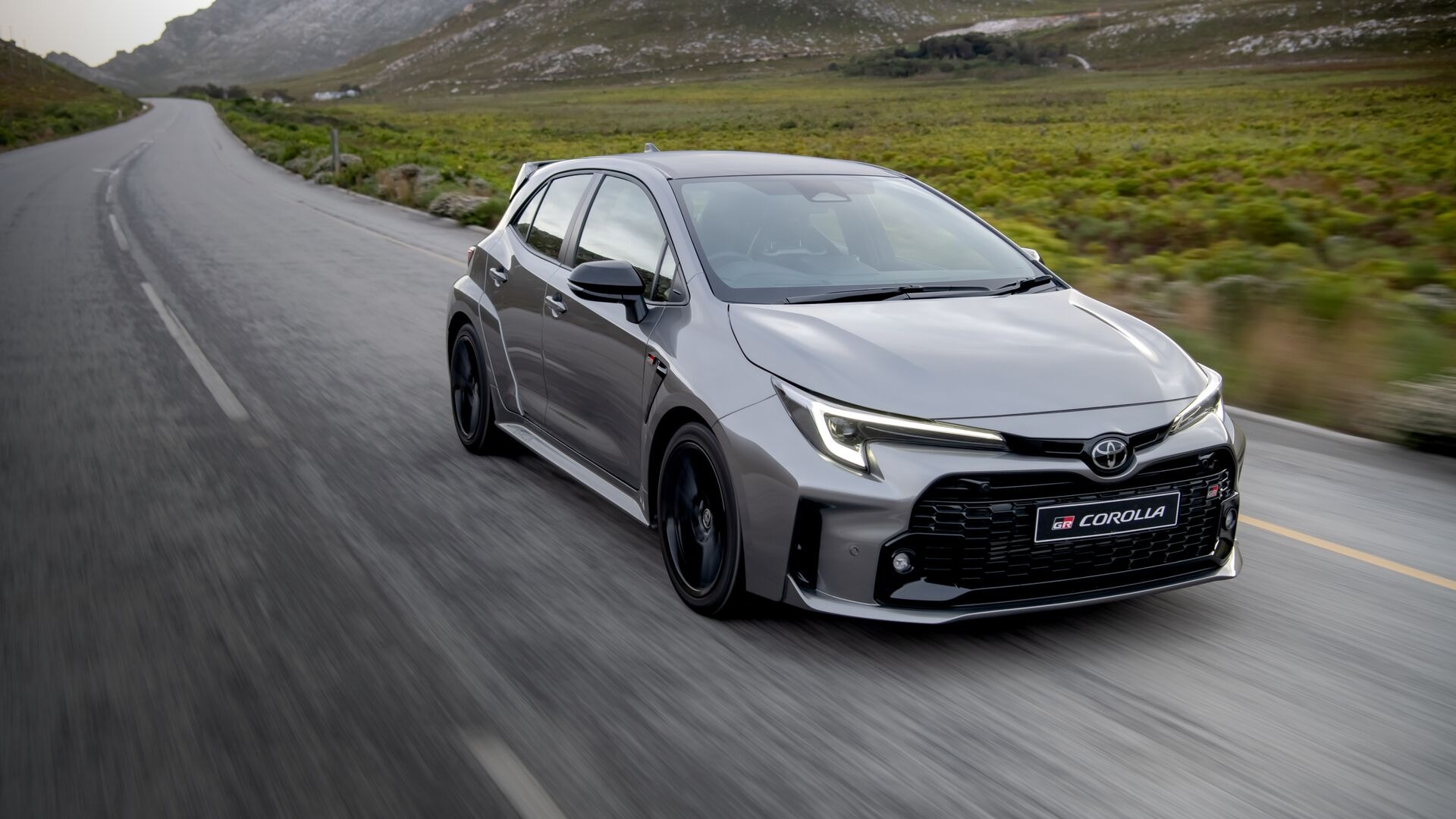
Toyota Corolla Case Tested the Limits of the Black Box
- Recording Window: 5 seconds pre-crash
- Data Captured: Throttle, brake, engine control unit status
- Trigger Event: Crash-level velocity change
- Data Access: Manufacturer CDR software
A 2021 reproduction test on a Corolla’s electronic control unit demonstrated that a recorder, while reliable in the vast majority of cases, is not immune to electrical interference under laboratory conditions.
Researcher Colin O’Flynn used electromagnetic fault injection to influence the unit’s behavior on this model, a finding that gave defense attorneys a narrow but real argument for challenging recorder accuracy in specific disputes.
Courts still treat this data as highly credible, and successful challenges remain rare, but the case is a reminder that a chip recording crash physics is still built on ordinary electronics, and ordinary electronics can occasionally misbehave under conditions no everyday driver will ever encounter.
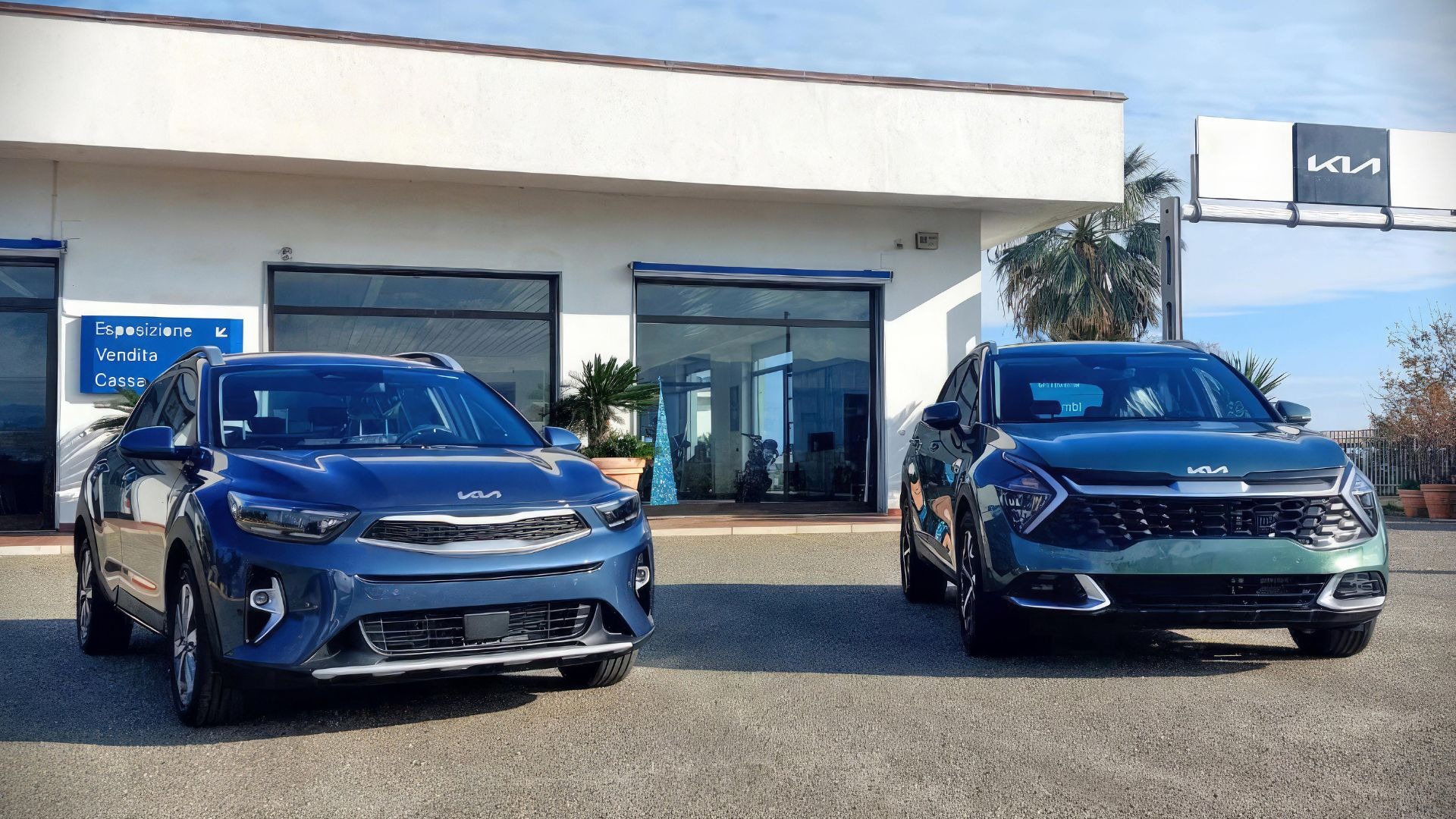
Kia Sold in California Falls Under Extra State Protection
- Recording Window: 5 seconds pre-crash
- Data Captured: Speed, brake, throttle, seatbelt status
- Trigger Event: Airbag deployment
- Data Access: Manufacturer-specific retrieval tool required
Federal law sets a floor, but at least 17 states add their own rules on top of it, and a Kia sold new in California is a clean example of how that patchwork plays out. California Vehicle Code section 9951 requires the owner’s manual to disclose that the car carries a recorder and to state plainly that the data belongs to the vehicle owner.
That disclosure requirement does not exist everywhere, which means the same model sold in a state without a comparable statute offers its owner less certainty about who can request a download and under what conditions.
The Driver Privacy Act of 2015 still applies nationwide, giving owners data ownership and five narrow exceptions for outside access, but a state statute like California’s gives that federal protection sharper teeth at the point of sale.
