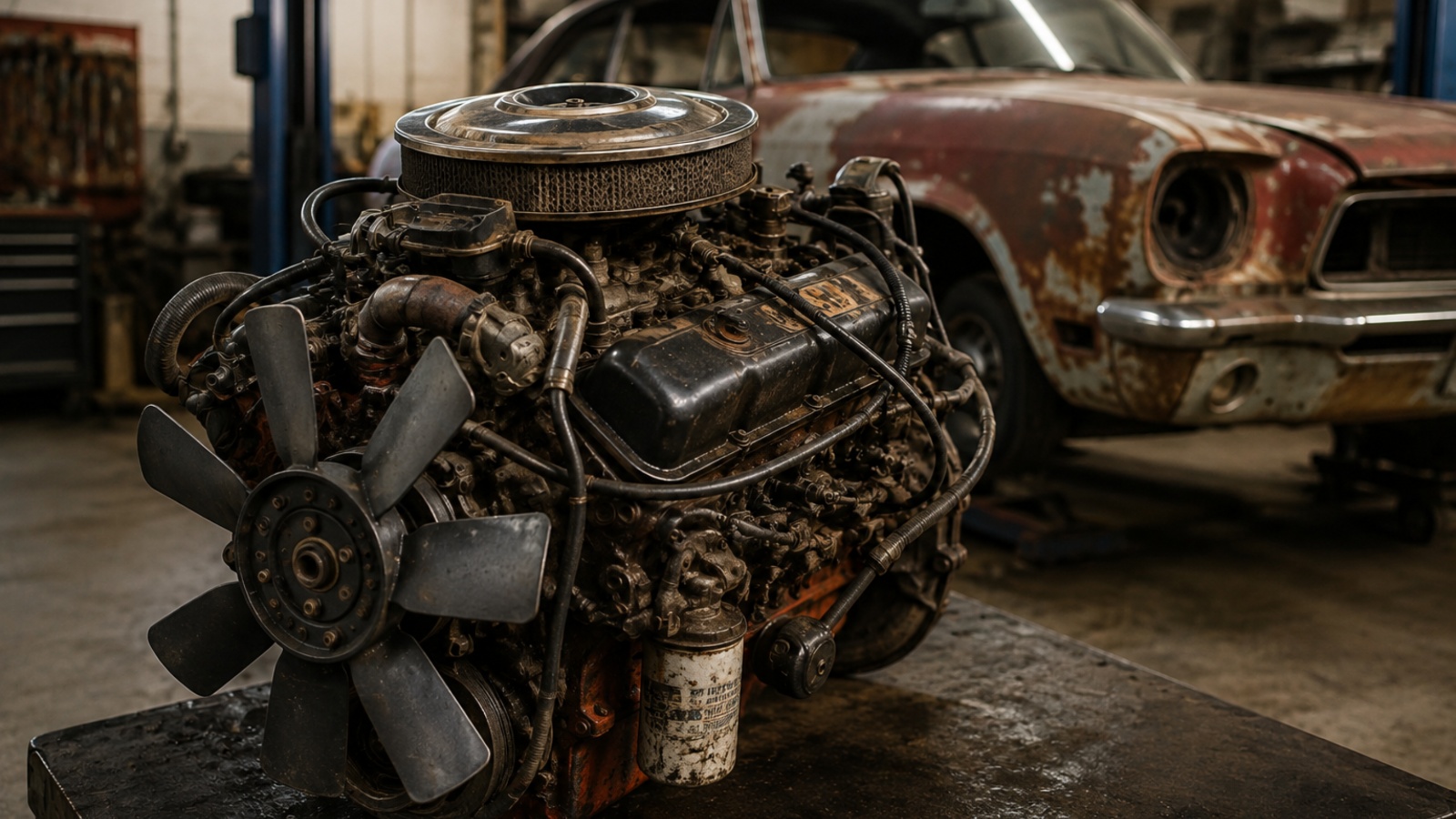
Some engines are remembered because of the legendary cars they powered, but the truly remarkable ones earned a different distinction: they survived long after those vehicles disappeared. Built with adaptable designs, durable architecture, and enough flexibility to meet changing demands, these powerplants continued through multiple generations of cars, trucks, and even entire shifts in automotive technology.
From American V8s that evolved from carburetors to electronic fuel injection, to inline-sixes that kept working long after their original platforms vanished, these engines proved that good engineering can outlast trends, body styles, and corporate changes. Many began life in vehicles that became classics, yet their production continued because manufacturers found new uses for their proven designs.
The following eight engines represent some of the longest-lived powerplants in automotive history machines that outlasted the cars they were created to move and became legends in their own right.
1. Chevrolet Small-Block V8 (1955-2003)
The first-generation Chevrolet small-block V8 arrived for the 1955 model year as a 265-cubic-inch engine. Its compact dimensions, low mass, overhead-valve layout and simple construction gave Chevrolet a flexible powerplant that could serve almost every part of its lineup. Over time, the family expanded through familiar displacements such as 283, 327, 350 and 400 cubic inches. It powered everything from Corvettes, Camaros and Chevelles to full-size sedans, station wagons, vans and pickups.
What makes the small-block fit this list is the way it survived the vehicles and market eras for which it had been designed. The 1955 Chevrolet that introduced it disappeared after one model year, yet the same architecture kept evolving for decades.
Carburetors gave way to electronic fuel injection, emissions equipment became more complex, and later versions such as the L98 and LT1 delivered modern performance without abandoning the engine’s core bore spacing and pushrod layout.
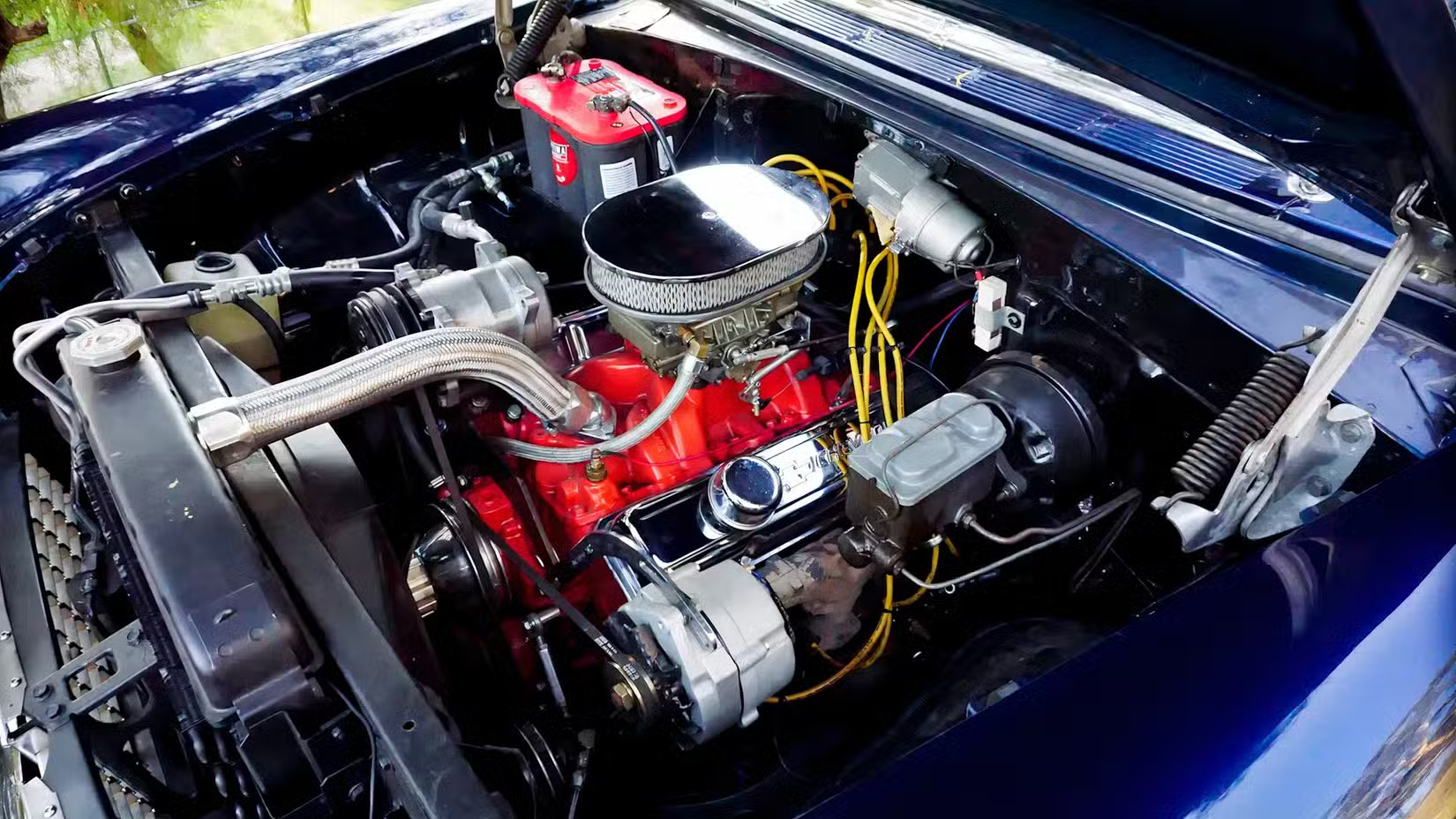
Traditional Gen I small-block production continued through 2003 in factory vehicles, long after the Tri-Five Chevrolets, early Corvettes and classic muscle cars had left showrooms. The engine also became a foundation of American hot-rodding because parts were plentiful, dimensions were familiar, and swaps were comparatively straightforward.
General Motors eventually applied the “small-block” name to the newer LS and LT engine families, even though they were built on completely different designs. The original Chevrolet small-block remained in vehicle production from 1955 to 2003, making it one of the longest-running engine designs in automotive history. For nearly five decades, the same basic engineering concept adapted to changing vehicles, stricter regulations, and evolving customer demands.
2. Ford 300 Inline-Six (1965-1996)
Ford introduced the 300-cubic-inch inline-six for the 1965 model year, primarily as a truck engine. Later advertised as the 4.9-liter six, it shared its family with the shorter-stroke 240 but used a longer stroke to create strong low-speed torque.
Seven main bearings supported the crankshaft, while durable timing gears eliminated the timing chain or belt used by many engines. The design was never glamorous, but it was exceptionally suited to pickups, vans and commercial equipment that worked hard at modest engine speeds.
The 300 powered multiple generations of the Ford F-Series, E-Series vans and the full-size Bronco. During its life, those vehicles were redesigned repeatedly, gaining new bodies, interiors, safety systems and electronic controls. The engine adapted more gradually.
Early versions used a single-barrel carburetor, while electronic fuel injection arrived for 1987, improving drivability and output without changing its fundamental character. It was also used outside ordinary road vehicles in generators, airport tractors, agricultural machinery, and other industrial equipment.
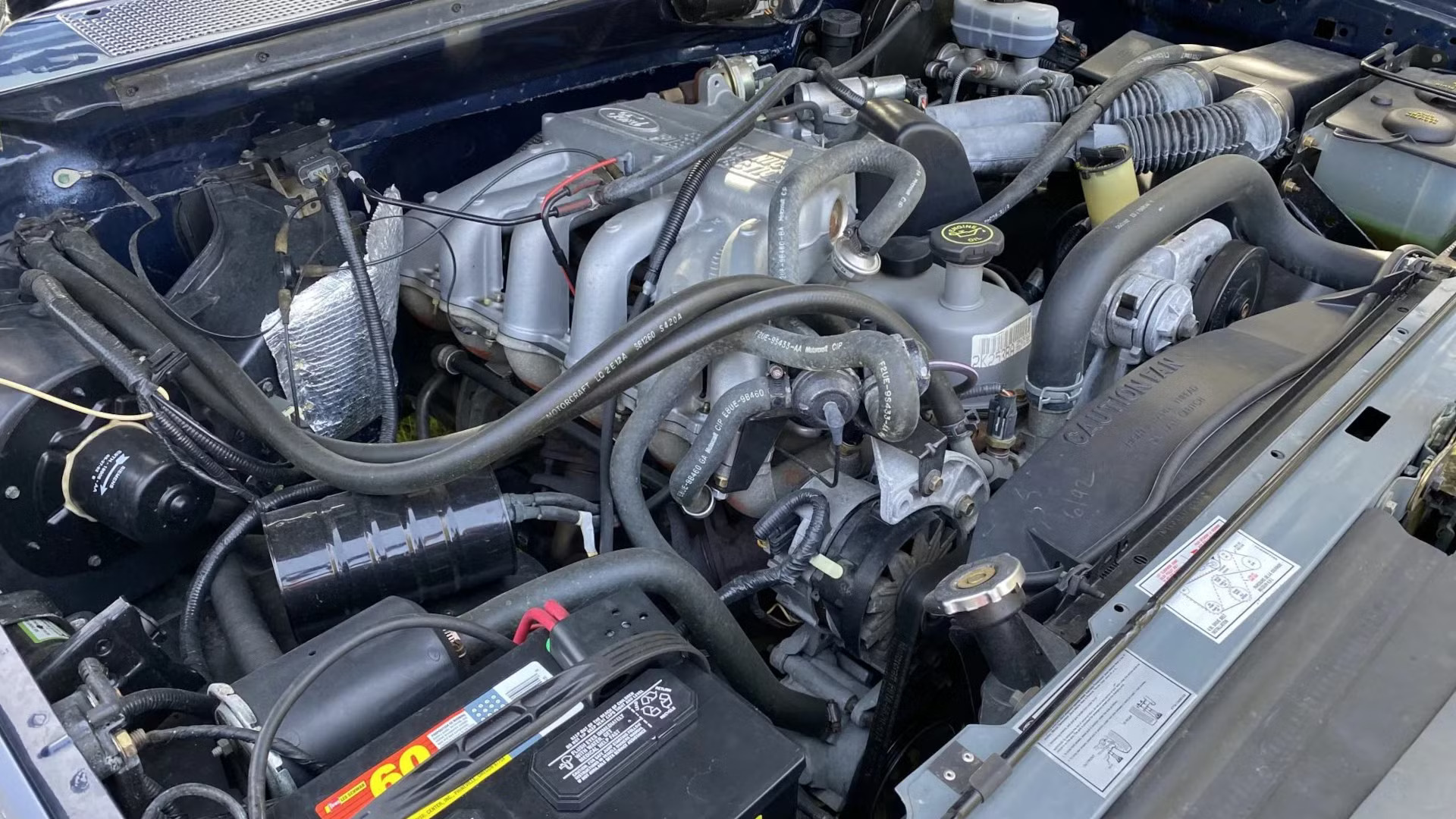
Ford built the 300 from 1965 through 1996, keeping it available for 32 model years. By the time production ended, the F-Series looked and functioned nothing like the trucks that had introduced the engine. The six was replaced in redesigned 1997 light trucks and vans by the 4.2-liter Essex V6.
Enthusiasts still value the 300 for torque, accessibility and rebuildability rather than high-rpm horsepower. It outlasted individual truck generations because its basic engineering matched the job so well that Ford had little reason to replace it quickly.
3. Chrysler Slant-Six (1959-2000)
Introduced in 1959 for the 1960 model year, Chrysler’s Slant-Six featured a distinctive design with its cylinders tilted 30 degrees from vertical. This layout made it possible to lower the hood while providing extra space for a long intake manifold.
Although the engine earned its name from its unusual slanted configuration, its real strengths came from its simple and dependable construction. Built as a cast iron overhead valve inline six, it was known for being affordable to maintain, reliable in daily use, and easy to service. The first versions were offered in 170 and 225 cubic inch displacements, followed later by a 198 cubic inch variant.
The engine became closely associated with the Plymouth Valiant and Dodge Dart, then spread through Barracudas, full-size cars, vans, and Dodge pickups. Those models changed or disappeared, yet the Slant-Six continued because it delivered useful low-speed torque and earned a reputation for surviving demanding service.
Chrysler updated it with electronic ignition, hardened valve seats for unleaded fuel, revised emissions equipment and, eventually, hydraulic lifters. Its basic layout nevertheless remained recognizable.
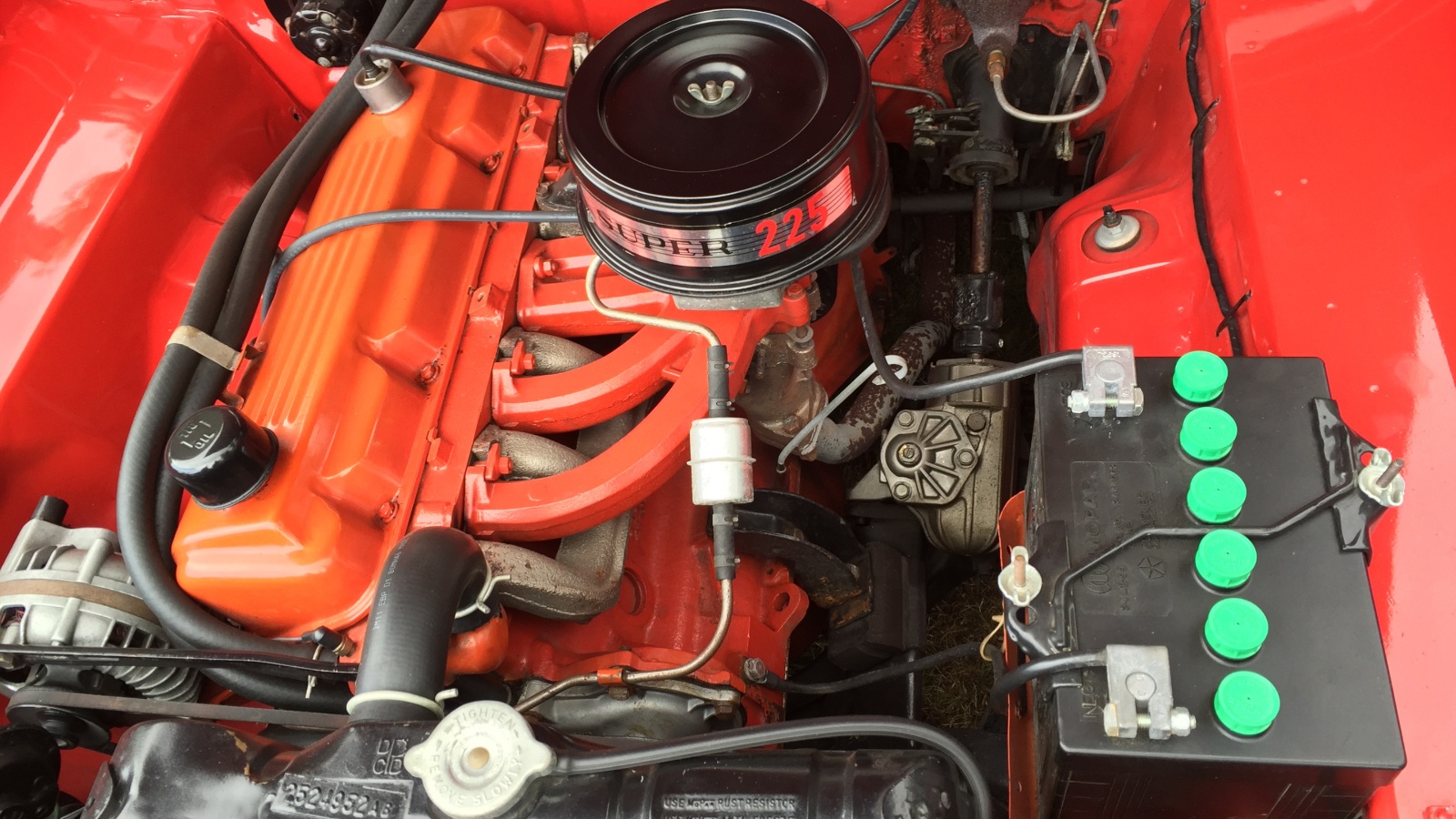
One important distinction should be made when looking at the engine’s timeline. Its use in passenger cars declined during the 1980s, and production for North American vehicles ended before the engine itself was discontinued.
The design continued to serve in trucks, marine applications, agricultural equipment, and industrial machinery, with production commonly recognized as lasting from 1959 to 2000. As a result, the engine remained in service for many years after the compact cars that first made it popular had disappeared from dealership showrooms.
Its nickname, the “Leaning Tower of Power,” reflects affection rather than outright speed. Most versions were modest performers, but their reputation rests on longevity, simple maintenance and dependable low-speed operation. Few engines better illustrate a powerplant outliving the cars that originally made it recognizable.
4. Chrysler LA/Magnum Small-Block (1964-2003)
Chrysler introduced the LA-series small-block V8 in 1964 as a lighter, more compact development of its earlier A-series engine. The first version displaced 273 cubic inches and was designed to fit compact cars such as the Plymouth Valiant, Dodge Dart and first-generation Barracuda.
Later members included the widely used 318, the high-performance 340 and the larger 360. Thin-wall casting, wedge-shaped combustion chambers and a straightforward overhead-valve valvetrain balanced production cost, packaging and durability.
The LA family quickly escaped its compact-car origins. It appeared in muscle cars, police vehicles, full-size sedans, station wagons, vans, pickups and sport-utility vehicles. The cars that established its reputation the early Barracuda, Dart, Duster and Challenger were replaced or discontinued, but the architecture remained useful.
During the 1980s, it adopted electronic controls and fuel injection. In the 1990s, Chrysler’s Magnum revisions added updated cylinder heads, intake systems and valvetrain details while retaining clear LA-family roots.
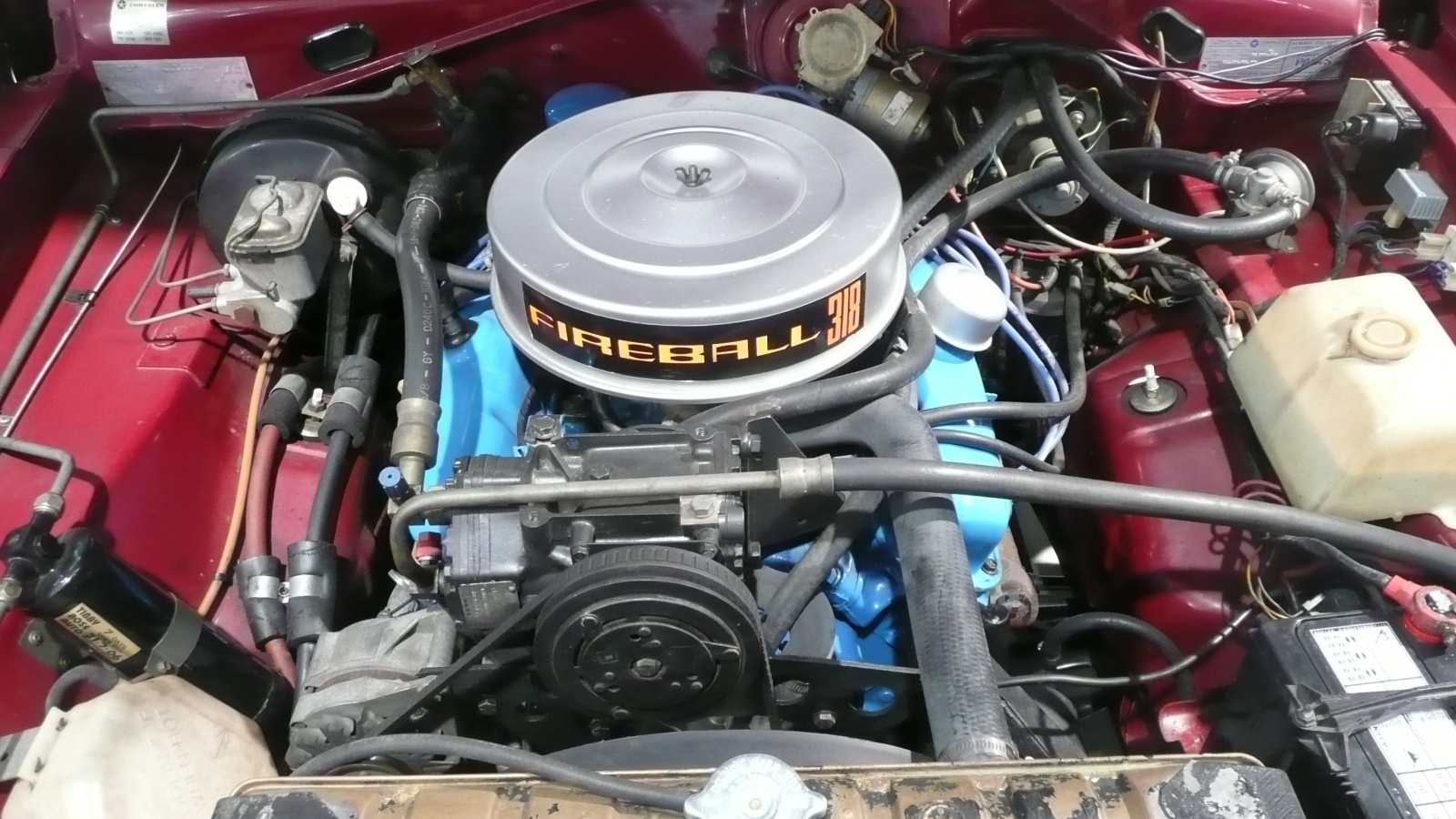
According to Hemmings, the Chrysler LA engine debuted in 1964 and remained in production until its final appearance in the Dodge Durango in 2003. Its production life stretched across nearly 40 years and covered major changes within the company, including Chrysler’s acquisition of American Motors and the transition from carburetors to electronically controlled engine systems.
While some versions had relatively short production runs, the high-performance 340 was available for only a few years. In contrast, the 318 earned a reputation as the dependable engine that became the backbone of the LA family.
The LA began as a solution for compact 1960s cars but remained viable into the age of fuel-injected pickups and SUVs. Incremental upgrades kept the engine family alive long after its original A-body hosts became classics.
Also read: 5 Engines Okay With Skipped Oil Changes vs 5 That Die From One
5. Buick 3800 V6 Lineage (1962-2008)
The engine remembered as the Buick 3800 began as Buick’s 198-cubic-inch V6 in 1962. Its early life was unusual. Buick installed it in compact models such as the Special, then sold the tooling to Kaiser-Jeep in the mid-1960s.
Jeep marketed its version as the Dauntless V6. During the fuel-economy pressures of the 1970s, General Motors bought the design back, showing how quickly an unwanted engine could become valuable when market conditions changed.
The family later grew to 231 cubic inches, or 3.8 liters, and evolved through carburetion, turbocharging, fuel injection and major internal revisions. It powered rear-wheel-drive Buicks, front-wheel-drive family sedans, coupes and minivans across several GM divisions.
Applications included the Buick Regal and LeSabre, Oldsmobile Eighty-Eight, Pontiac Bonneville and Grand Prix, and Chevrolet Monte Carlo and Impala. Supercharged Series II and Series III versions gave ordinary-looking cars strong torque and performance without sacrificing daily usability.
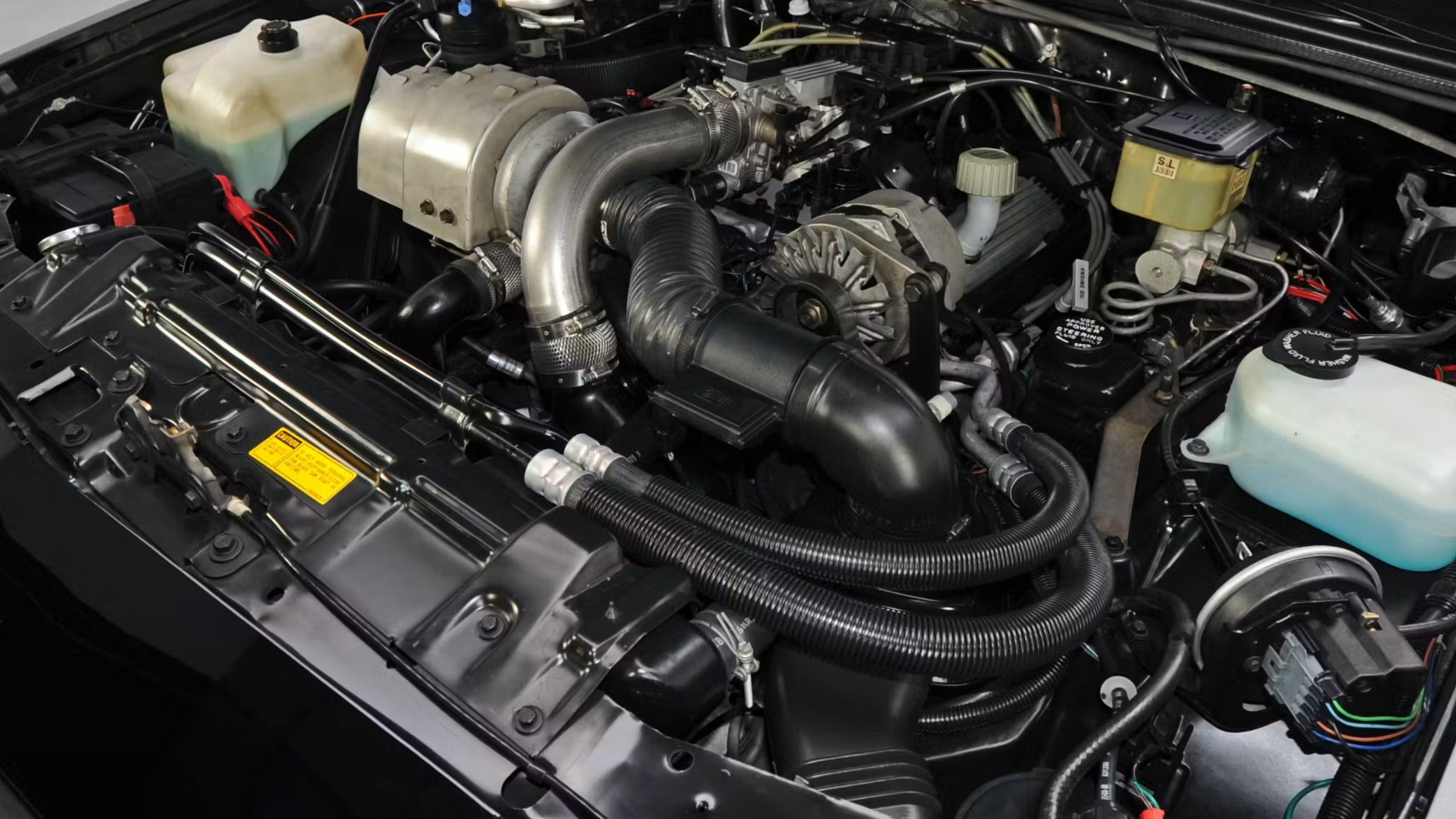
Calling 1962–2008 one uninterrupted production run would be inaccurate because the design left Buick ownership for several years. It is better described as a 46-year lineage with a significant interruption and corporate round trip. Hagerty reports that more than 25 million Buick, GM, and Jeep examples were built, while final GM applications ended in 2008.
The 3800 outlived individual cars and entire platform strategies. It began in early-1960s compact rear-drive vehicles, survived under Kaiser-Jeep, returned to GM, and became a staple of front-drive automobiles. Its low-speed torque, simple pushrod construction, and durability explain why it remained useful for so long.
6. AMC/Jeep Straight-Six (1964-2006)
American Motors introduced a new overhead-valve straight-six family in 1964, initially in 232-cubic-inch form. Larger 258-cubic-inch versions followed, and the architecture eventually produced the fuel-injected 4.0-liter engine introduced for the 1987 model year. The six began in AMC passenger cars, but its longest and most famous second life came under Jeep hoods.
This engine family powered Ramblers, Hornets, Gremlins and Eagles before AMC’s passenger-car business disappeared. It also served Jeep CJs, Cherokees, Wagoneers and pickups. After Chrysler acquired AMC in 1987, the engine did not vanish with its original manufacturer.
Chrysler continued developing and installing the 4.0-liter six in the Cherokee, Comanche, Grand Cherokee and Wrangler. Electronic fuel injection, revised cylinder heads and emissions changes modernized it while preserving its cast-iron block, pushrod valvetrain and strong low-speed character.
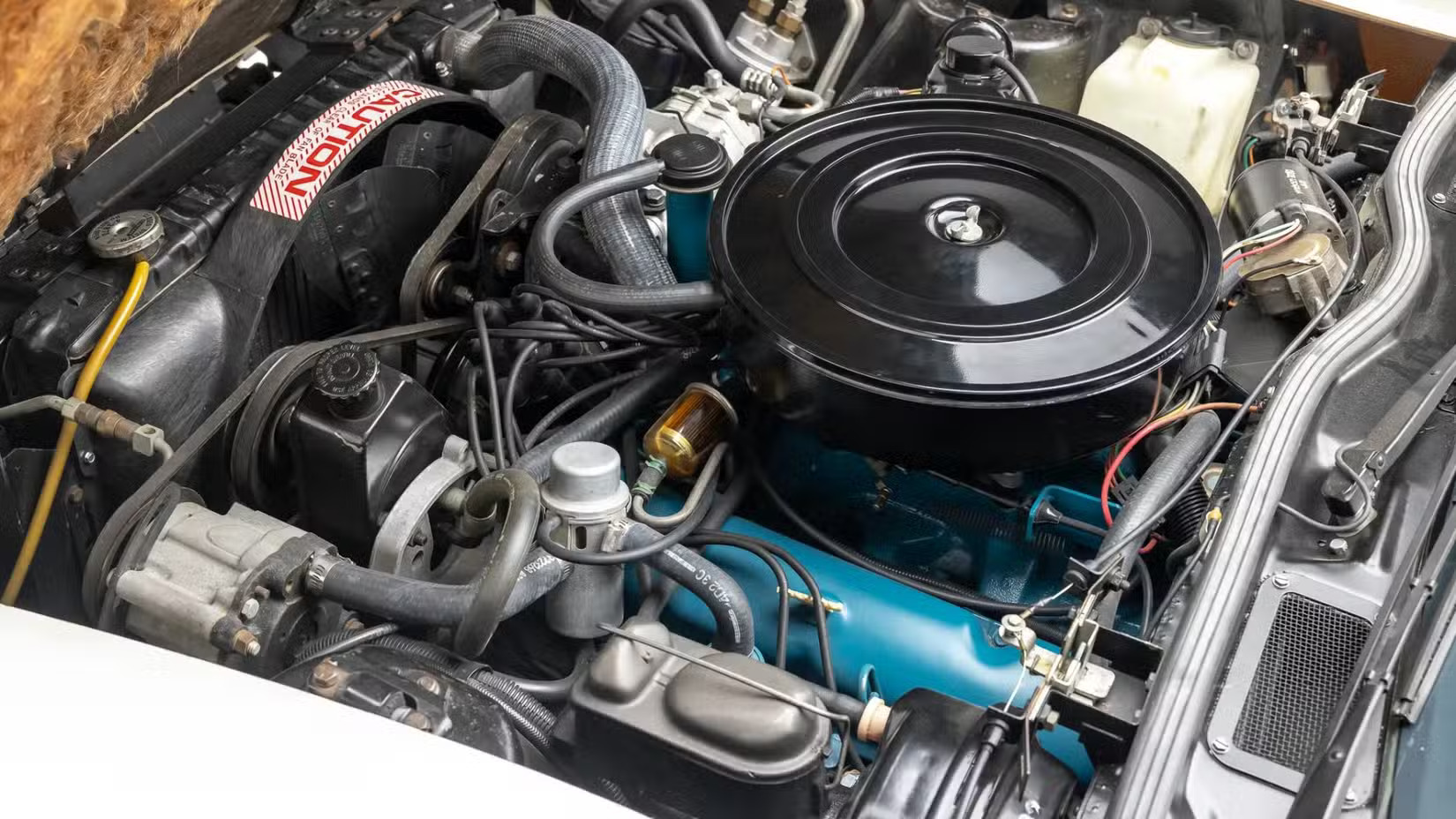
The family’s production is commonly dated from 1964 through 2006. That span is especially striking because AMC itself ceased to exist as an independent automaker in 1987. The engine literally outlived the company and most cars that introduced it. The final 4.0-liter applications were 2006 Jeep Wranglers, after which changing emissions, packaging and refinement requirements favored newer V6 designs.
The 232, 258 and 4.0 received substantial mechanical revisions, so this entry refers to the continuous AMC-derived family rather than claiming every component remained interchangeable. Its longevity came from a sturdy layout, abundant torque and a narrow shape well suited to longitudinal-engine Jeeps. The cars disappeared, the corporation changed hands, and the six kept working.
7. Jaguar XK Inline-Six (1949-1992)
Jaguar introduced its XK twin cam inline six in the XK120 sports car at the 1948 Earls Court Motor Show, and production began the following year. The 3.4-liter engine represented an advanced design for a postwar production vehicle because it featured dual overhead camshafts and a crossflow cylinder head at a time when many competitors still depended on simpler pushrod engines.
Its combination of smooth performance, efficient airflow, and strong potential for future development helped establish Jaguar as a leader in high-performance engineering.
The XK engine soon moved far beyond the XK120. It powered the XK140 and XK150, C-Type and D-Type racers, E-Type, Mark-series sedans, and later the XJ6. Displacements included 2.4, 2.8, 3.4, 3.8 and 4.2 liters, with tuning ranging from refined luxury-car specifications to competition forms.
Jaguar won Le Mans repeatedly in the 1950s with XK-powered racing cars, but the engine’s long life depended just as much on its ability to serve quiet sedans and large luxury vehicles.
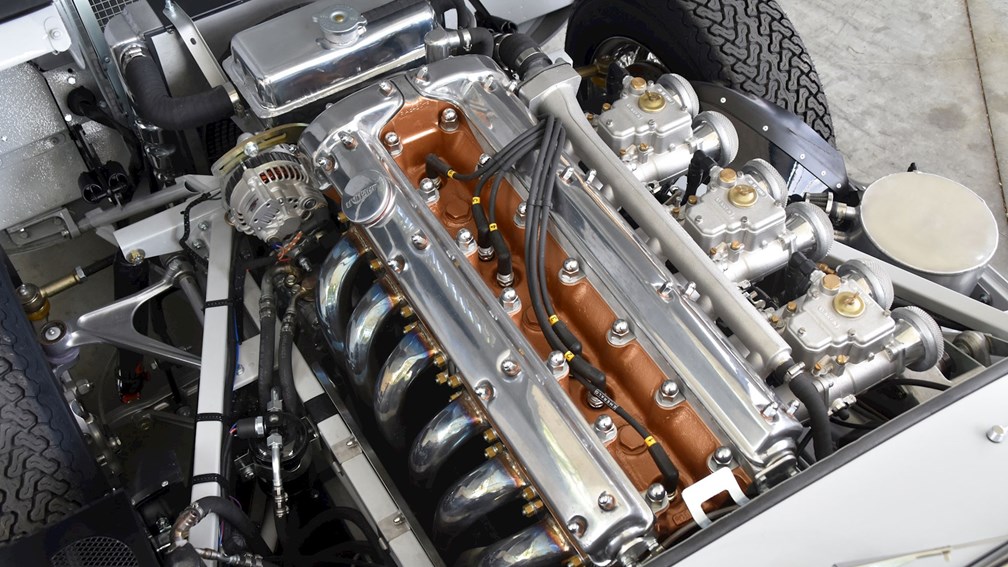
Production continued until 1992, giving the XK six a 43-year manufacturing span. By then, the XK120 that introduced it had been gone for nearly four decades, the E-Type had ended in the 1970s, and Jaguar had developed newer AJ6 engines. Late XK units remained in versions of the XJ6 and Daimler limousines because the established engine still suited those vehicles and production needs.
The XK did not remain unchanged. Capacity, induction, cooling, emissions equipment and manufacturing details evolved substantially. Yet the recognizable twin-cam straight-six concept endured from Britain’s postwar recovery into the modern emissions era, powering sports cars, racing machines and formal sedans across more than four decades.
8. Volkswagen Air-Cooled Flat-Four (1936-2005/06)
Volkswagen developed its air-cooled flat-four engine before the Second World War for the vehicle that would later become the Type 1 Beetle. Manufacturing began during the 1930s, and the engine followed a straightforward design with four horizontally opposed cylinders, air cooling, a rear-mounted configuration, and an overhead valve valvetrain.
The earliest versions were small and produced modest power, yet the engine stood out for its compact size, low weight, and uncomplicated construction. Without the need for a radiator, coolant hoses, or a water pump, it earned a reputation for simplicity and reliability.
The engine became inseparable from the Beetle, yet it also powered the Type 2 Transporter and Microbus, Karmann Ghia, Type 3 and other Volkswagen models. Displacement and cooling arrangements evolved, including the “pancake” packaging used in Type 3 vehicles and the larger Type 4 family.
Different models disappeared at different times, but the boxer remained useful because factories worldwide could manufacture and service it using established tooling and knowledge.
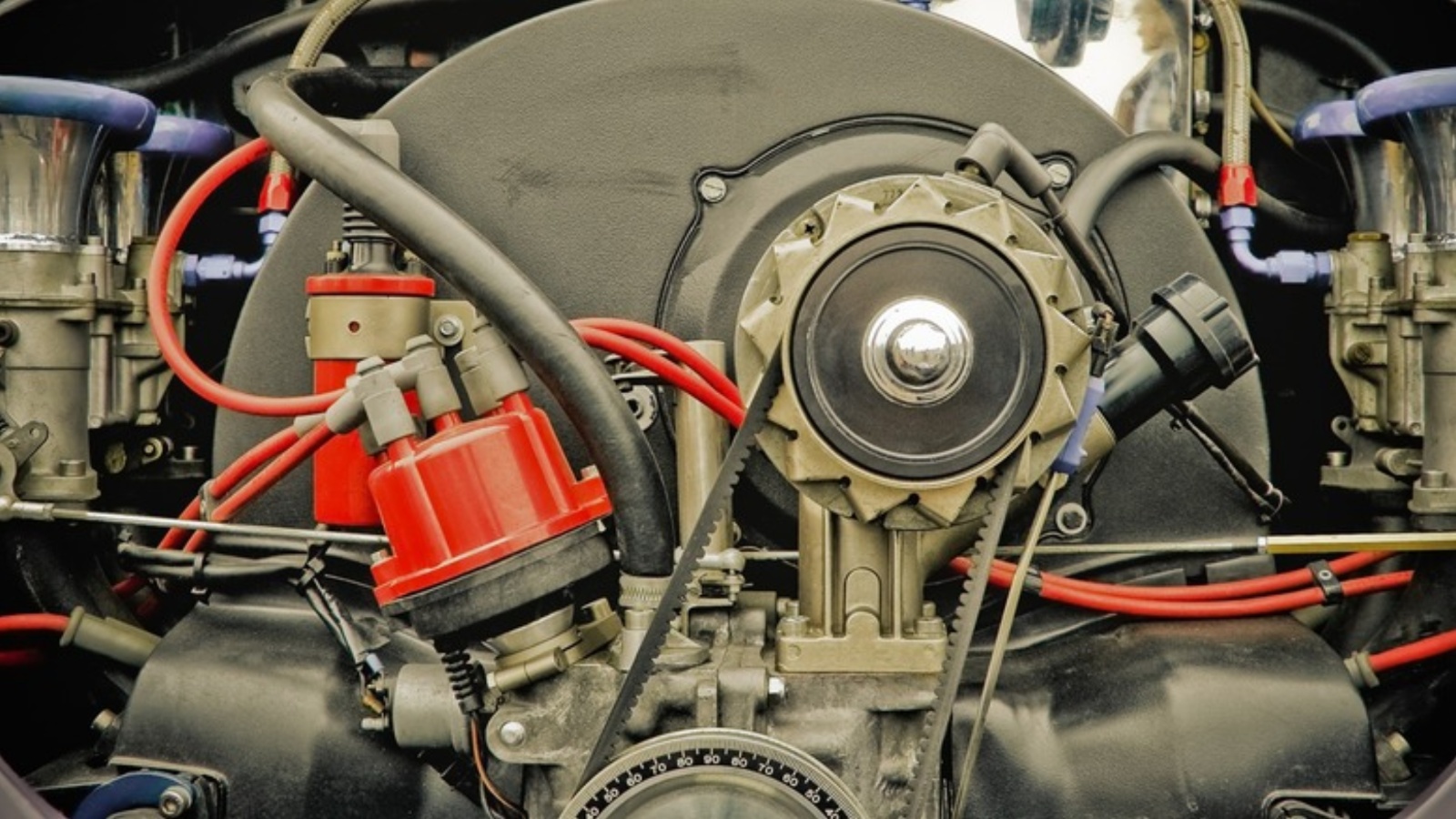
During the 1970s, Volkswagen began replacing its traditional rear-engine air-cooled models with modern front-engine cars that used water-cooled engines. Despite this shift, the Beetle continued to be built in Mexico until July 2003. The air-cooled flat four engine remained in production even after the Beetle ended because it was still used in Brazilian Type 2 Kombis until December 2005.
Many sources describe the engine family’s production history as lasting from 1936 to 2006 because the final transition away from the air-cooled design marked the end of its long manufacturing run.
Its durability should not be romanticized as indestructibility; air-cooled Volkswagens required regular valve adjustments, correct cooling tin and attentive maintenance. The achievement was adaptability and manufacturing longevity. An engine conceived for a 1930s people’s car survived war, global expansion, the counterculture era and the arrival of electronic modern cars, remaining in vehicle production after the Beetle itself was gone.
Also read: 10 Engines With Almost No Reported Catastrophic Failures