
You pull onto the lot ready to test drive your next car, and before you even sit behind the wheel, a salesperson asks for your keys to appraise your trade-in. It feels routine, almost polite, yet this small step at the start of your visit sets off a chain of moves that shape everything that follows. Some reasons behind this practice are genuinely practical, helping the dealership work efficiently and structure a fair offer.
Others lean more toward strategy, nudging you toward a longer visit and a stronger emotional pull toward finishing the deal. Understanding why dealerships ask for this step first gives you a clearer picture of what happens behind the scenes, and a better sense of how to stay in control of your own pace throughout the process.
1. Making It Less Convenient to Leave
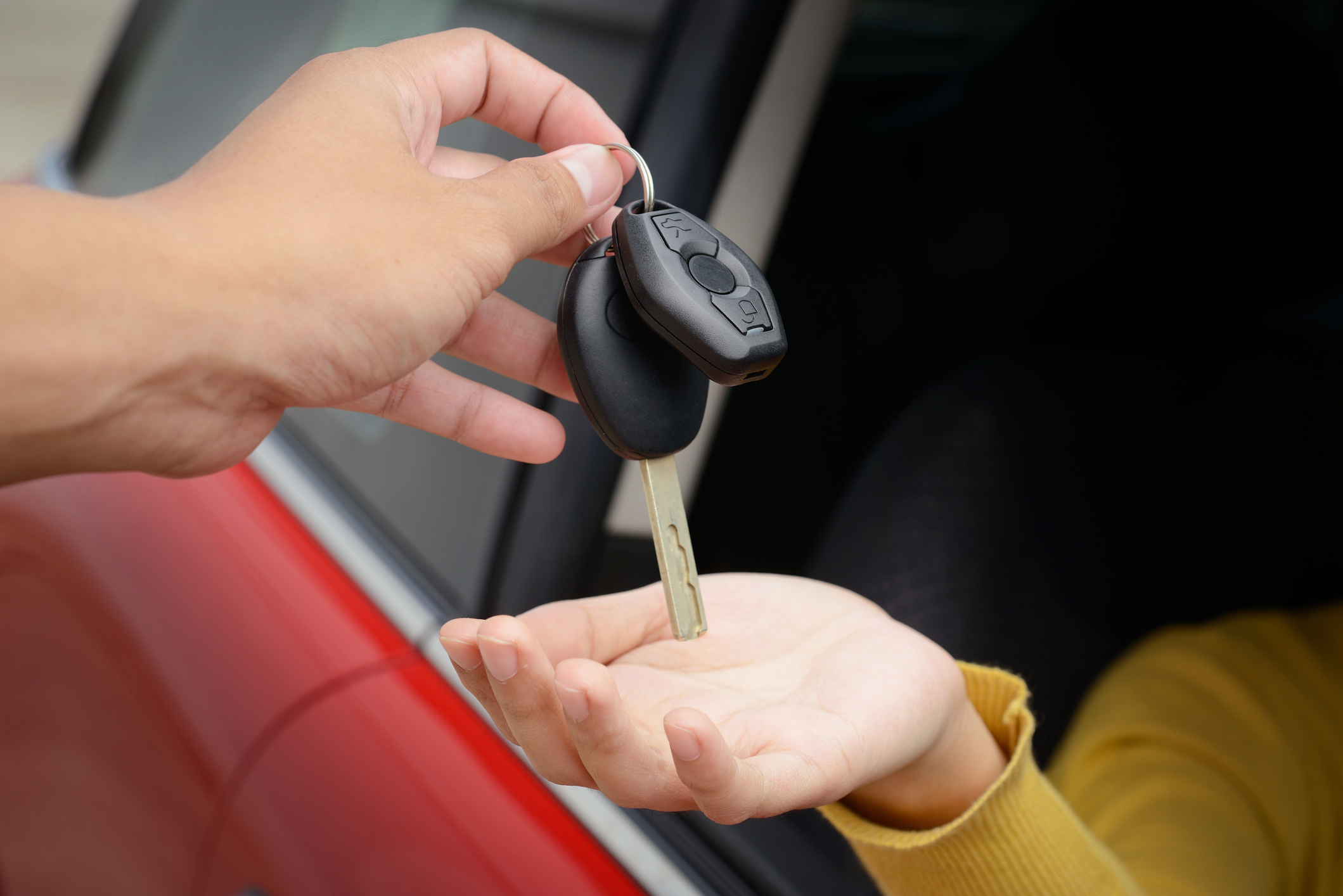
Handing over your keys sounds harmless enough, but it quietly changes your options the moment it happens. Your car sits somewhere in the back lot, possibly on a lift or parked between other vehicles, which means leaving now requires locating a salesperson, waiting for the inspection to wrap up, and retrieving your keys before you can even think about driving off.
That extra friction matters more than most buyers realize in the moment. A quick exit that would have taken thirty seconds now takes several minutes, and those minutes often get filled with more conversation, another offer, or a manager stopping by to ask what it would take to earn your business today.
None of this requires anything dishonest on the dealership’s part. Simply removing the fastest path to the parking lot exit is enough to keep more buyers physically present a little longer than they originally planned.
If you want to preserve your ability to leave at any moment during a visit, asking the dealership to keep your keys nearby and easily accessible, or requesting your appraisal happen quickly and separately from any pressure to negotiate immediately, helps you hold onto that flexibility without seeming difficult or distrustful.

2. Understanding Your Financial Position
Long before numbers get discussed out loud, the dealership is quietly gathering information that shapes how the entire conversation will go. Inspecting your trade-in tells them roughly what it is worth, while a quick check of your loan payoff amount reveals whether you owe more than the car is currently worth or whether you have equity working in your favor.
That single piece of information changes the entire framing of your visit. A buyer with positive equity has room to negotiate and options to consider, while a buyer carrying negative equity may need that gap folded into a new loan, which changes monthly payments and total financing costs considerably.
Salespeople use this insight to steer the conversation toward vehicles and payment structures that match your financial reality, sometimes before you have even mentioned a budget yourself. This is not inherently manipulative, since knowing your financial position genuinely helps present relevant options rather than wasting your time on vehicles that will not work with your situation.
Still, it means the dealership often understands your leverage, or lack of it, earlier in the process than you might expect, which is worth keeping in mind as numbers eventually come up.
Also Read: 8 Reasons a Used Lease Return Beats a Trade-In

3. Increasing Your Psychological Commitment
Many car buyers do not realize how easily they become committed after investing a little time in the buying process. Dealerships understand this and often let it happen naturally. Once your vehicle is taken for inspection and basic paperwork begins, you may start feeling connected to the transaction without realizing it.
Walking away at that stage can seem more difficult because it feels like abandoning something you have already started. For many people, refusing a deal before the process begins is easier than stopping halfway through.
This does not require false promises or dishonest tactics. It simply takes advantage of the common habit of wanting to finish what has already been started. Even waiting while your trade-in is inspected can create the feeling that too much time has been invested to leave without buying.
As a result, accepting an offer you are still uncertain about may begin to feel easier than visiting another dealership. Recognizing this reaction can help you evaluate the offer based on its actual value instead of the time already spent.
Remember that filling out forms, waiting, or discussing prices does not obligate you to purchase a vehicle. You can still walk away whenever the deal does not meet your expectations, needs, or budget.
4. Learning What Matters to You
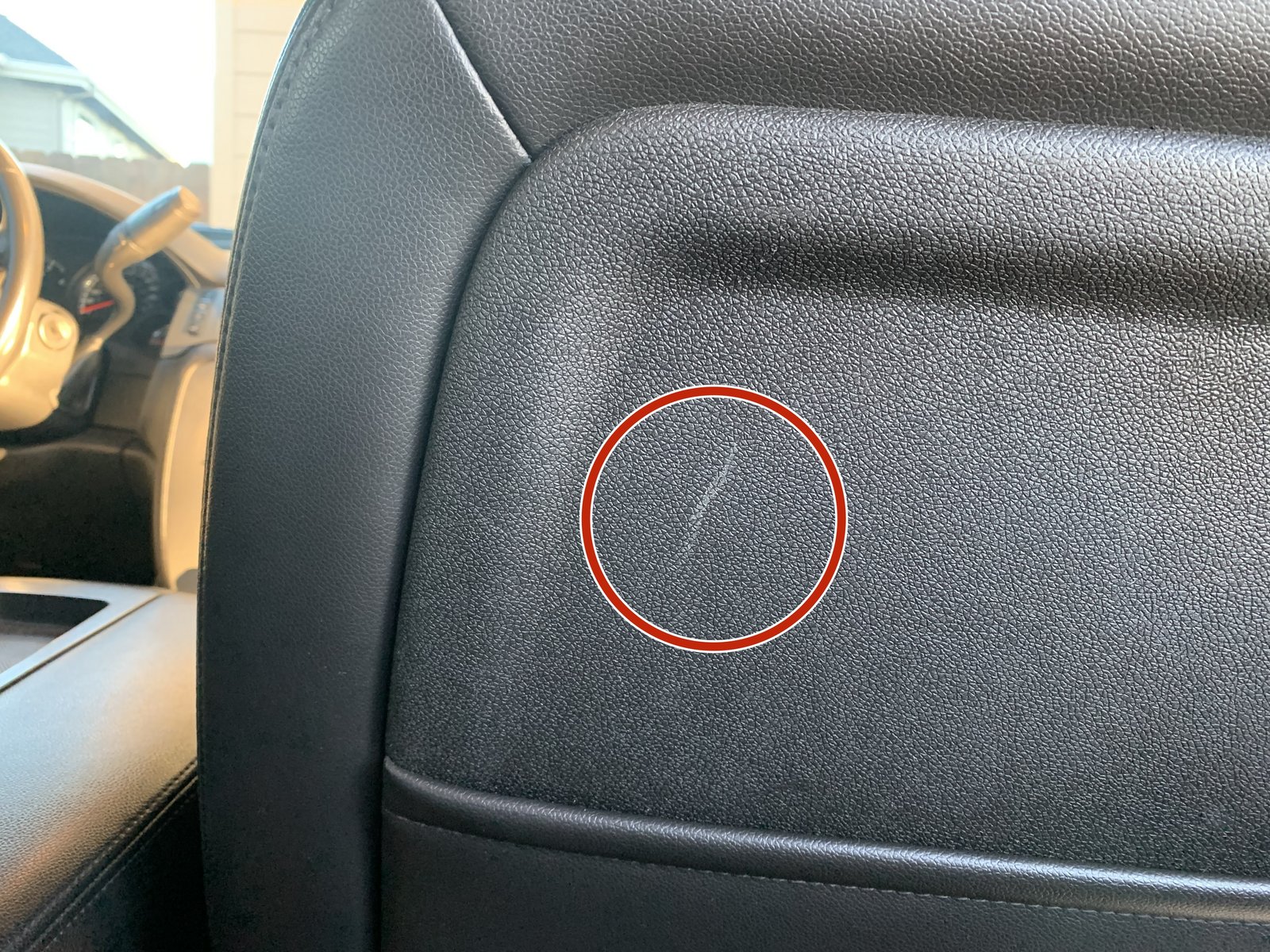
Your current vehicle can reveal more about your lifestyle than you may realize. Experienced salespeople often notice small details as soon as they inspect it. Scuff marks near third-row seats may suggest you regularly travel with children or several passengers. Roof rails can hint at outdoor hobbies, while a clean interior in an older vehicle may show that you value durability and proper maintenance.
These early observations often shape the conversation before you mention your preferences. During the test drive, the salesperson may build on those impressions. Heavy wear on the driver’s seat or steering wheel can indicate long hours behind the wheel, prompting discussions about ride comfort, fuel economy, and features that improve daily driving.
Items inside the cabin also offer useful clues. Child seats, shopping bags, or storage organizers may move attention toward passenger space, safety equipment, and practical storage solutions for family use. Rather than explaining every available feature, the salesperson will usually highlight options that seem to fit your routine.
Using visible details to understand a customer’s needs is a common sales practice and can make conversations more efficient. Still, your vehicle communicates information before you speak. Remembering this can help you direct the discussion toward the features and priorities that matter most to you.

5. Using Time More Efficiently
From a purely operational standpoint, running your trade-in appraisal while you are out on a test drive makes a lot of sense. Someone has to inspect the vehicle, check comparable market listings, estimate what reconditioning might cost before resale, and put together a number worth presenting.
All of that takes real time, and doing it while you are occupied elsewhere means your total visit does not stretch out any longer than necessary. Rather than sitting in a waiting area for twenty minutes while an appraiser works through your car, that same window gets filled with something you are actually doing anyway, which is evaluating whether the new vehicle fits your needs.
By the time you return from your drive, the appraisal team has typically finished their work, and a number is ready to discuss without additional delay. This approach benefits both sides in a genuinely practical way, since nobody enjoys sitting around waiting for paperwork to catch up with a conversation that could otherwise be moving forward.
Recognizing this as a legitimate scheduling choice, separate from some of the more strategic reasons on this list, helps you appreciate which parts of the process exist purely for efficiency rather than persuasion.

6. Presenting the Offer After the Test Drive
Many buyers do not realize how the order of events can influence purchasing decisions. Car dealerships often wait until after the test drive to discuss the value of your trade-in. Before driving, the vehicle is simply something you have seen in photos or read about. After experiencing it on the road, it can feel like a natural fit for your daily life.
That positive impression may make the financial offer seem more appealing than it would have before the drive. A satisfying test drive can create excitement, making it easier to accept the package, including the amount offered for your current vehicle.
This approach works because positive emotions can reduce the attention buyers give to individual financial details. Instead of evaluating each figure separately, some people begin viewing the proposal as one complete deal.
To avoid this, assess the trade-in offer on its own. Take time to compare it with your vehicle’s market value before making a decision. Separating the trade-in discussion from the excitement of driving another car helps you stay objective.
By treating each part of the deal independently, you can ask better questions, compare offers from other dealerships if needed, and make a decision based on accurate information rather than emotions.
7. Measuring the Vehicle’s Condition
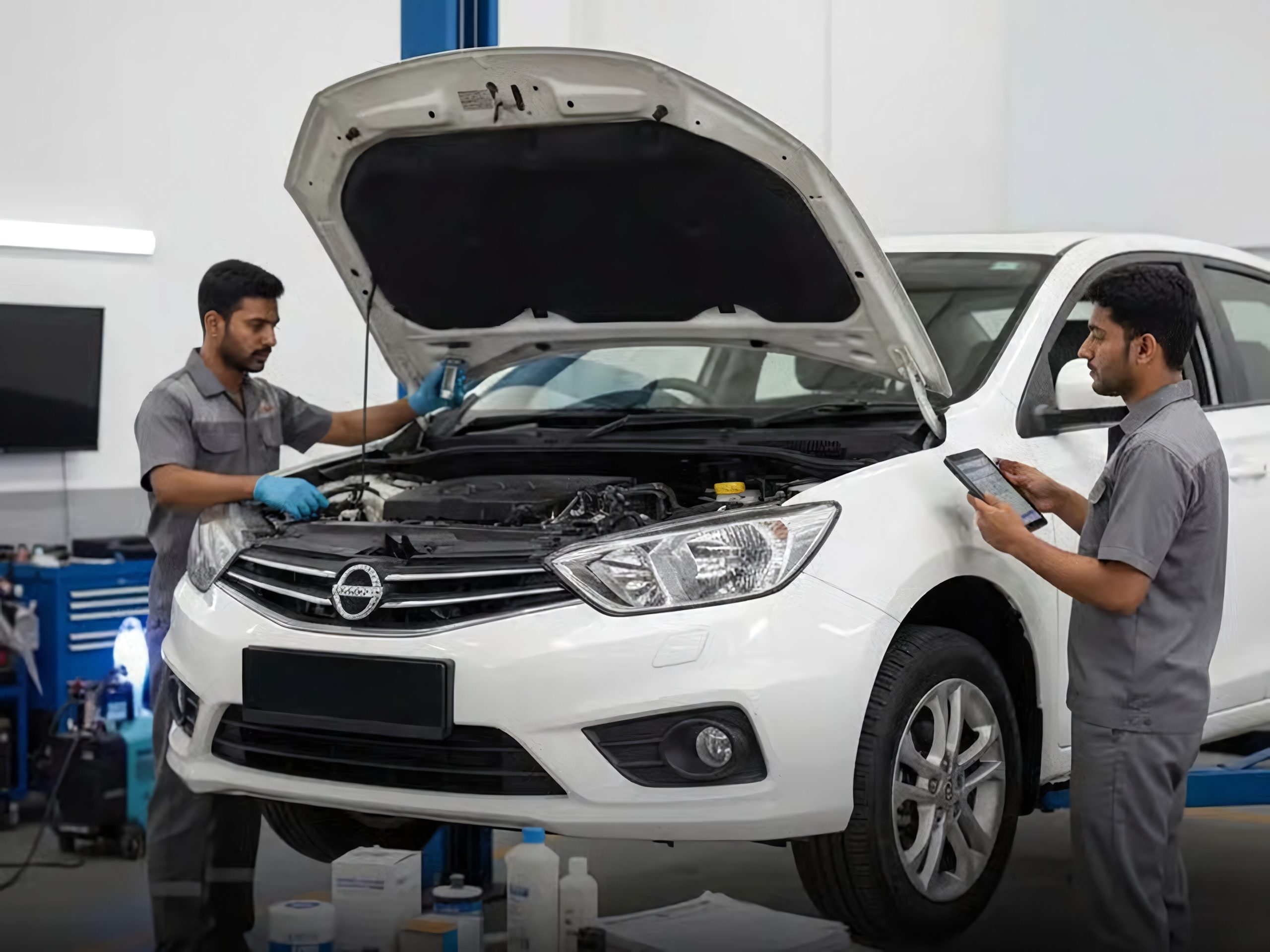
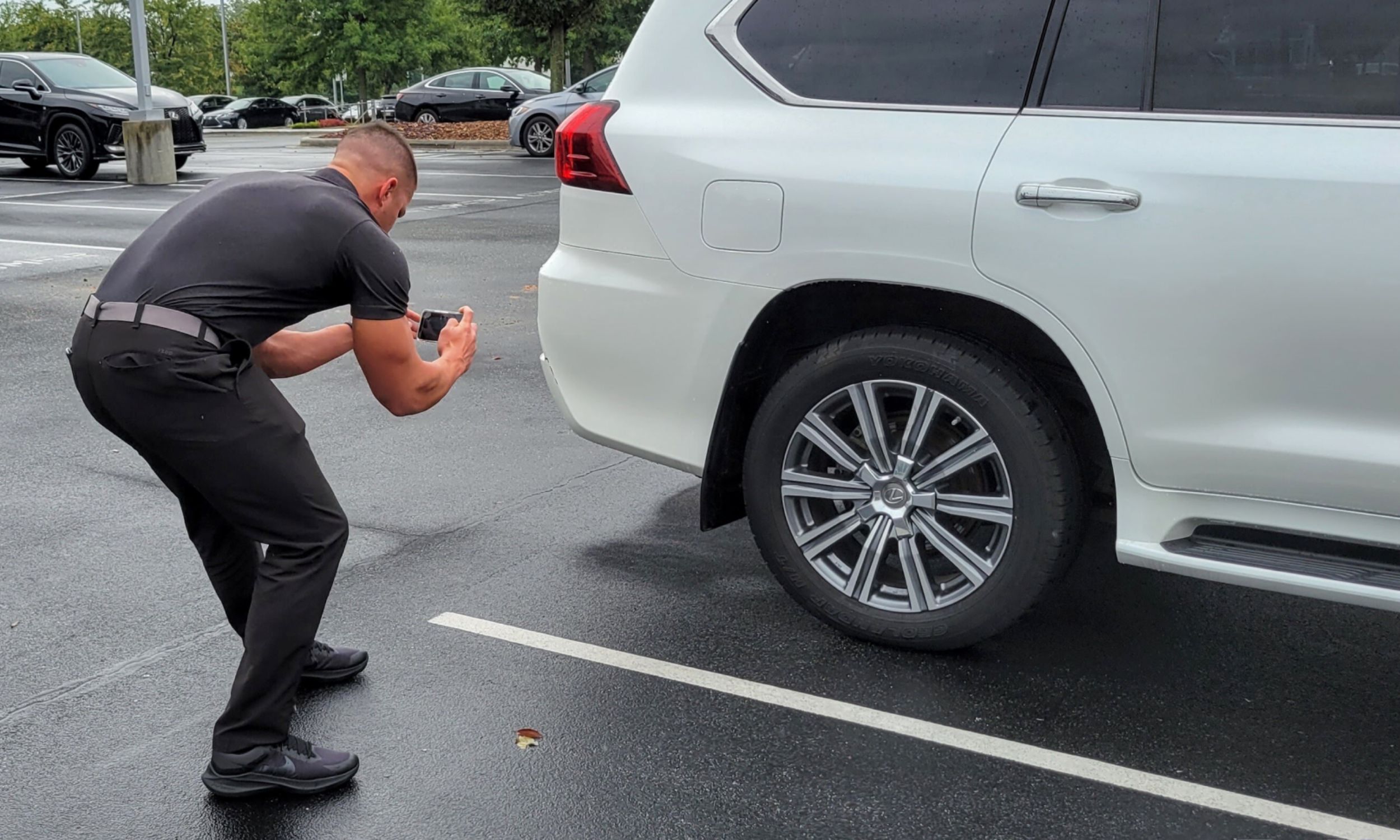
Underneath the routine appearance of a trade-in appraisal is a genuinely thorough inspection process, one that looks closely at maintenance records, tire wear, cosmetic damage, dashboard warning lights, and any signs of prior accident repair.
These details matter enormously to the number that eventually gets offered, since a well-maintained vehicle with clean service history is worth considerably more to a dealership than one showing signs of neglect or hidden repair work.
Technicians look under the hood, check fluid levels, examine brake wear, and sometimes run a quick diagnostic scan to catch anything that might not be obvious from a simple walk-around. All of this information directly shapes what the dealership is willing to offer, since reconditioning costs eat into their eventual resale margin on your trade.
A vehicle needing new tires, brake work, or bodywork before it can be resold will naturally receive a lower offer than a comparable vehicle in excellent condition. Knowing this ahead of time gives you a chance to prepare.
Bringing maintenance records, addressing minor cosmetic issues beforehand, and being upfront about any known mechanical concerns can all help you receive a more accurate and sometimes more favorable offer once the inspection wraps up.
Also Read: 8 Reasons a Zero Percent Loan Costs More Than Cash

8. Keeping the Transaction in One Place
Dealerships prefer to keep every part of your purchase in one place, and starting the trade-in appraisal early helps achieve that. Once your vehicle has been inspected and an offer is presented, it often feels easier to complete the transaction instead of visiting another dealership and repeating the process.
That sense of convenience can work in the dealership’s favor without any direct pressure. Even so, you are free to take the appraisal, leave, and compare it with offers from other dealerships or online vehicle buyers. Receiving one offer does not require you to accept it immediately.
The combination of a completed appraisal, partially finished paperwork, and time already spent with a salesperson can create momentum toward finalizing the deal. Many buyers continue simply because restarting the process elsewhere seems inconvenient.
Remember that comparison shopping is still an option after your vehicle has been appraised. Taking time to check other offers can show whether the proposed value truly reflects the market. A little extra effort may result in a better deal or greater confidence that the original offer is fair.
Making your decision after comparing several options helps ensure you receive appropriate value for your vehicle instead of accepting the first offer out of convenience alone.
